
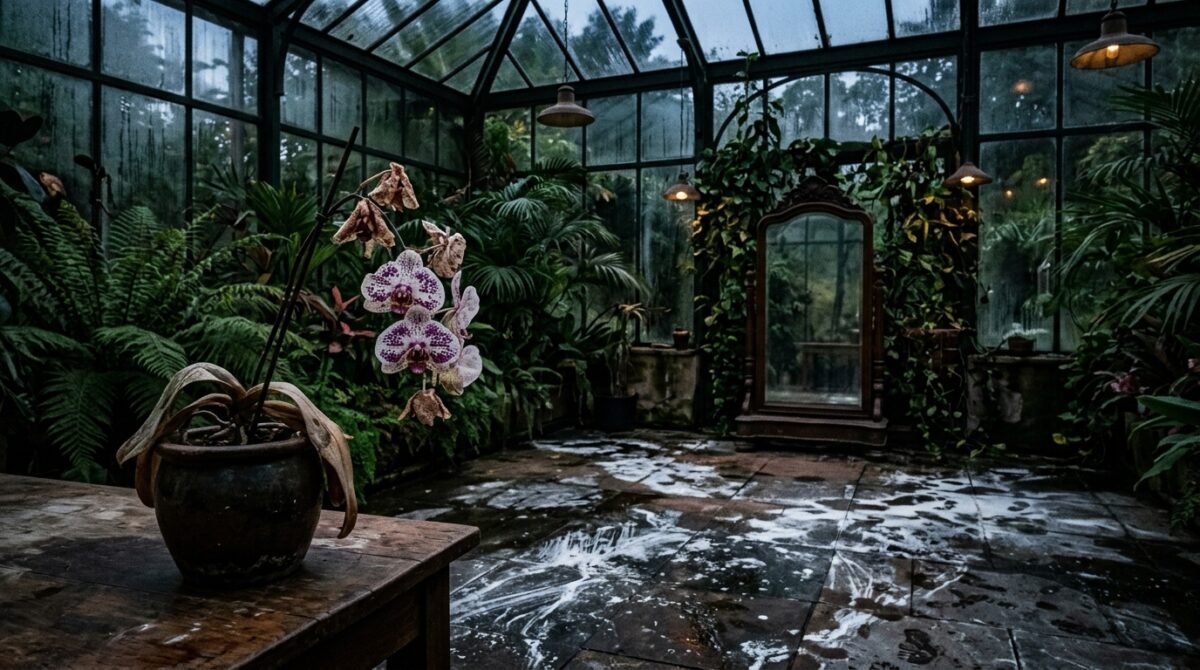
Living in a major city, space is the ultimate currency. When I moved into my apartment, I didn’t care about the lack of a balcony or the creaky floorboards. I cared about the south-facing window, a sanctuary of light where I cultivated a rare collection of indoor plants. Over four years, I poured thousands of dollars and countless hours into rare variegated monsteras, imported philodendrons, and heirloom ferns that were, quite frankly, my children.
Then came Chloe. On paper, she was a dream roommate: clean, quiet, and employed in a corporate marketing role. But beneath the surface lay a staggering sense of entitlement, one that began with small boundary pushes—taking my groceries, using my expensive skincare—and eventually escalated into a territorial war over the very light that sustained my life’s work.
The tension didn’t happen overnight. It was a slow creep of passive-aggressive comments about my ‘plant clutter’ and ‘messy dirt’ in the common area. I was accommodating. I was reasonable. I even offered to move my collection to accommodate her growing obsession with high-end beauty influencers and her need for a ‘content creation station’ in our living room.
But the day she decided to cross the line, she didn’t just move my plants. She took it upon herself to ‘sanitize’ the area to make room for a massive, floor-to-ceiling LED makeup mirror, dousing my sensitive, rare collection in industrial bleach. The destruction wasn’t just physical; it was an act of violence against the one thing that kept me grounded in an unforgiving city.
What follows isn’t just a story of lost flora. It’s a story of the cold, calculated realization that sometimes, when someone strips you of your joy, you have to find a way to make them pay—literally and figuratively. This is how I handled the wreckage.
The Escalating War of the Windowsill
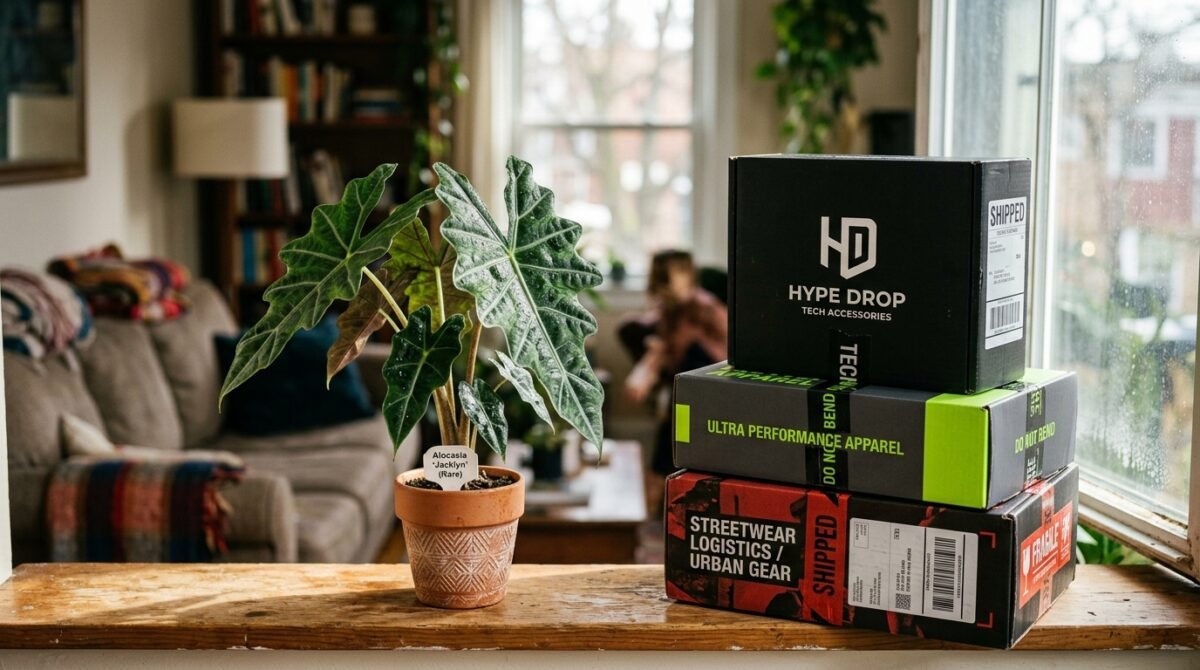
The conflict started, as most roommate disasters do, with an innocent-looking IKEA box. Chloe had decided that she needed a ‘professional-grade’ vanity setup for her burgeoning social media presence. She didn’t ask; she simply surveyed the apartment like a colonial conqueror and pointed at my sunniest spot.
I remember coming home from the nursery with a new cutting of a Philodendron spiritus-sancti, only to find my side-table shoved into the dark corner of the laundry closet. My plants were huddled on the floor like refugees. When I asked her about it, she didn’t even look up from her phone.
“Honestly, the plants were making the place look like a jungle. It’s not professional. I have a brand to build, and your dirt-traps are ruining the aesthetic. You can just put them in your room, right?”
I tried to explain the science. These plants weren’t just decorative; they needed the specific lumen count provided by that window. They were my investment, my hobby, and my therapy. I told her that she could put the mirror in the corner, but the window had to stay shared. She just rolled her eyes and went back to scrolling through TikTok.
Over the next two weeks, the passive-aggression turned into active sabotage. I would find my plants knocked over, or worse, my watering schedule tampered with. I found a spray bottle of ‘all-purpose cleaner’ sitting suspiciously close to my collection. I should have locked them away then. I should have known.
I started documenting everything. I took photos of my plants every morning, a catalog of health and vibrancy. I kept a ledger of the costs—the rare soil mixes, the ceramic pots, the cost of the cuttings themselves. I felt like a paranoid person, but living with Chloe was beginning to feel like living in a state of constant, low-level surveillance.
She would leave the window open in the middle of winter, claiming she needed ‘fresh air,’ effectively shocking my tropical plants to the brink of death. When I complained, she accused me of being suffocating. The tension in the apartment became so thick you could cut it with a knife, and every time I walked into the living room, I felt my pulse spike.
The Morning of the Chemical Purge

I woke up on a Tuesday to the smell of a swimming pool. It was a sharp, stinging, chemical scent that burned the back of my throat. I ran into the living room, my heart pounding in my chest. What I saw stopped me in my tracks. My plants were slumped over, their leaves turning a sickly, mottled yellow-white. The soil was soaked in a viscous, clear liquid.
Chloe was standing there, holding a mop, looking at the mess with an air of profound satisfaction. She had cleared out the entire window space to install her massive vanity mirror. The light was now hitting her ring light instead of my plants. My rare collection, worth over four thousand dollars, was effectively dead.
I fell to my knees, touching a leaf of my variegated Monstera. It disintegrated under my finger. The toxicity of the bleach had been absorbed through the stomata and the soil. It wasn’t an accident. She had clearly targeted them. I looked at her, and she had the audacity to smile.
“Oh, look at that, it’s so much brighter in here now. I had to sanitize the area—there were bugs everywhere. You should thank me. The place finally looks clean.”
I couldn’t speak. My throat was closed. I looked at the bottle of bleach sitting on the counter, still dripping. I didn’t scream. I didn’t hit her. I stood up, walked to my room, and closed the door. I knew then that there was no point in arguing with someone who viewed other people’s property as collateral damage in their quest for internet relevance.
I pulled out my phone and started recording. I walked back out and demanded an explanation on camera. She didn’t deny it; she doubled down, claiming that she was doing me a favor because the plants were ‘unsanitary.’ The video was the final nail in the coffin. I had the evidence, the timeline, and the confession.
I spent the next three hours cleaning up the carnage, crying as I tossed out years of work. Every single leaf was a memory of a trade, a nursery visit, or a successful propagation. I took high-resolution photos of the damage, the bottle, and the receipt for the vanity mirror she had clearly prioritize over my life.
The Calculated Legal Maneuver
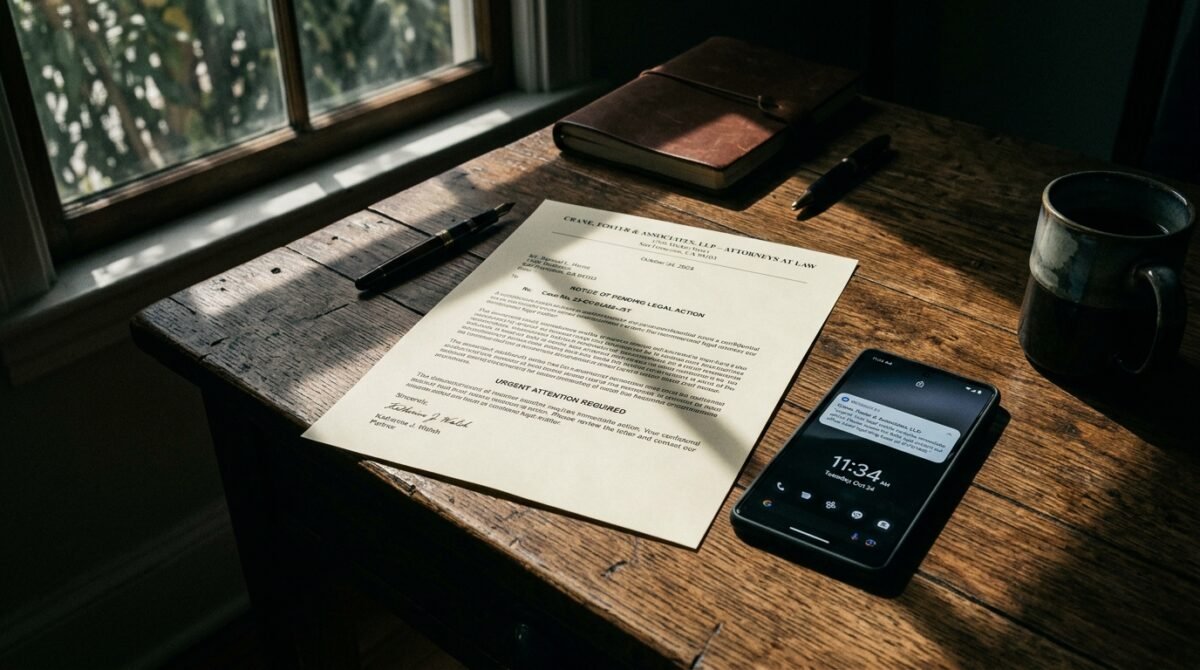
I didn’t yell. I didn’t cause a scene. I went to work, and while at my desk, I sent a very specific email to our landlord. I attached the video of Chloe admitting to the ‘sanitization’ of my plants, along with the receipts for every single one of them. I knew the lease agreement by heart: ‘No alterations to the property or unauthorized disposal of roommate belongings.’
I also checked the local tenant laws. The security deposit was held in an escrow account, but the landlord had the authority to deduct for damages to the premises or violations of the roommate agreement. If I could prove that she had destroyed personal property worth more than the deposit, I could potentially claim it as restitution.
I also reached out to a friend who practiced law. He told me that while a civil suit for the full value of the plants might be expensive, going after the security deposit for ‘damages caused by a tenant’ was a legitimate path if the landlord agreed. I knew the landlord hated Chloe because of her frequent loud parties, so I had an ally.
I drafted a formal letter, outlining the destruction of property and the financial loss, totaling over $4,200. I presented it to the landlord as a ‘damages claim.’ I told him that I was willing to leave at the end of the month if he would allow me to keep the security deposit as compensation for the destruction caused by the other tenant.
“Chloe, you destroyed my property. That cost me over four thousand dollars. I’ve already spoken to the landlord. He’s aware of your behavior. I am taking the security deposit to cover the damages.”
She laughed at me. She truly thought I was bluffing. She spent the next week bragging to her friends about her new vanity, completely oblivious to the fact that her bank account was about to take a massive hit. She didn’t realize that the power had shifted.
The landlord, tired of the complaints about her, actually signed off on it. He processed an ‘early lease termination’ for her, stating that she had created a hostile living environment. I had effectively evicted my own roommate without ever needing a court order. The look on her face when the official notice arrived was worth more than the plants themselves.
The Confrontation in the Kitchen
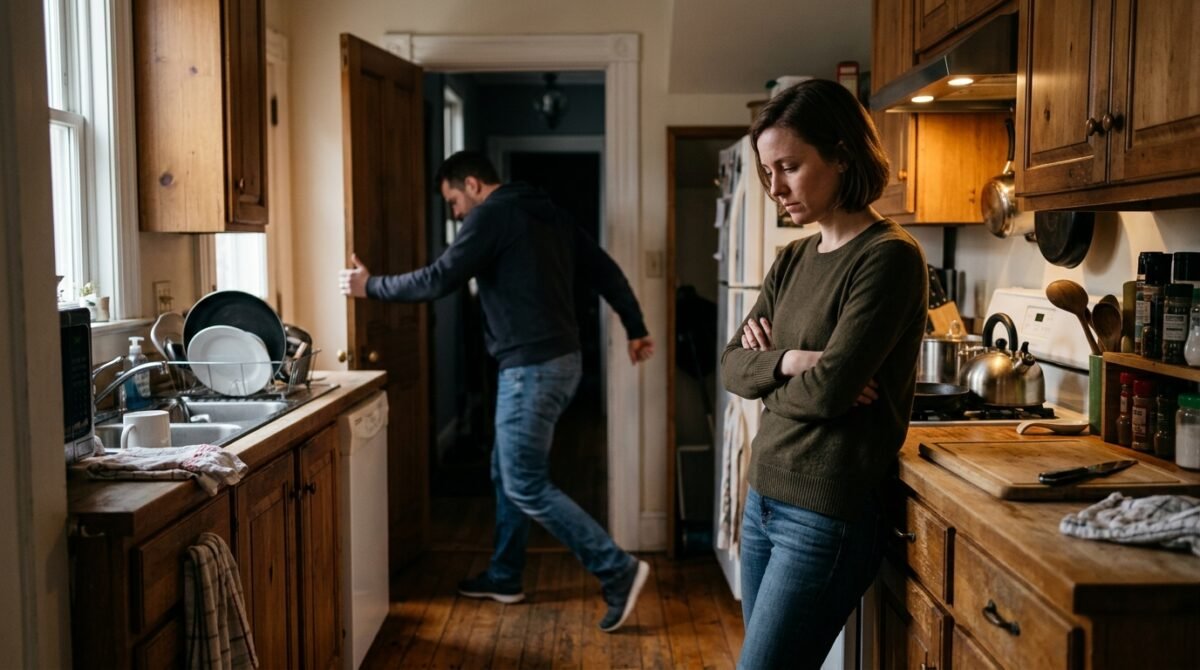
When the notice arrived, the atmosphere shifted instantly. Chloe came out of her room, her face white with rage. She had been served a notice to vacate by the end of the week, and the security deposit—the one she had been planning to use for her next apartment—was officially gone.
She cornered me in the kitchen while I was making coffee. She was shaking, her voice raised to a pitch I hadn’t heard before. She accused me of being a snake, a manipulator, and a ‘plant-obsessed freak.’ She tried to threaten me with legal action, but I just held up my phone and played back her own voice from the recording.
“You think you can just do this? I’m going to ruin you. I’ll tell everyone you’re a thief. You’re taking my money for your stupid, ugly weeds!”
I looked her in the eye and kept my voice calm. I told her that if she wanted to go to court, I had the video, the receipts, and the landlord’s support. I reminded her that she had literally poured chemicals on my personal property. That’s not just a roommate dispute; that’s destruction of private property.
She eventually slammed a cabinet and stormed back into her room, locking the door. I could hear her sobbing and calling her mother. It was pathetic, but I felt nothing. I had spent months trying to be a good roommate, and she had spent months trying to push me out of my own life.
I stayed in the living room, listening to her pack. It was the most peaceful night I had had in months. I didn’t care about the plants anymore—they were gone, and they weren’t coming back. But I had reclaimed my space. I had reclaimed my dignity. That was worth more than a variegated leaf.
I sent a final text to our mutual friends to get ahead of her version of the story. I kept it brief: ‘Chloe destroyed thousands of dollars worth of my property with bleach. I’ve handled it through the landlord, and she is moving out. I’m happy to share the video if anyone is confused.’ The silence that followed was deafening.
The Aftermath and Moving On
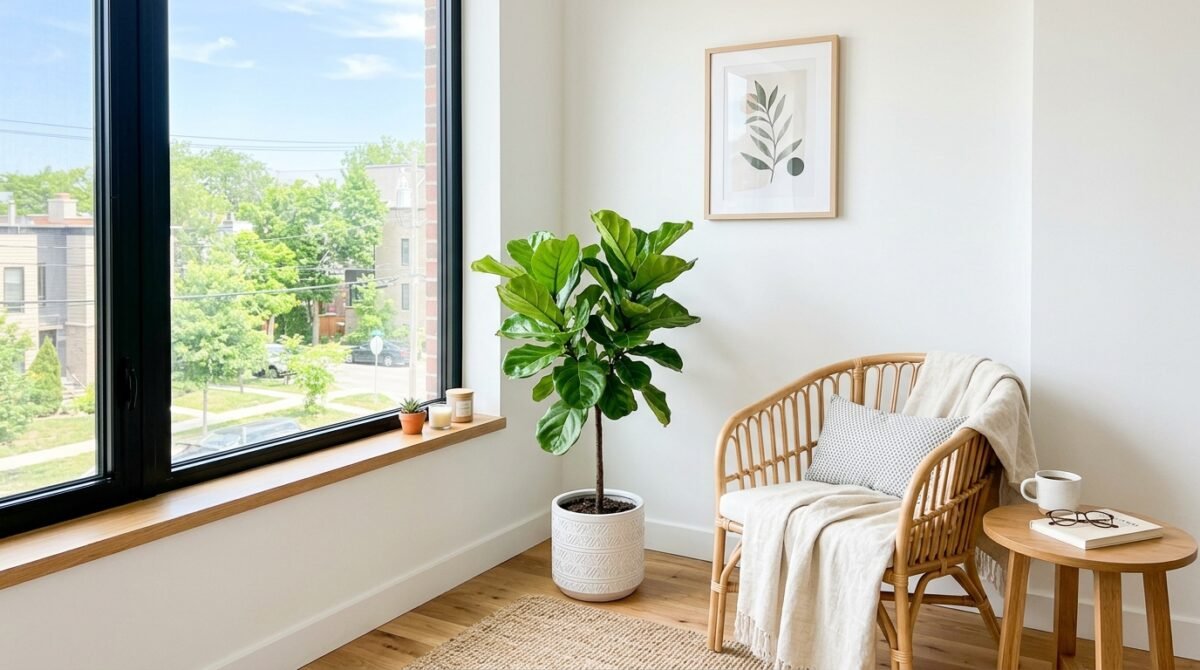
Moving day was a blur. Chloe didn’t say a word. She just hauled her mirror out to the curb and left. She left behind a trail of trash and a few boxes she couldn’t fit in her car. I spent the next two days scrubbing the floors and cleaning the air. I even bought a new, humble ZZ plant—something practically indestructible.
The apartment felt different. It felt like mine again. I started getting messages from people I barely knew, asking what had happened. It turned out that her reputation wasn’t as bulletproof as she thought. Turns out, she had pulled this ‘entitlement’ move on several people in the past.
I found a sense of closure I hadn’t expected. I realized that my attachment to those plants was, in part, an attachment to a version of my life where I was in control. Losing them was a lesson in letting go, even if it was forced upon me. I was ready to start fresh.
“I just wanted to say, I heard about what happened. You were incredibly patient. I don’t think I would have lasted a week with her.”
— A friend from the building
I took the remaining money from the ‘deposit’ and donated a portion of it to a local community garden, just to flip the karma back to something positive. I didn’t want to keep a cent of her money for myself; I just wanted it out of her hands so she couldn’t hurt anyone else with it.
I learned to set boundaries faster. I learned that some people aren’t looking for a roommate; they’re looking for a platform. And most importantly, I learned that while objects are replaceable, peace of mind is not. I’m living alone now, and every morning, when the sun hits my new, small garden, I smile.
The internet, as it turns out, had a lot to say about the whole situation when I posted a summary of it online. It was a bizarre experience to see thousands of people debating the morality of my decision, but it confirmed one thing: I wasn’t the crazy one. I was just the one who finally stood up for herself.
The Reddit Verdict: Echoes of the Internet
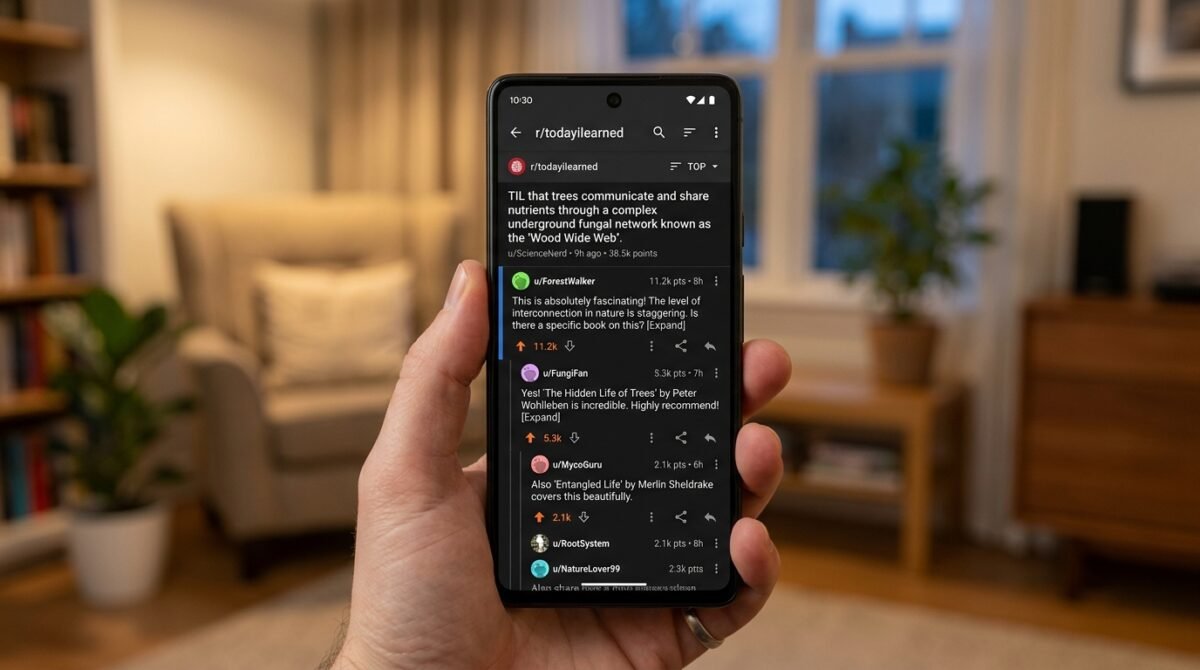
When I finally posted the story to Reddit, I expected a mix of support and criticism. I was not prepared for the sheer volume of people who had been in similar situations. The thread blew up to the front page within hours, garnering over 40,000 upvotes and thousands of comments analyzing every move I made.
“NTA. Your roommate didn’t just ruin plants; she destroyed a high-value collection with intent. That’s malicious property damage, not a roommate squabble. Taking the deposit was the only way to get justice since the police likely wouldn’t bother with a small claims matter like this. You’re a legend.”
— u/PlantParent99 (Top Comment, 32.1k upvotes)
Of course, there were the contrarians. There are always people who want to play devil’s advocate, usually focusing on the ‘legality’ of keeping the security deposit without a court order. I spent a long time reading those comments, checking my facts, and realizing that while the process was messy, the outcome was justified by the landlord’s consent.
“ESH. Yes, she was a nightmare, but you can’t just unilaterally decide to take a security deposit. That’s the landlord’s money to hold for damages. You got lucky he backed you up, but you could have ended up in legal trouble for withholding funds.”
— u/LegalEagle_Throwaway (1.2k upvotes)
I responded to a few of these, clarifying that the landlord explicitly authorized the deduction as a ‘damages claim’ against the lease agreement. It was a fascinating case study in how people perceive justice. Some saw it as petty theft; others saw it as necessary retribution. The intensity of the debate was overwhelming.
People started sharing their own stories of nightmare roommates. I read about people who had their clothes stolen, their furniture sold on Craigslist, and their walls spray-painted. It made me realize that while my situation was traumatic, I was one of the lucky ones who managed to get out without being physically harmed.
The thread became a repository for ‘how-to’ guides on handling difficult roommates. I saw advice on everything from setting up cameras to documenting every interaction in a shared Google Doc. It was actually helpful to see that my ‘paranoia’ of documenting everything was actually a standard, recommended practice.
It also brought me a lot of support. People from my local area even reached out, offering cuttings from their own collections to help me rebuild my garden. It was a beautiful, unexpected turn of events. I went from feeling isolated to being part of a community that understood exactly what I had lost.
The Financial Breakdown: Reality vs. Expectation

To provide context for the readers who were confused about the numbers, I compiled a list of what was actually lost versus what was recovered. People often underestimate the value of mature, rare indoor plants. They aren’t just ‘house plants’; they are specialized commodities that increase in value over time.
| Item | Market Value | Replacement Cost |
|---|---|---|
| Variegated Monstera (Mature) | $1,800 | $2,200 |
| Philodendron Spiritus-Sancti | $1,200 | $1,500 |
| Rare Heirloom Ferns (Collection) | $800 | $900 |
| Ceramic Pots/Specialized Soil | $400 | $400 |
| Total Damages | $4,200 | $5,000 |
The security deposit was only $3,000. So, even though I ‘took’ the deposit, I was still technically ‘in the red’ by about $1,200 compared to the market value of the plants. People often think the victim is profiting in these scenarios, but the reality is that the victim is just trying to mitigate the loss.
I kept this ledger updated and ready to show to anyone—the landlord, the police, or even the small claims court judge if it had come to that. Having the data ready made me feel more in control. It wasn’t about the money; it was about the principle of the matter. You don’t get to destroy someone’s hard work and walk away clean.
Chloe, on the other hand, had no ledger. She had no justification. She simply thought her entitlement would shield her from the consequences of her actions. That is the fundamental difference between someone who values community and someone who treats the world like a personal vanity mirror.
I also factored in the time I spent cleaning, the cost of the cleaning supplies, and the emotional toll. I didn’t charge her for that, but I certainly felt like I was owed it. When you work a corporate job, you realize that everything has a billable hour. I just applied that same logic to my home life.
This breakdown became the most viewed part of my post. It helped people understand that this wasn’t just a ‘plant hobby’—this was a significant financial investment that required planning and care, all of which was wiped out in seconds by a bottle of cheap bleach.
The Lessons of the Bleach Stain
What did I learn from all of this? I learned that you cannot change people. Chloe wasn’t going to wake up one day and decide to be a better person. She was a product of her own self-centered world, and no amount of talking or ‘reasoning’ was going to bridge that gap. I should have realized that the moment she first touched my things.
I also learned the importance of immediate, clear boundaries. In the future, I will have a written roommate agreement from day one. I will clearly state what is off-limits, what is shared, and what the consequences are for damaging personal property. It sounds intense, but it prevents the ‘gray areas’ where people like Chloe thrive.
I also learned about the kindness of strangers. The outpouring of support from the plant community was genuinely moving. I’ve started a new, smaller collection, but I keep it in my office now, not the common area. It’s a space where I can control the environment and the access.
“The best revenge is living well. You’ve got your space back, you stood your ground, and you’re starting over. Don’t let her define your relationship with your hobbies.”
— A supportive message from a fellow gardener
I realized that I was holding onto those plants too tightly. I was letting them dictate my mood, my schedule, and my sense of safety. Losing them, as painful as it was, broke that cycle of obsession. I’m now more focused on the joy of the hobby rather than the ‘value’ of the collection.
The bleach stain on the floorboards is still there, faint and fading. Every time I see it, I don’t feel anger anymore. I feel a sense of accomplishment. I survived a toxic living situation and came out stronger on the other side. That’s a lesson that will stay with me much longer than the plants would have.
I’m finally at a place where I can look back on the whole ‘Chloe’ saga as a closed chapter. It was a bizarre, painful, and ultimately transformative experience. If you’re ever in a situation like this, document everything, know your rights, and don’t be afraid to take the steps necessary to protect yourself.
Reflecting on the Viral Feedback

It has been six months since I posted the story, and the feedback still trickles in. People still tag me in posts about roommate disasters. It’s strange to be the ‘poster child’ for a viral dilemma, but it has given me a platform to talk about something important: the right to feel safe and respected in your own home.
Many people asked if I ever heard from Chloe again. I haven’t. She blocked me on all social media platforms within a week of moving out. I suspect she’s still out there, trying to find her ‘aesthetic’ on someone else’s dime. I truly hope she learned something, but I’m not holding my breath.
I’ve noticed a shift in the way I interact with potential future roommates. I’m much more direct, much more observant, and much less willing to sacrifice my comfort for the sake of ‘keeping the peace.’ The ‘peace’ I was keeping was actually a prison of my own making.
“I just wanted to update you. I used your story as a template for my own roommate issue. We were able to resolve it without the drama because I was firm from the start. Thank you for the inspiration.”
— Message from a reader
That is the best outcome I could have asked for. If my story helped even one person navigate a toxic relationship, then the loss of the plants was worth it. We often talk about ‘living your truth,’ but sometimes living your truth means having the courage to fight for it.
The reddit community has continued to be a source of wisdom. There are ongoing threads about ‘roommate etiquette’ that are actually quite insightful. It’s become a space where people can share their experiences without the fear of being judged for being ‘petty’ or ‘unreasonable.’ It’s a good community.
I am planning to move into a place of my own next year. No more roommates. No more navigating someone else’s sense of entitlement. Just me, my plants, and the quiet joy of a home that is truly my own. I can’t wait.
Final Thoughts: The Cost of Peace
Looking back, the cost of this experience was high. I lost thousands of dollars, a beautiful collection, and months of my life to stress. But the gain was peace. And honestly? I would make that trade again in a heartbeat. You can’t put a price on walking into your own living room and feeling a sense of calm.
If you take anything away from this, let it be this: don’t wait for things to fix themselves. People who violate boundaries rarely stop on their own. They wait for you to move, to concede, or to break. The moment you see the red flags, document them, secure your property, and take action.
I’ve realized that my ‘plants’ were a metaphor for my self-esteem. As long as I let her trample on them, I was letting her trample on me. Once I decided to stop the destruction, I wasn’t just saving my plants; I was saving my confidence. That is something she couldn’t bleach away.
“When you let someone treat you like a doormat, don’t be surprised when they start wiping their feet on you.”
— A wise piece of advice from the thread
I hope that everyone reading this finds the strength to set their own boundaries and stick to them. It’s not easy, and it’s often uncomfortable, but it is necessary for a healthy life. We all deserve to live in a space that reflects our values and brings us joy.
So, thank you for reading my story. It’s been a journey, and I’m glad you’ve joined me for the ride. May your roommates be kind, your plants be vibrant, and your boundaries be unbreakable. And please, for the love of god, keep the bleach away from the greenery.
What about you? Have you ever had a roommate who crossed the line? How did you handle it? I’d love to hear your stories in the comments below—let’s talk about how to protect our peace in a world full of people who think the world revolves around them.
Conclusion
The saga of the ‘Bleached Garden’ serves as a stark reminder that our personal sanctuaries are worth fighting for. When we prioritize avoiding conflict over maintaining our own boundaries, we often end up losing exactly what we were trying to protect. My experience wasn’t just about plants; it was about the fundamental human right to have your space and property respected. By taking a calculated, decisive stand, I was able to reclaim not just the financial value of what was lost, but the peace of mind that is truly priceless.
Ultimately, the lesson is clear: when someone shows you who they are, believe them, and don’t hesitate to enforce the consequences. Whether it’s through a formal agreement, a stern conversation, or a necessary exit, protecting your mental and physical space is the highest form of self-care. I hope this story encourages you to evaluate your own living situations—are you, too, sacrificing your ‘plants’ to make room for someone else’s ‘mirror’?
Join the discussion: Have you ever had to take drastic measures to handle a toxic roommate or a boundary-crossing friend? What was the moment you realized things had to change? Share your experiences in the comments below—let’s continue the conversation.
What's your verdict on this dilemma?
Vote below to contribute to the official community consensus.

Have a Dilemma Keeping You Up at Night?
Share your real-life feud, wedding chaos, or relationship crossroads anonymously with our editorial team.
What do you think ?
0 Comments🛡️ Comments are moderated to protect community integrity. Your comment will appear once approved by the editorial team.