
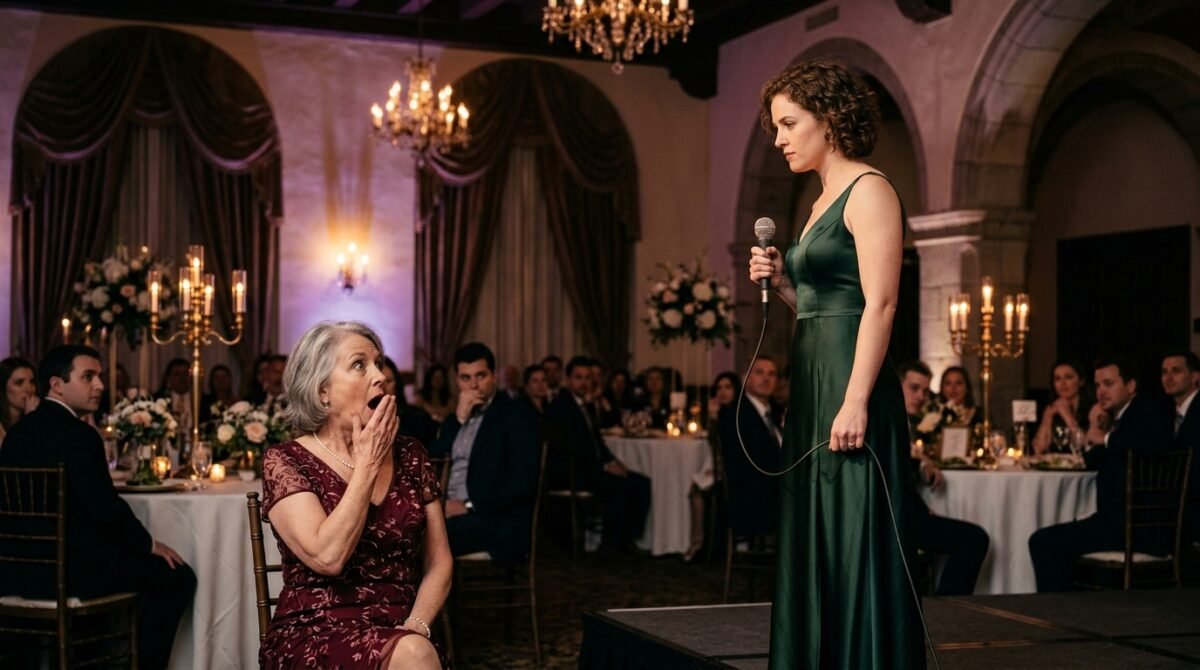
Marriage is supposed to be the ultimate union of two souls, a celebration of shared futures and the start of a new chapter. For most, it’s a day of joy, nerves, and carefully planned sentiment. For me, it became a strategic battlefield. My mother-in-law, Martha, had been a looming, shadow-casting figure in our relationship for three years. She viewed my existence in her son’s life not as a partnership, but as a hostile takeover that needed to be managed, micromanaged, and ultimately, sidelined.
We had spent eighteen months meticulously curating every detail of our wedding, from the floral arrangements to the precise timing of the speeches. It was our day, meant to honor the life we were building together. But Martha had other plans. She saw the microphone as a megaphone for her own agenda—a chance to rewrite history and center herself in a narrative where she was never meant to be the protagonist.
The tension didn’t start at the altar; it started in the spreadsheets. Every decision we made was met with a sigh, a suggestion that we were ‘doing it wrong,’ or a passive-aggressive comment about how ‘well-bred’ people handle these things. But when she decided to replace our carefully curated list of speakers with her own surprise, unscripted monologue, the mask finally slipped. I realized then that if I didn’t take drastic action, our special day would become a monument to her ego.
Standing in the wings of that ballroom, watching her attempt to elbow her way onto the stage, I felt a strange sense of clarity wash over me. I wasn’t going to beg for respect. I wasn’t going to negotiate with a woman who thrived on chaos. I was going to cut the power. It was an extreme move, yes, but sometimes a surgical strike is the only way to save the patient.
This is the story of how a wedding turned into a masterclass in boundary setting, the aftermath of a venue plunged into total, deafening silence, and why I would do it all again in a heartbeat. Because when you invite someone to your table, you have the right to decide who gets to speak, and who, quite literally, gets silenced.
The Strategic Erasure of Our Wedding Timeline

Long before the first invitation was mailed, the conflict was already brewing in the digital architecture of our planning. Martha had a way of turning every request for input into a hostage situation. When we told her the reception schedule was locked, she responded with a spreadsheet of her own, which included a ‘Mother-Son Tribute’ that was suspiciously long and, more importantly, absent from our original program.
The program was tight. We had three speeches planned: my brother, my husband’s best friend, and a joint toast from us. That was it. We wanted the night to flow, not drag. But Martha was relentless. She would send emails at midnight, cc’ing my husband’s entire extended family, outlining why her ‘special moment’ was essential for the family legacy.
“I just feel like the family needs to hear from the woman who raised him, not just these young friends who have only known him for a few years. It is tradition, after all.”
— Email from Martha, 12:14 AM
My husband, David, tried to be diplomatic. He kept telling her, ‘Mom, we’ve already set the schedule. There isn’t room for another speech.’ But she didn’t hear ‘no.’ She heard a challenge. She began cornering my bridesmaids, trying to manipulate the timeline from the inside, suggesting they ‘accidentally’ introduce her after the toasts were finished.
It wasn’t just about the time. It was about the lack of respect for our boundaries. Every time we said no, she acted like we were personally attacking her worth. The atmosphere at family dinners became increasingly suffocating, with Martha constantly bringing up ‘the speech’ as if it were a settled fact rather than a rejected proposal.
By the time we hit the two-week mark, I knew she was planning something. She was too quiet. She stopped arguing about the budget and started smiling way too much. It was the calm before a very specific, very narcissistic storm. I told David we needed to be prepared, but he was in denial. ‘She’s my mother,’ he kept saying. ‘She wouldn’t dare cause a scene at our wedding.’
The Hijacked Microphone and the Unplanned Intermission
The wedding day was perfect until the reception started. Everything was going according to plan, the food was excellent, and the atmosphere was electric. Then came the speeches. The best man gave a hilarious, touching tribute, and then it was time for my husband and me to speak. But before we could even stand up, Martha was already moving. She didn’t walk to the podium; she marched.
She had managed to get hold of a second microphone from the DJ, likely by claiming she needed to ‘check the levels’ for the caterer. I watched in absolute horror as she signaled the DJ to cut the ambient music. The room grew quiet, but it wasn’t the kind of quiet that precedes a sweet sentiment. It was the heavy, confused silence of three hundred people realizing something was wrong.
“Excuse me everyone, if I could have your attention! Before the bride and groom continue their little program, I have a few words about what it truly means to be a family, and why David’s choice of partner is… well, it’s a journey we are all on together.”
— Martha, on the microphone
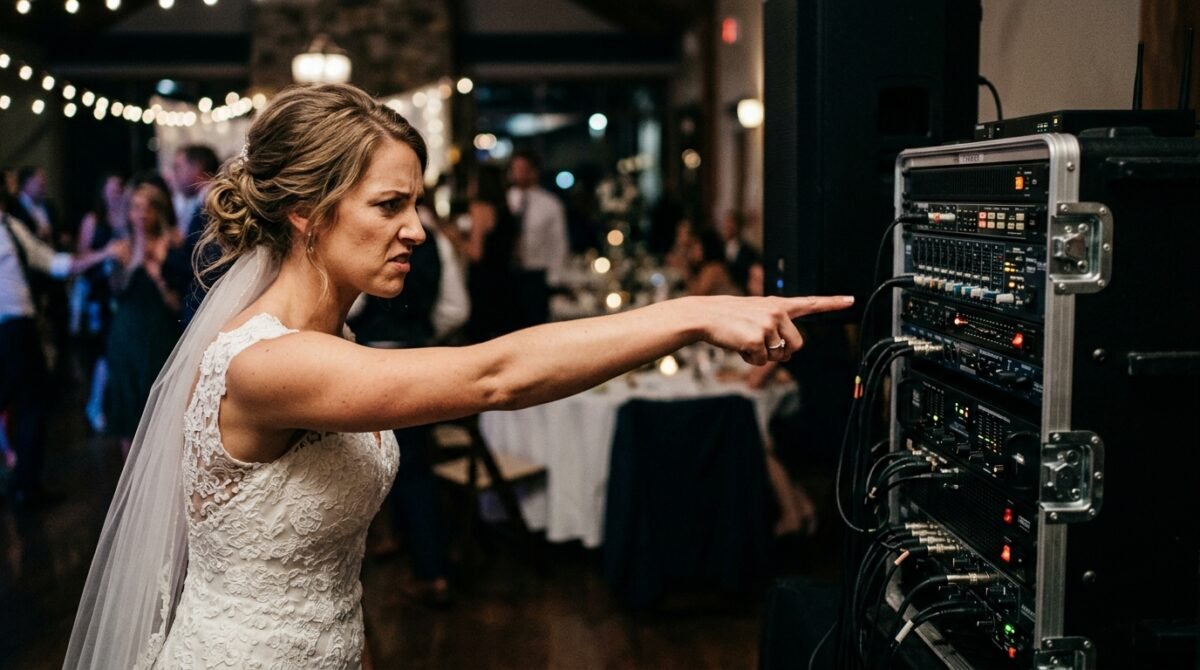
The room gasped. My husband looked like he had been punched in the gut. Martha stood there, basking in the awkwardness, clearly preparing to launch into a critique of our marriage disguised as a toast. I didn’t think; I acted. I walked toward the back of the room where the sound engineer was hovering, looking just as panicked as we were.
I didn’t argue with him. I pointed to the master breaker panel behind the curtain and then gestured to the soundboard. I told him, ‘Everything off. Now.’ He looked at me, then at the chaos on the stage, and he didn’t hesitate. With one sharp click, the hum of the speakers died. The lights in the main ballroom dimmed to a low, barely-there glow.
The silence that followed was heavy and total. Martha was left standing on the stage, microphone dead, mouth open, looking into a room that was suddenly plunged into darkness. It was the most satisfying moment of my entire life. The music was gone. Her voice was gone. Her power was gone. The entire venue was essentially put into a forced timeout.
The Aftermath: When the Lights Came Back On
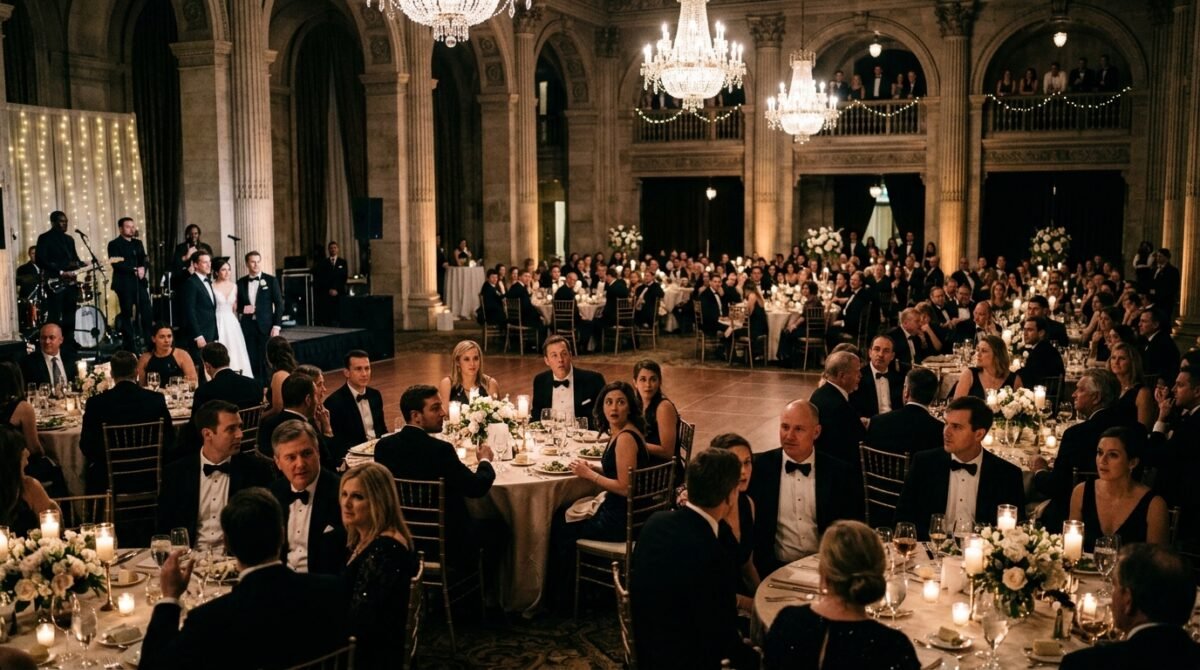
The few minutes of darkness felt like an hour. People were whispering, confused, unsure if it was a technical failure or a deliberate act. I didn’t care. I stood in the middle of the dance floor, my husband at my side, waiting for the staff to slowly bring the lights back up. When they did, Martha was no longer on the stage. She had retreated to her table, her face a mask of furious, trembling indignation.
The guests weren’t laughing. They were tense. I took the microphone from the floor, where she had dropped it, and I spoke directly to the room. I didn’t apologize. I didn’t offer an excuse. I simply said, ‘Thank you all for being here. We are going to take a short break for dinner, and then we will continue with the evening as planned—the way we originally intended.’ It was cold, clear, and final.
“I don’t know what you think you’re doing, but you have humiliated me in front of everyone I know! You are a cold, calculating woman, and my son will regret this for the rest of his life.”
— Martha, whispered to me as she brushed past our table
The rest of the night was strained, but it was *our* night. Martha spent the remainder of the evening sitting at her table, refusing to eat, glaring at anyone who dared to look in her direction. She was a ghost at her own son’s feast. My husband, to his credit, didn’t leave my side. He realized then that his mother’s need for control was a disease, and he was finally ready to start the cure.
We didn’t see her for the rest of the night. She left before the cake cutting, slamming the heavy ballroom doors behind her. I didn’t follow her. I didn’t call her. I finished my dance with my husband, we laughed with our friends, and we reclaimed the joy she had tried to steal. It was the best night of my life, not because it was perfect, but because it was ours.
The next morning, my phone was a graveyard of messages. Not just from her, but from aunts, cousins, and distant family members who had heard the rumors of the ‘silence.’ The drama had only just begun, but I felt a strange sense of liberation. The barrier had been broken. The illusion of her being the matriarch who could do no wrong had been shattered in front of everyone.
The Digital Fallout: Why the Family Group Chat Exploded

By the time we reached our hotel, the family group chat was already a war zone. I had been added to it by my sister-in-law, who was clearly horrified by the spectacle. Martha had been posting screenshots of her ‘speech’—the one she never got to give—claiming that she was ‘silenced’ by a bride who couldn’t handle the truth about family values.
“I just wanted to share my love for my son, and instead, I was treated like a criminal. This is what happens when you marry into a family that has no respect for traditions or elders. Everyone should know who she really is.”
— Martha, in the Family Group Chat
The responses were mixed. Some of the older relatives were chiming in with ‘Oh, dear, that’s so sad,’ while the younger generation was already defending us. My husband’s cousin, who had been sitting near the stage, posted a voice note that cut through the noise like a blade. It was a recording of the moment the power went out, followed by the audible gasp of the room.
I watched the chat scroll by for hours. I didn’t participate. I didn’t need to. My husband, however, finally found his voice. He typed a long, carefully worded message that addressed the entire family. He didn’t focus on the ‘tradition’ or the ‘speech.’ He focused on the behavior. He laid out the months of boundary-pushing, the unsolicited advice, and the final attempt to hijack our wedding.
The chat went silent for nearly an hour after he hit send. Then, one by one, family members started leaving the group. It was like a mass exodus. The power dynamic had shifted irrevocably. People weren’t just choosing sides; they were choosing to distance themselves from the toxicity that had defined Martha’s presence for years. It wasn’t just a win; it was a total reclamation of space.
I felt a profound sense of peace. For years, I had been the one trying to play nice, the one trying to keep the peace for David’s sake. Now, the peace was gone, but in its place was something much more valuable: honesty. We were no longer hiding the reality of our relationship. We were living it, publicly and unapologetically.
Reddit Weighs In: The Verdict of the Internet

I posted my story on a popular wedding sub-forum, expecting to be roasted for ‘ruining’ the vibe of my own party. I thought maybe I had been too harsh, that a bride should just suck it up and smile. I was wrong. The response was overwhelming. Thousands of people reached out, sharing their own horror stories of narcissistic in-laws and the difficulty of setting boundaries.
“You didn’t ruin the wedding, you protected your sanity. The moment she hijacked the mic, she stopped being a guest and became an intruder. You handled it with the precision of a surgeon. NTA (Not The Asshole) 100%.”
— u/WeddingDramaThrowaway (Top Comment, 32.1k upvotes)
“People always say ‘it’s just a speech,’ but it’s never just a speech. It’s a demonstration of power. She wanted to show everyone that she still holds the reins. You took the reins away. That’s why she’s so mad.”
— u/BoundaryExpert (14.2k upvotes)
Reading these comments was cathartic. It reminded me that I wasn’t alone, that this wasn’t just a petty squabble, but a systemic issue in family dynamics. The support from strangers felt more genuine than the ‘family’ messages I had been receiving. They saw the manipulation for what it was, and they validated my decision to act.
Of course, there were the ‘but she’s your mother-in-law’ brigade, the ones who think family should be put up with no matter what. But they were quickly drowned out. It was a beautiful display of internet solidarity. People were even dissecting the psychology of the ‘hijacked speech’—how it’s a classic tactic to assert dominance in a transition phase like a wedding.
I realized then that my story wasn’t just about a wedding; it was about the struggle for autonomy. Every bride, every spouse, every person who has ever been made to feel small by a controlling relative saw a bit of themselves in my actions. It was a lesson in what happens when you finally stop asking for permission to be the authority in your own life.
The Legal and Financial Repercussions
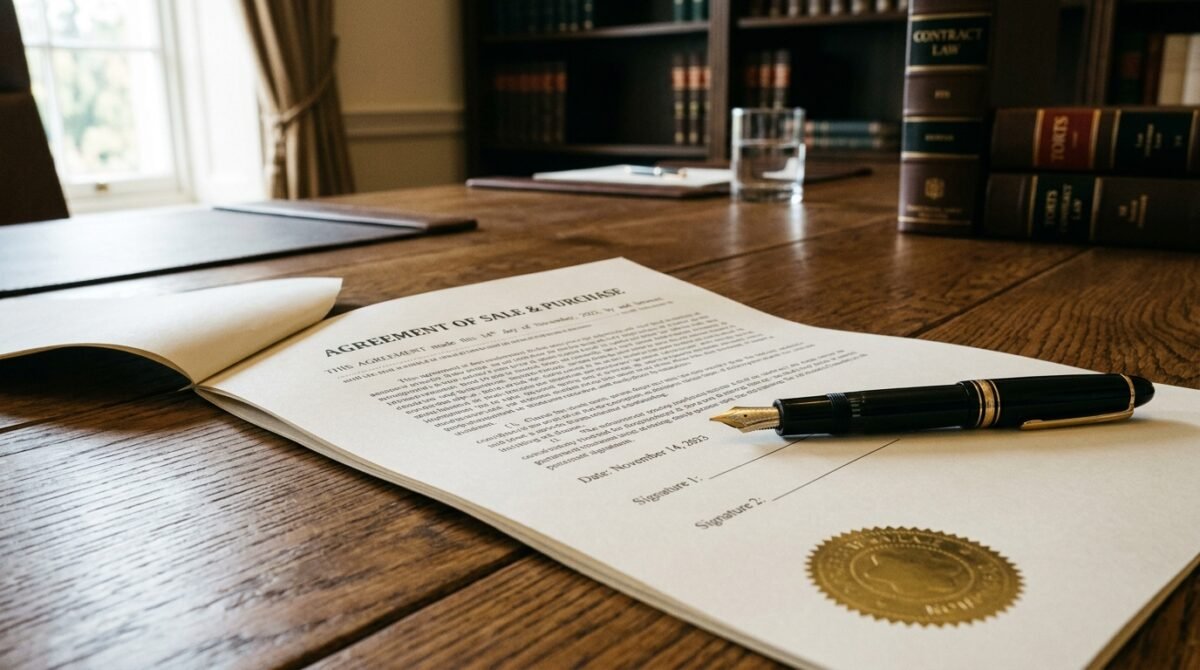
The fallout wasn’t just limited to the family chat. A week after the wedding, we received a letter from Martha’s attorney. It was a bizarre, rambling document claiming that we owed her for the ’emotional damages’ caused by the public humiliation at the wedding. It also demanded a formal apology and a retraction of the ‘lies’ my husband had posted in the group chat.
We laughed when we read it. It was so transparently desperate, a last-ditch effort to exert control through legal intimidation. We didn’t even bother responding ourselves. We handed the letter to our own lawyer, who sent a one-sentence reply that essentially told them to pound sand. We never heard from her attorney again.
“Your client’s demand for compensation is entirely without merit. Any further communication regarding this matter will be considered harassment and dealt with accordingly.”
— Excerpt from our lawyer’s reply
The financial side of things was a bit more complicated. We had allowed Martha to pay for the flowers—a decision I regretted the moment I signed the contract. She tried to threaten to claw back the money, claiming it was a ‘loan’ that we had defaulted on when we ‘disrespected’ her. She had even printed out a fake ‘contract’ that she had drafted after the fact.
We had the original emails, though. We had every single exchange, confirming it was a gift. When we pointed this out, the ‘repayment’ demands suddenly vanished. It was always about leverage, never about the money itself. She wanted to keep us tethered to her through obligations and debts, and when that failed, she had nothing left to hold over us.
The entire ordeal cost us a bit in legal fees, but it was worth every penny. It bought us our freedom. We learned that every ‘gift’ from a toxic person comes with a set of invisible strings, and we made a pact right then and there: never again. No more loans, no more favors, no more ‘help’ that comes with a hidden tax.
The Quiet After the Storm

Life after the wedding settled into a state of blissful, low-contact peace. We stopped attending the Sunday dinners that had once been mandatory. We didn’t answer the late-night calls. We built a bubble, and for the first time, it felt impenetrable. It wasn’t just about cutting her off; it was about reclaiming our time and our energy.
My husband, David, underwent a transformation. He went from being the ‘peacekeeper’ to being the ‘protector.’ He started setting his own boundaries, refusing to engage with her guilt trips, and standing tall when she tried to pull him back into her orbit. Watching him grow into his own person, separate from her influence, was the greatest gift the wedding drama could have given us.
“I used to think that being a good son meant doing whatever she wanted to keep the peace. I see now that all I was doing was teaching her that she could treat us however she wanted.”
— David, during our first post-wedding anniversary dinner
We started doing things on our own terms. We traveled where we wanted, we saw the friends we chose to see, and we didn’t feel the need to explain ourselves to anyone. The silence that had filled the ballroom that night became the soundtrack for our new life—a reminder that we held the power to decide what was allowed into our space.
People would sometimes ask us, ‘Don’t you miss the family connection?’ but the truth was, we had never really been connected. We had been managed. There’s a difference between a relationship and a role. We were finally living in a real relationship, one built on mutual respect, not on performance and duty.
The impact of that night still echoes through our lives. We have a set of clear, non-negotiable boundaries, and we enforce them with a calm, quiet confidence. We don’t need to shout, and we don’t need to cut the power anymore. We’ve learned that the most powerful thing you can do when someone tries to hijack your life is to simply, and firmly, walk away.
Reclaiming the Narrative: Why We Don’t Regret a Thing

Looking back, people often ask if we would have done anything differently. Would we have preferred to let her have her speech? Would we have preferred a ‘smoother’ wedding? The answer is always a resounding no. If we had let her speak, she would have defined that day. She would have made it about her grievances, her ‘sacrifices,’ and her vision for our future. We would have lost the moment.
By shutting it down, we made the moment ours. We didn’t lose the wedding; we saved it. We saved the memory of the night from being tainted by her toxicity. Every time I think about our wedding, I don’t think about her desperate scramble for the mic. I think about the moment the room went quiet, and I realized that we were in control. That is a memory of empowerment, not defeat.
“Sometimes you have to be the villain in someone else’s story to be the hero in your own.”
— Anonymous, from a heartfelt letter sent by a guest after the wedding
We’ve learned that life is too short to be a side character in someone else’s drama. We have a limited amount of time to spend with the people we love, and that time shouldn’t be spent navigating the landmines of an insecure relative. We’ve chosen to surround ourselves with people who support us, who celebrate us, and who don’t feel the need to perform for an audience.
The experience taught us the true meaning of a ‘life partnership.’ It’s not just about the good times; it’s about the ability to stand together against the world, even when the world is your own family. We proved to ourselves that we could handle the worst of it and come out stronger on the other side. That’s a lesson that will serve us for the rest of our lives.
We have no regrets. We didn’t just shut down a venue; we shut down a cycle of behavior that had been passing through that family for generations. We broke the pattern, and for that, I will always be grateful for the night the lights went out.
Lessons in Boundary Setting for the Modern Family

If there is one thing I’ve learned, it’s that boundaries are not a punishment; they are a form of self-care. We often think that by setting a boundary, we are pushing people away, but the reality is that we are simply defining the terms of the relationship. If someone can’t respect those terms, then the relationship is not healthy, and it’s not something you should be sacrificing your peace for.
For anyone else dealing with a ‘Martha,’ my advice is simple: don’t wait for them to change. They won’t. They are playing a game you didn’t agree to be a part of, and the only way to win is to stop playing. You don’t need to be mean, and you don’t need to be aggressive. You just need to be clear. State your boundaries, and when they are crossed, enforce them with action, not just words.
“Boundaries are the distance at which I can love you and me simultaneously.”
— Prentis Hemphill
We realized that a lot of the ‘traditions’ we were expected to uphold were actually just tools for keeping us in line. Challenging those traditions was the most liberating thing we ever did. We stopped doing things because ‘it’s what people do’ and started doing things because ‘it’s what works for us.’ It changed the entire trajectory of our marriage.
Don’t be afraid to be the one who says no. Don’t be afraid to be the one who stands up when everyone else is sitting down. Don’t be afraid to take the power back when it’s being used against you. Your life, your marriage, and your happiness are worth more than the approval of someone who doesn’t have your best interests at heart.
We are still learning, still growing, and still navigating the complexities of our new reality. But we do it together, with a foundation of trust and respect that we built in the dark, quiet space of a ballroom that night. We are the architects of our own joy, and we wouldn’t have it any other way.
Moving Forward: Why Silence Is Sometimes the Loudest Answer

The silence in that ballroom wasn’t empty. It was full of meaning. It was the sound of a boundary being drawn, a line being crossed and then reset. It was the sound of three hundred people holding their breath as we took back our wedding. Sometimes, words aren’t enough. Sometimes, the most powerful thing you can do is just stop the music, turn off the lights, and force everyone to see what’s really happening.
We have chosen to move forward with a focus on our own family—the one we are creating. We don’t spend our time dwelling on what could have been or what Martha thinks. We spend our time building a home that is safe, supportive, and filled with love. That, in the end, is the greatest revenge—living a life that is so full and so happy that the opinions of others don’t even reach you.
“The best way to deal with a narcissist is to starve them of the attention they crave. When you stop giving them a stage, they eventually have to find one somewhere else.”
— A piece of advice from our therapist, which we took to heart
We hope that by sharing our story, we can encourage others to stand up for themselves, no matter how daunting it seems. You are the protagonist of your life. Don’t let someone else edit your story. You have the right to curate your own moments, to choose your own company, and to defend your own peace.
If you find yourself in a situation where you are being pushed, pressured, or controlled, remember the power of the ‘stop’ button. You don’t have to tolerate the intolerable. You have the strength to make a change, and sometimes, that change starts with the simplest, most dramatic act of all: silencing the noise so you can hear your own voice.
We are grateful for that night, for the lessons it taught us, and for the life it has led us to. We are stronger, we are happier, and we are finally free. And that, more than anything else, is the best wedding gift we could have ever given ourselves.
Conclusion
Our journey didn’t end with that silent ballroom; it began there. We learned that the true strength of a marriage isn’t found in the public displays of unity, but in the private moments of standing together against the pressures of the world. We chose to protect our peace, and in doing so, we found a deeper, more resilient love.
The debate surrounding our wedding continues in our own family, and we’ve learned to be okay with that. Not everyone understands our boundaries, and not everyone agrees with our methods. But we don’t live for their approval. We live for the life we’ve built, a life that is defined by our values, not by the expectations of others.
As you reflect on our story, we invite you to think about your own boundaries. Where are the lines you’ve drawn? Where have you allowed others to overstep? Sometimes, the most important step is simply acknowledging that you have the right to say ‘no,’ and that your happiness is not a commodity for others to trade.
What would you have done? Did we go too far, or was the silence the only way to save our day? Let us know in the comments below, and share your own stories of setting boundaries with family. We’d love to hear how you navigated your own ‘mic-hijacking’ moments.
What's your verdict on this dilemma?
Vote below to contribute to the official community consensus.

Have a Dilemma Keeping You Up at Night?
Share your real-life feud, wedding chaos, or relationship crossroads anonymously with our editorial team.
What do you think ?
0 Comments🛡️ Comments are moderated to protect community integrity. Your comment will appear once approved by the editorial team.