

They say the honeymoon is the reward for surviving the stress of the wedding. For me, it was supposed to be a week of luxury in the Maldives—a reward for months of navigating my mother-in-law’s intrusive planning and my partner’s passive-aggressive indecision. We had saved for two years to afford the first-class upgrade, a treat to ourselves after the chaos of the ceremony. It wasn’t just a trip; it was the start of our life together, a promise of partnership and shared comfort.
But somewhere between the cake cutting and the final toast, that partnership fractured. I didn’t see the crack at first. I was too busy coordinating vendors and fielding calls from his mother, Linda, about why she wasn’t sitting at the head table. I thought the drama ended when the reception lights dimmed. I was wrong. The true test of my marriage didn’t happen at the altar; it happened at the check-in kiosk of an international airport, where I discovered that my seat had been traded for the comfort of a woman who never wanted me in the family to begin with.
What followed was not a panicked argument in the terminal, but a cold, quiet realization. It wasn’t just about the seat. It was about the precedent—the idea that my comfort, my financial contribution, and my dignity were expendable the moment someone else’s convenience became a priority for my husband. I stood there, watching the boarding gate open, and I realized that if I walked onto that plane in economy, I would be settling for a lifetime of being second-best.
This is the story of how I chose to walk away from the boarding gate, leaving behind a honeymoon and a husband who thought my silence was guaranteed. It is a story about the breaking point that no one sees coming until it’s far too late, and the absolute power of realizing that you have the right to simply walk out of a situation that no longer serves your soul.
The Strategic Devaluation of the Honeymoon Budget

Months before the wedding, the honeymoon was the one thing we agreed on completely. We were both working grueling hours, and the prospect of white sands and absolute isolation was the light at the end of the tunnel. We had a strict budget, and part of that budget included the extra thousands of dollars we had set aside specifically for first-class tickets. It was a non-negotiable for me; I have bad knees and a history of anxiety regarding long-haul travel, and the extra space was a mental health necessity.
Linda, my husband Mark’s mother, was never a fan of the destination. From the moment we announced it, she made comments about how ‘frivolous’ it was. She suggested we go to a cabin in the mountains near her home instead so we could ‘bond as a new family unit.’ I ignored her, assuming she was just being the typical boundary-crossing mother-in-law. Mark, on the other hand, started to waver. He began telling me that perhaps we were being too ‘selfish’ and that we should save money for a down payment on a house instead.
I kept a spreadsheet of our expenses, and every time I turned around, the honeymoon fund was being tapped to cover things like Linda’s extra floral arrangements or the ’emergency’ upgrade to the rehearsal dinner venue that she demanded. I felt like I was being bled dry, not just financially, but emotionally. Every time I brought it up, Mark would look at me with wounded eyes and say, ‘It’s just a little bit of money, honey. Can’t you be more flexible? It’s my family.’
The resentment started as a low hum in the background of our engagement. I didn’t realize how loud it would get until the day before the flight. We were packing, and he casually mentioned that he had ‘taken care of’ the seat assignments to make sure everything was ‘optimal.’ I asked him what he meant, but he brushed it off, telling me to focus on the packing. I was tired, I was stressed, and I trusted him. That was my first mistake.
“I just want everyone to be comfortable. My mom is getting older, and the flight to the coast is hard on her. It’s only a few hours of sacrifice, right? You’re so much younger and more resilient than she is.”
— Mark, during a tense dinner conversation three weeks before the wedding
The Midnight Modification at the Airline Kiosk
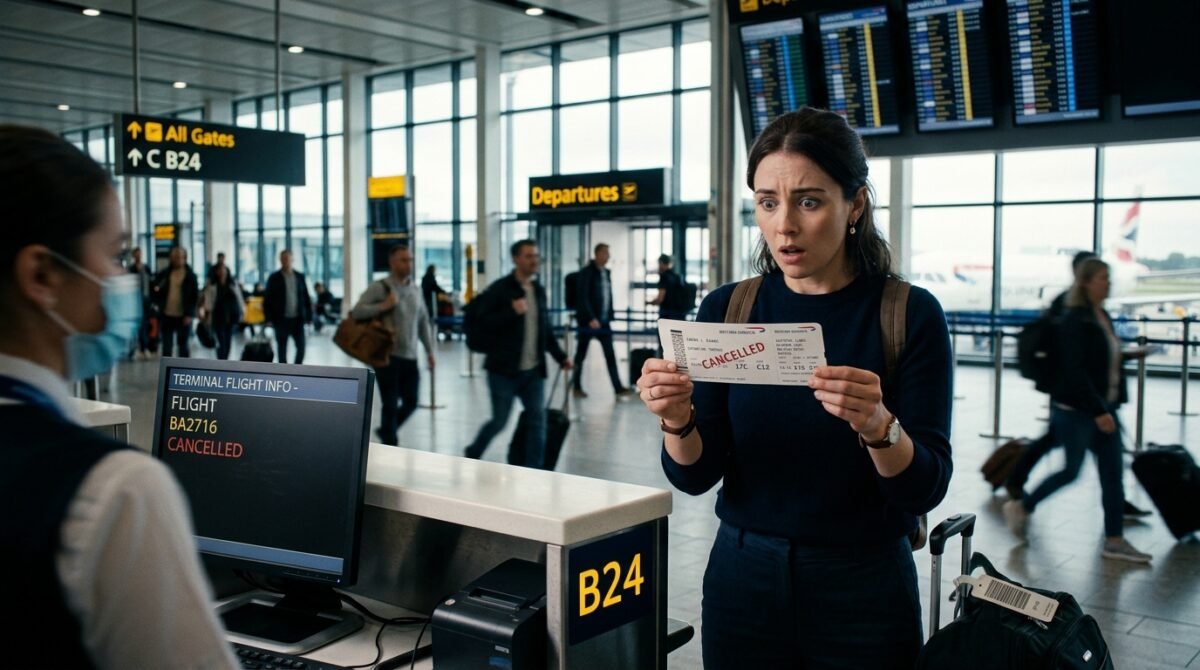
The morning of our flight, we arrived at the airport with plenty of time. I headed to the kiosk to print our boarding passes, my heart fluttery with the excitement of an actual vacation. I scanned my passport, and the machine whirred for a moment before spitting out a ticket. My brow furrowed. The seat number looked wrong. I looked at the screen again: Economy. Row 42. Middle seat.
I immediately turned to Mark, who was standing a few feet away, looking at his phone with a strangely neutral expression. I asked him why my seat was in the back. He didn’t even look up at first. ‘Oh,’ he said, his voice maddeningly casual. ‘I had to make a change. Mom is coming with us on the first leg, and she needed the extra room. I put her in your seat. You’re fine in the back, aren’t you?’
I felt the blood drain from my face. I stood there, frozen, while the hum of the airport seemed to amplify into a roar. ‘You did what?’ I whispered, my voice shaking. ‘You gave away my first-class seat to your mother without asking me? And you put me in the back of the plane, in a middle seat, for an international flight?’ He looked at me then, his eyes wide with a practiced, feigned confusion, as if I were the one being irrational.
The audacity was breathtaking. It wasn’t just the seat; it was the fact that he had orchestrated this behind my back, likely in concert with Linda. I looked at the boarding pass again, the ink still fresh on the paper. I thought about the thousands of dollars I had worked extra shifts for, the dream of a comfortable flight I had promised myself, and the way he had just handed it over like a piece of candy to appease his mother.
“You didn’t even have the respect to tell me until we were standing at the airport. You expected me to just sit in that middle seat for ten hours while you and your mother sat in luxury? How could you possibly think that was okay?”
— My response at the check-in counter
The Quiet Realization at Gate 42

I stood there for a long time, the silence between us growing heavy. Mark started to get agitated, looking at the time. ‘We really need to move, the gate is closing soon,’ he said, his hand reaching for my suitcase. ‘Don’t make a scene. We can talk about this when we get to the resort. It’s just a flight, for heaven’s sake. Stop acting like a child.’
That word—child—was the trigger. I wasn’t being a child. I was being an adult who had just realized that her husband didn’t view her as an equal partner. I looked at him, really looked at him, and I saw a man who would always choose the path of least resistance with his mother over the needs of his wife. If I got on that plane, I would be validating his behavior. I would be saying that my comfort, my boundaries, and my worth were negotiable.
I pulled my suitcase back from his grip. ‘I’m not going,’ I said. The words felt light, almost weightless. He blinked, clearly not understanding. ‘What? What do you mean you’re not going? The tickets are non-refundable, and we have the resort booked. Don’t be ridiculous.’
I stood my ground. The airport around us seemed to blur. ‘I mean I am not getting on this plane. You can go with your mother. You can sit in your first-class seat and enjoy the service. But I am not going. I am going home. And Mark? Don’t bother calling me. I need to think about whether I want to stay married to someone who thinks so little of me.’
He looked at me with a mix of fury and disbelief. He started to stammer, trying to find a way to bargain or belittle the situation, but I wasn’t listening anymore. I turned around, grabbed my carry-on, and walked toward the exit. I didn’t look back to see if he was following me. I didn’t care. For the first time in years, I felt a sense of clarity that was almost intoxicating.
“You have a choice, Mark. You can board that plane and play the role of the devoted son, or you can stay here and try to fix the bridge you just burned. I’m done being the buffer between you and your mother.”
— My final words to Mark before leaving the airport
The Fallout in the Family Group Chat
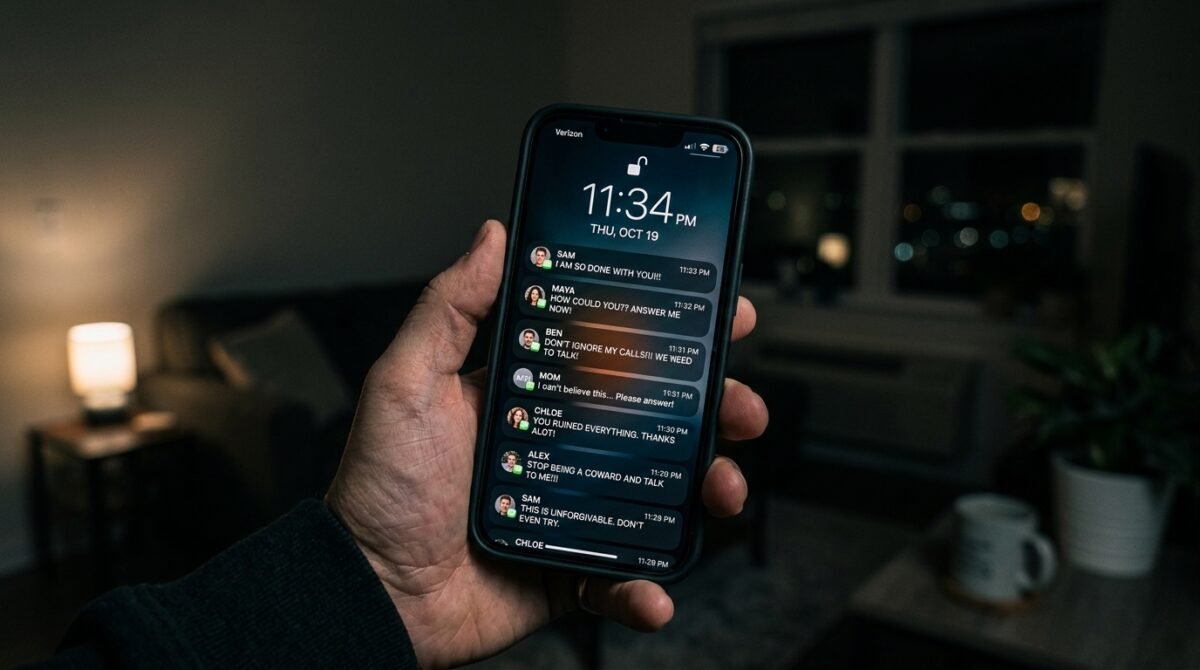
By the time I reached my car, my phone was blowing up. Notifications were pinging one after another—texts from Mark, texts from Linda, and finally, the dreaded family group chat that I had been added to against my better judgment. It was a chaotic mess of accusations, blame, and outright lies. Linda was claiming that I was ‘ruining the vacation’ and ‘showing my true, selfish colors’ to the entire family.
Mark was trying to play both sides, texting me privately while simultaneously defending his mother in the group chat. He kept telling me that if I just ‘apologized for the outburst,’ we could still make the flight. I didn’t respond to any of them. I muted the chat and put my phone on airplane mode. The relief was instantaneous. It was like I had finally taken off a heavy coat that I hadn’t realized I was wearing.
I drove home in silence, the radio off. My mind was racing, but it was organized. I thought about all the times I had compromised, all the times I had swallowed my pride to keep the peace. I thought about the wedding planning, the endless demands, the way Mark would always sigh and say, ‘She’s just lonely,’ whenever I complained about her overstepping. I realized that his ‘loneliness’ excuse was just a tool to manipulate me.
When I finally got home, I didn’t unpack. I just sat on the couch and stared at the wall. My phone, once I reconnected it to Wi-Fi, buzzed incessantly with missed calls and angry messages. I read one from Mark that made my skin crawl. He wasn’t even asking if I was okay; he was asking if I had left his passport in my bag. That was all that mattered to him—the trip, the flight, the logistics.
“You are being incredibly dramatic. Mom is already crying in the lounge. How can you be so heartless? Everyone in the family is going to hear about how you abandoned us at the airport. Is this really how you want to start our marriage?”
— Text message from Mark, 45 minutes after I left the airport
The Reddit Trial: How the Internet Reacted

I knew I needed perspective, and like many people in moments of high-stakes drama, I turned to the only place that would give me the cold, hard truth: Reddit. I didn’t use my real name, and I changed a few identifying details, but I laid it all out. I wrote about the seat, the money, the years of passive-aggressive boundary stomping by Linda, and the final straw at the airport. I hit post and held my breath.
The response was immediate and overwhelming. Thousands of people commented, and the general consensus was clear: I was not the villain. The stories of people being treated like second-class citizens by their in-laws and partners were heartbreakingly similar to mine. It felt validating, like a weight had been lifted off my chest to know that I wasn’t just ‘being dramatic’ as Mark had claimed.
There were people who dissected the financial aspect, pointing out the power dynamic involved in his unilateral decision to ‘gift’ my property to his mother. Others focused on the emotional betrayal, highlighting how this was a classic case of ‘enmeshment.’ I read through hundreds of comments, finding solace in the fact that strangers could see what I had been too close to notice for months.
Some comments were brutal. They called out my husband’s behavior as a massive red flag that should have been addressed long before the wedding. They told me that this wasn’t just a honeymoon dispute; it was a symptom of a much larger, darker issue that I had been ignoring for the sake of ‘keeping the peace.’ It was a harsh wake-up call, but one I desperately needed.
“You didn’t abandon them. You reclaimed your dignity. If he’s willing to sacrifice your comfort for his mom’s convenience before the luggage is even checked, imagine what he’ll do when it comes to bigger decisions like finances, childcare, or home ownership. This is a blessing in disguise.”
— u/RelationshipGuru22 (Top Comment, 32.5k upvotes)
The Silence That Followed
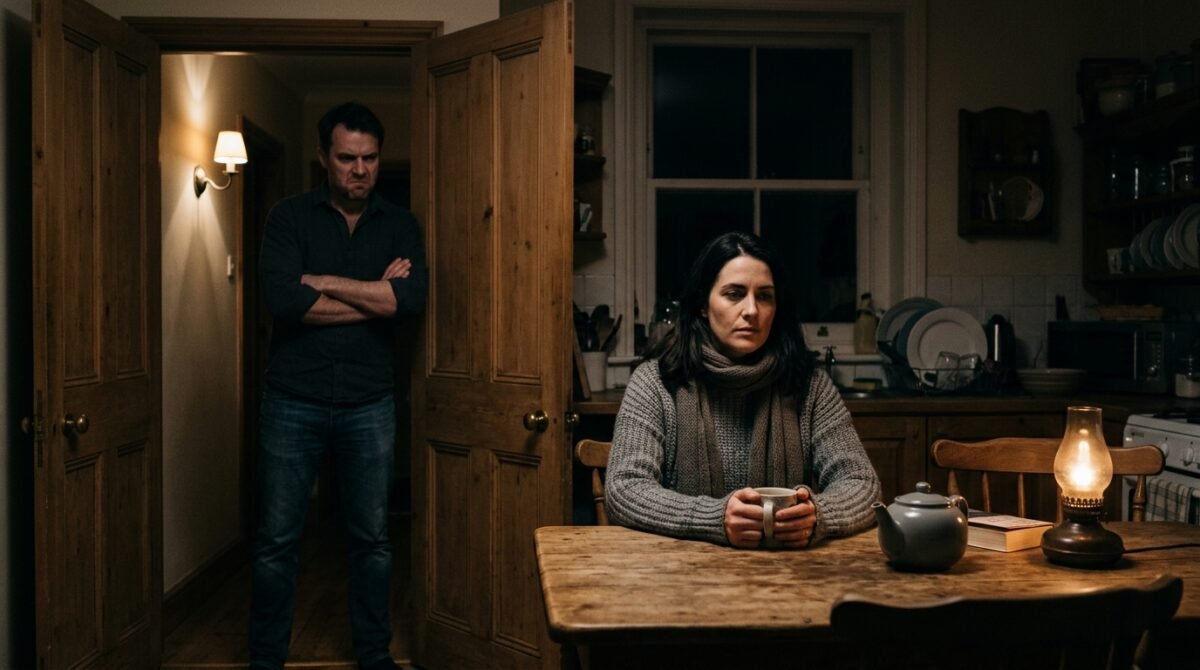
After the initial storm, things went deathly quiet. Mark didn’t come home for a week. I assumed he stayed at the resort with his mother, basking in the first-class service he had so graciously provided for her. I took the time to process everything. I started seeing a therapist, someone to help me untangle the web of guilt and obligation I had been trapped in. I realized that my need to be ‘the good daughter-in-law’ had been my own undoing.
I began to look at our finances, separating our bank accounts as much as I could. I looked through old messages, old emails, and old bank statements. It was a forensic audit of my own unhappiness. I found instance after instance where I had been gaslit into believing that my needs were ‘extra’ or ‘selfish.’ It was painful, but it was necessary. I needed to see the pattern to break it.
When Mark finally did return, he came back with an attitude. He didn’t come home contrite or apologetic; he came home indignant. He expected me to be there, waiting for him, ready to move on as if nothing had happened. He walked through the front door, dropped his suitcase, and complained about the flight back being ‘too cramped’ because he had to sit in economy since he didn’t have the points to upgrade both himself and his mother.
The irony wasn’t lost on me. He had sacrificed my comfort for his mother, and in the end, he ended up in the very seat he had tried to force me into. I didn’t say a word. I just sat at the kitchen table, a glass of water in front of me, watching him navigate the space that felt less and less like our home. He looked at me, waiting for me to ask about the trip, waiting for me to engage in the familiar dance of conflict and resolution.
“So, are you going to talk to me, or are we going to do this silent treatment thing forever? I had a miserable time, by the way. Mom complained the whole way there. I really wish you had just been there to help.”
— Mark, walking through the door after returning from the trip
The Confrontation of the Century
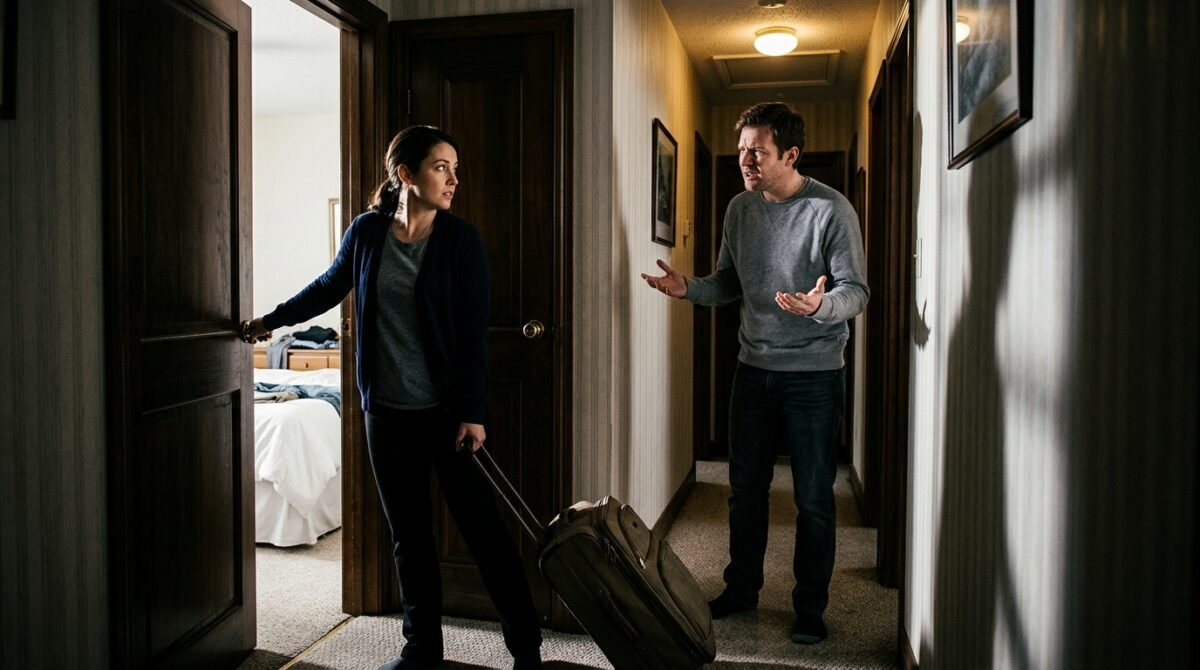
When I finally spoke, it wasn’t a scream. It was quiet, steady, and entirely devoid of the emotional chaos he was used to. I told him that I had been thinking a lot about the flight, and about us. I told him that the flight was just the final drop in a bucket that had been filling up for a long time. I laid out the financial discrepancies, the boundary violations, and the way he consistently made me feel like an outsider in my own marriage.
He tried to interrupt, to pivot, to blame his mother, but I wouldn’t let him. I held up a hand, and he stopped, looking genuinely confused. He was used to me venting, crying, and then eventually folding. He wasn’t used to me being calm, prepared, and entirely finished. I told him that I wanted a separation. The word hung in the air, heavy and final.
He laughed. He actually chuckled, as if I had told a joke. ‘A separation? Because of a flight? You’re going to blow up our marriage because I wanted to treat my mother to a nice trip? You’re being insane. You’re acting like a spoiled child.’ He stood up, pacing the room, his face turning red. He was trying to push the buttons he knew worked, but they were dead, unresponsive circuits now.
I didn’t argue. I didn’t defend myself. I just got up, walked to the bedroom, and closed the door. I had already packed a bag. I wasn’t leaving for good—not yet—but I wasn’t staying in that house with him. I was going to my sister’s. I had realized that I couldn’t heal in the same environment that made me sick. He stood outside the bedroom door, pleading, apologizing, then threatening, then pleading again. It was a performance I had seen a dozen times, but the stage was empty.
“This isn’t about the flight, Mark. The flight is just the piece of evidence that proved I don’t matter to you. I’m going to my sister’s. I need you to pack your things or I will be the one moving out permanently.”
— My calm declaration during the confrontation
The Financial Reckoning
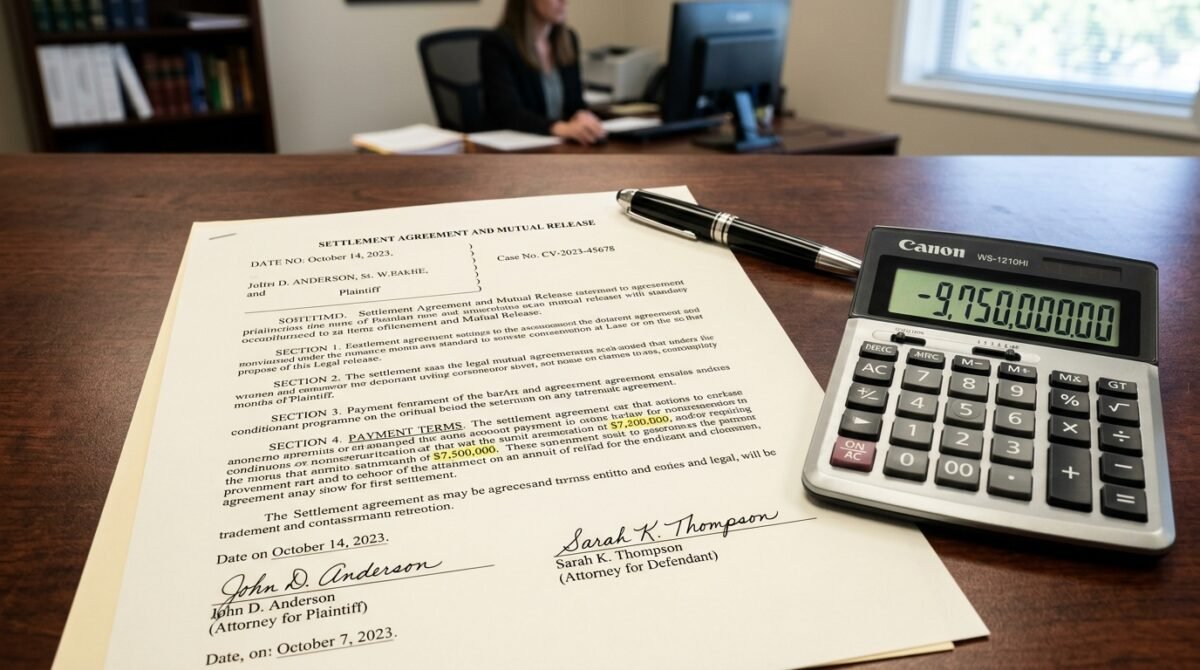
While I was at my sister’s, the reality of the financial situation set in. I started looking at our joint accounts again, and I discovered that Mark had been using our ‘shared’ savings to fund his mother’s lifestyle in ways I hadn’t even imagined. There were transfers for her home repairs, ‘loans’ that never got paid back, and even a monthly subscription service that he was paying for on her behalf. It was a pattern of enabling that had been going on for years.
I consulted a lawyer. It was one of the hardest things I’ve ever had to do. Sitting in that office, talking about assets and debt, made the marriage feel like a business transaction that had gone horribly wrong. The lawyer looked at the bank statements and sighed, telling me that I was lucky I hadn’t been married for ten years. ‘You have a case for financial abuse,’ he said. The term felt heavy, but it fit perfectly.
I sent Mark a list of demands. I wanted the money that had been siphoned off to his mother returned, and I wanted a formal accounting of everything. He reacted with vitriol, sending me emails filled with legalese and insults. He tried to claim that the money was ‘family money,’ as if that somehow excused the theft. It was a desperate attempt to frame his actions as noble, but the numbers didn’t lie.
The process was grueling. Every day was a new battle. I felt drained, but I also felt empowered. For the first time, I wasn’t asking for his permission to be treated fairly; I was demanding it through legal channels. I had the upper hand, and he knew it. The tide had turned, and the man who thought he could control everything was now scrambling to keep his head above water.
“I am not interested in your excuses anymore. The bank statements don’t care about your mother’s feelings, and neither do I. If the money isn’t returned, I will be filing a formal complaint regarding the unauthorized withdrawals.”
— Email sent to Mark’s legal representative
The Breaking Point with Linda

Linda didn’t take the separation well. She started calling my sister, leaving long, rambling voicemails about how I was ‘destroying her son’s life’ and how I was ‘unstable.’ She didn’t seem to realize that I was listening to these messages. My sister would just delete them, but every once in a while, I would hear one. They were filled with the same entitlement that had driven me to the airport that day.
Finally, I decided to block her. It was a small act, but it felt like cutting a parasite. I sent her one final message telling her that my relationship with her son was none of her business and that if she continued to harass me, I would involve the authorities. She didn’t stop immediately, but the frequency of the calls dropped. She realized that I wasn’t the pushover she had spent years molding.
The most satisfying moment was when I saw her at a local grocery store. She saw me, and her face twisted in disgust. She started to walk toward me, probably to give me a piece of her mind, but I just looked at her, shook my head, and kept walking. I didn’t say a word. I didn’t need to. The look on her face was enough—a mixture of confusion and, for the first time, a flicker of fear.
She was used to being the center of the universe, and I had just walked out of her orbit. It was a powerful realization. I didn’t need her approval, I didn’t need her son’s love, and I didn’t need to be the ‘nice girl’ anymore. I was free, and that freedom was more valuable than any first-class seat in the world.
“I am blocking you. You have no right to contact me, my family, or my friends. Anything further will be considered harassment and handled by my attorney. Do not approach me again.”
— My final text message to Linda
Life After the Flight That Never Took Off

It has been six months since I walked away from the airport. I am officially divorced. The process was long and exhausting, but I came out the other side with my self-respect intact. I still live in our apartment, which I bought him out of. It’s quiet, it’s mine, and every time I look at the space where his stuff used to be, I feel a sense of peace that I never had when he was living there.
I haven’t talked to Mark since the divorce was finalized. I hear through the grapevine that he’s still with his mother, that he hasn’t moved on, and that he blames me for everything. It doesn’t bother me anymore. I realized that his inability to grow up is his cross to bear, not mine. I have moved on to better things—better friends, a better career, and a much better understanding of what I deserve in a relationship.
I look back at that day at the airport as the day my real life began. It wasn’t the end of a fairy tale; it was the beginning of a reality where I am the protagonist. I don’t look for the approval of others, I don’t compromise my boundaries for the sake of ‘peace,’ and I never, ever fly in the back of the plane when I have paid for the front.
The lesson I learned was hard, but it was worth it. We teach people how to treat us, and for too long, I taught everyone that I was an option. I taught them that my boundaries were suggestions and my dignity was up for negotiation. Never again. I know my worth now, and I refuse to settle for anything less than the first-class treatment I deserve.
“I don’t regret the marriage because it taught me what I don’t want. I don’t regret the breakup because it taught me who I am. And I certainly don’t regret missing that flight, because it was the best trip I never took.”
— Reflection on my journey, one year later
Conclusion
My journey from that fateful day at the airport to my current life of independence has been a testament to the power of self-worth. It wasn’t just about a seat on a plane; it was about the fundamental right to be treated with dignity by the person who promised to love and honor me. When I chose to walk away, I wasn’t just choosing to skip a flight; I was choosing to prioritize my own happiness over the demands of others.
The feedback from the community has been a mirror, showing me that I am far from alone in this struggle. So many of you have shared your own stories of breaking free from toxic dynamics and reclaiming your power. It’s a reminder that we are all stronger than we think, and that it is never too late to walk away from a situation that diminishes our spirit. My life today is my own, and for the first time, I am flying first class—in every sense of the word.
What about you? Have you ever had a moment where you realized that your boundaries were being ignored and had to make a choice that changed everything? Did you walk away, or are you still finding the strength to do so? Let’s talk about it in the comments below.
What's your verdict on this dilemma?
Vote below to contribute to the official community consensus.

Have a Dilemma Keeping You Up at Night?
Share your real-life feud, wedding chaos, or relationship crossroads anonymously with our editorial team.
What do you think ?
0 Comments🛡️ Comments are moderated to protect community integrity. Your comment will appear once approved by the editorial team.