
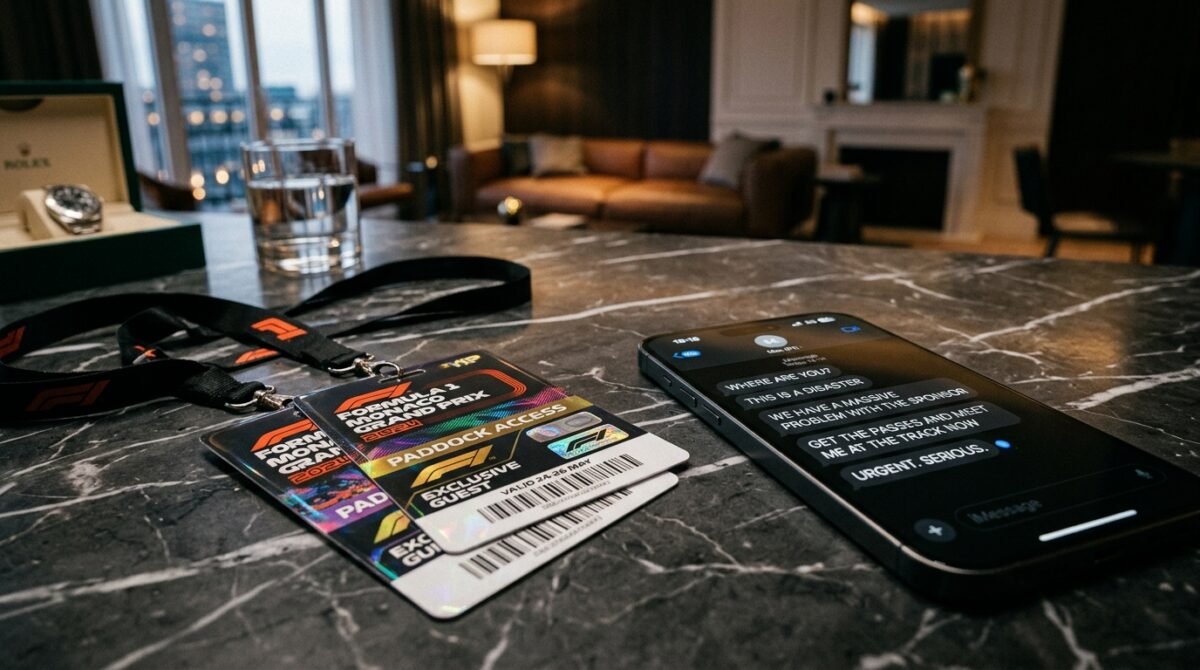
They say you never truly know a person until your interests—or your assets—align with their own desires. For years, Sarah and I were inseparable. We navigated the treacherous waters of post-college life, shared wine on Friday nights, and provided the emotional scaffolding for one another’s failed dating attempts. I was the constant, the listener, and the one who always showed up. But everything changed the moment I posted a photo of the golden, laminated passes on Instagram.
These weren’t just tickets. They were Paddock passes for the upcoming Grand Prix, secured through a grueling process of professional networking and a favor called in from an old college contact in automotive marketing. They were my ‘me time,’ a reward for a year of soul-crushing overtime. I had been a casual fan for years, but the sheer exclusivity of standing feet away from the legends of the sport was a dream I had finally realized.
The trouble began exactly forty-seven minutes after my post went live. It started as a subtle inquiry, masked in the language of casual curiosity, but it quickly devolved into a full-blown entitlement narrative. Sarah’s new boyfriend, Mark, had recently rebranded himself as a ‘die-hard’ enthusiast, and according to Sarah, that made him more ‘deserving’ of the experience than I, the woman who had actually done the work to acquire the access.
What followed was a harrowing three-week campaign of emotional manipulation, gaslighting, and social pressure that threatened to dismantle a decade of friendship. This is the story of how an innocent hobby became a battleground for boundaries, and why I had to make the hardest decision of my life to protect my peace. It wasn’t just about racing; it was about respect, value, and the realization that some people view friendship as a commodity to be traded for their own social gain.
The Forty-Seven Minute Countdown
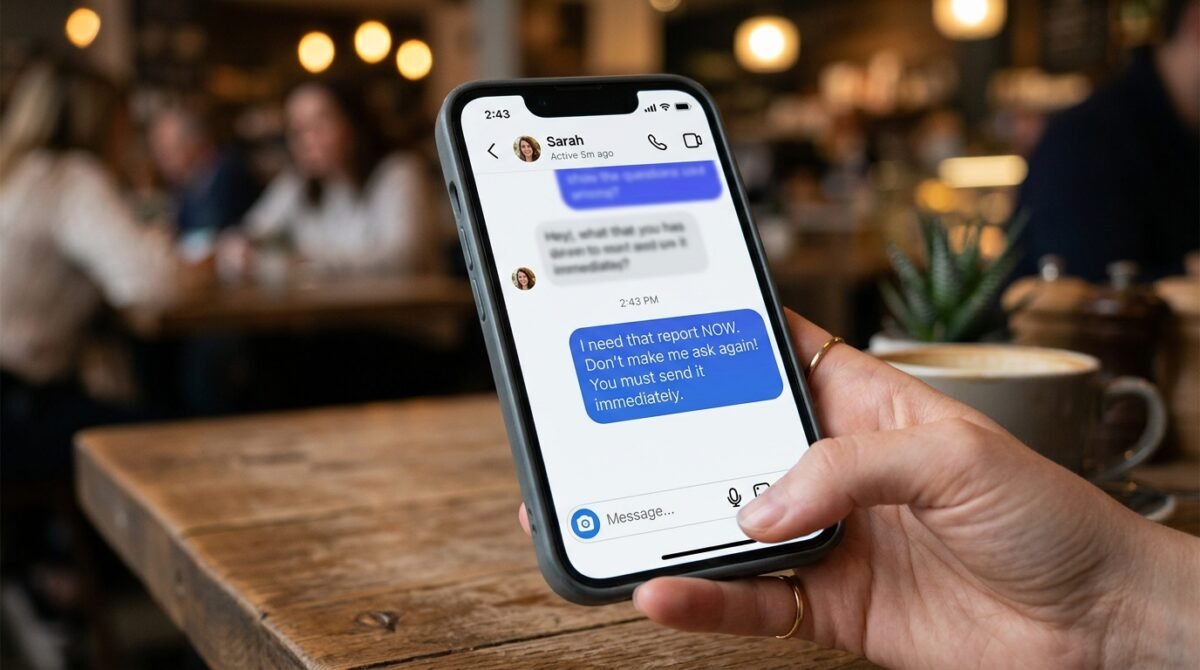
I remember the exact moment the notification popped up. It was a simple, innocent-looking message from Sarah, but it carried the weight of an impending storm. She started with the usual platitudes, congratulating me on the ‘cool win’ and asking how I managed to pull it off. I, naive and happy, spilled the details, thinking we were just catching up.
Within an hour, the tone shifted. Sarah began asking about the ‘plus one’ situation. I had intended to take my younger brother, who had been the one to introduce me to the sport back in high school. He was the one who watched every qualifying session with me, even when it meant waking up at 3:00 AM on a Sunday. Sarah knew this. She had met him a dozen times.
Then came the pivot. She mentioned that Mark—a man she had been dating for barely two months—was ‘going through a tough time’ and that a trip to the Paddock would change his life. She framed it as a ‘healing experience’ for him, implying that my choice to take my brother was somehow selfish or a waste of potential.
“Look, I know you’re taking your brother, but let’s be real. Mark has been studying F1 stats for weeks. He knows the mechanics, the tire compounds, the history. You’re just going for the photos, right? It would be a crime to waste those passes on someone who doesn’t even know the difference between a pit stop and a strategic undercut.”
— Text from Sarah
I felt a cold prickle of irritation at the base of my neck. Her dismissive tone toward my own interest in the sport was insulting. She was effectively telling me that because she decided her boyfriend had ‘leveled up’ his fandom, my ownership of the passes was now illegitimate. It was the first red flag in a sea of crimson.
I tried to remain polite, telling her that the plans were set in stone and that my brother and I had been planning this for months. I didn’t want to start a fight. I wanted to enjoy my success, but Sarah wasn’t interested in my enjoyment. She was interested in her own social capital, and using those passes to curry favor with her new man was clearly her priority for the weekend.
The Infiltration of the Inner Circle

By the following Tuesday, the pressure had migrated from private texts to my wider friend group. Sarah had clearly been talking, because I started receiving ‘gentle suggestions’ from mutual friends about how I should ‘be a team player.’ It was incredibly alienating to realize that my personal boundaries were being treated as public property for debate.
Sarah had framed the situation to make me look like the villain. She told people that I had ‘accidentally’ come into possession of the passes and was keeping them to myself out of spite, rather than taking someone who ‘truly appreciated the engineering.’ She even had the audacity to suggest that Mark would be willing to pay for my brother’s ‘inconvenience’ if I gave the passes up.
I felt like I was losing my mind. The narrative was being rewritten in real-time by someone who hadn’t contributed a single cent or effort to the acquisition of these passes. I held an emergency call with my brother, who was rightfully furious. He told me that if I backed down, I’d be setting a precedent that Sarah could walk all over me whenever she wanted something shiny.
“She’s not asking for a favor, OP. She’s testing to see if you’ll give her your car if she asks nicely enough. Do not, under any circumstances, hand those over. If she asks again, just tell her no and leave it at that. You don’t owe her an explanation for your own property.”
— Phone call with my brother
I realized then that Sarah didn’t respect my boundaries because she didn’t see me as an equal. To her, I was an accessory—someone whose life was meant to be curated for her benefit. The realization stung more than the actual demand. We had been close for years, and yet, at the first sign of a conflict, she was willing to burn the bridge for a guy she barely knew.
The next few days were characterized by a deafening silence from Sarah, followed by a sudden barrage of passive-aggressive social media posts. She began sharing articles about ‘generosity’ and ‘the importance of sharing your blessings.’ It was so transparent that it became almost laughable, though the sting of the betrayal remained sharp and persistent.
The Unsolicited Visit to My Apartment
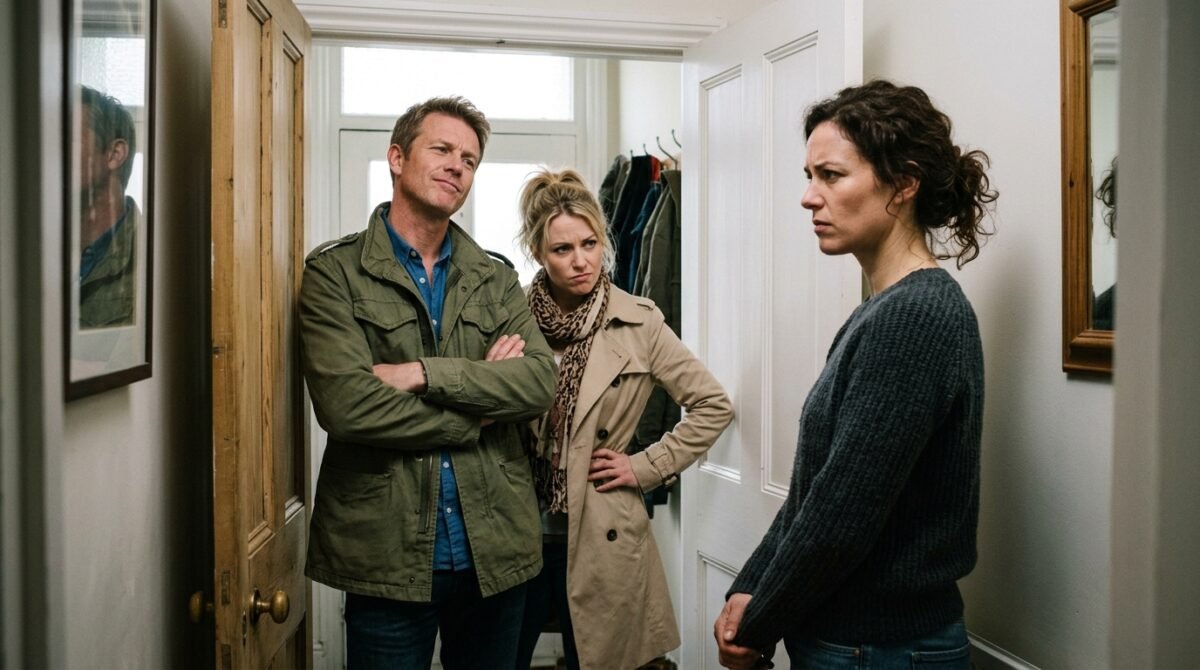
On Saturday morning, while I was still in my pajamas drinking coffee, the doorbell rang. It was Sarah, and she hadn’t come alone. She brought Mark. They were dressed up, looking like they were ready to head to a high-end brunch, and Sarah had a look of performative sweetness on her face that I had come to loathe over the past week.
She didn’t wait for an invite; she pushed past me into the entryway. Mark looked slightly uncomfortable, shifting his weight from foot to foot, but he didn’t stop her. Sarah immediately started ‘looking around’ at my place, commenting on my decor, then pivoting directly to the topic of the Grand Prix. It was an ambush, plain and simple.
“So, I’ve been thinking, and Mark and I have a proposition. We know you’re attached to these passes, but it’s just not practical for you to go. You don’t even know the current standings! Mark here has the app, the data, everything. We’ll even throw in a gift card for your brother’s favorite restaurant. It’s a win-win, really.”
— Sarah, standing in my living room
I was stunned by the sheer audacity. She was negotiating with my own property in my own home. I stood my ground, my hands trembling slightly with adrenaline. I told them both, quite clearly, that the passes were not for sale, not for trade, and certainly not for donation. I told her that her behavior was unacceptable and that she needed to leave immediately.
Mark finally spoke up, trying to play the ‘rational guy.’ He told me he understood my position but that I was being ’emotional’ about a material item. The irony of a man who didn’t know me lecturing me on emotional maturity was almost too much to handle. I didn’t argue. I pointed to the door and told them that if they didn’t leave, I would be calling the building security.
They left in a huff, with Sarah calling me ‘selfish’ and ‘immature’ as she stomped down the hallway. I locked the door behind them and leaned against it, shaking. It wasn’t just about the passes anymore. It was about the fact that my best friend had tried to manipulate me into giving up something I worked hard for, and when that failed, she tried to intimidate me in my own home.
The Fallout in the Group Chat
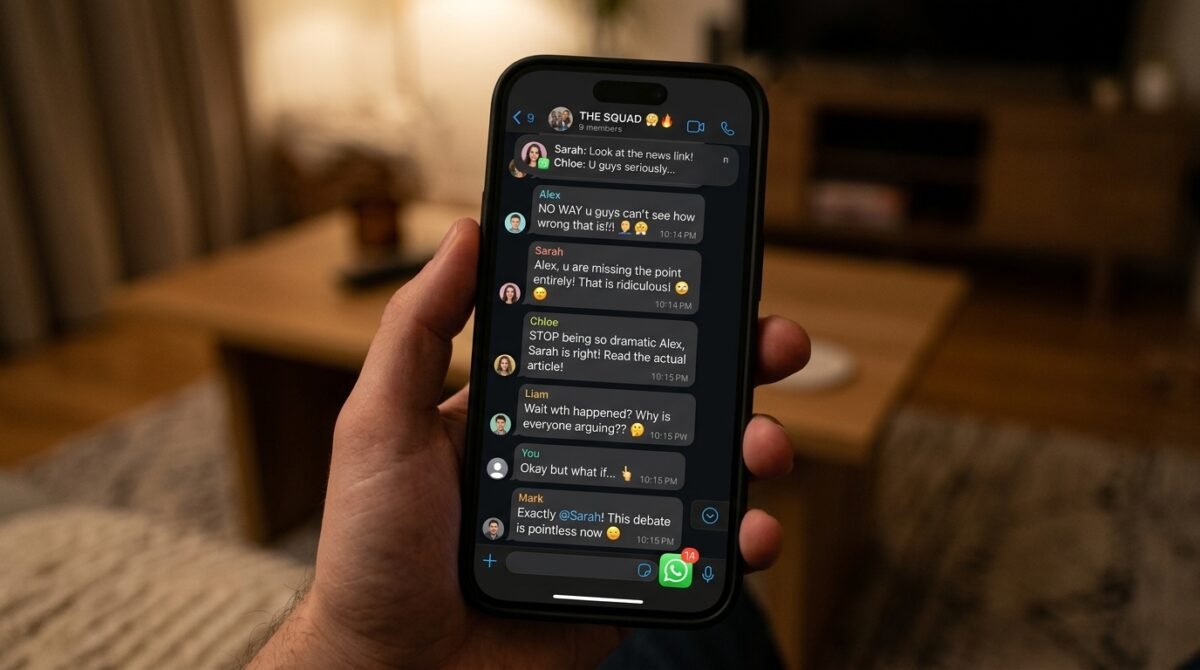
By the time I sat back down, my phone was buzzing incessantly. A new group chat had been created—one I wasn’t even in initially. Friends were messaging me screenshots, asking what on earth happened between Sarah and me. Sarah had sent a long, carefully worded message to our core friend group, painting herself as the victim of my ‘unhinged’ reaction.
She claimed I had been rude, screamed at them, and threatened to call the police over a ‘simple conversation.’ It was a masterclass in gaslighting. I took a deep breath, pulled up my notes app, and drafted a response to the group. I included the timeline of her demands, the way she had tried to invalidate my interests, and the account of the ambush in my apartment.
“I don’t owe anyone an explanation for my personal property, but for the sake of clarity: Sarah has been harassing me for a week to give up my F1 passes for her boyfriend. She has belittled my interests and, this morning, showed up at my home uninvited to demand them. I don’t appreciate being lied about to our friends.”
— My response in the group chat
The chat went dead silent for nearly an hour. Then, one by one, the ‘neutral’ friends started chiming in. Some were shocked, others were clearly trying to distance themselves from the drama. It was a litmus test for who actually valued our friendship and who was just looking for a show. It became very clear who had been enabling Sarah’s behavior all along.
I muted the chat. I didn’t need to read the excuses or the ‘why can’t you guys just get along’ messages. I had stood my ground, and in doing so, I had forced the reality of the situation into the open. The fallout was inevitable, but I felt a strange sense of relief. The mask had slipped, and I finally knew where everyone stood.
Reddit Weighs In: The Verdict of the Internet
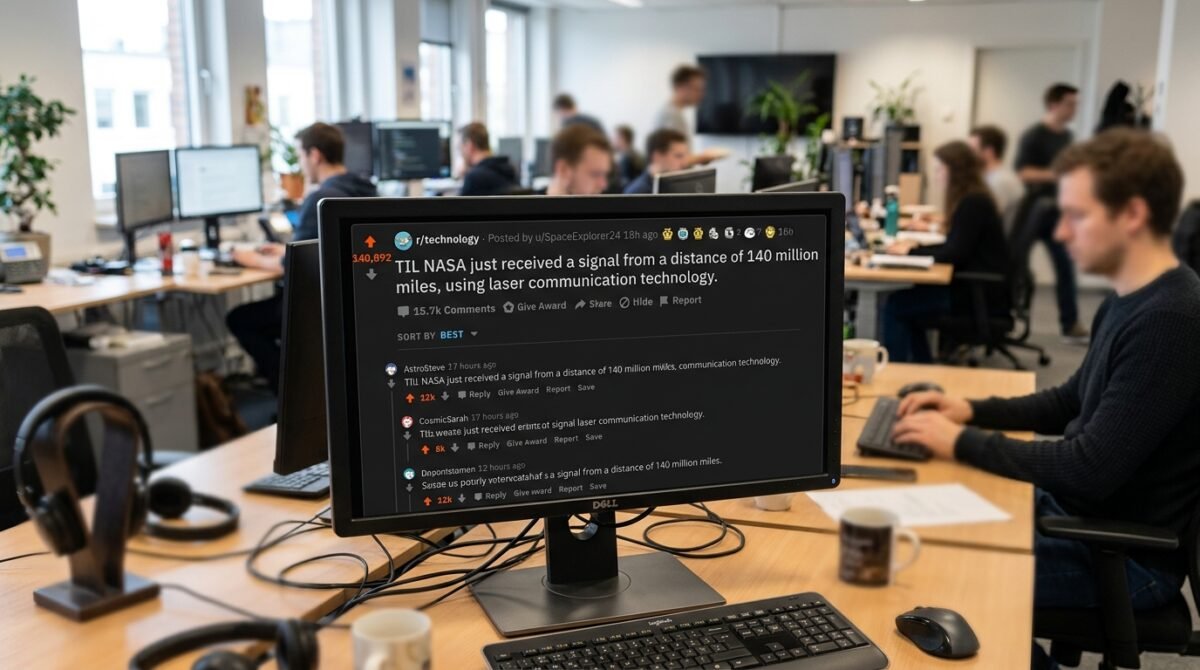
I knew I was in the right, but the gaslighting made me doubt myself. I took to a popular subreddit to post the story—anonymously, of course—just to see if I was actually the one losing it. I didn’t expect the response to be as overwhelming as it was. Within hours, the post hit the front page, with thousands of people commenting on the absurdity of Sarah’s entitlement.
The validation was intoxicating. People pointed out the specific patterns of narcissistic behavior Sarah had displayed: the entitlement, the triangulation with friends, and the invasion of personal space. It wasn’t just about the F1 passes; it was about the fundamental lack of respect for my autonomy. The community was unanimous: I was not the asshole.
“OP, you aren’t just dealing with a friend who wants your tickets. You’re dealing with a friend who is using you for social status and resources. She didn’t want the tickets for her boyfriend; she wanted to show him that she could control you and your resources. Block her and move on. You’re better off without that kind of toxicity.”
— u/ReasonableHuman (Top Comment, 32.5k upvotes)
Another user noted the financial aspect of the demand, pointing out that Paddock passes are worth thousands, even if acquired through connections. They argued that Sarah wasn’t just being ‘demanding’—she was essentially trying to commit a form of social theft. It was sobering to read the analysis, but it helped me solidify my resolve.
The Reddit thread became my sanctuary. Whenever I felt a pang of guilt or a desire to reach out to Sarah to ‘fix’ things, I would re-read the comments. It reminded me that friendship is a two-way street, and that I had been walking it alone for a long time. I was done being the ‘nice’ one who gave up her joy for others’ comfort.
The Final Confrontation
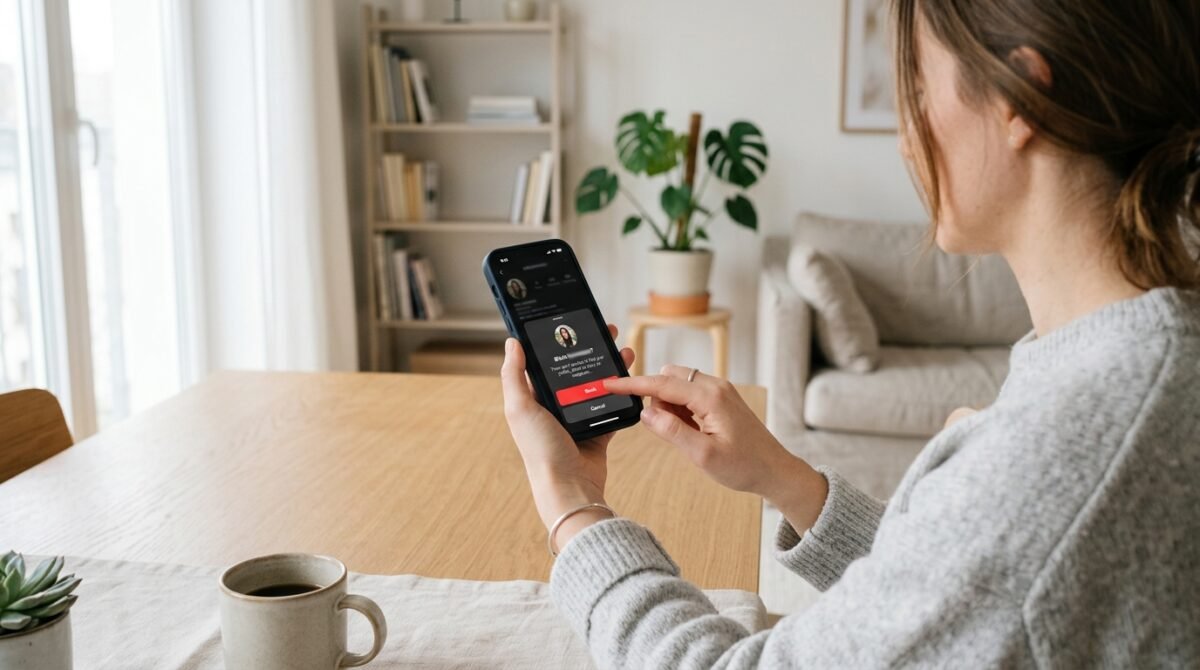
Sarah didn’t stop. After the group chat incident, she tried to call me repeatedly. When I didn’t answer, she started emailing. The emails were a bizarre mix of ‘apologies’—which were actually just justifications for her behavior—and veiled threats about how our friend group was ‘starting to feel uncomfortable’ because of my decision to share the truth.
I finally broke my silence. I sent her a short, final email. I told her that our friendship was over, that her behavior was fundamentally disrespectful, and that I would be blocking her on all platforms. I didn’t leave room for negotiation. I didn’t ask for a response. I just laid out the boundary and enforced it.
“I am done with this. You have shown me exactly what you think of me and my boundaries. Do not contact me again, do not come to my apartment, and do not involve our friends in this. We are done.”
— My final email to Sarah
It was the hardest thing I’d ever done. Ending a long-term friendship is like mourning a death, even when you know it’s for the best. I felt a mix of sadness and liberation. The weight of her expectations was gone. I no longer had to worry about how my life choices would affect her social standing or how she would perceive my successes.
The next few days were quiet. I spent time with my brother, planning the logistics for the Grand Prix. We focused on the details: the travel, the spots we wanted to see, the photos we wanted to take. It was a process of reclaiming my excitement. The F1 passes, which had become a symbol of stress and drama, were slowly becoming a symbol of my own resilience.
The Race Weekend Arrival
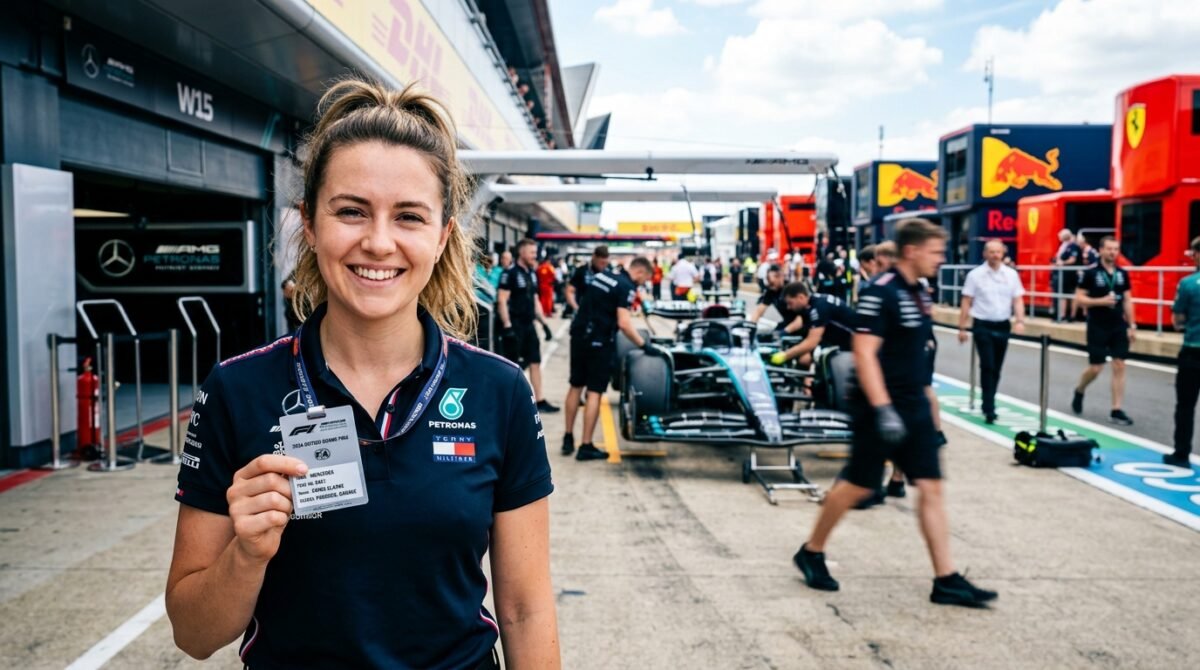
When the weekend finally arrived, the atmosphere was electric. As we walked toward the Paddock, I felt a sense of calm I hadn’t experienced in weeks. My phone was finally quiet. The notifications had stopped. I had left the drama behind, and for the first time in a long time, I was fully present in the moment.
We met up with the contact who had helped me secure the passes. Seeing the look on my brother’s face when we walked past the garages, when he saw the cars being prepped, made every single moment of the last month worth it. He was in his element, explaining the technical nuances of the car setups to me with genuine passion. It was everything I had hoped for.
I didn’t think about Sarah once. I didn’t check social media to see if she was watching my stories. I was too busy living the reality of the dream I had chased. It was a profound realization: the drama that feels so all-consuming in the moment is just noise. The people who matter will support your joy, and the people who don’t will always find a reason to demand it from you.
“I’m so glad you didn’t give in. Look at this place. Seriously, look at it. You did this. You earned this. Nothing she said ever mattered, and it definitely doesn’t matter now.”
— My brother, during the event
We spent the day walking the pit lane, meeting people who were genuinely excited about the sport, and soaking in the atmosphere. There was no entitlement, no manipulation, no pressure. It was just a shared love for something spectacular. I realized that this was how friendships were supposed to be—supportive, effortless, and based on mutual respect.
I took a photo of the passes one last time—not for Instagram, but for myself. A reminder of the lesson I’d learned. The passes were just paper, but the boundary I’d drawn was permanent. I had learned that protecting my joy was not ‘selfish’—it was necessary for my well-being.
The Aftermath and Personal Growth

In the weeks following the race, things began to settle. I lost a few friends who had aligned themselves with Sarah, but I also found that my real friendships—the ones that were built on mutual respect and shared history—only grew stronger. The ‘neutral’ friends reached out, apologetic for not speaking up sooner, and we’ve rebuilt those connections on a more honest foundation.
I’ve also started to look at my own life through a different lens. I’m more intentional about where I put my energy. I’ve realized that I used to be a ‘people pleaser,’ often sacrificing my own desires to keep the peace. That version of me is gone. The experience with Sarah forced me to grow up in a way that I hadn’t been willing to do before.
I’ve also started a small blog where I talk about the importance of boundaries in friendships. It’s been incredibly rewarding to hear from other people who have dealt with similar ‘friends’ who feel entitled to their time, money, or achievements. It turns out, I wasn’t alone in this. The story is a common one, but that doesn’t make it any less important to talk about.
“You don’t lose friends when you set boundaries. You lose people who were only there to use you. The real ones will stay and respect the lines you’ve drawn. It hurts at first, but you’ll eventually see it as the best thing you could have done for your own peace of mind.”
— My own reflection on my blog
I’m finally at peace. Sarah is no longer a part of my life, and that is exactly how it should be. The F1 passes are framed on my wall, not as a trophy, but as a marker of the moment I stood up for myself. It’s a small, daily reminder that I am capable of saying no, and that my life belongs entirely to me.
Reflecting on the Dynamics of Entitlement

Looking back, I can see the cracks in the foundation of our friendship that I had ignored for years. There were so many instances where Sarah had made ‘joking’ comments about my life being ‘easier’ or ‘luckier’ than hers. It was clear that she viewed our friendship as a competition, and in her mind, she was always meant to be the one on top.
When I achieved something she wanted, she didn’t feel happy for me; she felt threatened. She viewed my success as a failure on her part, and she tried to rectify that by claiming my success for herself. It’s a sad way to live, but it’s a reality for so many people who are driven by envy rather than genuine connection.
I’ve spent time reflecting on what I could have done differently, but honestly, I don’t think I could have handled it any better. I was clear, I was firm, and I didn’t engage in the manipulation. The only thing I would change is that I would have drawn the line sooner. I wouldn’t have let her think that she had the right to ‘negotiate’ my own decisions.
“Envy is a poison that destroys everything in its path. It doesn’t just destroy the relationship; it destroys the person carrying it. I hope she finds peace, but I know she won’t find it by trying to steal the joy of others.”
— My final thoughts on Sarah
I have no ill will toward her anymore. The anger has faded into indifference, which I think is the ultimate sign of healing. She is just a person who made a series of poor choices, and I am a person who decided that I deserved better than to be a prop in someone else’s performance. Life is far too short to spend it with people who don’t celebrate your wins.
Lessons Learned and Moving Forward

The biggest takeaway from all of this is the realization that ‘friendship’ is not a blank check. It doesn’t give anyone the right to your resources, your connections, or your happiness. When someone starts to treat you like a resource rather than a person, it’s time to re-evaluate the relationship. Don’t be afraid to pull back, even if it feels uncomfortable.
I also learned that transparency is the best defense against gaslighting. By sharing the truth with our friends, I took the power away from the narrative Sarah was trying to create. It was scary, and it resulted in some lost connections, but it kept me from losing myself. In the end, the truth was the most effective tool I had.
I am looking forward to the future. I have new goals, new projects, and a renewed sense of confidence in my ability to handle conflict. I know that life will throw other challenges my way, but I also know that I have the tools to face them. I don’t need to be perfect; I just need to be honest with myself.
“Your life is yours. Your successes are yours. Your joy is yours. Anyone who tries to take that away from you isn’t your friend—they’re a burden. Keep your boundaries firm, and your heart open to the people who truly deserve it.”
— Final advice to readers
If you find yourself in a similar situation, remember that you are not obligated to accommodate anyone at the expense of your own mental health. It’s okay to be the ‘bad guy’ in someone else’s story if it means being the hero of your own. Stand tall, keep your boundaries, and never, ever let someone else dictate your worth.
Conclusion
This saga serves as a poignant reminder that the boundaries we set are the fences that protect our most valuable assets: our happiness and our self-respect. When we allow others to trample these boundaries under the guise of ‘friendship’ or ‘entitlement,’ we aren’t just losing items—we are losing our sense of self.
The debate surrounding this story has been both fascinating and validating. While some argued that a ‘true friend’ would have shared, the overwhelming consensus remains clear: entitlement is the enemy of genuine connection. We don’t owe our hard-won experiences to those who view our lives as mere commodities. True friendship is built on mutual celebration, not extraction.
What about you? Have you ever had a friend demand something from you that you had worked tirelessly to earn? Did you fold, or did you hold your ground? We want to hear your stories and how you navigated those difficult conversations. Share your experiences in the comments below, and let’s discuss the delicate balance of friendship and personal boundaries.
What's your verdict on this dilemma?
Vote below to contribute to the official community consensus.

Have a Dilemma Keeping You Up at Night?
Share your real-life feud, wedding chaos, or relationship crossroads anonymously with our editorial team.
What do you think ?
0 Comments🛡️ Comments are moderated to protect community integrity. Your comment will appear once approved by the editorial team.