
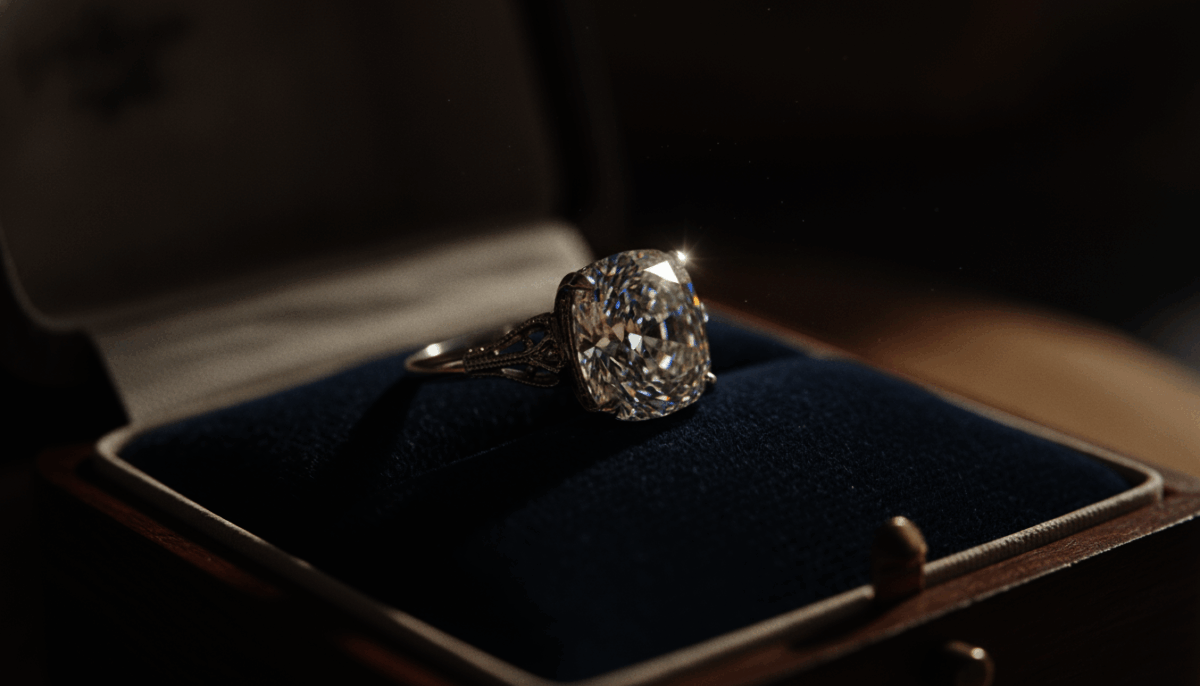
Grief has a way of crystallizing character, exposing the fault lines in a family that were previously hidden under the veneer of normalcy. For my sister, Chloe, our mother’s passing wasn’t just a tragedy—it was an opportunity. She had always viewed our mother’s possessions as her own birthright, but the solitaire diamond ring, a piece of jewelry that had survived the lean years of our childhood, became the epicenter of a war that would redefine our relationship forever.
The trouble began the moment the headstone was set. Chloe, fresh out of her final semester of university, decided that the ring was the perfect accessory for her graduation gown. It wasn’t a request; it was a demand phrased as a milestone necessity. She believed that because she was the ‘younger sister with a future to build,’ the ring belonged on her finger, not tucked away in the safe deposit box where it rightfully resided as part of the estate.
As I navigated the painful process of probate, Chloe turned the mourning period into a high-stakes campaign of emotional manipulation. She utilized every tool at her disposal: tearful outbursts at family dinners, guilt-tripping texts that arrived at 3:00 AM, and eventually, the ultimate weapon—threatening to sever all contact if I didn’t hand over the keys to the kingdom. She assumed I was a pushover, someone who would prioritize family harmony over the integrity of our mother’s final wishes.
What she didn’t account for was my resolve. I spent months watching her erode the dignity of our shared loss, all for a piece of jewelry that held sentimental value far beyond its market price. The breaking point arrived on a Tuesday afternoon, after a particularly vicious barrage of insults directed at my spouse. I realized that if I gave in, I wasn’t just giving away a ring; I was surrendering to a lifetime of boundary-crossing.
In a move that caught my entire extended family off guard, I bypassed the emotional arguments and went straight to the legal bedrock. I didn’t argue; I acted. I placed the ring into a court-supervised estate trust, effectively locking it away from everyone until the estate was fully settled according to the law. This narrative is the story of how that single, calculated decision turned the tide, and why, sometimes, protecting a legacy requires burning a bridge.
The Three AM Ultimatum

It started with a notification that shattered the silence of my bedroom. My phone screen glowed with the intensity of a searchlight, displaying a message from Chloe that would set the tone for the coming months. She hadn’t even waited for the morning light to start the campaign; her words were typed with a frantic energy that suggested she was already counting the days until she walked across the graduation stage.
I need the ring by Friday. It’s my graduation, and Mom would have wanted me to wear it. Don’t be the person who holds back her sister’s joy for a stupid piece of rock. If you don’t bring it to the house, don’t expect me to be there for dinner or anything else.
— Sent by Chloe, 3:14 AM
I stared at the text, the blue light reflecting in my eyes, feeling a cold knot of dread form in my stomach. This wasn’t about the graduation; it was about power. Chloe had spent her life feeling entitled to everything I owned, and the ring was simply the most recent target. She knew I cherished the ring for its connection to our mother, not for the gold or the diamond itself.
The next morning, I tried to approach it with logic. I told her that the ring was part of the estate and that we had to handle these things through the executor, who was our Aunt Sarah. But Chloe didn’t care about the law. She cared about optics. She wanted to stand on that podium, flashing that diamond, pretending that our mother was there in spirit, even though she hadn’t spent a single afternoon with her in the final year of her illness.
My husband, Mark, sat at the kitchen table, watching me draft a reply. He knew better than to intervene, but his presence was a constant reminder that I wasn’t alone in this. I hit send, my thumb hovering over the screen, hoping for a moment of clarity from her side. The response was instantaneous and scathing, a testament to the fact that her mind was already made up.
By noon, she had involved our cousins. They started messaging me, asking why I was being ‘difficult’ and ‘possessive.’ The narrative Chloe spun was simple: I was a bitter, older sister jealous of a fresh graduate. She had successfully turned a simple legal necessity into a battlefield where my character was the primary casualty, and I realized then that there was no room for negotiation with someone who viewed truth as a fluid concept.
The Sunday Dinner Hostility
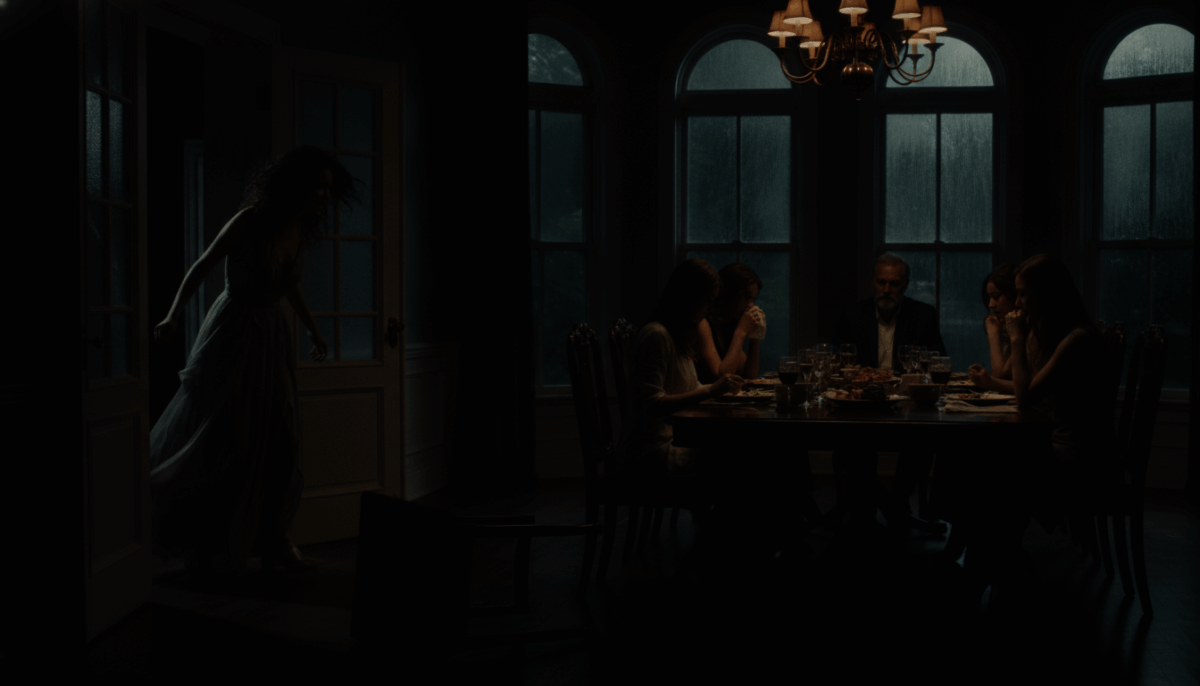
The weekly Sunday dinner was supposed to be a tradition, a way to keep the family tethered together after the chaotic months of hospital visits and funeral planning. Instead, it became a theater of the absurd. Chloe arrived late, wearing a dress that cost more than a month of her rent, and she made sure everyone knew exactly what she was there for. She didn’t bother with small talk; she went straight to the offensive.
“Are you going to keep playing the martyr, or are you actually going to give me the ring? Everyone here knows you’re just doing this to spite me because I’m actually moving forward with my life.”
The table fell silent. My aunt looked down at her plate, clearly wishing she were anywhere else. I felt the heat rising in my neck, but I refused to give her the satisfaction of a scene. I took a slow sip of water, carefully calculating my next move. I knew that if I exploded, I would be the villain in everyone’s eyes. If I stayed silent, she would keep pushing.
“Chloe,” I started, my voice steady, “the ring is not my property to give. It belongs to the estate. We agreed to wait until the legal process is complete. Your graduation doesn’t override the laws of inheritance, and frankly, your behavior is making this process even harder than it already is.”
She laughed, a sharp, brittle sound that echoed against the dining room walls. She looked around the table, seeking validation, but found only averted eyes. She had pushed too far, but she was too deep in her own delusion to realize it. She stood up, her chair scraping harshly against the hardwood, and leaned over the table, her face inches from mine.
“You’ve always been jealous of me. You’re just a bitter, lonely person who wants to see everyone else as miserable as you are. If I don’t get that ring, consider yourself disowned. I don’t need a sister who acts like a gatekeeper to my own inheritance.”
She grabbed her purse and stormed out, leaving the front door slamming behind her. The air in the room was suffocating. I didn’t apologize, and I didn’t follow her. I simply finished my meal. I knew that the bridge hadn’t just been burned; it had been dismantled, brick by brick, by her own hand.
The Legal Pivot

The day after the dinner, I contacted my lawyer. I wasn’t just doing this for the ring anymore; I was doing it to insulate myself from her toxicity. I realized that as long as the ring remained in a casual state of ‘pending distribution,’ Chloe would use it as a weapon to maintain control over me. I needed to remove the leverage entirely.
My lawyer, a sharp-witted woman who had seen families tear themselves apart over far less, nodded as I laid out the situation. She didn’t judge; she worked. She explained that by placing the ring into a court-supervised trust, I could legally distance myself from the decision-making process. The ring would be safely stored, and any distribution would be handled by the court’s timeline, not Chloe’s demands.
The paperwork was extensive, but it provided me with a sense of peace I hadn’t felt in months. I wasn’t the ‘gatekeeper’ anymore; the law was. If Chloe wanted the ring, she would have to petition the court and explain why she felt she was entitled to an asset that had specific provisions in our mother’s will. It was a cold, clinical solution to a deeply emotional problem.
When I finally received the notice that the trust was active, I felt a weight lift from my shoulders. I sent a single, dry email to Chloe, copying our aunt. I didn’t offer an explanation or an apology; I simply stated the facts. The ring was moved, the legal proceedings were set, and my involvement in the ‘when and how’ was officially terminated.
The reaction was, as expected, apocalyptic. My phone buzzed incessantly for hours with calls and texts from Chloe and our mutual cousins. I silenced the notifications and placed my phone in a drawer. For the first time in my life, I wasn’t reacting to her; I was setting the terms of our engagement, or rather, the lack thereof.
The Fallout in the Family Group Chat
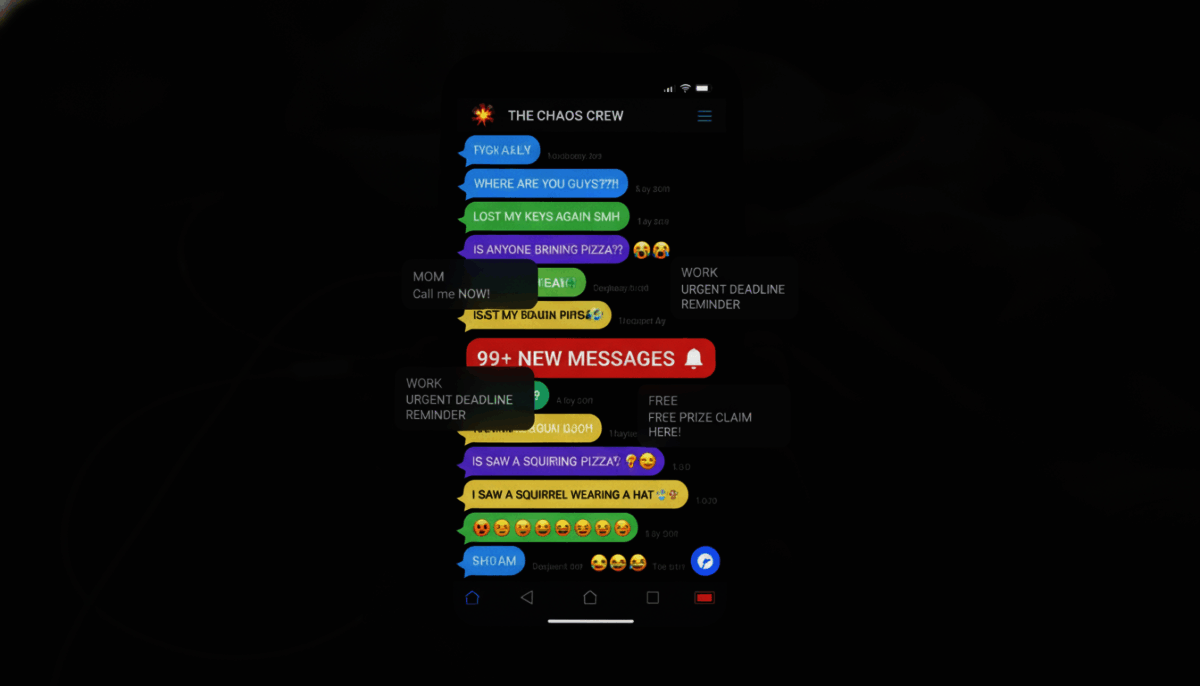
The family group chat, which had once been a space for coordinating holiday plans and sharing photos, turned into a digital courtroom. My cousins, who had previously stayed neutral, were now vocal in their support of Chloe. They called my actions ‘cold-blooded’ and ‘calculated,’ completely ignoring the months of harassment I had endured.
“Are you serious? You put the family heirloom into a trust just to spite her? You’re acting like a total sociopath. She’s your sister! Give the girl the ring and let her enjoy her day!”
— Cousin Mike, Family Group Chat
I read the messages and felt a strange sense of detachment. It was almost like watching a movie where the characters were acting in a way that made no sense. I didn’t reply to any of them. I knew that engaging would only feed the narrative that I was part of a ‘drama.’ I was no longer interested in winning their approval; I was interested in preserving my own sanity.
Then, a message popped up that made me pause. It was from our Aunt Sarah, the executor. She hadn’t commented in the chat yet, but she sent me a private message. She told me she was proud of me for standing my ground. She knew exactly what Chloe was like, and she admitted that she had been terrified that I would give in just to end the conflict.
This validation was the only thing that mattered. It confirmed that the people whose opinions I actually respected understood the necessity of my actions. The cousins and the bystanders were just noise. They were reacting to the spectacle, not the substance, and I could afford to ignore them while I focused on the reality of the estate.
The group chat continued to blow up, with more accusations and demands for me to ‘fix this.’ By the end of the day, I muted the chat entirely. I had successfully shifted the conflict from my personal life into a structured, legal framework, and the irony was that by doing so, I had taken away the very thing Chloe wanted most: the ability to bully me into submission.
The Graduation Day Showdown
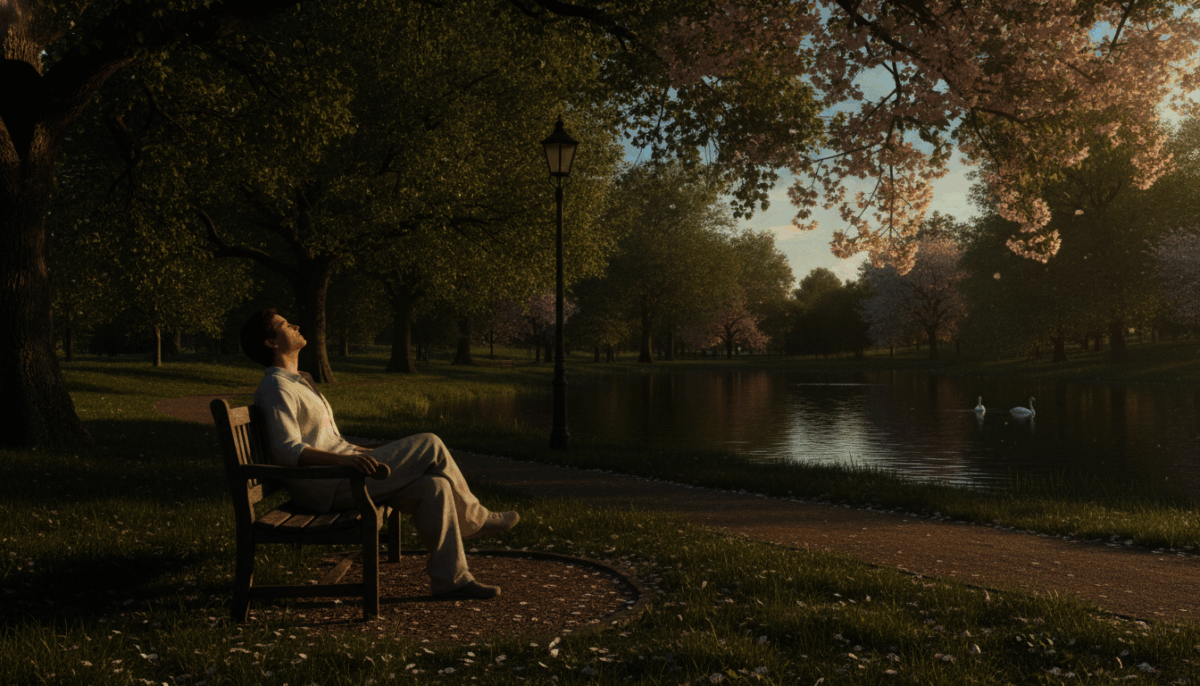
Graduation day arrived with a sense of inevitability. I didn’t attend. I spent the day at a park, reading a book and enjoying the silence, far away from the frantic energy of the campus. I knew Chloe would be looking for me, or at least looking to see if I had ‘caved’ at the last minute. She was likely disappointed, but her disappointment was no longer my responsibility.
I heard later that she had made a scene at the ceremony, telling anyone who would listen about how her ‘evil sister’ had stolen her inheritance. It was a pathetic display that ultimately made her look more erratic than anything else. She didn’t have the ring, and she didn’t have the moral high ground, and she certainly didn’t have the ‘victory’ she had promised herself.
I checked my social media feed that evening, out of morbid curiosity. There were photos of her in her gown, smiling for the camera, but there was a vacancy in her eyes. She had wanted that ring to complete the image, to validate her status, and without it, she looked like a girl wearing a costume. It was a sobering reminder of how much value we place on material things to fill internal voids.
My phone was silent. I had blocked her number and restricted her access to my accounts. I was officially in a period of no-contact, and it felt like breathing fresh air after being underwater for months. I didn’t feel guilty; I felt relieved. I had protected my mother’s legacy from being used as a pawn in a petty game, and I had protected myself from further emotional damage.
In the weeks that followed, the dust began to settle. The estate moved forward at its own pace, undisturbed by the drama. I lived my life, worked my job, and focused on my own recovery. The ring remained in the trust, a silent witness to a family that had fractured over a diamond, and I realized that I had made the right choice, regardless of what the extended family thought.
The Internet Weighs In

A few weeks later, I decided to share the story on an anonymous forum, just to see if I was as crazy as my cousins claimed. The response was overwhelming. Within hours, the post had thousands of upvotes and a comment section that turned into a heated debate about inheritance, boundaries, and the nature of toxic family dynamics.
“You didn’t ‘steal’ the ring. You protected the estate from someone who viewed it as a fashion accessory. NTA (Not The Asshole). If she wants the ring, she can petition the court, but she won’t because she knows she has no legal standing. You won this one.”
— u/LegalEagle88, 12.4k upvotes
Reading the comments was like receiving a masterclass in human behavior. There were people who defended Chloe, citing the ‘importance of family,’ and there were people who saw through her manipulation immediately. It was fascinating to see how many people had gone through similar situations, where an heirloom became a focal point for deep-seated resentment.
“My sister did the same thing with our grandmother’s china. I let her have it just to keep the peace, and she sold it two weeks later to pay for a vacation. You did the right thing by locking it up. Don’t look back.”
— u/HeirloomSurvivor, 8.2k upvotes
The community support provided me with a sense of perspective. I wasn’t alone in this; my experience was a common one, even if it felt isolating in the moment. The Reddit thread became a place for people to vent about their own family dramas, and I felt a strange sense of comfort knowing that my ‘cold’ decision had resonated with so many others who had faced similar ultimatums.
I didn’t engage with the comments, but I read them all. They validated my intuition and helped me process the final fragments of guilt I had been carrying. I was no longer the villain in my own story; I was the person who finally put a stop to the cycle of entitlement that had defined my sister’s behavior for years.
The thread remained active for days, a constant flow of advice and encouragement. It reminded me that the world is bigger than my family, and that my decisions, while controversial to those who knew us, were sound and logical to an objective observer. The internet, for all its flaws, had given me the clarity I needed to move forward.
The Financial Reality of Entitlement

I decided to put together a table for my lawyer, detailing the timeline of demands versus the actual legal standing of the assets. It was a way to ground myself in facts when my emotions tried to take over. The reality was stark: Chloe had contributed nothing to the care of our mother or the maintenance of the estate, yet she felt entitled to the most valuable piece of jewelry in the collection.
| Asset/Event | Chloe’s Claim | Legal Reality |
|---|---|---|
| The Solitaire Ring | Graduation Gift | Estate Asset (Probate) |
| Estate Funds | Birthday Stipend | Debts & Taxes First |
| Family Home | Inheritance/Right | Equitable Distribution |
Seeing the discrepancy written out in black and white was cathartic. It stripped away the emotional manipulation and exposed the naked greed that had driven her actions. She didn’t want the ring for sentimental reasons; she wanted it because it was a high-value asset she could claim as hers before the estate even settled.
My lawyer reviewed the table and nodded. It was exactly what she needed to build the case for the trust. It wasn’t about being ‘mean’; it was about being responsible. The court didn’t care about ‘graduation gifts’ or ‘birthrights’; they cared about the distribution of assets as mandated by the will. My compliance with the law was, in itself, a defense.
This financial breakdown became my anchor. Whenever I felt a twinge of doubt, I looked at the list. It reminded me that I wasn’t just ‘the older sister being difficult’; I was an executor of an estate fulfilling my legal duty. It was a cold comfort, but it was a sturdy one, and it kept me focused during the most difficult periods of the legal proceedings.
I shared this perspective with my spouse, who had been my steady rock throughout the entire ordeal. He looked at the numbers and asked why it had taken me so long to see it. I told him that I had been looking at the situation through the lens of family love, not through the lens of objective truth. The numbers had been there all along; I had just been too blinded by loyalty to see them.
The Breaking Point of No Contact

The final straw wasn’t the ring; it was the late-night phone call from an unknown number. I picked up, thinking it was an emergency, and heard Chloe’s voice, slurred and aggressive. She was at a bar, demanding that I meet her to ‘hash things out.’ The audacity was staggering. Even after all that had happened, she still thought she could command my time.
“You think you’re so high and mighty, putting that ring in a trust. Do you think Mom would be proud of you? You’re a terrible sister. You’ve ruined everything. I hope you’re happy alone.”
— A drunken, late-night phone call from Chloe
I didn’t answer. I hung up the phone and blocked the number. I realized then that there was no version of this story where she came to her senses. She was committed to her role as the ‘victim,’ and any attempt to reason with her would only prolong the misery. The bridge wasn’t just damaged; it was gone, and I didn’t want to rebuild it.
The next morning, I felt a strange sense of lightness. I had finally stopped trying to fix a relationship that she had actively destroyed. The guilt that had been a constant companion began to fade, replaced by a quiet, steady resolve. I had done my best, and my best was no longer enough—because she didn’t want a sister, she wanted an enabler.
I started focusing on my own life, my own goals, and my own healing. I stopped checking my social media, stopped worrying about what the rest of the family was saying, and started enjoying the peace of my own home. It was a radical shift, but it was the only way to save myself from the toxicity that had been infecting every aspect of my life.
The no-contact period became my new normal. It wasn’t a punishment; it was a boundary. I was no longer willing to sacrifice my mental health for the sake of appearances. I had learned the hard way that blood doesn’t give someone the right to abuse you, and I was finally acting on that knowledge.
The Silent Inheritance
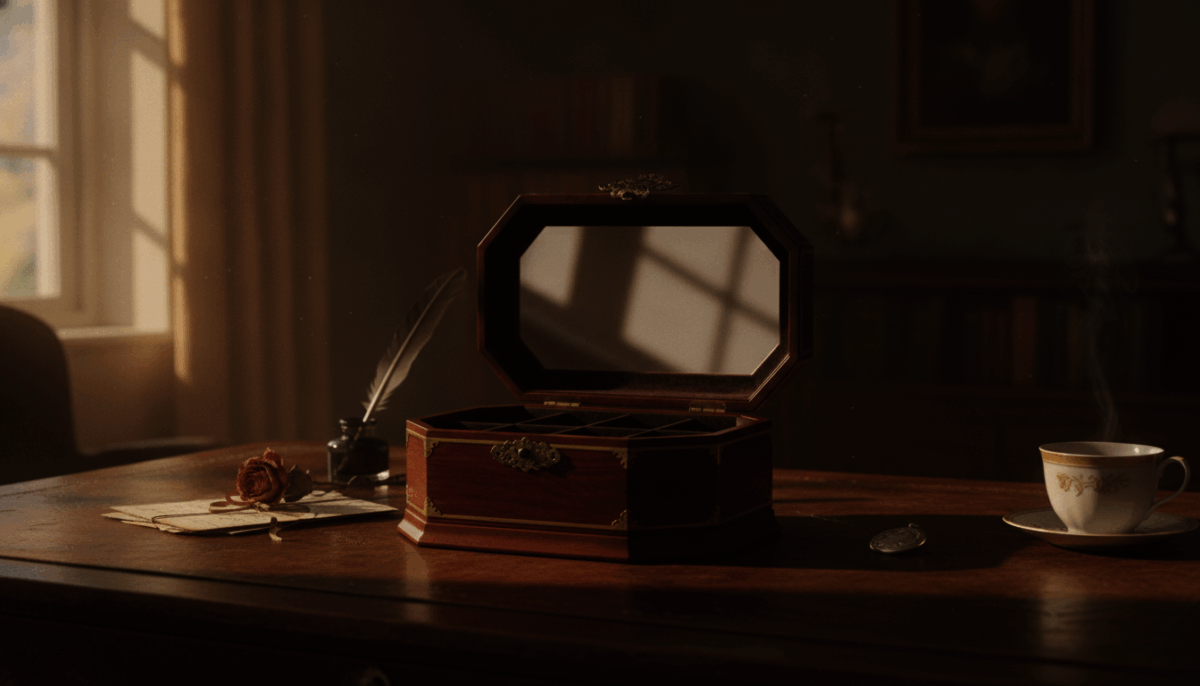
Months later, the court finalized the distribution of the estate. The ring, as it turned out, was designated for me in our mother’s will, a fact that Chloe had conveniently ignored or perhaps never bothered to check. When the news came out, the family was shocked. I felt no triumph, only a quiet, sad vindication. My mother had known exactly who we were, and she had made her choice.
I took the ring out of the trust and brought it home. I didn’t wear it; I didn’t want it to be a symbol of the conflict. I placed it back in its box, tucked away in the back of my safe. It was a piece of jewelry, nothing more. The real value, I realized, was in the peace I had finally achieved, not in the diamond that had nearly destroyed my family.
Chloe reached out through a lawyer, demanding the ring once more, claiming she was ‘owed’ it for her graduation. My lawyer sent a simple response: the will is the will, and the court’s decision is final. We didn’t even have to attend a hearing. The matter was closed, and with it, the final chapter of this long, exhausting saga.
I chose not to tell my family about the inheritance until everything was official. I knew they would try to pressure me into ‘doing the right thing’ by giving it to Chloe anyway. I had learned my lesson: my mother’s wishes were mine to protect, not theirs to influence. I stayed silent, kept my head down, and let the law do its work.
The day the process ended, I felt a profound sense of closure. The ring was mine, the conflict was over, and the distance between me and my sister was now a permanent, healthy wall. I had finally learned that protecting yourself isn’t selfish; it’s necessary, especially when the people who are supposed to love you are the ones causing you the most harm.
Reflecting on the Rupture

Looking back, I realize that the ring was never the problem. It was just the trigger. The problem was an underlying dynamic of entitlement and manipulation that had been festering for years. Chloe had grown up believing that she could have whatever she wanted if she just shouted loud enough, and I had spent my life enabling that belief until I finally decided I couldn’t do it anymore.
The cost of that realization was high. I lost a sister, and I lost the support of some of my extended family. But in exchange, I gained my own sense of self-worth. I learned that I can set boundaries and survive the fallout. I learned that I am not responsible for the emotions of others, especially when they are weaponized against me.
I think about the future sometimes. Will I ever speak to her again? Maybe. But it would have to be a completely different relationship, one built on mutual respect, not on demands and ultimatums. And I know, deep down, that such a change is unlikely. People rarely change unless they are forced to, and she has spent her whole life avoiding any kind of accountability.
For now, I am content with the silence. I am content with the life I have built, a life where my boundaries are respected and my voice is my own. I have learned to define family not by blood, but by actions, and the actions of my sister have made it clear where she stands. I am at peace with that.
The ring remains in my safe, a reminder of a time when I had to choose between being ‘nice’ and being ‘right.’ I chose to be right, and I have never regretted it. It was the hardest decision of my life, but it was also the most liberating. I am finally free, and that is a prize no diamond can ever match.
Conclusion
The story of the ring is, in many ways, the story of my own coming-of-age. It forced me to confront the uncomfortable truth that sometimes, the people we love are the ones who make it impossible for us to stay close to them. Protecting our mother’s legacy meant protecting the boundaries she had always encouraged us to maintain, even when it meant standing against my own sibling.
I am often asked if I would do it again, if I would handle the situation differently. My answer is always the same: I would do it exactly the same way. The only difference is that I would have started the process sooner. I wasted so much time trying to bridge a gap that was already a canyon, and I only learned my value when I stopped trying to prove it to someone who was never going to see it.
What about you? Have you ever had to choose between family harmony and your own personal boundaries? Have you ever had to make a ‘cold’ decision to protect something that meant the world to you? I’d love to hear your thoughts, your experiences, and the lessons you’ve learned from the times you had to put your foot down.
Drop a comment below. Does the ‘family first’ mentality always hold up, or are there times when ‘self first’ is the only path to health? Let’s talk about the difficult, messy, and necessary work of setting boundaries with the people we’re supposed to love the most.
What's your verdict on this dilemma?
Vote below to contribute to the official community consensus.

Have a Dilemma Keeping You Up at Night?
Share your real-life feud, wedding chaos, or relationship crossroads anonymously with our editorial team.
What do you think ?
0 Comments🛡️ Comments are moderated to protect community integrity. Your comment will appear once approved by the editorial team.