

We often think of our childhood homes as a sanctuary—a static repository for the things that define who we are. When I moved away for university, I expected that my room might change slightly, perhaps becoming an office or a storage space for holiday decorations. I never expected that my parents would treat my life as a clearance sale, viewing my hard-earned accomplishments and my late grandmother’s hand-sewn legacy as mere clutter to be purged in favor of a Pinterest-inspired ‘guest suite.’
The betrayal wasn’t just about the space; it was about the erasure of my history. My college diploma, a document that represented four years of grueling labor, sleepless nights, and financial sacrifice, was gone. More painfully, the quilts my grandmother spent months meticulously stitching—the only tangible comfort I had left of her—had been donated to a local thrift shop without so much as a phone call.
When I confronted my parents, their reaction wasn’t one of remorse, but of dismissiveness. They called me ‘dramatic’ and insisted that since I didn’t ‘live there anymore,’ my things had no value. That was the moment something shifted inside me. If they wanted to treat my life as a transactional business arrangement, I was more than happy to oblige. I decided then and there that I would treat their ‘renovation’ like the professional audit it was.
This is the story of how I turned the tables. It is a chronicle of a boundary crossed so violently that it required a formal, itemized invoice to bring the reality of their actions crashing down. It is about the cost of disrespect, the weight of sentimental value, and the thin line between being a parent and being a stranger.
As I sat at my laptop drafting the document, I realized this wasn’t just about the money. It was about forcing them to look at the concrete cost of their entitlement. It was the only language they seemed to understand, and I was prepared to make them pay for every single thread of that quilt and every ounce of my effort.
The Empty Walls and the Pinterest Facade

I arrived home on a crisp Saturday afternoon, expecting a warm welcome after a grueling finals week. I had called ahead, though my parents were characteristically vague about what they were ‘working on’ in the house. I pushed the front door open, ready to dump my bags and collapse into my bed, but the house felt hollow. The hallway was freshly painted in a sterile, modern grey that felt nothing like the home I grew up in.
As I walked toward my bedroom, I noticed the door was wide open. I didn’t see my posters. I didn’t see my bookshelf. I didn’t see the familiar, warm patterns of my grandmother’s quilts. Instead, I saw a minimalist disaster—a beige guest bed, a singular, uncomfortable-looking chair, and a decorative ‘Live, Laugh, Love’ sign hanging exactly where my diploma had been framed.
My heart hammered against my ribs. I walked into the room, my hands shaking. I checked the closet, the drawers, and even the attic hatch, hoping against hope that they had just moved everything to storage. But the closet was empty. My old childhood desk was gone, and with it, the shoebox under the bed where I kept my most precious documents. The room felt like a showroom for a generic furniture store, stripped of every ounce of my soul.
“Mom? Dad? Where is my stuff? My desk, the quilts, my diploma—where are they?”
— Me, upon realizing the extent of the purge.
My mother walked in, wiping her hands on a rag, looking entirely unbothered. She gestured to the room with a smile that didn’t reach her eyes, oblivious to the fact that I was on the verge of a panic attack. She explained that she had been ‘decluttering’ to make the house more marketable for when they eventually moved, and she wanted the room to look ‘cleaner’ for visitors.
I asked her specifically about the quilts. Those quilts were made by my grandmother, who passed away four years ago. They were not just pieces of fabric; they were the last things she made with her failing eyesight, full of stories and love. My mother casually informed me that they looked ‘tattered and stained’ and she had dropped them at the Goodwill bag drop two days prior. I felt the air leave the room.
The Casual Dismissal of a Lifetime
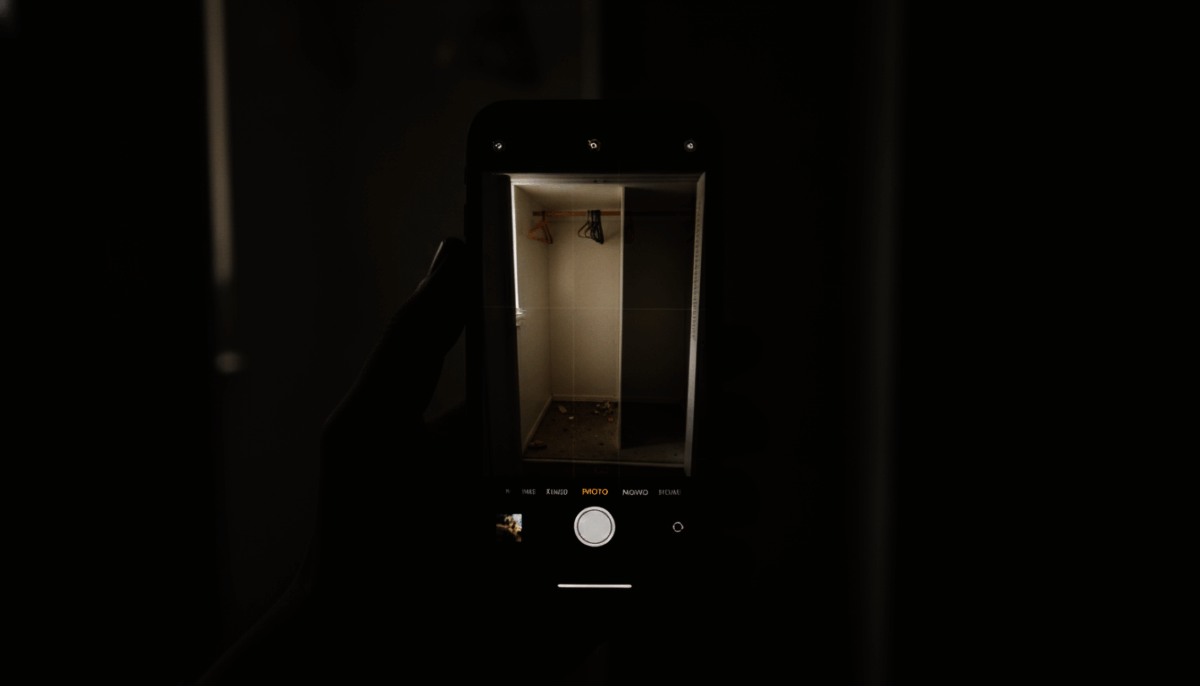
I stood there, paralyzed by the sheer audacity of it. My mother was already talking about how much ‘brighter’ the room looked now that the ‘clutter’ was gone. She mentioned that she had even cleared out my closet to make room for my sister’s yoga gear when she visited. The disregard for my agency was staggering. It wasn’t just about the items; it was the fact that they didn’t even bother to ask.
When I pressed them on the diploma—a document that is notoriously difficult and expensive to replace—they simply shrugged. My father, who was standing in the doorway, noted that I could just ‘print a new one’ or that it was ‘just a piece of paper’ anyway. They were viewing my life as a draft they could edit at will, completely ignoring the fact that I was an adult who had moved out, not a child whose things could be thrown away at a whim.
“You don’t live here anymore. Why do you need a dusty degree from three years ago? You have the job, don’t you? It was just taking up wall space.”
— My Father’s justification.
I felt a cold, sharp clarity wash over me. I realized that arguing with them was useless. They were trapped in a mindset where they owned me and my possessions by proxy of being my parents. They didn’t see me as an individual with rights; they saw me as an extension of their lifestyle. I told them I was going to leave, but not before I made it clear that this wasn’t going to be forgotten.
I spent the next hour walking through the house, taking photos of the empty spaces where my belongings used to be. I compiled a mental list of everything that was gone: the quilts, the diploma, the vintage books, the childhood mementos, and the expensive drafting equipment I had stored in the closet. Each item felt like a puncture wound. I didn’t scream. I didn’t break anything. I just documented.
By the time I left, the atmosphere in the house was thick with tension. They were annoyed that I wasn’t ‘appreciating’ the renovation. My mother tried to bribe me with a snack, acting as if I was throwing a toddler tantrum. I didn’t take the snack. I took my keys, walked to my car, and drove away in silence, already calculating the replacement costs.
The Itemized Invoice: A Lesson in Cold Reality
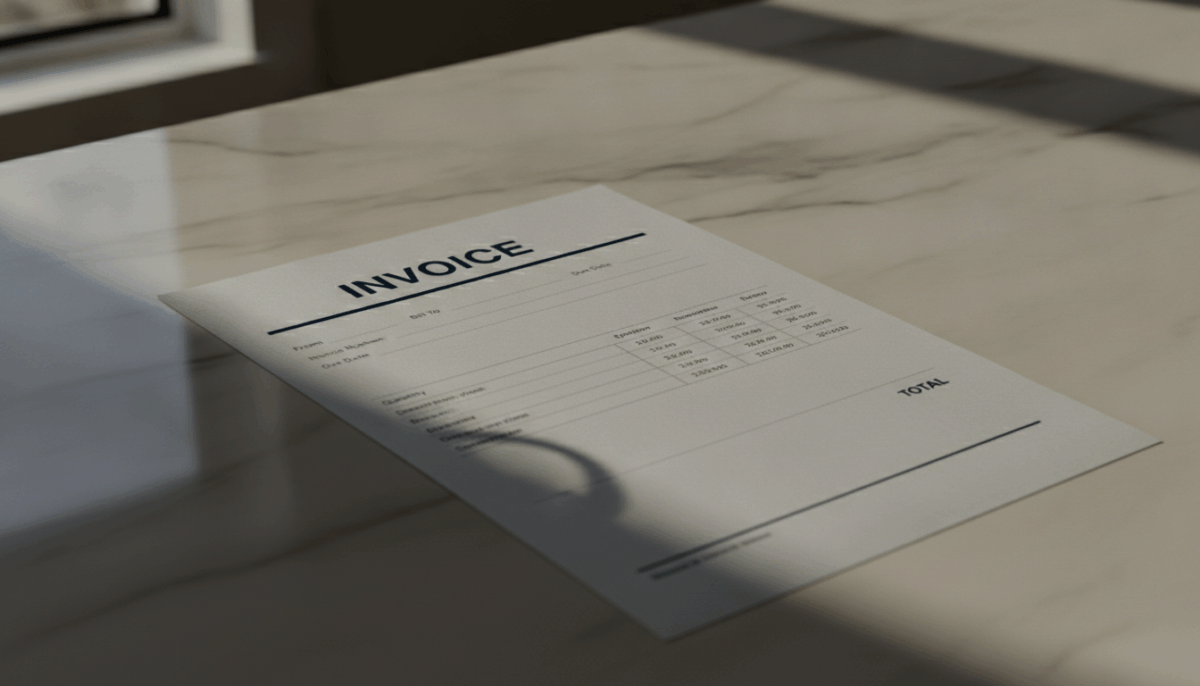
That night, I didn’t sleep. I sat at my kitchen table, my laptop open, creating a spreadsheet that would become the most important document of my life. I went item by item. I looked up current replacement values for the vintage drafting set. I checked the cost of obtaining a duplicate diploma from my university, including the notary fees and shipping. I even did my best to estimate the value of the hand-stitched quilts based on current custom-quilt market rates.
I titled the document ‘Invoice for Unauthorized Disposal of Personal Property.’ It was professional, crisp, and utterly devoid of emotion. I added a 15% ‘convenience fee’ for the time I would now have to spend tracking these items down, as well as a ‘processing fee’ for the emotional distress caused by the destruction of sentimental heirlooms. The total came to $6,450. It wasn’t a small amount, but it was fair for the loss of property.
I formatted it as a legitimate business invoice, complete with a due date of 30 days and a note about ‘late fees’ accruing interest. I printed it out on high-quality paper and placed it in a formal envelope. I didn’t include a note. I didn’t include a passive-aggressive letter. I let the numbers do the talking. The silence of the document was louder than any screaming match could ever be.
“Attached is the itemized list of property removed from my former bedroom without my consent. Payment is due in full by the end of the month to cover replacement costs and damages.”
— The cover email sent to my parents.
The next morning, I drove back over, walked into the house, and left the envelope on the kitchen island. I didn’t wait for them to come down. I heard my mother coming down the stairs, calling my name, but I was already out the door. I wanted them to find it exactly when they weren’t expecting me. I wanted them to hold the paper and feel the weight of what they had done.
Driving back to my apartment, I felt a strange sense of liberation. For years, I had bent over backward to accommodate their demands, their schedules, and their expectations. By turning their behavior into a financial transaction, I had removed myself from the victim role. I was no longer the child whose things were tossed; I was the creditor holding them accountable.
The Group Chat Explosion

I knew they would reach out, but I didn’t expect the immediate, frantic energy of the family group chat. My phone started vibrating while I was at work, a stream of notifications from my mother, my father, and my aunts. They were outraged. They called me heartless, money-hungry, and accused me of trying to ‘extort’ my own parents for a ‘little remodeling job.’
“Are you serious with this? You are sending us a bill? After we spent thousands on your college? You have some nerve, kid. Take this down immediately or don’t bother coming home for Thanksgiving.”
— My Father, via group chat.
“I don’t care what you paid for my college. That was for my education. This was for my property. You destroyed things that didn’t belong to you. The invoice stands. Pay it, or I take further steps.”
— My reply to the group chat.
The chat devolved into chaos. My aunts were chiming in, saying that I was being ‘too sensitive’ and that families should ‘share everything.’ I didn’t engage with them. I muted the chat and went back to work. Seeing my parents panic, seeing them realize that I was serious, felt like a cold drink of water on a hot day. They weren’t used to me setting boundaries, and the fact that I was using their own transactional logic against them was clearly the most infuriating part.
My mother called me six times during my lunch hour. I didn’t pick up. I sent a single text letting her know that if they wanted to discuss the matter, they could do so in writing, and that I was not available for verbal abuse. I was effectively turning the dynamic on its head. I wasn’t just setting a boundary; I was enforcing it with the threat of financial consequences.
By the end of the day, my father sent a message saying they would ‘look into’ the items, implying they might try to ‘get them back’ from Goodwill. I knew they wouldn’t, or couldn’t. The items were likely long gone. I kept the invoice as is. If they couldn’t recover the items, the debt remained. The look on their faces—the sheer realization that I wasn’t going to crawl back and apologize for my ‘attitude’—was the best outcome I could have asked for.
The Internet Weighs In: A Reddit Reality Check

I needed perspective, so I posted a sanitized version of the story on a popular forum. I didn’t expect the response I got. Within an hour, the thread had thousands of upvotes. The community was surprisingly supportive, with many people sharing their own stories of parents who treated their children’s space like a personal storage unit. The validation was overwhelming; it turned out I wasn’t crazy for feeling violated.
“OP, you are a genius. This is the only way to treat parents who think your life is a hobby. By quantifying the loss, you make it real for them. Keep the invoice. Do not back down. If they refuse to pay, take them to small claims. It’s not about the money; it’s about the principle.”
— u/BoundariesQueen (Top Comment, 32.1k upvotes)
The comments sections were a masterclass in human behavior. Some people argued that I was being petty, saying that ‘family is family’ and I should just ‘forgive and forget.’ But the vast majority—people who had clearly been through similar ordeals—were cheering for me. They pointed out that if a landlord had done this, it would be illegal. Why should parents get a free pass?
“The people saying YTA are probably the same parents who think their kids owe them a mortgage payment for the room they grew up in. OP, you are standing up for yourself. This is the first step toward a healthy, independent relationship with them. If they pay, they acknowledge their mistake. If they don’t, you know exactly how much they value your relationship.”
— u/RealistAdvice (15.4k upvotes)
Reading these comments helped me realize that the guilt I was feeling was a conditioned response. For years, I had been taught that my parents’ comfort took precedence over my needs. Now, I was seeing that I had rights. I was seeing that my anger was justified. I spent hours reading through the stories of others, finding strength in their resolve. It wasn’t just my fight anymore; it was a collective reclaiming of dignity.
I updated the thread with the latest developments—the group chat, the calls, the refusal to apologize. The support only increased. It felt like I had an army of people standing behind me, confirming that I was doing the right thing. It gave me the courage to stick to my guns when my parents called again, demanding to know ‘what kind of person’ keeps receipts on their own parents.
The Sunday Dinner Silence
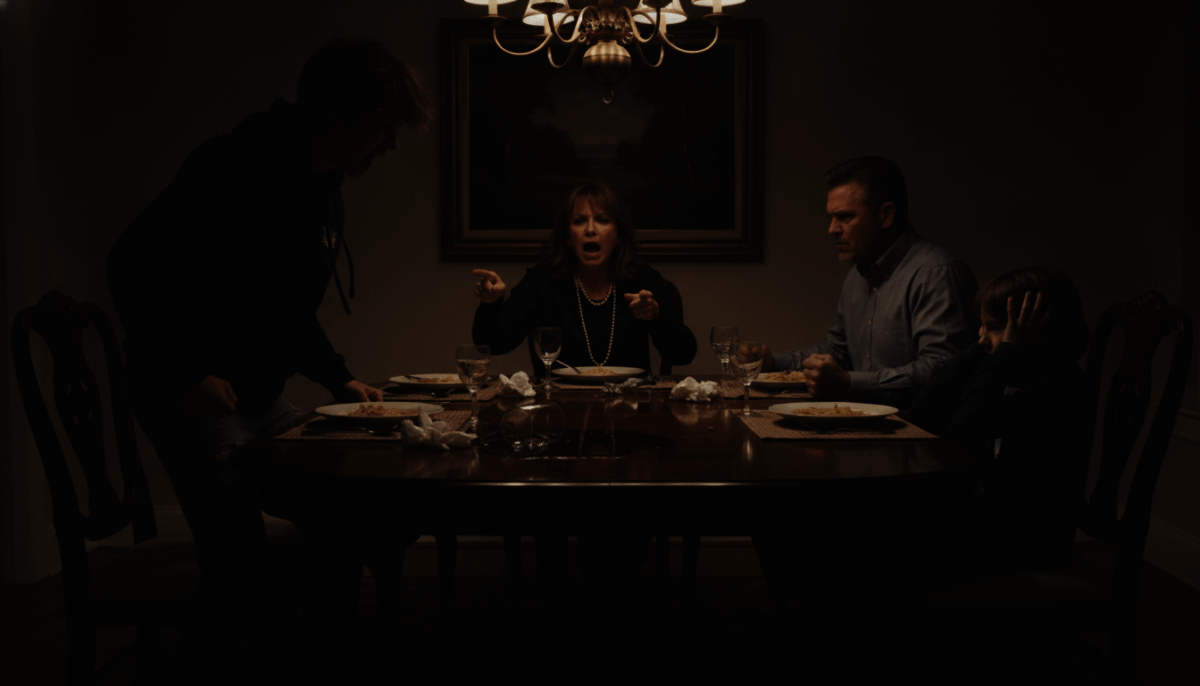
Two weeks later, I decided to attend a family dinner. I knew it would be a gauntlet, but I couldn’t avoid my family forever. The house was exactly as it had been on my last visit—the beige room, the sterile halls. My parents acted like everything was normal, but the tension was palpable. My father didn’t look at me once, and my mother kept trying to steer the conversation toward ‘what I was doing with my life’ to avoid the elephant in the room.
Halfway through the meal, my aunt asked why I hadn’t been by as often. My mother let out a loud, dramatic sigh and started talking about how I was ‘going through a phase’ and ‘trying to charge them’ for my old things. She made it sound like I was a villain in a movie, trying to bankrupt them over some old junk. The table went deathly silent. Everyone looked at me, waiting for me to break.
“It wasn’t junk, Mom. Those quilts were the only physical remnants of Grandma’s life. You didn’t ask. You destroyed them. And my diploma? That represents four years of work. You treat my life like an extension of your storage unit. That invoice is the cost of the respect you failed to show me.”
— Me, speaking clearly at the dinner table.
My father slammed his fork down. ‘We paid for your upbringing!’ he shouted. ‘We fed you, clothed you, and paid for your tuition! How dare you try to extort us over a few blankets!’ I stayed calm. I didn’t raise my voice. I looked him straight in the eye and told him that my upbringing was his responsibility as a parent, not a debt I owed him for the rest of my life. The room felt like it was going to explode.
My grandmother’s sister, who had been quiet the whole time, looked at my mother and said, ‘You really gave those away, Carol? Those were beautiful. I asked if I could have them if you didn’t want them.’ My mother froze. The realization that she had acted out of pure impatience, and that other people actually valued the things she deemed ‘trash,’ hit her hard. She had no answer.
I finished my meal in relative quiet, though the air was thick enough to cut with a knife. I didn’t apologize for my comment. I didn’t try to smooth things over. I stood up, thanked my aunt for the dinner, and left. I didn’t look back. For the first time in my life, I felt like I had won a battle of wills, and it felt exhilarating.
The Legal Threat and the Final Offer
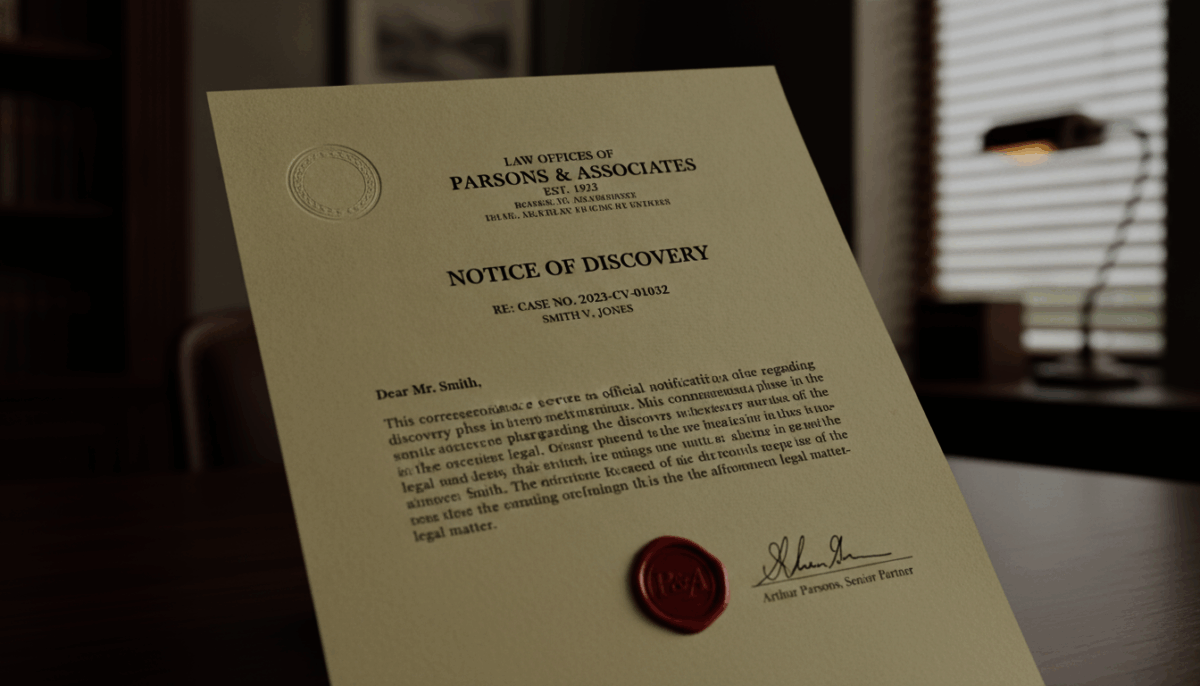
The situation escalated when my father sent me an email from his attorney. It was a bluff, obviously—a demand letter threatening to ‘sue me for harassment’ if I didn’t drop the invoice. They were trying to scare me into backing down. I knew enough about the law to know that my invoice wasn’t harassment; it was a demand for compensation for lost property. I didn’t panic.
I responded with a formal letter of my own, written with the help of a friend who worked in legal clinics. I outlined the facts: the property was mine, it was taken without permission, and it was destroyed. I included a small section on the emotional impact and the fact that I was prepared to take this to small claims court if they didn’t pay. I didn’t ask for the full amount anymore; I asked for the cost of the diploma and a set amount for the quilts.
“I am prepared to settle this out of court for the amount of $2,500. This covers the essential items only. If I do not receive payment by the end of the month, I will be filing a claim in small claims court, where I will be asking for the full amount plus legal fees.”
— My counter-offer letter.
The response was silence for three days. My mother eventually sent a text saying they would pay, but that they were ‘disappointed’ in the person I had become. I didn’t care about their disappointment. I was focused on the resolution. I had forced them to admit that their actions had a price, and they had agreed to pay it. It was the closest to an apology I was ever going to get.
I set up a direct deposit account for them to transfer the money. Watching the funds hit my account was a strange experience. It wasn’t about the money itself anymore; it was about the confirmation that they recognized my boundaries. I had set a price on my dignity, and they had paid it. The conflict had changed our relationship forever, but it had also finally brought a sense of balance that had been missing for years.
The legal threat was a hollow act of desperation. They were used to being the ones in power, and when that power was stripped away, they didn’t know what to do. They tried to use the law against me, but they failed because they were in the wrong. It was a lesson in how power dynamics work, and it taught me that no one—not even your parents—can dictate the value of your history.
The Aftermath: Moving On and Setting Boundaries

The months following the ‘Invoice Incident’ were quiet. I moved into a new apartment, one that was fully my own, decorated in a way that reflected my personality and my history. I didn’t go back to my parents’ house for the holidays. I spent them with friends and partners who respected my space and my belongings. The distance was exactly what I needed to heal.
My parents and I are currently in a state of low-contact. We exchange polite, surface-level emails, but the deep, toxic entanglement that defined our relationship has been severed. I don’t give them updates on my life unless necessary. I don’t ask for their advice. I have built a life where their approval is not a currency I need to earn, and it has made all the difference in my mental health.
“I don’t look back on that time with regret. I look back on it as the moment I finally became an adult. I stood up for my past so I could build my future.”
— My own reflection on the situation.
I still have the diploma, now safely framed in my new office, right where I can see it. It serves as a reminder of the work I put in, but also as a reminder of the day I stopped letting people treat that work like it didn’t exist. I never found the quilts, but I bought a new, high-quality quilt that I picked out myself—one that is entirely mine, with no history of being ‘tattered’ or ‘stain-ridden’ in someone else’s eyes.
I learned that boundaries are not just words you say; they are actions you take. I learned that you can be kind and respectful without being a doormat. And most importantly, I learned that if you don’t value your own history, no one else will. The invoice was the loudest thing I ever said, but it was the most effective communication I ever had with my family.
I am at peace now. The anger has subsided, replaced by a firm, unwavering sense of self. I know who I am, I know what I deserve, and I know that I will never again let anyone, no matter who they are, treat my life as an expendable inventory. I have moved on, and I am stronger for it.
The Lessons of the Itemized Invoice

Looking back, the entire ordeal seems almost surreal, yet it remains one of the most formative experiences of my adult life. People often ask me if I would do it again, if I would send the invoice again. My answer is always yes. Not because I enjoyed the conflict, but because it was the necessary catalyst for the change that followed. Without it, I might still be living in their shadow, waiting for their approval, and letting them dictate the terms of my life.
The lesson here isn’t about the money. It’s about the fact that parents often struggle to let go of the idea that their children are still their property. They view our rooms as extensions of their house, our accomplishments as their trophies, and our possessions as their own to purge. By pushing back, I forced them to acknowledge that I was an individual with autonomy, separate from their control.
I’ve heard from others who have tried similar tactics, and it’s always a gamble. Sometimes it works, and it creates a new, healthier dynamic. Sometimes it creates a permanent rift. But the alternative—keeping quiet, accepting the violation, and harboring resentment—is far more damaging in the long run. I chose the path of accountability, and it led to a life of freedom.
“Sometimes you have to be the villain in their story to be the hero in your own. The invoice was just the pen I used to rewrite the ending.”
— My closing thought on the matter.
If you are in a similar situation, don’t be afraid to set your terms. Don’t be afraid to make them uncomfortable. If they are crossing your boundaries, they are the ones who are in the wrong, and they are the ones who need to feel the consequences. It’s not easy, and it won’t be pretty, but your history, your belongings, and your life are worth fighting for. Stand your ground, document everything, and don’t look back.
My relationship with my parents is what it is—a distant, respectful, but separate existence. We might never have the ‘perfect’ family relationship that society promotes, but we have a relationship based on the reality of who we are, not the fantasy of who they wanted me to be. And for that, I am truly grateful.
Conclusion
My journey from a room-gutted student to an independent adult who stood their ground is a testament to the power of setting boundaries. The invoice was just a tool; the real change happened within me. I realized that my worth is not determined by my parents’ opinions or their respect for my space. I have successfully transitioned into a life of my own making.
The debate over whether parents should have rights to their children’s rooms long after they’ve moved out is a contentious one. Many believe in the ‘under my roof, my rules’ mentality, while others argue that common decency and respect for personal property should prevail regardless of the address. What do you think? Have you ever had to draw a hard line with your family? Let us know in the comments below.
We want to hear your stories of boundary-setting, whether it was through an invoice, a conversation, or a clean break. Join the community discussion and tell us: was sending the invoice the right move, or was it an act of unnecessary escalation? Your perspective matters.
What's your verdict on this dilemma?
Vote below to contribute to the official community consensus.

Have a Dilemma Keeping You Up at Night?
Share your real-life feud, wedding chaos, or relationship crossroads anonymously with our editorial team.
What do you think ?
0 Comments🛡️ Comments are moderated to protect community integrity. Your comment will appear once approved by the editorial team.