

When I first moved in with Sarah, I thought we were the perfect match. She was tidy, professional, and seemingly obsessed with my golden retriever, Barnaby. Barnaby isn’t just a pet; he is a highly trained psychiatric service dog who keeps me anchored during my PTSD episodes. For the first three months, our apartment was a sanctuary. We shared costs, split chores, and enjoyed quiet evenings on our shared balcony overlooking the city skyline. But then, the mask started to slip.
The tension began with small, seemingly innocuous comments. Sarah would sigh loudly when Barnaby shed a single hair, or she would make pointed remarks about how much money I ‘wasted’ on his specialized training. I didn’t realize then that her irritation wasn’t about the dog—it was about control. She wanted a roommate who was subservient to her moods, and Barnaby’s presence was a boundary she couldn’t cross. I was blissfully unaware that my decision to bring a service animal into our home would eventually trigger a life-altering confrontation.
The catalyst for the explosion was a weekend trip I had to take for work. I left Barnaby with Sarah, trusting her completely, as we had an agreement in place. I had provided everything: his medication, his specialized food, and a list of instructions. I never expected that my trust would be weaponized against the very creature that keeps me alive. What happened on that rainy Tuesday night changed my view on human empathy forever.
This isn’t just a story about a bad roommate; it’s a story about the absolute boundaries of dignity and the legal protections afforded to those of us who rely on service animals. When I returned home to find Barnaby locked outside, shivering and terrified in a torrential downpour, the ‘roommate’ relationship died instantly. What followed was a swift, cold, and calculated execution of legal exit strategy that left Sarah reeling.
The Subtle Erosion of Mutual Respect
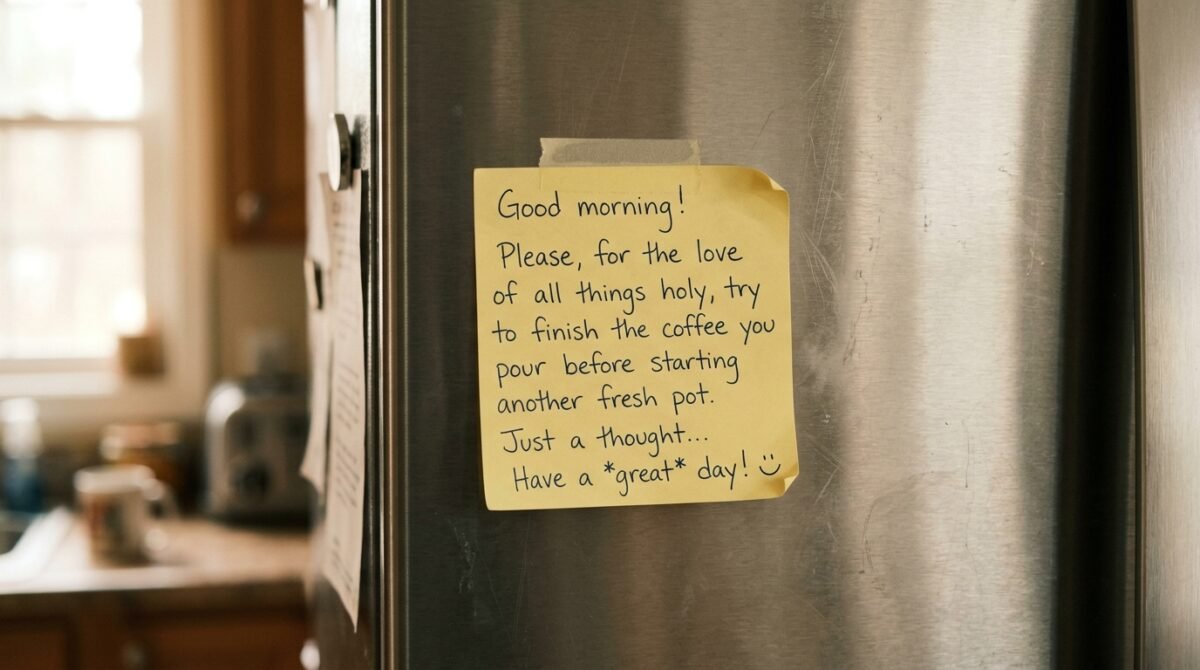
It started with ‘accidental’ door slams and ‘forgetting’ to leave the hallway lights on. Sarah’s behavior shifted from friendly to passive-aggressive with a speed that gave me whiplash. She began leaving sticky notes on the fridge, detailing exactly where Barnaby was ‘allowed’ to stand. I tried to communicate, thinking it was just stress, but every conversation ended with her gaslighting me about my own mental health needs.
I remember one specific evening, sitting on our couch, trying to explain why Barnaby couldn’t be kept in his crate for more than four hours at a time. Sarah looked at me with cold, dead eyes and suggested that perhaps I was too ‘dependent’ on an animal. That was the first time I realized she viewed my service dog not as medical equipment, but as a lifestyle choice she found inconvenient.
“I don’t think you realize how much space he takes up in my life, Sarah. He’s not a hobby. He is literally the reason I can function in public.”
She rolled her eyes and turned back to her laptop, dismissing me entirely. I should have moved out then. I should have seen the writing on the wall, but I was tied to a six-month lease and the financial stability of a shared rent arrangement. I chose to keep my head down, a decision I would regret as the atmosphere in the apartment turned increasingly hostile.
The tension peaked when she started ‘accidentally’ leaving the front door unlatched. I spent weeks double-checking locks, feeling like a stranger in my own home. My anxiety levels spiked, and I found myself relying on Barnaby more than ever. Ironically, my increased reliance on him only seemed to infuriate Sarah more, creating a feedback loop of resentment that was destined to explode.
The Tuesday Night Downpour

I was three hundred miles away for a corporate seminar when the storm hit. The weather report was dire: flash flood warnings and heavy winds. I checked the pet camera I had installed in the living room, specifically so I could monitor Barnaby. At first, he was asleep on his bed. Then, I saw Sarah enter the frame. She walked over to his bed, grabbed his leash, and marched him toward the balcony door. She didn’t look at the camera; she didn’t look at the dog.
My heart stopped. I watched in frozen horror as she pushed him out onto the balcony, closed the sliding glass door, and locked it from the inside. She walked back into the kitchen, poured herself a glass of wine, and sat down to watch television. I screamed at the screen, but she couldn’t hear me. Barnaby was outside, exposed to the elements, cowering against the brick wall as the rain began to lash down in sheets.
“You are kidding me. You are actually doing this right now? I am calling the building manager immediately.”
I didn’t just call the manager; I called a friend who lived three blocks away. I explained the situation, my voice shaking so hard I could barely articulate the address. My friend, bless her, didn’t hesitate. She grabbed her coat and sprinted toward my building, while I stayed on the phone with the local police, pleading for a wellness check, explaining that a service animal was being subjected to animal cruelty.
The next twenty minutes were the longest of my life. I watched the camera feed as Barnaby paced, his tail tucked between his legs, water dripping from his ears. The rain was getting heavier, and the temperature was dropping rapidly. I could see the reflection of the TV in the sliding glass door—Sarah was laughing at something on the screen. The contrast between her comfort and his suffering was a level of cruelty I hadn’t thought possible in someone I once considered a friend.
The Police Intervention
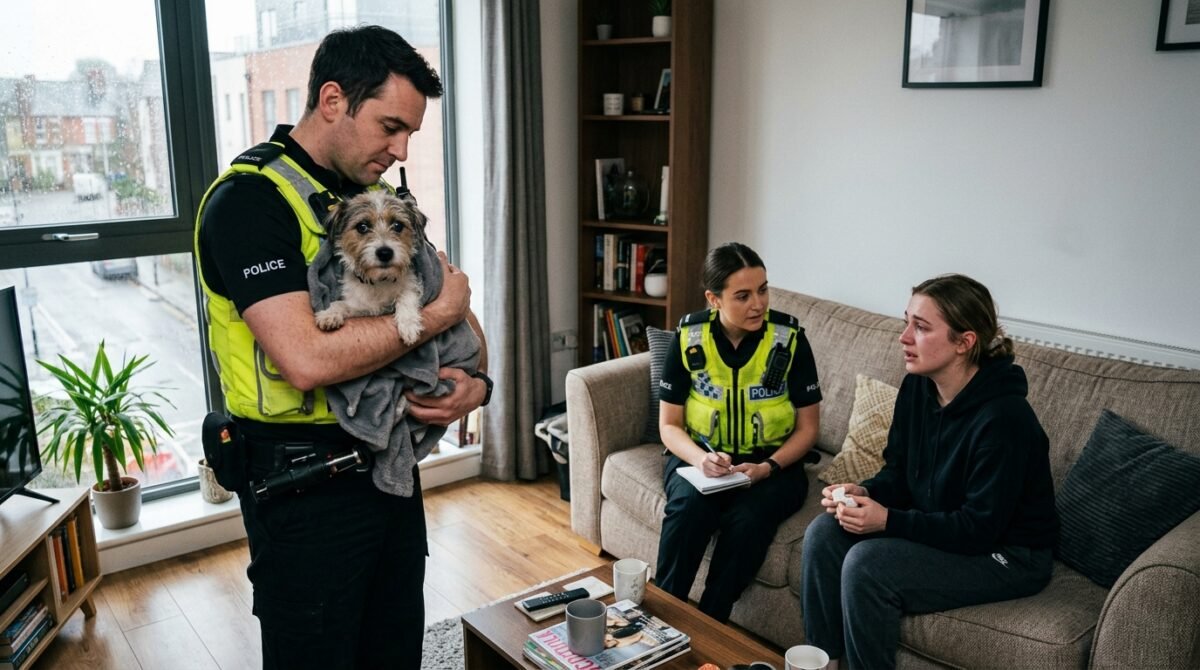
When the police arrived, they didn’t knock; they pounded on the door. I had given my friend the spare key to let them in, and she stood in the hallway as two officers burst into the living room. Sarah’s face went from smug indifference to absolute terror in a split second. She tried to stammer out an excuse, something about him ‘being loud,’ but the lead officer silenced her with a sharp hand gesture.
They found Barnaby huddled in the corner of the balcony, shivering violently. One of the officers wrapped him in a blanket and brought him inside, while the other sat Sarah down on the couch. I was on speakerphone, listening to every word. The officer’s voice was stern and professional, detailing the legal ramifications of animal cruelty and the specific protections for service animals under state and federal law.
“Ma’am, do you have any idea that what you’ve done constitutes a criminal act? This animal is not a pet. This is medical equipment that you have willfully endangered.”
Sarah tried to claim it was just a ‘mistake,’ that she hadn’t realized the weather was so bad. The officer pointed to the window, where the rain was hammering against the glass, and asked her if she was blind. She had no answer. She just sat there, head in her hands, realizing that her petty power trip had finally crossed the line into a legal investigation.
My friend took Barnaby to the vet immediately. He was traumatized, his paws were raw, and he was showing signs of severe distress. I didn’t care about the rent. I didn’t care about the deposit. I didn’t even care about my security deposit. All I cared about was getting my dog and myself as far away from that apartment as possible, and ensuring that Sarah faced the full weight of the law for her actions.
Breaking the Lease via Certified Mail
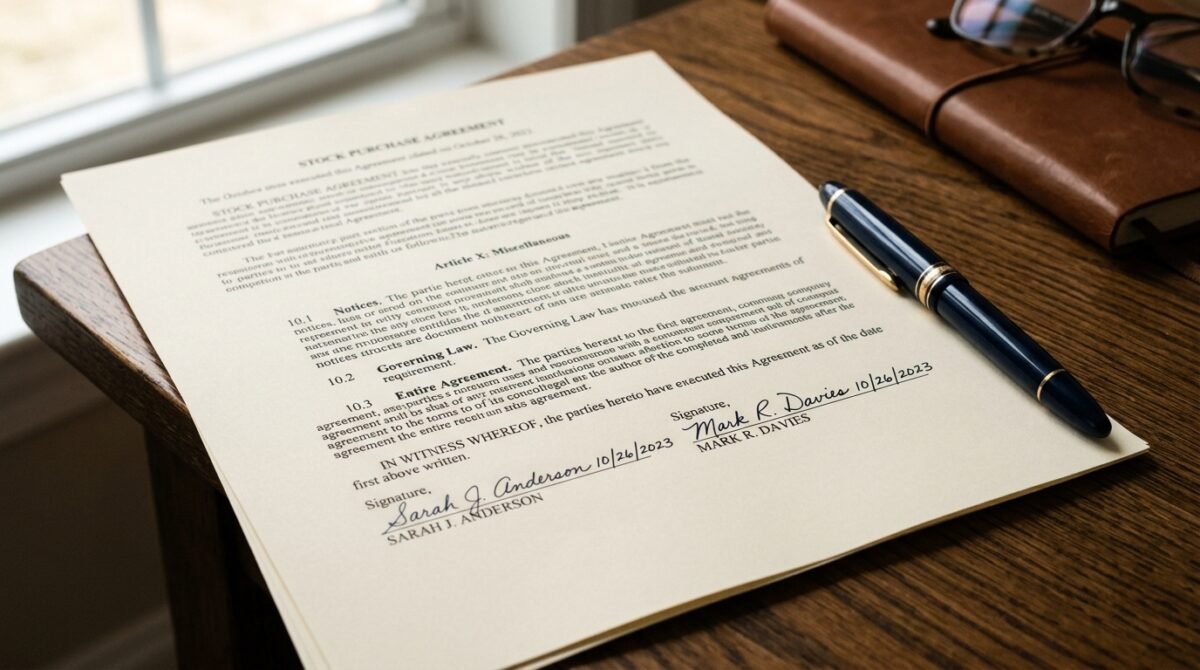
The morning after the incident, I didn’t go home. I stayed at a hotel with Barnaby. I contacted an attorney specializing in housing law, and we drafted a notice of constructive eviction. Because Sarah’s actions created a hostile and unsafe living environment, and because she had compromised the health of my medical equipment, I had legal grounds to terminate the lease immediately, regardless of the contract’s penalty clauses.
I sent the letter via certified mail, addressed to both the landlord and Sarah. The legal language was precise: it outlined the police report, the medical records from the veterinarian, and the evidence from the pet camera. It stated that I would be vacating the premises within 48 hours and that any attempt to withhold my security deposit would be met with a civil lawsuit for damages.
“I am not negotiating. I have the police report, the vet bill, and the camera footage. You have two days to vacate or I will be seeking a restraining order that forces you out.”
The landlord was surprisingly cooperative. Once he saw the police report and the threat of a lawsuit, he essentially told Sarah she was on her own. He didn’t want the liability of a tenant who abused animals. He agreed to let me out of the lease without penalty, provided I documented everything. Sarah, on the other hand, was furious, sending me a barrage of texts demanding to know how I could be so ‘cruel’ to her.
I didn’t respond to any of her messages. I simply took a screenshot of every single one and forwarded them to my lawyer. The sheer audacity of her feeling like the victim in this scenario was mind-boggling. She had nearly killed my dog for a petty ego trip, and yet she felt entitled to an apology. I spent the next 48 hours moving my things out with the help of two professional movers, while Sarah remained in her room, refusing to come out.
The Aftermath and Social Fallout

The fallout was swift. Sarah’s friends started messaging me, trying to tell me that I was ‘overreacting’ and that ‘everyone makes mistakes.’ I realized then that she had been curating a narrative, telling everyone that I was a ‘difficult’ roommate who let my dog ruin everything. I didn’t engage in a smear campaign; I simply posted the video of the event on my private social media with the caption: ‘This is why I moved out. Please do not ask me about it again.’
The video did the work for me. It was shared, reposted, and suddenly, the people who had been defending her went silent. The truth is an incredibly powerful tool. People don’t like to defend animal cruelty, especially when they can see it with their own eyes. Sarah lost her job shortly after, because her workplace found out about the police report and deemed her actions a violation of their code of conduct.
“I didn’t think it would go this far. You’ve ruined my life over a dog!”
— Sarah, via text message
I told her, through my lawyer, that she had ruined her own life the moment she shut that door. I felt no guilt. I felt a strange sense of relief, a weight lifting off my shoulders that I hadn’t realized I was carrying. The financial hit from breaking the lease early was significant, but the peace of mind was worth every single penny.
Barnaby recovered, though it took weeks of behavioral training to get him back to his confident self. He still flinches when he hears thunder, but he’s safe, he’s happy, and he’s with me. We moved into a small, quiet place where no one tells me what I can or cannot do with my service dog. It’s a sanctuary, and for the first time in years, I can sleep through the night.
Reddit Weighs In: The Verdict of the Community
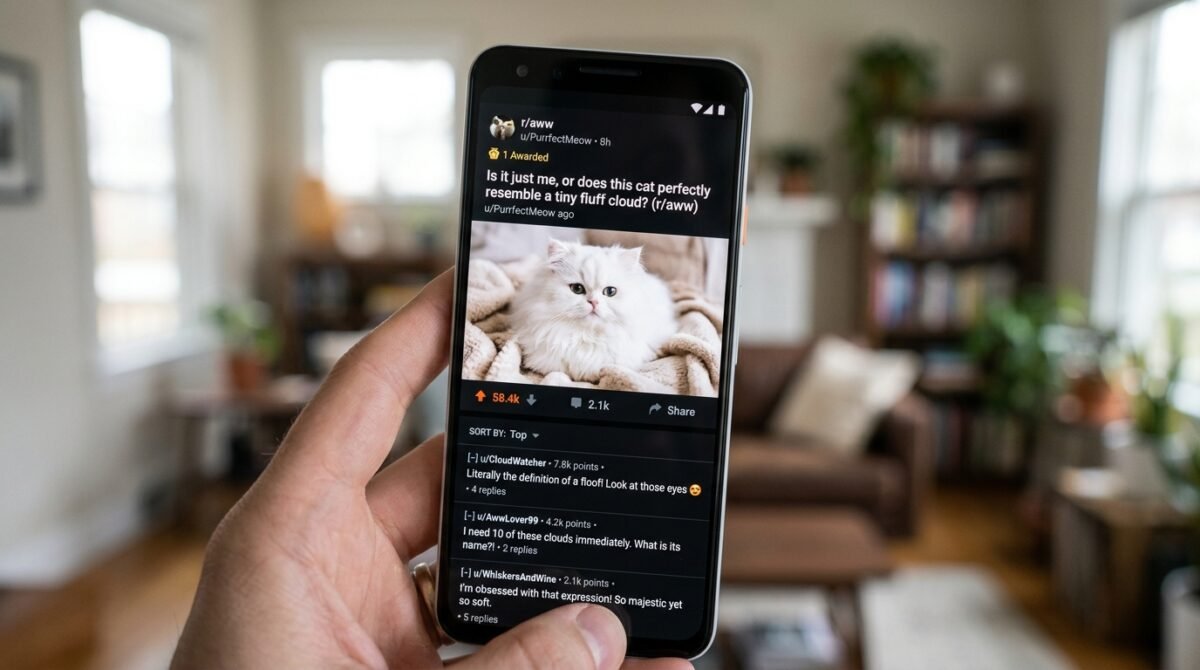
When I posted my story to r/AmItheAsshole, I expected some backlash, but the response was overwhelmingly supportive. Thousands of people chimed in, sharing their own stories of toxic roommates and the importance of standing up for animal rights. It turns out that I wasn’t alone in dealing with people who view service animals as ‘pets’ rather than medical necessities.
“NTA. You didn’t just ‘break a lease’; you protected a living being who literally keeps you alive. Sarah is not just a bad roommate; she is a danger to everyone around her. Good on you for calling the police.”
— u/DogLover4Life (Top Comment, 32.1k upvotes)
There were, of course, the contrarians who tried to argue that I should have handled it ‘like adults,’ but they were quickly drowned out by the sheer weight of the evidence. Most people understood that when a boundary involves the safety of a sentient being—especially a service animal—the normal rules of social etiquette no longer apply.
“The people saying ‘ESH’ because you didn’t talk it out are insane. You don’t ‘talk out’ animal cruelty. You document it, you report it, and you get out. OP did exactly the right thing.”
— u/LegalEagleEye (15.2k upvotes)
The thread became a repository for advice on how to handle similar situations in the future. It was validating to see that so many people recognized the severity of the situation. I spent hours reading through the comments, not because I needed the validation, but because I needed to know that my moral compass was still pointing in the right direction.
It also brought to light a systemic issue in how service animals are viewed in rental properties. Many landlords don’t understand the laws, and many roommates don’t care. The conversation helped me realize that the stigma against invisible disabilities and the medical tools used to manage them is still very much a battle that needs to be fought.
The Legal Nuances of Service Animal Protection

I learned more about the Americans with Disabilities Act (ADA) in those two weeks than I had in my entire life. Many people confuse emotional support animals (ESAs) with psychiatric service dogs, but the distinction is legal and absolute. A service dog is trained to perform specific tasks, and their access is protected by federal law, which supersedes most private housing contracts.
My lawyer explained that Sarah’s actions weren’t just mean; they were a violation of my civil rights. By interfering with my ability to use my service animal, she was effectively discriminating against me based on my disability. That was the ‘ace in the hole’ that allowed me to break the lease without any financial penalty. It was a stark reminder that knowledge of the law is the best protection one can have.
“If you have a service animal, read the ADA guidelines and know your rights. Do not let anyone—landlord or roommate—tell you otherwise. You are not a burden.”
I also learned the importance of documentation. If I hadn’t had the camera, if I hadn’t had the vet records, if I hadn’t had the police report, my case would have been much harder to argue. I would have been just another tenant trying to break a lease, rather than a victim of a crime protecting their medical equipment.
I encourage anyone in a similar position to be proactive. If you have a roommate, have a written agreement regarding the care of your service animal. Make sure there are clear consequences for any interference. It might seem like overkill at the time, but as I learned, you never know who you are truly living with until the pressure is applied.
Reflecting on the Trust We Place in Others

Looking back, the hardest part of this entire ordeal wasn’t the legal battle or the move; it was the betrayal of trust. I had trusted Sarah with my life, and she had exploited that trust for the sake of a petty grievance. It made me realize how guarded I had become in my personal relationships, and how much work I had to do to regain that sense of safety.
Barnaby was the one who helped me heal. He didn’t hold a grudge; he didn’t care about the drama. He just wanted to be with me, to be useful, and to be loved. His resilience was a mirror for my own, and it taught me that I didn’t need the approval of people like Sarah to be worthy of a peaceful existence.
“Trust is a luxury, but safety is a right. Never trade one for the other when your life depends on it.”
I’ve since moved on to a life that feels more authentic. I’m more careful about who I allow into my inner circle, and I’m much more transparent about my needs and the role Barnaby plays in my life. If someone doesn’t respect that, they don’t get the privilege of being my roommate.
The experience changed me, but it didn’t break me. It made me harder, perhaps, but also more certain of my own worth. I am not ‘difficult’ because I have a service dog; I am human, and I deserve to live in a place where I and my medical equipment are respected.
Why the Sunday Dinner Table Went Silent

A few months after the move, I ran into one of Sarah’s mutual friends at a local cafe. The atmosphere was incredibly awkward. She tried to make small talk, but I could tell she was fishing for information. She asked how I was doing, and if I had ‘forgiven’ Sarah yet. The audacity of the question was staggering.
I looked her straight in the eye and told her the truth. I told her about the trauma, the police intervention, and the fact that I had zero intention of forgiving someone who would jeopardize the life of my dog. The friend went silent, clearly uncomfortable. She had probably expected me to be the ‘bigger person,’ a narrative that Sarah had clearly been pushing.
“Forgiveness is for people who apologize and change. Sarah is currently trying to sue me for moving costs. There is no forgiving that.”
I realized then that Sarah was still trying to play the victim, even after all this time. It was a desperate attempt to regain some shred of control over her reputation. I didn’t feel angry; I felt a sense of pity. Her life was clearly spiraling because she couldn’t take accountability for her own actions.
That encounter was the final closure I needed. It confirmed that she hadn’t learned a single thing, and that leaving that apartment was the best decision I ever made. I walked away, Barnaby by my side, and I haven’t looked back since.
Moving Forward: Life Beyond the Lease

Today, I live in a quiet apartment with a landlord who is supportive of my situation. Barnaby has his own space, a large window he loves to watch, and a neighborhood where we take long, peaceful walks. I still deal with my PTSD, but I do so with the confidence of someone who knows they can protect themselves and those they care about.
I’ve learned that boundaries are not just suggestions; they are the foundation of healthy relationships. If someone crosses them, it’s not an invitation to negotiate—it’s a signal to exit. Whether it’s a roommate, a partner, or a friend, your safety and your peace of mind are non-negotiable.
“I am finally at peace. It took a nightmare to find it, but I’m here now, and I’m not letting go.”
My story is a reminder to all of you: listen to your gut. If something feels off, if your boundaries are being tested, don’t wait for the explosion. Take action, protect yourself, and never, ever feel guilty for prioritizing your well-being over someone else’s convenience.
I’m finally at home, in every sense of the word. And for that, I am truly grateful.
Conclusion
The story of my roommate is a cautionary tale about the intersection of entitlement and cruelty. It highlights how quickly a normal living arrangement can devolve when empathy is replaced by resentment. However, it is also a story of empowerment. By standing my ground, utilizing the legal resources available, and refusing to be gaslit, I was able to reclaim my life and ensure the safety of my service dog.
I encourage everyone reading this to reflect on their own boundaries. Do you feel safe in your home? Do you feel respected by those you live with? If the answer is no, know that you have options. You are not a prisoner to your lease or to the expectations of others. Your health, your dignity, and your happiness are worth fighting for.
What would you have done in my situation? Do you think I was too harsh on Sarah, or did I do exactly what was necessary? Let’s talk about it in the comments below. Have you ever had to break a lease to protect your peace or your pet? Your stories matter, and your experiences could help someone else in a similar situation.
What's your verdict on this dilemma?
Vote below to contribute to the official community consensus.

Have a Dilemma Keeping You Up at Night?
Share your real-life feud, wedding chaos, or relationship crossroads anonymously with our editorial team.
What do you think ?
0 Comments🛡️ Comments are moderated to protect community integrity. Your comment will appear once approved by the editorial team.