
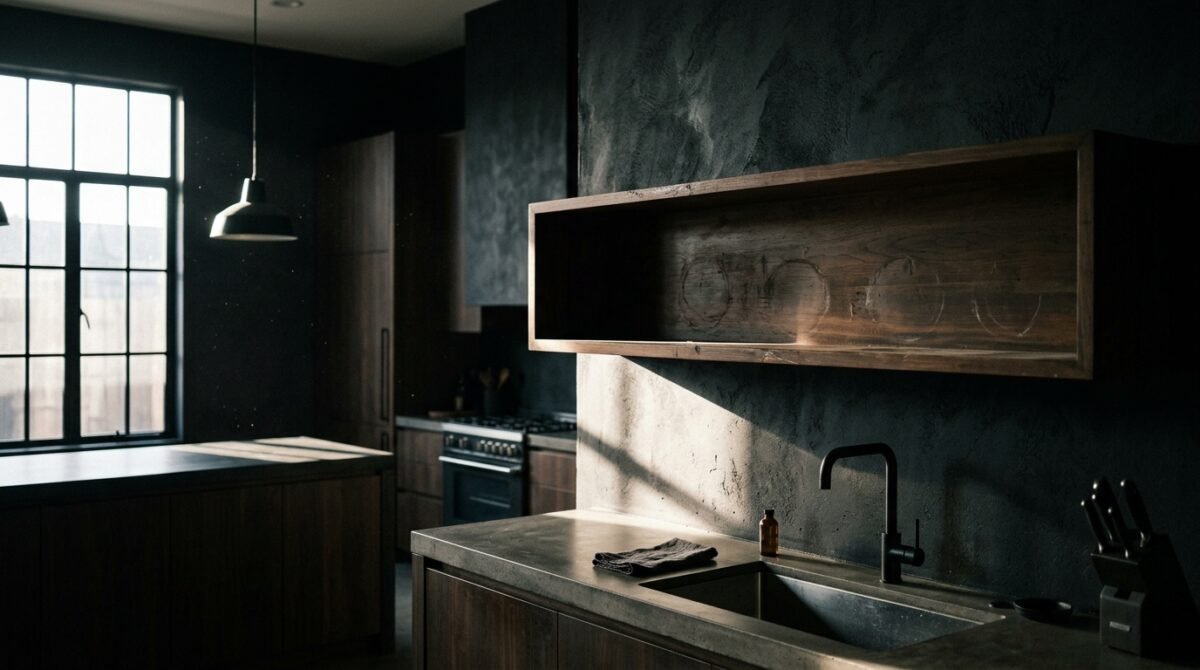
Living with a roommate is often an exercise in compromise, but there is a line that exists between differing aesthetic tastes and the absolute destruction of personal property. For three years, I lived in a comfortable, albeit modest, apartment in the city with Sarah. We were cordial, kept our bills split down the middle, and managed to navigate the typical pitfalls of shared living—mostly regarding whose turn it was to buy dish soap or how loud the television could be after midnight. My grandmother’s collection of vintage clay pots, crafted by hand in the hills of Tuscany, sat on a high display shelf. They were not merely kitchenware; they were the physical embodiment of my heritage, a tangible piece of a woman I had lost years ago.
The trouble began on a Tuesday morning. I came home from a double shift to find the shelf bare. The dust had been wiped clean, and the pots were gone. When I asked Sarah, she didn’t apologize or feign ignorance. She stood there, sipping her coffee, and told me, with the casual indifference of someone discarding old junk mail, that she had tossed them because they ‘smelled like mildew’ and were ‘ruining the vibe’ of the kitchen. She acted as though she had done me a favor, clearing out clutter to make space for her new minimalist decor.
I was paralyzed by a cold, sharp anger. These pots had survived moves, natural disasters, and the passage of time, only to be tossed into a dumpster by someone who decided their ‘vibe’ took precedence over my history. It wasn’t about the monetary value—though they were quite valuable—it was about the erasure. When I tried to explain the sentimental worth, she simply rolled her eyes and told me I was being ‘dramatic’ and that I should ‘get over it’ because she had already taken them to the curb for the morning trash collection.
What followed was a slow descent into a war of nerves. I couldn’t look at Sarah without feeling a profound sense of betrayal. The incident felt like a violation of the sanctity of my home, a space that was supposed to be mine as much as it was hers. I realized then that we were no longer just roommates; we were adversaries in a domestic dispute that had reached a point of no return. I didn’t yell. I didn’t throw things. Instead, I picked up my phone and started documenting everything, preparing for a confrontation that wouldn’t happen in the kitchen, but in front of a judge.
This is the story of how that impulsive decision by a roommate who thought she had the right to curate my life led to a legal battle, a permanent rift, and a hard lesson in the boundaries of shared living. I chose to sue not for the money, but because sometimes, when people treat your legacy like garbage, you have to ensure they pay the price for their arrogance.
The Morning the Kitchen Shelf Went Silent
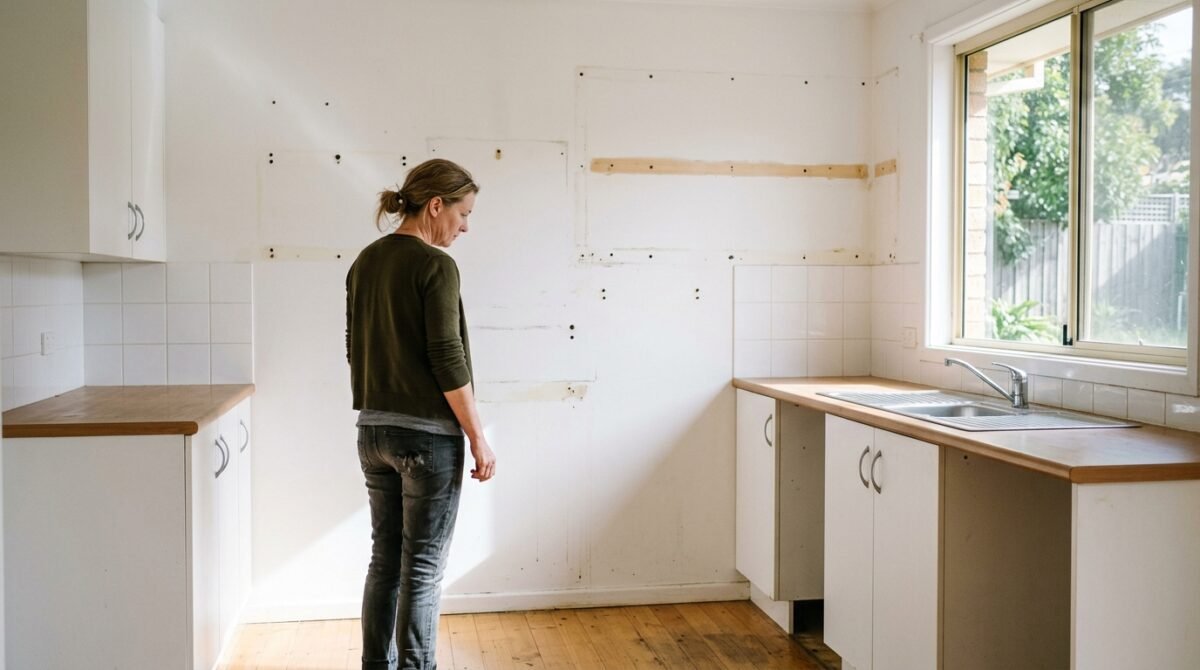
I remember the exact moment of realization. It was 8:45 AM, and the sunlight was streaming into our apartment, highlighting the empty space on the wall where my grandmother’s pots had rested for years. I stood there, bag still on my shoulder, feeling a phantom weight where those ceramic pieces should have been. I walked into the kitchen, touched the wall, and felt the lack of texture—the absence of the uneven, hand-fired edges I had traced with my fingers a thousand times.
Sarah entered the kitchen, seemingly unbothered. She was doing her morning yoga stretches, her movements fluid and unconcerned. I asked her, my voice trembling slightly, where my pots had gone. She didn’t stop her downward dog. She just looked up at me with a slight frown, as if I were asking about something trivial like a missing coaster. The nonchalance was arguably more infuriating than the act itself.
“I hope you’re not looking for that dust-magnet collection you had on the wall. I tossed them. They smelled like a musty basement, and frankly, they were making the whole apartment feel like an antique store. The trash went out at six.”
— Sarah, responding to my initial inquiry.
I felt my pulse quicken, a physical thrumming in my ears. I couldn’t fathom the level of entitlement required to decide that someone else’s property was trash simply because it didn’t match your aesthetic. I asked her, with as much calm as I could muster, if she had even considered calling me. She laughed, a short, sharp sound that echoed off the tile.
The argument that followed was brief but brutal. I told her those were my grandmother’s, that they were irreplaceable. She doubled down, claiming they were ‘unhygienic’ and that I should be thanking her for the space. She truly believed that because she found them aesthetically displeasing, she had the moral and practical authority to dispose of them. It was a complete breakdown of respect.
I retreated to my room, locking the door behind me. I realized then that there was no room for discussion. Any attempt to reach common ground had been shattered along with those pots. I sat on my bed and pulled out my laptop, my hands shaking as I began to search for legal resources. If she thought she could erase my history, I was going to make sure she understood the cost of that assumption.
The First Text Message Exchange After the Incident

Hours later, the silence in the apartment was suffocating. I couldn’t bring myself to cook, to eat, or even to walk through the common areas. I communicated solely through text messages, feeling that a physical confrontation would only lead to me losing my composure. I needed evidence, and I needed to get her to admit what she had done in writing.
I sent a message asking her to confirm the disposal, framing it as a request for insurance purposes. She didn’t hesitate. She was still riding high on the sense of righteousness that comes with being a ‘clean’ person. She believed she had done nothing wrong, and that confidence was her undoing. Every message she sent was a brick in the wall of my case.
“You’re really going to make a big deal out of some old clay? I did you a favor. I’m tired of living in a place that feels like it belongs to your dead grandmother. Consider it an upgrade for both of us.”
— Text message from Sarah
I replied, keeping my tone professional, asking for the date and time of the disposal. She gave me the specifics, even bragging about how she had ‘organized’ the rest of the cabinets while she was at it. I screenshot every single bubble, saving them to a cloud drive and emailing them to my personal account. It was chilling to see her arrogance laid out in digital text.
I then reached out to a local attorney friend, just to get a sense of where I stood. They told me that while the emotional value was infinite, the legal value was limited to the market worth. That was fine. I wasn’t doing this to get rich; I was doing this to establish that my property is not subject to her whims. She had crossed a boundary that can never be un-crossed.
That night, I didn’t sleep. I spent hours looking up comparable items online, finding similar vintage pottery to establish a valuation. I was building a dossier. I was turning my grief into a structured, legal pursuit. It was the only thing that kept me from screaming at her through the door.
Consulting the Reddit Court of Public Opinion

When the weight of the situation felt like it was going to crush me, I turned to the internet. I posted on a popular subreddit dedicated to roommate dilemmas, keeping it anonymous but laying out the facts. I needed to know if I was, in fact, the ‘dramatic’ one she claimed I was. The response was immediate and overwhelming. Thousands of people, many of whom had dealt with boundary-crossing roommates, rallied to my side.
The consensus was unanimous: this was a gross violation of personal property. People shared their own horror stories—roommates who threw out wedding rings, childhood trophies, and even musical instruments. It was a stark reminder that while my situation was extreme, it wasn’t unique. The community provided me with advice on how to gather evidence, how to file, and most importantly, how to stay centered.
“This isn’t about the pots. This is about control. She wanted to exert dominance over the space, and she picked your most vulnerable point to do it. Sue her. It’s not about the money, it’s about the principle. She needs to learn that other people’s property is off-limits.”
— u/LegalEagleEye (Top Comment, 18.2k upvotes)
The encouragement was validating, but it also made me realize how serious this was. I wasn’t just being petty; I was protecting my autonomy. I spent the next few days preparing the paperwork. I printed out the text messages, the photos of the shelves, and the research I had done on the pots. I was ready to go to the courthouse.
Some comments warned me that suing a roommate would make the living situation impossible, but that was a bridge I had already crossed. There was no going back to the way things were. The trust was gone, and the respect was nonexistent. I was already looking for a new place to live, but I wasn’t going to leave without holding her accountable.
The Reddit thread became a source of strength. When I felt like maybe I should just drop it, I would re-read the comments. They reminded me that my anger was justified, that my boundaries had been violated, and that I had the right to seek restitution. It was a digital community that held me upright when I felt ready to collapse.
The Day I Filed the Small Claims Paperwork

The courthouse was a cold, sterile place, filled with people navigating their own minor disasters. Standing in line to file the small claims paperwork felt surreal. I had the documents in a crisp folder, each page organized and highlighted. It was a strange feeling—turning my personal pain into a bureaucratic process. The clerk looked at me with a bored expression as I handed over the forms, the fee, and the evidence.
I felt a strange sense of finality as the clerk stamped the papers. The ball was now in motion. There was no longer a path back to a simple, quiet roommate relationship. This was an escalation, a public declaration of conflict. I walked out of the building into the humid afternoon air, feeling lighter than I had in a week, even though I knew the hardest part was still to come.
“I am filing a formal claim for the replacement value of the items destroyed. I have the receipts, the photos of the previous state of the apartment, and your own written confirmation of the disposal. We will resolve this in court.”
— My message to Sarah after filing the papers.
Sarah’s reaction when she received the notice was pure shock. She had expected me to just cry and move on. She didn’t think I had the spine to actually take her to court. When the process server arrived at our apartment to deliver the papers, the look on her face was a mixture of disbelief and genuine fear. She finally realized that I wasn’t playing a game.
She tried to talk to me that evening, acting as if we could just ‘have a conversation’ and I would drop the suit. She offered to buy me a new set of pots from a department store. I looked at her and laughed. It was the same laugh she had given me, but it felt much more satisfying. She didn’t understand that you can’t replace a legacy with a set of mass-produced kitchenware from a big-box store.
I told her the time for talking was over. The court would decide the value, and the court would decide the outcome. I retreated to my room again, feeling a sense of cold, hard focus. I was ready to face her in front of a judge. I was ready to show her exactly what she had destroyed, and exactly why she had to pay for it.
Living in the Trenches of a Shared Apartment
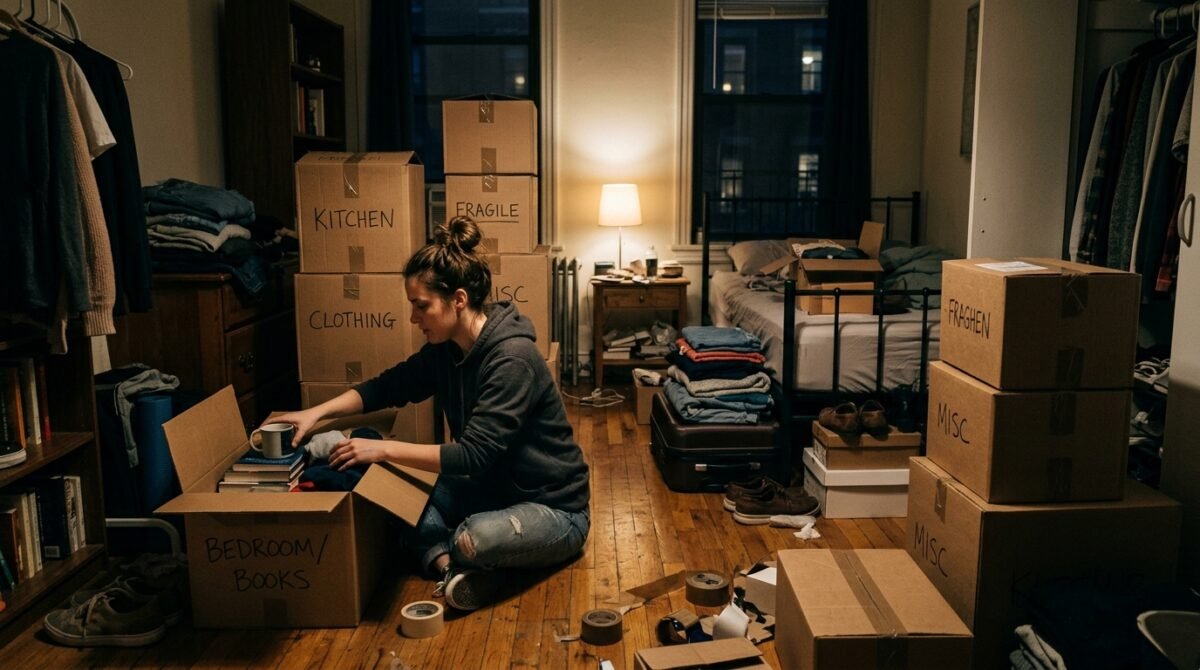
The weeks leading up to the court date were a masterclass in psychological warfare. We lived in the same space, but it was like living in a demilitarized zone. We stopped speaking entirely. Every interaction was calculated. If I walked into the kitchen, she walked out. If she was watching TV, I stayed in my room with my headphones on. The air was thick with the weight of our mutual resentment.
She started inviting friends over, trying to make the apartment feel like her own, as if to prove that she was the one in control. I ignored it. I kept my door locked, my space clean, and my eyes on the goal. I was moving out in three weeks, and every day was a countdown. I didn’t care what she did in the common areas anymore; I just wanted to get through the day without an argument.
“You’re really going to move out over some pots? You’re acting like a child. We could have just talked about it, but you had to involve the legal system. You’ve ruined this entire living situation.”
— Sarah, attempting to gaslight me in the hallway.
I didn’t take the bait. I simply looked at her and said, ‘You threw away my family history. This was never just about the pots.’ She didn’t have an answer for that. She didn’t have the capacity to understand that some things are more than their utility. She was a person who only saw the world in terms of what was useful to her, and that was a sad, narrow way to live.
The physical tension was exhausting. I felt like I was constantly on edge, waiting for the next shoe to drop. I started keeping a log of everything—when she came home, who she brought over, the noise levels, the state of the kitchen. I wasn’t going to give her any ammunition to use against me in court. I was the model tenant, and she was the volatile roommate.
Every night, I would pack another box, moving my life away from her reach. It was a slow process of reclaiming my territory. When the apartment was finally empty of my things, it felt like I was shedding a skin. I was ready to be done with her, and I was ready to see her face when she realized that her actions had real-world consequences.
The Morning of the Small Claims Hearing

The day of the court hearing dawned grey and rainy, matching my mood. I dressed in professional clothes, feeling like I was preparing for a funeral—the funeral of a friendship, or at least a civil roommate relationship. I arrived at the courthouse early, clutching my folder of evidence like a shield. I felt a nervous energy, a mix of adrenaline and apprehension.
Sarah arrived late, looking disheveled and annoyed. She clearly didn’t take this seriously, thinking it would be a casual chat where the judge would tell us to stop bickering. When we were called into the courtroom, the reality of the setting seemed to hit her. The judge was an older woman with a no-nonsense expression, and the room was filled with the quiet, serious energy of people whose lives were being dissected by the law.
“We are here to discuss a claim of destroyed property. Plaintiff, present your case. Defendant, you will have your time to respond. Let’s keep this orderly.”
— The presiding judge at the start of the hearing.
I stood up and spoke clearly. I explained the history of the pots, the sentimental value, and the fact that they were my property, not hers to dispose of. I presented the photos and the text messages. I didn’t apologize for my emotions, but I kept my testimony grounded in facts. I showed the research I had done, the quotes for similar items, and the clear evidence that she had acted with malice and disregard.
Sarah’s defense was weak. She tried to claim that the pots were ‘unsanitary’ and ‘smelled,’ but she had no evidence to support her claims. She admitted to throwing them out, which was all I needed. The judge watched her with a skeptical eye, clearly unimpressed by her attempt to frame the destruction of my property as a charitable act of cleaning.
When I sat down, I felt a sense of relief. I had said my piece, I had shown the evidence, and I had held my own. The judge was now looking at Sarah, her expression hardening. I knew then that I had done the right thing. It wasn’t about winning or losing; it was about the truth being acknowledged by someone in a position of authority.
The Verdict and the Price of Arrogance

The judge took a moment to review the evidence. The silence in the room was absolute. I looked over at Sarah, who was fidgeting with her ring, her bravado finally slipping. She looked small, and for a moment, I almost felt pity. But then I remembered the empty shelf, the way she had dismissed my feelings, and the cold, calculated way she had tossed my legacy into the trash.
The judge ruled in my favor. She didn’t award me the full, subjective value I felt they were worth, but she awarded me the full replacement cost plus court fees. It was a victory, not just in money, but in recognition. The judge looked at Sarah and gave her a stern lecture about respect and the boundaries of shared living, telling her that she had no right to touch other people’s property.
“Property is property, regardless of your personal feelings about its appearance or utility. You have demonstrated a lack of respect for your roommate’s belongings that is actionable in this court. Judgment is for the plaintiff.”
— The judge delivering the final verdict.
Walking out of the courtroom, I felt a strange sense of exhaustion. It was over. The battle had been fought, and the result was on the record. Sarah didn’t say a word to me as we left. She looked at her phone, trying to maintain some semblance of cool, but I could see the anger and the embarrassment in her posture.
I didn’t celebrate. I didn’t gloat. I just walked to my car, breathed in the fresh air, and felt the weight of the last few months lift off my shoulders. I had stood up for myself, I had enforced a boundary, and I had made sure that my history wasn’t just treated like trash without consequence.
The experience changed me. I realized that I was capable of navigating conflict and that I didn’t have to shrink myself to avoid making others uncomfortable. I was my own best advocate, and that was a lesson worth more than any amount of money. I started my car and drove away, leaving that chapter of my life in the rearview mirror.
The Aftermath: Moving Out and Moving On
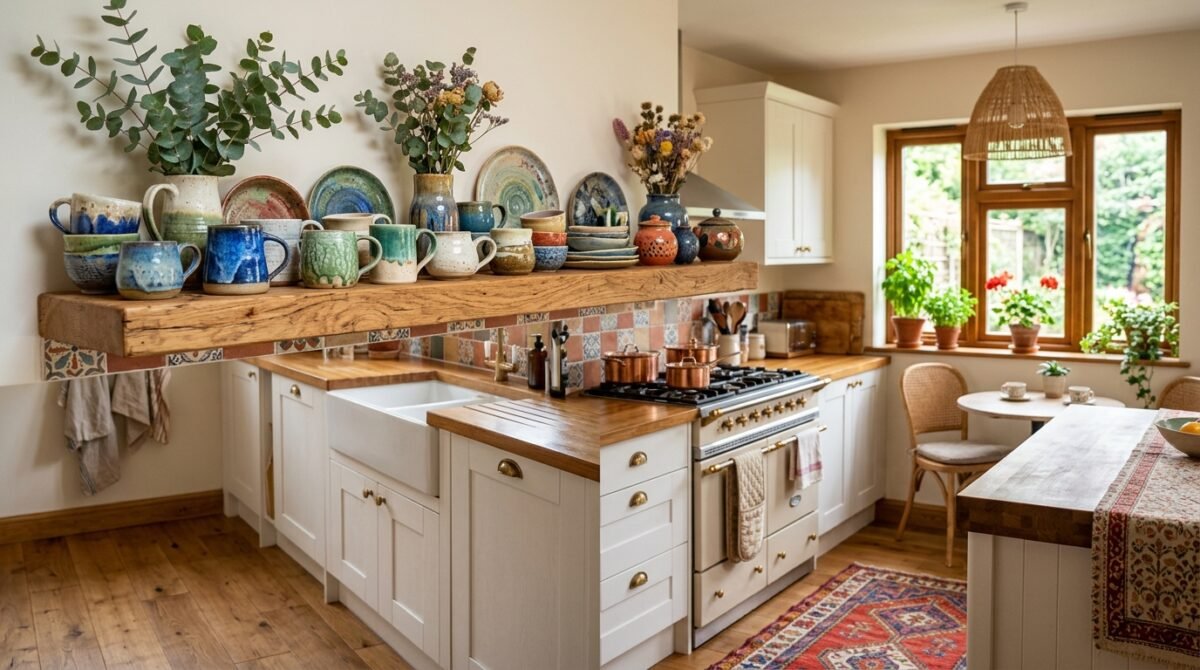
Moving out the following week was a blur of boxes and bubble wrap. Sarah stayed in her room the entire time, and I didn’t bother to say goodbye. There was nothing left to say. I loaded my car, took one last look at the empty kitchen, and walked out the door for the final time. I felt a sense of freedom that I hadn’t experienced in years.
The settlement money arrived a few weeks later. I didn’t spend it on something trivial. I used it to commission a local artist to create a new, beautiful set of ceramics for my new place—not to replace my grandmother’s pots, but to start a new collection, a new history. It was a way to honor the past while embracing the future.
I kept in touch with a few people from the Reddit thread, sharing the outcome and thanking them for their support. It was a strange, heartening connection—a group of strangers who helped me through one of the most difficult periods of my life. Their encouragement had been a constant source of strength, a reminder that I wasn’t alone in my struggle for respect.
“You did the right thing. People think they can walk all over you until you show them that there’s a price to pay. Don’t ever feel guilty for protecting what’s yours. Your grandmother would be proud of you.”
— A follow-up comment from one of the supportive Redditors.
I moved into a new apartment, one where the shelves were mine and the history was safe. I established clear, firm boundaries with my new roommates from day one. I learned to speak up early, to address conflicts as they arose, and to never assume that everyone understands the value of respect. It was a hard lesson, but a necessary one.
I still think about those pots sometimes, especially when I’m in the kitchen. But the bitterness has faded. It’s been replaced by a sense of resilience. I know now that I can handle whatever life throws at me, whether it’s a difficult roommate or a legal battle. I am stronger, more independent, and more aware of my own worth than I ever was before.
Reflecting on the Boundaries of Shared Living

Looking back, the entire experience feels like a fever dream. How did it come to this? How did a simple disagreement over kitchen decor turn into a full-scale legal battle? The answer lies in the fundamental lack of respect for boundaries. When you live with someone, you are entering into a social contract—a promise to treat each other and each other’s property with dignity. When that contract is broken, the results can be devastating.
I’ve realized that most conflicts aren’t about the specific items in question. They are about power and control. My roommate didn’t just want to clean; she wanted to exert her will over our shared environment, and she used my belongings as a way to do it. She didn’t see me; she saw an obstacle to her vision of an ‘aesthetic’ home. That is the true tragedy of the situation.
“Living with others is a test of character. It forces you to balance your needs with the needs of those around you. When one person decides their needs supersede the rights of others, the system inevitably collapses.”
— A thought from my journal during the process.
I often wonder what would have happened if she had just apologized, if she had acknowledged the mistake and tried to make it right. But the arrogance that led her to throw them away was the same arrogance that kept her from apologizing. It was a consistent pattern of behavior that was always going to lead to a conflict of this magnitude.
For those currently struggling with a difficult roommate, my advice is simple: document everything. Keep records, stay calm, and don’t be afraid to assert your rights. You don’t have to be a victim of someone else’s poor judgment. You have the power to protect your peace and your property, and sometimes, that means going the extra mile to ensure the truth is heard.
I am at peace with the outcome. I didn’t lose my dignity, I didn’t lose my history, and I didn’t lose my sense of self. I came out the other side with a clear understanding of who I am and what I will tolerate. And in the end, that is the greatest victory of all.
Final Thoughts: A Lesson in Resilience

My journey through the small claims court process taught me that resilience is not about avoiding conflict; it’s about navigating it with integrity. There were moments when I wanted to quit, when I felt that the effort was too much, but I kept going because I knew that my worth was not up for debate. I learned that you are the primary protector of your own life and history.
If you are reading this and find yourself in a similar situation, remember that your feelings are valid. You are not being ‘dramatic’ for wanting your property respected. You are setting a boundary, and that is a fundamental part of self-respect. Do not let anyone convince you that your boundaries are an inconvenience to them.
“The way people treat your property is a direct reflection of how they view your boundaries. If you allow them to trample on the small things, they will eventually trample on everything. Protect your space, protect your history, and protect your peace.”
— Final reflection on the lessons learned.
I am grateful for the outcome, but even more grateful for the growth. I have learned to speak my truth, to stand my ground, and to trust my instincts. These are lessons that will serve me for the rest of my life. I am no longer the person who would have just stood by and let someone erase their past. I am someone who knows their value, and that is a realization that can never be taken away.
So, to anyone out there dealing with a roommate who thinks they are the curator of your life: stay strong. Document the evidence, consult the experts, and never, ever compromise your own dignity. You are the architect of your own history, and you have every right to protect it from those who would see it as disposable.
Conclusion
The story of the clay pots serves as a stark reminder that shared living is built on the fragile foundation of mutual respect. When that respect is replaced by entitlement, the consequences reach far beyond simple disagreements. By taking this issue to small claims court, I wasn’t just seeking compensation for lost items; I was reclaiming my agency and setting a firm boundary against those who seek to erase history for the sake of convenience.
The legal victory was, in many ways, secondary to the internal victory. I learned that I possess the strength to stand up for my values, even when it is uncomfortable or inconvenient. I hope this account encourages others to recognize that their boundaries are not optional, and that standing up for yourself is a necessary act of self-love.
What about you? Have you ever had a roommate or a friend violate your boundaries in a way that felt like a total betrayal? How did you handle it—did you walk away, or did you fight for justice? Let’s talk about it in the comments below. Was I too harsh for taking this to court, or was it the only way to send a message? Your perspectives help shape these conversations.
What's your verdict on this dilemma?
Vote below to contribute to the official community consensus.

Have a Dilemma Keeping You Up at Night?
Share your real-life feud, wedding chaos, or relationship crossroads anonymously with our editorial team.
What do you think ?
0 Comments🛡️ Comments are moderated to protect community integrity. Your comment will appear once approved by the editorial team.