
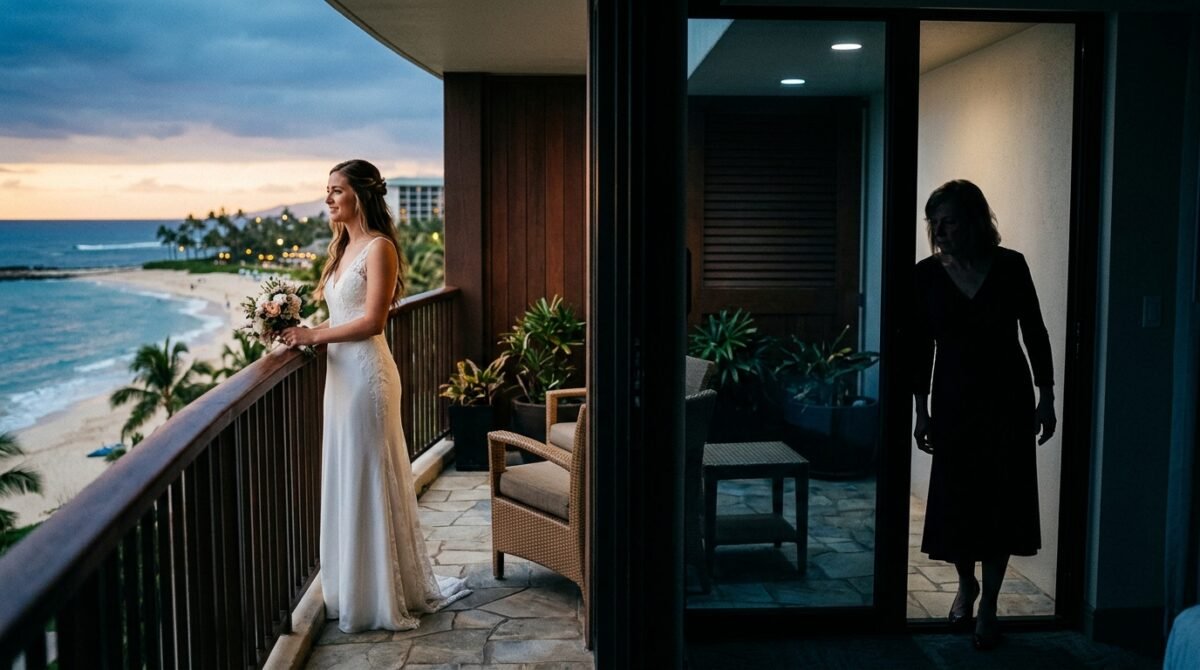
When Mark proposed to me on a quiet, rain-slicked Tuesday evening, the world felt like it had finally aligned. We were three years into our relationship, we had navigated the trials of living together, and we were ready to cement our union. My mother-in-law-to-be, Linda, was, in many ways, the quintessential doting mother. She was active in our lives, present for Sunday dinners, and—I thought—generally supportive of our trajectory toward marriage. However, as the wedding planning intensified, the ‘doting’ began to transition into something far more suffocating.
The issue of the honeymoon was always supposed to be our sanctuary. We had meticulously saved for a trip to a secluded resort in Hawaii, a place where we could disconnect from the world and celebrate the beginning of our life together. It was supposed to be a romantic getaway, a time for intimacy, and a chance to solidify our bond away from the prying eyes of our families. But beneath the surface, Mark’s inability to say ‘no’ to Linda was a ticking time bomb waiting to explode.
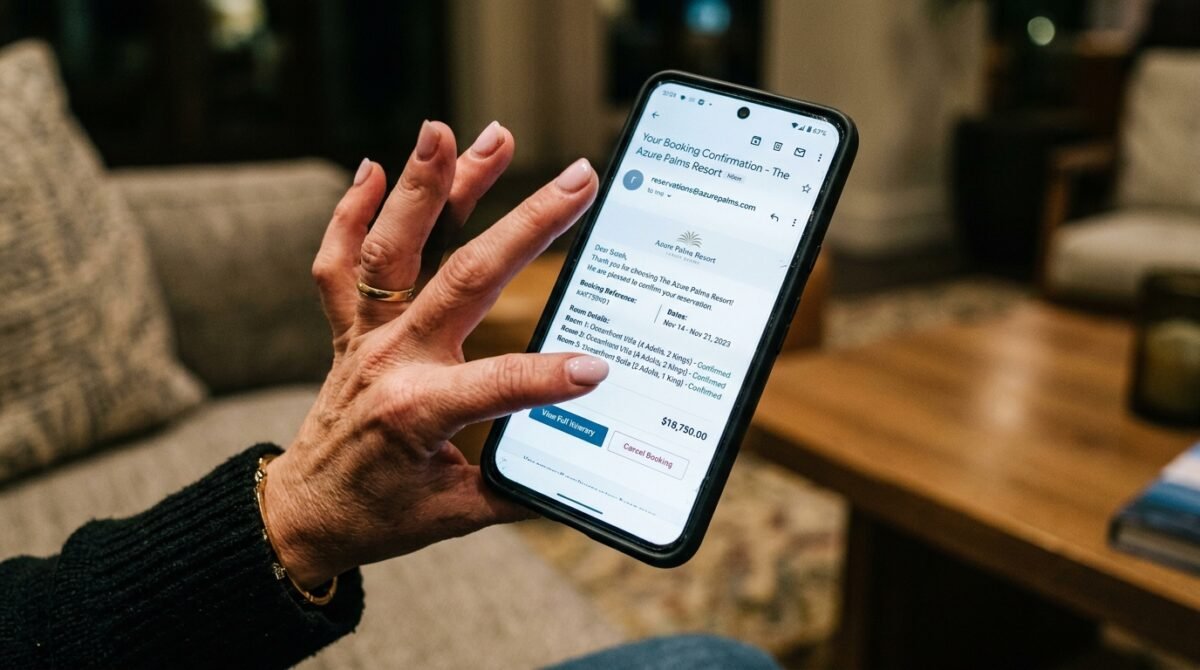
It started with subtle suggestions about where we should stay. Then came the ‘helpful’ links to hotels she found ‘charming’ and ‘conveniently located.’ I brushed it off, thinking she was merely excited, until the day I received a confirmation email that shattered my illusions. Without asking us, she hadn’t just ‘suggested’ a hotel—she had booked a suite for herself and her husband at the exact same resort, on the same floor, directly adjacent to our honeymoon suite.
When I confronted Mark, his response was not one of shared indignation, but one of placating confusion. ‘It’s just a family trip, honey. She just wants to be close. Why are you making this a bigger deal than it is?’ That single sentence was the catalyst. It wasn’t about the hotel room; it was about the fundamental misalignment of our priorities and the realization that my husband-to-be viewed our marriage as a tripartite arrangement rather than a partnership.
I didn’t scream. I didn’t cry. I simply looked at him, realized that the man I was marrying was still a child tethered to his mother’s apron strings, and decided that if our honeymoon was going to be an extension of our in-laws’ vacation, I would simply take my own. This is the story of how I rebooked, reclaimed my peace, and drew a line in the sand that would change my relationship forever.
The Subtle Erosion of Privacy
The wedding planning process is often described as a trial by fire, but for us, it was more like a slow, deliberate drowning. Linda wasn’t the type to cause explosive scenes; she was the master of the ‘helpful suggestion.’ It was, ‘Don’t you think the catering is a bit too modern for Grandma?’ or ‘I already went ahead and invited my bridge club because they were so excited for you.’ Each instance felt small on its own, but together, they formed a pattern of total disregard for our agency.
Mark, perpetually avoiding conflict, would simply smile and nod. He viewed these intrusions as minor inconveniences, telling me I was being overly sensitive. He didn’t see the way Linda would hover over our shoulder while we were trying to draft our vows or how she would ‘accidentally’ leave catalogs for baby furniture on our coffee table whenever she visited our apartment.
The honeymoon was the one thing I insisted was ours. We wanted complete autonomy. I had spent months researching the resort in Maui, finding a place that offered private beach access and cliffside dining. When we finally booked it, I felt a sense of relief wash over me. We had managed to keep this detail from Linda, or so I thought, until the day the email arrived from the hotel concierge acknowledging our stay and ‘welcoming’ the rest of the party from the same reservation group.
“I just thought it would be so much fun to have a little family reunion while you two are out there! Mark agreed it was a great idea to make it a multi-generational celebration.”
— An email from Linda to me, CC’ing my fiancé.
The audacity of it was staggering. Mark had known. He had given her our booking details and authorized her to add a room, all without consulting me. My heart sank as I read the confirmation: room 402 for us, room 404 for her. The balcony separation was nothing more than a thin glass partition. Our romantic getaway had just become a family retreat.
The Kitchen Table Confrontation
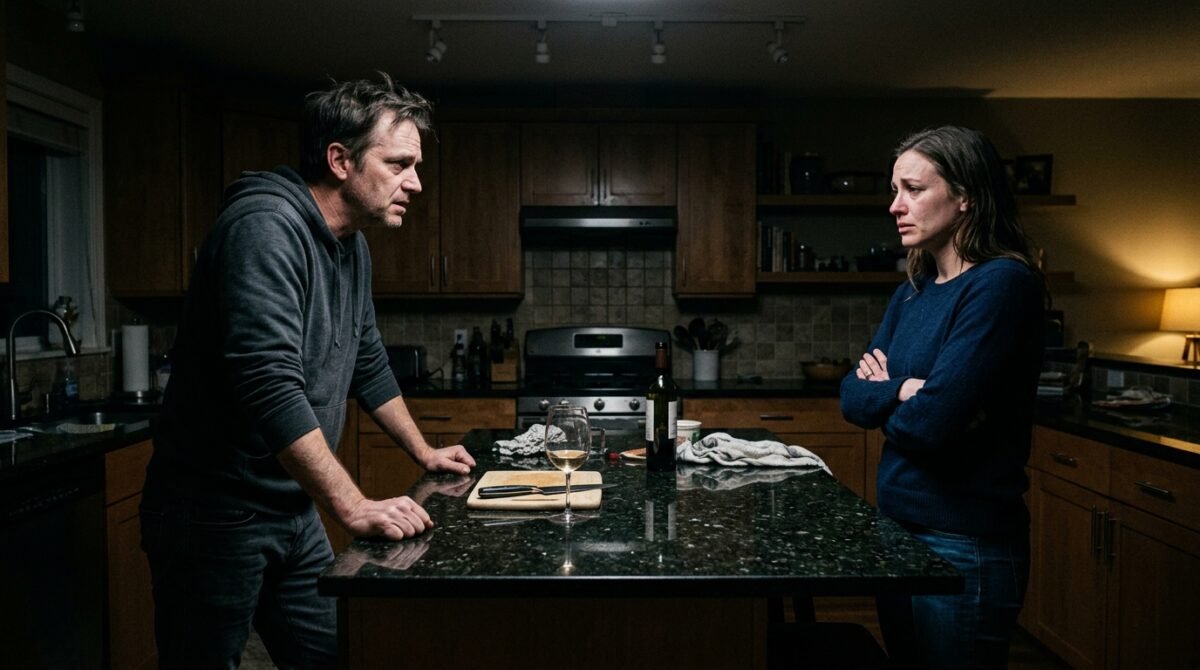
I didn’t wait for the evening to talk to Mark. I called him as soon as I saw the email. When he walked through the door, he had that familiar look of practiced innocence, as if he expected me to be grateful for the ‘surprise’ his mother had arranged. He sat down, dropped his keys on the counter, and sighed as if he were the one being wronged by my lack of enthusiasm.
“You’re really going to be this way about it? It’s just a hotel, and she’s my mother. She paid for her own room. It’s not like she’s going to be in our bed with us, for God’s sake.”
— Mark, during our initial argument.
I looked at him, my voice trembling with a mix of fury and disappointment. ‘It’s not about the room, Mark. It’s about the fact that you think our honeymoon is a venue for your mother’s entertainment. I wanted intimacy. I wanted to be alone with my husband. You’ve turned our sacred space into a family outing without my consent. How do you not see how disrespectful that is?’
He just shook his head, looking at the ceiling as if asking for patience. ‘You are being so incredibly dramatic. She’s getting older, she wants to spend time with us, and we are going to be there for a week. We can have our private time in the evenings. Why can’t you just be a little more flexible?’
His lack of empathy was the true turning point. I realized that as long as Linda was satisfied, Mark’s primary mission in life was fulfilled. My needs, my expectations, and my desire for a healthy, boundary-driven marriage were clearly secondary. I stood up, walked into our bedroom, and closed the door. I didn’t sleep that night. I spent the hours mapping out my next move, realizing that if he wouldn’t protect our relationship, I would have to protect myself.
The Secret Rebooking

The next morning, I was a different person. The grief of the realization had been replaced by a cold, sharp resolve. I logged onto the resort’s website and checked the availability. There were no suites left, but there was a high-end villa on the other side of the island—a place that was more expensive, more remote, and, crucially, completely unrelated to the original booking.
I made the reservation. I didn’t tell Mark. I went about the rest of the week as if nothing had changed, participating in the wedding planning, trying on my dress, and discussing the cake. He thought I had ‘gotten over it,’ which only fueled my quiet determination. I wasn’t just rebooking a room; I was rebooking my entire post-wedding experience.
I also contacted the hotel concierge for the original resort. I explained the situation—that I was a bride looking for privacy—and they were surprisingly accommodating. They couldn’t cancel the room, as it was in Mark’s name, but they agreed to note that my personal presence was no longer guaranteed. I felt a sense of empowerment I hadn’t felt in years.
On the day of the flight, I packed two bags. One was for the wedding festivities, and the other was for my solo excursion. I had my documents, my credit cards, and my resolve. Mark was so busy coordinating with his mother about the ‘seamless transition’ from the wedding to the honeymoon that he didn’t even notice the extra bag in the back of the car.
The plan was simple: get through the wedding, celebrate with the family, and then, at the airport, make the split. It was high-stakes, potentially relationship-ending, but I knew that if I didn’t establish this boundary now, I would be miserable for the rest of my life. I was reclaiming my autonomy, one booking at a time.
The Wedding Day Mirage
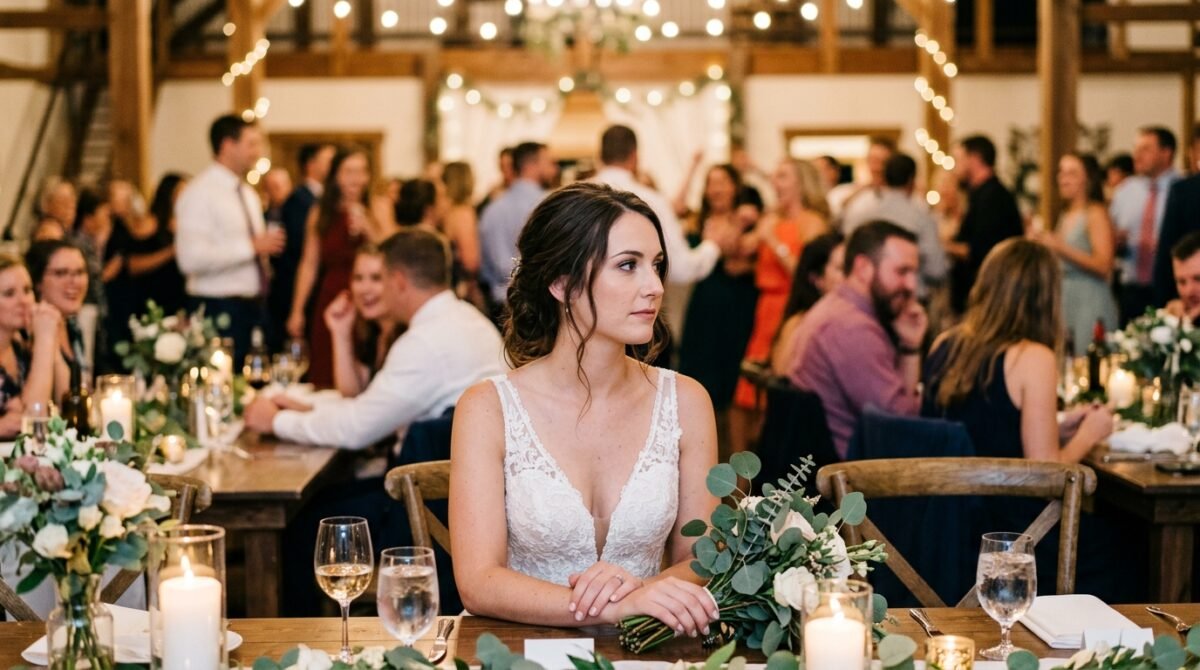
The wedding itself was a blur of forced smiles and choreographed social interactions. Linda was in her element, directing the photographer, correcting the florist, and ensuring that everyone knew she was the one who had ‘helped’ pull the whole thing together. Mark was a nervous wreck, caught between his mother’s demands and his own desire to keep me happy.
During the reception, Linda made a speech that sent chills down my spine. She talked about how ‘family is the most important thing’ and how she was ‘so thrilled’ to be joining us on our first journey as a married couple. The guests clinked their glasses, oblivious to the fact that I was already planning my exit. I stood by Mark’s side, holding a glass of champagne, feeling like a ghost in my own life.
“I hope you’re ready, dear! I’ve already planned a wonderful itinerary for our mornings in Hawaii. We’ll be having breakfast together every day at nine!”
— Linda, whispering loudly in my ear while I was trying to eat my dinner.
I just smiled and nodded. I didn’t have the energy to argue anymore. The wedding was the performance; the honeymoon would be the reality. I watched Mark laugh at something his mother said, his hand on her shoulder, and I felt a profound sense of detachment. He wasn’t my partner in this moment; he was hers. I was just the guest of honor who was about to break protocol.
As the reception wound down, the weight of the coming confrontation started to press on my chest. I knew I wouldn’t be able to just slip away without a fight, but I also knew that if I stayed, I would lose myself. The dance floor was full, the music was loud, and for one last night, I decided to play the part of the happy bride before the mask fell off for good.
The Airport Ultimatum
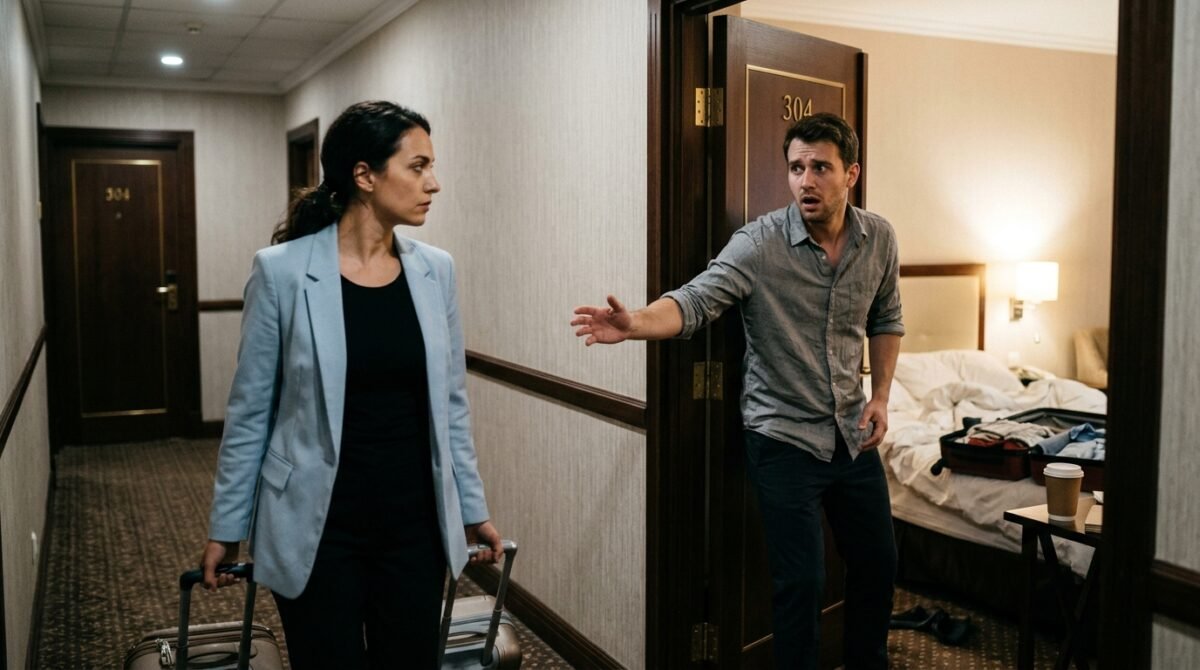
The morning of our flight, the tension in our hotel suite was thick enough to cut with a knife. Mark was frantically checking his phone, coordinating with his parents about the shuttle to the airport. I was sitting at the edge of the bed, my bags packed and ready. I waited until the very last second, when the shuttle driver called to tell us he was downstairs.
I stood up and faced Mark. ‘I’m not going to the resort, Mark. I’ve rebooked. I’m going to a villa on the north side of the island. You can go to the resort with your mother, or you can join me, but there will be no room for her, and there will be no family breakfasts.’
Mark stopped packing, his face turning pale. He looked at me as if I had suddenly started speaking an alien language. ‘What are you talking about? Are you insane? We have the flights booked! We have the room paid for! You can’t just change our plans because you’re having a tantrum!’
“It’s not a tantrum, Mark. It’s a boundary. You chose your mother’s convenience over my happiness. Now you have to choose which one you actually want to marry.”
— My parting words to Mark at the hotel.
He was stunned. He couldn’t grasp the reality that I was actually willing to walk away. He tried to grab my arm, but I pulled back. I told him he had until we got to the airport to decide, but that my ticket was already changed. I walked out of the room, leaving him there with his bags and his confusion, and took the elevator down to the lobby alone.
The Solo Flight to Freedom

The flight to Hawaii was the most peaceful experience of my life. I sat in my seat, listening to music, watching the clouds drift by, and feeling the weight of the last few months lift off my shoulders. I didn’t look back to see if Mark had followed. I didn’t check my phone for frantic texts. I just embraced the silence.
When I landed, the air was warm, smelling of jasmine and salt. I hailed a taxi and headed for the villa. It was everything I had imagined: private, quiet, and completely free of the expectations of others. I checked in, sat on the balcony, and ordered a drink. For the first time in years, I was entirely responsible for my own happiness.
Hours later, my phone finally lit up. It was a barrage of messages from Mark and his mother. They were panicked, confused, and angry. Mark wanted to know where I was, what hotel I was at, and ‘what the hell was wrong with me.’ Linda wanted to know if I realized how much money I had wasted and how I had ’embarrassed’ them in front of the resort staff.
“Where are you? Mom is crying and I’m standing at the check-in desk alone. You are being completely unreasonable. Come to the resort right now.”
— A text message from Mark, sent three hours after I landed.
I didn’t respond to any of them. I turned off my phone, put it in the safe, and walked down to the beach. I walked until the sun dipped below the horizon, painting the sky in shades of violet and gold. I was alone, but for the first time in my relationship, I wasn’t lonely. I was finally, truly, myself.
The Digital Fallout
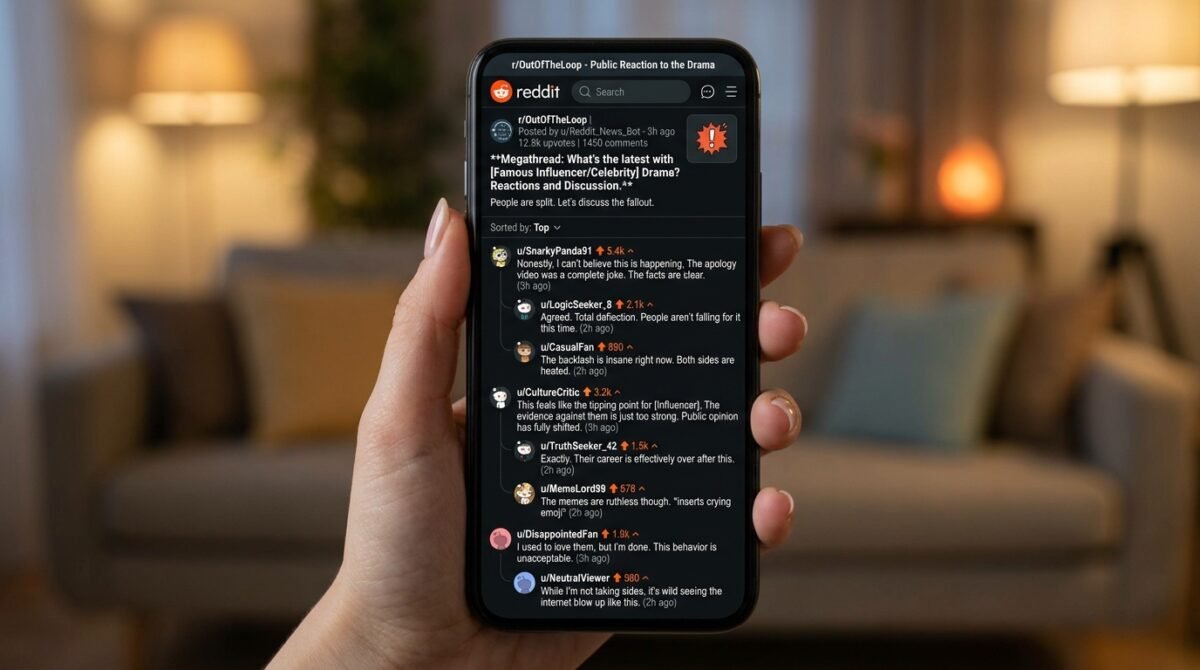
The news eventually spread. My phone, once turned back on, was flooded with messages from friends and family members who had heard the ‘scandalous’ news. Apparently, Mark had told everyone that I had ‘abandoned’ him on our honeymoon because I was jealous of his mother. The narrative was that I was the villain, the bride who couldn’t handle the family dynamic.
I decided it was time to set the record straight. I wrote a post on a private forum, laying out the entire situation—the lack of boundaries, the forced booking, and the ultimatum I had given Mark. The response was overwhelming. People weren’t seeing me as the villain; they were seeing me as someone who had finally hit a breaking point after years of being pushed aside.
“NTA. Your fiancé is a mama’s boy who clearly doesn’t respect your privacy or your marriage. The fact that he didn’t even consult you about your own honeymoon is a huge red flag. You did the right thing by leaving.”
— u/RelationshipGuru88 (Top comment, 15.2k upvotes)
I spent hours reading the comments. Some were supportive, some were critical, but all of them made me realize that I wasn’t crazy. I had a right to demand respect. I had a right to a honeymoon that belonged to me and my husband, not me, my husband, and his mother. The validation was exactly what I needed to stay the course.
I started receiving messages from Mark again. This time, they were different. He was no longer angry; he was begging. He realized that the ‘joke’ wasn’t funny to anyone but his mother. He realized that he had jeopardized his marriage before it had even really begun. But the damage was done, and I wasn’t sure if an apology could ever fix the fundamental issue: he didn’t see me as an equal partner.
The Reality of the Disconnect
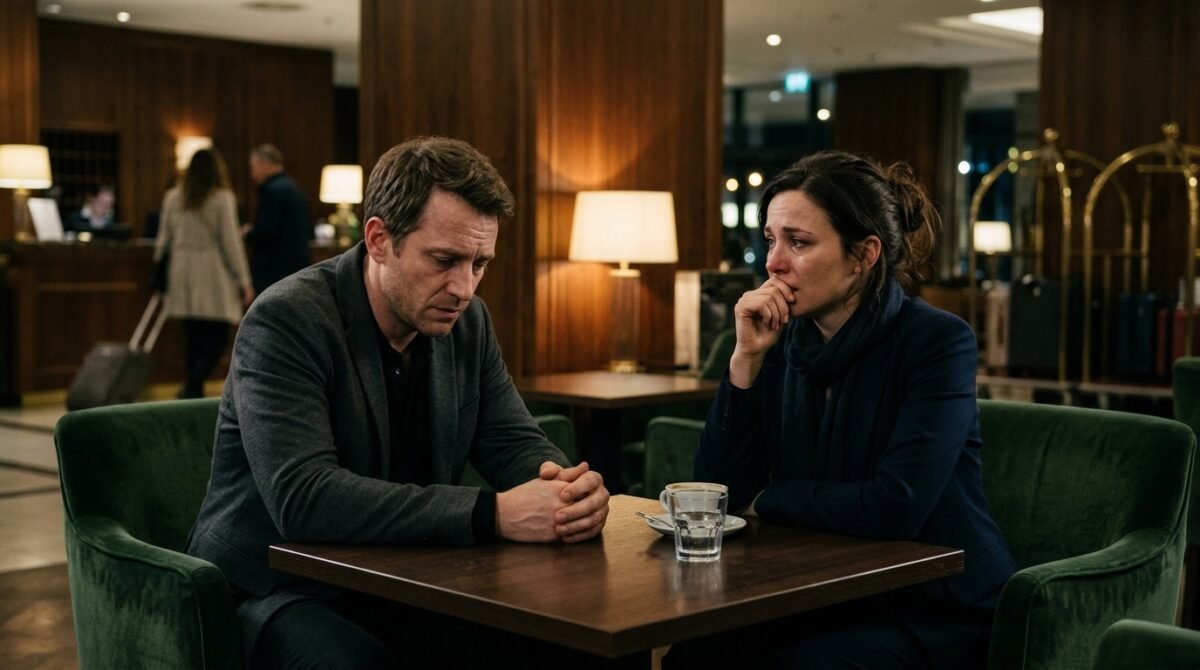
Three days into my solo trip, Mark finally flew out to the island. He didn’t go to the resort where his mother was staying. He found out which villa I was at and showed up at the front desk, looking exhausted and disheveled. I agreed to meet him in the lobby, but I refused to let him into my space.
The conversation was long and grueling. He apologized, but it was the kind of apology that minimized his own role in the mess. He blamed his mother for being ‘overbearing’ and claimed he just didn’t know how to handle her. He still didn’t seem to understand that it was *his* job to handle her, not mine.
“I just wanted everyone to get along. I didn’t think you’d be this upset. Why can’t you just come back to the resort? I’ll tell her we need our space.”
— Mark, trying to bargain his way out of the situation.
I looked at him and realized that he was still looking for a way to maintain the status quo. He didn’t want to change; he wanted me to lower my expectations so he could go back to his comfortable life of pleasing his mother. I told him that I needed time—a lot of it—to think about whether this marriage was worth the constant struggle for basic respect.
He left the villa after an hour, looking defeated. I went back to my room, feeling a mixture of sadness and relief. I had proven that I wouldn’t be coerced, but I also realized that the path forward was going to be much harder than I anticipated. This wasn’t just about a hotel room; it was about the rest of our lives.
The Return Home

When I finally flew home, the world felt different. I wasn’t the same woman who had left for the wedding. I had spent a week in solitude, re-evaluating my values and my worth. I knew that I couldn’t go back to the life we had before. If we were going to make this marriage work, it had to be on my terms, with clear, non-negotiable boundaries.
Mark was waiting for me at the airport. He looked like he had been through hell, and perhaps he had. He had spent a week dealing with his mother, who was reportedly furious that I had ‘ruined’ their vacation. He had finally seen, perhaps for the first time, the ugly side of his mother’s behavior when she didn’t get exactly what she wanted.
“She hasn’t stopped calling. She’s demanding to know why you ‘abandoned’ us. I told her that if she doesn’t stop, I’m cutting her off for a while.”
— Mark, finally starting to see the light.
It was a start, but it was just a start. I didn’t jump into his arms. I told him that I needed us to see a therapist, someone who specialized in family boundaries and enmeshment. I told him that if he couldn’t commit to that, I couldn’t commit to him. He agreed, with a desperation that told me he was finally, truly scared of losing me.
The drive home was quiet. There was no more talk of ‘family trips’ or ‘helpful suggestions.’ There was only the sound of the tires on the pavement and the heavy, lingering presence of the changes that were yet to come. I was home, but the life I had before was gone, and I was okay with that.
The Path to Boundaries

The months that followed were some of the most difficult of my life. Therapy was an eye-opener. Mark had to confront the reality that his mother had conditioned him to prioritize her feelings above all else. He had to learn how to say ‘no,’ how to deal with her guilt trips, and how to understand that protecting his wife was his primary job.
Linda didn’t take the change well. There were explosions, tears, and accusations of me ‘brainwashing’ her son. There were times when we had to go low-contact, blocking her calls and skipping family events to maintain our sanity. It was a war of attrition, but for the first time, Mark was in the trenches with me.
“I am an adult, Mom. I am married. My wife comes first. If you can’t respect that, then you don’t get to be a part of our daily lives.”
— Mark, standing up to his mother during a heated phone call.
It wasn’t perfect. There were still slips, still moments where he wanted to yield to the pressure, but he was learning. He was growing. And more importantly, I was learning to trust myself. I had taken a stand when no one else would, and I had proven that I was capable of protecting my own happiness.
Looking back, I don’t regret rebooking that trip. It was the moment I stopped being a passive observer of my own life and started being an active participant. It was the moment I realized that I didn’t have to settle for a life that didn’t fit, and that true love sometimes requires the courage to say, ‘Enough.’
Conclusion
The story of my honeymoon isn’t just about a hotel room or a mother-in-law; it’s about the silent agreements we make in our relationships that, when left unexamined, can stifle our growth. By choosing to rebook, I wasn’t just choosing a different room; I was choosing a different life—one where my needs were respected, my boundaries were firm, and my partner was finally learning how to be a husband.
We are still in the process of rebuilding, but we are doing it on a foundation of honesty and mutual respect. The trauma of the honeymoon is still there, but it has become a touchstone for us, a reminder of what happens when we lose sight of our priorities. It is a story of liberation, of the power of the word ‘no,’ and of the long, rewarding journey toward a life that is truly ours.
What about you? Have you ever had to take a stand against an overbearing in-law or a partner who couldn’t set boundaries? How did you handle it? Let me know in the comments below, and let’s keep the conversation going about how to protect our relationships in the face of family pressure.
What's your verdict on this dilemma?
Vote below to contribute to the official community consensus.

Have a Dilemma Keeping You Up at Night?
Share your real-life feud, wedding chaos, or relationship crossroads anonymously with our editorial team.
What do you think ?
0 Comments🛡️ Comments are moderated to protect community integrity. Your comment will appear once approved by the editorial team.