
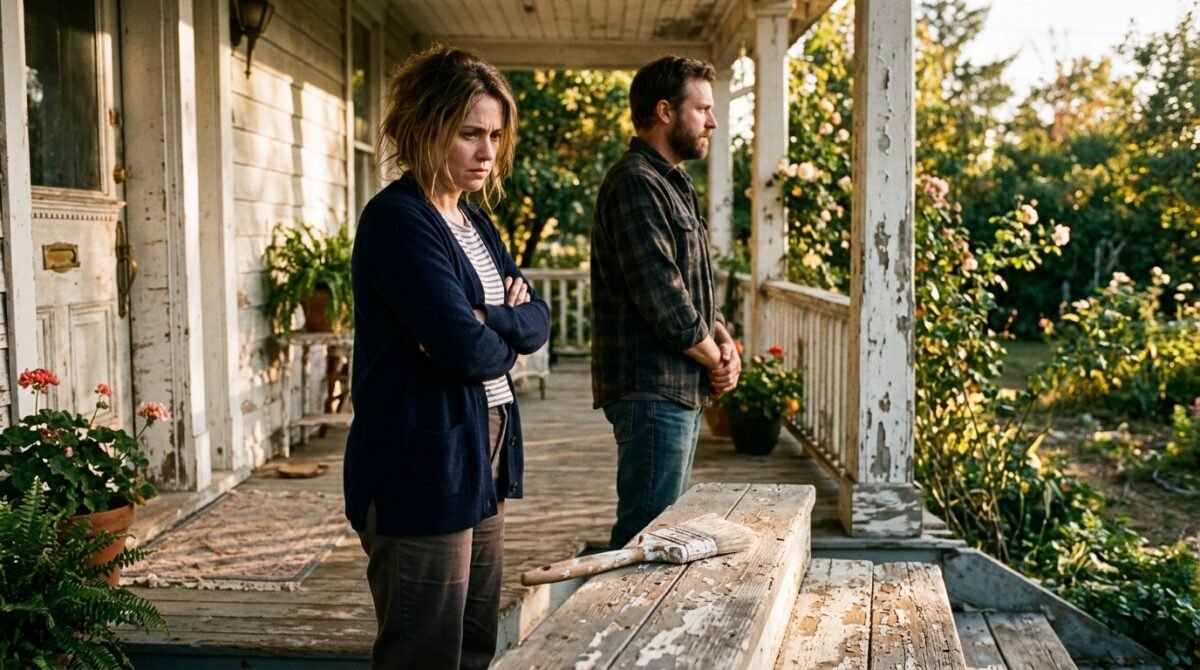
It began as a simple, romantic gesture—or so I thought. My boyfriend of two years, Mark, had been complaining about the aesthetic of my late grandmother’s cottage for months. He called it ‘outdated’ and ‘needing a man’s touch.’ Foolishly, I allowed him to spend a weekend painting the front porch steps, believing he was simply helping me preserve a piece of my heritage. I felt grateful, even guilty for not doing it myself sooner. I had no idea that a few cans of exterior paint and a Saturday afternoon of labor would eventually be framed as a down payment on my soul.
The shift in our relationship didn’t happen overnight; it was a slow, calculated erosion of my boundaries. It started with ‘suggestions’ about how we could improve the property, quickly escalating into demands that we merge our finances and legal interests. When I refused, the narrative changed. Mark began positioning his minor home improvement projects as ‘capital investments.’ He kept receipts, tracked his hours, and eventually, brought up the ‘half-ownership’ clause as if it were a standard part of any domestic partnership.
This isn’t just a story about a cottage or a misguided renovation; it’s a story about the terrifying realization that the person you share your life with might be viewing you as a business acquisition rather than a partner. It’s about the crushing pressure to compromise on your values to keep the peace, and the eventual, necessary snap that occurs when you realize your silence is being mistaken for consent.
The dilemma is one many of us face: how much of our independent security are we expected to sacrifice for the sake of ‘fairness’ in a relationship? And more importantly, how do you handle a partner who measures love in square footage and property deeds? This narrative explores the toxicity of weaponized help and the reclaiming of one’s own history.
The Weekend of the ‘Great Renovation’
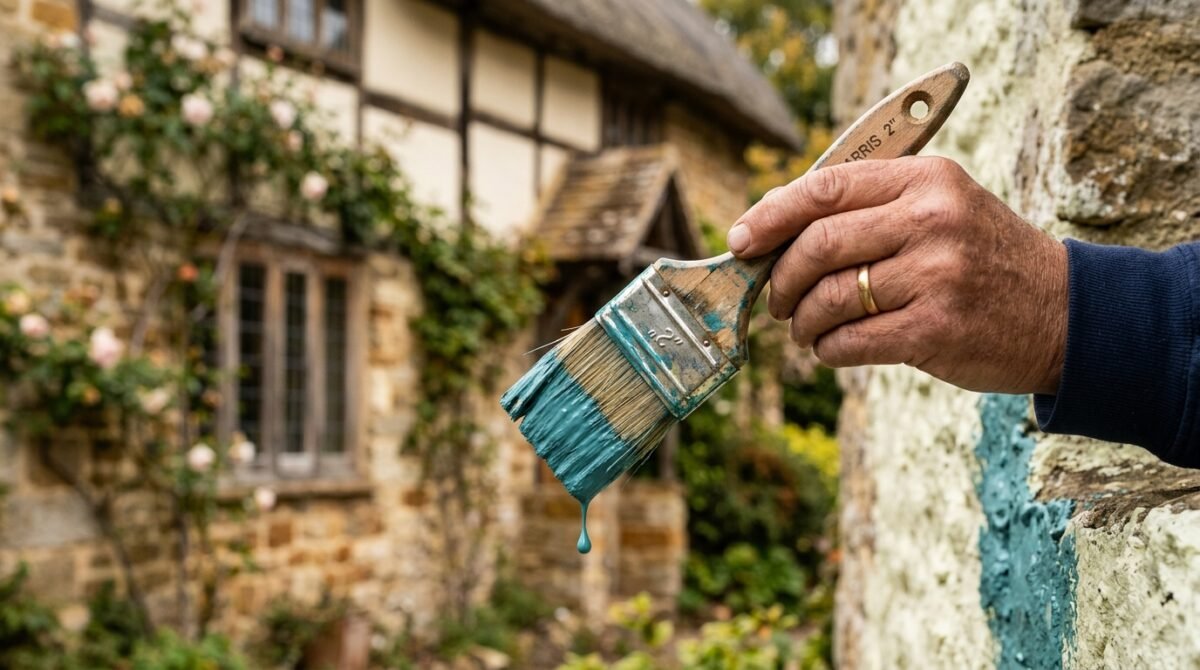
The transformation of the porch was meant to be a surprise. I had come back from a work trip to find Mark standing proudly in front of the cottage, his clothes stained with cream-colored paint and his face beaming with a self-satisfied glow. He had scraped away the years of weathering, primed the wood, and applied two fresh coats. It looked undeniably better. I thanked him profusely, feeling that warm, fuzzy sense of appreciation that defines the early stages of a partnership. I even cooked him his favorite meal that night, toast in his honor, and kissed him on the forehead, grateful for his ‘initiative.’
But the atmosphere shifted as we sat on the newly painted steps that evening, sipping wine. Mark didn’t want to talk about the work itself; he wanted to talk about the ‘value added.’ He started listing the costs of materials, the time he had taken off from his own personal projects, and the physical toll of the labor. At the time, I brushed it off as him needing a little validation. I told him he did a great job and that it would save us money on hiring a professional. I didn’t realize then that he wasn’t looking for a thank you—he was looking for an invoice.
“You know, babe, most people would pay a contractor thousands for this kind of work. It’s important we document that this wasn’t just a favor, but a contribution to our future together.”
— Mark, during the ‘thank you’ dinner
I laughed it off, thinking he was making a joke about his perfectionism. I didn’t notice the way he was staring at the house, measuring the siding with his eyes, already calculating the next project he could ‘invest’ in. It was a subtle, almost imperceptible shift in dynamic, but looking back, it was the moment the door to my autonomy started to creak open, just wide enough for him to wedge a foot in.
The following weeks were filled with comments about how ‘we’ needed to update the kitchen, ‘we’ needed to redo the fence, and ‘we’ needed to re-deed the property to reflect our equal commitment. I felt like a guest in my own home, slowly being nudged out of the driver’s seat by a man who had only ever contributed a few buckets of paint and some unsolicited labor.
The Spreadsheet That Ended the Honeymoon Phase

The real trouble began on a rainy Tuesday night when Mark sat me down at the kitchen table with his laptop open. He had created an Excel sheet titled ‘Joint Property Equity Plan.’ It was a terrifyingly detailed document that listed every single chore, every grocery trip he’d paid for, and, of course, the ‘Porch Restoration Project’ valued at an hourly rate that would make a master carpenter blush. I stared at the screen, my heart pounding in my throat, unable to reconcile the man I loved with the accountant sitting across from me.
He explained that he didn’t feel ‘secure’ living in a house he didn’t have a legal stake in. He argued that if we were to break up, he would be left with nothing to show for the time he spent ‘improving my life.’ I tried to explain that this was my grandmother’s house, a place that held my childhood, my memories, and my inheritance—not a real estate venture to be split 50/50. He didn’t care about the history; he cared about the asset.
“It’s not about the money, it’s about the principle. I’ve put in the work. I’ve made this place better. Why are you so resistant to acknowledging my partnership? Are you keeping me at arm’s length on purpose?”
— Mark, during the spreadsheet confrontation
I felt a cold shiver run down my spine. The way he phrased it made me sound like the villain, the selfish partner hiding assets in a secret vault. He had successfully reframed my boundary as an act of betrayal. That night, I didn’t sleep. I lay in bed listening to the rain against the window, wondering if I had ever really known him at all, or if I had just fallen in love with the version of himself he presented when things were going his way.
The audacity of his demand was staggering. He wanted half ownership of a property I had owned outright for five years, all because he decided to paint a porch without even consulting me on the color. It was the epitome of entitlement, a blatant attempt to leverage a minor favor into a major financial windfall. The more I thought about it, the more clearly I saw the pattern: Mark didn’t want a partner; he wanted a landlord-tenant relationship where he was the one holding the keys.
The Group Chat Intervention
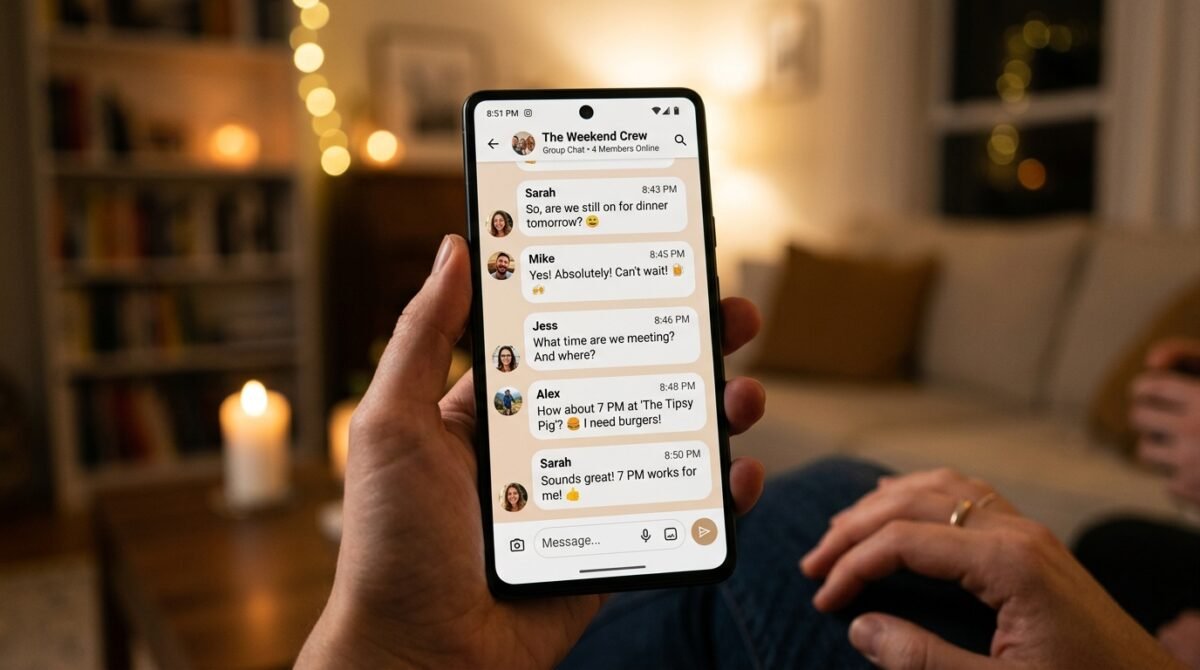
I did what any confused, gaslit partner does: I reached out to my inner circle. I didn’t name names, but I posted a summary of the ‘disagreement’ in a private group chat with my three closest friends. I needed a reality check. I needed someone to tell me that I wasn’t crazy, that wanting to keep my family home to myself wasn’t an act of malice. The responses came in fast, and they were universally horrified. My friends were shocked that he had the gall to ask for 50 percent after a single weekend of DIY work.
The chat exploded. Sarah, my blunt best friend, was the first to call it exactly what it was: predatory. She pointed out that he had been grooming me for this kind of request by ‘helping’ with small things, creating a sense of debt that he could then cash in. It was a strategy, she said. I had never thought of it that way, but as I read her words, it all clicked into place. The kitchen ‘help,’ the gardening, the ‘small repairs’—it was all leverage.
“Do not, under any circumstances, sign anything. This guy is looking for an exit strategy with a payday. He’s not building a life with you; he’s building a portfolio.”
— Sarah, from the group chat
I felt a strange sense of relief reading those messages. I wasn’t being selfish; I was being smart. The validation from my friends gave me the courage to stand my ground. I knew that the next time Mark brought it up, I wouldn’t be apologetic. I wouldn’t try to soften the blow. I would be firm, clear, and unyielding. The cottage wasn’t up for negotiation, and neither was my autonomy.
However, the sense of dread remained. I knew that Mark wouldn’t just drop this. He was the type of person who viewed every setback as a challenge to be overcome, not a signal to stop. The confrontation was coming, and I had to be ready to end the relationship if he insisted on keeping the ‘ownership’ demand on the table. It was the hardest realization of my adult life: love wasn’t enough to sustain a partnership if the foundational values were fundamentally incompatible.
The Breaking Point at Sunday Dinner
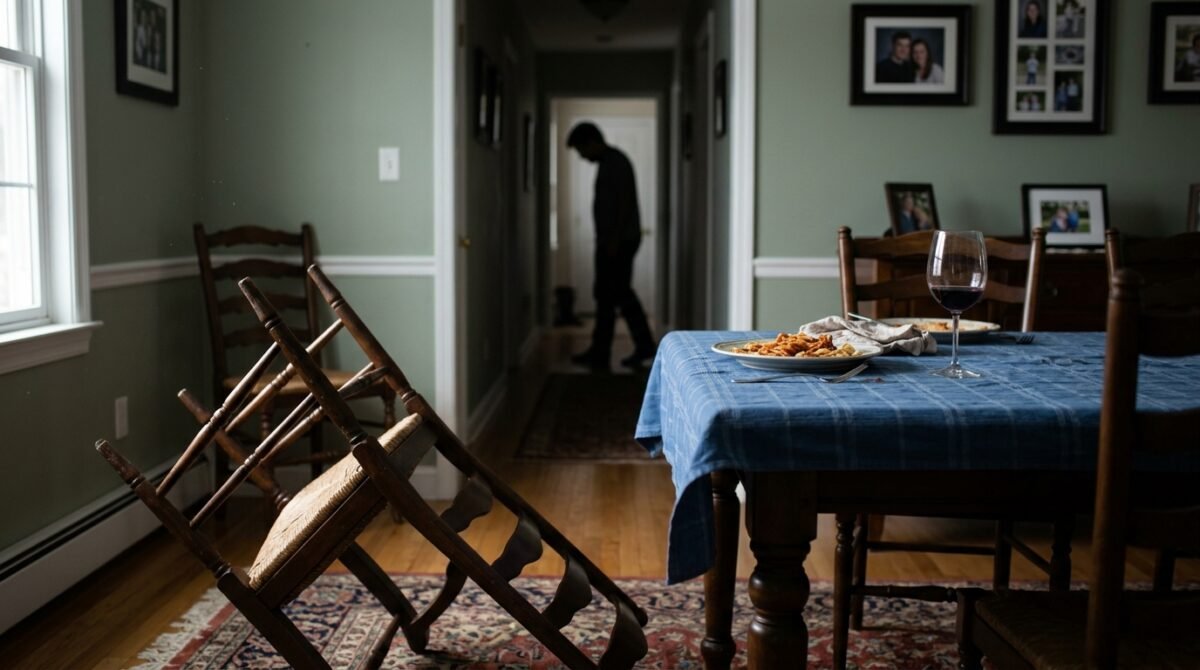
The explosion finally happened on a Sunday afternoon. We were having dinner, and Mark, emboldened by a glass of wine, decided to bring it up again in front of my sister, who was visiting. He brought up the ‘property value increase’ as if it were a casual dinner topic, casually mentioning that we were ‘working on the paperwork’ to add his name to the deed. My sister, who knows the history of the house better than anyone, stopped mid-bite. She looked at him with an expression of pure, unadulterated shock that quickly turned to righteous anger.
The room went deathly silent. Mark looked around, clearly sensing he had miscalculated, but he doubled down. He tried to frame it as a ‘joint venture,’ a way to make our relationship ‘official’ and ‘secure.’ My sister didn’t hold back. She asked him exactly how much he thought a few cans of paint were worth, and if he really believed that laboring in his girlfriend’s garden for six hours entitled him to a six-figure asset.
“Mark, you painted a porch. You didn’t buy the house. The fact that you think you’re entitled to half of my sister’s inheritance for that is absolutely delusional.”
— My sister, at the dinner table
Mark turned bright red, his composure completely shattering. He accused my sister of interfering, of being ‘old-fashioned’ and ‘unsupportive’ of modern, egalitarian relationships. He stood up, knocked over his chair, and stormed out of the house, leaving his half-eaten plate of food and a very awkward silence in his wake. I sat there, shaking, realizing that this was the end of the line. The damage was irreversible.
I felt a strange, detached calm wash over me. The chaos of the moment didn’t feel like a tragedy; it felt like a clearing of the air. The truth had finally been spoken aloud, and the illusion of our partnership had been shattered beyond repair. I didn’t cry. I didn’t chase him. I simply finished my meal, thanked my sister for having my back, and began to think about how I would handle the logistics of moving his belongings out of my home.
The Aftermath and the ‘Fair’ Offer

The following week was a blur of cold, transactional communication. Mark returned for his things, but he didn’t come alone—he came with a printed ‘settlement agreement.’ He had actually paid a paralegal to draft a document outlining what he felt he was owed for the ‘unpaid labor and capital improvements’ he had made to the cottage. It was a bizarre, laughable document that tried to place a monetary value on everything from the paint to the time he spent weeding the flower beds.
I didn’t even read the whole thing. I looked at the final sum, laughed, and handed it back to him. I told him he could take his tools and his paint cans if he really wanted them, but he wasn’t getting a cent. The look on his face was one of pure, unbridled rage. He threatened to take me to court, to ‘sue for his equity.’ I calmly told him that he was welcome to try, but he would find that a judge doesn’t look favorably on people who think they can claim ownership of property simply by doing a few chores.
“You think this is funny? You have no idea what you’re doing to our future. You’re throwing away a partnership over a piece of paper that I helped build!”
— Mark, during the final confrontation
He eventually left, slamming the door behind him. I felt an immense weight lift off my shoulders. I was alone, but I was in my home—the home I had always known, the home that belonged to me and my family, not to a man who saw me as an asset. I spent the next few days cleaning, stripping away the reminders of his presence, and reclaiming my space. It was a deeply cathartic process.
Looking back, I realize how close I came to making the biggest mistake of my life. I had been so caught up in the ‘us’ and the ‘we’ of the relationship that I had forgotten to protect my ‘I.’ I had been so eager to be a good partner that I had almost allowed myself to be exploited. I learned that day that a true partner doesn’t ask for a piece of you—they add to the whole without trying to dismantle the foundation.
The Internet Weighs In: A Reddit Retrospective
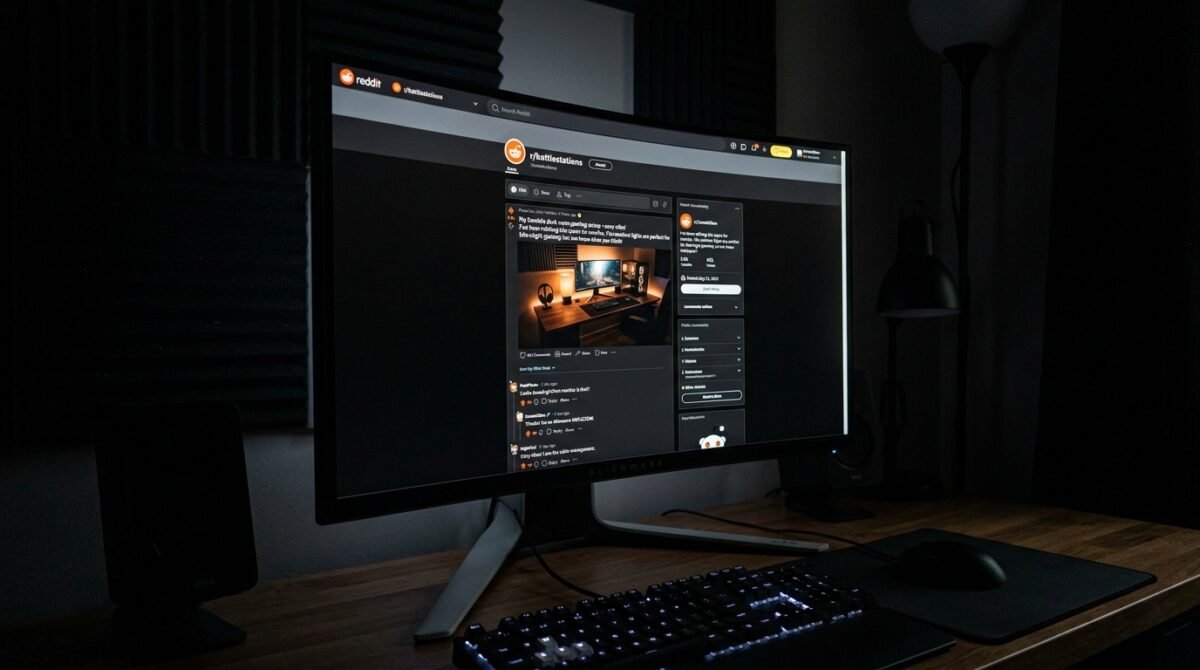
I eventually decided to share my story on a popular relationship advice forum, just to see if I was truly as ‘unreasonable’ as Mark had claimed. I expected a mix of responses, perhaps some people siding with the idea of ‘shared contributions.’ I was wrong. The response was overwhelming. Thousands of people chimed in, almost all of them validating my decision to shut down his demands immediately.
The community support was staggering. People shared their own stories of partners who tried to ‘invest’ their way into ownership, or who used financial manipulation as a way to maintain control. It was a sobering reminder that my experience, while painful, was far from unique. It seemed that this kind of financial gaslighting was a common red flag that many people missed until it was too late.
“The second someone starts ‘billing’ you for being a partner, they are no longer a partner. They are a contractor you’re overpaying. NTA, and thank god you didn’t sign anything.”
— u/RelationshipGuru88 (Top Comment, 32.1k upvotes)
The comments section became a space for solidarity. Users shared advice on how to protect assets, how to spot early warning signs of financial abuse, and how to maintain independence in a relationship. I read every single one of them. It felt like I was part of a global conversation about boundaries, and the strength of the community was incredibly healing. It turned my personal struggle into a cautionary tale that helped others avoid the same fate.
There were a few contrarians, of course, who argued that I should have ‘met him halfway’ or that he deserved some compensation. They were quickly drowned out by the vast majority of people who recognized the fundamental power imbalance at play. It was a fascinating study in human nature and values, and it solidified my belief that I had done the right thing by putting my foot down.
The Anatomy of a Financial Predator

After the dust settled, I spent a lot of time reflecting on the psychology behind Mark’s behavior. Why would someone think they were entitled to ownership of a house they didn’t buy? It wasn’t just about the money; it was about control. Mark was a man who needed to feel like he was in charge, and when he couldn’t control the property, he tried to control the relationship. The ‘ownership’ demand was just the final, desperate attempt to lock me into a dynamic where I would always be the one answering to him.
I started noticing other patterns I had missed before. He was always ‘optimizing’ my life. He wanted me to change my career path to something more ‘lucrative,’ he wanted me to sell my car for a ‘better investment,’ and he always had a ‘better way’ to handle my personal finances. It was never about my happiness; it was about moulding me into a more profitable version of myself. It was subtle, but it was omnipresent.
“It’s not just about the house. It’s about the fact that he saw you as a project. And projects are things you own, not people you love.”
— My therapist, during our post-breakup session
I feel lucky to have gotten out when I did. If I had signed that paper, if I had given him that 50 percent, I would have been stuck in a cycle of financial dependency that would have been incredibly difficult to break. I think about the life I have now—the freedom to make my own choices, the peace of mind that comes with knowing my home is my own, and the joy of being with someone who doesn’t keep a ledger of our love.
I hope that by sharing this, someone else out there who is feeling that same pressure—that same nagging feeling that their partner is trying to ‘buy’ their way into their life—will recognize the signs. It’s not love. It’s a transaction. And you are worth so much more than a few cans of paint and a false sense of security.
Reclaiming the Cottage: A New Beginning

The cottage is mine again, in every sense of the word. I’ve repainted the porch a color I actually love—a deep, vibrant blue that feels like me. It’s not just a house; it’s a sanctuary. I spend my weekends gardening, reading on the porch, and occasionally hosting friends who respect my space and my history. The ghost of Mark’s ‘renovations’ is long gone, and with it, the pressure to be something I’m not.
I’ve learned to appreciate the value of boundaries. I’m no longer afraid to say ‘no’ to unsolicited help, and I’m much more protective of my financial and personal space. I’ve realized that a healthy relationship is built on mutual respect, not on shared assets or calculated contributions. I am happier than I have ever been, and that, in itself, is the best reward.
“The most important property you can ever own is your own self-respect. Everything else is just bricks and mortar.”
— A piece of advice I read during my recovery
I still look at that front porch sometimes, and I remember the painting, the wine, and the spreadsheet. But it doesn’t sting anymore. It’s just a memory of a lesson learned. The cottage remains, as it always has, a symbol of my grandmother’s legacy and my own independence. And that is exactly how it should be.
To anyone out there struggling with a partner who makes them feel like they aren’t enough on their own: believe in yourself. You have everything you need, and you don’t need to surrender your soul, or your home, to prove your worth to anyone. Walk away, reclaim your space, and build the life you deserve.
The Legal Reality Check
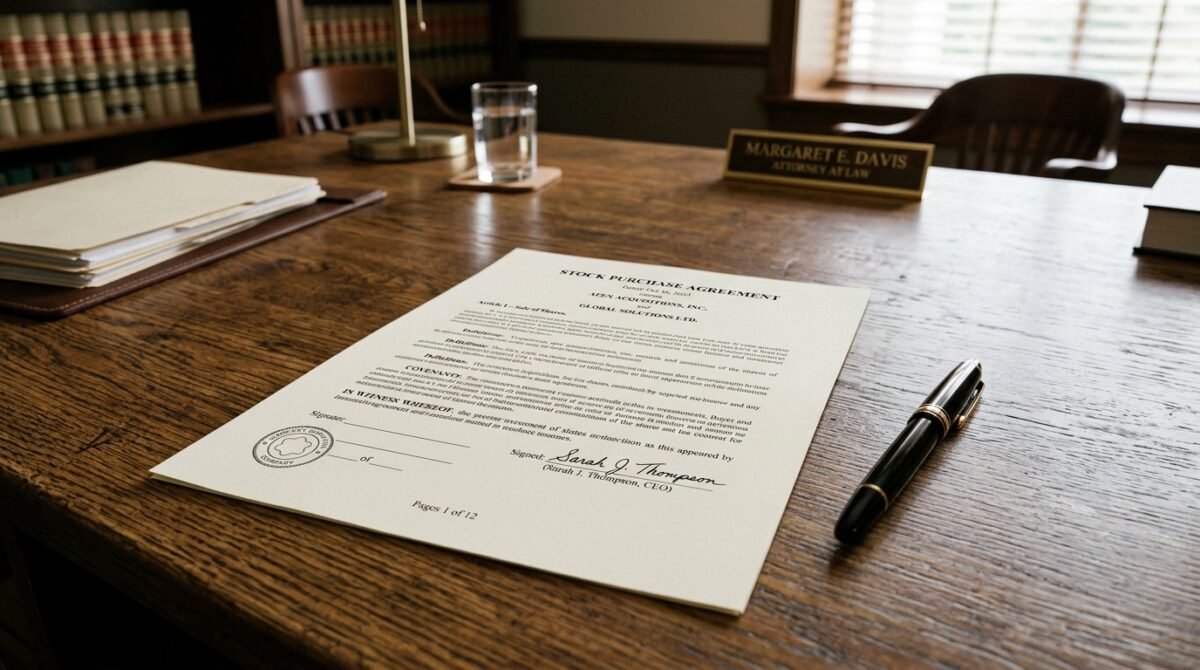
One thing I learned through this entire ordeal is that the law is surprisingly clear on matters of ‘sweat equity’—a term Mark loved to throw around. Just because someone does work on your property doesn’t mean they gain ownership. Unless there is a written, legally binding contract, a person who paints your porch is essentially a volunteer. It was a relief to learn that my fears of him actually having a legal claim were mostly unfounded, which only highlighted how much he was counting on my ignorance to manipulate me.
I consulted with a real estate attorney just to be absolutely sure, and the advice was simple: keep a clear record, don’t co-mingle assets without a formal agreement, and always document any ‘contributions’ as gifts if they aren’t part of a pre-planned, mutually agreed-upon project. It was a boring, practical conversation, but it gave me a sense of security that I hadn’t had in months. Knowing the law is on your side when you’re standing in your own home is a powerful thing.
“Sweat equity isn’t a legal concept that creates ownership. It’s a common misconception used by people looking to leverage small acts into large claims. You were always in control.”
— My lawyer, during our consultation
If you are in a situation where a partner is pressuring you to put their name on a deed, please, consult with a professional. Do not rely on their ‘legal’ understanding, which is almost always skewed in their favor. It’s worth the fee to know exactly where you stand. Protect your assets, protect your home, and protect your future.
Looking back, I wish I had spoken to a lawyer the moment the ‘spreadsheet’ appeared. It would have saved me so much emotional energy. But I’m grateful for the process, because it taught me to stand up for myself in a way that I never had to before. I am stronger, smarter, and significantly more careful about who I allow into my life.
Final Thoughts on Boundary Setting

Boundaries are not just walls we build to keep people out; they are the foundation upon which we build healthy relationships. When I allowed Mark to blur the lines between his labor and my property, I was effectively dismantling my own foundation. It took a lot of pain to realize that by saying ‘no,’ I wasn’t closing my heart—I was protecting my life.
I’ve learned that the people who get the most angry when you set a boundary are the ones who were benefiting from you not having one. That has become a golden rule for me. If someone reacts with rage when you tell them ‘no,’ it’s the biggest red flag you could ever hope to see. It’s not just a sign of an argument; it’s a sign of their true intentions.
“If they can’t respect your ‘no,’ they never really respected you.”
— A quote I kept on my fridge after the breakup
I want to encourage everyone reading this to take an inventory of their own boundaries. Are there people in your life—friends, partners, family—who are constantly pushing, testing, and demanding? Do you feel like you’re constantly compromising your values to keep the peace? If so, it’s time to start setting some firm lines. It’s not easy, and it’s not always pretty, but it is necessary.
The peace of mind I have now is priceless. I wake up in my own home, in my own space, and I know exactly who I am and what I own. I’m no longer waiting for the other shoe to drop, no longer checking my finances to see if I’m ‘owed’ anything, and no longer wondering if my partner is looking at my house as an exit strategy. I am free, and that is a beautiful thing.
Conclusion
My journey from a ‘helpful’ boyfriend to a property-grabbing ultimatum was a harsh lesson in the realities of modern dating and the importance of financial independence. It was a journey that forced me to look at my own worth, my family’s legacy, and the true meaning of partnership. I lost a boyfriend, but I gained a deeper understanding of who I am and what I am willing to tolerate.
The cottage stands as a testament to my past and a sanctuary for my future. It is a reminder that no one has the right to demand a stake in your life based on a few hours of labor. Your home, your finances, and your history are yours to protect. I hope this story serves as a reminder to always trust your gut, keep your boundaries firm, and never, ever let someone else tell you what you are worth.
I’d love to hear from the community. Have you ever had a partner try to ‘invest’ their way into your life or property? What was the moment you realized things had gone too far? Let’s keep the conversation going in the comments below.
What's your verdict on this dilemma?
Vote below to contribute to the official community consensus.

Have a Dilemma Keeping You Up at Night?
Share your real-life feud, wedding chaos, or relationship crossroads anonymously with our editorial team.
What do you think ?
0 Comments🛡️ Comments are moderated to protect community integrity. Your comment will appear once approved by the editorial team.