
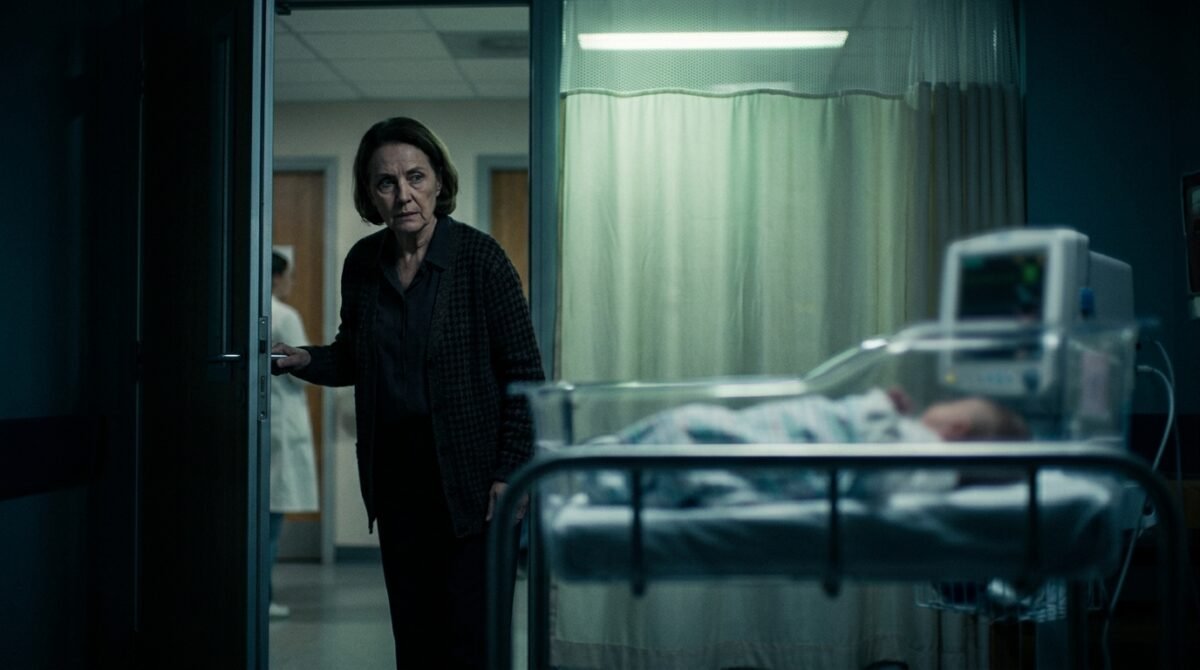
Childbirth is supposed to be the most vulnerable, transformative moment of a parent’s life. For most, it is a blur of exhaustion, overwhelming love, and the quiet sanctity of bonding with a new soul. For me, it became the flashpoint of a war I didn’t know I was fighting. My mother-in-law, Martha, had always been ‘theatrical’—a woman who viewed other people’s milestones as extensions of her own vanity—but I never imagined she would attempt to literally rewrite my daughter’s existence the moment she drew her first breath.
We had been married for three years, and Martha’s behavior had been a slow-drip poison. She was the queen of passive-aggressive comments about my cooking, my career, and my choice of decor. But when I became pregnant, the subtle jabs escalated into a full-blown obsession with ‘carrying on the family legacy.’ She spoke of my unborn child not as a person, but as a vessel for her own lost dreams and her prestigious, dying maiden name.
I kept telling myself she would calm down once the baby arrived. I believed, perhaps naively, that the reality of a fragile, living infant would shatter her delusions of grandeur. I was wrong. The hospital room, a place that should have been a sanctuary, became the setting for a calculated, cold-blooded attempt to steal the most fundamental aspect of my child’s identity.
This article chronicles the events of that week, the confrontation that rocked our family to its core, and the agonizing decision to revoke my mother-in-law’s access to my child entirely. It is a story about the intersection of entitlement and trauma, and the moment a mother realizes that blood is not always thicker than the need for basic, non-negotiable respect.
The Obsession with the Maiden Name
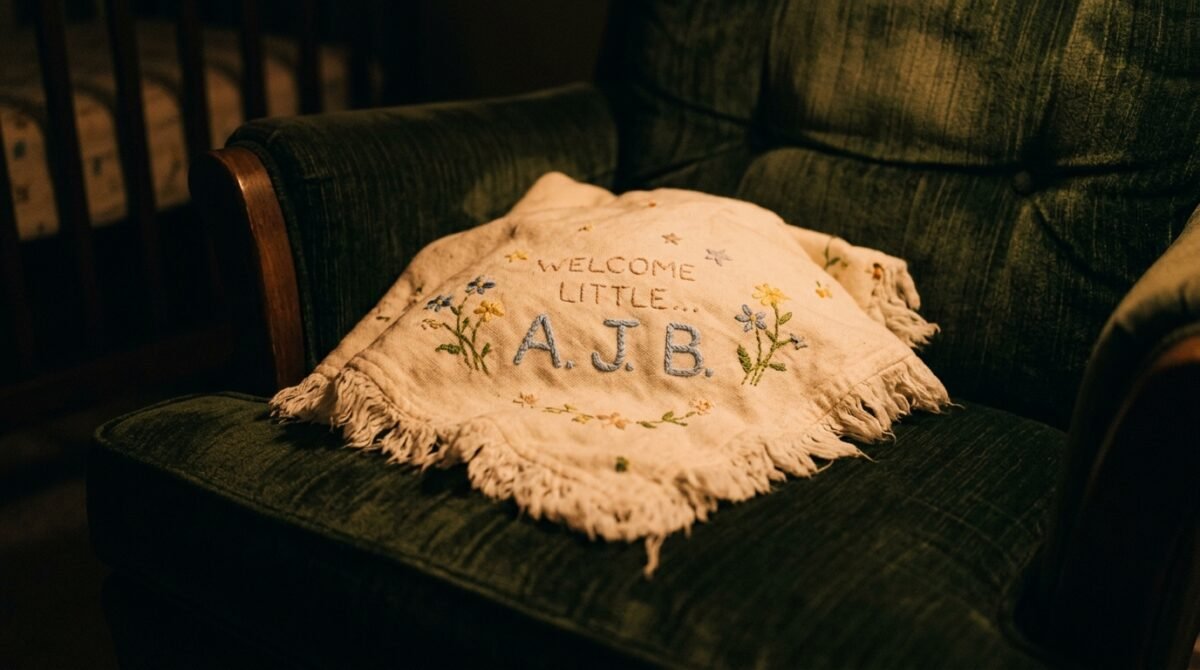
Long before I even stepped foot in the maternity ward, the whispers started. Martha’s maiden name—Vanderbilt-adjacent, though mostly just pretentious—was something she treated like a title of nobility. She didn’t just want me to raise a child; she wanted me to raise an heir. Every Sunday dinner was a sermon on why ‘modern names’ were fleeting and why ‘traditional heritage’ was the only thing that mattered in this world.
My husband, David, usually laughed it off. He was raised to see his mother as a harmless eccentric, a woman who simply needed a hobby. But I saw the glint in her eye whenever she mentioned the paperwork. She would lean across the table, her voice dropping to a conspiratorial whisper, asking if we had ‘truly settled’ on a surname yet. I made it clear every single time that the baby would carry David’s surname, and mine. That was the end of the discussion.
The pressure escalated in my third trimester. She started sending me links to articles about ‘the importance of family legacy’ and gift-wrapped baby clothes embroidered with initials that weren’t even our daughter’s. It was surreal, like living in a psychological thriller where the villain is just a woman in a floral cardigan. I started dreading her visits, feeling the walls of my own home closing in on me.
“I just think it would be a shame to lose such a storied name to the annals of history, don’t you? Some people would kill to have a name like that on their birth certificate.”
— Martha, during a particularly invasive prenatal check-up
I remember sitting on the sofa, clutching my belly, feeling the baby kick as if she were protesting the very idea. I told David that his mother was crossing a line, but he brushed it off as ‘just mom being mom.’ That lack of support was the first crack in the foundation. I didn’t realize then that the foundation wasn’t just cracking; it was ready to collapse under the weight of her entitlement.
The Hospital Room Ambush
The birth was complicated. I had been in labor for twenty-four hours, and my body was failing me. When my daughter finally arrived, I was in a haze of relief and exhaustion. Martha, who had been hovering in the waiting room like a vulture, was the first person allowed in after the nurses finished their initial checks. I was still shaking, trying to process the fact that I was a mother, when she waltzed in with a bouquet of lilies that smelled entirely too strong for a newborn’s room.
She didn’t ask how I was. She didn’t look at my face. She went straight for the bassinet, her eyes fixed on the baby with a predatory intensity. She spoke in low, soothing tones, but the words were for me, not the child. She was already practicing the name. She whispered it over and over, testing it out, watching how it sounded in the air. I should have kicked her out right then, but I was too tired, too drugged, and too trusting.
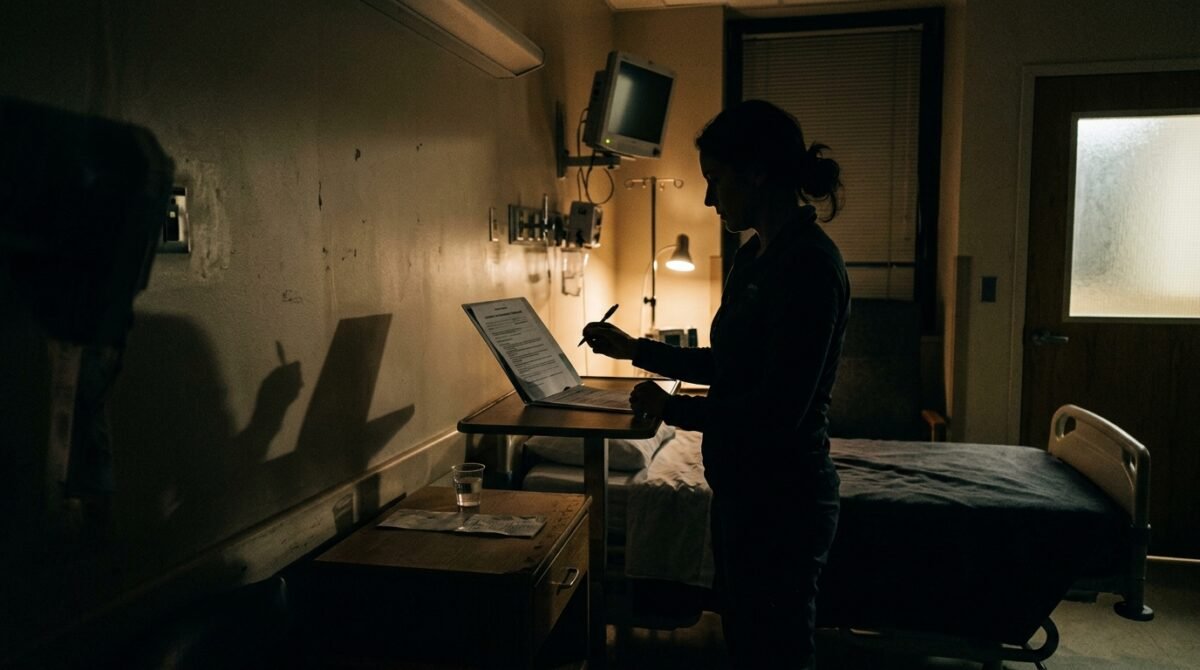
While David stepped out to grab me a coffee and some water, Martha made her move. She picked up the stack of hospital paperwork—the forms for the birth certificate and the state registration—that I had left on the bedside table. I watched through half-closed eyes as she pulled a pen from her purse, her movements swift and practiced. She wasn’t just looking at the papers; she was filling them in.
“Oh, don’t you worry about the administrative burden, darling. I know you’re exhausted. I’ve already taken the liberty of filling out the registrar’s form for you. It’s all ready for the nurse.”
— Martha, while holding a pen over the legal documents
My heart stopped. I sat up, my stitches screaming in protest, and grabbed the papers from her hand. The ink was still wet. She had crossed out my daughter’s name and our family name, replacing it with a combination that included her maiden name, as if she had the legal right to change a child’s identity behind the parents’ backs. She wasn’t just suggesting it; she was attempting to formalize it with the state.
The Confrontation in the Maternity Ward

The silence that followed was deafening. I looked at the form, then back at her. Her expression wasn’t one of guilt; it was one of utter, unadulterated entitlement. She looked at me as if I were a child who had misunderstood a very important lesson. She actually had the audacity to suggest that the nurse wouldn’t know the difference if we just handed the paper over quickly enough.
I didn’t scream. I couldn’t. I was too shocked. I threw the paper back onto the table and told her to get out. My voice was raspy, but the venom was clear. She tried to play the victim, claiming she was just ‘trying to help’ and that I was being ‘hormonal’ and ‘ungrateful.’ It was the classic narcissist’s playbook: gaslight, deflect, and demand praise for the very thing that caused the pain.
David walked back in just as I was pointing to the door. He looked between us, confused by the sudden shift in energy. Martha immediately started crying, a practiced, silent weeping that made her look like a martyr. She turned to him, telling him that I was being ‘abusive’ during my recovery. She hoped he would take her side, as he had for the last twenty-nine years of his life.
“She is trying to rewrite our child’s identity, David! Look at the paper! She changed the surname on the state form! This is forgery!”
— My voice, shaking with rage as I pointed at the hospital form
David looked at the paper. He looked at his mother. For the first time in our marriage, I saw his expression shift from confused to cold. He didn’t say a word to her. He simply walked to the door, opened it, and gestured for her to leave. It was the longest, most satisfying walk of his life. She left, but she didn’t leave quietly; she promised that we would ‘regret this’ before the day was out.
The Digital Fallout

Within hours, the news had hit the family group chat. Martha didn’t just leave the hospital; she went on a scorched-earth campaign. She painted herself as the victim of a ‘delusional’ daughter-in-law who was keeping her from her granddaughter for ‘no reason.’ She conveniently omitted the part about the fraudulent paperwork, framing it as a ‘misunderstanding about a beautiful name’ that I had turned into a full-blown assault on her character.
My phone didn’t stop vibrating. Messages from aunts, cousins, and distant relatives poured in. Some were asking what was wrong, while others were outright condemning me for my ‘cruelty.’ It was a masterclass in manipulation. She had built a narrative so convincing that even I started to wonder if I had overreacted. Then, I remembered the wet ink on the birth certificate application. The gaslighting was strong, but the evidence was stronger.
David took my phone and turned it off. He told me he would handle his family. I was too exhausted to fight, so I let him. He posted a single, clear message in the group chat, setting the record straight. It was short, to the point, and left no room for interpretation. He wasn’t defending me to them; he was stating the facts of what had happened to his daughter.
“My mother attempted to commit document fraud in the hospital room while my wife was recovering from labor. She is not to be contacted by anyone regarding this matter. We are taking space.”
— David, in the Family Group Chat
The response was immediate. The group chat went silent for a full hour before the questions started. Some people realized the gravity of what she had done, while others stayed firmly in her corner, arguing that ‘family is family’ and ‘forgiveness is a virtue.’ It was the classic divide, and it was becoming clear that our relationship with his extended family was going to change forever.
The Legal Reality Check
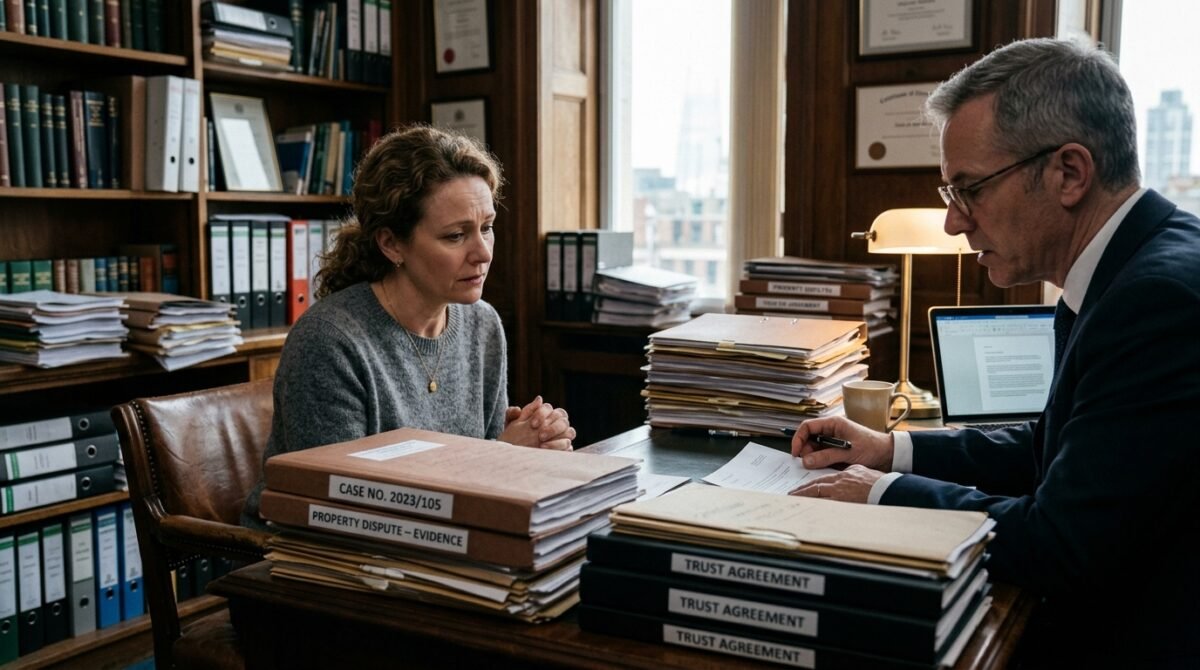
When we finally got home, the reality of the situation hit us. We had to contact the hospital and the state records office to ensure that no unauthorized changes had been made. We were told that while the forms were caught in time, the attempt itself was flagged. We had to fill out a report, detailing the incident. It felt like we were filing a police report against a family member.
Martha didn’t stop. She started sending us letters—physical, handwritten letters—delivered by courier. She wanted to ‘talk,’ but the letters were filled with threats, claims of her legal right to see her grandchild, and accusations that we were setting the baby up for a ‘failed life’ without the prestige of the family name. It was chilling to read these words, knowing she honestly believed she was the one in the right.
We consulted a family lawyer, not because we wanted to sue her, but because we needed to know where we stood. The lawyer was shocked by the story. He confirmed that while her attempt to register the baby was a serious matter, it was unlikely to lead to criminal charges unless she tried it again. However, he advised us to have a clear, documented record of every interaction from that point forward.
“She is testing your boundaries to see if they are soft. If you give her an inch, she will take the child. You must remain firm and keep every single piece of correspondence.”
— Our Family Lawyer
This wasn’t just a disagreement anymore. This was a battle for the safety and the autonomy of our new family. I had to face the fact that the woman who was supposed to be my daughter’s grandmother was, in fact, a threat to the very foundation of our household. The decision to cut her off wasn’t made in anger; it was made in self-defense.
The Sunday Dinner Silence

A few weeks later, we attempted to go back to a semblance of normal life. We ignored the calls, ignored the letters, and focused on our daughter. But the extended family wouldn’t let it go. We were ‘invited’ to a Sunday dinner at an aunt’s house, under the guise of an apology dinner. We should have known better. It was a setup from the start.
We walked in, and the tension in the room was suffocating. Martha was sitting at the head of the table, looking pale and fragile, as if she were the one who had just given birth. The conversation was stilted, everyone tiptoeing around the elephant in the room. I held my baby close, refusing to let her go for even a second. I felt like a guard dog, and I wouldn’t have had it any other way.
Dinner was served, and the moment the appetizers were cleared, the interrogation began. An aunt asked me how I could justify ‘tearing a family apart’ over a ‘simple mistake.’ They didn’t see it as fraud; they saw it as a misunderstanding. I looked at David, waiting for him to speak, but he was staring at his mother. The silence dragged on, becoming more uncomfortable with every passing second.
“It wasn’t a mistake, Aunt Sarah. It was a calculated attempt to usurp our parental rights. And you’re all here trying to gaslight us into thinking it was normal.”
— Me, finally speaking up at the dinner table
I stood up, grabbed my purse, and told David we were leaving. He stood up with me, without a second thought. As we walked out, I could hear the murmurs behind us—the accusations of being ‘too sensitive’ and ‘controlling.’ I didn’t care. I felt a weight lift off my shoulders. For the first time, I wasn’t just defending myself; I was taking a stand for the life I wanted for my child.
The Reddit Verdict

I turned to the internet. I needed to know if I was actually the villain. I posted our story on a popular forum, anonymously. I expected a mix of responses, but the sheer volume of support for our decision was overwhelming. Thousands of people shared their own stories of overbearing in-laws, manipulative family members, and the necessity of firm boundaries.
The comments were a mix of validation and practical advice. People warned me about the ‘extinction burst’—a term for when a narcissist realizes they are losing control and escalates their behavior to try and regain it. They told me to be prepared for more stunts, more lies, and more attempts to bypass our rules. It was exactly what I needed to hear to stay the course.
“OP, you are not the villain here. You are the protector. Document everything. Do not feel guilty for prioritizing your child’s identity and safety over a grandmother’s ego. She committed fraud. That is not a ‘mistake’.”
— u/FamilyDramaExpert (22.1k upvotes)
The community support helped me realize that the gaslighting I was experiencing was a form of emotional abuse. I wasn’t being ‘difficult’; I was being a parent who was protecting their child from someone who viewed them as property. The validation from strangers gave me the strength to enforce the no-contact rule with a clarity I hadn’t had before.
The Extinction Burst
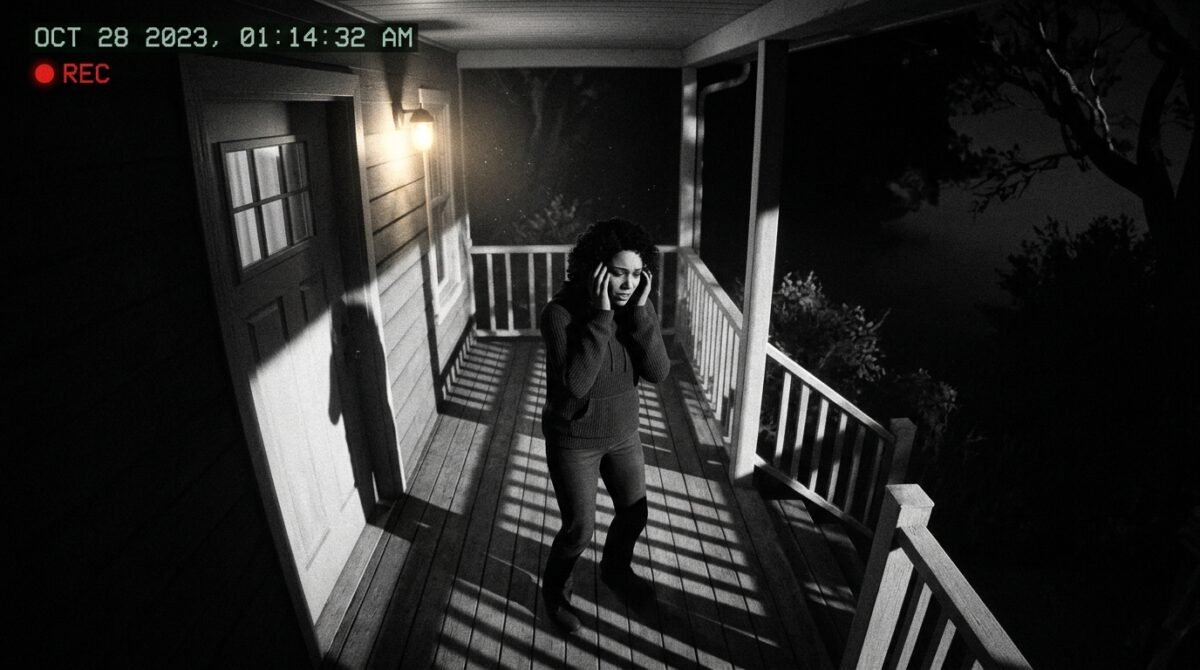
As predicted by the online community, the extinction burst happened. Martha didn’t accept the distance. She started showing up at our house, unannounced, at all hours of the day. She would knock on the door for hours, shouting apologies and demands to see ‘her’ granddaughter. She even tried to follow us to the pediatrician, standing in the parking lot and trying to block our car as we left.
It was terrifying. I started to wonder if she would ever stop. We had to install cameras, upgrade our door locks, and talk to our neighbors. We weren’t living in a home; we were living in a fortress. The stress was taking a toll on our health, our sleep, and our relationship. There were nights when we just cried in each other’s arms, wondering why it had to be this way.
David finally had enough. He went to the local precinct and filed for a protective order. He didn’t want to do it, but he saw that it was the only way to keep his mother from escalating further. Seeing the police officer take down the report, seeing the official paperwork stamped with the word ‘Harassment,’ made it all real. We were no longer just dealing with a difficult relative; we were dealing with a legal issue.
“I love my mother, but I love my daughter more. She has forced our hand, and she has to live with the consequences of her choices.”
— David, while signing the protective order
The protective order served as a final, immovable barrier. It didn’t stop her from trying, but it gave us the legal backing to call the police if she ever crossed the line again. It was the hardest thing we ever had to do, but it was the only way to find peace.
The Search for Normalcy

Months passed. The initial chaos slowly subsided into a new, quiet routine. We moved to a new neighborhood, one where Martha didn’t know our address. We changed our phone numbers and locked down our social media. It was a fresh start, a chance to define our family on our own terms, without the shadow of someone else’s expectations looming over us.
We started seeing a family therapist, someone who specialized in dealing with narcissistic family members. It was a game-changer. She helped us process the trauma of the birth, the betrayal of the hospital incident, and the guilt we both felt about the estrangement. She taught us that it was okay to mourn the relationship we *thought* we had, while accepting the reality of the one we *actually* had.
Our daughter is thriving. She is growing up in a home filled with love and respect, where she is known by her own name and valued for who she is, not who she is expected to be. She doesn’t know about the drama, the paperwork, or the grandmother who tried to claim her as her own. And for that, I am profoundly grateful.
“You have created a safe space for your child. The fact that she doesn’t know about this conflict is the greatest gift you could ever give her.”
— Our Family Therapist
We are still learning to trust again. We are still finding our way through the complexities of being parents, but we are doing it together. The experience changed us, but it didn’t break us. If anything, it made us stronger, more unified, and more certain of our values than we ever thought possible.
Reflection on Boundaries

Looking back, I realize that the incident at the hospital was not an isolated event. It was the culmination of years of boundary-crossing that we had, perhaps, been too polite to address. We had allowed ‘family’ to be an excuse for bad behavior for too long. We had treated her entitlement as a quirk rather than a warning sign.
Boundaries are not just rules; they are the walls that protect our mental health and our relationships. When we fail to set them, we allow others to dictate our reality. We allow them to take up space that should be reserved for our own growth and our own happiness. It took a near-catastrophe to make us realize that.
I have learned that it is okay to say no. It is okay to prioritize your own family over the feelings of others, especially when those feelings are used as a weapon against you. You do not owe your child to anyone, regardless of blood relation. You do not owe your life, your name, or your peace of mind to someone who does not respect you.
“Boundaries aren’t a punishment for others; they are a necessary structure for your own sanity and your child’s well-being.”
— A thought from my journal
I hope that by sharing this story, I can encourage others to see the warning signs in their own lives. If you are in a situation where you feel your boundaries are being ignored, or your child’s identity is being treated as an extension of someone else’s, please know that you are not alone. You have the right to protect your peace.
Conclusion
My journey from a terrified new mother in a hospital bed to a confident protector of my own family has been fraught with pain, but it has been worth every struggle. I have learned that the most important lessons are often the hardest to face. We are not just raising a child; we are raising an individual, and that starts with the very name she carries.
Martha may still be out there, clinging to her maiden name and her legacy, but she no longer has a place in our lives. We have moved on. We have found joy in the mundane and peace in the quiet. We have learned that family is not about shared DNA; it is about shared values, mutual respect, and the unconditional support of the people we choose to love.
The debate about blood versus boundaries is a timeless one, and I would love to hear your thoughts. Have you ever had to draw a line in the sand with family, even when it cost you everything? How do you handle the pressure of legacy versus your own autonomy? Let’s talk about it in the comments below.
What's your verdict on this dilemma?
Vote below to contribute to the official community consensus.

Have a Dilemma Keeping You Up at Night?
Share your real-life feud, wedding chaos, or relationship crossroads anonymously with our editorial team.
What do you think ?
0 Comments🛡️ Comments are moderated to protect community integrity. Your comment will appear once approved by the editorial team.