
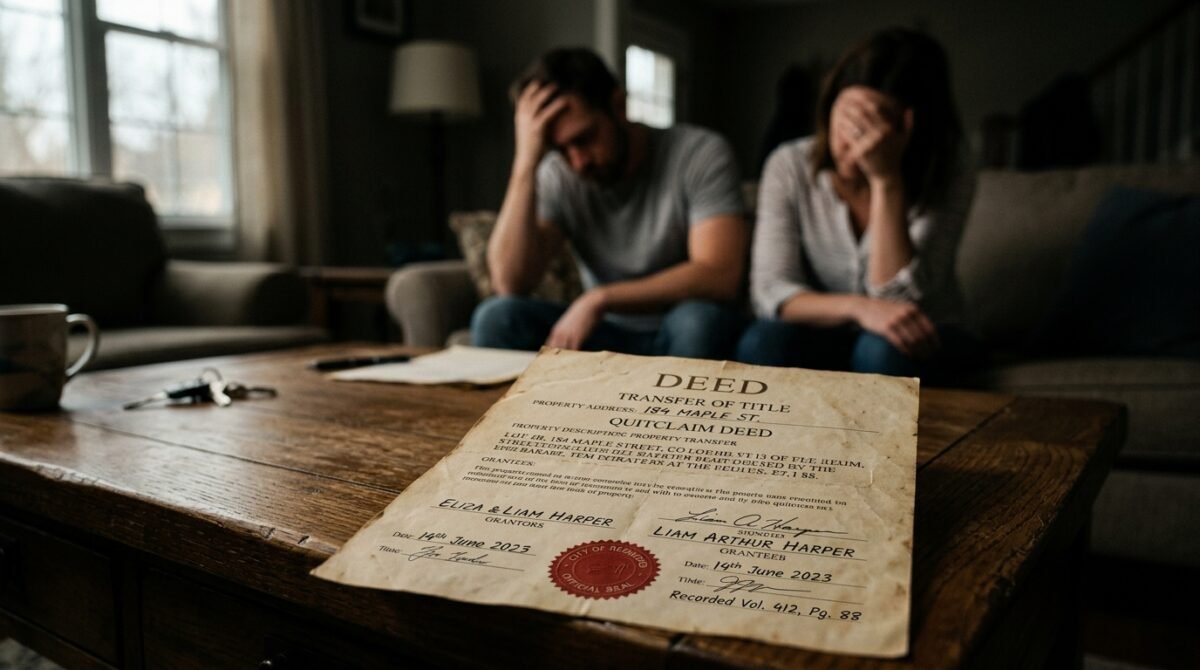
Relationships are built on foundations of trust, shared experiences, and, eventually, the merging of lives. For years, I had worked tirelessly to secure my own home—a modest, two-bedroom bungalow that represented every sacrifice I had made since graduating college. It was my sanctuary, my investment, and my independence. When I finally decided to ask my boyfriend of three years, Mark, to move in with me, I envisioned it as the natural next step in our commitment to one another.
We had talked about the future endlessly. We discussed vacations, potential careers, and eventually marriage. The house was supposed to be the backdrop for our life together, not a pawn in a power play. I didn’t anticipate that my invitation would be met with a cold, calculated demand that treated my home like a corporate acquisition rather than a shared home.
The morning that changed everything started like any other, or so I thought. We were sipping coffee in the kitchen when I brought up the logistics of his move. I wanted him to feel at home, to contribute to the household expenses, and to be a partner in every sense of the word. I expected a conversation about paint colors or furniture placement. I did not expect a pre-prepared folder containing a legal document drafted by a friend of his who works in real estate law.
The shock was not just in the request, but in the audacity of the timing. He didn’t ask me to discuss it; he presented it as a prerequisite for his ‘commitment.’ This wasn’t just a disagreement about chores or boundaries; it was a fundamental clash of values regarding security, ownership, and the nature of love. As I sat at my own kitchen table, staring at the papers he had laid out, I realized the man sitting across from me was someone I no longer recognized.
This is not just a story about a house; it is a story about the moment the mask slipped. It is a chronicle of the subsequent gaslighting, the pressure from his family, and the eventual realization that some boundaries are not negotiable. When someone asks you to forfeit your security for their comfort, you have to ask yourself: what are you actually building together?
The Morning of the Legal Ambush
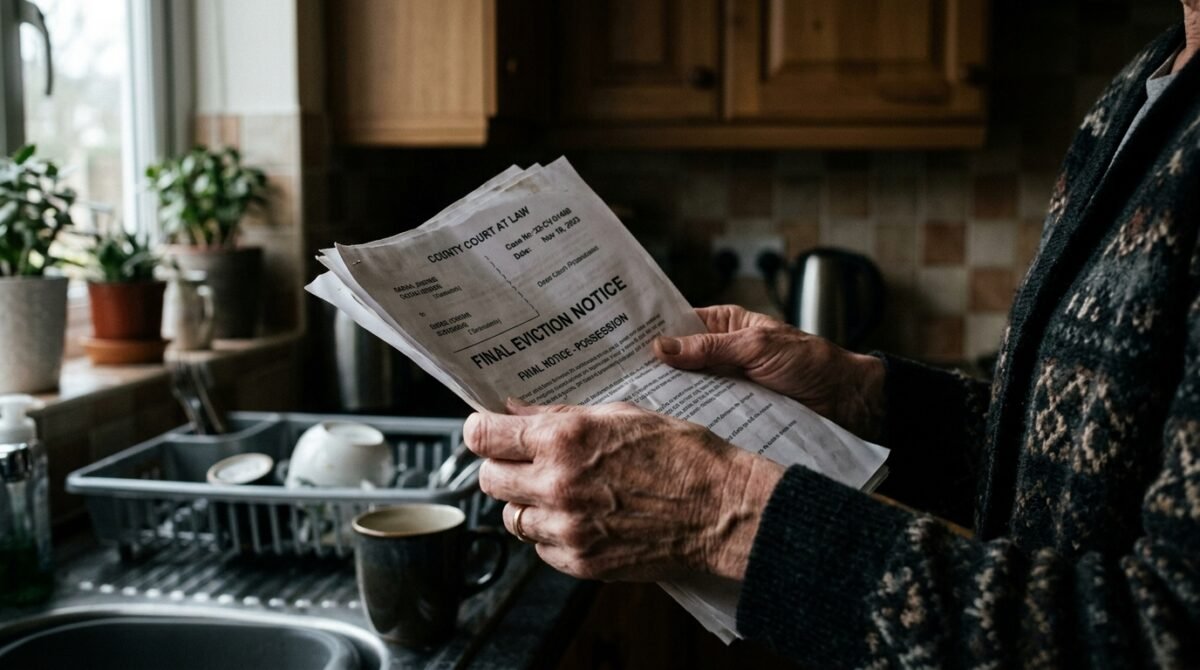
It was a Saturday morning. Sunlight was streaming through the kitchen window, highlighting the dust motes dancing in the air. I was feeling light, almost giddy, as I talked about how Mark could finally stop paying rent at his cramped apartment and move into my space. I had even cleared out the guest room closet, hanging fresh organizers to make sure he felt like this was his home too.
Mark was quiet, unusually so. He wasn’t looking at me; he was looking at his phone. When he finally set it down, he didn’t reach for his coffee. Instead, he pulled a manila folder from his laptop bag. The sound of the paper sliding across the granite countertop was amplified by the silence in the room.
He slid it toward me with a practiced, steady hand. ‘I’ve been thinking about what you said,’ he began, his voice devoid of the warmth I had grown accustomed to. ‘If I am going to sell all my furniture and move in here, I need to know that I have a stake in the property. I need to be on the deed, and we need to have a co-ownership agreement that protects my investment in the mortgage.’
“I am not moving into a place where I am essentially a guest in your life. If we are doing this, we are doing this as partners. That means your house becomes our house. Legally.”
— Mark, during the kitchen table confrontation
I felt the breath leave my lungs. I looked at the papers. They weren’t just a request; they were a demand for 50 percent ownership of an asset I had paid for entirely on my own, including the down payment I’d spent six years saving for. It wasn’t a suggestion of rent contribution; it was a demand for equity.
I asked him, ‘Mark, we are dating. We aren’t married. Why on earth would I put your name on a deed I spent years working for? You’re moving in, not buying into a corporation.’ His expression didn’t soften; it hardened, turning into the look of a man who had already decided how the conversation would end regardless of my input.
The reality of the situation hit me with a physical force. He hadn’t just ‘thought about it’; he had researched it, consulted someone, and prepared a document. This wasn’t a spontaneous request; it was an ultimatum, framed as a rational business decision. The intimacy of our kitchen felt like it had vanished, replaced by the clinical coldness of a boardroom.
The Gaslighting Begins
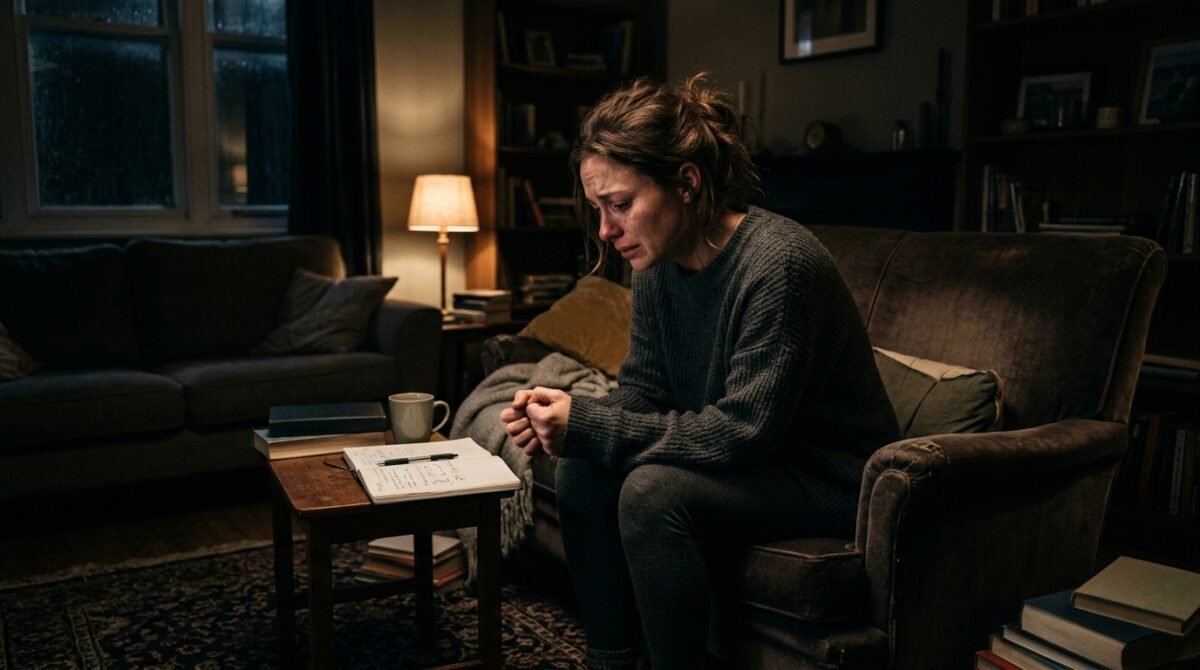
When I told him I wouldn’t do it—that it was non-negotiable—the atmosphere in the room shifted instantly. The ‘rational’ argument quickly devolved into a lecture about how I didn’t really ‘trust’ him. He argued that my refusal was proof that I was keeping one foot out the door, waiting for an opportunity to kick him out whenever I felt like it.
I tried to explain the financial reality. I had a mortgage, I had insurance, I had the tax implications. None of it mattered to him. He kept pivoting back to the emotional manipulation. He told me that if I loved him, I would want him to feel ‘secure.’ He insisted that by denying him the deed, I was telling him that he was beneath me, financially and emotionally.
“You’re really going to let a piece of paper stand in the way of our future? It’s just a house, and you’re acting like I’m asking you to hand over your soul. This is about trust, and clearly, you don’t have enough of it.”
— Mark’s response when I refused his demand
I found myself defending my own financial independence, which felt absurd. Why was I apologizing for being responsible? He spent the next three hours dissecting my ‘defensiveness,’ calling me ‘guarded’ and ‘traumatized by past relationships,’ as if my desire to protect my assets was a character flaw rather than basic adult logic.
Every time I tried to bring the conversation back to the reality of the situation—that he was living rent-free or at a significantly lower cost than his previous apartment—he would interrupt me. He insisted that his ‘future contributions’ to the home, like ‘doing repairs’ or ‘helping with the lawn,’ were equivalent to the thousands I had already invested in the deposit and structural maintenance.
The most chilling part wasn’t what he said; it was how he said it. He sounded like a person reading from a script. It was as if he had anticipated every objection I could possibly raise and had a prepared, condescending rebuttal for each one. I realized then that I wasn’t talking to my partner; I was talking to an adversary.
By the time he left that evening, the air felt heavy with resentment. I was physically exhausted, my head pounding from the sheer effort of trying to hold my ground against a man who refused to listen to reason. I went to bed knowing that the relationship had fundamentally changed, even if he still expected us to move forward as if nothing had happened.
The Family Group Chat Intervention
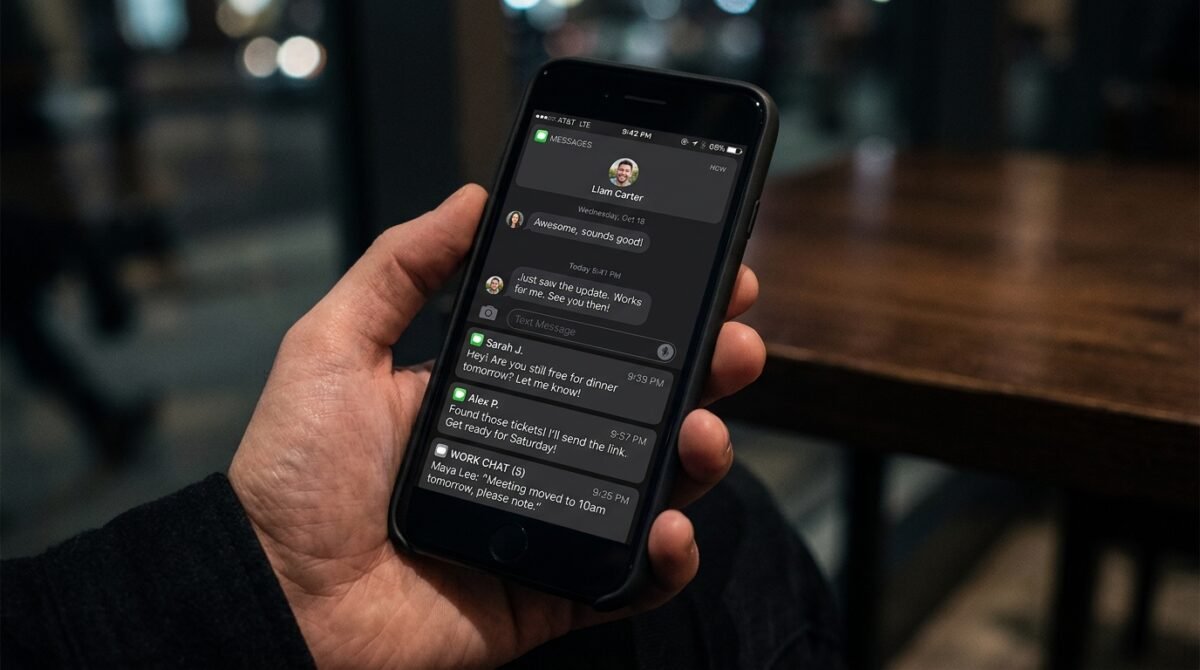
Two days later, my phone wouldn’t stop buzzing. I saw a notification from our shared family group chat—the one I was included in with his sister and his mother. I opened it to find a series of messages that made my blood run cold. Mark had apparently gone to his family and painted me as the villain, someone who was ‘holding her wealth over his head’ and ‘making him feel like a second-class citizen.’
“Honestly, she’s being incredibly cold. I’m just trying to build a stable foundation for us, and she’s treating me like a squatter. Can you believe she won’t even discuss the deed? She’s so guarded it’s suffocating.”
— Message from Mark to the family group chat, which he ‘accidentally’ left me in
His sister chimed in, saying that in her marriage, ‘everything is shared’ and that ‘true love doesn’t keep score.’ His mother sent a long, rambling paragraph about how ‘marriage is a union of assets’ and that she was ‘disappointed’ I wouldn’t be more generous with my partner. It felt like an orchestrated pile-on.
I didn’t respond immediately. I took screenshots of every message. I couldn’t believe he had dragged his family into our private financial dispute. It was a massive breach of trust, and it showed exactly how he intended to handle conflicts: by creating a coalition against me and making me the ‘bad guy’ in his narrative.
When I finally messaged him to ask why he had shared our private business with his family, he played the victim. He claimed he just needed ‘advice’ because he was ‘so hurt’ by my reaction. He insisted that he hadn’t meant for me to see it, which was a blatant lie. I knew he wanted me to see it so I would feel pressured by his family’s disapproval.
The intensity of the pressure was suffocating. I felt like the walls of my own home were closing in on me. I had to step back and realize that I was being isolated and manipulated into submission. This wasn’t about a house deed anymore; this was about control. He wanted to own a piece of my life, both figuratively and literally, and he wasn’t afraid to use emotional blackmail to get it.
I started documenting every interaction from that point on. I knew I couldn’t trust his word, and I certainly couldn’t trust him to respect my boundaries. The realization that I was dealing with someone who would weaponize family opinion against me was the final nail in the coffin of my trust. I wasn’t just losing a boyfriend; I was losing the illusion of a partnership.
The Unexpected Ally

Unexpectedly, I received a private message from his sister, Sarah. She had been the most vocal in the group chat, agreeing with Mark that I was being ‘unreasonable.’ But the message was different. It was short, hesitant, and clearly sent without Mark’s knowledge.
“Hey, I know what Mark said in the group, but I want to be honest. He’s been talking about ‘securing his future’ for months. He’s in a lot of debt, and he’s been looking for a way out. I don’t think he just wants a home. I think he wants a bailout. Please be careful.”
— Private message from Sarah, Mark’s sister
The words hit me like a physical blow. Debt. It all made sense. The ‘investment’ he talked about wasn’t a contribution to our home; it was a desperate attempt to cover his own financial incompetence. The realization that his ‘demand’ was actually a predatory move for financial survival made me feel sick to my stomach.
I spent the night looking through my bank statements and the few financial documents I had access to. I realized he had been asking me to pay for more and more of our shared activities, claiming he was ‘saving up’ for our future. He wasn’t saving; he was offloading his expenses onto me so he could continue living his lifestyle while I footed the bill.
I didn’t reply to Sarah immediately. I needed to process this new information. The betrayal wasn’t just the deed; it was the entire premise of our life together. He had been using me as a financial safety net while simultaneously painting me as the selfish one. It was a masterclass in manipulation.
The next day, I didn’t act out. I stayed calm. I continued my work, I went to the gym, and I kept my distance. Mark kept sending texts, trying to ‘restart the conversation,’ which was code for ‘let’s try to wear you down again.’ I didn’t engage. I was just waiting for the right moment to end it completely.
I felt a strange sense of clarity. For the first time in weeks, the fog had lifted. I wasn’t confused about who was right or wrong anymore. I was clear that this man was dangerous to my well-being, both financially and emotionally. The ‘relationship’ I was fighting for was a fiction he had written, and I was finally ready to stop playing my part in his script.
The Final Confrontation

I invited him over one last time. I didn’t want to do it over the phone, and I didn’t want to do it in a public place. I wanted to be in my home—the home he wanted to take from me—when I told him it was over. He arrived with a smug look on his face, clearly thinking I had finally ‘caved’ or was ready to compromise.
He didn’t even sit down. He started talking about how we could ‘reach a middle ground’ and how maybe he could ‘buy in’ over a period of time. I held up my hand, stopping him mid-sentence. The look on his face shifted from smugness to confusion, and then, slowly, to genuine alarm.
“I know about the debt, Mark. I know about the real reason you wanted on the deed. We are done. Please leave my house, and do not come back.”
— My final words to Mark
He tried to deny it, of course. He stuttered, he stammered, and he tried to spin the story again. He told me I was ‘crazy’ and ‘making things up’ based on ‘gossip’ from his sister. But I didn’t engage. I stood by the door, my posture firm, and pointed to the exit. I didn’t need him to admit it; I just needed him to leave.
When he finally realized I wasn’t going to argue, his mask dropped completely. He went from ‘loving boyfriend’ to ‘angry stranger’ in a heartbeat. He called me names, he insulted my character, and he threatened that I would ‘regret this.’ He even tried to demand that I pay him for the ‘time he wasted’ moving his stuff around.
Watching him lose his temper was the confirmation I needed. A man who loves you doesn’t threaten you because you refuse to give him your property. A man who loves you respects your boundaries, even when they are inconvenient for him. Seeing his true colors was the closure I had been subconsciously looking for.
He walked out, slamming the door so hard the pictures on the wall shook. I didn’t cry. I didn’t feel sad. I felt liberated. I walked through my house, room by room, and reclaimed it. Every inch of it was mine again. I was alone, but for the first time in three years, I felt truly safe.
Cleaning Up the Mess

The days following the breakup were a whirlwind of logistics. I changed my locks immediately. It was a small expense, but the sense of security it provided was priceless. I also had to deal with the fallout from his family. His mother sent me a long, angry email accusing me of ‘ruining’ her son’s life and being a ‘heartless gold digger,’ which was deeply ironic given the circumstances.
I didn’t respond to any of them. I blocked them all on my phone and social media. I realized that my silence was the most powerful tool I had. They wanted a fight, they wanted me to defend myself, and they wanted to keep the drama going to distract from the reality of Mark’s behavior. I refused to give them that satisfaction.
I also had to deal with the financial mess he left behind. I had to cancel subscriptions we had shared, deal with a few small bills that were still tied to his name, and make sure he had absolutely no access to my accounts. It was a tedious process, but it was a necessary one. Every step I took to disentangle our lives made me feel a little lighter.
I started talking to a therapist to process the ‘why.’ How had I missed the signs? How had I let myself get to a point where I was even considering such an absurd demand? My therapist helped me understand that this wasn’t about me being ‘naive’; it was about being empathetic and trusting, qualities that people like Mark prey upon.
I started enjoying my home again. I painted the bedroom the color I had always wanted, I moved the furniture to where I liked it, and I invited friends over for dinner. I reclaimed my space, my energy, and my peace of mind. The house was no longer a symbol of a failed relationship; it was a symbol of my own strength and resilience.
The most important thing I did was give myself permission to heal. I stopped analyzing Mark’s motivations and started focusing on my own. I realized that the house was just the catalyst for a much-needed end to a relationship that had been unhealthy for a long time. I was lucky to have found out who he was before I had made any permanent legal mistakes.
The Reddit Verdict
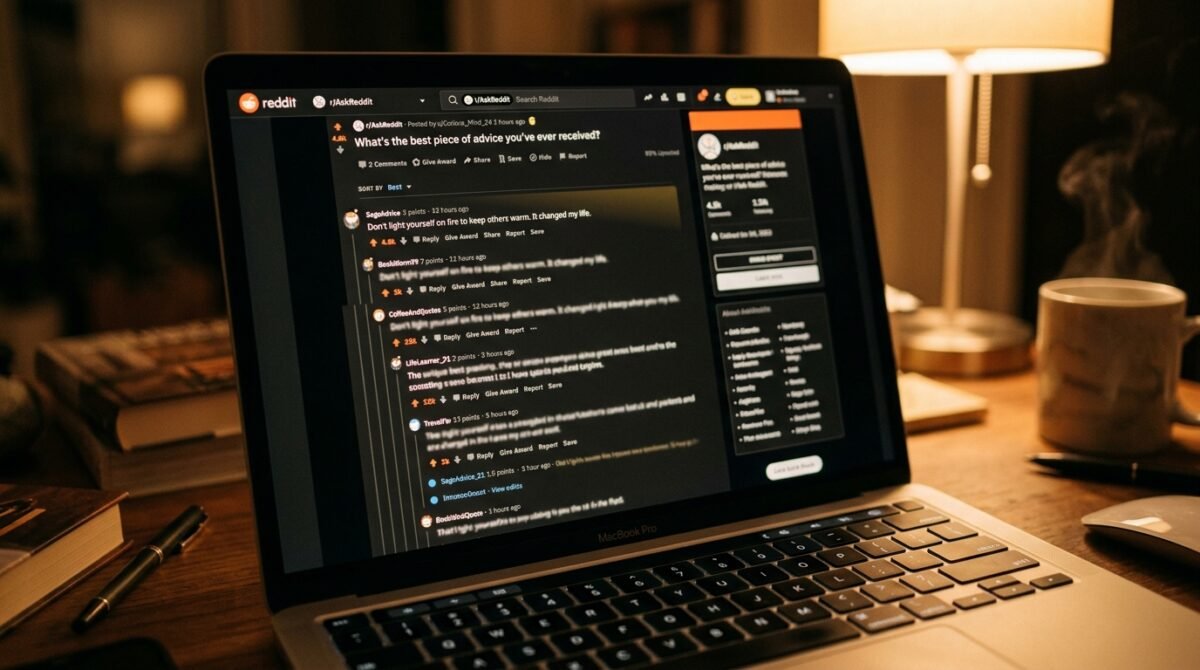
I decided to share my story on a popular subreddit to see if I was truly the ‘unreasonable’ one, as Mark and his family had insisted. The response was overwhelming. Within hours, the post had thousands of comments, and the consensus was clear: I was absolutely in the right.
“Girl, run! This isn’t a relationship; it’s a predatory financial scheme. He wasn’t looking for a partner; he was looking for a co-signer and a landlord who he didn’t have to pay. The fact that he involved his family to pressure you is the ultimate red flag.”
— u/RelationshipGuru202, Top Comment, 18.2k upvotes
Many people shared their own stories of partners who tried to pull similar stunts. It was both heartbreaking and validating to see how common this kind of behavior was. It wasn’t just me; it was a pattern of financial manipulation that far too many people had experienced. The ‘NTA’ (Not The Asshole) votes were unanimous.
“I had an ex do this to me. He wanted on the deed to my condo. When I said no, he started ‘paying rent’ by buying groceries and then complaining about how much he was ‘investing’ in my property. It’s a classic move to make you feel guilty for owning your own stuff.”
— u/FinancialFreedomSeeker, 9.4k upvotes
The community also offered practical advice, reminding me to keep all records of our communication in case he tried to sue for ‘unjust enrichment’ or some other nonsense. I realized I had done the right thing by documenting everything. The support from strangers was exactly what I needed to stop doubting myself.
Reading the comments helped me realize that my gut instinct had been correct all along. I hadn’t been ‘guarded’; I had been sensible. I hadn’t been ‘selfish’; I had been protecting my future. The internet’s verdict didn’t just make me feel better; it helped me detach from the narrative Mark had tried to impose on me.
I spent hours reading the advice, taking notes on legal precautions, and simply feeling grateful that I hadn’t succumbed to the pressure. The community was an unexpected support system that reminded me that my value was not tied to what I could provide for a man, but in my own integrity and independence.
The Aftermath: Finding My Footing

Six months later, I am in a completely different place. I am living in my home, feeling more secure than I ever have. I have been dating again, but I’ve changed my approach. I am much more guarded, much more observant, and I don’t apologize for my boundaries. If someone doesn’t like that I own my own home and intend to keep it that way, they aren’t the person for me.
Mark eventually reached out, trying to apologize and ‘start over.’ He claimed he was ‘under a lot of stress’ and didn’t mean any of the things he said. I didn’t even read the full message. I blocked him again. The apology didn’t change the fact that he tried to manipulate me, and it didn’t change the fact that he was the kind of person who would use his own family to achieve his ends.
I have learned that the most important relationship I will ever have is the one with myself. I have learned that my home is mine, and it should always be a place where I feel safe and empowered. I don’t regret the relationship, because it taught me lessons I never could have learned otherwise. It forced me to establish boundaries that will protect me for the rest of my life.
I am now more focused on my career, my friends, and my own personal growth. I realized that the house was a symbol of my hard work, and no one, no matter how much I love them, has the right to treat it as a bargaining chip. I am proud of the person I am, and I am proud that I stood my ground when it mattered the most.
I still think about the morning of the legal ambush sometimes, but it doesn’t hurt anymore. It’s just a reminder of the day I stopped being a victim and started being the sole owner of my own destiny. The lessons I learned about financial independence and emotional boundaries were worth every penny of the heartbreak.
Reflecting on Financial Boundaries

Financial boundaries are often the hardest to set in a relationship because they are so closely linked to our sense of worth and security. We are taught that ‘what’s mine is yours’ in a relationship, but that should only come with mutual respect and transparency. It should never be a demand, and it should never be a prerequisite for commitment.
I realize now that the red flags were there long before the deed demand. There were small comments about money, a subtle disdain for my career, and a constant need for validation that I was ‘on his side.’ I had ignored these signs because I wanted to believe in the best version of him. I wanted us to be the ‘power couple’ he kept talking about.
The takeaway is simple: Never let anyone make you feel guilty for having your own life. Whether it’s a house, a career, or your savings, these are things you worked for. A true partner will respect that work, not try to undermine it or take ownership of it. They will want you to succeed, not to be dependent on them.
If you are in a situation where you feel pressured to give up your security, pause. Take a step back. Consult someone you trust—a friend, a family member, or a professional. Don’t let yourself be pressured by ‘love’ or ‘commitment’ to do something that feels wrong. Your gut is usually right, and it is almost always worth listening to.
I am grateful that I had the strength to walk away. It was one of the hardest things I’ve ever done, but it was also one of the best. I have my home, I have my peace, and I have my integrity. And that is worth more than any relationship could ever provide if it requires me to give those things up.
Lessons in Self-Worth

The biggest lesson of all is that your worth is not defined by your partner. For a long time, I thought that my worth was tied to how well I could make our relationship work. I thought that if I could just fix the problems, if I could just satisfy his needs, I would be happy. But I was wrong. I was only happy when I was being myself, and when I was standing up for my own needs.
I have realized that I am not ‘difficult’ or ‘guarded’ because I want to protect my assets. I am smart, and I am responsible. I am a person who values security, and there is absolutely nothing wrong with that. I am no longer looking for someone who needs me to ‘save’ them. I am looking for someone who is already whole, just like I am.
The journey from the woman sitting in the kitchen staring at a legal document to the woman I am today has been long and rewarding. I have learned to trust my intuition, to set firm boundaries, and to prioritize my own well-being. And I have learned that the right person will celebrate these qualities, not try to exploit them.
To anyone out there who is going through a similar situation: you are not alone. There are people who will try to take advantage of your kindness and your assets. Do not let them. Stand your ground. Your home, your finances, and your future are yours. Protect them, and never apologize for doing so.
I am excited for the future. I am no longer held back by the weight of a toxic relationship. I am free to build my life on my own terms, and that is a beautiful thing. Thank you for reading my story, and I hope it gives you the courage to stand up for yourself as well.
Conclusion
This story wasn’t just about a house deed; it was about the fundamental right to own one’s own life. When we enter relationships, we often feel pressured to blend everything together, but there is immense value in maintaining our individual boundaries, especially regarding our financial stability. If your partner truly loves you, they will want you to feel secure—not to demand that you hand over your security to them.
The fallout from this incident taught me that the people who push hardest against your boundaries are usually the ones who benefit the most from crossing them. I hope that by sharing my experience, I can encourage others to listen to that small voice of doubt when a partner makes an unreasonable request. You don’t have to be a victim of your own generosity.
I am curious to hear from you. Have you ever been in a position where a partner tried to leverage your financial assets for their own gain? What were the red flags you missed, and what gave you the strength to walk away? Share your stories below, and let’s keep the conversation going about healthy, balanced relationships.
What's your verdict on this dilemma?
Vote below to contribute to the official community consensus.

Have a Dilemma Keeping You Up at Night?
Share your real-life feud, wedding chaos, or relationship crossroads anonymously with our editorial team.
What do you think ?
0 Comments🛡️ Comments are moderated to protect community integrity. Your comment will appear once approved by the editorial team.