
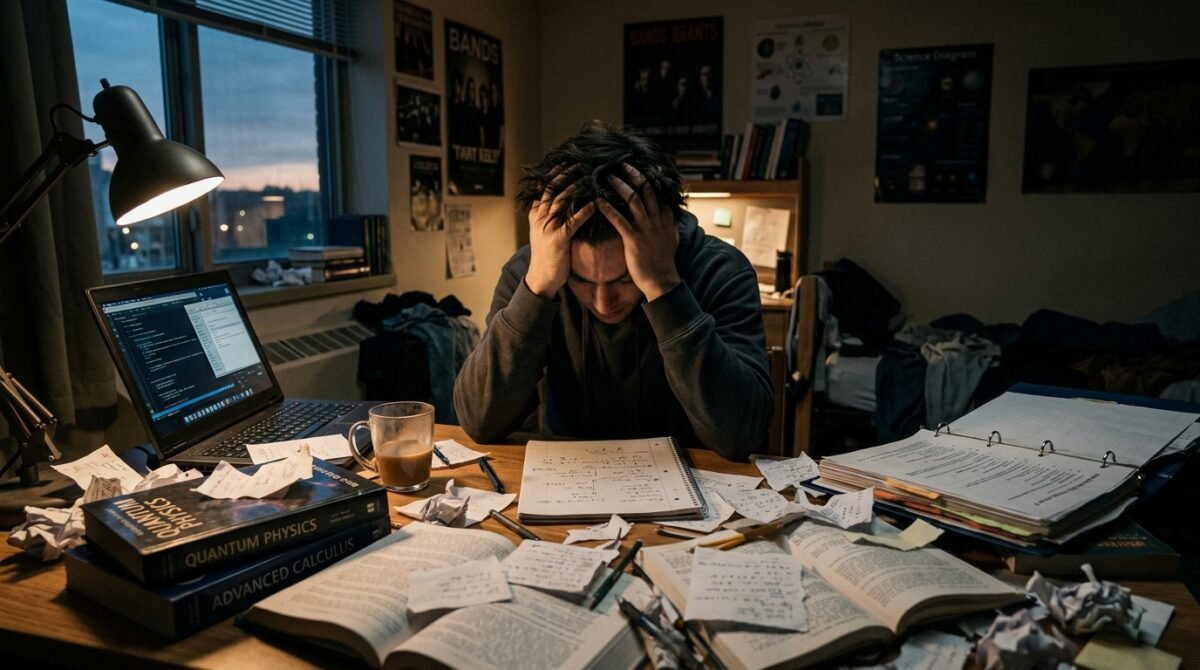
College is supposed to be about growth, shared late-night study sessions, and forming bonds that last a lifetime. For most, that is the reality. But for me, it became a battleground of psychological warfare and petty insecurity. Living with Sarah was always a friction-filled experience, but I never anticipated that she would cross the line from annoying to career-threatening. We were both pre-med, both stressed, but where I channeled my anxiety into organization and effort, she channeled hers into a toxic brew of resentment that eventually boiled over in the most destructive way imaginable.
The Organic Chemistry final was not just another test. It was the gatekeeper. It was the difference between keeping my scholarship and losing everything I had worked for since my freshman year. I spent months meticulously documenting every lab reaction, every mechanism, and every data point in a leather-bound notebook that was essentially my lifeline. It was a masterpiece of academic rigor, a physical manifestation of my entire semester’s labor.
When I woke up at 5:00 AM on the day of the exam, my heart was already pounding against my ribs like a trapped bird. I reached for my notebook, needing those final hours to review my notes one last time before heading to the lecture hall. My hand brushed against the cover, and I felt a strange, light texture. My stomach dropped. I pulled the notebook toward me, my breath hitching in my throat as I realized the weight was wrong. I opened it, and the world stopped spinning.
Every single page—hundreds of hours of dense, handwritten data—had been ripped out. In their place, someone had painstakingly taped in blank scrap paper. It was a surgical, cold-blooded act of sabotage. Sarah was already sitting in the kitchen, sipping coffee with a calm that bordered on psychopathic. She didn’t even look up as I realized my future had been reduced to a pile of worthless white sheets. This wasn’t just a prank; it was a deliberate, spiteful attempt to ruin my academic career, and I was about to find out exactly why she thought she could get away with it.
The Slow Decay of Our Living Arrangement
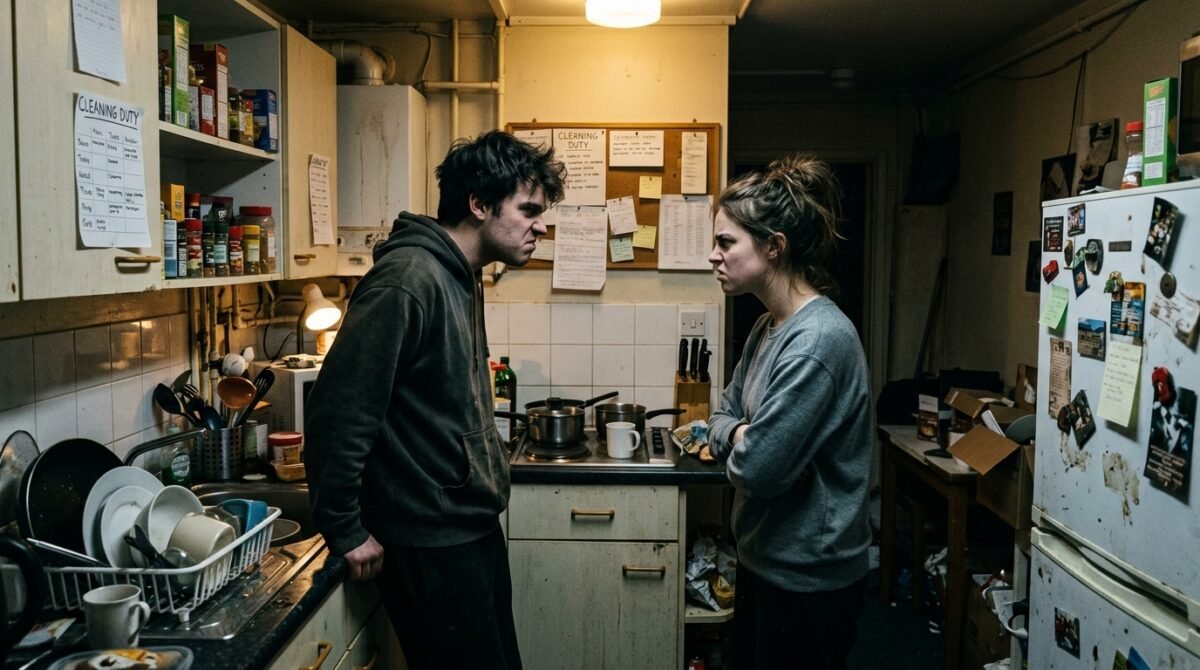
Our friendship had been disintegrating for months, a slow-motion car crash that I was too exhausted to stop. Sarah had always been competitive, but as our grades began to diverge, the subtle jabs turned into overt hostility. She would leave passive-aggressive notes about my ‘clutter’ when I was just trying to keep my research organized. She’d complain about my study lamp being on too late, even though she was often up on her own phone, scrolling through social media while I was hunched over my textbooks.
I kept telling myself it was just stress. We were both under the crushing weight of pre-med requirements. I tried to reach out, to suggest study sessions, to share resources, but she would always decline with a cold, distant smile. She started framing my successes as personal slights against her, as if my high marks somehow invalidated her own efforts. The air in our apartment became thick with a resentment I could taste every time I walked through the door.
“I don’t know why you’re so obsessed with perfect notes, honestly. It’s like you’re trying to show off. Maybe try focusing on something other than your GPA for once?”
— Sarah during a tense dinner, one month before the final.
I ignored it, choosing to believe that she was just having a bad semester. I didn’t see the jealousy for what it was—a festering wound that she was choosing not to heal. I retreated into my room, closing the door on the tension, unaware that she was watching, waiting for the perfect moment to strike at my most vulnerable point.
Looking back, there were red flags I conveniently ignored because I wanted to believe the best in her. I would find my pens moved, my highlighter caps left off, or my door slightly ajar when I knew I had locked it. I chalked it up to paranoia, but I was wrong. The sabotage wasn’t an impulsive decision; it was a carefully curated plan designed to make me feel like I was losing my mind.
The Morning of the Great Erasure

When the reality of the empty notebook finally sank in, I felt a physical pain in my chest. My hands were shaking so hard I could barely hold the paper. I walked into the kitchen, my face pale, holding the ruined notebook. Sarah was sitting at the table, her phone resting next to her coffee cup. She didn’t look up when I slammed the notebook onto the table.
The silence in the kitchen was deafening. I waited for her to say something—a denial, a lie, anything. But she just turned the page of her book, her expression carefully neutral. I was trembling with a mix of fury and pure, unadulterated panic. My final was in four hours. My notes were gone. I had no backup, no digital copy, just the wreckage of my hard work.
“Did you do this? Look at me, Sarah! You took the pages out. You replaced them with blank paper. Why would you do this to me?”
— My voice cracking as I confronted her.
She finally looked up, her eyes cold and void of any empathy. She leaned back in her chair, a slight, twisted smirk playing on her lips. She didn’t deny it. She didn’t even try to hide the satisfaction she felt at seeing me break down. It was a terrifying realization—the person I lived with, the person I had shared a roof with for a year, didn’t just dislike me; she wanted to see me fail.
She stood up, slowly, and brushed off her apron. She didn’t offer an apology, or an explanation, or a way to fix it. She simply walked past me, her shoulder clipping mine with deliberate force. I was left alone in the kitchen, the reality of my predicament setting in. I was going to fail that exam. And she was the reason why.
The Fallout in the Group Chat
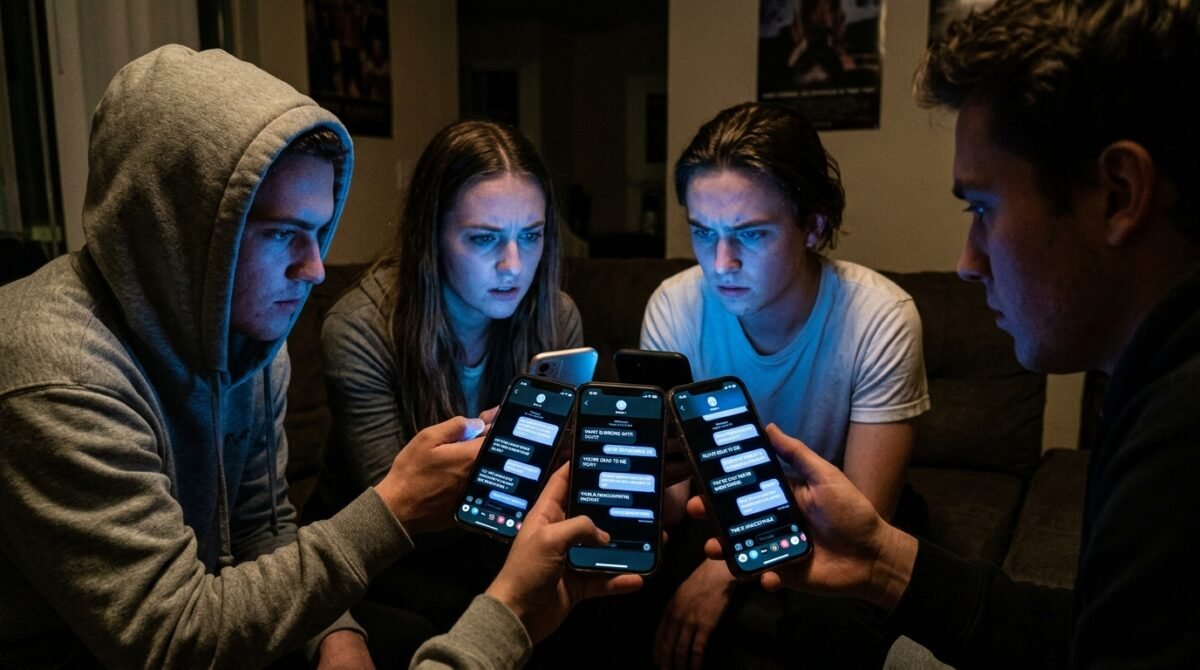
I didn’t have time to process the betrayal. I had to focus on survival. I messaged our mutual friends, desperate for any copies of notes or shared materials. Sarah, meanwhile, was already working her angle, planting seeds of doubt among our social circle. She claimed I had a ‘meltdown’ and destroyed my own notes out of stress. She was spinning a narrative that painted me as unstable, a classic projection strategy that I wasn’t prepared for.
I saw the messages popping up in our group chat, a flurry of activity I wasn’t meant to see. I had been added to a ‘study group’ that Sarah managed. The messages were coming in fast, and they were all focused on my supposed ‘spiral.’ I started taking screenshots, my heart racing as I realized how deep the manipulation went. She had been laying the groundwork for this for weeks.
“Honestly, it’s sad. She’s been so stressed she’s literally ripping her own work apart. I tried to help her, but she’s just not in a good place mentally right now. Don’t encourage her.”
— A text from Sarah to the group chat.
I felt a cold shiver run down my spine. She wasn’t just sabotaging my grades; she was trying to isolate me, to make everyone think I was the one losing my grip on reality. I realized then that I couldn’t just complain; I needed proof. I needed to document everything, every interaction, every piece of evidence of her calculated cruelty.
The group chat was a battlefield. Some people were genuinely concerned, asking if I was okay, while others—the ones closest to Sarah—were already parroting her narrative. I didn’t respond to the messages. I didn’t want to give her the satisfaction of a public argument. I stayed silent, gathering my resolve. The exam was still coming, and I had to find a way to perform despite the void she had left in my preparation.
The Midnight Library Sprint

I left the apartment before she could say another word to me. I went straight to the campus library, the only place I knew I could focus. I was exhausted, shaken, and terrified. I had three hours to cram a semester’s worth of O-Chem theory. I sat in a secluded corner, my laptop open, searching for open-source textbooks and lecture slides, trying to rebuild the mental framework of everything I had lost.
I felt like a ghost. I saw other students huddled together, sharing notes, laughing, and stressing in a normal, healthy way. I was a solitary island of panic. Every time a page turn sounded nearby, I flinched, half-expecting Sarah to appear and pull the plug on my laptop or something equally insane. The trauma of the morning had left me hyper-vigilant, scanning the room for threats.
“You’re doing great. Just focus on the mechanisms. You don’t need the notes. You know this stuff. You’ve studied for months. Don’t let her define your success.”
— A pep talk I gave myself in the library bathroom, staring into the mirror.
I realized I had to compartmentalize. The emotional side of the betrayal had to be shelved. The academic side, the hard science, was all that mattered now. I broke down the reaction pathways, re-memorizing the synthesis steps and the stereochemistry rules. It was grueling, but there was a strange, sharp clarity that came with the desperation. I wasn’t studying for a grade anymore; I was studying for survival.
By the time the sun fully rose, I felt like a machine. I had reconstructed the most critical 60% of my notes. It wasn’t the 100% I had before, but it was enough to pass if I stayed focused. I packed my bag, left the library, and headed toward the lecture hall. My legs felt heavy, but my resolve was harder than it had ever been. Sarah might have destroyed my notes, but she hadn’t destroyed my knowledge.
The Confrontation Before the Exam
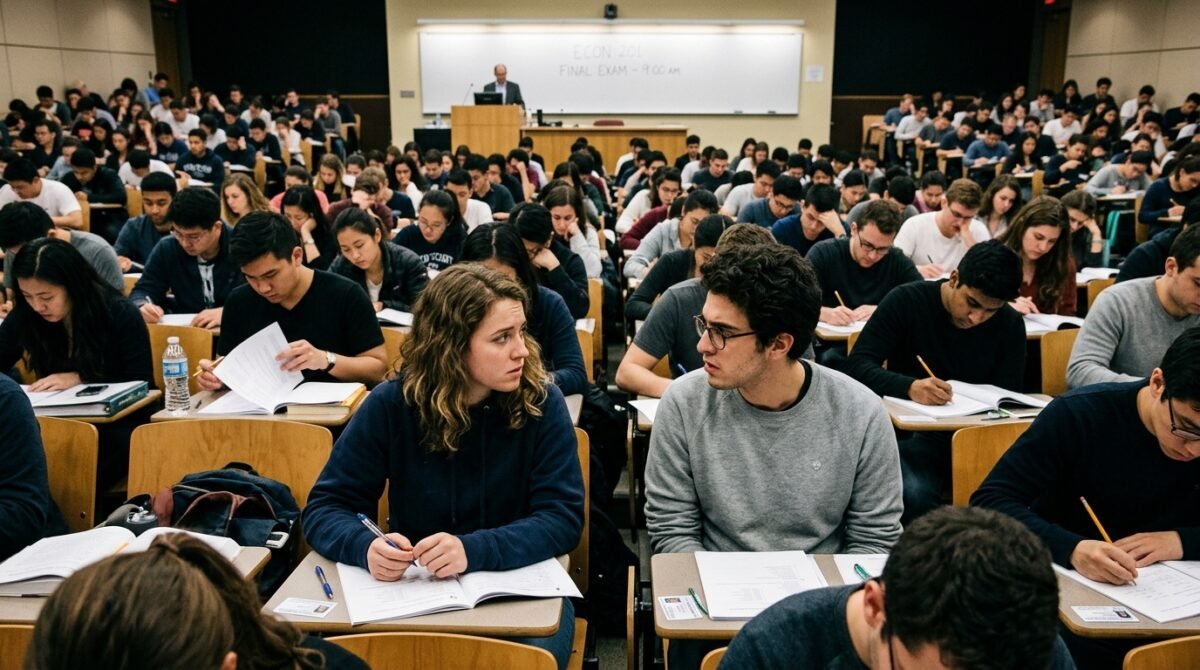
When I arrived at the lecture hall, the atmosphere was thick with tension. Students were milling about, clutching notebooks and flashcards. I saw Sarah near the front, chatting with a group of friends, looking perfectly relaxed. When she saw me, her smile didn’t falter, but her eyes narrowed just a fraction. I walked straight up to her, ignoring the awkward silence that descended on the group.
I didn’t yell. I didn’t cause a scene. I just stood there, looking her in the eye. I wanted her to know that I knew exactly what she had done, and that it hadn’t worked. The power dynamic shifted the moment I didn’t show the weakness she was expecting. I was tired, yes, but I wasn’t broken. Her plan had failed to demoralize me, and that was the biggest blow I could deal to her.
“I know it was you, Sarah. The notes. The lies in the group chat. I have it all documented. You might think you won, but all you did was show me exactly who you are.”
— My voice steady and cold, directly to her face.
She tried to laugh it off, but the sound was thin, forced. She looked around, realizing that a few of our mutual acquaintances were watching, their expressions shifting from amusement to discomfort. She had gambled on me being a wreck, and the fact that I was standing there, calm and articulate, clearly threw her off balance. She muttered something about me being ‘crazy’ and walked toward the rows of desks.
I felt a strange sense of victory. It wasn’t a grand, cinematic standoff, but it was enough. I had reclaimed my narrative. I walked to my seat and sat down, opening my scratch paper and a fresh pen. The professor walked in, the room went quiet, and for the next three hours, there was nothing in the world but carbon chains and resonance structures. I poured every ounce of my frustration into that test.
The Aftermath: Community Verdicts
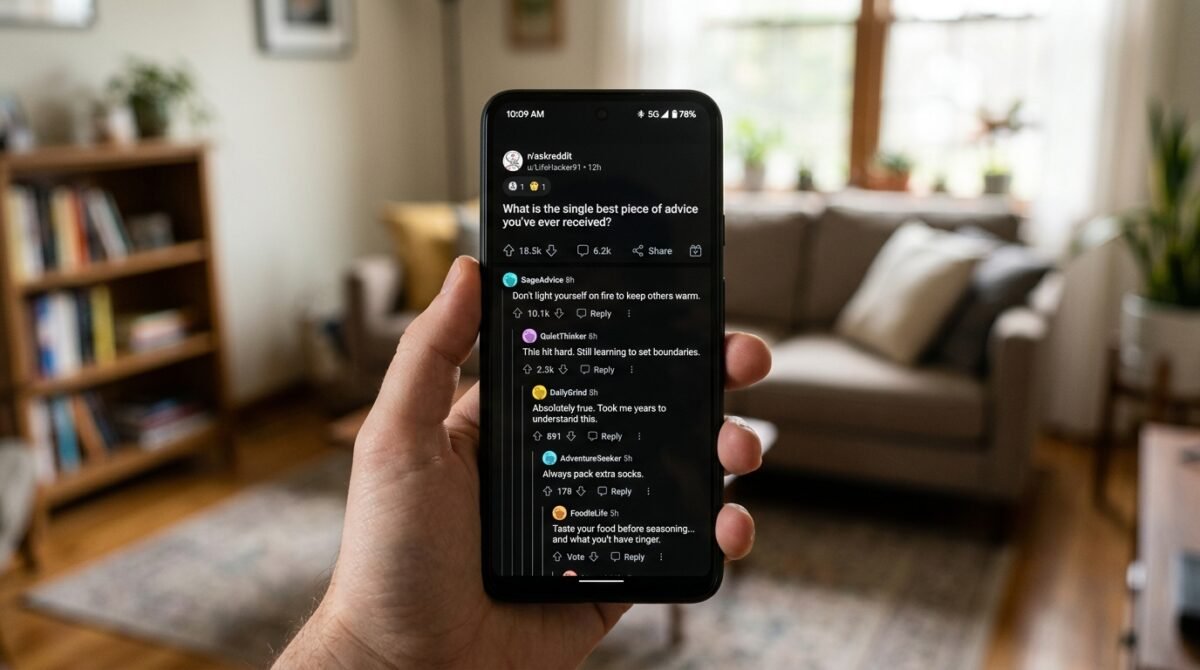
I posted my story on a few subreddits later that day, needing a reality check. I felt like I was living in a nightmare, and I needed to know if I was missing something. The response was immediate and overwhelming. Thousands of people weighed in, and the consensus was not what I expected. The internet, for all its toxicity, was surprisingly supportive of my sanity.
The comments were a mix of outrage, legal advice, and personal anecdotes that made me feel less alone. People were horrified by the level of premeditated sabotage. It wasn’t just a petty roommate squabble; it was an act of academic fraud. The suggestions ranged from going to the Dean to changing the locks on our apartment door. I felt a sense of validation I hadn’t realized I was craving.
“This is not just ‘roommate drama.’ This is academic sabotage. Keep every shred of evidence. Go to the Dean of Students. If she did this, she’s capable of worse. You need to protect your future.”
— u/AcademicIntegrityFanatic, 15.2k upvotes.
Then there were the ‘reality check’ comments, the ones that forced me to look at the situation with cold, hard logic. They pointed out that if I didn’t take action, she would do it again, maybe worse. They warned me about the danger of living with someone who would go to such lengths. It was sobering, but necessary. I was too focused on the exam and not enough on my long-term safety.
There were even the dissenting voices, the ones who tried to play devil’s advocate, suggesting maybe I had imagined it or that I was being overly dramatic. But they were shouted down by the sheer weight of the evidence I provided. Reading through the comments, I realized that I wasn’t just dealing with a roommate issue—I was dealing with a character issue, and I needed to start making some big changes in my living situation.
The Dean’s Office Door
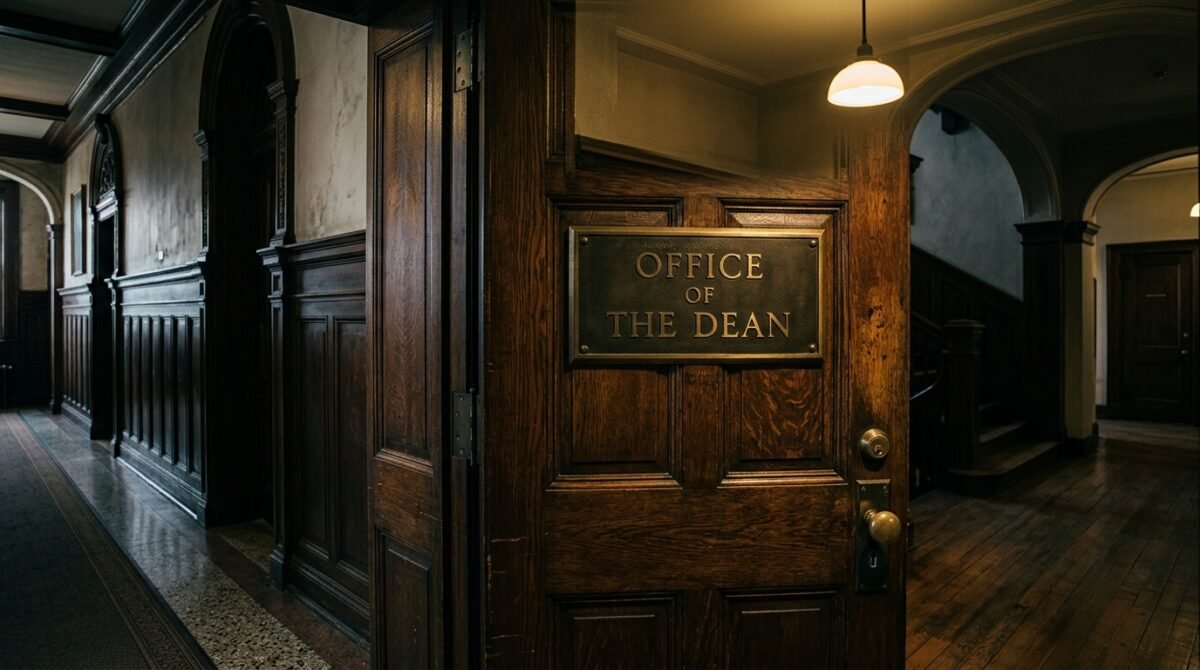
Two days after the exam, I walked into the Dean of Students’ office. I had a file folder filled with the screenshots of the group chat, my detailed log of the events, and a witness—my neighbor who had seen Sarah entering my room when I wasn’t there. I was terrified, but I knew I couldn’t let it slide. This wasn’t just about a grade; it was about the integrity of the institution.
The Dean was a stern, older woman who had seen it all. She listened to my story without interrupting, her face unreadable. When I finished, she didn’t offer sympathy; she offered procedure. She asked for the evidence, verified the timestamps, and made a few phone calls. The gravity of the situation hit me—this was going to be a formal investigation.
“We take academic integrity very seriously here. If what you’re saying is true, and there is evidence to support it, the consequences for the student involved will be severe. We do not tolerate sabotage.”
— The Dean of Students, during our formal meeting.
Walking out of that office, I felt a weight lift from my shoulders. The ball was rolling. It was no longer a personal, petty conflict between two roommates; it was an official academic matter. I realized that by taking this step, I was finally protecting myself. The fear that had been gnawing at me for weeks began to dissipate, replaced by a cold, hard sense of justice.
I knew the road ahead wouldn’t be easy. There would be hearings, interviews, and more tension. Sarah would likely deny everything, play the victim, and try to drag others into her web of lies. But I was ready. I had the truth, and for the first time in months, I felt like I was in control of my own destiny again.
The Final Confrontation at Home
When I got back to the apartment, Sarah was there. She looked nervous, a stark contrast to the smugness she had displayed earlier. She had clearly heard something—maybe from the Dean’s office, maybe through the grapevine. The power dynamic had completely inverted. I walked past her, headed to my room, and she tried to block my path.
She started to backtrack, claiming she was ‘just joking’ or that it was a ‘misunderstanding’ blown out of proportion. The pathetic nature of her excuses was almost laughable. She was a hollow shell of the person I thought I knew. I looked at her, really looked at her, and saw nothing but a frightened, insecure person who had tried to tear me down to feel better about herself.
“It was just a joke! You’re taking this way too far. Do you have any idea what you’re doing to my record? You’re going to get me expelled!”
— Sarah, voice trembling, as she realized the consequences.
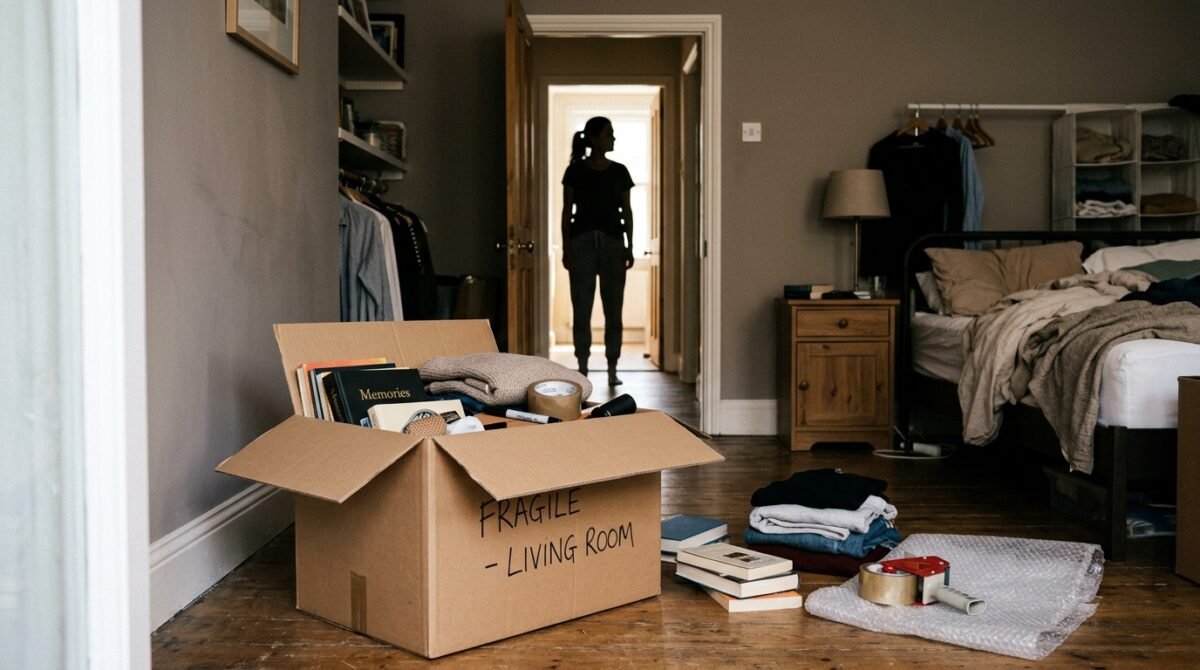
I didn’t answer. I just walked into my room, locked the door, and began packing. I didn’t care about the lease or the arguments that would follow. I was done. I would find a way to break the contract, pay the fees, or sleep on a friend’s couch. Living with her was no longer an option, and I had already started looking for a new place to live that very afternoon.
The silence in the apartment after that was peaceful. The air, which had been thick with tension for months, finally felt thin and clear. I started putting my things in boxes, each one a step toward a new beginning. I didn’t feel angry anymore. I felt a strange, quiet pity for her. She had a long, hard road ahead of her, and she had built it all by herself.
The Academic Hearing and Verdict
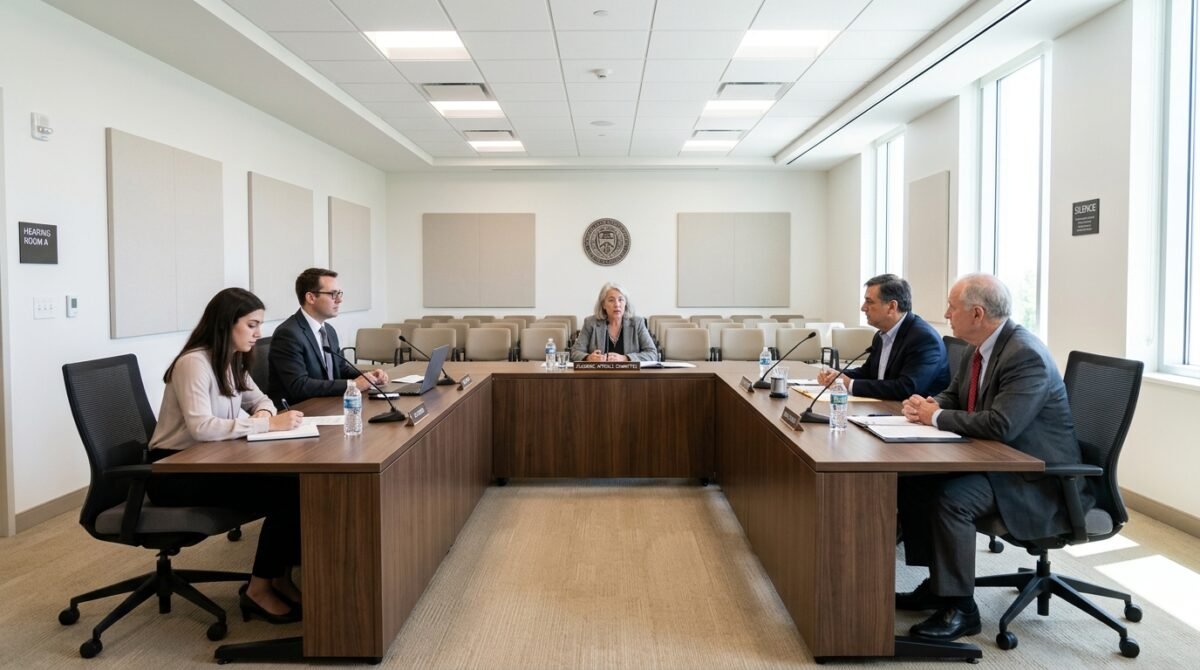
The hearing was a blur of formal statements and cross-examinations. Sarah tried to maintain her ‘innocent victim’ act, but the evidence was overwhelming. The timestamps of the texts, the physical evidence of the destroyed notebook, and the testimony from our neighbors made it impossible for her to lie her way out of it. It was a clinical, cold dissection of her actions.
When the panel reached their verdict, it was swift. Sarah was suspended for the remainder of the semester, and her academic record would carry a permanent mark of the incident. It was a heavy price to pay, but it was the price of her own choices. I felt no joy in the result, only a sense of closure. The chapter was finally closed.
“The committee has found clear evidence of premeditated academic sabotage. As a result, the respondent will be suspended effective immediately, with a formal review upon potential readmission.”
— The official statement from the Academic Integrity Committee.
I walked out of the hearing room and took a long, deep breath of fresh air. The sun was shining, and for the first time in a long time, I felt like a normal student again. I wasn’t just a victim of a toxic roommate; I was a person who had stood up for themselves and won. I had navigated the hardest semester of my life and come out the other side stronger.
I didn’t keep in touch with Sarah, and I didn’t care to. I heard rumors that she had moved back home, trying to figure out her next steps. I didn’t wish her harm, but I was relieved she was no longer in my life. I had learned a valuable lesson about boundaries, the importance of documentation, and the true cost of toxic competition.
Reflections on Resilience and Boundaries

Looking back at the whole experience, I realize that the most important thing I learned wasn’t organic chemistry—it was how to recognize the signs of a toxic environment before it reaches a breaking point. I had been so focused on my grades that I ignored the red flags of Sarah’s behavior. I had allowed her to manipulate the environment of our home because I was afraid of confrontation.
I also learned the power of documentation. If I hadn’t kept those screenshots and tracked the events, I would never have been able to prove what happened. In a world where gaslighting is common, having proof is the only way to maintain your reality. I will never again enter a living arrangement without clear, written boundaries and a healthy dose of caution.
“The greatest lesson I learned was that you don’t have to tolerate someone who is actively trying to destroy you. Setting boundaries isn’t mean; it’s survival. And sometimes, survival means cutting people off entirely.”
— My closing thoughts on the ordeal.
I’ve moved on, found a new place to live, and I’m doing well in my studies. I still think about that night sometimes, the feeling of the blank pages under my hand. But it doesn’t trigger the same panic anymore. It’s just a memory now, a reminder of what I can overcome when I stay focused and hold my ground. I’ve become a more resilient version of myself, and that’s a grade that no one can take away from me.
I hope that if anyone is reading this and going through a similar situation, they know they aren’t alone. You don’t have to be the bigger person and just let it happen. You have a right to your own peace, your own work, and your own future. Stand up for yourself, document everything, and don’t be afraid to walk away when the cost of staying becomes too high.
Conclusion
My journey through the chaos of that semester taught me more about human nature than any textbook ever could. It was a painful, exhausting lesson in the reality of petty jealousy and the lengths to which some will go to feel superior. But it was also a masterclass in resilience. I proved to myself that my knowledge, my hard work, and my integrity were not tied to a single notebook, but were ingrained in my character.
Today, I have moved forward, having learned that while we cannot control the actions of those around us, we can absolutely control how we respond to them. I have cultivated a circle of friends who support rather than sabotage, and I have found a sense of peace in my living situation that I once thought was impossible. The betrayal is a scar, yes, but it is one that reminds me of how far I’ve come and how much I’m capable of enduring.
What about you? Have you ever had a friendship or living situation turn toxic, and how did you handle it? Did you take the high road, or did you have to fight for your sanity and your future? Share your stories below—your experiences might just be the encouragement someone else needs to stand up for themselves.
What's your verdict on this dilemma?
Vote below to contribute to the official community consensus.

Have a Dilemma Keeping You Up at Night?
Share your real-life feud, wedding chaos, or relationship crossroads anonymously with our editorial team.
What do you think ?
0 Comments🛡️ Comments are moderated to protect community integrity. Your comment will appear once approved by the editorial team.