

Friendship is often described as a sacred contract, built on mutual respect, shared memories, and the silent agreement that we show up for one another in times of celebration and hardship. For Sarah and Chloe, that contract seemed ironclad. They had navigated college dorms, heartbreaks, and career shifts together for over a decade. When Chloe got engaged, Sarah expected her role as Maid of Honor to be a challenge—weddings are expensive, and emotional labor is taxing—but she never expected it to feel like a financial ransom note.
The trouble began with the vision. Chloe wanted an ‘Ibiza dream’—a week-long, high-octane bachelorette retreat characterized by private villa rentals, yacht charters, and VIP club tables. Sarah, a freelance graphic designer with a modest income, had already budgeted for the flights and shared accommodation. However, as the planning morphed into a ‘luxury experience,’ the costs ballooned. Then, the hammer dropped: Chloe casually mentioned that while she expected Sarah to sponsor a portion of the bridal suite to ‘ensure the vibes were right,’ Sarah was not invited to the private family-only rehearsal dinner.
This wasn’t just about a seat at a table or a round of drinks in a Mediterranean club. It was about a fundamental shift in their power dynamic. The realization that Chloe viewed Sarah as a utility—a financial contributor to her grand spectacle—rather than a lifelong companion was a cold shower of reality. Sarah found herself standing at a crossroads: sacrifice her financial stability and her dignity to preserve a hollowed-out friendship, or walk away and watch the bridge burn.
The following narrative details the slow, agonizing unraveling of this relationship. It is a story of gaslighting, entitlement, and the difficult, necessary act of setting a boundary when the person you love most decides you are no longer worthy of equal treatment. As we look at the leaked messages and the eventual fallout, we see how easily a milestone like marriage can turn into a battlefield for those left in the shadows.
The Escalating Price of a Mediterranean Dream

When Chloe first announced she wanted to host her bachelorette in Ibiza, the original plan felt manageable. We were looking at a long weekend, sharing an Airbnb, and splitting costs among the six of us. Everyone was excited. It felt like a final hurrah for our youth before she transitioned into the next chapter of her life. But within three weeks, the group chat transformed from a collaborative planning space into a high-pressure sales funnel for luxury upgrades.
Chloe started sending links to five-star resorts that cost more than my monthly rent. She insisted that because it was ‘her special week,’ we needed to book private cabanas and pre-order premium bottle service at venues that charge thousands for entry. My heart sank every time a notification pinged. I tried to voice my concerns privately, but Chloe was masterful at making me feel like my financial limitations were a personal failure.
“Look, Sarah, I know it’s a bit of a stretch, but this is a once-in-a-lifetime trip. Can’t you just pick up an extra freelance gig? You’re so talented, I’m sure you could cover the extra $1,200 for the villa upgrade by next month. It would mean so much to have you there with me.”
— Chloe, via WhatsApp
I felt a deep sense of shame. I was working double shifts, skipping dinners out, and cutting back on every luxury I could manage just to make the base costs happen. The pressure to keep up was immense. Every time I mentioned that the price was becoming prohibitive, Chloe would sigh, telling me that I was ‘bringing down the energy of the bridal party.’ It was a classic tactic: weaponizing the friendship to demand financial concessions I simply couldn’t afford.
The worst part was the group dynamic. Two of the other bridesmaids were wealthier, and they were all too happy to indulge Chloe’s whims. They would chime in, talking about ‘treat yourself’ mentalities and ‘investing in memories,’ which only served to alienate me further. I was being painted as the ‘cheap’ friend because I couldn’t—or wouldn’t—set my savings account on fire to fuel a party I wasn’t even going to fully enjoy.
By the second month of planning, I had already spent nearly $2,000 on deposits, group gifts, and pre-wedding expenses. The stress was manifesting physically; I was having trouble sleeping, and my anxiety spiked every time I saw a notification from the group chat. I was performing the role of the devoted Maid of Honor while feeling like a glorified personal assistant with an invoice attached to my neck. I began to realize that the ‘best friend’ title was just a facade for a transaction.
The Exclusion at the Rehearsal Table

The tipping point arrived in a seemingly innocuous conversation about logistics. We were discussing the final timeline for the week leading up to the wedding. I was confirming my availability for the rehearsal and the dinner afterward, as I had been helping Chloe plan the seating charts and decor for weeks. Her tone shifted instantly, becoming clipped and formal.
She told me that the rehearsal dinner was strictly ‘family and partners.’ I was confused because I knew several of her cousins’ plus-ones were invited, as were some of her fiancé’s casual friends. When I asked for clarification, she told me that the venue had limited capacity and that she had to make ‘tough choices.’ It felt like a gut punch. I had spent months pouring my energy into her wedding, only to be deemed an outsider when it came to the intimate celebrations.
“I’m sorry, Sarah, but the rehearsal dinner is about family. I really need you to understand that this isn’t a slight against you. It’s just how we decided to structure the night. You’ll be busy with your duties at the venue anyway, so it works out perfectly.”
— Chloe, in a private phone call
I tried to explain that I felt hurt, especially given how much I had sacrificed for the bachelorette trip. I pointed out that I had been there for her through everything, and being excluded from a dinner for which I was essentially an employee felt humiliating. She didn’t offer an apology. Instead, she doubled down on her ‘vision,’ telling me that my emotions were making her wedding process ‘unnecessarily complicated.’
That was the moment the veil lifted. I realized that to Chloe, I wasn’t a person with feelings or a friend with a history. I was a resource to be managed and a set of hands to do the heavy lifting. The fact that she could ask me to spend thousands of dollars to celebrate her in Ibiza while simultaneously excluding me from her actual wedding dinner was the height of entitlement.
I hung up the phone that night feeling completely hollow. The realization wasn’t a sudden explosion; it was a cold, quiet understanding. I had been paying for her attention, and now that the payment was no longer enough, I was being discarded. The question wasn’t whether I would go to Ibiza anymore; the question was how I had let myself reach this point of self-betrayal.
The Digital Trail of Betrayal

Following our conversation, the silence from Chloe was deafening. I expected her to reach out and try to smooth things over, or at least acknowledge my frustration. Instead, she went quiet, and the group chat kept pinging with updates about the Ibiza itinerary. Then, a mistake occurred. One of the other bridesmaids, perhaps out of sheer carelessness, sent a screenshot of a different, separate group chat—one I wasn’t in—to the main group.
The screenshot showed Chloe talking to the other bridesmaids about me. She wasn’t just venting about my ‘negativity’; she was mocking my financial situation. She referred to me as ‘the budget drag’ and suggested that if I couldn’t afford the trip, I should just drop out so someone who could ‘bring the right energy’ could take my place. It was malicious, cold, and utterly dismissive of everything I had provided to her over the years.
“Honestly, if Sarah is going to be this dramatic about the rehearsal dinner, I’d rather she just didn’t come to Ibiza at all. I can find someone else to split the villa cost easily. She’s being such a buzzkill.”
— Chloe, leaked text message
Reading those words, I didn’t feel angry at first. I felt an overwhelming sense of clarity. The ambiguity was gone. I wasn’t ‘misunderstanding’ her; I was being actively manipulated. She was using my financial insecurity as a weapon to make me feel small, and when I finally pushed back, she turned the other friends against me to isolate me further.
I spent that night looking through our old photos. I saw the girl I had been friends with for a decade, and I realized she had been slowly replaced by this version of herself who only valued people based on what they could do for her status. It was a grief process, really. I was grieving the loss of a friendship that I now realized was never as deep as I had imagined.
I knew I couldn’t just drop out without a word, but I also knew that trying to have a ‘heart-to-heart’ would be useless. She had already decided who I was in her narrative. I needed to act in a way that protected my sanity and my bank account. The planning for the Ibiza trip was set to reach its final deposit phase in two days, and I realized I had exactly 48 hours to make a move that would define the rest of our relationship.
The Calculated Withdrawal

I decided that the most effective way to handle this wasn’t through a dramatic, emotional argument that she could twist to make me look like the aggressor. I needed to be professional, firm, and final. I drafted a message that addressed the financial and logistical aspects of my withdrawal without giving her the emotional satisfaction of a tearful explanation. I would keep it short, cold, and centered on the facts.
I logged into the travel site and saw the pending charges. The total amount I had already paid was substantial, but I realized that if I backed out now, I could potentially recoup some of the deposits if I handled the communication correctly. I contacted the villa management and the travel agency, stating that I would no longer be part of the group reservation, and asked them to handle the financial adjustments with the group leader.
“Chloe, after our conversation and the subsequent messages I’ve seen, I’ve decided to withdraw from the bachelorette trip and my role as Maid of Honor. My financial situation does not allow for the level of luxury you require, and I no longer feel comfortable in this group dynamic. I wish you the best with your wedding.”
— My message to Chloe
I hit send, then muted the notifications. I knew the phone would explode. I needed to give myself space to process the decision without being bombarded by demands or insults. My hands were shaking as I locked my phone, but for the first time in months, my heart rate began to slow down. I was choosing myself, and it felt like a terrifying, exhilarating act of rebellion.
The silence lasted for about an hour before the calls started. They came in waves: Chloe, the other bridesmaids, and even a couple of people I hadn’t spoken to in months. I let them all go to voicemail. I didn’t want to hear the gaslighting, the ‘I can’t believe you would do this to me,’ or the ‘everyone is so disappointed in you’ lectures. I had heard enough.
I spent the rest of the day cleaning my apartment, a physical manifestation of clearing out the clutter in my life. Every item I moved, every shelf I wiped down felt like I was reclaiming my own space. I was no longer the ‘budget friend’ or the ’employee’; I was just me again. It was a quiet afternoon, devoid of the chaos that had defined my life for the past half-year, and it was glorious.
The Fallout: When the World Turns Inward

By the next morning, the fallout was in full swing. My social media was blowing up with passive-aggressive posts from the other bridesmaids, lamenting the ‘disloyalty’ of people who couldn’t be counted on in ‘big moments.’ It was pathetic, honestly. They were trying to manufacture a narrative that made my boundaries look like a character flaw, but it wasn’t working on me anymore.
Chloe sent me a long, rambling voice note that I listened to at 1.5x speed. It was a masterclass in deflection. She blamed me for the ‘financial gap’ I created, accused me of ruining her bachelorette, and told me that she ‘never would have asked me’ if she knew I was ‘the type of person’ to abandon her in the eleventh hour. It was almost laughable. The irony of her calling me disloyal while she was the one who had excluded me from her own rehearsal dinner was entirely lost on her.
“You’ve really shown your true colors, Sarah. I thought you were my sister, but you’re just someone who flakes when things get slightly difficult. Don’t expect to be hearing from any of us again. You really ruined this for me.”
— Chloe, final voice note
I didn’t respond to the voice note. I didn’t defend myself. I just blocked her number and the numbers of the two bridesmaids who were most vocal in the group chat. I knew that engaging would only lead to a cycle of circular logic that would go nowhere. I had made my peace with the fact that the friendship was over, and there was nothing left to say.
I did reach out to one mutual friend who hadn’t been part of the drama. I explained the situation briefly, not to vent, but to set the record straight in case Chloe tried to spin a different story. The friend was shocked—not by my decision, but by the details of the exclusion and the mockery. It felt validating to have someone else confirm that what I had endured was, in fact, crossing a major line.
The rest of the week was surprisingly peaceful. I had extra money in my account that would have gone to an Ibiza yacht rental, and I used it to take a small, quiet vacation in the mountains by myself. I hiked, I read, and I breathed in the fresh air. I was alone, but for the first time in a long time, I wasn’t lonely. I was free.
Reddit Weighs In: The Community Verdict
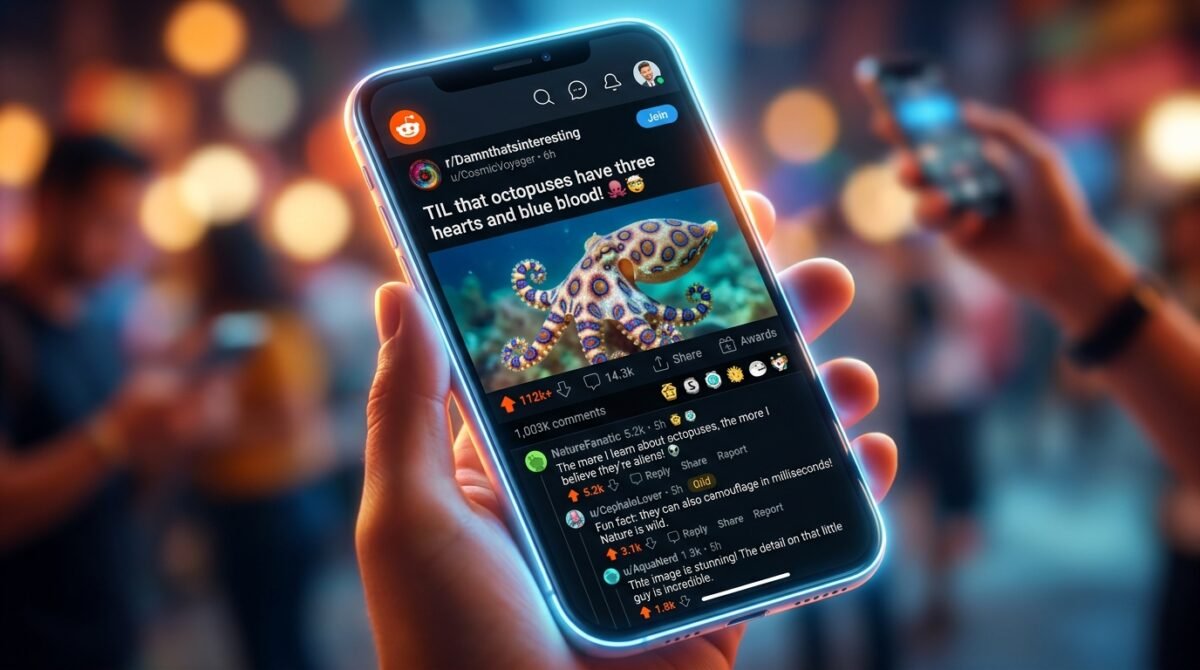
I knew that the only way to get true perspective was to put the story out there. I posted a summary of the events on a popular relationship advice subreddit. I didn’t hold back on the details. I shared the costs, the text messages, and the incident with the rehearsal dinner. I needed to know if I was crazy, or if I had finally learned how to stand up for myself in a world that often demands you pay for your own abuse.
The response was overwhelming. Within a few hours, the post had thousands of upvotes and hundreds of comments. The consensus was shockingly unanimous. The community saw through the ‘bride-zilla’ narrative and identified the toxic entitlement immediately. It was the validation I didn’t realize I needed.
“NTA. You were never her friend; you were her investor. The moment the ROI (Return on Investment) dropped because you stood up for yourself, she discarded you. Do not feel guilty for a single second. You saved yourself thousands of dollars and your dignity.”
— u/StoicSurvivor (Top Comment, 28.1k upvotes)
Reading the comments felt like receiving an injection of confidence. People shared their own stories of being ‘bridemaided’ into bankruptcy and the realization that they were only wanted for their checkbooks. It was a collective sigh of relief from the internet. I saw stories of people who had been in similar positions and were now years into their ‘no-contact’ journeys, living much happier lives.
Of course, there were a few contrarians. Some argued that I should have known what I was signing up for when I agreed to be the Maid of Honor, or that I should have communicated my budget better. But even those comments were easily dismantled by others who pointed out that communication only works when the other party is willing to listen, not when they are busy planning a high-fashion Instagram photoshoot.
The sheer volume of support made me realize that I wasn’t alone in this. There is a culture of wedding entitlement that often gaslights participants into thinking they have no agency. By sharing my story, I wasn’t just processing my own hurt; I was contributing to a larger conversation about setting boundaries and recognizing when a ‘best friend’ has become a ‘best user.’
The Financial Breakdown: What It Actually Cost

To understand the sheer scale of what was being asked, I put together a simple table of the expenses. Looking at the numbers in black and white was a sobering experience. It wasn’t just the trip; it was the ‘hidden’ costs that Chloe and the other bridesmaids kept adding to the pile. Every ‘small’ expense was framed as a necessity, but added up, it was a staggering amount of money.
| Category | Initial Expectation | Final Demand |
|---|---|---|
| Flights | $400 | $850 (Upgrade to premium) |
| Villa Share | $600 | $1,500 (Luxury upgrade) |
| Bottle Service | $150 | $400 (VIP table) |
| Bride’s Expenses | $0 | $300 (Subsidized portion) |
| Total | $1,150 | $3,050 |
The table tells the story better than any paragraph could. The ‘Initial Expectation’ was a stretch for my budget, but one I was willing to make for a friend. The ‘Final Demand’ was a different beast entirely. It was an attempt to drag me into a lifestyle I couldn’t afford and didn’t even want, all to serve her ego. Seeing the difference between $1,150 and $3,050 made it clear why I felt so pressured.
It also highlights the lack of empathy from the bride. She knew my financial situation. She knew I worked for myself and that my income fluctuated. Yet, she kept pushing, not because she wanted me there to celebrate, but because she wanted the aesthetic of a ‘perfectly curated’ bridal party. Every dollar increase was a demand for me to prioritize her vanity over my own stability.
I often wonder what would have happened if I had just paid it. I would have been resentful, exhausted, and probably broke for months. I would have been in Ibiza, surrounded by people who mocked me behind my back, trying to force a smile for photos. I would have returned home to a mountain of credit card debt and a friendship that was already dead in the water. I dodged a bullet, both financially and emotionally.
The takeaway here isn’t just about money; it’s about the value we place on our presence. If someone needs your money more than they value your company, they aren’t your friend. They are a client. And in this case, I was a client who decided to terminate the contract.
Redefining the Role of ‘Maid of Honor’

After the dust settled, I spent a lot of time thinking about what the title of ‘Maid of Honor’ actually entails. In the modern wedding industry, it’s often morphed into ‘Event Planner and Sugar Daddy’ for the bride. We are expected to throw parties, buy gifts, wear expensive, unflattering dresses, and handle the bride’s emotional meltdowns, all while acting as the bride’s biggest cheerleader. But somewhere along the way, we lost sight of the fact that this role is supposed to be a testament to love and support, not a test of endurance.
I realized that I had fallen into the trap of equating ‘being a good friend’ with ‘doing whatever the bride asks.’ I thought that saying ‘no’ was the same as saying ‘I don’t love you.’ That’s a dangerous mindset. It’s exactly how abusers isolate people and how toxic relationships thrive. True friendship is not a performance; it’s a partnership where both people have the freedom to say ‘no’ without fear of being discarded.
“Boundaries aren’t walls to keep people out; they’re gates to protect what’s important. If someone gets angry when you set a boundary, that’s exactly the person you need the boundary for.”
— A common piece of advice shared in the comments section
I also reflected on how we treat our friends in their ‘milestone’ moments. There is this cultural pressure to make everything perfect, which often leads to the bride feeling like she’s the center of the universe. While it is her day, it shouldn’t be at the expense of the people who have been there for her her whole life. The entitlement I saw in Chloe wasn’t an anomaly; it was a symptom of a culture that prioritizes the ‘perfect wedding’ over the ‘perfect friendship.’
I’ve learned to value my own time and money more. I’m now much more selective about what I say ‘yes’ to. If I feel that same knot in my stomach when a friend asks for something, I know to pause and re-evaluate. I don’t need to be the person who always says yes. I can be the person who says, ‘I’d love to, but that doesn’t work for me,’ and if that’s a problem, then I know exactly where I stand.
Moving forward, I want my friendships to be based on equality. I want to celebrate with people who are just as happy to see me in a thrift store as they are in a five-star resort. I want to be surrounded by people who care about my well-being as much as I care about theirs. That is the kind of loyalty I am looking for, and it’s the kind of loyalty I now feel empowered to demand.
Lessons Learned from the Ibiza Debacle

Looking back, the biggest lesson I learned is that I am the only one responsible for my own happiness and financial security. I had handed the keys to my peace of mind over to someone who didn’t know how to drive, and I was surprised when we crashed. It was a hard lesson to learn, but an essential one. I now see the warning signs much more clearly—the subtle pressure, the dismissiveness, the way someone treats their ‘inner circle’ when they think no one is looking.
I also learned that it’s okay to outgrow people. We are not the same people we were ten years ago. It’s natural for paths to diverge, and it’s okay to acknowledge that a friendship might have reached its expiration date. Holding onto something out of a sense of duty is only going to lead to resentment. It’s better to let go and create space for new, healthier connections.
I’ve been practicing being more assertive in my professional and personal life. Saying ‘no’ has become a habit, and it’s one that has served me well. I’ve found that the people who truly respect me don’t have a problem with my boundaries. They understand that I am a person with my own needs and that I am not a project to be managed or a checkbook to be emptied.
“Growth is painful. Change is painful. But nothing is as painful as staying stuck where you don’t belong.”
— A reflection on the experience
I’ve also started saving for my own future rather than for other people’s temporary whims. That extra money I kept from the Ibiza trip is now in a high-yield savings account, designated for something that will actually benefit me in the long run. It’s a small, tangible reminder of the day I chose myself. It’s the best investment I’ve ever made.
Finally, I’ve found a new appreciation for the quiet moments. I don’t need the grand gestures or the expensive trips to feel happy. I’m content with my own company, my work, and the small circle of friends who genuinely care about me. The drama of the Ibiza trip feels like a lifetime ago, and I wouldn’t trade the peace I have now for all the VIP tables in the world.
Life After the Wedding: The New Normal

It’s been six months since I walked away from the wedding party. Chloe got married, and by all accounts, the Ibiza trip went ahead as planned. I see the photos sometimes when they pop up in ‘suggested’ feeds, and I feel nothing but relief. They look exhausted, forced, and expensive. I don’t miss the pressure, I don’t miss the drama, and I certainly don’t miss the person I had to be to keep Chloe happy.
I’ve replaced the time I spent on her wedding with new hobbies and more meaningful connections. I started a small local community group for other freelancers, and it’s been incredibly rewarding. I’ve met people who are kind, supportive, and grounded. We don’t talk about VIP tables or luxury upgrades; we talk about our lives, our work, and the challenges of the industry. It’s the kind of environment I should have been in all along.
I’ve also reconnected with a few old friends I had neglected while I was so busy managing Chloe’s life. It’s been wonderful to catch up and realize that the foundation of those friendships is still there, waiting for me. They never asked for anything but my company, and it’s been a beautiful reminder of what true, unconditional friendship looks like.
“The garbage takes itself out if you just give it enough time.”
— A piece of wisdom from an older mentor
I don’t bear any ill will toward Chloe. I’ve accepted that she is who she is, and that’s fine. She has her life, and I have mine. We were friends for a season, and that season came to an end. It was a messy ending, but it was the ending I needed to grow. I’m not the same person I was when I started this journey, and I’m proud of the person I’ve become.
I’m looking forward to the future now. I’m not worried about the next wedding invitation or the next ‘big’ group event. I know that when the time comes, I’ll be able to make the right choices for myself. I’m finally in the driver’s seat of my own life, and I have no intention of giving up the wheel again.
Conclusion
The story of the Ibiza bachelorette is more than just a case of bride-zilla gone wild; it is a mirror reflecting the silent, often painful struggle of setting boundaries in a culture of performative friendship. We are taught that we must be ‘supportive’ above all else, often to the point of self-sabotage. But what happens when that support is unreciprocated, or when it is demanded as a condition of the relationship? We find that we are not being supported; we are being utilized.
The takeaway for all of us is clear: your dignity, your financial stability, and your peace of mind are non-negotiable. If you find yourself in a position where you are paying for the privilege of being disrespected, it is time to reassess. It is not ‘flaking’ to choose yourself. It is not ‘dramatic’ to enforce a boundary. It is, quite simply, an act of self-preservation that is necessary for long-term health and happiness.
I’ve been encouraged by the outpouring of support from the community, and I hope this story serves as a reminder to anyone else currently feeling trapped in a similar dynamic. You have the power to walk away. You have the power to define what a healthy relationship looks like for you. And most importantly, you are never alone in your desire for respect.
I want to hear from you. Have you ever had to walk away from a ‘best friend’ because of financial entitlement or boundary violations? How did you handle it, and what did you learn? Let’s keep the conversation going in the comments below.
What's your verdict on this dilemma?
Vote below to contribute to the official community consensus.

Have a Dilemma Keeping You Up at Night?
Share your real-life feud, wedding chaos, or relationship crossroads anonymously with our editorial team.
What do you think ?
0 Comments🛡️ Comments are moderated to protect community integrity. Your comment will appear once approved by the editorial team.