
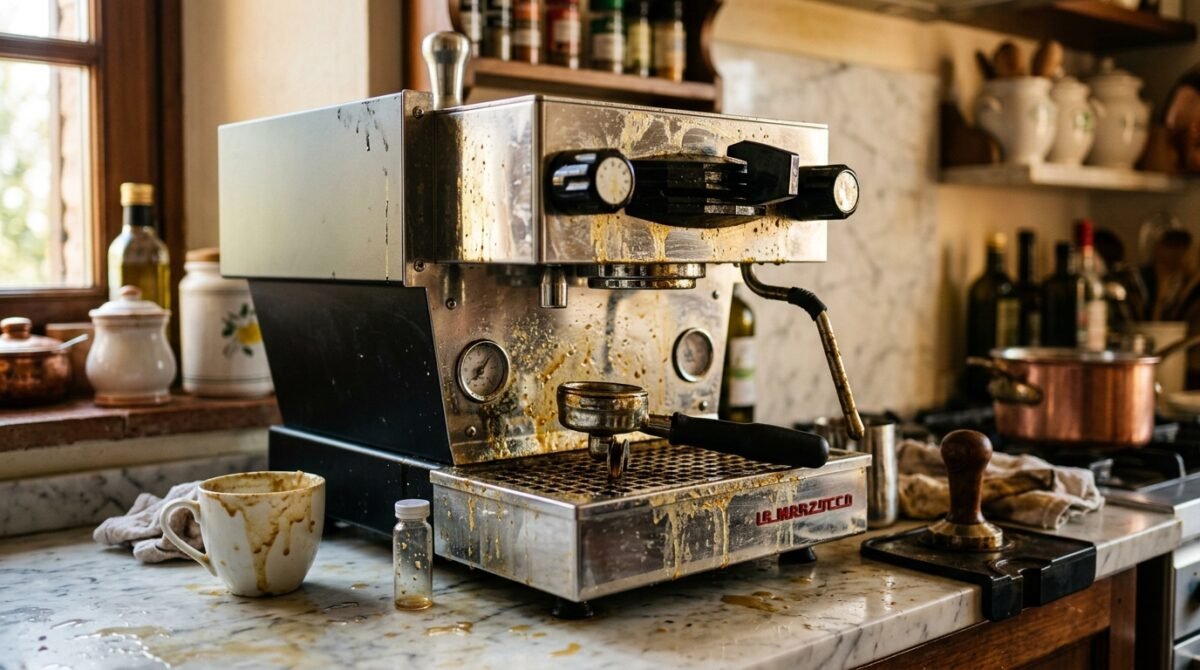
Living with a roommate is a game of unspoken boundaries. You agree on who takes out the trash, how often to vacuum, and, most importantly, whose kitchen equipment is off-limits. For me, that line was drawn around my prized possession: a $2,000 La Marzocco Linea Micra. It wasn’t just a coffee maker; it was a testament to my years of saving and my obsession with the perfect morning ritual.
When I moved in with Sarah, I was explicit. ‘The coffee machine is a precision instrument,’ I told her. ‘Please don’t touch it. If you want coffee, there’s a French press you’re welcome to use.’ She agreed, smiling and nodding, seemingly understanding the gravity of the investment. We were friends, after all, or so I thought.
The trouble began on a rainy Tuesday. I had returned from a long shift at the office, looking forward to a quiet evening. Instead, I walked into a kitchen that smelled like a butcher shop. The air was thick with the scent of boiled beef bones and rosemary. I didn’t immediately put two and two together until I walked over to the coffee station and saw a dark, viscous liquid pooling at the base of my machine.
My heart sank. As I reached for the portafilter, I felt the unmistakable slickness of fat. Sarah had apparently decided that the high-pressure water system of an Italian espresso machine was the perfect tool to ‘infuse’ her homemade bone broth. The total disregard for my property was staggering. It wasn’t just a cleaning issue; it was a complete mechanical disaster.
This story is about the subsequent weeks of gaslighting, the astronomical repair quotes, and the moment I realized that if I didn’t take drastic action, I would be the one footing the bill for someone else’s culinary incompetence. I didn’t just ask for the money; I made sure I got it, one rent check at a time.
The Discovery of the Culinary Crime Scene
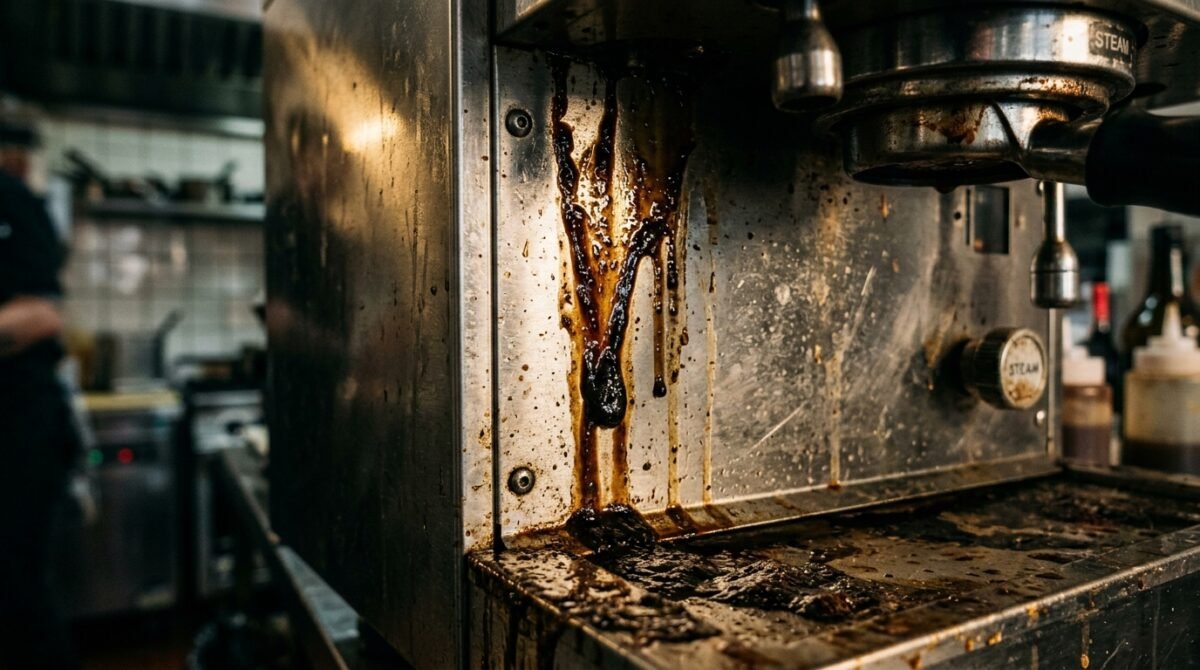
The moment I saw the steam wand dripping with a gelatinous, cloudy substance, my stomach churned. I stood there, paralyzed, watching as a small globule of fat slid down the stainless steel casing of my machine. I had spent three years paying off that machine, treating it with the care of a newborn infant, and now it looked like a science experiment gone wrong.
I didn’t have to wait long for the culprit. Sarah walked into the kitchen, a ladle in her hand, looking entirely too pleased with herself. She didn’t look at the machine; she looked at me with a grin that quickly faded as she saw my expression.
“What in the world is happening in here, Sarah? Is that… is that broth coming out of my group head?”
— Me, initial confrontation
She paused, looking at the machine, then back at me. “Oh, that? Yeah, the broth was a bit thick, so I figured using the hot water wand would help clarify it. It’s like a sous-vide thing, right? I saw it on a TikTok hack. It’s supposed to emulsify the marrow.”
I was speechless. The absurdity of the explanation made my blood boil. The pressure pump of an espresso machine is designed for water and dissolved solids like coffee oils, not high-viscosity animal fats and bone marrow proteins. I knew immediately that the internal valves and the boiler were likely compromised.
“Sarah, this machine costs more than your laptop,” I whispered, my voice trembling with suppressed rage. “You have effectively ruined a precision pump and likely clogged the entire internal plumbing with fat that will go rancid within hours.”
She rolled her eyes, walking past me to the stove. “You’re being dramatic. It’s just soap and water, right? Just run a few cycles through and it’ll be fine. Don’t be such a gatekeeper about your hobbies.”
The Technical Death Warrant
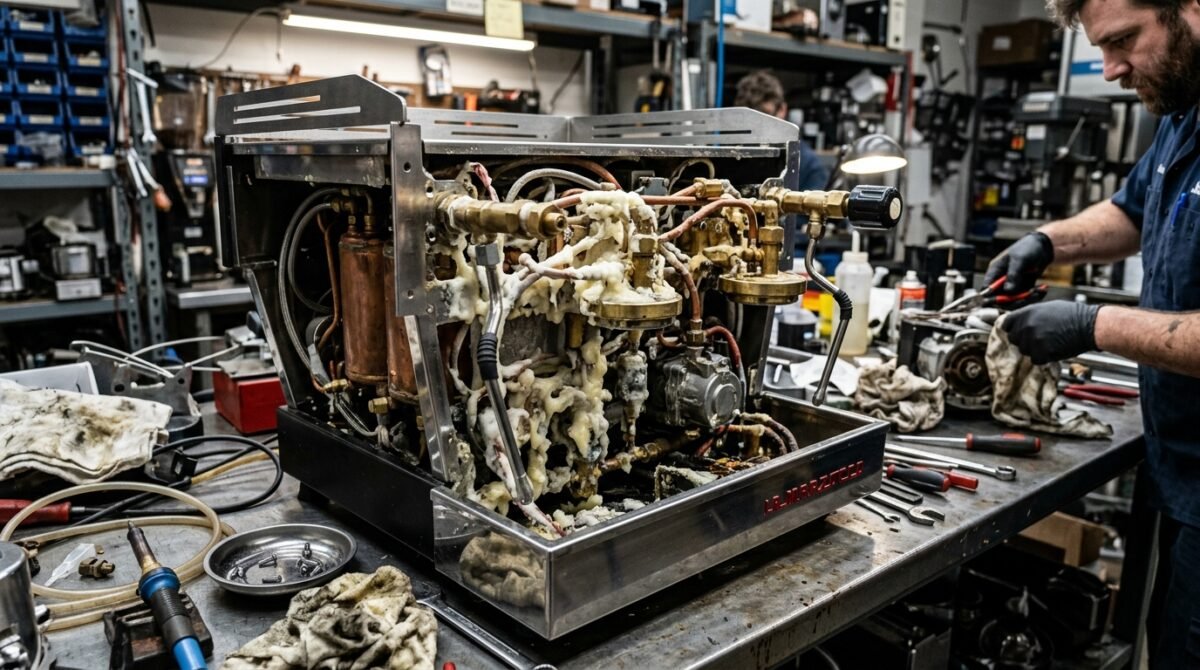
I spent the next forty-eight hours trying to flush the machine. It was a futile effort. Each time I engaged the pump, a thin, cloudy sludge trickled into my cup, smelling vaguely of a wet dog and bullion. I eventually brought it to a local specialty repair shop that specialized in Italian imports. The technician took one look at the portafilter and shook his head slowly.
He opened the casing in front of me. The inside was a nightmare of solidified white fat coating the intake tubes and the boiler sensor. The repair estimate was catastrophic. Between the labor, the specialized cleaning agents, the replacement of the pump, and the potential for long-term boiler contamination, the bill was sitting at nearly $1,800.
When I returned home, I didn’t just have a broken machine; I had a financial disaster. I printed out the repair estimate and placed it on the kitchen table, right where Sarah would see it when she got home from work. I sat in the dark living room, waiting for the inevitable blow-up.
“You want me to pay for what? An $1,800 repair bill for a machine you chose to keep in a shared space? That’s not my problem.”
— Sarah’s reaction to the invoice
“It’s in a shared space, Sarah, but it is not shared property,” I replied calmly. “You destroyed my property through gross negligence. TikTok ‘hacks’ do not waive your liability for damaging a professional appliance.”
She laughed, a sharp, incredulous sound. “I’m not paying two grand because you’re a coffee snob. If you didn’t want people touching it, you should have put it in your room.”
The Escalation of Financial Hostility
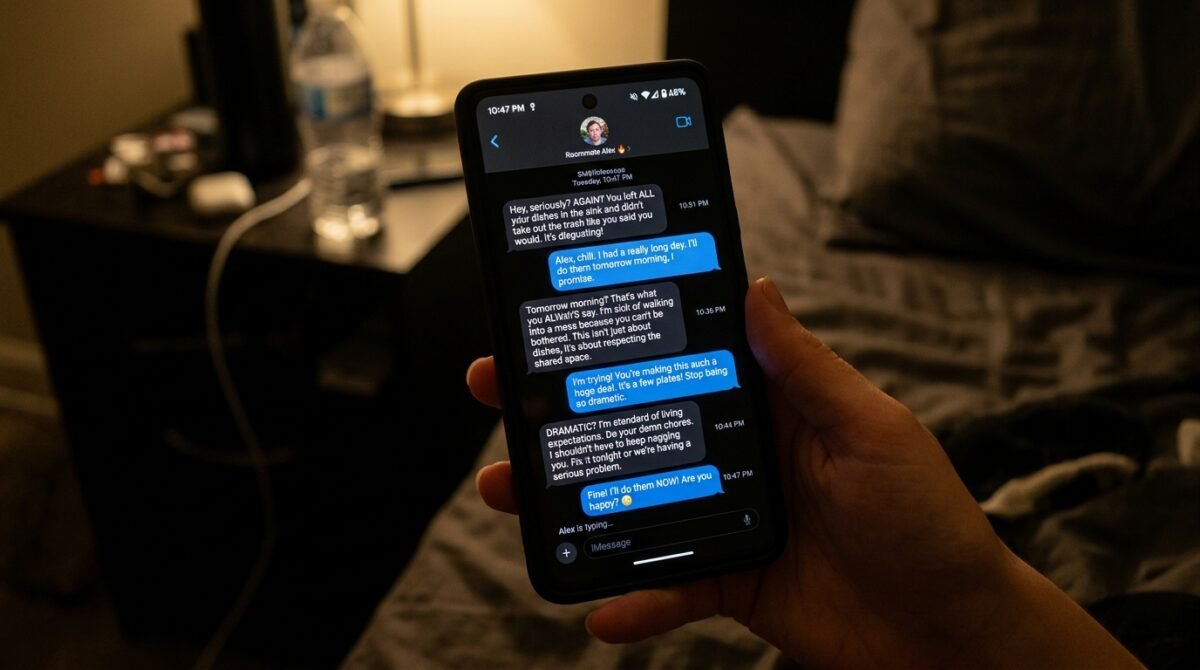
The next few days were a masterclass in passive-aggression. I stopped speaking to her, and she, in turn, started leaving her dirty dishes in the sink for days at a time. The tension in the apartment was thick enough to cut with a knife. I reached out to our landlord, but he reminded me that our lease didn’t cover disputes over personal property.
I was stuck. If I took her to small claims court, I’d be out the filing fee and months of stress. I needed a way to recoup the money now. The rent was due in three days. For the first time in my life, I considered doing something I would usually deem ‘petty’ or unethical, but my sense of justice felt heavily skewed in my favor.
I checked my bank account. Sarah always paid me her portion of the rent, which I then forwarded to our property management portal. It was a system built on trust, a system that she had clearly violated. If she wasn’t going to pay for the damage she caused, was she really entitled to the security of our living arrangement?
I started documenting everything. I took photos of the ruined machine, kept the text messages where she admitted to the ‘hack,’ and saved the repair estimate. I needed to build a case that would protect me if she tried to claim I was stealing her rent money.
“Are you going to pay the repair bill or not? I have the estimate right here. If you don’t pay it by Friday, I’m taking it out of your rent contribution.”
— My text message sent Thursday night
Her reply came back almost instantly, full of dismissive emojis. “Good luck with that. Try it and see what happens.”
The Rent Check Ultimatum
Friday arrived, and with it, the rent deadline. Sarah transferred her portion into my account, as she always did. But this time, I didn’t send the full amount to the landlord. Instead, I sent only my share, plus the portion of hers that covered the utilities and base rent, effectively withholding the $1,800 that covered the repair bill.
It was a calculated move. I knew the landlord would be annoyed, but I had enough in my emergency savings to cover the total if it came down to a legal threat. I sent Sarah a screenshot of the partial rent payment and a copy of the repair invoice, marked ‘Paid in Full’ by me, using her money.
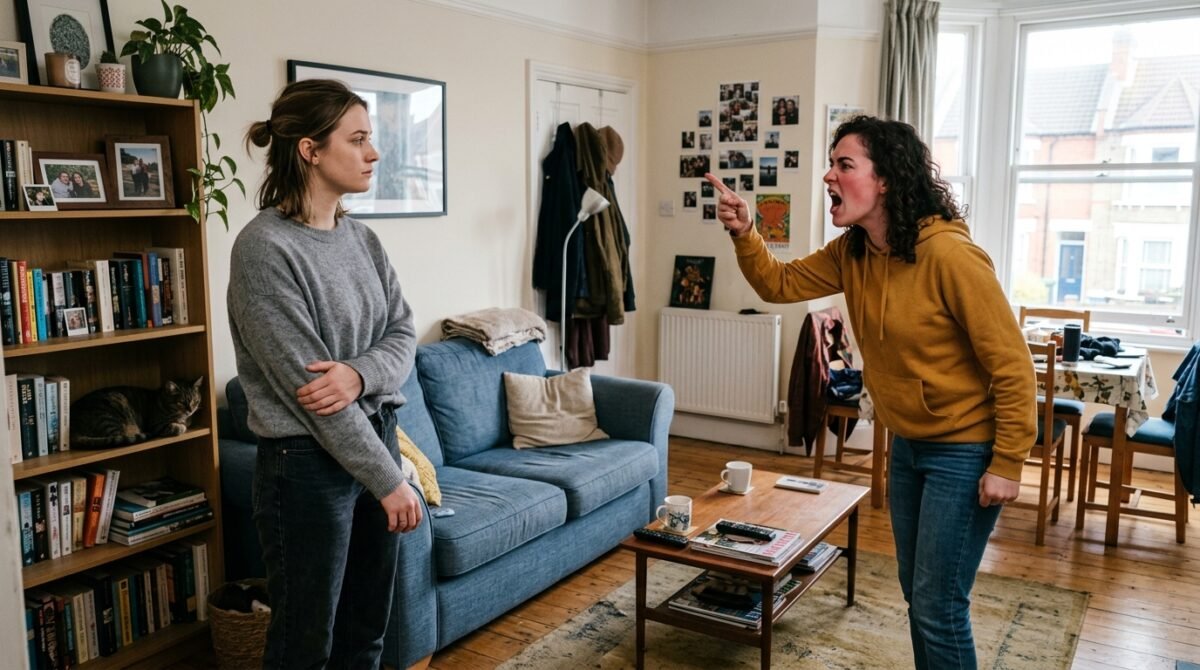
She didn’t react for hours. Then, the front door slammed. She was home, and she was clearly livid. She marched into the living room, throwing her keys on the table. “You actually did it? You stole my rent money? I’m calling the cops, you idiot!”
“Go ahead,” I said, not looking up from my book. “I have receipts. I have the repair invoice. I have your texts admitting to using the machine. This is a civil matter of property damage, and I’ve simply recovered the funds you owed me for the destruction of my property.”
She was shaking. “You have no right to touch my rent. That money was for the landlord, not for your stupid coffee machine.”
“You had no right to put bone broth through a precision pump, yet here we are. You pay for what you break. That’s how the real world works.”
— My response during the argument
She stormed off to her room, and I heard her slamming drawers. I knew this was just the beginning of a much larger fallout, but for the first time in a week, I felt a strange sense of vindication.
The Internet Weighs In: A Reddit Verdict
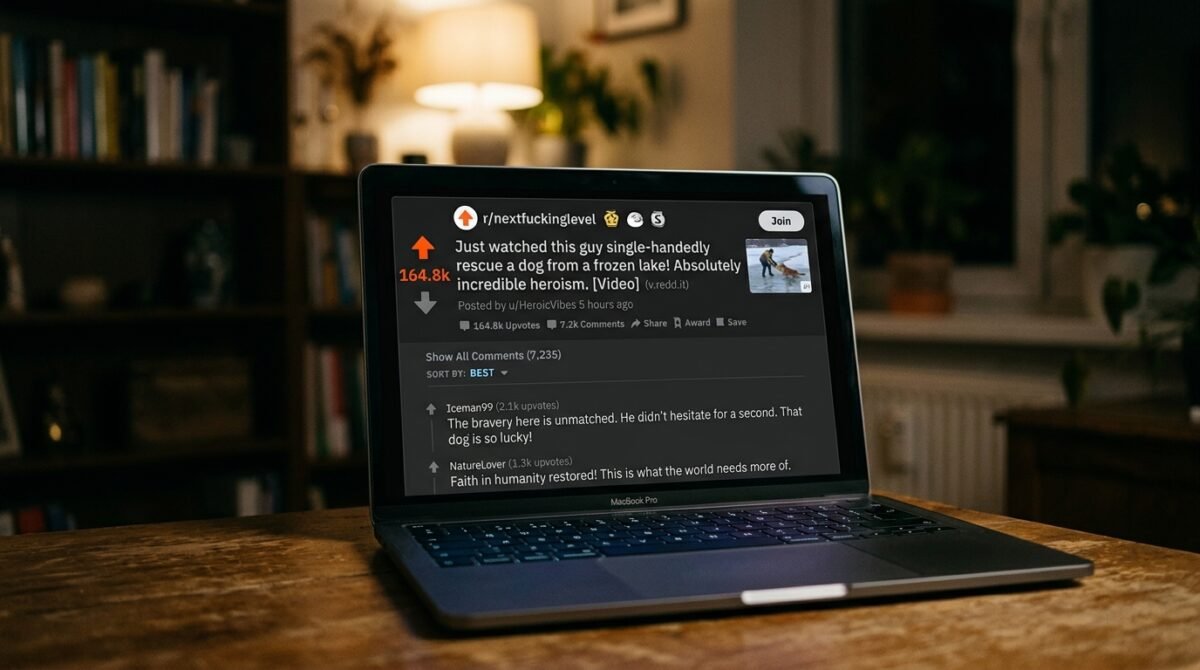
I decided to post the saga on r/AmITheAhole under a throwaway account. Within an hour, the thread had exploded. People were divided, with some calling me a genius and others warning me about the legal implications of withholding rent. The nuance of the situation was lost on some, but most people focused on the sheer audacity of the bone broth incident.
The comments sections were a battleground. Some users pointed out that the machine was a luxury item and that I was ‘asking for it’ by leaving it in a shared kitchen, while others stood firm on the idea that property is property, regardless of its cost or function.
“NTA. If someone used my $2,000 graphics card to cook a hot pocket, I’d be charging them for a new one, too. Bone broth in an espresso machine is borderline sociopathic behavior.”
— u/CoffeeAndChaos, 15.2k upvotes
Another user was more pragmatic, offering advice that I hadn’t considered. They warned me about the lease agreement. ‘Check your lease,’ they warned. ‘If you are both on the lease, the landlord doesn’t care about your internal feud. If the rent is short, they will evict you both. You need to pay the rent and sue her in small claims court instead.’
The advice was sobering. I realized that my move, while satisfying, had put my own housing security at risk. I spent the rest of the night reading through hundreds of comments, each one offering a different perspective on the moral and legal landscape of my ‘petty revenge.’
It made me realize that while I was right about the damage, I had potentially gone about the recovery in the most dangerous way possible. The Reddit community had a way of cutting through the emotional noise and showing me the cold, hard reality of the position I had put myself in.
The Landlord’s Unexpected Visit
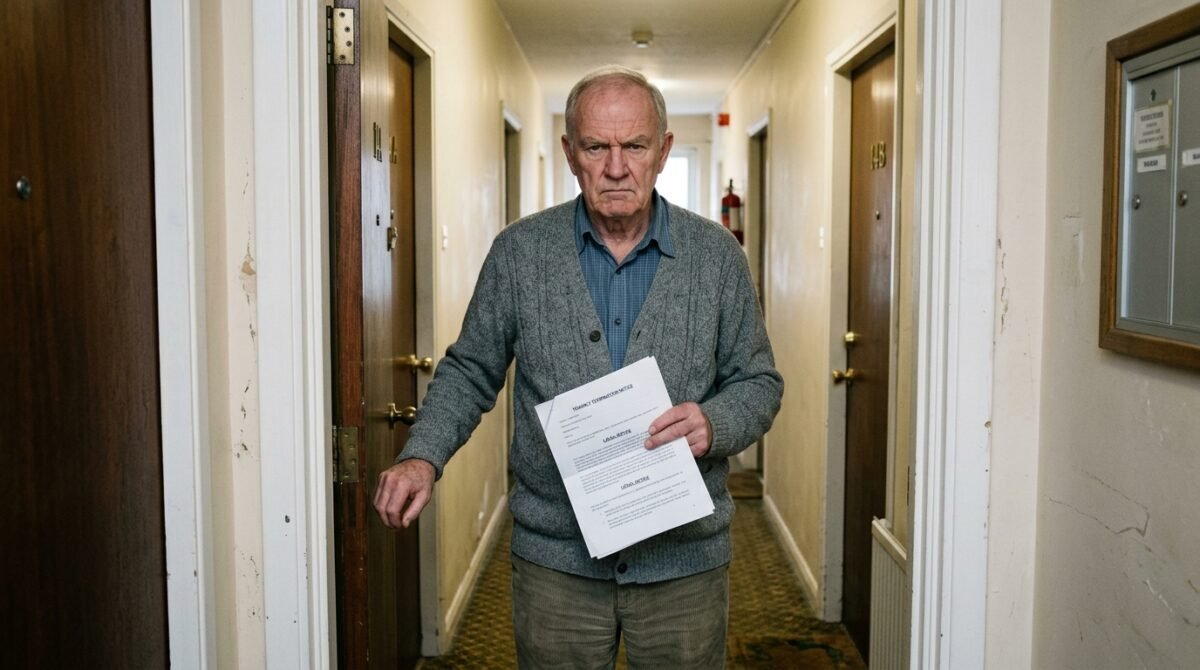
The knock on the door came on Monday morning. It was our landlord, Mr. Henderson. He was a no-nonsense man who didn’t care about our petty squabbles. He was holding a piece of paper—a notice of partial payment and a late fee warning. My stomach dropped. I knew this was coming, but seeing it in his hand made it feel incredibly real.
“I don’t know what’s going on in this apartment,” he said, looking at both of us. “But I don’t run a bank, and I don’t mediate roommate drama. The rent is due in full. You have 24 hours to clear the balance, or I will initiate the eviction process. I don’t care who owes who what.”
Sarah looked at me, a smug expression spreading across her face. “See? I told you. You’re going to get us both kicked out over your petty grudge. Are you happy now?”
I looked at the landlord. “Mr. Henderson, I have the funds to cover the balance. I was simply holding it as a form of payment for damages caused by my roommate. I will transfer the remaining amount immediately.”
“I don’t care about your coffee machines or your bone broth. I care about my rent. Pay it, or don’t let the door hit you on the way out.”
— Mr. Henderson, the landlord
I transferred the money, feeling a wave of frustration. I had done the right thing for my property, but the world was forcing me to prioritize the landlord’s bottom line over my own restitution. Sarah just smirked, thinking she had won, but I wasn’t finished yet.
The Small Claims Court Reality Check
With the rent paid and our housing secured, I turned my attention to the legal route. I walked into the local courthouse and filed a small claims suit against Sarah. It was a tedious process, involving filling out forms and ensuring I had every piece of evidence organized. I wasn’t going to let this slide.
When I told Sarah that I had filed the claim, her attitude changed. The smugness vanished, replaced by a nervous energy. She suddenly realized that this wasn’t just a kitchen argument anymore; it was a legal matter that would be on her record. She started trying to negotiate, offering to pay me in installments, but I refused.
“I don’t want your installments,” I told her. “I want the full amount now, or we can let the judge decide. I have the repair invoice, and I have the screenshots of you admitting to the damage. It’s an open-and-shut case.”
She started calling our mutual friends, trying to get them on her side, but they all seemed to agree that running bone broth through a machine was insane. She was rapidly losing her support system, and the stress of the impending court date was clearly wearing her down.
“You’re really going to take me to court? Over a coffee machine? You’re ruining our friendship for something so trivial.”
— Sarah, attempting to guilt-trip me
“The friendship was ruined the moment you decided my belongings were your personal kitchen tools,” I replied. “This isn’t about the machine anymore. It’s about respect.”
The Breaking Point: Moving Day
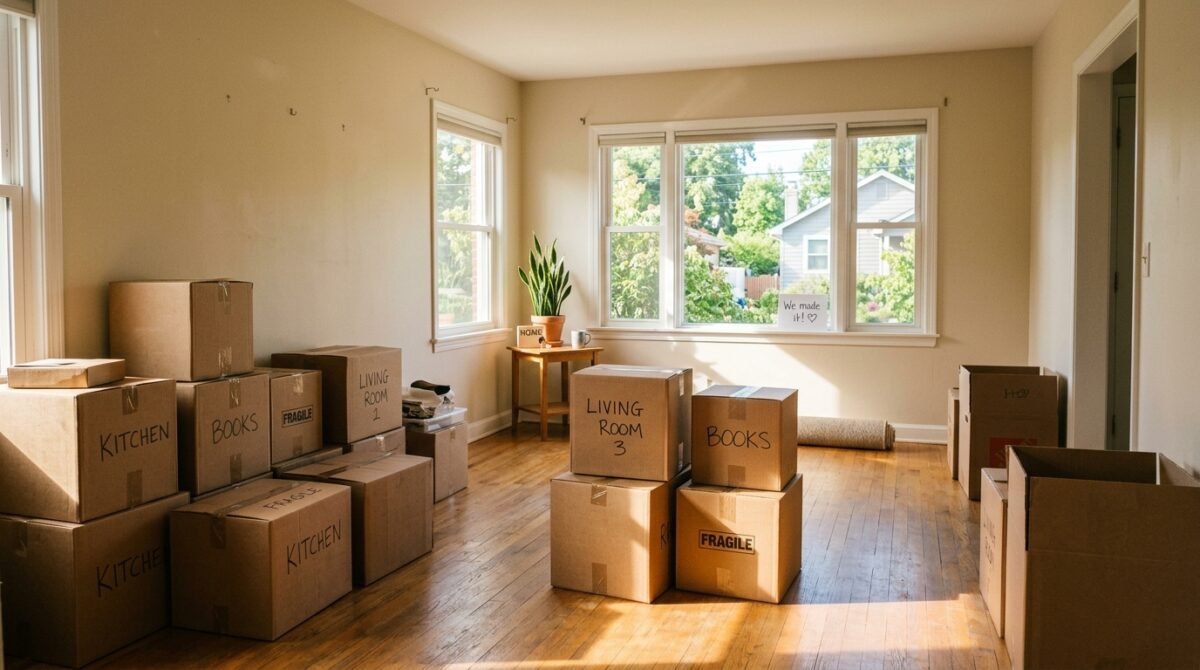
The court date was set for six weeks later, but the atmosphere in the apartment had become unbearable. We were living like strangers in the same house, avoiding each other in the kitchen and the living room. It was clear that this arrangement couldn’t continue. I started looking for a new place, but I was tied down by the lease.
Then, an unexpected turn: Sarah got a job offer in another city. It was the perfect escape for both of us. She started packing her things, and the air in the house began to lighten. I still had the court claim filed, but I told her that if she paid the $1,800 before she left, I would drop it.
She finally agreed. I think she just wanted to leave the drama behind and start fresh. On her last day, she handed me a cashier’s check for the full amount. I felt a mix of relief and exhaustion. The machine was still broken, but at least I had the funds to repair it properly.
“I hope you’re happy. You really made my life miserable over this.”
— Sarah’s parting words
“I’m not happy, Sarah. I just wanted my machine back. You could have avoided all of this by just being respectful of my property.”
As the door closed behind her, I finally took a deep breath. The apartment was quiet, the kitchen was clean, and for the first time in months, I felt like I could finally relax.
Reflecting on the Cost of Entitlement

After Sarah moved out, I finally got the machine repaired. The technician was surprised that I had actually managed to get the money back from her. He told me that in his twenty years of business, he had never seen a machine ruined in such a bizarre way, and he had certainly never seen a roommate pay for it.
I spent that evening sitting in the kitchen, listening to the hum of the machine as it pulled a perfect double shot of espresso. It was the best cup of coffee I had ever tasted, not just because of the quality of the beans, but because of the relief that the ordeal was finally over.
I reflected on the entire situation. I had learned a lot about boundaries, about the dangers of mixing finance with friendship, and about the importance of being explicit about expectations. I also learned that people will often test your limits if you don’t enforce them firmly from the start.
The internet community had been right about a lot of things. My initial reaction had been impulsive, but my persistence in holding her accountable had ultimately paid off. It wasn’t the most graceful way to handle a conflict, but in a situation where someone showed such a total lack of regard for my property, I felt justified.
“Boundaries aren’t just suggestions. They are the foundation of any healthy relationship, whether that’s with a partner, a friend, or a roommate.”
— My concluding thought on the ordeal
I realized that I would never again share a kitchen with someone who didn’t respect my things. It was a hard lesson to learn, but an important one.
The Aftermath and Lessons Learned

Looking back, the entire experience feels like a fever dream. The absurdity of the bone broth, the stress of the rent withholding, and the coldness of the legal battle—it all feels so distant now. But the lessons have stayed with me. I’m much more selective about who I let into my space and how I manage my belongings.
I’ve since moved into a studio apartment. No roommates, no shared kitchen, and certainly no ‘culinary hacks.’ It’s peaceful, and it’s mine. I still use the machine every single morning, and every time I clean the group head, I think about that day.
I’ve also kept the receipts. Not just the repair bill, but all the documentation of the dispute. It serves as a reminder that I am capable of standing up for myself, even when it’s uncomfortable or when I’m being gaslit by someone I once considered a friend.
I’ve kept in touch with some of the people from the Reddit thread. It’s amazing how a shared experience of ‘roommate from hell’ stories can bring people together. We share advice, vent about our experiences, and support each other in setting better boundaries.
“The most important thing I learned? Never assume that just because someone is your friend, they respect your property or your boundaries.”
— Reflections on the experience
If you take anything from this story, let it be this: protect your peace and your property. If you have to take a hard line, don’t be afraid to do it. You owe it to yourself to surround yourself with people who value you and your boundaries.
Conclusion
In the end, the $2,000 espresso machine wasn’t just about coffee; it was a symbol of the boundaries I had allowed to be eroded. The saga of the bone broth incident taught me that when someone shows you who they are—and how little they respect you—you should believe them the first time. Taking the rent check was a desperate, risky move that I wouldn’t necessarily recommend to everyone, but it was the catalyst that forced the issue to a resolution.
Life is too short to live in a state of constant anxiety about your belongings. Whether it’s a high-end appliance or just personal space, setting and enforcing boundaries is essential to maintaining your mental health and your living situation. I’m finally in a place where I don’t have to worry about what’s happening in my kitchen when I’m not around, and that peace of mind is worth more than any repair bill.
What about you? Have you ever had a roommate who destroyed your property and refused to take responsibility? How did you handle it? Let me know in the comments below—I’d love to hear your stories of boundary-setting, survival, and the lessons you learned along the way.
What's your verdict on this dilemma?
Vote below to contribute to the official community consensus.

Have a Dilemma Keeping You Up at Night?
Share your real-life feud, wedding chaos, or relationship crossroads anonymously with our editorial team.
What do you think ?
0 Comments🛡️ Comments are moderated to protect community integrity. Your comment will appear once approved by the editorial team.