

When Mark asked me to move into his home, I thought it was the natural next step in our three-year relationship. He had inherited the house from his grandmother—a beautiful, fully paid-off property in a quiet suburb. We had been dating for years, weathered job losses, family crises, and the mundane struggles of early adulthood. I was excited to start a life together, believing we were building a future based on mutual support and partnership. I was even prepared to contribute to the household expenses, covering groceries, utilities, and perhaps even a portion of the property taxes as a gesture of fair play.
However, the transition into domestic life was far from the romantic vision I had built in my head. Within two weeks of moving my boxes into the guest room, I found a manila envelope sitting on the kitchen island. It wasn’t a sweet note or a romantic welcome; it was a itemized, professionally printed document titled ‘Shared Domestic Liability & Depreciation Schedule.’ My heart sank as I realized the gravity of what I was looking at.
The document wasn’t just a list of shared bills. It was a breakdown of ‘wear and tear’ costs associated with my living there. He had calculated the depreciation of the appliances, the floorboards, and even the plumbing fixtures, arriving at a monthly ‘usage fee’ that was effectively rent, despite his having zero mortgage or housing debt. This wasn’t about financial responsibility; it was a clinical, cold-hearted attempt to treat our relationship like a commercial lease agreement.
As I sat at the island reading the document, the silence of the house felt suffocating. I realized then that I wasn’t a partner in this home; I was a tenant without any of the protections of one, living with a landlord who tracked every footstep. The moral dilemma was clear: do I stay and negotiate a ‘contract’ with the man I love, or do I acknowledge that the fundamental trust of our relationship had been shattered by a spreadsheet?
This is the story of how a single piece of paper forced me to reevaluate everything I thought I knew about love, boundaries, and what it means to share a life with someone. It is a cautionary tale about financial entitlement, the dangers of mixing business with intimacy, and the moment I realized that my self-respect was worth more than a roof over my head.
The Unexpected Kitchen Island Manifest
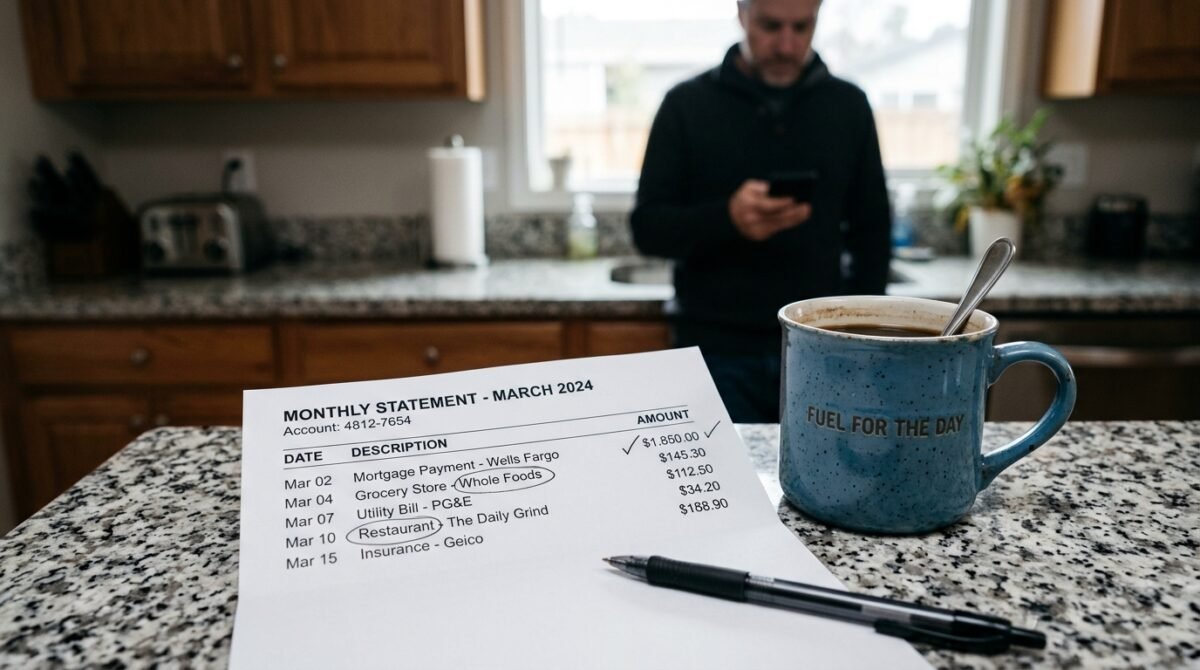
I remember the smell of the house that morning—fresh coffee and the lingering scent of floor wax. I had spent the weekend moving my remaining items, feeling a sense of accomplishment. I walked into the kitchen expecting to find Mark, but instead, I found the document. It was three pages long, stapled with clinical precision, laying out exactly what he expected from me. My hands shook as I turned the pages, seeing line items for ‘Kitchen Countertop Degradation’ and ‘Bathroom Faucet Friction.’ It was absurd.
When Mark walked in from the garage, he didn’t even look guilty. He looked proud, as if he had performed a great administrative service for the good of our household. He poured himself a cup of coffee and leaned against the counter, waiting for my reaction. I couldn’t find the words for a moment, simply staring at the line item for ‘living room carpet vacuuming intervals.’
“I noticed you read the folder. I think it’s fair, don’t you? I’m maintaining a high-value asset, and your presence naturally accelerates the wear on the fixtures. It’s only logical that you share the burden of that decline.”
— Mark, during the ‘Kitchen Island’ confrontation
I felt a cold sensation wash over me. This wasn’t a conversation; it was a presentation. He had spent his evenings researching the average lifespan of domestic appliances just so he could charge his girlfriend for the privilege of existing in his space. I felt like I was being audited rather than cherished.
I looked at him, trying to find the man who had held my hand through my father’s funeral, but all I saw was a calculator with skin. I tried to explain that I was happy to contribute to actual expenses—electricity, water, food—but that charging me for ‘depreciation’ on a paid-off house he inherited felt transactional and deeply insulting.
He sighed, a patronizing sound that I had started hearing more often lately. He insisted that because he didn’t have to pay a mortgage, he had ‘invested’ his savings into property improvements, and my living there was ‘diluting’ his investment returns. The lack of empathy was staggering. I didn’t say much else; I just went to the guest room and started putting my books back into their boxes.
The Logic of the ‘Depreciation’ Spreadsheet

The spreadsheet was a masterclass in emotional distance. It didn’t stop at fixtures. He had calculated the cost of the ‘shared utility of space,’ which he claimed was a market-rate adjustment based on local apartment rentals. He had even factored in a $50 monthly ‘admin fee’ for his time spent tracking these costs. It was the most bizarre, cold, and calculated interaction I had ever experienced in a romantic context.
I sat on the edge of the bed, reading the document again to ensure I wasn’t misunderstanding it. It was real. He had listed my usage of the dishwasher, the microwave, and even the central heating. He had calculated the average electricity cost per person and added a ‘convenience premium.’ I felt like I was living with a corporate accountant who had decided that my affection was a deductible expense.
I went back into the kitchen, the document in my hand. I asked him if he realized how this sounded to a human being. I asked him if he considered me a partner or a roommate he was trying to squeeze for extra cash. He told me that I was being emotional and that I ‘clearly didn’t understand the complexities of real estate asset management.’
“You’re looking at this as a relationship issue, but it’s a household management issue. If you treat it like a business, we avoid conflict. If we don’t set these boundaries now, we’ll end up resenting each other later when something breaks.”
— Mark, defending the spreadsheet
His logic was sound in a vacuum, but completely detached from reality. He seemed to think that by quantifying every interaction, he was somehow protecting the relationship from conflict. He was doing the exact opposite. He was turning our shared life into a list of chores and financial liabilities that I had to account for daily.
I tried to tell him that I had already agreed to pay for the groceries and the utilities. I told him I was looking for a home, not a hotel. He just shook his head, reiterating that his house was a ‘gift from his grandmother’ and that he had a ‘fiduciary duty’ to maintain it. He used terms like ‘fiduciary duty’ to talk about a home he inherited. It was insanity.
I realized then that this wasn’t about the money. This was about control. He wanted to ensure that I never felt like this was my home, and he wanted to be compensated for the ‘risk’ of allowing me to be happy under his roof. I knew I couldn’t stay in an environment where my presence was treated as a depreciating asset.
The Silent Dinner of Realization
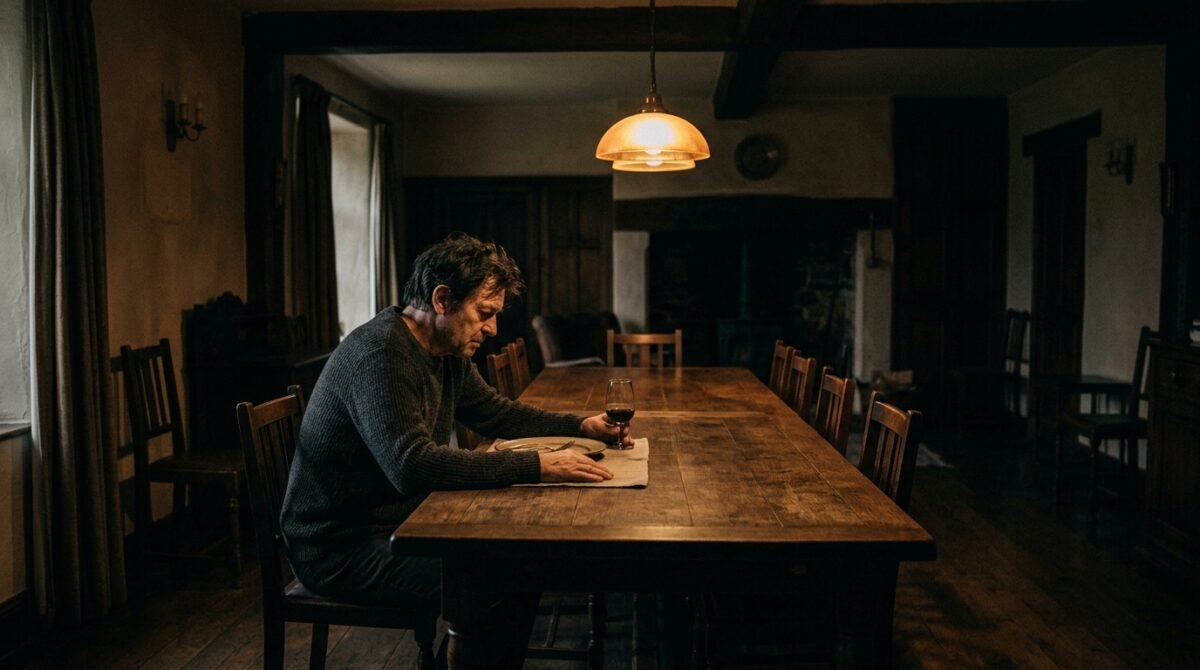
That night, we sat down for dinner. The silence was deafening. I hadn’t moved my boxes back yet, but I had decided in my heart that I was leaving. I watched him eat his pasta, completely unbothered by the tension in the room. He talked about his day at work, as if nothing had happened, as if he hadn’t just handed me a bill for breathing in his house.
I couldn’t eat. My stomach was in knots, and every time I looked at him, I felt a wave of resentment. I thought about the three years we had spent together. I thought about the time he spent in the hospital when I had my surgery. I thought about the way he used to laugh at my jokes. Where had that man gone? Had he always been this way, and I was just too blinded by love to notice?
I realized that his focus on money was a symptom of a larger issue. He needed control. He needed to feel like he was the one in charge, the one who held the power. And what better way to do that than to turn his home into his own private financial empire? I felt foolish for having moved in at all. I should have seen the red flags earlier.
“Are you going to eat? The food is getting cold. I hate waste. You know that wastage is one of the line items I mentioned for the kitchen budget.”
— Mark, during dinner
When he said that, I actually laughed. It was a dark, cynical laugh that startled him. I looked at him and said, ‘You know what? You’re right. I’m wasting my time here.’ He didn’t even catch the nuance. He just nodded and went back to his dinner. That was the moment I knew for sure.
I excused myself and went to the bedroom. I didn’t start packing yet; I just sat there and looked at the walls. I realized that the house was beautiful, but it was hollow. It was filled with his rules, his spreadsheets, and his sense of superiority. I didn’t want to live in a place where I had to justify my existence in terms of ‘wear and tear’ percentages.
I started to think about where I could go. I had some savings, and my friend Sarah had a spare room. It wouldn’t be as nice as this house, but it would be mine. It would be a space where I was a person, not an asset being depreciated. The relief I felt at that thought was overwhelming. I was finally making a decision for myself, not for the sake of the relationship.
The Digital Paper Trail of Resentment

Later that night, I checked my phone and saw a notification from our shared Google Drive folder. He had uploaded a new document: ‘Projected Utility Adjustments for Winter Months.’ He was planning for the heating costs. He was literally planning how to bill me for the cold weather. I was stunned by the level of obsession he had with this.
I opened the file and saw that he had calculated the average cost of heating the house for the last five years and had added a ‘fluctuation buffer’ of 15%. I wasn’t just paying for the heat; I was paying for his peace of mind. I started looking back through the other documents he had shared with me over the last few months. There were folders for ‘Grocery Efficiency,’ ‘Waste Management,’ and even a ‘Time-Share Agreement’ for the common spaces.
I realized then that this had been building for months. He had been slowly introducing these concepts in small, subtle ways, testing the waters to see how much I would tolerate. And I had tolerated it all, thinking he was just quirky or overly organized. I hadn’t realized that he was building a cage for me.
“I don’t understand why you’re so upset. It’s about transparency. If everything is on the table, there can be no arguments. You should appreciate that I’m trying to keep things fair and equitable.”
— Mark, in a text message response to my concerns
I didn’t respond to the text. I just started the process of downloading all the files. I wanted to have a record of what he had done. I wanted to see, in black and white, the insanity of it all. I felt like I was uncovering a conspiracy against myself. It was the most bizarre, cold-hearted situation I had ever been in.
As I went through the files, I found a spreadsheet titled ‘Long-term Financial Impact of Relationship.’ He had modeled different scenarios: breaking up in one year, two years, five years, marriage, children. Each scenario had a projected financial outcome for him. My heart broke. This wasn’t a partner; this was an investor who was hedging his bets on my presence.
I realized then that I had never really been his partner. I had been a variable in his life equation. And once that variable became too expensive or too unpredictable, he would have discarded me anyway. The fact that I was leaving first felt like a victory, a reclamation of my own narrative. I was no longer a variable; I was the one who was leaving the equation.
The Packing Process: A Quiet Exit

I started packing early the next morning while he was at work. I didn’t want to have a conversation. I didn’t want to explain myself. I just wanted to leave. I had already arranged for a moving company to come by in the afternoon. I was methodical, just like he was. I packed my clothes, my books, my small kitchen appliances, and my memories.
As I packed, I found items I had bought for the house—a set of nice glasses, a throw blanket for the couch, a few plants. I left them all. I didn’t want anything that reminded me of this place. I wanted a clean break. I wanted to leave behind the spreadsheets and the depreciation schedules and the cold, calculated environment he had created.
The house felt even emptier as I removed my things. It was just a building, after all. A building that he had inherited, a building that he was so obsessed with maintaining that he had forgotten how to live in it. I felt a sense of pity for him. He would always have his house, but he would never have the warmth of a home that wasn’t built on a foundation of money.
“You’re leaving? Without talking to me? This is extremely unprofessional. You’re violating the terms of our verbal agreement regarding notice periods.”
— Mark, after finding my note
I had left a simple note on the kitchen island, right where he had left his spreadsheet. It said, ‘I’m not a tenant, and this isn’t a business. I’m done.’ He had called me while he was at work, furious. He wasn’t upset that the relationship was over; he was upset that I was breaking the ‘contract’ he had invented.
I didn’t answer his call. I just blocked him. The feeling of freedom was intoxicating. I was leaving behind a life that wasn’t mine, a life that was measured in dollars and cents. I was heading toward something unknown, but for the first time in a long time, I was the one in control. I was the one who was defining my own value.
The movers arrived right on schedule. They were quick and efficient, and within an hour, my life was loaded onto a truck. I took one last look at the house. It was beautiful, yes, but it was also a cold, calculated prison. I was glad to be free of it.
The Reddit Community Weighs In
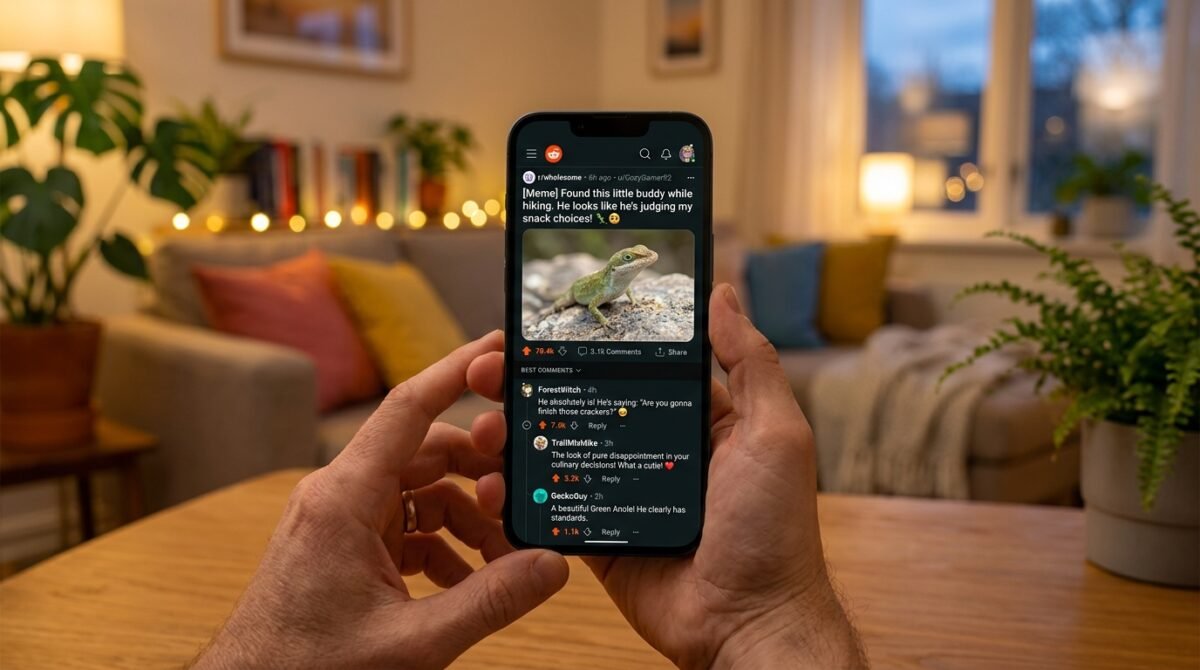
I posted my story on a popular subreddit the day after I moved out. I wasn’t looking for validation, just a sanity check. I needed to know that I wasn’t the crazy one, that a ‘wear and tear’ fee for a boyfriend wasn’t a standard, reasonable expectation in a healthy relationship. The response was immediate and overwhelming.
The community was unanimous in their support. Thousands of people commented, sharing similar stories of financial abuse or just expressing their utter disbelief at the audacity of what he had done. It was comforting to know that I wasn’t alone, that there were others who recognized the toxic nature of his behavior.
“Girl, you didn’t leave a partner; you left a landlord who was trying to recoup his inheritance taxes through your wallet. This is classic financial control disguised as ‘fairness.’ Run and don’t look back.”
— u/RelationshipGuru88 (Top Comment, 45k upvotes)
People pointed out the red flags that I had missed: the obsession with control, the need to quantify every interaction, the lack of empathy, the way he viewed our relationship as a transaction. It was a wake-up call that I didn’t know I needed, but I was so grateful for it. The community helped me see that I hadn’t made a mistake; I had made a choice to protect my own well-being.
Some comments were even more insightful, explaining the psychological aspect of what he was doing. They spoke about how people who lack emotional intelligence often resort to logic and numbers to manage their relationships, because it’s a safe, predictable way to interact with the world. It made so much sense. He wasn’t a monster; he was just broken in a way that made it impossible for him to truly connect with anyone.
I spent hours reading the comments, feeling a sense of peace that I hadn’t felt in a long time. I was validated, supported, and most importantly, I was free. I was no longer a variable in his life equation. I was a person, with my own story, my own value, and my own future. And that future didn’t involve spreadsheets.
The Aftermath: Finding My Own Space

I moved into a small apartment of my own. It wasn’t perfect. It was older, and the floorboards creaked, and the kitchen was a bit cramped. But it was mine. I didn’t have to worry about ‘wear and tear’ or ‘depreciation.’ I could paint the walls if I wanted to, or leave a glass on the coffee table without worrying about a bill. It was a space that I could call home.
I started to reconnect with my friends and family, the ones I had drifted away from while I was so caught up in the ‘domestic management’ of my life with Mark. I felt like I was waking up from a long, strange dream. I started to appreciate the simple things again—the freedom to choose my own schedule, the ability to spend my money how I wanted, the joy of just being myself.
I still think about Mark sometimes. I wonder if he’s still making his spreadsheets. I wonder if he’s found someone else to ‘depreciate.’ I hope he finds a way to be happy, but I know that he won’t find it in a spreadsheet. Happiness, I’ve learned, isn’t something you can measure or account for. It’s something you feel, something you create with other people.
“You’re so much lighter now. It’s like you’re finally breathing again. I didn’t realize how much that relationship was weighing you down until I saw you today.”
— My sister, during a lunch visit
I feel lucky, in a way. I learned a valuable lesson about what I will and won’t accept in a relationship. I learned that I deserve to be treated with respect, that my contributions matter, and that I don’t have to apologize for existing in the space I share with someone else. I’m a better, stronger person for having gone through it.
I’m not looking for another relationship right now. I’m enjoying the solitude, the peace, the freedom. I’m focusing on my career, my hobbies, my own personal growth. I’m building a life that I love, and for the first time in a long time, I’m not worried about the cost. I’m just living, and that is enough.
Defining the Boundaries of Love

Reflecting on the whole ordeal, I’ve realized that the ‘wear and tear’ fee was the final straw in a long history of boundary violations. It wasn’t about the money at all; it was about the lack of respect for my autonomy. In a healthy relationship, you support each other, you share the load, and you treat each other with kindness. You don’t treat your partner like a tenant who is constantly failing to meet their obligations.
I’ve learned to set boundaries now. I’m clear about what I expect from a partner, and I’m no longer afraid to walk away when those expectations aren’t met. I’ve realized that I don’t have to compromise my self-respect for the sake of a relationship. If someone can’t see the value I bring to their life without a spreadsheet, then they aren’t the right person for me.
It’s a powerful thing to realize your own worth. It’s a powerful thing to say ‘no’ to something that doesn’t serve you. And it’s a powerful thing to walk away from a life that is built on something less than love. I’m grateful for the experience, as painful as it was, because it led me to this place of clarity and freedom.
“A partner is someone who walks beside you, not someone who checks your balance at the door. Never settle for someone who treats your heart like a financial liability.”
— Advice from a friend that stuck with me
I’m sharing this story because I know I’m not the only one who has been in this position. I know there are other people out there, living in homes that feel more like traps, dealing with partners who care more about their assets than their relationships. I want to tell them that it’s okay to leave. It’s okay to choose yourself.
Life is too short to spend it in a relationship that feels like a business negotiation. You deserve to be with someone who sees the beauty in you, not just the cost of your existence. You deserve to be in a home that is filled with love, not with rules and spreadsheets. You deserve to be happy, and sometimes, the first step toward that happiness is walking out the door.
The Evolution of My Self-Worth

The journey from that kitchen island to where I am today has been transformative. It wasn’t just about moving out; it was about moving on. I’ve had to untangle my sense of self from the narrative that Mark tried to impose on me. I’ve had to remind myself that my worth isn’t determined by a spreadsheet, nor is it conditional on how much I contribute to a domestic ‘bottom line.’
I’ve started therapy, which has been incredibly helpful in processing the trauma of the situation. My therapist helped me see that my tendency to ‘go along’ with things was a pattern I had carried for years, and this relationship was the crucible that finally broke that habit. I’ve learned to speak up, to express my needs, and to demand the respect I deserve. It’s a slow process, but I’m getting there.
I look back at the ‘wear and tear’ fee and I can almost smile at the absurdity of it. It’s such a bizarre, specific, and ultimately pathetic way to try to control a human being. It’s a testament to how fearful Mark really was—fearful of losing his status, his money, his control. I don’t feel anger anymore, just a sense of detachment.
“You cannot control another person without losing your own soul in the process. The spreadsheet was his attempt at control, and he lost the one thing that actually mattered: a genuine human connection.”
— My therapist, during our session
I’ve also started to date again, but it’s different now. I’m more intentional, more aware of the signs. I’m not in a rush to move in with anyone, and I’m definitely not interested in any ‘joint financial management’ plans. I’m looking for a partner who values me, who supports me, and who is interested in building a life together, not a business.
The lessons I learned have made me a better, more resilient person. I’m no longer afraid of being alone, because I’ve learned that I am enough. I’m no longer afraid of confrontation, because I’ve learned that I have a voice. And I’m no longer afraid of the future, because I’m the one who’s defining it.
Moving Forward with Clarity

As I write this, I’m sitting in my own living room, looking out at the city skyline. It’s a beautiful view, and for the first time, it’s mine. I’m not thinking about the cost of the windows, or the depreciation of the floor, or the ‘utility adjustment’ for the winter months. I’m just enjoying the moment. I’m just being.
The experience taught me that we are the architects of our own lives. We can choose what we value, who we share our space with, and how we interact with the world. We don’t have to accept the terms that others try to impose on us. We have the power to say ‘no,’ and the courage to start over.
I want to thank everyone who supported me, both in the Reddit community and in my personal life. Your kindness and validation were the bridge I needed to cross over from fear to freedom. I’m still learning, still growing, and still finding my way, but I’m doing it on my own terms. And that is the greatest victory of all.
“The most important home you will ever build is the one you create within yourself. Once that is secure, no one can ever charge you ‘rent’ for your own happiness.”
— A final thought on the journey
I hope my story serves as a reminder that your value is not a commodity. You are not a tenant in your own life. You are the owner, the creator, and the one who decides what belongs in your space. Don’t let anyone turn your heart into a balance sheet.
If you’re in a situation that feels like a contract you never signed, listen to your gut. It’s telling you something important. It’s telling you that you deserve more. And you do. You deserve to be in a place where you are cherished, not audited. You deserve to be free.
Conclusion
My life today is a testament to the fact that while some people will try to reduce your existence to a set of data points and financial obligations, you have the absolute agency to reject that paradigm. The ‘wear and tear’ fee was never really about the money—it was about the fundamental erosion of partnership in favor of cold, transactional power dynamics. By choosing to walk away, I didn’t just escape a bad housing arrangement; I reclaimed my autonomy.
Reflecting on the digital discourse this story sparked, it’s clear that many people find themselves trapped in ‘domestic businesses’ rather than healthy relationships. It is vital to recognize that boundaries are not just about what you say ‘no’ to; they are about what you decide to build for yourself. Whether you are currently in a relationship that feels slightly ‘off’ or one that has clearly crossed the line, trust your instincts. You are not a line item in someone else’s investment strategy.
What about you? Have you ever had a partner try to treat your relationship like a business transaction? Or have you seen friends struggle with financial entitlement in their homes? I invite you to share your experiences below. Let’s create a space where we can discuss the importance of healthy boundaries and the courage it takes to leave when those boundaries are disrespected. Your story might just be the inspiration someone else needs to reclaim their own freedom.
What's your verdict on this dilemma?
Vote below to contribute to the official community consensus.

Have a Dilemma Keeping You Up at Night?
Share your real-life feud, wedding chaos, or relationship crossroads anonymously with our editorial team.
What do you think ?
0 Comments🛡️ Comments are moderated to protect community integrity. Your comment will appear once approved by the editorial team.