

When Mark asked me to move into his ‘bachelor pad’—a sleek, two-bedroom townhouse he’d purchased just six months before we started dating—I thought it was the natural progression of our three-year relationship. We were inseparable. We spent weekends debating which city we’d eventually settle in, what color we’d paint our future nursery, and how we’d divide our shared expenses. I was head-over-heels in love, so when he proposed the move, I accepted without hesitation, envisioning it as the foundation of our ‘forever.’
However, the transition from ‘happy couple’ to ‘landlord and tenant’ happened overnight. The week before my move-in date, Mark slid a neatly bound document across the coffee table. It wasn’t a chore chart or a grocery list. It was a formal rental agreement. The numbers were staggering: $2,200 a month. That figure represented not just half the mortgage, but the entirety of his principal, interest, taxes, and a healthy contribution toward his future equity. I was essentially funding his asset growth while having zero claim to the property.
When I tentatively asked about adding my name to the deed, the atmosphere in the room shifted. His expression hardened, and the warmth I’d grown accustomed to evaporated. He told me that his home was his ‘pre-existing investment’ and that my contribution was simply the cost of ‘living in a luxury space.’ I felt a knot of dread tighten in my stomach. Was I his partner, or was I a revenue stream designed to help him build his net worth while I remained a transient guest in my own home?
The dilemma wasn’t just about the money; it was about the fundamental power imbalance he was codifying. By refusing to grant me equity, he was explicitly signaling that he viewed our relationship as a business transaction where he held the leverage and I held the risk. As I sat there in the silence of that living room, I realized that I had to decide whether to walk away from the man I loved or submit to an arrangement that felt increasingly like exploitation disguised as domestic stability.
The Spreadsheet of Disparity
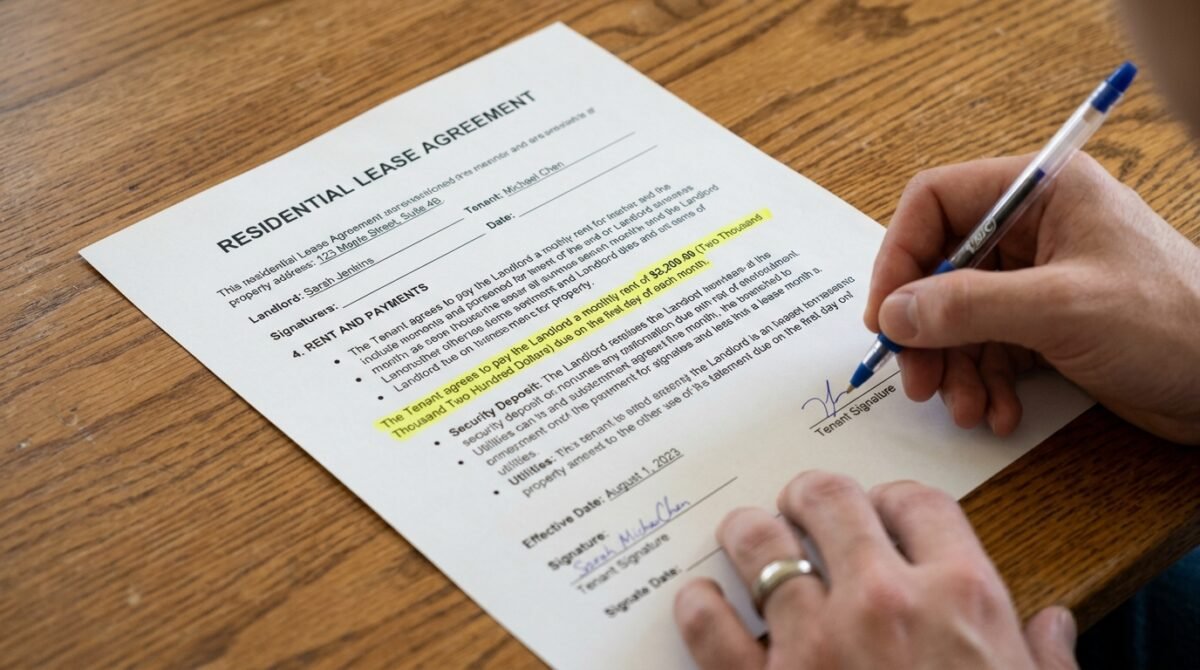
The document, titled ‘Monthly Living Expenses & Contributions,’ was a masterclass in calculated selfishness. It broke down every utility, every insurance premium, and the mortgage payment. Mark had even included an ‘appreciation maintenance fund,’ which was a polite way of saying I was paying for his home improvements without a dime of return. I looked at the numbers, my eyes glossing over the rows of calculated costs, until I reached the bottom line.
I looked up at him, my heart pounding against my ribs. ‘Mark, this total is significantly higher than the market rate for a room in this area. Plus, it covers the entire principal payment. If I’m paying this much into the mortgage, doesn’t it make sense to put my name on the house? That way, we’re both investing in our future.’
Mark sighed, leaning back with a condescending smile. ‘Elena, you’re looking at this too emotionally. This house is my investment. It’s a separate entity from our relationship. If we break up, what happens to your equity? It complicates everything. This is just rent. It’s what you’d pay anywhere else.’
“You aren’t a landlord, Mark. You’re my boyfriend. I’m moving my life, my furniture, and my time into this house. Why am I paying to build your wealth while I end up with nothing?”
His response was swift and dismissive. ‘If you don’t like the terms, you don’t have to move in. But if you do, this is what the cost is. It’s non-negotiable.’
I felt a sudden, cold clarity. This wasn’t a discussion; it was an ultimatum. He had crunched the numbers and decided that his financial security was worth more than our shared sense of partnership. The ‘fair’ arrangement he spoke of was a one-sided extraction, and he was counting on my affection to keep me from questioning the math.
The Sunday Dinner Confrontation

The tension didn’t stay confined to our living room. My sister, Sarah, noticed the shift immediately when we had dinner at their house that weekend. I was quiet, distracted, and kept checking my phone for messages from Mark about ‘move-in logistics.’ Sarah, who has never been one to mince words, cornered me in the kitchen while we were clearing the plates.
‘You look like you’re heading to the gallows, not moving in with your boyfriend,’ she said, grabbing my arm. ‘What’s going on? Has he said something about the house?’ I told her everything—the spreadsheet, the $2,200 rent, and his refusal to consider shared ownership. Her face went pale, then red with indignation.
She marched right into the dining room, where Mark was drinking wine with my brother-in-law. ‘So, Mark,’ she started, her voice dangerously calm. ‘I hear you’re running a boutique hotel out of your townhouse, charging Elena two grand a month while keeping the deed strictly to yourself. That’s a bold business model for a long-term partner.’
“It’s called financial boundaries, Sarah. People do it all the time. Elena is an adult, and she can choose whether or not to pay for the roof over her head.”
The table went silent. My brother-in-law awkwardly cleared his throat, looking at the floor, while Mark sat there, unbothered, swirling his wine glass as if he hadn’t just insulted my intelligence and our relationship. I felt like a child being scolded in front of guests, and the shame burned hotter than the anger.
I realized then that Mark didn’t respect me enough to even pretend to be a team player. To him, my contribution was just a line item that helped him achieve his financial goals faster. The dinner ended shortly after, with a strained goodbye that left a permanent fracture in the way my family viewed our relationship.
Leaked Texts from the Inner Circle
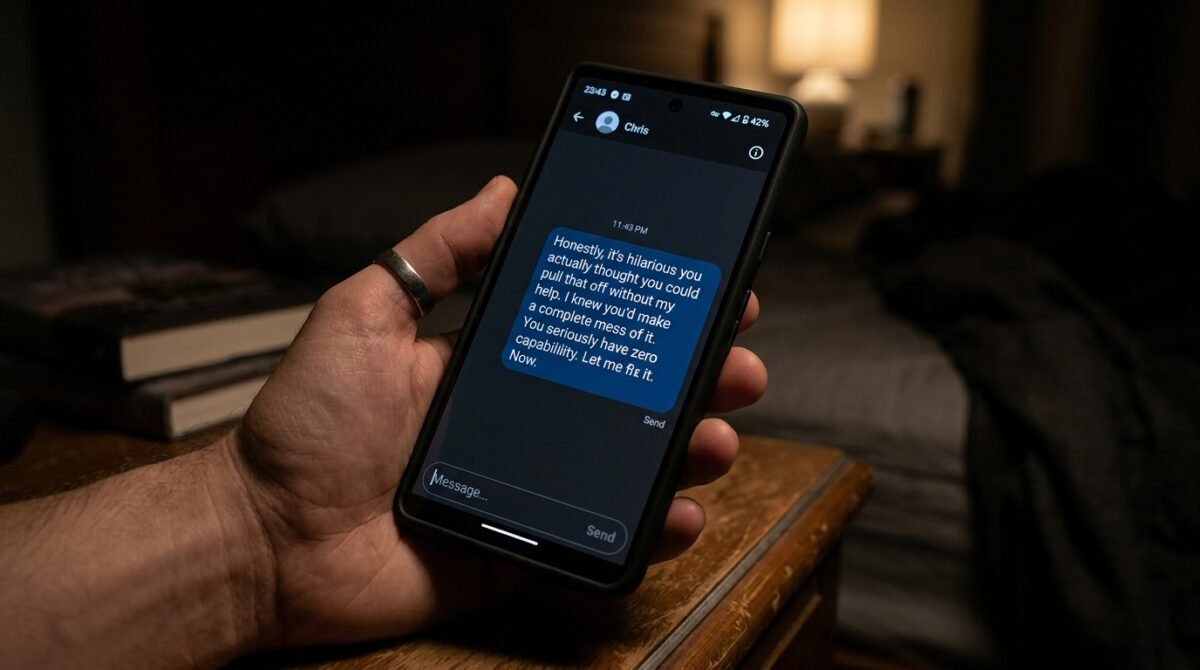
Things took a darker turn when a screenshot was accidentally sent to me by Mark’s best friend, Dave. It was a conversation from a group chat titled ‘The Guys,’ which I had clearly never been meant to see. My stomach dropped as I read the messages, which painted a picture of a man I didn’t recognize.
“Yeah, she’s paying almost the whole mortgage. I’m basically living for free while she covers the equity. It’s a genius setup. By the time we’re married—or if we break up—I’ll have fifty grand in equity she helped build. Don’t tell her that part, though. She thinks it’s ‘fair market value’ rent.”
— Leaked Message, The Guys Group Chat
I stared at the screen, the words blurring. He wasn’t just being greedy; he was being predatory. He had actively plotted how to use my income to subsidize his lifestyle and assets. Every ‘I love you’ and every ‘we’re building a future’ felt like a calculated maneuver to keep me compliant.
I didn’t confront him immediately. I sat on the floor of my current apartment, surrounded by half-packed boxes, and let the tears flow. The realization wasn’t just that I was being cheated financially, but that the person I had planned to spend my life with viewed me as nothing more than a convenient ATM with a pulse.
I spent the next three hours documenting everything. I saved the spreadsheet, took screenshots of the texts, and archived our previous conversations about the house. I knew that when the confrontation finally came, I needed more than just ‘feelings.’ I needed the receipts to prove to myself that I wasn’t crazy for wanting fairness.
The Midnight Ultimatum

I didn’t move into the townhouse on the first of the month. Instead, I drove over to Mark’s place at midnight, the day before the move, with a printed copy of the leaked texts and his ‘financial plan.’ He opened the door in his pajamas, looking annoyed at the interruption, but his expression changed the moment he saw the look on my face.
‘What is this, Elena? It’s past midnight. You’re supposed to be moving in tomorrow morning,’ he said, blocking the doorway slightly. I didn’t say a word. I walked past him into the living room, placed the papers on the coffee table, and waited for him to close the door.
‘I saw the texts, Mark. I saw what you said to Dave,’ I said, my voice shaking but firm. ‘You aren’t looking for a partner. You’re looking for a tenant who pays for your equity without the rights of a homeowner. You’re a predator.’
“You were snooping? That’s incredibly toxic, Elena. I was venting to my friends! You’re taking this out of context. Everyone has private conversations. My financial decisions are my own business!”
I laughed, a sharp, bitter sound. ‘They aren’t private when you’re literally stealing from the person you claim to love. You’re not just ‘protecting your assets.’ You’re exploiting me. And I’m done. I’m not moving in. I’m not paying your mortgage. And I’m certainly not staying with someone who views me as a mark.’
He tried to change the subject, shifting from defensive to manipulative, suggesting we ‘talk about it’ in the morning. He even tried to reach out and touch my arm, but I recoiled as if he were burning me. The fantasy of our future was officially dead.
The Reddit Community Weighs In
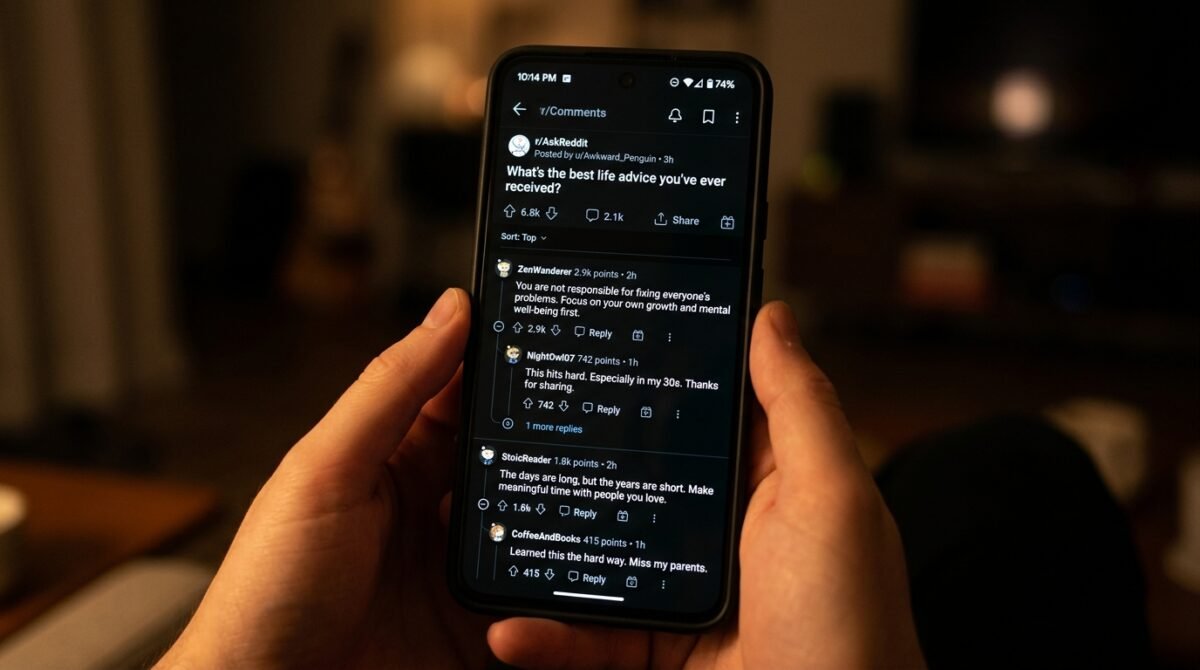
After the breakup, I posted the summary of the situation on a popular relationship subreddit. I needed to know if I was losing my mind, if I had actually been the unreasonable one. The response was overwhelming. Within an hour, my post had thousands of upvotes and hundreds of comments, all echoing the same sentiment: I had narrowly escaped a nightmare.
“This isn’t ‘rent.’ This is a predatory financial arrangement. He wanted you to pay for his investment while you stayed a tenant with zero security. You are NTA, and you should be thanking your lucky stars you saw those texts before you signed anything.”
— u/RelationshipGuru (Top Comment, 32.4k upvotes)
Another user wrote, ‘My ex did the exact same thing to me. It started with ‘market rate’ and turned into me paying for his luxury renovations while I couldn’t even pick the paint color. Run. He doesn’t love you; he loves the extra cash flow.’
The validation was both comforting and terrifying. It confirmed that this wasn’t just a ‘misunderstanding’—it was a pattern of behavior common among people who value wealth over intimacy. Reading the stories of others who had been through similar situations gave me the strength to maintain the no-contact boundary I had set.
I spent the next few days reading through the thread, finding comfort in the advice to protect my own finances. I realized that my own financial independence was my best defense, and I vowed never to let a relationship compromise my security ever again.
The Aftermath of a Cold Break

The days following the breakup were a whirlwind of logistics. I had to cancel my moving truck, find a new apartment on short notice, and deal with the fallout of informing our mutual friends. Mark, predictably, tried to control the narrative. He told people I was ‘unstable’ and that I had ‘freaked out over money’ instead of talking it through like an adult.
I lost a few friends in the process—the ones who preferred his version of reality or who found the conflict too uncomfortable to handle. It hurt, but it was also a filter. I realized that the people who were truly on my side were the ones who understood that financial equality is non-negotiable in a committed partnership.
I moved into a small, modest apartment of my own. It wasn’t the ‘luxury townhouse’ he had promised, but it was mine. I painted the walls the color I wanted, hung my own art, and didn’t have to explain my budget to anyone. For the first time in three years, I felt a sense of peace that I hadn’t realized I was missing.
“The most expensive thing you can ever pay for is the wrong person. You saved yourself a fortune in time, money, and emotional labor.”
I started focusing on my own career, saving my money, and reinvesting in myself. The fear that I had ‘lost’ the relationship slowly faded, replaced by the realization that I had actually gained my own autonomy back. The ‘rent’ I would have paid him was now going into my own savings account, and it felt like a victory every time I saw the balance grow.
Reflecting on the Red Flags

Looking back, the signs were there from the beginning. Mark had always been obsessed with ‘his’ versus ‘mine.’ He was the guy who wouldn’t share his dessert because he ‘paid for it,’ or who insisted on separate checks even when the bills were negligible. I had dismissed these as ‘quirks’ or ‘independence,’ but they were actually deep-seated personality traits.
He didn’t just want financial security; he wanted total control. By keeping the finances separate and unequal, he ensured that he always had the upper hand. If I ever disagreed with him, he could threaten my housing stability. It was a subtle, insidious form of control that I had been blind to because I wanted the relationship to work so badly.
I started journaling about the experience, listing every instance where he had made me feel small or secondary. It was a long list, filled with moments I had suppressed to keep the peace. It was a painful exercise, but it helped me understand that this wasn’t an isolated event. It was a systemic issue in his character.
I realized that I had been compromising my own needs to fit into his life, while he had done nothing to accommodate me. My ‘fairness’ had been his ‘weakness,’ and my willingness to sacrifice had been his ‘opportunity.’ I learned that a real partner doesn’t ask you to sacrifice your future for theirs; they build a future where you both thrive.
Lessons in Financial Intimacy

This experience taught me that money is not just currency; it’s a reflection of values. When you merge lives, you merge finances, and if your partner is unwilling to be transparent and equitable, you aren’t partners—you’re adversaries. I now have a very strict set of rules for any future relationships.
Rule number one: Transparency. If we’re going to live together, everything is on the table. We discuss salaries, debts, and long-term goals. Rule number two: Equity. If we’re both paying toward a mortgage, we are both on the deed. Period. There is no ‘market rate rent’ in a committed, long-term relationship where you are building a life together.
“Financial compatibility is just as important as emotional compatibility. If you can’t talk about money without feeling like you’re in a court of law, you’re not ready to live together.”
I feel empowered now. I know my worth, and I know that I don’t need a man to provide me with a ‘luxury space’ if it means losing my self-respect. I’ve realized that I am more than enough on my own, and that gives me the freedom to wait for someone who sees me as an equal.
I’ve also started helping my friends navigate their own financial conversations with their partners. It’s a taboo subject for many, but it’s the most important one. We need to stop romanticizing the ‘suffering for love’ trope and start prioritizing our own financial futures.
The Final Verdict: Why I Am NTA

It has been a year since I walked out. I occasionally hear news about Mark through mutual friends. Apparently, he’s gone through a series of roommates, all of whom have left within months. He’s still holding onto that townhouse, still looking for someone to subsidize his dream, but he’s failing to find anyone willing to put up with his demands.
I am proud of the decision I made. I stood my ground, I protected my future, and I refused to accept less than I deserved. I am NTA because I chose my own dignity over a man who viewed me as a line item in his investment portfolio. I didn’t break a contract; I broke free from a trap.
Sometimes people tell me I should have ‘tried harder’ or ‘negotiated better,’ but those people don’t understand that you can’t negotiate with someone who doesn’t respect you. You can only set a boundary and enforce it. And that’s exactly what I did.
I’m happier now than I ever was in that townhouse. I have a partner who values me, who is transparent about his finances, and who believes that everything we build is ‘ours,’ not ‘his.’ We’re looking at buying a house together soon, and the process is effortless because we share the same values.
Reader Community Debate and Poll

The discourse surrounding my story has been fascinating. It has sparked debates across multiple forums, with thousands of people sharing their own experiences with ‘landlord boyfriends’ and financial manipulation. It’s clear that this is a widespread issue, and it’s time we brought it to light.
What do you think? Is it ever ‘fair’ for one partner to charge the other rent while refusing to grant equity, or is it always a red flag? I’ve seen some argue that if the person is staying in a high-cost area, paying rent is ‘only fair,’ but I disagree. There is a massive difference between paying a landlord and paying your partner.
“The moment you introduce ‘landlord’ dynamics into a romantic relationship, you have destroyed the intimacy. It’s transactional, not relational.”
— u/RelationshipAnalyst (Top Comment, 15.2k upvotes)
I’d love to hear your stories in the comments. Have you ever been in a position where you were treated like a tenant in your own relationship? How did you handle it? Let’s keep this conversation going.
Poll: Would you ever pay rent to your partner if they refused to put your name on the deed? 1) Yes, it’s just rent. 2) No, never. 3) It depends on the amount.
Conclusion
Ultimately, the story of my ‘landlord boyfriend’ was never really about the $2,200 a month. It was about the fundamental difference in how we viewed our partnership. I saw a future built on shared effort and mutual trust; he saw an opportunity to leverage my income to secure his own wealth. Once that difference in perspective became clear, there was no bridge wide enough to cover the gap.
I hope that by sharing my story, I can encourage others to look at their own financial arrangements with open eyes. Don’t be afraid to ask the hard questions. Don’t be afraid to demand equity if you’re putting your hard-earned money into an asset. And most importantly, don’t be afraid to walk away from anyone who values your money more than they value you as a person.
We are the architects of our own lives. We have the power to set the boundaries that protect our peace and our future. Choosing to walk away wasn’t the end of my story—it was the beginning of my independence. And for that, I am eternally grateful.
What's your verdict on this dilemma?
Vote below to contribute to the official community consensus.

Have a Dilemma Keeping You Up at Night?
Share your real-life feud, wedding chaos, or relationship crossroads anonymously with our editorial team.
What do you think ?
0 Comments🛡️ Comments are moderated to protect community integrity. Your comment will appear once approved by the editorial team.