
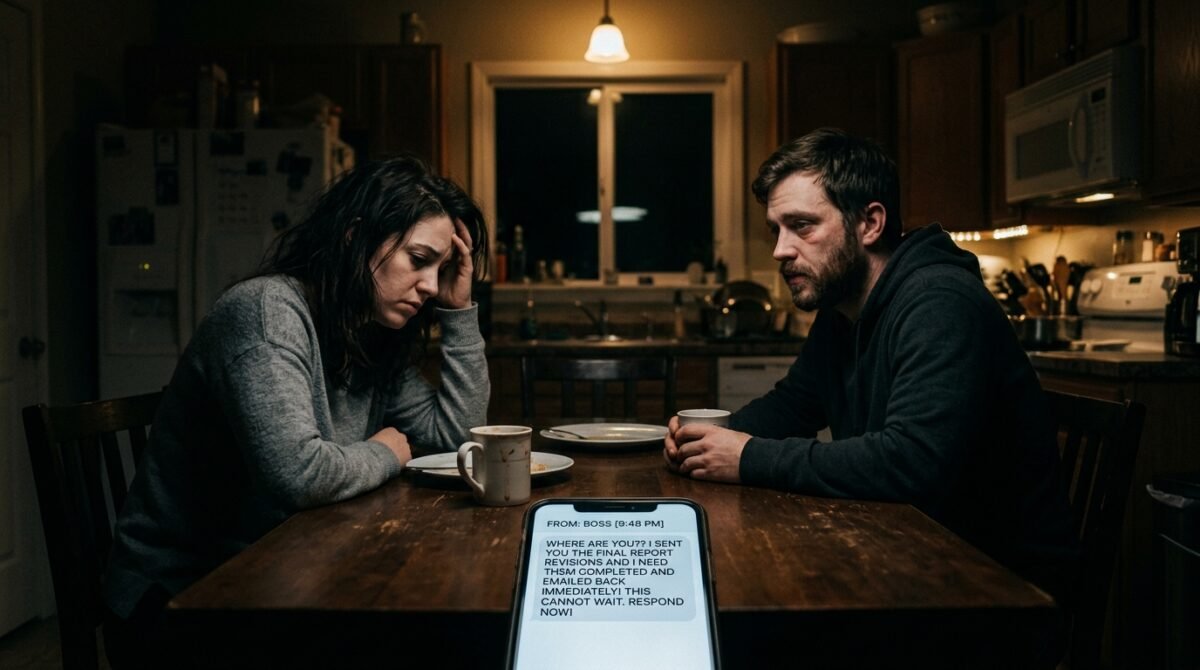
Money has a way of peeling back the layers of a family dynamic, revealing the raw, often uncomfortable truth beneath the veneer of holiday dinners and polite small talk. For years, I had navigated the subtle, passive-aggressive currents of my in-laws’ lifestyle—a world of curated vacations, country club memberships, and an underlying assumption that my husband and I, as the ‘rising stars’ of the family, were essentially their personal financial safety net. It was a role I never signed up for, and one I certainly never intended to play long-term.
The breaking point, however, wasn’t a slow burn; it was a sudden, blinding explosion of entitlement that occurred shortly after we filed our taxes this year. We were expecting a modest, but helpful, refund—the result of careful budgeting and a few professional milestones we’d finally hit. It felt like breathing room. It felt like a chance to finally pay off that last chunk of credit card debt from our move. But apparently, our windfall had already been earmarked by someone else.
The first inkling of the disaster came in the form of a ‘casual’ text from my mother-in-law, Barbara. She hadn’t asked how we were doing. She didn’t ask about our recent promotion. Instead, she asked for our ‘banking details’ so she could ‘settle the accounts.’ It took me three frantic phone calls to my husband, Mark, to realize that they hadn’t just assumed we had extra cash—they had assumed the refund was legally and morally theirs to cover a reckless investment they’d made in a luxury timeshare resort in Florida.
The audacity was breathtaking. To them, we weren’t a couple working toward our own future; we were a secondary income stream designed to subsidize their poor decisions. When we finally stood our ground, the fallout was swift, ugly, and deeply revealing. This is the story of how a single tax return nearly dismantled our marriage, forced us to go no-contact, and taught us exactly what ‘family’ really means when the money runs out.
The Morning Notification That Changed Everything

It was a Tuesday morning, the kind of quiet, mundane start that usually signals nothing more than a long day at the office. I was pouring my second cup of coffee when my phone buzzed against the granite countertop. It was a message from Barbara, a woman who usually saved her texts for passive-aggressive comments about my cooking or our choice of home decor. This time, the tone was startlingly business-like.
The message read, ‘Mark, I assume you saw the news about the tax changes. Since your father and I are short on the quarterly maintenance fee for the resort, we’ve decided that your tax refund will be the perfect way to square that debt. I’ll need the routing number by Friday so I can process the transfer before the late fees hit.’
I stared at the screen, my blood turning to ice. I hadn’t even told my own parents about our refund, let alone discussed it with my in-laws. The assumption that they had any right to our finances was insulting, but the cold, calculated demand for our bank details was something else entirely. It wasn’t a request; it was an expectation of servitude.
“Do they think we are a bank? I haven’t even told you yet, Mark, but your mother just messaged me acting like our tax money is sitting in a joint account with her.”
— Me, confronting my husband
Mark’s reaction was one of pure, unadulterated shock. He had been raised to believe that his parents were infallible, but even he could see the boundary they had crossed. We spent the next two hours in a state of hyper-arousal, debating whether this was a joke or a genuine, albeit delusional, attempt at theft. By noon, it became clear: they really believed they were entitled to it.
The issue of the ‘resort’ was a sore subject. It was a luxury timeshare they had purchased three years ago, a vanity project that had bled them dry. They treated it like a summer home, but in reality, it was a black hole for their retirement savings. Now, faced with a mounting debt they couldn’t cover, they were looking for a life raft, and they had decided we were it.
The Kitchen Table Ultimatum

By the time Friday rolled around, the situation had escalated from a text message to a full-blown crisis. Barbara and her husband, Harold, didn’t wait for an invite. They showed up at our house at 6:30 PM, right as we were sitting down to a simple dinner. The look on their faces wasn’t one of apology—it was one of impatience.
They walked in like they owned the place, Harold heading straight for the fridge to pour himself a drink while Barbara stood in the doorway, tapping her foot. ‘We’re here for the wire transfer, Mark,’ she said, ignoring my presence entirely. ‘The management office is breathing down our necks, and we really don’t have the patience for a long explanation of your budget issues.’
Mark stood up, his voice shaking but firm. ‘Mom, we aren’t giving you the money. That refund is for our emergency fund and our own debt. We never agreed to pay for your timeshare, and we certainly aren’t going to start now. You need to stop asking.’
“You are being incredibly selfish. We sacrificed everything to put you through school, and this is how you repay us? A few thousand dollars is nothing to you, but it’s our entire reputation at stake!”
— Barbara, during the confrontation
The room went silent. The tension was so thick you could cut it with a knife. Barbara’s face turned a shade of purple that I hadn’t seen before. She didn’t look like a grandmother; she looked like a business partner who had just been cheated out of a deal. She leveled a finger at Mark, her voice dropping to a dangerous, low pitch.
I stepped in then, my hands trembling as I held my ground. ‘Barbara, this is our home, and those are our earnings. You have no legal or moral right to demand our money. If you can’t afford the maintenance fees, you need to sell the timeshare, not shake down your children.’
The Group Chat Explosion

The fallout didn’t stop at our doorstep. Within an hour of them leaving, my phone began to vibrate uncontrollably. A new group chat had been created, titled ‘Family Support Initiatives,’ and it included not just us, but Mark’s siblings, his cousins, and even his aunt. The messages were coming in fast, painting us as the villains of the year.
Barbara had spun a narrative that was almost impressive in its deceit. She claimed we were ‘holding the family hostage’ by refusing to help with a ‘medical emergency’—the maintenance fees for the timeshare were now suddenly being framed as a health-related expense to guilt-trip the rest of the family.
“So disappointed in Mark and [OP]. Everyone is chipping in to help Grandma and Grandpa with their health expenses, but they refused to contribute a single cent. So much for family values.”
— Sarah, Mark’s sister, in the family group chat
I read the messages aloud to Mark, who was sitting on the couch with his head in his hands. ‘Health expenses?’ he whispered. ‘They are literally calling a resort fee a health expense. This is insane.’ We realized then that this wasn’t just about the money; it was about control. They were weaponizing the rest of the family to isolate us.
We decided, in that moment, that we weren’t going to play the game. We wouldn’t engage with the lies, but we wouldn’t back down either. We sent one final message to the group: ‘The money requested is for a luxury timeshare, not medical bills. We are not funding your lifestyle choices. Please do not contact us regarding finances again.’
The Certified Letter of Disinheritance

Three days later, a certified letter arrived in our mailbox. It was from a lawyer representing Harold. It was a bizarre, poorly drafted document that threatened us with ‘legal action’ if we didn’t comply with the family’s ‘financial obligations.’ It was laughable, but it also signaled a terrifying shift in their behavior. They were taking this to a level that felt almost criminal.
Mark laughed as he read it, but I could see the hurt behind his eyes. It was one thing for his parents to be greedy; it was another to formalize their hatred. ‘They really think they can sue us for not giving them our tax refund?’ he asked, shaking his head. ‘They’ve completely lost their minds.’
We took the letter to a lawyer of our own, just to be safe. Our attorney spent ten minutes reading it before tossing it onto his desk with a smirk. ‘This isn’t a lawsuit,’ he told us. ‘This is intimidation. They have no standing. You’re under no obligation to pay a dime of their debts. If they send another, just ignore it and keep the documentation.’
“Do not respond to them again. If they want to play legal games, let them pay the bill for their own lawyers. You have zero liability here.”
— Our lawyer’s advice
We felt a sense of relief, but the emotional damage was done. The idea that his parents would actively try to threaten us with legal action over their own financial incompetence was the final straw. It wasn’t just a disagreement; it was a declaration of war. We realized that we couldn’t maintain a relationship with people who viewed us as assets to be liquidated.
The Sunday Dinner Sabotage

Against our better judgment, we agreed to attend a family brunch at Mark’s aunt’s house. We thought it might be a way to clear the air, to show that we were still part of the family, just with stricter boundaries. We were wrong. As soon as we walked in, the atmosphere changed. Conversations stopped. People looked at their feet.
Barbara was holding court in the corner, recounting a tearful story about how ‘some people’ were too greedy to help their elders. When we walked in, she didn’t even acknowledge us. It was a calculated attempt to make us feel like pariahs. Mark’s cousin, usually our closest ally, wouldn’t even meet our eyes.
We sat through the entire meal in silence, listening to the not-so-subtle digs about ‘people who have forgotten where they came from.’ It was agonizing. The hypocrisy was so thick it was palpable. These were the same people who constantly complained about Mark’s parents’ spending habits, yet here they were, enabling the behavior because it was easier than standing up to them.
“If you’re going to continue acting like we’re the villains for not paying your bills, we’re going to leave. This isn’t a family lunch; it’s a public shaming.”
— Mark, standing up at the dinner table
We left before dessert. As we walked out to the car, I felt a strange sense of liberation. For the first time, I didn’t care what they thought of me. I didn’t care about the family reputation. I only cared about the person walking beside me, and the fact that we had chosen each other over the toxicity that had defined his life for thirty years.
Reddit Weighs In: The Verdict of the Masses
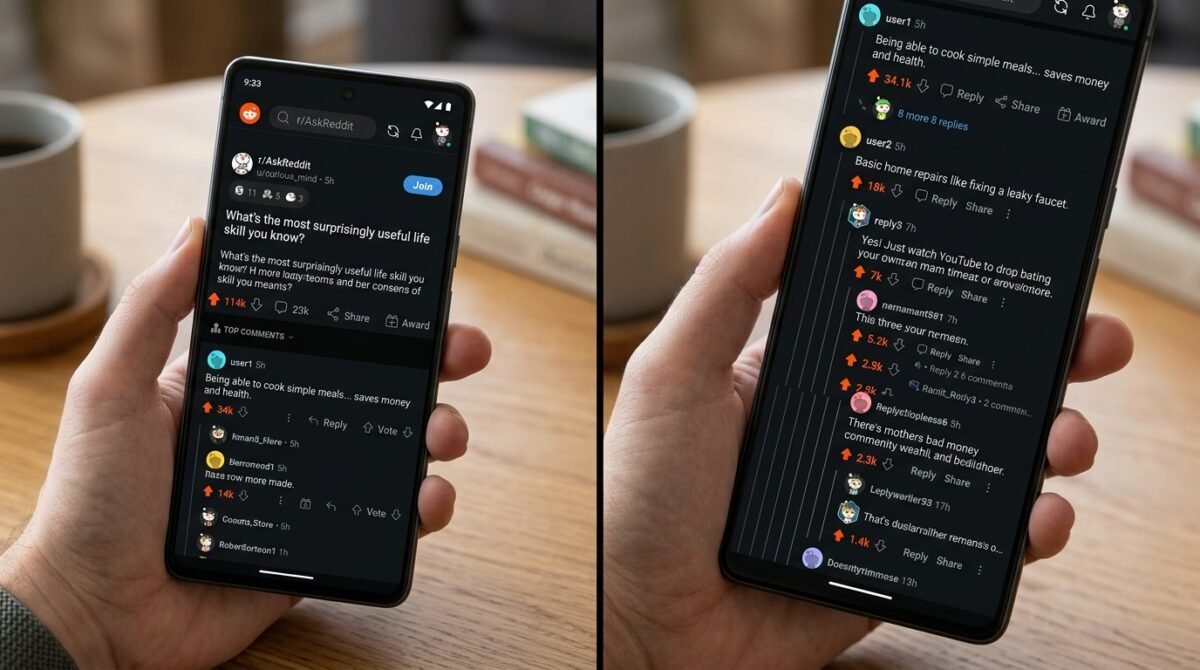
I finally posted about the situation on a popular subreddit, needing an objective perspective. I kept it brief, outlining the demands and the fallout. I expected some nuance, perhaps some advice on how to salvage the relationship, but the internet was far more decisive than I ever could have been. The post went viral within hours.
The consensus was overwhelming. Thousands of people commented, sharing their own horror stories of ‘financial vampires’ and manipulative in-laws. It was both comforting and terrifying to know that this was a common experience. The advice was unanimous: stop engaging, cut them off, and never look back.
“NTA. Your tax refund is yours. Their financial failure is not your responsibility. You are not a bank, you are their child. Do not apologize, do not negotiate, and definitely do not give them a single cent.”
— u/FinancialFreedomSeeker (Top Comment, 32k upvotes)
One comment in particular stood out, articulating exactly what I had been feeling: ‘The fact that they threatened legal action tells you everything you need to know about how they view your relationship. They don’t see you as family; they see you as an ATM. Once the money is gone, they’ll move on to the next victim. You’ve done the right thing by putting up the wall now.’
It was a turning point for us. Seeing the validation from thousands of strangers helped us realize that we weren’t just being difficult. We were being healthy. We were setting a boundary that was long overdue, and the fact that they were reacting so violently was just proof that the boundary was working exactly as it should.
The Quiet After the Storm

The weeks following the dinner were eerily quiet. We heard nothing from Barbara or Harold, and for the first time in our marriage, the constant weight of their expectations lifted. We used our tax refund to pay off that debt and even put a small amount into a savings account for a vacation—a trip we were actually planning to take, on our own terms.
Mark was struggling, of course. It’s hard to cut off your parents, even when they’re toxic. He spent many nights reflecting on his childhood, realizing how many times he had been asked to ‘help out’ or ‘cover the difference’ for them. It was a process of grieving a relationship that had never really existed in the way he thought it had.
We started seeing a therapist together, which has been the best decision of our lives. It gave us the tools to communicate better and to understand that we are a team, regardless of what anyone else thinks. We learned that we don’t have to carry the burden of other people’s choices, and that ‘family’ is something you build, not something you’re born into.
“I never realized how much energy I was spending just trying to keep them happy. I feel like I can finally breathe.”
— Mark, during a therapy session
We still get the occasional passive-aggressive text from the extended family, but we’ve learned to block those, too. It’s not about winning an argument; it’s about peace of mind. And for the first time, we have it.
Reflections on Financial Boundaries

One of the most important things I’ve learned through this experience is that financial boundaries are the most effective way to test the health of a relationship. If people truly love and respect you, they will never feel entitled to your money. They will be happy for your success, and they will respect your decisions, especially when those decisions don’t benefit them directly.
We’ve had to make some hard choices, but they were the right ones. We’ve learned that when you say ‘no’ to someone who is used to hearing ‘yes,’ they will often lash out. But that lashing out isn’t your fault. It’s a reflection of their own lack of control and their inability to respect your autonomy. You don’t owe anyone an explanation for how you spend your hard-earned money.
I think about the timeshare, the empty vacation home in Florida that they were so desperate to keep, and I realize it was a symbol of their obsession with a lifestyle they couldn’t afford. They valued the appearance of success more than they valued their relationship with their own son. That’s a sad reality, but it’s their reality, not ours.
“Money is a tool, not a measure of worth. Don’t let your boundaries be eroded by those who want to use you for your resources.”
— A thought from our therapist
We are still working through the feelings of guilt, but they are fewer and farther between. We’ve replaced the guilt with a sense of pride. We stood up for ourselves, we protected our future, and we chose to prioritize our own well-being over the demands of people who didn’t have our best interests at heart.
The Lessons of No-Contact

Going no-contact wasn’t a decision we made lightly. It was the culmination of years of boundary-crossing, but this specific incident made it clear that there was no other way. We realized that as long as we were open to contact, we were open to their manipulation. We had to shut the door completely to find any sense of normalcy.
The silence has been profound. We’ve discovered hobbies we never had time for, spent weekends with friends who actually care about us, and started saving for our future with a renewed sense of purpose. We aren’t looking over our shoulders, waiting for the next demand or the next crisis. We are finally living our own lives.
There’s a freedom in knowing that you don’t have to answer the phone. There’s a power in knowing that you have the final say in your own life. It wasn’t easy to get here, and I wouldn’t wish the pain of this experience on anyone, but I am grateful for the clarity it brought us. We’ve grown stronger as a couple, and we’ve learned to cherish the boundaries that keep our relationship healthy.
“You cannot heal in the same environment that made you sick. Sometimes, the most loving thing you can do is walk away.”
— A piece of advice from an online support group
We’ve also started building a ‘chosen family’—friends who treat us with the respect and kindness we deserve. It’s a different kind of support system, one based on mutual care rather than obligation. It’s exactly what we needed to move forward, and I’m so thankful for the path that led us here.
A Final Note to Our Readers

If you take one thing away from our story, let it be this: your money is yours, and your life is yours. You do not owe anyone anything, especially not your financial stability. People will try to make you feel guilty for saying no, but that guilt is a weapon they use to get what they want. Don’t let them.
We hope our journey can help someone else who is struggling with similar issues. If you’re in a position where you feel like you’re being used, or where your boundaries are being ignored, know that you are not alone. There are resources out there, there are people who will support you, and you have the power to change your situation. It’s never too late to start putting yourself first.
We are still healing, and I’m sure there will be more hurdles to clear in the future, but we are facing them together. We have each other, and for us, that is more than enough. We’ve learned that when the smoke clears, the only thing that really matters is the people you choose to have in your life, and how you choose to treat them.
“Your worth is not determined by how much you can give to others. It is determined by the boundaries you set for yourself.”
— Final thought from the author
Thank you for letting us share our story. It’s been a long and difficult road, but we’re finally coming out the other side. We hope that by sharing this, we can inspire others to stand up for themselves and find the peace they deserve.
Conclusion
Looking back at the past few months, the contrast between the stress we were under and the peace we have now is staggering. It’s a reminder that we are the architects of our own lives. We’ve reclaimed our financial future and, more importantly, our emotional autonomy. We’ve learned that saying ‘no’ is a full sentence and that real family supports one another without expecting a transaction in return.
The timeshare remains a point of contention for them, but it is no longer a part of our narrative. We’ve detached ourselves from their cycle of instability and replaced it with a foundation built on trust and mutual respect. We are still in therapy, we are still healing, but we are doing it together, and that makes all the difference.
We want to know: have you ever had to draw a hard line with family over money? How did it change your relationship, and what did you learn in the process? Share your stories in the comments—we’d love to hear how you handled your own boundary-setting moments.
What's your verdict on this dilemma?
Vote below to contribute to the official community consensus.

Have a Dilemma Keeping You Up at Night?
Share your real-life feud, wedding chaos, or relationship crossroads anonymously with our editorial team.
What do you think ?
0 Comments🛡️ Comments are moderated to protect community integrity. Your comment will appear once approved by the editorial team.