
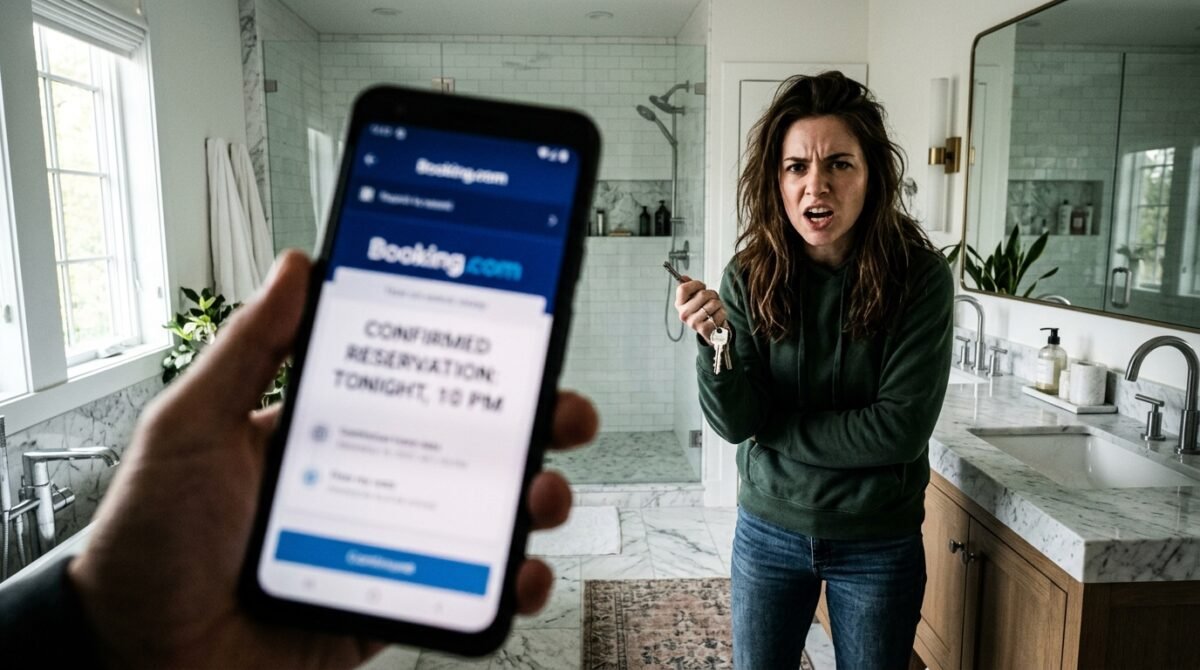
Living with a roommate is often a delicate dance of shared chores, quiet hours, and mutual respect. For three years, Mark and I had perfected that rhythm in our shared apartment. We split the rent fifty-fifty, kept the common areas tidy, and mostly stayed out of each other’s hair. I work long hours as a data analyst, often leaving before sunrise and returning just as the city lights begin to flicker. It was a functional, if not particularly warm, arrangement.
That was until ‘The Side Hustle’ began. I started noticing small, bizarre discrepancies in our home. A damp towel on the floor I didn’t recognize. The faint, floral scent of a shampoo brand I didn’t use. At first, I blamed my own exhaustion, attributing these oddities to late-night fatigue or a momentary lapse in memory. But then, the frequency of these ‘hiccups’ escalated, leading to a discovery so surreal it felt like something out of a low-budget horror film.
Mark had decided, without consulting me, that our master bathroom—the one attached to my bedroom—was a ‘valuable asset’ on a newly launched luxury day-use rental app. He was essentially running a boutique spa out of my private quarters while I was chained to my desk downtown. When I finally pieced the reality together, the sense of violation was absolute. It wasn’t just about the money; it was about the sanctity of my home and the complete disregard for my boundaries.
This story is about the breaking point. It is about the moment I realized that diplomacy was no longer an option, and the cold, calculated steps I took to protect my peace. From the first suspicious text message to the final, echoing click of the new deadbolt, this is how I dismantled a parasitic business venture in my own living room.
The Faint Scent of Lavender and Betrayal
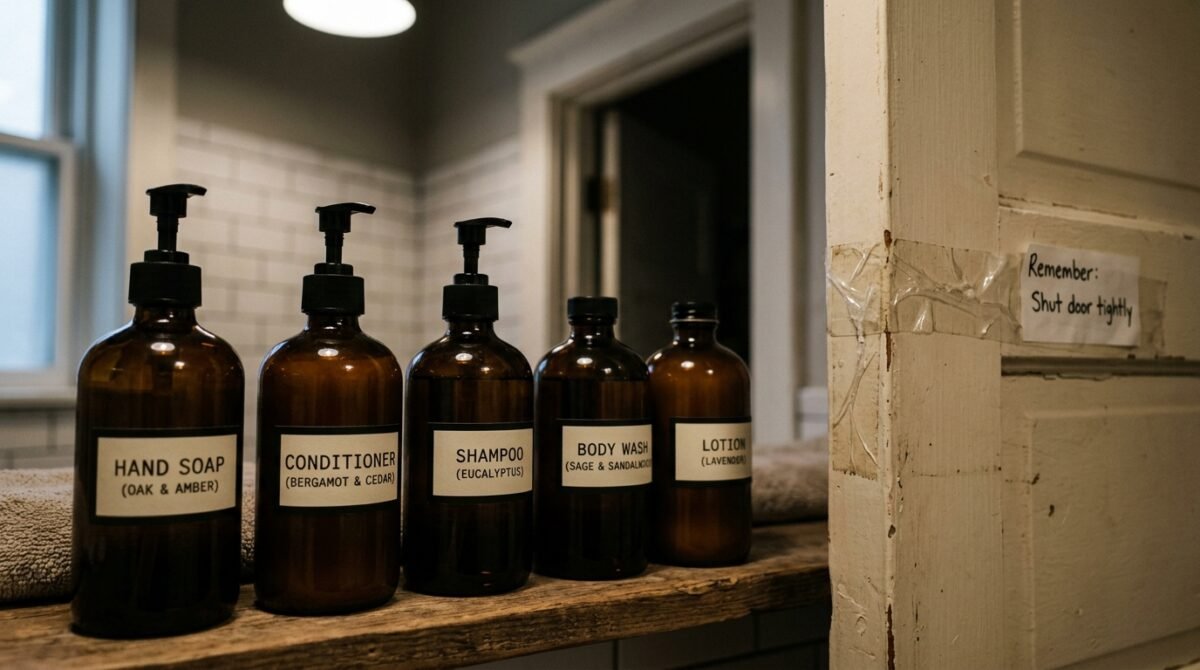
It began with the towels. I’m a creature of habit, and I keep my towels color-coded. When I walked into my bathroom after a fourteen-hour shift, I found a damp, neon-green towel draped over the shower rack. It wasn’t mine. I froze, the hum of the refrigerator in the kitchen feeling suddenly like a deafening roar. I walked to the living room, where Mark was lounging with his laptop, looking entirely too comfortable.
I asked him about the towel, keeping my voice steady despite the spike of adrenaline. He didn’t even look up, just muttered something about a friend stopping by to use the shower while he was ‘checking the pipes.’ I should have pushed back then, but I was tired, and the lie was so mundane that it barely registered as a threat. That was my first mistake.
Over the next week, the bathroom became a revolving door of subtle changes. My high-end soaps were being used at an alarming rate. The shower head, which I had calibrated to my preferred pressure, was suddenly cranked to a setting that made my skin itch. I started feeling like a guest in my own home, a feeling that only intensified as I noticed the increased foot traffic in the hallway while I was supposedly alone.
I began to suspect he was hiding someone, or perhaps, hiding something more lucrative. I started leaving small ‘traps’—a piece of scotch tape on the door frame, a specific arrangement of bottles on the counter. Every single one was disturbed by the time I returned home. It became clear that while I was helping my company crunch numbers, someone else was helping themselves to my personal sanctuary.
“Hey, did you have someone over today? I found a random towel in the master bath again. I’m not comfortable with guests using my private space when I’m not here.”
— My text message to Mark, sent at 6:30 PM
His response was swift, dismissive, and entirely devoid of remorse. He told me I was being ‘paranoid’ and ‘possessive’ over a room that, in his words, was ‘mostly just sitting there empty for ten hours a day.’ That phrase was the spark that ignited the entire powder keg.
Discovering the ‘Day-Use’ Facade
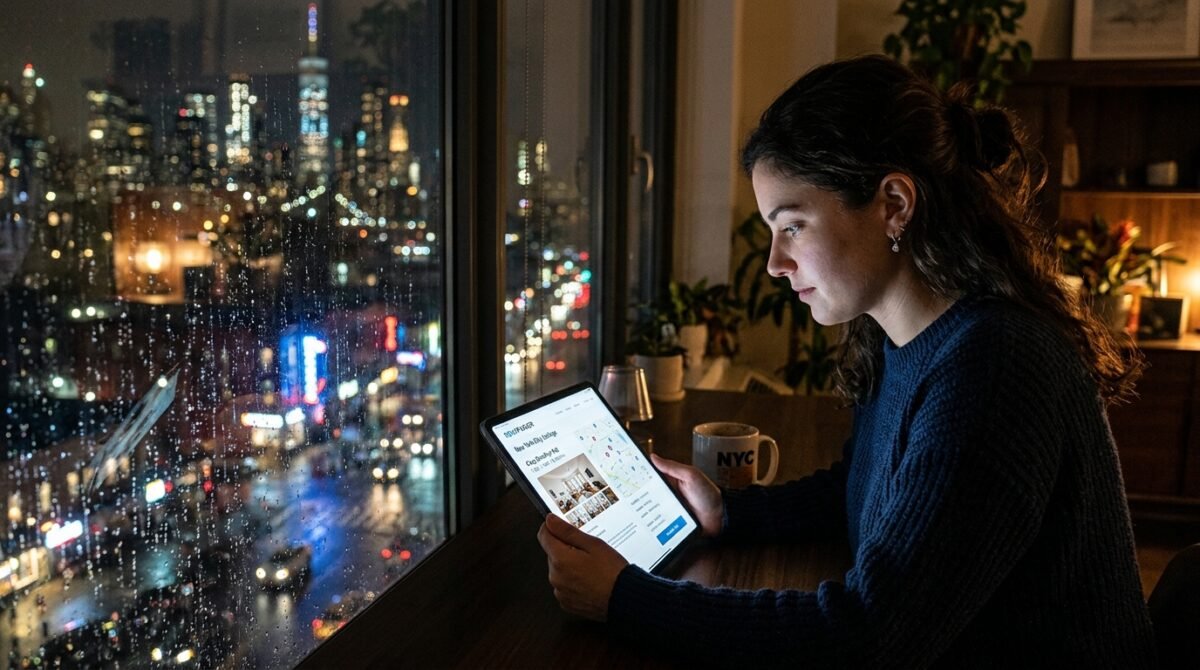
The truth came out through an accidental push notification. Mark had left his iPad on the kitchen island while he was in the shower. A notification popped up from an app called ‘StayFresh,’ a niche platform for booking private bathrooms and home amenities by the hour. My heart skipped a beat as I read the preview: ‘Your booking for the Private Oasis Suite is confirmed. 4.8 stars, 50 dollars per hour.’
I didn’t open the app initially, fearing what I might find. Instead, I took a photo of the screen with my phone. The ‘Private Oasis Suite’ was my bathroom. I scrolled through the public listing later that night, my skin crawling as I saw photos of my own bedroom decor, the view from my window, and even a filtered shot of the bathroom I spent two hours deep-cleaning every Sunday.
The audacity was staggering. He had written a description about a ‘serene, tranquil space in the heart of the city,’ perfect for ‘refreshed commutes’ or ‘pre-event preparation.’ He was charging a premium, and he was pocketing every single cent while I was the one paying half the rent for the privilege of hosting his strangers. I sat on my bed, the room feeling small and tainted.
I realized then that this wasn’t just a temporary lapse in judgment; this was an enterprise. He had a schedule, a cleaning rotation, and apparently, a growing list of five-star reviews from people who had stood in my shower while I was busy analyzing spreadsheets. The sheer disconnect between my professional life and the clandestine hotel operation happening in my house was almost comical, if it wasn’t so infuriating.
“I know about the app, Mark. I know about the ‘Private Oasis Suite.’ You are renting out my bathroom without my consent. This ends today.”
— My follow-up text to Mark
He didn’t try to hide it once I brought it up. He walked into the kitchen, arms crossed, looking at me like I was the one being unreasonable. He had the gall to tell me that I was ‘stifling his innovation’ and that it was ‘passive income’ that didn’t hurt anyone.
The Kitchen Confrontation
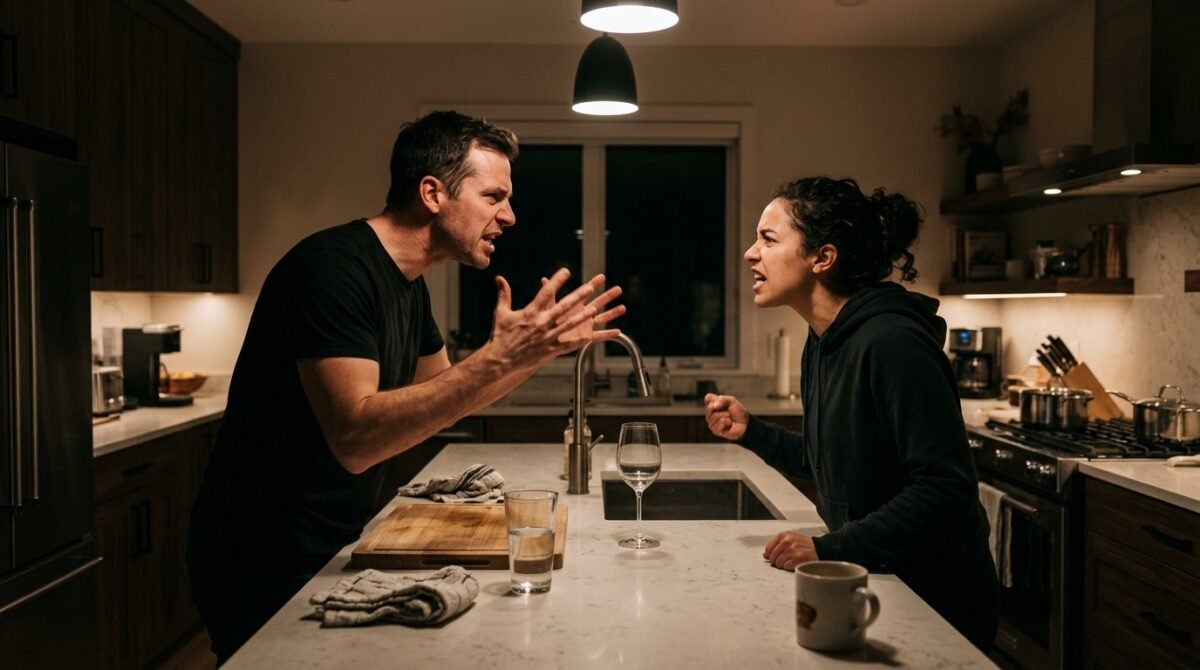
The argument that followed was the loudest thing to ever happen in that apartment. Mark stood by the fridge, his face flushed with a mixture of irritation and genuine confusion—the confusion of someone who truly couldn’t fathom why his behavior was unacceptable. He argued that since the rent was paid, the space was technically ‘communal’ during the day.
I countered with the lease agreement, pointing out that our contract specifically delineated the master suite as my private area. He laughed, a short, sharp sound that felt like a slap. He said that in the ‘gig economy,’ we had to be smarter with our resources. I told him that if he wanted to be an entrepreneur, he could find his own office space, not hijack my living situation.
The conversation spiraled into a debate about ethics, privacy, and basic human decency. He kept circling back to the money, asking me if I realized how much we could make if we listed the kitchen and the living room too. It was like talking to a wall built of pure, unadulterated entitlement. He truly believed he was doing me a favor by ‘optimizing’ the apartment.
I realized then that there was no reasoning with him. He saw me as a hurdle to his profit margin, not as a roommate or a friend. The look in his eyes was cold, calculating. He wasn’t thinking about our friendship; he was thinking about his next booking. That was the moment I stopped viewing him as a peer and started viewing him as an adversary that needed to be neutralized.
“You don’t get it, do you? This isn’t a business, Mark. This is my home. You’re bringing strangers into my bedroom area. It’s not just illegal; it’s a total violation.”
— A snippet from our heated argument in the kitchen
He just shrugged, walked past me, and went into his room, slamming the door. The sound echoed in the apartment, sealing the deal. I knew I couldn’t trust him to stop, so I started planning my move.
Changing the Narrative and the Deadbolts
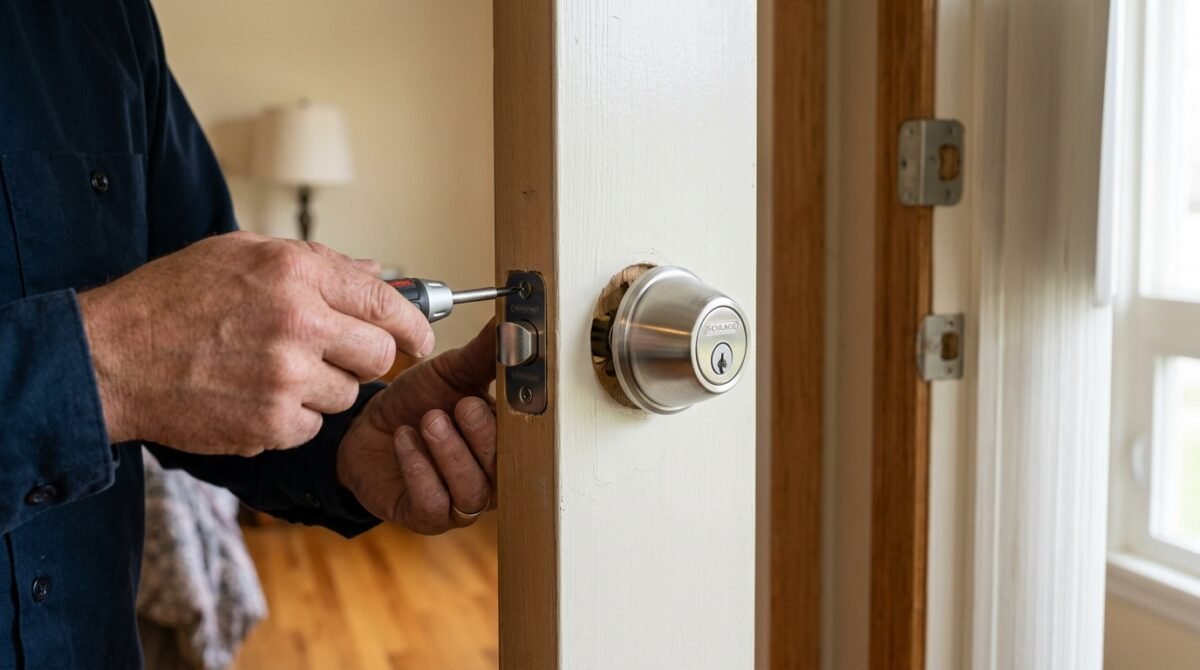
I didn’t wait for him to leave for his next ‘appointment.’ I called a locksmith the very next morning, the moment he stepped out for his coffee run. I instructed the professional to install a high-security deadbolt on my bedroom and bathroom suite, one that required a physical key I would carry on my person at all times. It was a drastic step, a physical manifestation of the boundary I had been trying to set for weeks.
When Mark returned, he found his key card no longer worked on my door. I watched through the peephole as he rattled the handle, his face shifting from confusion to annoyance, then finally to pure, incandescent rage. He knocked, but I didn’t answer. I sat on my bed, feeling a strange sense of calm. The silence in the room was finally mine, unbothered by the ghost of strangers.
He sent a flurry of messages, ranging from threats about the lease to pathetic attempts at bargaining. He even tried to claim I was breaking the law by ‘locking him out of his own home,’ which, of course, made no sense given that he had full access to the rest of the apartment. I ignored every single one of them. The power dynamic had shifted, and for the first time in weeks, I was the one in control.
He eventually stopped knocking and went back to his room. I spent the evening drafting a formal notice to our landlord, detailing exactly what had been happening. I wasn’t going to let him continue this, nor was I going to be the one to take the fall when the building management inevitably found out about his unauthorized business venture.
“You changed the locks? You realize how crazy this makes you look, right? I have clients expecting that room in two hours. You’re ruining my business!”
— Text message from Mark after finding the deadbolt
Ruining his business was exactly the point. I felt no remorse. The violation of my space deserved a firm, unyielding response, and I was more than happy to be the one to deliver it.
The Landlord’s Unannounced Inspection
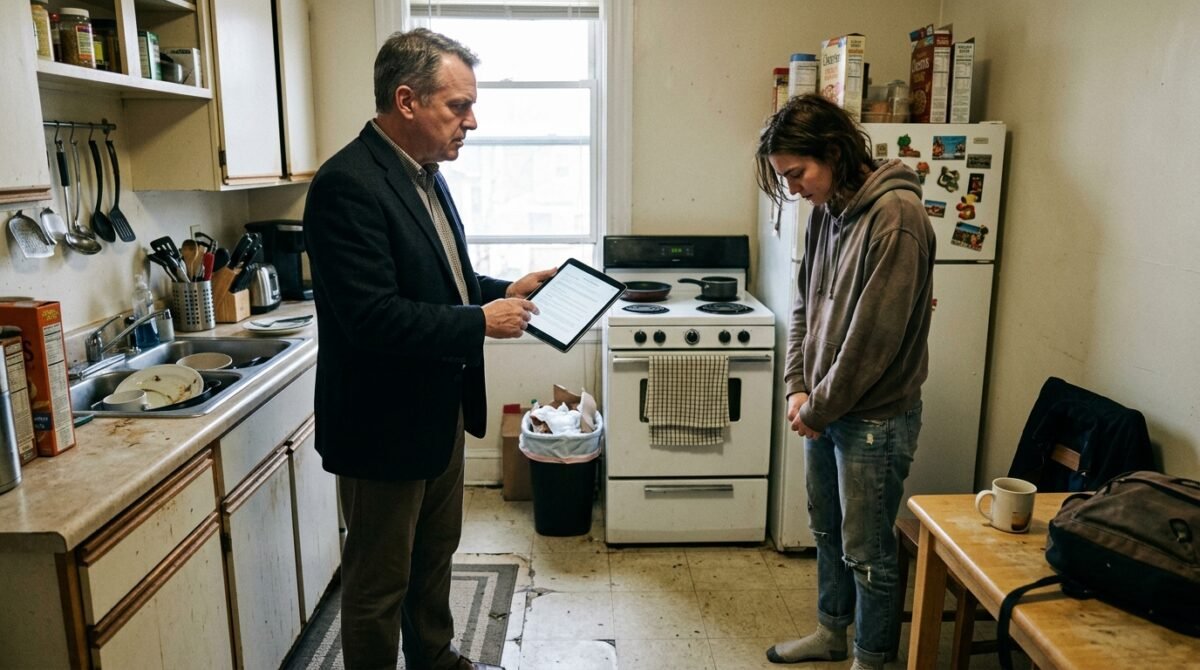
The fallout was faster than I expected. My email to the landlord, accompanied by screenshots of the ‘StayFresh’ listing and the photos Mark had taken of our apartment, hit his inbox at 9:00 AM. By noon, I received a notification that an ’emergency maintenance inspection’ was scheduled for the following day. Mark had no idea.
When the landlord arrived, he didn’t mince words. He walked straight to the kitchen where Mark was sitting, looking smugly at his phone. The landlord placed a tablet on the counter, showing the exact page of the listing. Mark’s face went pale. The landlord was not a man who enjoyed having his property turned into an unlicensed, unregulated Airbnb for bathroom enthusiasts.
The conversation was short. The landlord told Mark that his lease was being terminated for ‘unauthorized business activity’ and ‘violation of security protocols.’ He was given forty-eight hours to vacate the premises. I stood in the background, arms folded, watching the life drain from Mark’s face as he realized his ‘innovation’ had just cost him his housing.
He tried to argue, of course. He tried to claim I had been ‘in on it’ at one point, but the landlord simply looked at me, then back at him. I had already provided my own correspondence, showing I had fought him on this from the start. Mark was on his own. The realization finally hit him: he had traded a perfectly good living situation for a few hundred dollars of illicit, short-lived cash.
“I don’t care about your side-hustle, Mark. I care about my property being used in ways that violate the law. You’re out.”
— The landlord, shutting down Mark’s protestations
The rest of the day was a blur of packing boxes and cold, awkward silences. I didn’t help him. I didn’t offer him a ride. I simply stayed in my room—my private, locked, quiet room—and waited for the house to be mine again.
Reddit Weighs In: The Verdict
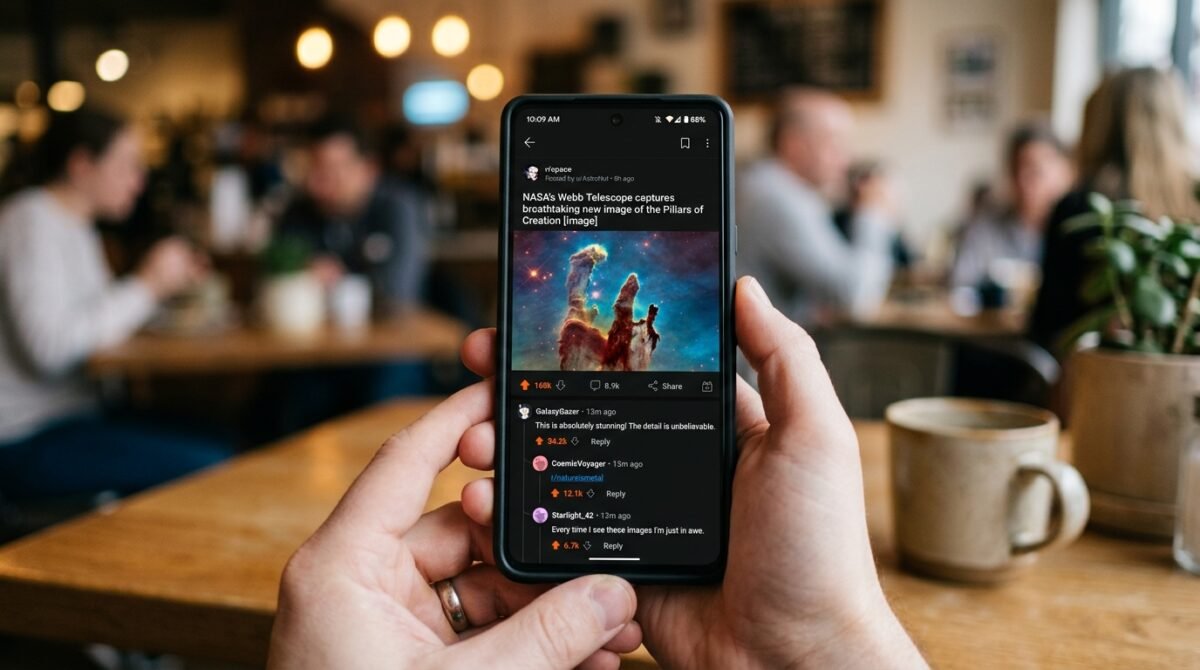
I posted my story on a popular forum the night he left, seeking validation that I hadn’t overreacted. The response was overwhelming. Thousands of comments poured in within the first twenty-four hours, many of them echoing the same sentiment: I had not only protected my space, I had stood up for the principle of privacy in an increasingly invasive world.
The community was split, but the majority were firmly on my side. Some pointed out the legal ramifications, noting that I could have been held liable for any damages or even criminal activity that occurred during those ‘rentals.’ Others were simply horrified by the audacity of the roommate. The thread became a masterclass in why boundaries are non-negotiable in shared living situations.
There were, of course, the contrarians—those who felt I should have been ‘more collaborative’ or ‘looked for a way to split the profit.’ But they were quickly drowned out by the flood of people who understood that privacy isn’t something you barter with. The post quickly climbed to the top of the subreddit, reaching tens of thousands of upvotes.
Reading the comments helped me process the anger. It made me realize that I hadn’t been a ‘difficult’ roommate; I had been a victim of someone else’s boundary-destroying greed. It was a cathartic experience, watching total strangers validate my decision to protect my home. Here are some of the most insightful perspectives from the community.
“OP, you did the right thing. This isn’t just about the bathroom; it’s about the fact that he was putting you at legal risk and violating your basic sense of safety. NTA (Not The Asshole) 100%.”
— u/HomeownerHero, 15.2k upvotes
“The fact that he tried to gaslight you about being ‘possessive’ is classic manipulation. He didn’t just rent out a space; he sold your privacy. Good on you for changing those locks.”
— u/PrivacyAdvocate, 8.9k upvotes
Seeing that I wasn’t alone in feeling this way was the final piece of closure I needed. The internet didn’t just give me advice; it gave me the confirmation that my own standards for living were, in fact, the standard.
The Silence After the Storm
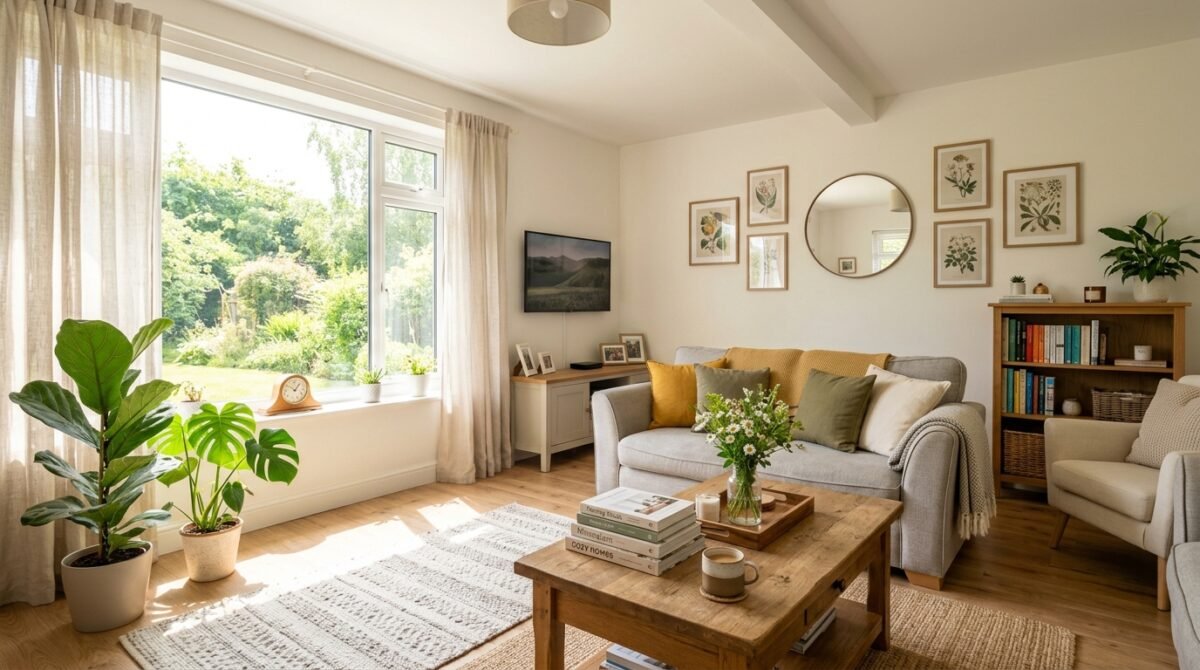
The apartment felt different after he moved out. It was cleaner, lighter, and finally, truly quiet. I spent the first few days just walking around, enjoying the freedom of not having to check behind every door. I took down the extra locks, not because I needed them anymore, but because the psychological need to protect myself against him was gone.
I kept the bathroom exactly as I liked it. No extra towels, no weird, floral-scented soaps, no lingering reminders of his ‘clients.’ It became, once again, a place of relaxation rather than a place of suspicion. I found myself lingering in the shower, enjoying the pressure I had set to my liking, without the fear that someone else had messed with it.
I had to find a new roommate, which was its own ordeal. I made sure to be incredibly clear in the listing: ‘Looking for someone who respects boundaries and understands that personal space is non-negotiable.’ I had a few people turn away, probably because they thought I was high-maintenance, but the right person eventually came along—someone who values their own space just as much as I value mine.
The transition was smooth. We had a long talk about expectations, about shared spaces, and about the ‘rule of thumb’ for any changes. It felt refreshing to be in a partnership of equals, where the concept of ‘monetizing’ our shared home never even came up as a joke. I had learned a hard lesson, but it was one that made my home, and my peace of mind, stronger than ever.
“I’m really glad we’re on the same page about the apartment. It’s so nice to live with someone who actually understands the meaning of a shared home.”
— A conversation with my new, respectful roommate
Life has moved on. The ‘StayFresh’ app, as far as I can tell, eventually faced its own legal hurdles and struggled to gain traction. I don’t look back at the situation with regret—only with the satisfaction of knowing I did exactly what I needed to do.
Reflecting on the Gig Economy
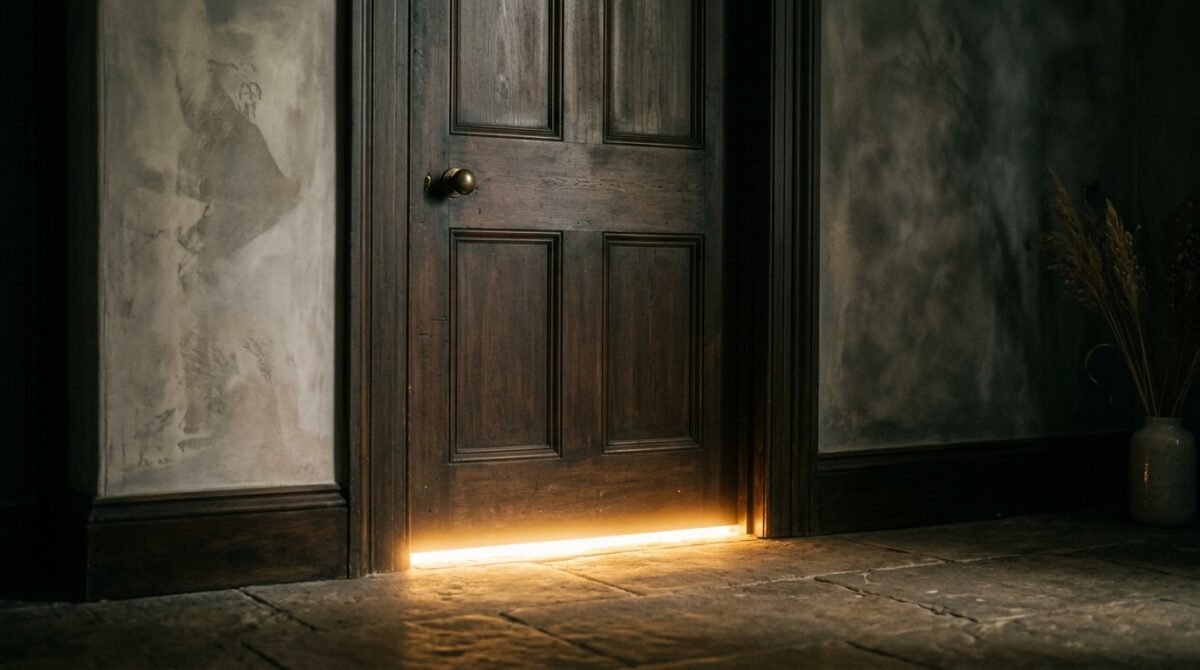
Looking back, the whole situation feels like a strange, fever-dream collision of the modern era. We live in a world where everything is for sale, where our personal spaces, our cars, and even our time can be packaged and sold to the highest bidder. It’s the ‘gig economy’ ethos, taken to its most extreme and invasive conclusion.
Mark wasn’t necessarily a bad person in every aspect of his life, but he was a victim of a mindset that sees every square foot as a revenue stream. He saw my bathroom not as a room, but as a potential asset. It’s a chilling way to view the world, and it’s a trend that I think we need to push back against. Our homes are supposed to be our refuge from the world, not an extension of the marketplace.
I’ve become much more attuned to how I share my life and my space. I’m wary of apps that promise easy money for ‘sharing’ what is essentially private. I know now that when you start blurring the lines between your home and your business, you inevitably lose the very things that make a home a home: comfort, privacy, and peace.
I hope that if anyone else is going through something similar—a roommate who thinks they’re a ‘disruptor’—they take this as a sign to stand firm. Don’t be afraid to set hard boundaries, don’t be afraid to involve authorities, and don’t be afraid to lose a bad living situation to gain a better life. You deserve a space that is truly yours.
“The most valuable thing you own is your peace of mind. Don’t let anyone trade that away for a quick buck.”
— My personal mantra after the ordeal
The lesson was expensive in terms of stress, but it was worth every penny to reclaim my life. The apartment is finally quiet, and for that, I am truly grateful.
Lessons in Hard Boundaries

One of the biggest lessons I walked away with was the power of immediate action. I spent too long wondering if I was being ‘too sensitive’ or ‘too dramatic.’ The moment I saw the first sign that something was off, I should have addressed it with iron-clad clarity. Instead, I waited, which only emboldened him.
Boundaries aren’t mean. They aren’t ‘controlling.’ They are the foundation of any healthy relationship, especially in a living situation. If you feel like you are walking on eggshells in your own home, that is a sign that a boundary has been crossed, and it needs to be restored immediately. Don’t worry about being ‘polite’ when your own personal security is on the line.
I also learned that you shouldn’t be afraid to be the ‘bad guy’ in someone else’s story. Mark definitely thought I was the villain for changing the locks and notifying the landlord, and that’s fine. I didn’t need to be the hero in his narrative; I needed to be the defender of my own. That shift in perspective was vital for my mental health.
I’m much more confident now in communicating my needs and expectations upfront. I don’t apologize for wanting my home to be a private, safe space. And if that makes me difficult to live with for someone else, then they weren’t the right roommate for me in the first place.
“Setting boundaries is not about shutting people out; it’s about creating a safe space for the people—and yourself—that you allow in.”
— A quote I kept on my fridge after the ordeal
The ordeal has made me more resilient. I know what I will and will not tolerate, and I have the evidence that I am capable of taking care of myself when things get tough.
Moving Forward with Clarity
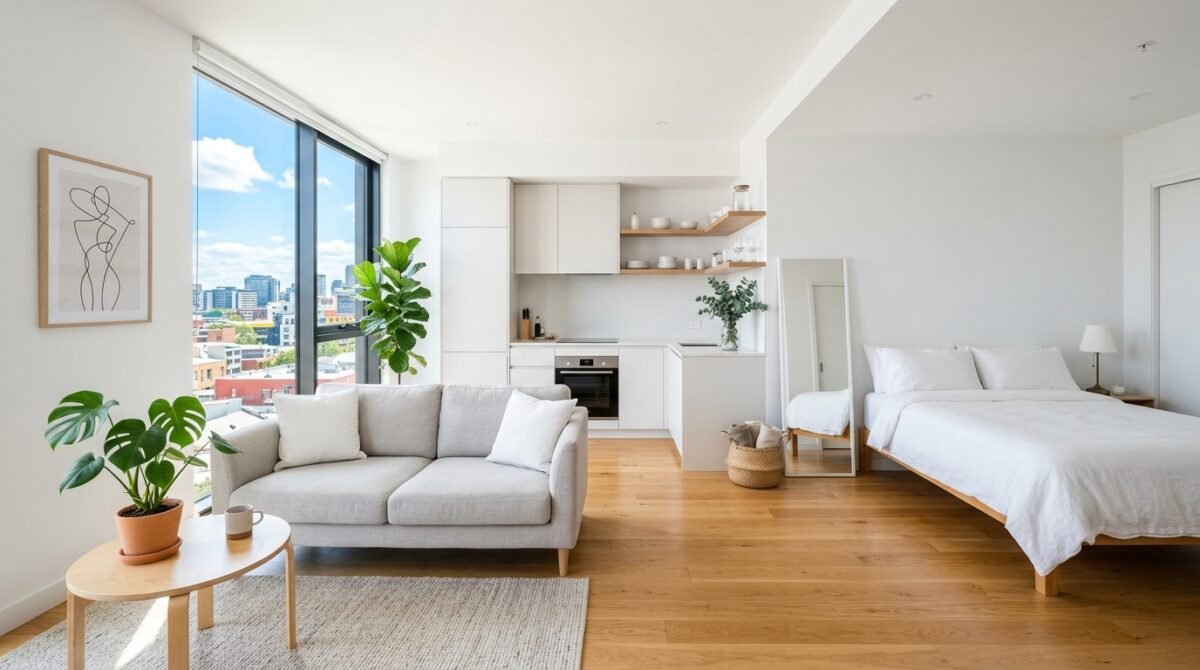
Today, my life is completely different. I’ve moved to a new place—a studio, this time, where I have total control over every square inch. It might be smaller, but it is entirely, unequivocally mine. I don’t have to worry about who is using my bathroom, or what the apartment looks like when I get home from work. It is my sanctuary, and I guard it fiercely.
I still talk to friends about the ‘Bathroom Saga’ sometimes, and it always gets a laugh—a dark, incredulous laugh. It’s hard to believe it actually happened, but it serves as a reminder of how quickly things can spiral when you don’t keep an eye on your boundaries. It was a chaotic, stressful chapter, but it taught me things I wouldn’t have learned otherwise.
I’ve also started mentoring some of my younger colleagues who are looking for their first apartments. I tell them about the importance of clear, written agreements, the necessity of checking local laws, and the value of trusting your gut. If something feels off, it probably is. Don’t ignore those red flags.
I am grateful for the journey, as difficult as it was. It shaped me into someone who is more assertive, more protective of my time, and more appreciative of the simple luxury of a quiet, private, and undisturbed home.
“The peace you find after standing your ground is worth every bit of the struggle it took to get there.”
— My final takeaway
The saga is over, but the lesson remains. Protect your space, trust your intuition, and never apologize for wanting to live your life on your own terms. It’s the best investment you can ever make.
Conclusion
Looking back at the entire ordeal, I am struck by how quickly a simple roommate disagreement transformed into a full-blown crisis of privacy and ethics. It reminds me that in a hyper-connected, gig-driven world, our personal sanctuaries are more vulnerable than ever. The moral of this story isn’t just about a bathroom—it’s about the fundamental right to exist in one’s own space without being treated as a resource for someone else’s gain.
I am curious to hear from you, dear readers. Have you ever had a roommate who treated your home like a business, or have you ever had to draw a hard line that ended a living arrangement? Do you believe I acted too harshly, or was the deadbolt exactly the wake-up call that was needed? Let’s keep the conversation going in the comments below.
What's your verdict on this dilemma?
Vote below to contribute to the official community consensus.

Have a Dilemma Keeping You Up at Night?
Share your real-life feud, wedding chaos, or relationship crossroads anonymously with our editorial team.
What do you think ?
0 Comments🛡️ Comments are moderated to protect community integrity. Your comment will appear once approved by the editorial team.