
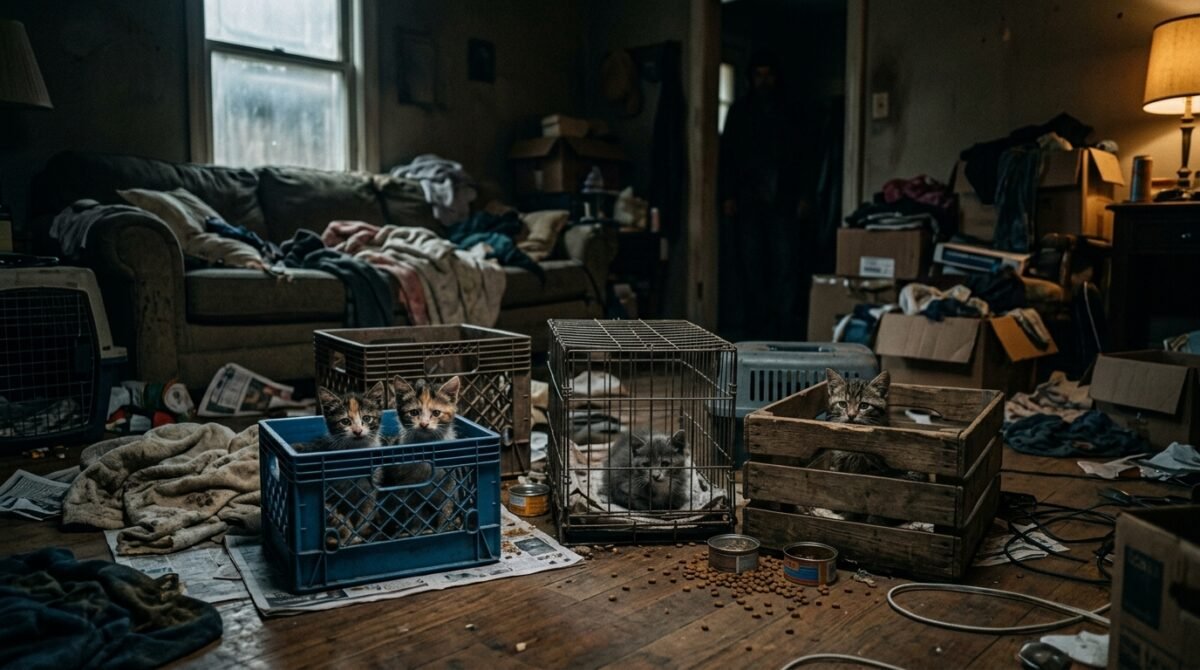
When I moved in with Sarah, I thought we were a perfect match. She was the ‘cat lady’ of the apartment complex, always volunteering for the local animal shelter, spending her weekends covered in fur and kitten formula. It seemed like a noble hobby. She had the clearance, the crates, and the endless stream of adorable, wide-eyed balls of fluff cycling through our living room. I considered myself lucky to have a roommate so compassionate, someone whose life revolved around saving the vulnerable.
But the cracks started showing about six months in. I noticed that the kittens never seemed to stay long enough for the shelter’s official ‘adoption events.’ Every time I asked about a specific calico or a tabby, Sarah would give a vague answer about them finding a ‘private forever home’ through her personal network. I didn’t think much of it—until I saw the cash exchange.
It happened on a rainy Tuesday. I came home early from work and heard voices in the kitchen. I assumed it was another volunteer, but as I crept down the hallway, I heard a man counting hundred-dollar bills. My heart sank as I realized these weren’t adoption donations. They were sales. The moral dilemma hit me like a freight train: my roommate was exploiting the very animals she promised to protect for a quick buck, and she was using our home to do it.
This isn’t just a story about a bad roommate; it’s a story about the intersection of trust, greed, and the systemic failure of the institutions we trust to protect the voiceless. The subsequent confrontation and the decision to blow the whistle on her operation shattered my social circle and forced me into a position I never wanted to be in: the person who had to burn their own home down to do the right thing.
The Tuesday Afternoon Transaction
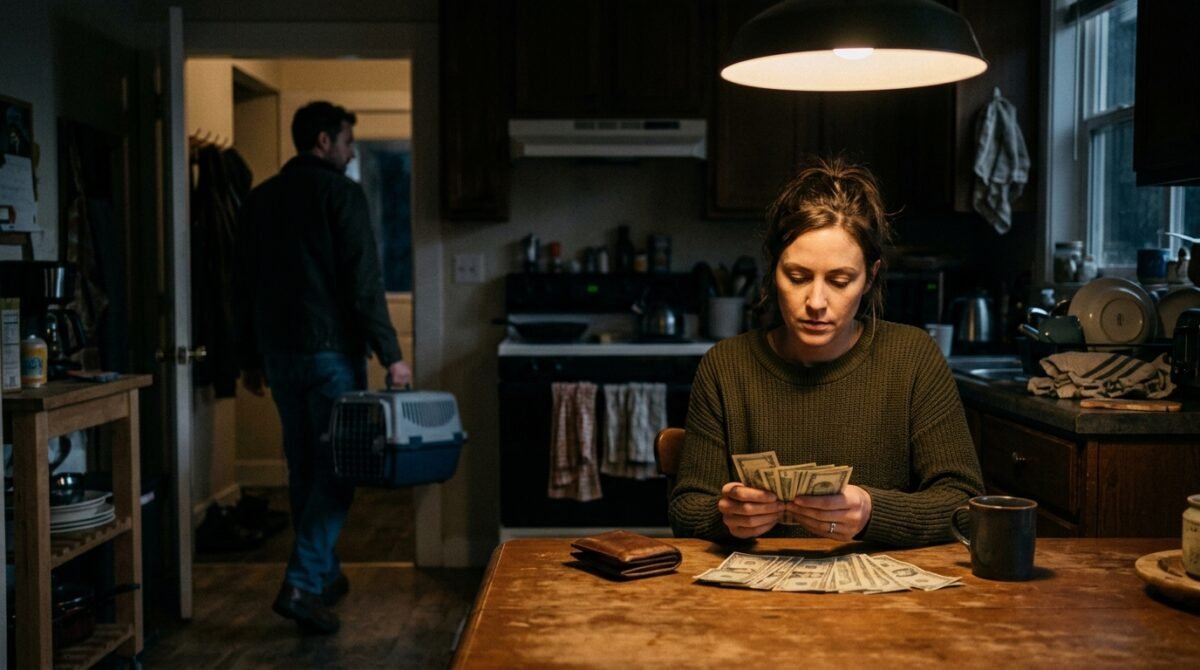
I stood frozen in the doorway, my hand hovering over the light switch. The kitchen was dimly lit by the under-cabinet LEDs, casting long, sharp shadows across the floor. There, standing near the sink, was Sarah. Opposite her stood a man in an expensive suit, looking entirely out of place in our modest apartment. Between them, on the island, was a small, high-end carrier holding a kitten that had arrived only two days ago.
“That’s four hundred,” the man said, his voice clipped and impatient. He slid a stack of bills across the granite countertop. Sarah’s face, usually so warm and welcoming, had a cold, calculating look I had never seen before. She didn’t look like a rescuer; she looked like a business owner closing a deal. She swept the money into her apron pocket with practiced ease.
“He’s been fully socialized,” Sarah replied, her tone professional and devoid of any maternal affection. “You won’t find a better temperament in the shelter system. Most of the ones at the city branch are sick or feral. You’re paying for the premium care I provide here.” My jaw went slack. The kitten inside the carrier let out a soft, plaintive mew, a sound that cut through the silence of the room like a knife.
“You’re paying for the premium care I provide here. It’s better than anything the shelter offers, and it’s exclusive.”
— Sarah, caught in the act
I felt a wave of nausea wash over me. I wasn’t just living with a roommate; I was living with a trafficker. The shelter’s mission was to help homeless animals, not to provide Sarah with a steady inventory of product. I stayed silent, my heart hammering against my ribs, waiting until the man left with the carrier before I made my presence known.
When he finally walked out, the silence that followed was heavy and suffocating. Sarah turned toward the hallway, her expression shifting instantly back to her ‘public’ persona. She didn’t expect to see me standing there. The look of panic in her eyes was fleeting, replaced quickly by a mask of annoyance. She knew she had been caught, and the game had officially changed.
The Confrontation in the Living Room
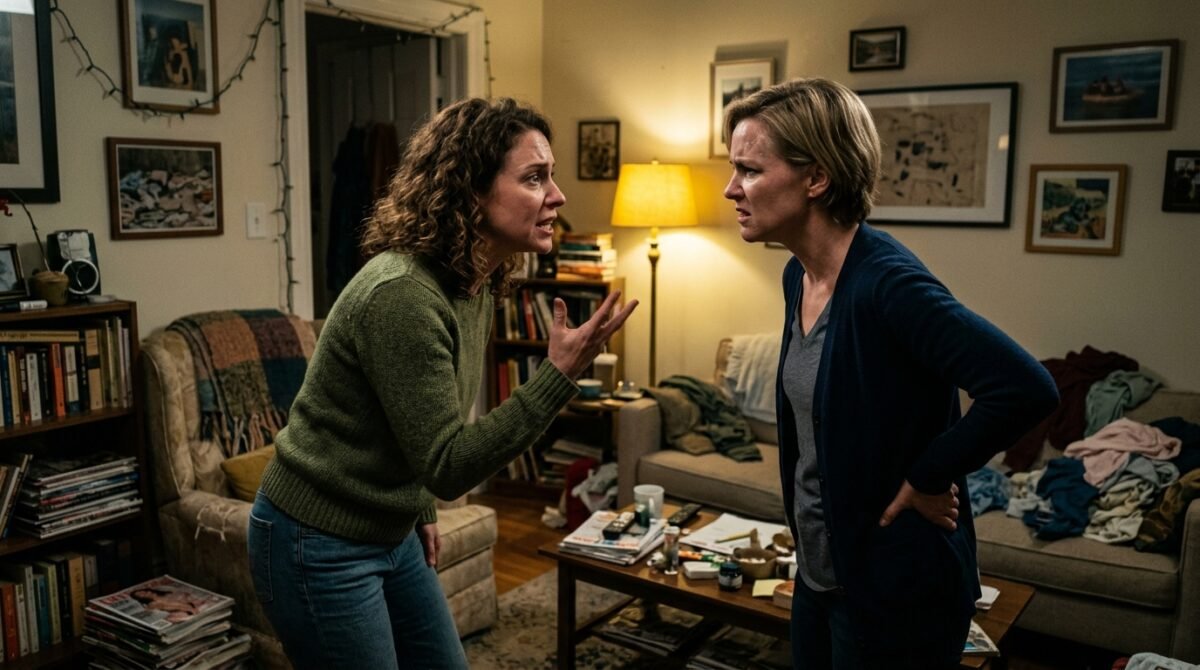
“You saw that,” Sarah stated, not as a question but as a finality. She crossed her arms, leaning against the counter. The air in the apartment felt thin. I walked into the kitchen, my hands shaking. I didn’t know whether to scream or run. The betrayal wasn’t just about the money; it was about the lies she had told me for months, the times she asked me to watch the kittens while she went on ‘errands,’ which I now realized were delivery drops.
“I saw you sell a shelter animal, Sarah,” I said, my voice barely above a whisper. “You’re stealing from the rescue. You’re taking animals that people trust you to foster and you’re flipping them for cash. Do you have any idea how illegal that is? What if the shelter finds out? What if those people are hurting them?” I paced the floor, the anger finally beginning to override the shock.
Sarah laughed, a dry, humorless sound. “Don’t be so dramatic. Those people love the cats. They get a healthy, happy kitten, I get paid for my time and labor, and the shelter doesn’t have to deal with the intake costs. Everyone wins. It’s an efficient market. Don’t pretend you’re some moral crusader when you’ve been enjoying the company of these cats for months.”
“Don’t be so dramatic. It’s an efficient market. Everyone wins here, and the cats end up in good homes.”
— Sarah’s justification
I couldn’t believe the audacity of her argument. She was painting this as a service, a way to streamline animal welfare, while she lined her pockets. The financial aspect was clear: she was making thousands of dollars a month under the table, tax-free, and using resources donated by the community. I realized then that she wasn’t just greedy; she was delusional about her own morality.
“You aren’t a rescue,” I shot back. “You’re a back-alley pet store. You are using the shelter’s reputation to hide your operation. If you think I’m going to stay quiet and let you continue this, you have another thing coming.” I walked out of the room, leaving her standing there, the money still in her pocket, the silence of the house once again deafening.
The Decision to Blow the Whistle
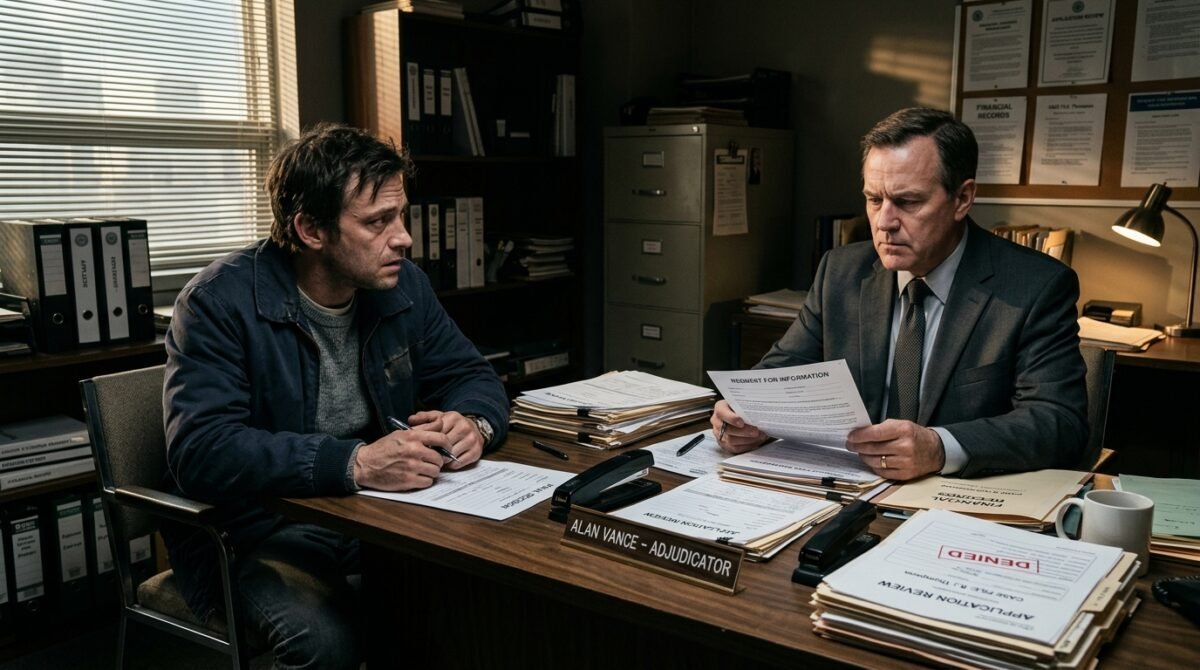
I spent the next forty-eight hours in a haze. I couldn’t sleep; every time I closed my eyes, I pictured the faces of the kittens that had come and gone over the months. I wondered how many were still safe, and how many had been sold to people who didn’t care about their well-being. I started digging through my records, looking for dates, photos, and any evidence I could find to present to the shelter.
The next morning, I went to the main office of the animal shelter. My heart was pounding so hard I felt like it was going to burst. I had a folder of photos I had taken of the cats, along with a log of the dates they arrived and the dates they ‘vanished.’ It wasn’t hard evidence of a sale, but it was enough to raise a massive red flag. The intake supervisor, a woman named Linda, sat me down in a small, windowless office.
“I need to tell you something about Sarah,” I started, my hands sweating. I laid out the story, the man in the suit, the cash, and the frequency of the ‘adoptions.’ Linda’s face went pale. She started pulling up files on her computer, her fingers flying across the keys. The look of disbelief on her face told me everything I needed to know. Sarah was one of their most ‘successful’ fosters. They never suspected a thing.
“She’s been one of our top performers. I can’t believe she would do this. We need to act immediately.”
— Linda, Shelter Supervisor
By the time I left, the wheels were in motion. The shelter initiated an emergency audit of all active foster placements. They contacted the police to report the potential theft of property. I felt a temporary sense of relief, but I knew the real war was only just beginning. Sarah was not going to go down without a fight, and I was the one who had put the target on her back.
Returning to the apartment was the hardest part. I knew the locks might be changed, or worse, she might be waiting for me. I had to face the consequences of my actions. I had chosen to be the whistleblower, and now I had to deal with the fallout of being the person who destroyed a friend’s life, even if that friend was a criminal.
The Fallout: When the World Turns Against You
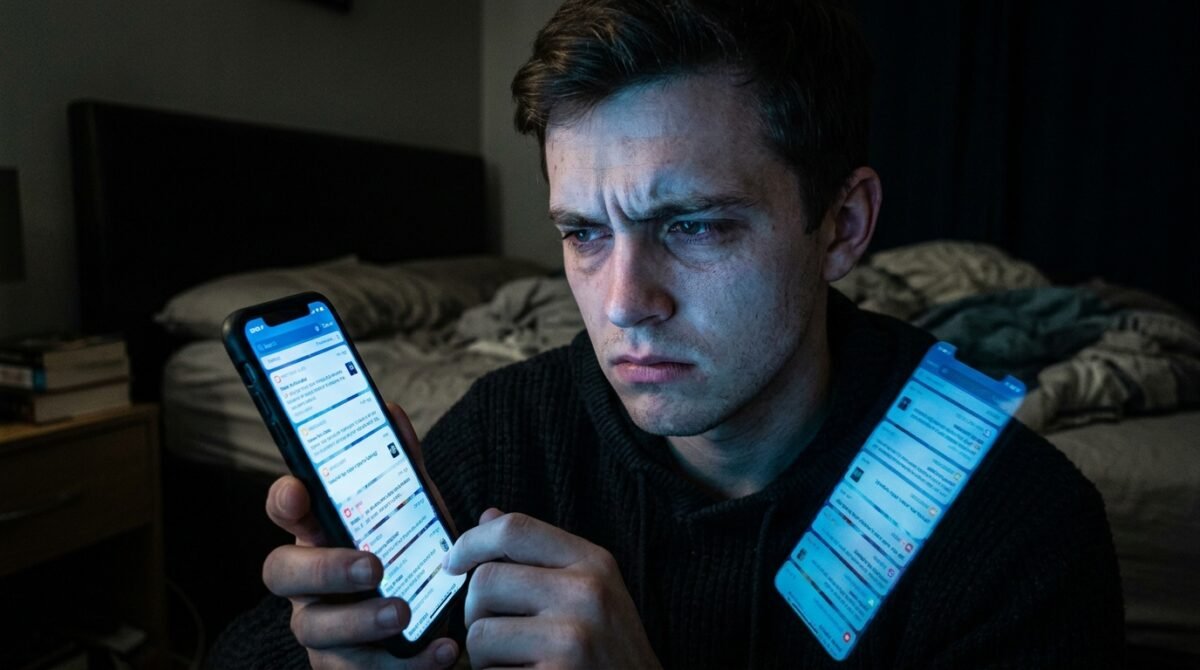
The backlash was immediate and brutal. Sarah didn’t just deny everything; she went on the offensive. She told everyone in our mutual friend group that I was jealous of her volunteer work and that I had concocted the entire story because I wanted to get her evicted. She framed me as the crazy, vindictive roommate who couldn’t stand her ‘success.’ My phone started blowing up with messages from people I thought were my friends.
“I can’t believe you’d stoop this low. Sarah does so much good for the community. You should be ashamed of yourself for trying to ruin her reputation over some petty apartment drama.”
— A text from a mutual friend
It was a masterclass in gaslighting. People I had known for years were suddenly blocking me, calling me toxic, and demanding I move out. Sarah had successfully controlled the narrative, turning the victim (the cats, and by extension, the truth) into a villain. I sat in my room, listening to her talk on the phone in the living room, hearing her voice crack as she played the part of the distraught victim.
The shelter, meanwhile, launched their investigation. They found that Sarah had been falsifying adoption records for months. She had created fake profiles and used the shelter’s database to vet buyers who were willing to pay the premium she demanded. The evidence was damning, but the social cost was immense. My reputation was in tatters, and my living situation was becoming untenable.
I felt isolated, a pariah in my own social circle. It’s amazing how quickly people take sides when they don’t have the full context. They saw a woman they admired being attacked, and they rushed to her defense without asking a single question about the facts. The emotional toll was heavier than I ever expected; I started to doubt my own reality. Was I the crazy one? Was this just an overreaction to a minor transgression?
Then, the shelter director called me. They had found concrete evidence—a ledger Sarah kept on her laptop, which the police had seized. It was all there: the names of the buyers, the amounts paid, and the dates of the ‘transactions.’ It was over for her. But the damage to my life remained. I had to decide if being right was worth the cost of everything else I had lost in the process.
The Confrontation of Truth
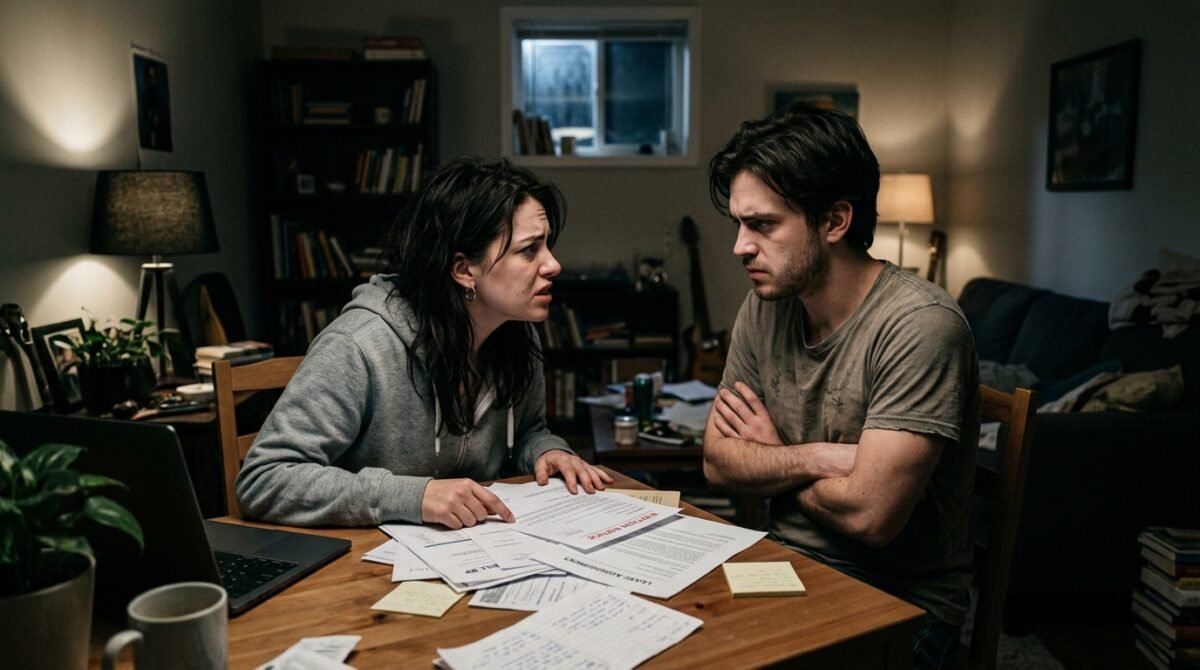
I knew I couldn’t stay in the apartment anymore. The tension was thick enough to cut with a knife. Sarah was avoiding me, but I could hear her pacing at night, whispering on the phone to lawyers. The atmosphere was toxic. I finally sat her down in the living room, the same place I had first witnessed the sale. I had the printed results of the shelter’s audit in my hand.
“It’s over, Sarah,” I said, laying the papers on the coffee table. “The police have your ledger. They have the bank records. There’s no point in lying anymore. You can keep playing the victim, but the truth is out. You didn’t just break the rules; you broke the law.” She looked at the papers, her face pale. The mask finally slipped, and for the first time, she looked genuinely afraid.
“You don’t understand,” she whispered, her voice trembling. “I needed the money. My student loans, the medical bills… I thought I was helping the cats, too. They weren’t suffering. They were loved.” It was the same tired excuse, the same justification for a crime. She didn’t see the theft; she saw a ‘solution’ to her own financial problems.
“I needed the money. I thought I was helping the cats, too. They weren’t suffering. They were loved.”
— Sarah attempting to justify her actions
“You didn’t have the right to decide their fate for a profit,” I replied. “You were an agent of a system that trusts you. You stole from them, and you stole from the animals who deserved a chance at a real, loving home, not a transactional one. You used their vulnerability to line your pockets, and that is unforgivable.” I stood up, feeling a strange sense of closure.
She didn’t try to stop me this time. She just sat there, staring at the papers, the reality of her situation finally setting in. The legal proceedings were just beginning, but for me, this was the end of the line. I started packing my boxes that night, knowing that my life in this apartment was over, and that it would take a long time to put the pieces back together.
The Digital Jury: Reddit Weighs In

I decided to post my story on Reddit to see if I was actually the villain I was being made out to be by our mutual friends. I stripped out the names and identifying details, but the reaction was overwhelming. Thousands of people flooded the comments section. The validation was both a relief and a reminder of how high the stakes were.
“You did the right thing, OP. What she was doing is animal trafficking, plain and simple. The fact that she’s using the shelter’s reputation to launder these animals makes it even worse. Don’t let these ‘friends’ make you feel guilty for exposing a criminal.”
— u/RescueAdvocate (Top Comment, 32.4k upvotes)
The thread became a massive debate. Some people were horrified by the idea of someone selling foster pets, while others tried to argue that as long as the cats were ‘well-cared for,’ it shouldn’t matter. It was a fascinating, if somewhat terrifying, look into how people view pet ownership and ethics. The sheer volume of support made me realize that I hadn’t lost my mind; I had simply acted according to a moral code that others were willing to ignore.
“NTA. Everyone complaining about the drama clearly doesn’t understand the legal liability here. If one of those cats had gotten sick or hurt while being ‘sold’ privately, the shelter could have been sued into bankruptcy. OP saved the shelter as much as she saved the cats.”
— u/LegalEagle99 (15.2k upvotes)
There were also, of course, the skeptics. People who thought I was lying for karma or who thought I was overreacting. But the overwhelming consensus was on my side. Reading those comments didn’t fix my broken social life or bring back the months of trust I had lost, but it gave me the strength to move forward. I wasn’t the bad guy. I was the person who stood up to a lie.
The most eye-opening part of the experience was seeing how many people had witnessed similar things in their own lives. People shared stories of ‘rescues’ that turned out to be puppy mills or foster homes that were actually fronts for pet flipping. It was an eye-opener to the dark underbelly of the pet industry, a world I had stumbled into completely by accident.
Navigating the New Normal

After I moved out, the silence in my new apartment felt heavy. I didn’t have the constant, comforting presence of the kittens anymore, and it was a strange adjustment. I found myself missing the companionship, but the trauma of the experience made me hesitant to even look at an animal shelter. I had to process the betrayal and the realization that someone I lived with was capable of such a cold-hearted act.
I started attending therapy to deal with the fallout. It wasn’t just about the roommate; it was about the social isolation that followed. My old group of friends had largely stopped speaking to me, having taken Sarah’s side in the conflict. It was a painful realization: the people I thought were my closest allies were willing to drop me based on a lie. It forced me to reevaluate who I kept in my life.
I had to rebuild my sense of trust. Every time someone did something ‘kind,’ I found myself wondering if there was a hidden motive. It was a defense mechanism, a way to keep from being hurt again. My therapist told me that this was a normal response to trauma, but that I needed to find a way to let go of the anger. It was easier said than done.
I also kept in touch with the shelter. They were incredibly grateful for my report. They had managed to recover a few of the animals that Sarah had sold, and they were working to ensure that their screening process for foster parents was much more rigorous. Knowing that my actions had led to a real change was the only thing that made the social fallout feel worth it.
I started focusing on my own hobbies, on the things that brought me joy outside of the social drama. I learned to cook, I picked up painting, and I slowly started to build a new circle of friends—people who valued honesty and integrity. It wasn’t an overnight fix, but I was finally beginning to see the light at the end of the tunnel.
The Legal Reckoning
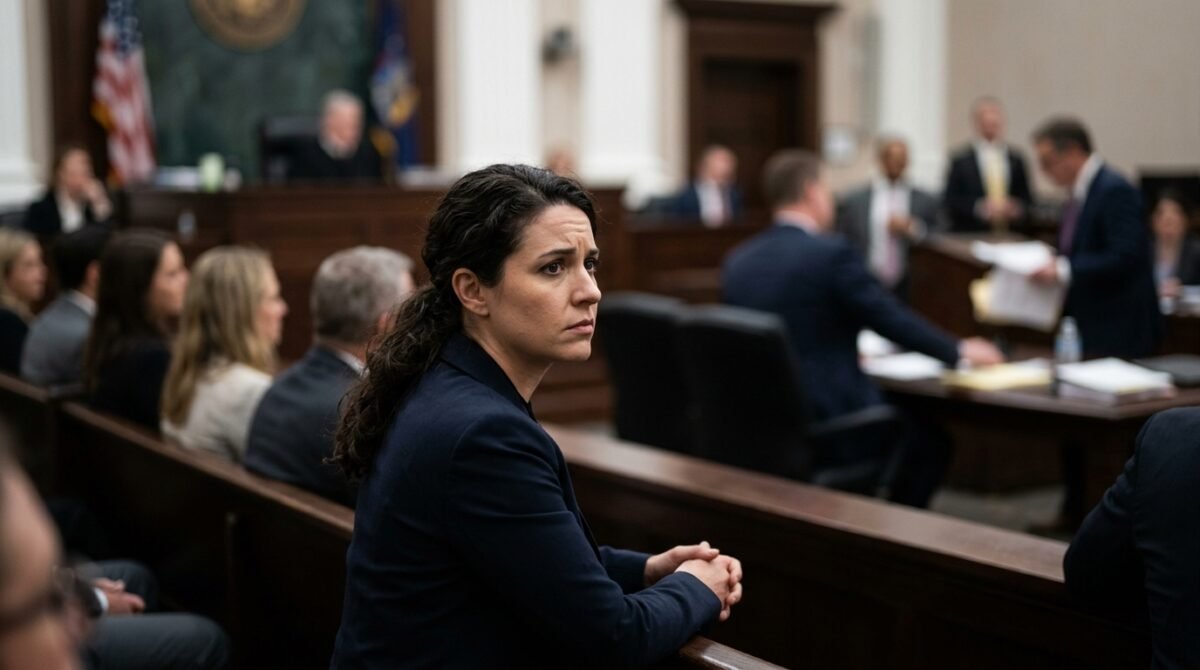
The legal case against Sarah was a long, drawn-out process. I was called in to testify a few times, and seeing her in a courtroom, stripped of her ‘volunteer’ persona, was surreal. She wasn’t the confident, manipulative roommate I lived with; she was a scared, small person facing the consequences of her actions. It was a reminder that the arrogance she displayed in the living room was just a thin veneer.
She ended up pleading guilty to several charges, including fraud and animal welfare violations. She was ordered to pay a significant fine and was banned from ever volunteering at a shelter again. It wasn’t a prison sentence, but it was a permanent stain on her record. I wasn’t looking for revenge; I was looking for accountability, and in that, I felt a sense of justice being served.
The hardest part of the trial was the constant reminder of what had happened. Every time I walked into that courtroom, I was transported back to the rainy Tuesday in the kitchen, back to the realization that my roommate was a criminal. It was a cycle of trauma that I was forced to relive over and over again, but I knew it was necessary to ensure that she couldn’t do this to anyone else.
There were moments of doubt, of course. Moments where I wondered if I should have just walked away and let the shelter find out on their own. But then I would think about the kittens, the ones that were sold, the ones that were treated as commodities, and I knew I had made the right choice. The law exists for a reason, and in this case, it was the only thing that could stop her.
When it was all over, I felt a profound sense of peace. The chapter was finally closed. I didn’t need to dwell on the past anymore; I could look forward to a future where I didn’t have to worry about the person in the next room. It was a lesson in the importance of standing up for what is right, no matter how difficult the consequences might be.
Reflecting on the Moral Crossroads

I often think about that moment in the kitchen, the decision to walk forward instead of walking away. It was a true moral crossroads. If I had turned a blind eye, I could have kept my roommate, my social circle, and my life as it was. But I would have lost my integrity. I would have been an accomplice to a crime that I knew was wrong. Is peace of mind worth the cost of your values?
The answer, I’ve learned, is that you can’t have one without the other. You can’t have peace of mind if you know you’ve compromised your values. The guilt would have eaten me alive. I would have been living in a house of lies, waiting for the day that the truth finally came out. By choosing to act, I chose to preserve my own sense of self, even if the short-term cost was high.
I also think about the nature of friendship. True friends are the ones who ask questions, who stand by you when the truth is uncomfortable, and who support you even when you’re being labeled a ‘troublemaker’ for doing the right thing. The fact that so many people left was a blessing in disguise; it showed me who was truly in my corner and who was just there for the convenience of the status quo.
I’ve learned to be more skeptical of people who always seem to have a ‘perfect’ life or a ‘perfect’ hobby. Sometimes, the most ‘altruistic’ people are the ones hiding the darkest motives. It’s a cynical lesson, but a necessary one. You have to look past the surface, ask the hard questions, and trust your gut when something doesn’t feel right.
I am in a much better place now. I’ve learned to value honesty over social standing, and integrity over comfort. It was a painful journey, but it was one that I needed to take. I’m stronger, wiser, and more confident in my ability to stand up for myself and for the truth, no matter what the cost.
The Lasting Lessons
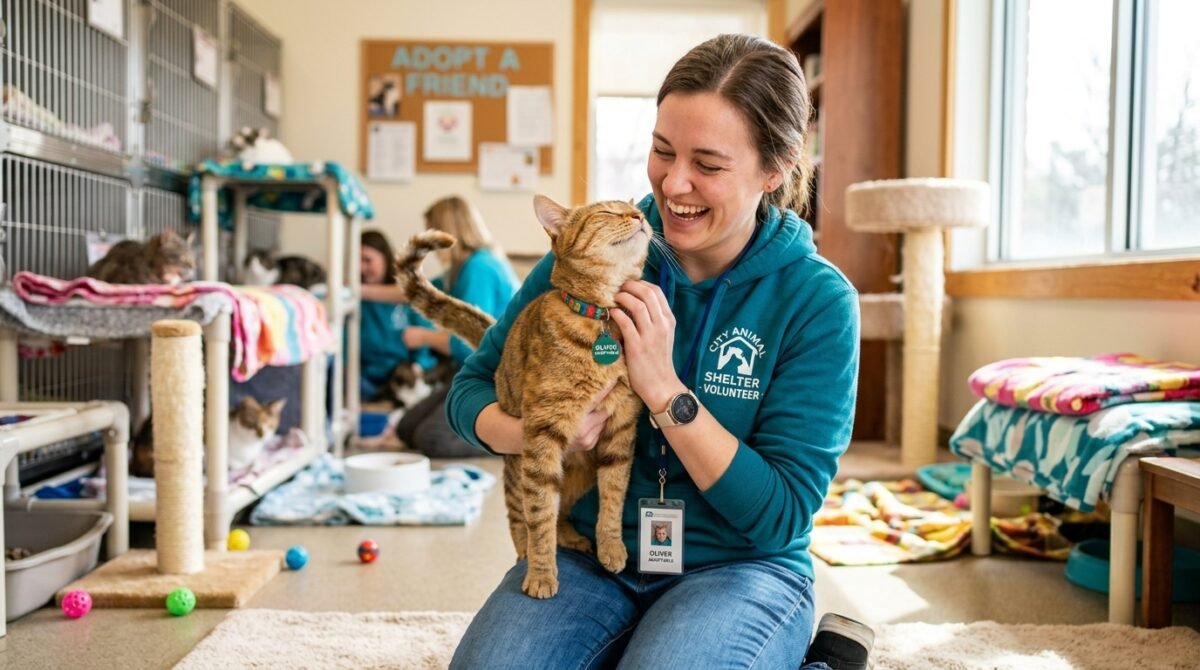
If there is one thing I want people to take away from this, it’s that you should never be afraid to blow the whistle on something that is fundamentally wrong. People will try to gaslight you, they will try to turn you into the villain, and they will try to isolate you. But the truth has a way of coming out, and when it does, you want to be on the right side of history.
You also have to be prepared for the fallout. It won’t be easy. You might lose friends, you might have to move, and you might have to deal with a lot of personal turmoil. But the long-term benefit of living a life in alignment with your values is worth it. You don’t have to live with the secret, and you don’t have to carry the guilt of being an accomplice.
I’ve also learned to be more involved in the organizations I care about. Instead of just letting someone else do the work, I’ve started volunteering at a different, more transparent shelter. I wanted to see the process from the inside, to ensure that the work I was supporting was actually making a difference. It’s been a rewarding experience, and it’s helped me heal from the trauma of the past.
I’ve also learned to set better boundaries. I’m no longer the person who lets things slide to keep the peace. If I see something that’s wrong, I speak up. It’s a habit that has served me well in my personal and professional life. It’s not about being a troublemaker; it’s about being an active participant in the world around you.
Finally, I’ve learned that the most important relationship is the one you have with yourself. You are the one who has to live with your choices, and you are the one who has to face the consequences. Making sure that you can be proud of who you are—and the choices you make—is the most important thing of all.
Conclusion
My journey from a quiet, trusting roommate to a whistleblowing victim of social ostracization was anything but easy. It was a crucible that tested my character, my beliefs, and my resolve. But in the end, it was the only way to ensure that the animals—and the system that protects them—were safe from someone who saw them as nothing more than a profit margin.
The lessons I’ve learned are universal: integrity is often a lonely road, but it is the only road worth traveling. I hope that by sharing my story, I can encourage others to stand up for what they know is right, even when it’s the hardest thing to do. We are defined not by the comfort we choose, but by the actions we take when our values are on the line.
I am now in a place of peace, surrounded by friends who share my values, and working with organizations that I trust. The drama is behind me, and the lessons remain. I’m curious, though: have you ever been in a position where you had to choose between your comfort and your integrity? What was the outcome, and looking back, would you have changed anything?
Let’s open this up to the community. Have you ever witnessed something that felt ‘off’ in a volunteer or social setting, and how did you handle it? Did you stay quiet to keep the peace, or did you speak out? Share your thoughts below.
What's your verdict on this dilemma?
Vote below to contribute to the official community consensus.

Have a Dilemma Keeping You Up at Night?
Share your real-life feud, wedding chaos, or relationship crossroads anonymously with our editorial team.
What do you think ?
0 Comments🛡️ Comments are moderated to protect community integrity. Your comment will appear once approved by the editorial team.