

They say that grandparenthood brings out the best in people, but for my mother-in-law, Eleanor, it brought out a terrifying, possessive streak that I never knew existed. From the moment I announced my pregnancy, she was hovering—not with the gentle concern of a grandmother-to-be, but with the calculated precision of someone preparing to reclaim a lost asset. I initially brushed it off as ‘first-time grandmother excitement,’ a narrative my husband, Mark, desperately clung to as he tried to keep the peace between the two most important women in his life.
But the cracks in her sanity began to show long before the birth. It started with small, invasive comments about how I was ‘doing it wrong’ or how her son, my husband, had been raised ‘the right way.’ Then came the boundary-stomping: unannounced visits, unsolicited nursery makeovers, and a relentless insistence that she be present for every single prenatal appointment. I felt like a vessel for her nostalgia, a mere biological incubator for the child she felt she had been robbed of raising herself.
The moral dilemma didn’t fully surface until the hospital discharge papers were signed. I thought the drama ended with the birth, but that was merely the prologue. The true horror—the revelation that would fundamentally alter the course of our family—was waiting for us in a manila envelope tucked away in the darkest corner of her study. It was a cold, calculated attempt to erase my legal standing as a mother and replace it with her own delusions of grandeur.
I am writing this not because I seek validation for my anger, but because I am still processing the sheer magnitude of the betrayal. How does a person justify, in their own mind, the forgery of a human life? And more importantly, how do you come back from that kind of violation? This is the story of how I went no-contact, why my husband finally woke up, and the fallout that shattered our extended family into a thousand irreparable pieces.
The Subtle Erosion of Parental Authority
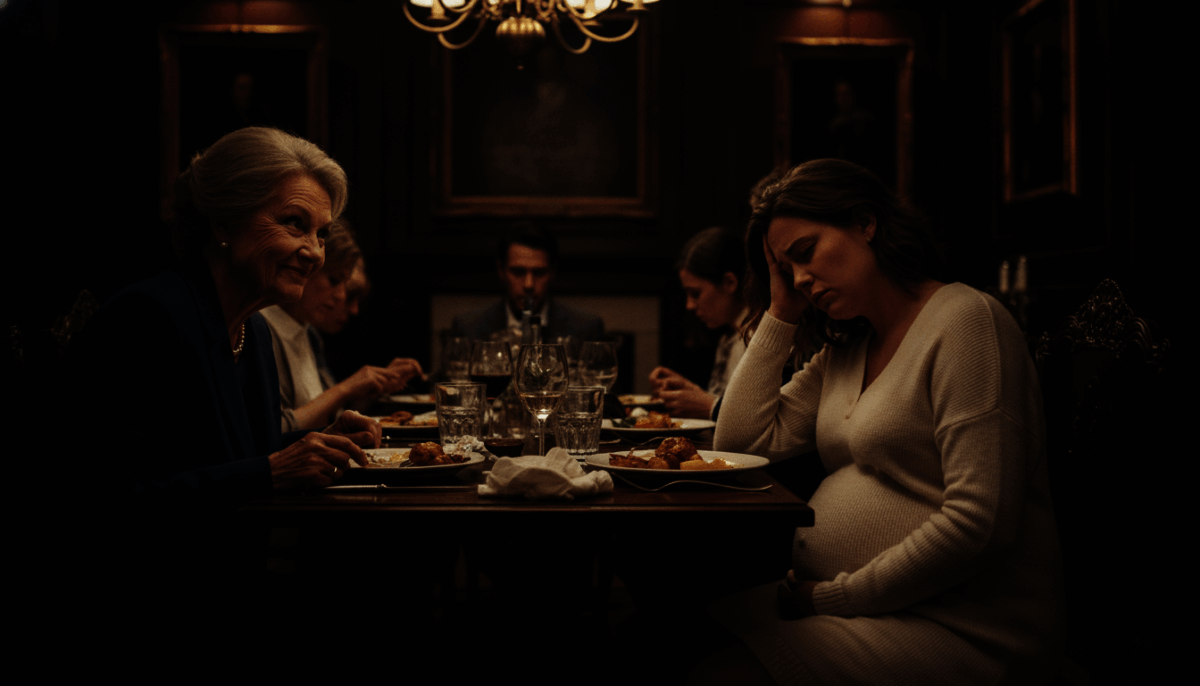
It began as a slow drip of psychological warfare. Eleanor didn’t come at me with hostility; she came at me with an aggressive form of ‘help.’ Every time I expressed a preference for how I wanted to handle my pregnancy, she would counter with a story about Mark’s childhood, implicitly suggesting that my way was inferior. I remember sitting at the dinner table at eight months pregnant, feeling the weight of her gaze as I declined a glass of wine, only for her to make a disparaging comment about my ‘nerves.’
“It’s just fascinating how much more high-strung your generation is about these things,” Eleanor said, her voice dripping with artificial sweetness as she buttered a roll. “When I had Mark, I was working at the firm until the day before he was born. I didn’t have all these… anxieties. Are you sure you’re mentally prepared for the reality of motherhood? It’s not just a hobby, you know.”
“I don’t think my parenting choices are a matter of anxiety, Eleanor. They are a matter of medical advice. I trust my doctor more than I trust your memories of the eighties.”
— My response to her unsolicited input
The tension was palpable. Mark, sitting between us, just stared at his plate, trying to disappear into the mahogany grain of the table. He was a good man, but he was a man terrified of his mother’s disapproval. He had spent his entire life dancing to the rhythm of her demands, and he was terrified that if I broke the rhythm, the music would stop altogether.
I began to notice that Eleanor started referring to the baby as ‘her’ baby. ‘My baby needs a nursery with more sunlight,’ she’d say. ‘I’ve already picked out the pediatrician; he’s a friend of the family.’ Every time I corrected her, she would laugh it off, calling me ‘sensitive’ or ‘hormonal.’ It was a deliberate, systematic attempt to undermine my authority before my daughter even took her first breath.
By the time I reached my third trimester, the emotional toll was heavy. I found myself crying in the shower, wondering why I was tolerating this. I was being gaslit in my own home, and the worst part was that my husband was the one holding the door open for her. I started documenting everything—every text, every comment, every boundary violation—sensing, perhaps subconsciously, that I would eventually need proof of the madness.
The 3:00 AM Nursery Intrusion
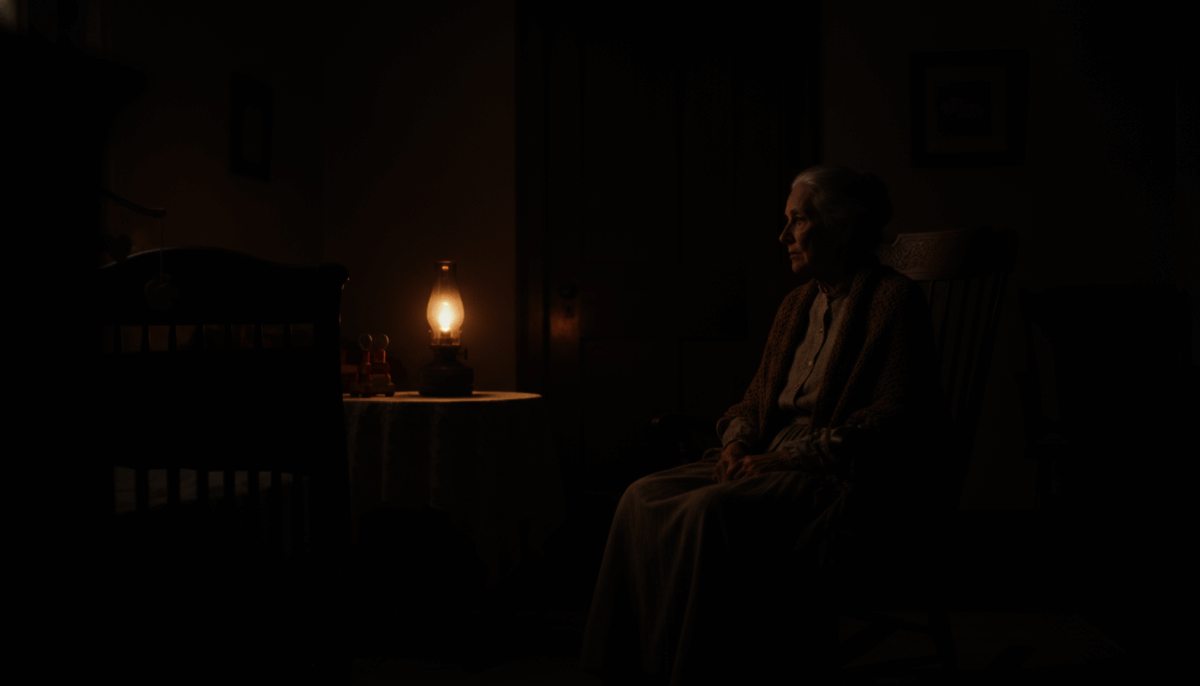
The breaking point for my patience arrived in the form of a physical invasion. I woke up at 3:00 AM to find the light under our nursery door was on. I assumed Mark was checking on the progress, but when I walked into the room, I found Eleanor sitting in the rocking chair, humming a lullaby to an empty room. She hadn’t even heard me enter; she was completely lost in a trance of her own making.
“Eleanor? What are you doing in my house?” I whispered, my voice shaking with a mix of fury and fear. She jumped, her face instantly shifting from a look of maternal bliss to a mask of indignation. She didn’t look ashamed. She looked annoyed that I had interrupted her little fantasy session. She had used the spare key we had stupidly given her for ’emergencies’—which she clearly interpreted as ‘whenever I feel lonely.’
“I just wanted to feel the energy of the room. You have no idea what it feels like to wait this long for a grandchild. Don’t you dare act like I’m a criminal in my own son’s home.”
— Eleanor, caught in our nursery at 3:00 AM
The incident was a turning point. I demanded that Mark take the key back the next morning. It caused a massive fight. Mark claimed I was ‘overreacting’ and that his mother was just ‘eccentric.’ He refused to see the malice behind the behavior, insisting that her intentions were ‘good.’ That was the first time I realized that my biggest problem wasn’t just the mother-in-law; it was the man who refused to set a boundary.
I eventually took the key back myself. When she showed up the next day and found the lock changed, the meltdown was legendary. She screamed at me in the driveway, calling me ungrateful and accusing me of alienating her from her own family. I stood my ground, my heart hammering against my ribs, but for the first time, I felt a sense of power. I had reclaimed my space, even if the price was a temporary war.
However, the war was far from over. She stopped coming over for a few days, but the silence wasn’t peace; it was the calm before the storm. She was planning something, and in my gut, I knew it wasn’t just a simple apology. She was a woman who didn’t take defeat well, and she had spent decades learning how to manipulate the people around her to get what she wanted.
The Post-Birth Hospital Siege

When I finally went into labor, the hospital staff was instructed to keep Eleanor out of the delivery room. It was a firm decision I made with my husband, who—after the nursery incident—finally started to see that his mother’s behavior was bordering on obsession. He told her clearly: ‘You will be updated when the baby is born, but you are not to come to the hospital until we call you.’ She agreed, but the look in her eyes during that conversation was unsettlingly vacant.
The birth was traumatic and exhausting, but when I held my daughter for the first time, the world narrowed down to just the two of us. We were in recovery for two days, and Eleanor was surprisingly absent. No calls, no texts. It was eerie. Mark kept checking his phone, his anxiety levels clearly rising. He was worried, but I was relieved. I wanted this time to be sacred, free from her scrutinizing presence.
On the second day, a nurse came in, looking puzzled. She told us that a woman claiming to be the grandmother had tried to ‘verify’ the paperwork at the front desk. My blood went cold. I asked the nurse exactly what she meant by ‘verify.’ The nurse explained that the woman wanted to ensure the child was ‘correctly registered’ under the family name, and that she had brought in some ‘supplemental documentation’ from the family lawyer.
“She insisted that there was a clerical error and that she was the legal guardian of record. I told her that’s not how this works, but she kept showing me these notarized letters. It was very strange behavior.”
— The nurse, reporting the incident to me
My husband went pale. He knew exactly what she was doing. He grabbed his phone and started calling her, his voice rising in volume as he demanded to know what the hell she was playing at. She didn’t answer. She was already gone, having fled the hospital the moment the nurses threatened to call security. The sheer audacity of it left me trembling.
I realized then that this wasn’t just about ‘being a grandmother.’ This was about control. She wanted to insert herself into the legal record of my child. She wanted to have power over my daughter’s identity. The feeling of violation was overwhelming. I looked at my baby girl and vowed that I would never, ever let this woman have a single moment of influence over her life again.
Discovering the Forged Documents
Two weeks after we got home, the real bomb dropped. We were doing a routine audit of our family finances and documents, as we were looking into setting up a trust for our daughter. Mark went over to his mother’s house to pick up some of his old childhood keepsakes that she had been ‘holding onto’ for us, and he decided to check her study to see if any of our important paperwork had been mixed in with his old school files.
He found the manila envelope. It was labeled ‘Legal Matters – [Baby’s Name].’ Inside were not just copies of our legitimate documents, but a set of forged forms. She had attempted to fill out a secondary birth registration, claiming that she was a primary guardian under some convoluted, fabricated ‘family lineage’ clause she had invented. She even had a forged signature that looked eerily like mine—a result of her stealing my old journals years prior.
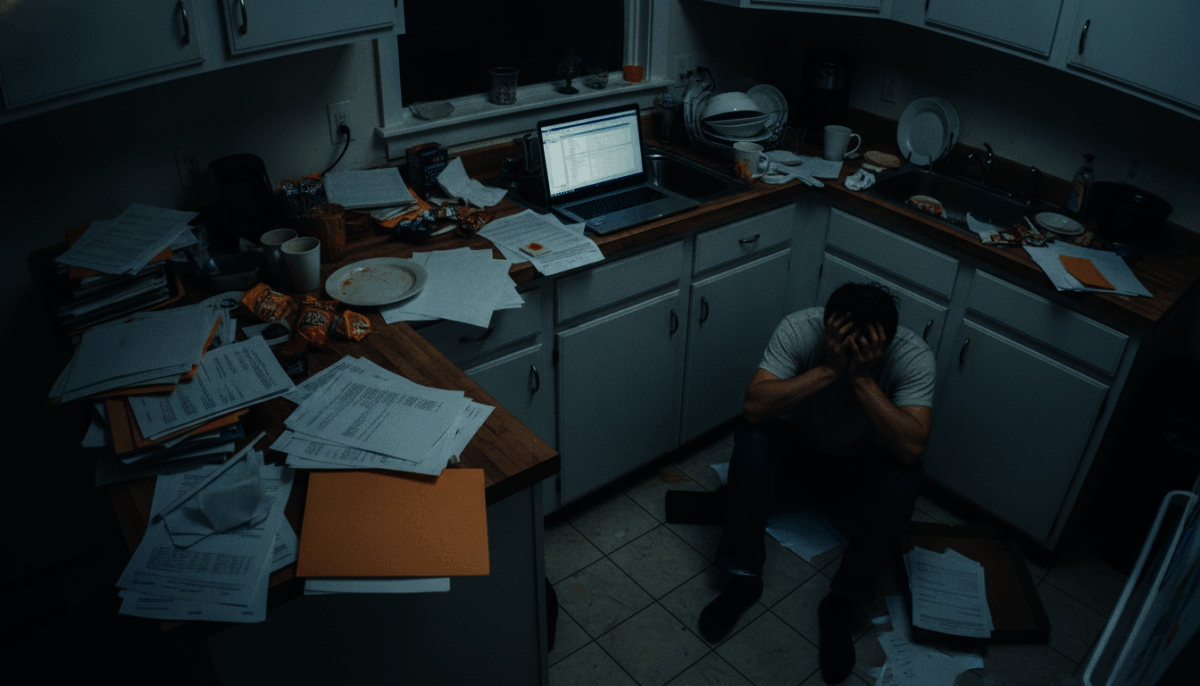
When Mark brought the papers home and laid them out on our kitchen island, the air left the room. We spent the next three hours in a state of catatonic shock, reading through the documents. It wasn’t just an attempt to change the birth certificate; it was a dossier. She had notes on our pediatrician, our childcare plans, and even a draft of a petition for emergency custody, citing my ‘mental instability’ and ‘lack of proper family support.’
“She was planning to take our child, Mark. She wasn’t just being difficult. She was building a legal case to steal our daughter from us.”
— My words to Mark as we read the documents
The realization destroyed any remaining shred of sympathy Mark had for his mother. He sat on the floor, weeping, not because he was sad, but because he was finally seeing the monster his mother had become. The woman who raised him, the woman he had defended for years, had been plotting to dismantle his family from the inside. It was a betrayal so profound it felt physical.
We didn’t sleep that night. We packed up everything of hers that was in our house, put it in a box, and drove it to her porch. We left it there with a letter—a simple, cold, legal-sounding notice that she was no longer welcome in our lives. No explanations, no arguments, no second chances. Just the final, absolute silence of a bridge burned to the ground.
The Fallout in the Family Group Chat
Naturally, the news didn’t stay quiet. Eleanor didn’t just accept the no-contact; she went on a scorched-earth campaign of her own, framing us as the villains who were ‘stealing’ her grandchild. She sent screenshots of her manipulated versions of our conversations to the extended family, painting a picture of me as an abusive, unstable mother and Mark as a brainwashed husband who had been led astray.
Our family group chat became a war zone. My sister-in-law, who had always been neutral, started messaging us with ‘concerns’ based on the lies Eleanor had fed her. It was exhausting having to defend our sanity against a narrative that was completely fictional. I finally had to take control and set the record straight, once and for all.
“For those of you wondering why we’ve gone no contact: Eleanor attempted to forge legal documents to claim guardianship over our daughter. We have the evidence. Any further communication regarding this will be blocked. This is not a discussion; this is a boundary.”
— My final message to the family group chat before blocking everyone
The response was immediate and chaotic. Some family members were horrified; others, caught in the web of her manipulation, continued to push back, demanding that we ‘forgive and forget’ for the sake of the family. It was clear that the family dynamic had been built on a foundation of enabling Eleanor’s behavior, and our decision to stop the cycle was seen as an act of treason.
We blocked everyone who wouldn’t respect our silence. It was lonely, and it was hard, but it was necessary. We learned very quickly who our real allies were. Friends who had seen the way Eleanor treated me reached out, offering support and validation. We realized that family isn’t just blood; it’s the people who respect your boundaries and protect your peace.
The group chat, once a place for trivial updates and holiday plans, became a ghost town of deleted messages and unanswered pleas. It was a small price to pay for the safety of our daughter. We were finally free, but the process of purging the toxic elements from our lives was a painful, surgical operation.
The Legal Implications and Consultations

After the shock wore off, we realized we couldn’t just ignore the criminal aspect of what she had done. We consulted with a family law attorney, who informed us that while the forgery was a serious offense, it would be difficult to prosecute without concrete proof that she had actually submitted the documents to a government agency. She had kept them in her study, which made it an ‘attempt’ rather than a completed crime.
However, the attorney advised us to file a formal cease-and-desist order, which we did. The look on the process server’s face when he described delivering the document to Eleanor was almost worth the stress. She was served at her local bridge club, in front of all her friends. It was a public humiliation that she surely didn’t appreciate, but it was the only language she seemed to understand.
“A cease-and-desist is a clear signal that you are not playing games. It won’t stop her from talking, but it gives you a legal foundation if she ever tries to harass you or escalate the situation again.”
— Our lawyer during our follow-up consultation
The legal process made the whole ordeal feel much more real. It moved from the realm of ‘family drama’ into the realm of ‘public record.’ It solidified the fact that we weren’t just being difficult; we were protecting our child from a person who had lost touch with reality. The attorney also suggested we look into a ‘grandparents’ rights’ check, just to be sure she didn’t have any legal standing in our state, which thankfully, she did not.
We spent a fortune on legal fees, but it was worth every penny. The peace of mind that came with knowing we had an official paper trail was invaluable. We also installed security cameras around our home, just in case. The paranoia was starting to fade, replaced by a cold, hard vigilance that I had never had to exercise before.
It was a sobering experience. You never think you’ll be the person who needs a lawyer to keep a grandmother away from your child. But the reality is that family members are just people, and sometimes, those people are capable of truly horrific things when their entitlement is challenged.
The Reddit Community Reacts
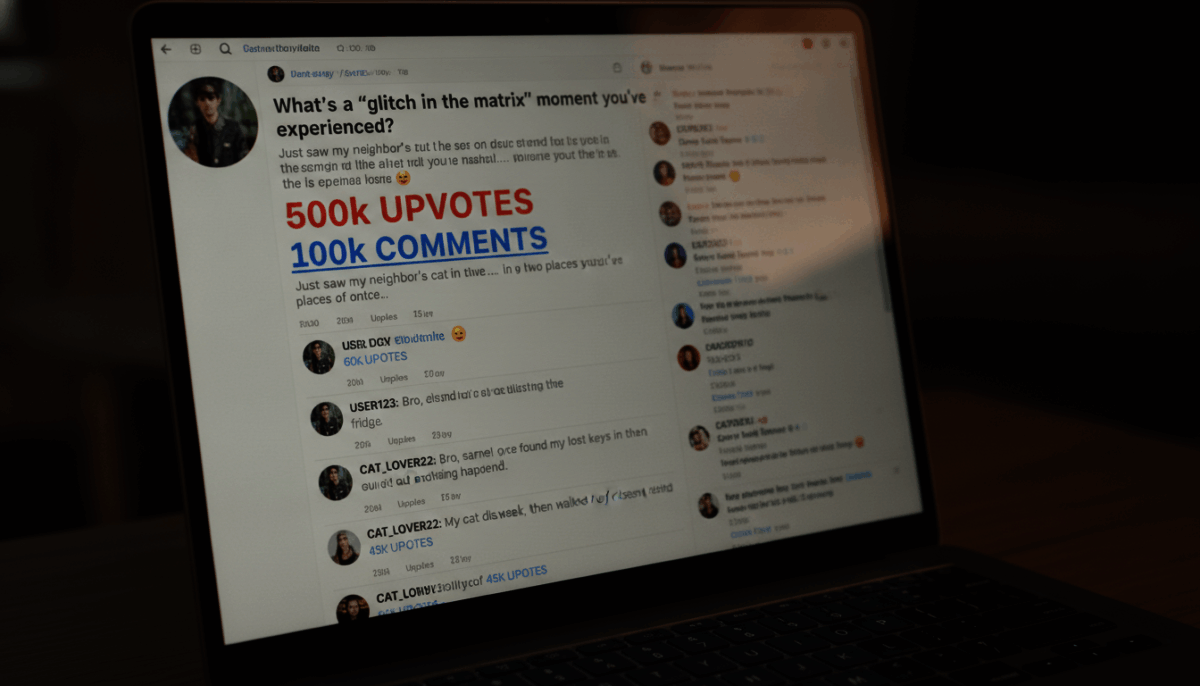
I eventually posted about this on a popular subreddit dedicated to difficult family dynamics. I didn’t expect much, but the response was overwhelming. Thousands of people read the story, and the comments were a mix of absolute horror and strong, unanimous support for my decision to go no-contact. It was the first time I felt truly heard by a group of people who had been through similar hell.
“This is not just ‘toxic MIL’ behavior. This is criminal. The moment she forged legal documents, she crossed the line from a difficult relative to a dangerous predator. You didn’t ‘go no-contact’—you performed an emergency rescue mission for your daughter. NTA (Not The Jerk), and do not ever look back.”
— u/FamilyLawSurvivor (Top Comment, 32.5k upvotes)
Reading the comments helped me realize that I wasn’t crazy. I wasn’t being ‘too sensitive.’ There were so many others who had faced similar situations—grandparents who thought they were entitled to their grandchildren, who thought they could bypass parents if they deemed them ‘unfit.’ The validation was the final piece of the healing process I desperately needed.
Of course, there were a few ‘play devil’s advocate’ comments, suggesting that maybe she was just ‘confused’ or ‘grieving the loss of her own youth.’ I ignored them. I knew the truth. I had seen the dossier. I had seen the malice in her eyes. I didn’t need to justify her actions to strangers on the internet, and I certainly didn’t need to justify my reaction to them.
The community support reminded me that we live in a world where family trauma is often swept under the rug. People are told to ‘be the bigger person’ or ‘honor their elders’ regardless of how abusive those elders might be. That narrative is damaging, and it needs to be dismantled. My story was just one, but it was a part of a much larger, global conversation about boundaries, respect, and the right to define your own family.
The Psychological Toll on My Marriage
While the external battle with Eleanor was intense, the internal battle within my marriage was arguably harder. Mark had to grieve the loss of the mother he thought he had. He had to face the fact that his childhood, which he remembered as ‘normal,’ was actually characterized by a parent who didn’t respect boundaries even then. It was a massive psychological shift for him, and it brought a lot of old trauma to the surface.
We started seeing a couples therapist to help us navigate the fallout. It was the best decision we could have made. It gave us a safe space to talk about our fears, our anger, and the guilt that sometimes crept in when we thought about the ‘what ifs.’ Mark struggled the most; he was the one who felt the deepest betrayal, and he often felt responsible for her behavior because he had allowed it for so long.
“I thought I was keeping the peace. I didn’t realize I was just setting the stage for her to destroy us. I’m sorry for everything you had to go through because I was too scared to speak up.”
— Mark, during a therapy session
Our therapist helped us understand that we weren’t the ones who broke the family; Eleanor did. She was the architect of her own isolation. By constantly pushing, by consistently violating trust, she had created a situation where her only potential consequence was the total loss of her family. It wasn’t our fault that she chose to act that way, and it wasn’t our fault that we were forced to protect our daughter.
We grew closer through the process. We learned to communicate better, to set boundaries with everyone—not just his mother—and to prioritize our little nuclear family above all else. We realized that our strength as a couple was the only thing that could keep us safe, and we became an impenetrable unit, united by our shared experience and our commitment to each other.
It wasn’t an easy road, and there are still days when we feel the sting of the loss. But we are stronger for it. We are more resilient, more aware, and more protective of our daughter. We know what it means to put our family first, and we know that we can survive even the darkest attempts to tear us apart.
Life After the No-Contact Order

It has been a year since we went no-contact. Life has settled into a quiet, peaceful rhythm that I never thought was possible. We no longer wake up in fear of an unannounced visit. We don’t have to check our phones for passive-aggressive messages, and we don’t have to navigate the emotional minefield that was every family gathering. We are simply living our lives, focusing on our daughter and our future.
There have been a few ‘flying monkeys’—family members who tried to intervene on her behalf—but we’ve learned how to shut them down quickly and effectively. ‘We are not discussing this,’ is a powerful sentence, and we use it often. We have found that once people realize we are serious, they eventually stop asking. And for those who don’t, they are no longer part of our circle.
“We chose our peace over her performance. We chose our daughter over her ego. And honestly? We’ve never been happier. The silence is the best gift we ever gave ourselves.”
— Me, reflecting on our life one year later
We’ve also started building our own traditions, ones that aren’t tied to the expectations of others. We celebrate holidays our own way, with the friends who have become our chosen family. We are raising our daughter in an environment of safety, love, and respect, and that is all that matters. The weight of the past has lifted, and we are finally able to breathe.
I still think about the forged papers sometimes. I still have the originals locked in a safe, a reminder of what could have been if we hadn’t been vigilant. But I don’t fear them anymore. They are just paper. They have no power over us, and they never will. We have reclaimed our agency, and that is a victory that no amount of manipulation can take away.
If you are in a similar situation, if you are being pushed to your breaking point by an entitled, toxic relative, know this: you are not alone. You have the right to protect yourself and your family. You don’t owe anyone access to your child, especially when that access is used to undermine your authority or threaten your peace. Protect your boundaries. They are the only thing standing between you and the chaos.
Lessons Learned and Final Reflections
Looking back, the most important lesson I’ve learned is that entitlement is a bottomless pit. You can never fill it, and the more you give, the more it demands. I spent so much time trying to be the ‘good daughter-in-law,’ trying to appease her, trying to find a middle ground that didn’t exist. I learned that you cannot reason with someone who refuses to see you as an equal, and you cannot negotiate with someone who views you as a competitor for their son’s attention.
I also learned the importance of immediate, clear communication with my spouse. If we had been on the same page from the beginning, if we had presented a united front, perhaps it wouldn’t have escalated to the point of forgery. But we were young, and we were naive, and we learned the hard way. The important thing is that we learned, and we grew, and we didn’t let the experience break us apart.
“True family is built on mutual respect, not biological obligation. When that respect is violated, the obligation is voided. Never feel guilty for walking away from someone who is actively trying to dismantle your life.”
— My concluding advice to anyone reading this story
We’ve also learned that the world doesn’t end when you cut someone out. The sun still rises, your life still goes on, and you discover that you have a capacity for joy that was suppressed by the constant stress of the relationship. It’s a liberation, a shedding of a weight you didn’t even realize you were carrying until it was finally gone.
As for our daughter, she will never know the woman who tried to steal her identity. She will grow up in a world where her parents are her protectors, and where her boundaries are respected by everyone she meets. That is the greatest legacy we can leave her—a life free from the toxicity that almost ruined her beginnings. We are the architects of our own destiny, and we are writing a much better story from here on out.
Thank you for letting me share this journey. It’s been a long, painful process, but it’s one that I needed to share, not just for myself, but for anyone out there who feels trapped in a situation they can’t see a way out of. You are stronger than you think, and you deserve a life of peace.
Conclusion
The saga of our conflict with Eleanor is, unfortunately, a common one, though the extremes to which she went are rare. It is a stark reminder that entitlement can turn into obsession, and when that obsession threatens the safety and legal standing of a child, no-contact is not just an option—it is a necessity. Our story is not one of spite, but of survival.
Today, we live in a state of quiet grace. We have moved, we have changed our routines, and we have built a life that is entirely our own. The forged papers are a relic, a dark reminder that we were once in the crosshairs of a person who refused to respect our humanity. But they are a closed chapter. We have moved on, and we are better for it.
If you have ever faced a situation where a relative tried to overstep their bounds, or if you are currently navigating a toxic family dynamic, I want to hear from you. Have you ever had to draw a line in the sand that felt like it would break your family? How did you handle the fallout? Let’s talk about it in the comments below—this community is here to support you.
What's your verdict on this dilemma?
Vote below to contribute to the official community consensus.

Have a Dilemma Keeping You Up at Night?
Share your real-life feud, wedding chaos, or relationship crossroads anonymously with our editorial team.
What do you think ?
0 Comments🛡️ Comments are moderated to protect community integrity. Your comment will appear once approved by the editorial team.