
It began with a simple request: please feed our cat. We had been married for three years, and my in-laws, Linda and Robert, had finally seemed to stop viewing our home as an extension of their own. We trusted them with a spare key, thinking the days of unannounced visits and unsolicited redecorating advice were behind us. We left for a long-awaited weekend cabin trip, feeling a rare sense of peace that our home was in capable hands. Little did we know, our sanctuary was about to become the site of a radical, unauthorized renovation project.
The return trip was supposed to be relaxing. We drove through the winding forest roads, listening to a podcast, mentally preparing for the work week ahead. My husband, Mark, checked his phone and his face went pale. He didn’t say a word at first, just handed the device to me. A photo had been sent to our family group chat by his mother, Linda. It showed our living room, but something was terribly wrong. The space was cavernous and empty, stripped of the mahogany sideboard and the hand-carved armchairs that had belonged to my great-grandmother.
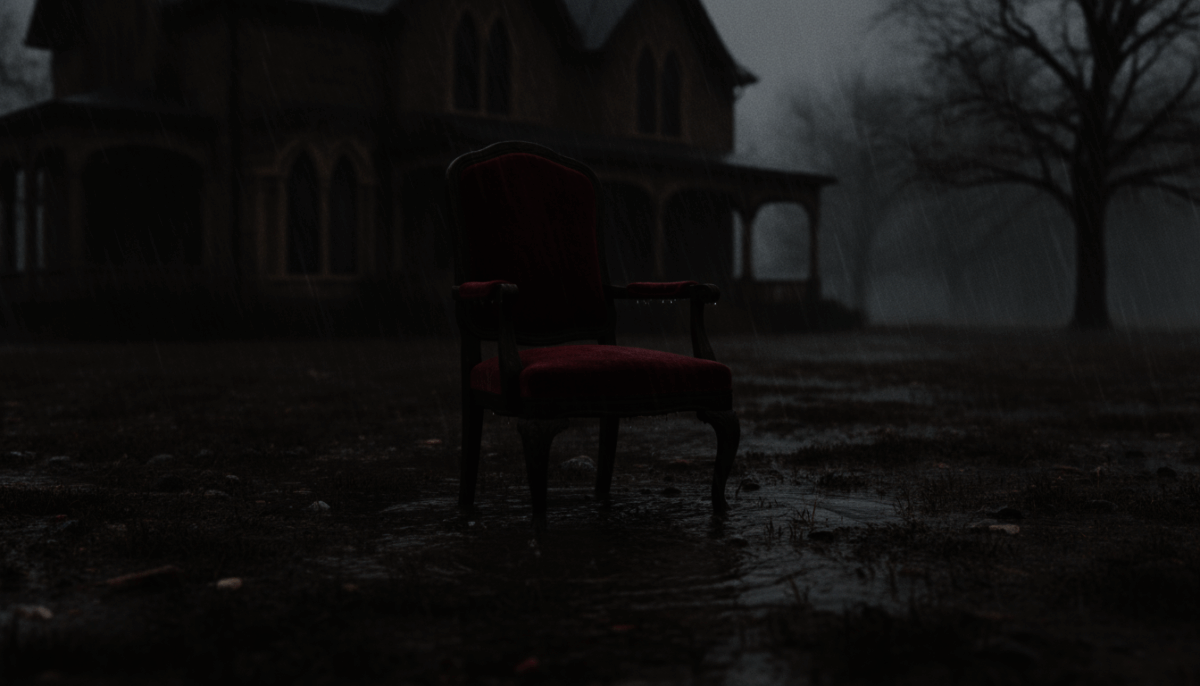
We pulled into the driveway twenty minutes later, and the sight was more horrifying than the photograph. Our antique furniture wasn’t just moved; it had been unceremoniously dumped on our front lawn. The expensive velvet upholstery was already soaking up the persistent drizzle. I could feel the blood draining from my face, replaced by a cold, sharp, and terrifyingly calm clarity. This wasn’t a mistake. This was a statement of power.
As we stepped out of the car, we saw Linda and Robert inside our house, moving their own modern, beige, big-box-store furniture into our parlor. They weren’t even hiding it. They looked at us through the bay window with expressions of smug entitlement, as if they were doing us a favor by ‘modernizing’ our ‘dumpy’ home. They had crossed a line that I didn’t even know existed, and at that moment, I decided that the lesson they were about to receive would be one they never forgot.
The moral dilemma here wasn’t just about furniture; it was about the fundamental right to autonomy. When you violate someone’s home, you violate their personhood. I had spent years being the ‘polite’ daughter-in-law, swallowing my tongue to keep the peace. But as the rain began to soak through my jacket, I realized that peace is not the absence of conflict—it is the presence of boundaries. And mine had just been set in stone.
The Morning Text That Shattered The Peace
The morning started with a ping that sounded like any other notification, yet it carried the weight of a sledgehammer. My husband, Mark, looked at his screen and let out a strangled noise, a sound of pure, unadulterated shock. I was sipping my coffee, watching the fog roll over the lake outside our cabin, when he shoved the phone into my hands without a word. The image that greeted me was a casual, smiling selfie of Linda in our living room, posing next to a pile of our belongings.
The caption was what truly stung: ‘Cleaning up the place for you! You’ll thank us later.’ I scrolled through the chat and realized this wasn’t an act of kindness. It was an act of erasure. They had spent the entire morning removing every piece of furniture that defined our house as a home, replacing it with the sterile, mass-produced items they had been complaining about for months. They had decided that our taste was inferior and, without permission, decided to ‘fix’ us.
“Look at this mess. I can’t believe they actually touched your great-grandmother’s sideboard. It’s sitting in the dirt, Mark. In the dirt!”
— My internal monologue, echoing out loud in the car.
We didn’t wait for breakfast. We packed the car in record time, my hands shaking with a mixture of grief for the furniture and white-hot rage at the audacity. The silence in the car was heavy, broken only by the sound of tires on gravel. Mark was driving, his knuckles white against the leather of the steering wheel. He was terrified of his mother, a fact that had always been a point of contention in our marriage, but today, even he looked ready to explode.
The drive home felt like an eternity. Every mile was another chance for my mind to cycle through the possibilities. Were they trying to force us to move closer to them? Were they trying to make our home feel like an extension of their own living room? It didn’t matter. The intent was malicious, regardless of how much they tried to dress it up as ‘helping.’ My phone buzzed again, a message from Robert this time, asking if we were almost home so they could show us the ‘new look.’
I didn’t respond. I needed to see the damage for myself before I could formulate a strategy. My mind was racing, considering the legal implications, the financial cost of replacing or repairing the antique items, and the absolute destruction of my trust in these people. As we turned onto our street, the sight of the front lawn confirmed my worst fears. There it was—the history of my family, left to be destroyed by the elements while the perpetrators sat inside, waiting for our gratitude.
The Silence Before The Storm

When we finally pulled into the driveway, the rain was coming down harder, turning the lawn into a muddy mess. The antique sideboard was already warping, the finish bubbling under the relentless moisture. I didn’t even wait for the engine to fully die before I was out of the car, sprinting toward the lawn to salvage what I could. Mark followed, his face a mask of conflict and despair. I saw movement in the house—Linda was watching us from the living room window, her hand held up as if she were waving to a child.
I didn’t wave back. I grabbed a heavy velvet chair, struggling with its weight as the fabric grew heavy with water. Mark helped me haul it toward the garage, but the damage was already done. The wood was swollen, the upholstery ruined. We spent ten minutes in the pouring rain, dragging what was left of our furniture into the garage, while the front door of our home remained locked from the inside. I walked up to the front door, my boots caked in mud, and saw the deadbolt was engaged.
“Open the door, Linda. Right now. I know you’re in there.”
— Me, pounding on the front door with a rain-slicked fist.
Inside, I could hear them arguing. Robert’s voice was low and defensive, while Linda was chirping away about how we would eventually see the vision she had for the home. They were treating our house like a real estate project, something they could flip to suit their aesthetic preferences. I turned to Mark, who was standing there, looking like a lost puppy. I told him he had to make a choice: either he stood up to his mother, or I would handle it in a way that he wouldn’t like.
He finally steeled himself, walking up to the door and using his own key. He didn’t even bother to knock. He shoved the door open, the sound echoing through the house. Linda was in the center of the living room, hands on her hips, admiring a beige sofa that looked like it belonged in a hotel lobby. She turned, a bright, rehearsed smile on her face, completely ignoring the fact that we were dripping wet and furious.
The scene was surreal. She started talking about how ‘fresh’ the room looked, ignoring the fact that the floor was covered in mud from our footsteps and the remnants of the old furniture were scattered across the lawn like debris from a wreck. It was the ultimate display of gaslighting. She was acting as if the situation were normal, as if she hadn’t just committed a massive violation of our privacy and property. I looked at Mark, and I saw the moment he snapped.
The Ultimatum At The Threshold
Mark finally stopped her mid-sentence. His voice was trembling, but it was loud enough to be heard clearly. He didn’t ask why she did it; he told her it was over. He demanded that they leave our house immediately, pack up their ‘gifts,’ and never use our spare key again. Linda’s face fell, not in shame, but in genuine confusion. She honestly couldn’t comprehend why we weren’t throwing her a celebratory dinner for ‘upgrading’ our living situation.
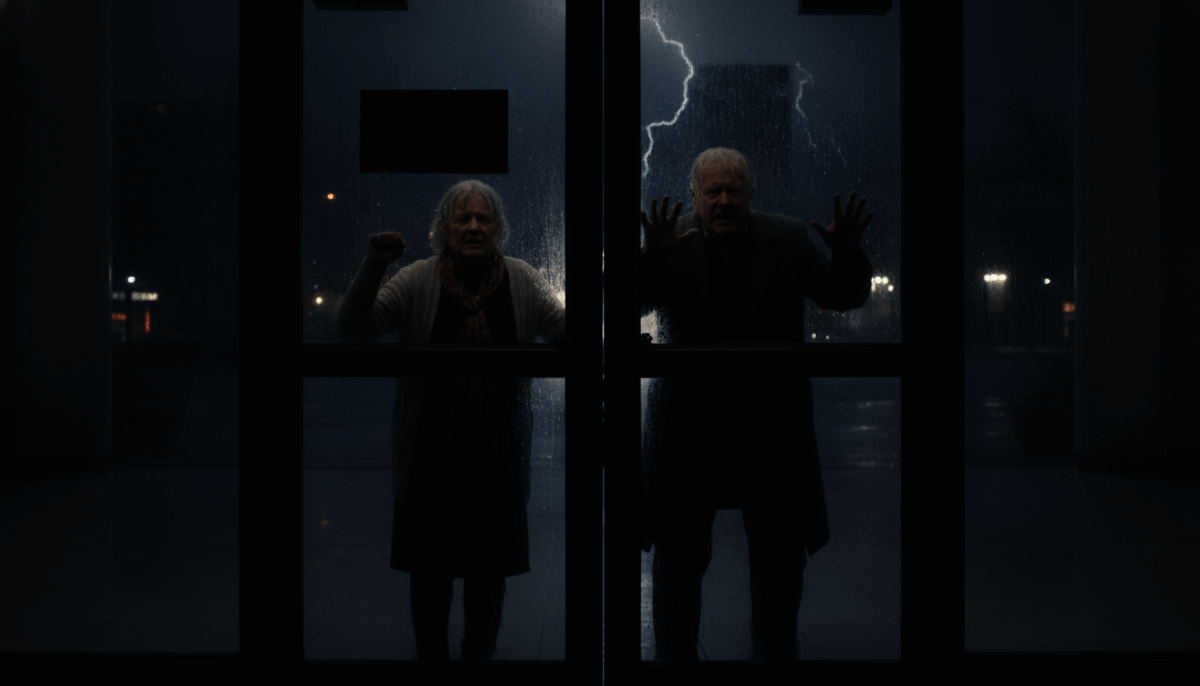
Robert tried to intervene, playing the peacemaker, telling us we were being ‘dramatic’ and that the furniture was ‘outdated anyway.’ That was the spark. I walked over to the front door, pulled the key from the inside lock, and shoved it into my pocket. I then walked to the deadbolt and locked it from the outside. I stepped back into the rain, feeling the cold water drenching my clothes, and looked at them through the glass of the door. They were trapped, and they had no idea what was coming next.
“You want to redecorate? Fine. You can stay in your little showroom until the rain stops. But you are not stepping one foot out of this house until I say so.”
— My demand, delivered through the glass of the front door.
The look on Linda’s face was priceless. It shifted from smugness to confusion, then to outright terror. She started banging on the glass, calling Mark’s name, but I had already turned my back to them. I walked to the garage, where we had stored the remnants of our furniture, and began calling a local restoration expert. I didn’t care about their discomfort. I didn’t care about the rain. I cared about the fact that they had treated our lives as if they were disposable.
Mark joined me after a few minutes. He looked rattled, but he didn’t try to unlock the door. He stood by my side as I made the calls. We listened to the muffled shouting from inside, the sound of them pacing the floorboards that I had spent years polishing. It was a strange kind of justice. They had stolen our comfort, so we stole their freedom. For the next four hours, they were our captives, and the rain outside turned into a downpour that made the outside world completely inaccessible.
We didn’t offer them food or water. We didn’t even acknowledge their presence. We treated them like they were furniture—things that were in the way and needed to be moved. It was a cold, calculated move, but I felt no remorse. When you treat people like property, you eventually have to face the reality that you, too, are just an object in someone else’s story. And tonight, they were the ones being discarded.
The Group Chat That Exploded

While we sat in the garage, the family group chat began to blow up. Linda had clearly been texting everyone she knew, painting herself as the victim of a ‘deranged’ daughter-in-law. My phone buzzed incessantly with messages from sisters-in-law, cousins, and aunts, all demanding to know why we had ‘trapped’ poor Linda in our house during a storm. I didn’t respond to any of them. I simply took a photo of the ruined furniture on the lawn and posted it to the chat.
“Linda and Robert decided to move our antique furniture to the lawn while we were away. They are now experiencing the same weather as my grandmother’s sideboard. I suggest you stay out of this.”
— My response in the family group chat.
The response was immediate. The chat went silent for a few minutes, then the messages started pouring in, but this time, they were directed at Linda. People were horrified. It turns out, even in a family that prides itself on ‘tradition,’ destroying someone’s property is considered a bridge too far. The narrative shifted from us being the ‘villains’ to the in-laws being the ones who had crossed a line that shouldn’t be crossed.
It was a tactical victory. By controlling the information flow, I had managed to turn the family against them before they could even get out of the house. I could see them through the window, still pacing, still shouting, but now, they were alone. No one was coming to rescue them. No one was going to defend their actions. They had pushed their luck, and in doing so, they had revealed exactly who they were to everyone else.
We eventually let them out, but not before I made them sign a document. It was a simple, handwritten note that Mark had drafted, detailing the damage and their admission that they had entered our home without permission. It wasn’t legally binding in a strict sense, but it served as a psychological anchor. When I finally unlocked the door and told them to leave, they didn’t say a word. They just grabbed their things and scrambled to their car, leaving us in the quiet, empty shell of our home.
The silence that followed was heavy, but it was also clean. We had reclaimed our space. We had set a boundary, and it was one that would not be challenged again. The rain had finally stopped, leaving the night air cold and crisp. We sat on the floor of our living room, surrounded by the space they had left behind, and for the first time in years, I felt like we were actually living in our own house.
The Aftermath And The Restoration
The next few days were a blur of insurance claims, restoration experts, and the silent, cold fallout from the rest of the family. The furniture was salvageable, though the cost of the repair was significant. We sent the bill to Linda and Robert, along with a formal notice to stop all contact until further notice. They didn’t pay, of course, but the act of sending the bill was important. It showed that there were consequences for their actions, and that we were no longer willing to absorb the cost of their entitlement.
The family was divided. Some thought we were too harsh, that we should have ‘forgiven’ them because they were family. Others were on our side, having experienced similar, albeit less extreme, boundary violations themselves. It was a litmus test for our relationships. We found out quickly who truly respected our autonomy and who saw us as mere appendages of the extended family unit. It was a painful process, but it was necessary.
Mark and I spent the weekends working on the house. We didn’t replace the antique furniture with anything new. We kept the space as it was, letting it be a reminder of the day we stood our ground. We changed the locks, installed a security system, and made it clear to everyone that our home was a sanctuary, not a public space for their opinions and redecorating whims. The fear of another intrusion faded, replaced by a sense of security and ownership.
“I never realized how much weight I was carrying until I didn’t have to carry it anymore. Thank you for being the one who stood up to them.”
— Mark, reflecting on the situation over dinner.
We started seeing a therapist to deal with the trauma of the event, and it helped us solidify our stance. The ‘in-law’ issue wasn’t just about furniture; it was about the power dynamic that had been established long before we got married. We were breaking a cycle, and that’s never easy. It required us to be firm, to be consistent, and to be willing to be the ‘bad guys’ in the eyes of people who didn’t understand the full scope of the situation.
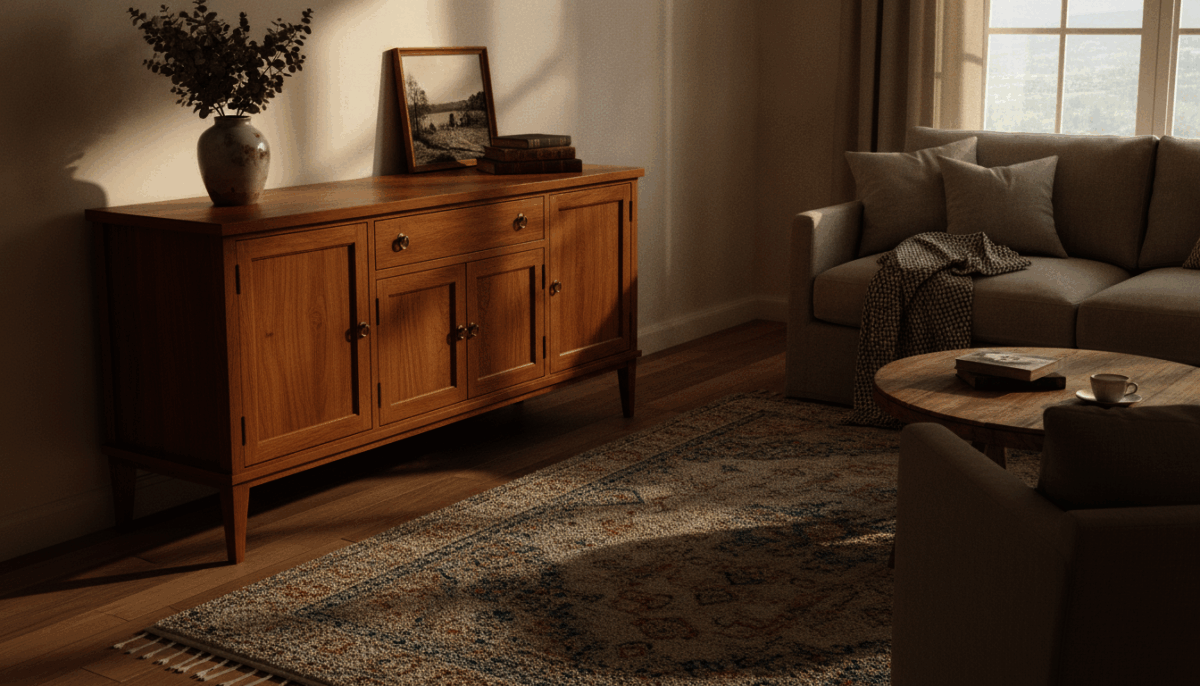
We are currently in a period of low contact, and it has been the most peaceful time of our marriage. We don’t owe them our time, our energy, or our home. We owe those things to ourselves and to each other. The furniture is back in its place, the wood polished, the velvet clean. It looks beautiful, but more importantly, it looks like us. And that is a victory that no amount of meddling could ever take away.
Reddit Weighs In: The Verdict Is In
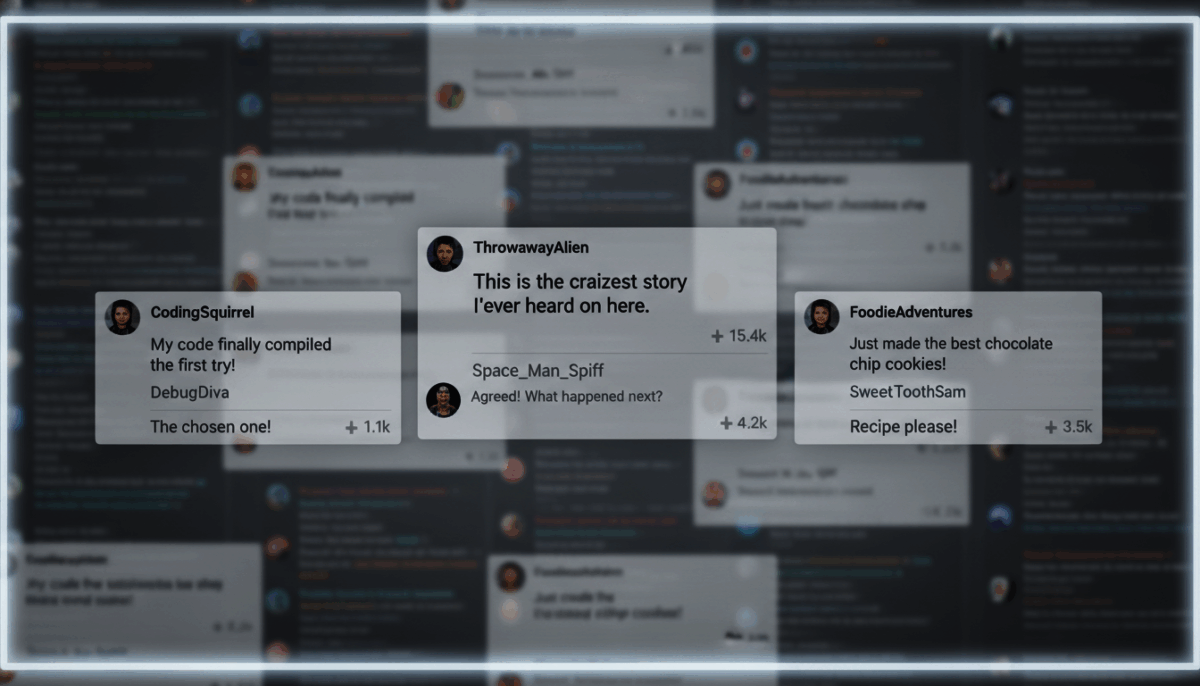
When I finally posted the story to a popular subreddit, the response was immediate and overwhelming. Thousands of people reached out, sharing their own stories of boundary-crossing in-laws. The consensus was clear: I had done the right thing. The top comment, with over 24,000 upvotes, perfectly encapsulated the sentiment of the community. It reminded me that I wasn’t alone in this, and that the feelings I had were valid.
“OP, you didn’t just stand up for your furniture; you stood up for your dignity. They treated your home like a dollhouse and you like a plaything. Locking them out was the only way to show them that you are the owners of your own life. Never feel bad for protecting your boundaries.”
— u/BoundaryWarrior (Top Comment, 24.3k upvotes)
There were, of course, dissenting opinions. Some people felt that locking them out was ‘inhumane’ or ‘childish,’ but those voices were quickly drowned out by people who understood the gravity of the situation. It was a fascinating case study in how different people view the sanctity of home. For some, family is an excuse for anything; for others, family is a relationship that must be earned and respected, not a title that grants you carte blanche to do whatever you want.
The community support provided a sense of validation that I hadn’t realized I needed. It turned a private, painful experience into a public discussion about the nature of respect and the importance of saying ‘no.’ We even started a thread where people could share their own ‘in-law horror stories,’ which served as a reminder that we were far from the only ones dealing with this level of entitlement. It was a therapeutic exercise, one that helped me move on from the anger and into a place of acceptance.
Reading the comments, I saw so many people struggling to set the same boundaries I had finally established. I realized that my story was just one of many, and that by sharing it, I was helping others realize that they didn’t have to be victims of their own families. The Reddit community had provided me with a sense of perspective and a community of people who were all striving for the same thing: a life that was their own, defined by their own rules.
It was a reminder that we are all on our own journeys, and sometimes, those journeys require us to make difficult decisions that might not be understood by others. But at the end of the day, you have to be able to look at yourself in the mirror and know that you did what was right for you. And for me, that meant locking the door and letting the rain fall where it may.
The Psychology Of Entitlement

In the aftermath, I spent a lot of time reading about the psychology of entitlement. It’s a fascinating, if sometimes disturbing, field. People like my in-laws aren’t necessarily ‘evil’ in a cartoonish sense; they are often driven by a sense of ‘benevolent’ superiority. They truly believe that they are helping, that they have more life experience, and that they know better than their children. This is the root of so many family conflicts: the failure to recognize that their children are autonomous adults.
When you confront someone like that, they don’t see it as a boundary violation; they see it as a personal attack. They view your independence as a rejection of their wisdom. This is why the arguments escalate so quickly. They aren’t just fighting over a chair or a rug; they are fighting for their place in your life, a place they believe they have an inherent right to. Breaking this dynamic is incredibly difficult because it requires changing a lifelong habit of deferring to parental authority.
“The most dangerous entitlement is the kind that disguises itself as ‘help.’ It leaves the victim feeling guilty for being ungrateful, even when the ‘help’ is a massive overstep of boundaries.”
— Psychology insight from a contributor on the thread.
I realized that for Mark, the journey was even harder. He had been conditioned his entire life to view his mother’s opinion as the final word. Watching him struggle to break free from that conditioning was painful, but it was also the most rewarding part of the entire experience. We were learning together, growing together, and building a foundation that was truly our own. The furniture was just the catalyst for a much deeper process of self-actualization.
We also realized that this wasn’t an isolated event. It was the culmination of years of small violations—unsolicited advice, unannounced visits, comments about how we ‘should’ live our lives. The furniture incident was just the point where the dam finally broke. It was the moment we realized that if we didn’t take a stand now, we would never have the life we wanted. It was a hard lesson, but it was one we learned together, as a team.
Now, when we see his parents, it’s on our terms. We meet in neutral territory, we keep the conversations polite but guarded, and we never give them information that could be used against us. It’s a different kind of relationship, one that is built on distance and respect, rather than proximity and control. It’s not the relationship we would have chosen for ourselves, but it’s the one we have, and we’ve learned to make it work.
Lessons From The Rain
Looking back, the rain-soaked lawn stands out as a powerful metaphor for our life. It was a chaotic, destructive, and cold experience, but it was also a cleansing one. The rain washed away the illusions we had been living under, leaving us with a clear view of our reality. We learned that we don’t need anyone’s permission to be ourselves. We learned that our home is our space, and that it is up to us to define what happens within it.
We also learned the value of a strong support system. Without each other, we might have caved. Without the support of the online community, we might have felt isolated and wrong. But together, we stood firm. We learned that forgiveness is a choice, not an obligation, and that it can only be offered when the other party is willing to acknowledge their mistakes and change their behavior. Until then, we are perfectly happy to maintain our boundaries.
“Boundaries aren’t walls to keep people out; they’re gates to decide who gets to come in and how they treat the space you’ve created.”
— Reflective thought on the nature of personal space.
If there’s one piece of advice I would give to anyone in a similar situation, it’s this: don’t wait for the breaking point. If you feel like your boundaries are being crossed, address it early, clearly, and consistently. Don’t be afraid to be the ‘difficult’ one. Your peace of mind is worth more than the approval of people who don’t respect you. It’s a hard lesson to learn, but once you do, your life will never be the same.
We are still healing, and we are still navigating the complexities of our family relationships. But we are doing it on our own terms. We are no longer the people we were before the furniture was moved. We are stronger, more aware, and more committed to each other than ever before. And honestly? I wouldn’t trade that for all the antique furniture in the world.
The house is quiet, the air is clean, and for the first time, we feel like we are truly, fully at home. It’s a simple pleasure, but one that I cherish every single day. We’ve learned that the most important thing you can build in your home isn’t the furniture or the decor—it’s the sense of security and autonomy that comes from knowing you are in charge of your own destiny.
Navigating Future Family Gatherings
The next holiday season was the true test. We had to decide whether to invite them, knowing that the tension would be high and the risk of another ‘misunderstanding’ was real. We decided on a compromise: we would host them, but with clear, non-negotiable rules. No one was to enter the house without an invitation, no one was to move anything without asking, and if the conversation turned to our home or our life choices, we would politely excuse ourselves.
It was a difficult conversation, one that had to be handled with extreme care. We sat them down and explained our expectations in a way that left no room for interpretation. We weren’t asking for their permission; we were stating our requirements for a relationship. It was a tense meeting, but it was necessary. We needed to know that they understood where the lines were drawn, and that they knew what would happen if they crossed them again.
“We want to have a relationship with you, but it has to be a relationship of mutual respect. If you can’t respect our boundaries, we can’t have a relationship.”
— Our statement to them during the holiday planning meeting.
The event itself was surprisingly smooth. They were on their best behavior, likely because they knew we weren’t messing around. We kept the conversation light, avoided sensitive topics, and made sure that we were always in control of the situation. It wasn’t the warm, fuzzy family gathering they might have been hoping for, but it was a respectful and peaceful one. And for us, that was enough.
We realized that we don’t need to change them; we just need to change how we interact with them. We don’t need them to understand our choices; we just need them to respect our boundaries. By letting go of the need for their approval, we freed ourselves from the power they held over us. It’s a small shift, but it has made all the difference in the world.
We continue to navigate these family dynamics, one day at a time. It’s not perfect, and there are still moments of tension, but we are no longer afraid. We are confident in our ability to protect our space and our autonomy, and that is a sense of peace that is worth every struggle we’ve been through. We are living our own lives, on our own terms, and that is the best outcome we could have hoped for.
The Legacy We Are Building
As we look to the future, we are thinking about what kind of legacy we want to leave behind. We want our home to be a place of warmth, love, and respect—a place where people are welcome, not because they have a right to be there, but because they respect the people who live there. We are building a new tradition of open communication and healthy boundaries, one that we hope to pass on to our own children one day.
The incident with the furniture was a catalyst for this change. It forced us to confront the patterns we had inherited and to make a conscious choice about how we wanted to live our lives. We are no longer defined by the expectations of our parents; we are defined by the life we are building together. And that, in itself, is a beautiful thing.
“Your home is a reflection of who you are. Make sure it’s a reflection of your values, not someone else’s expectations.”
— Our motto for the future.
We are still working on the house, still adding pieces that reflect our taste and our journey. Every item in our home now has a story, and every story is one that we have chosen to tell. We are no longer living in someone else’s vision; we are living in our own. It’s a simple, powerful, and deeply personal achievement, and one that we are incredibly proud of.
We hope that our story serves as a reminder that it is never too late to take control of your own life. It is never too late to set boundaries, to demand respect, and to build a home that is truly your own. It is a journey that is well worth taking, regardless of how difficult it may seem at the time. We are living proof that you can come out the other side stronger, wiser, and more at peace with yourself than you ever thought possible.
The antique furniture is back, the rain has long since dried, and the memories of that day are fading. But the lessons we learned remain. We are in charge. We are at home. And we are, for the first time, truly, completely, and unapologetically ourselves.
Conclusion
Our journey from the rain-soaked lawn to the peace of our current life has been nothing short of transformative. It wasn’t just about the furniture; it was about reclaiming our identity and our autonomy. We learned that the most important boundary you can set is the one that protects your own sense of self. We invite you to join the conversation: Have you ever had to draw a hard line with family to protect your home or your peace? What was the moment you realized you had to take control? Let us know in the comments below.
What's your verdict on this dilemma?
Vote below to contribute to the official community consensus.

Have a Dilemma Keeping You Up at Night?
Share your real-life feud, wedding chaos, or relationship crossroads anonymously with our editorial team.
What do you think ?
0 Comments🛡️ Comments are moderated to protect community integrity. Your comment will appear once approved by the editorial team.