
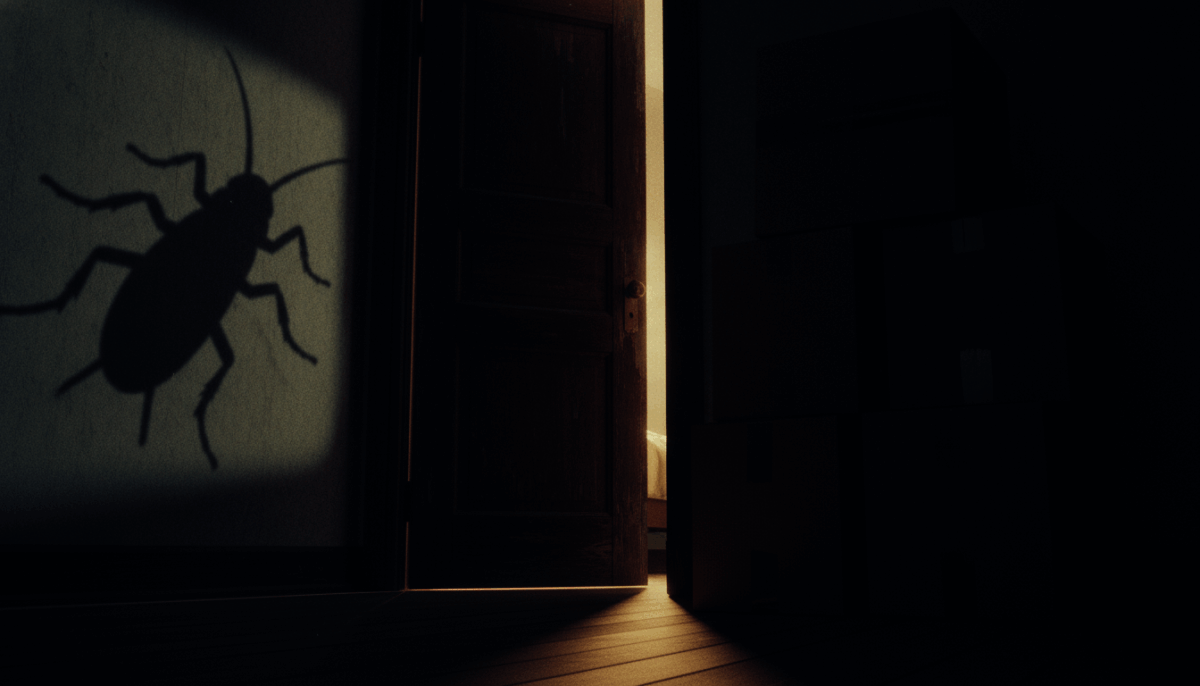
Living with a roommate is a gamble, but most of us play the odds hoping for the best: a split utility bill, the occasional shared dinner, and mutual respect for common spaces. For Sarah and me, it started with high hopes and a shared Pinterest board for our two-bedroom apartment. We were friends from college, and the transition seemed seamless. Or so I thought, until the subtle odors began to linger, and the ‘clutter’ in her room started to look suspiciously like a biohazard.
It wasn’t just about the mess. It was about the utter refusal to acknowledge the boundary between ‘private living space’ and ‘shared structural integrity.’ As a homeowner who spent years saving for this place, I viewed the apartment as an investment. Sarah, however, seemed to view it as an optional container for her increasingly erratic lifestyle. The breaking point arrived on a Tuesday evening when I went to retrieve a spare vacuum cleaner she had borrowed, only to be met by a sight that still makes my skin crawl.
I have always been a clean freak, but this was beyond hygiene—it was a full-blown ecological disaster. Behind a stack of rotting takeout bags and damp clothing, I found a colony of German cockroaches that had clearly been thriving for months. They weren’t just passing through; they were home. The realization that my sanctuary had been turned into a breeding ground for pests because of someone’s sheer apathy was a cold, hard slap in the face.
This isn’t just a story about bugs. It’s a story about the devastating realization that you can live with someone for two years and never truly know them. It’s about the legal nightmare of eviction, the gaslighting that followed, and the inevitable fallout that occurs when you choose your sanity over a toxic friendship. The following chapters detail the slow decay of our living situation and the explosive final confrontation that changed everything.
The Subtle Hum of Growing Problems
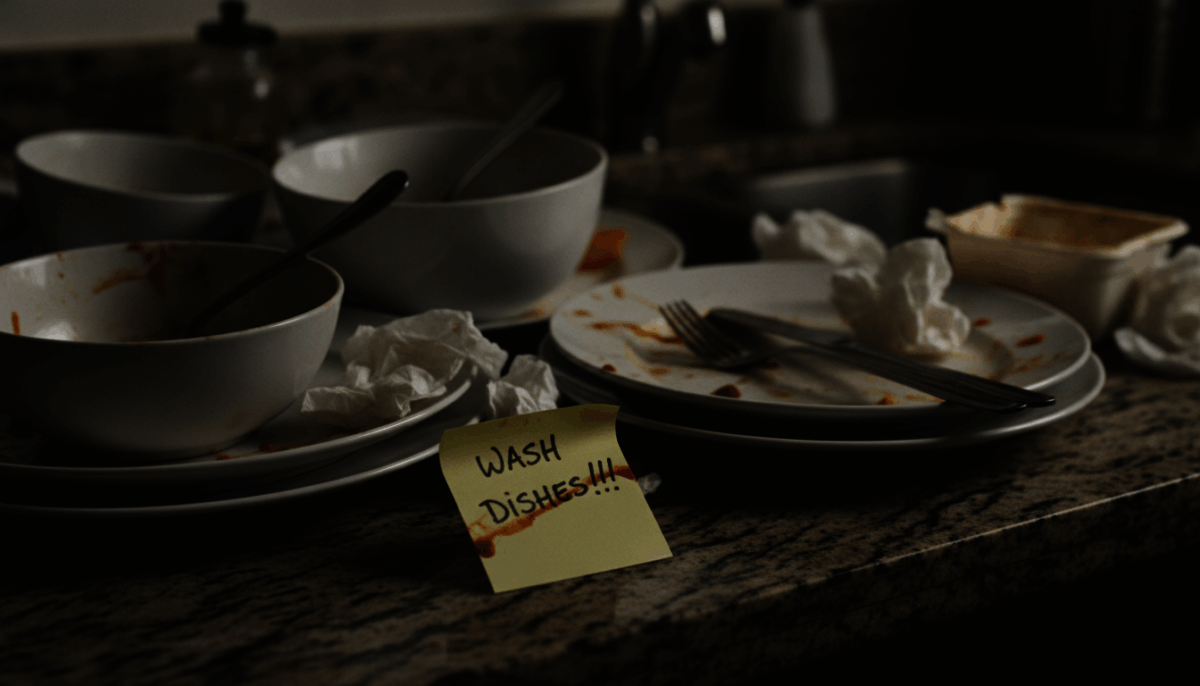
The decline didn’t happen overnight. It began with little things—a coffee mug left on the counter for three days, a pile of mail that slowly morphed into a mountain of envelopes, and the faint, sweet-sickly smell of decay that I initially attributed to a bad batch of groceries. Sarah always had an excuse. She was working overtime, she was stressed, or she was just ‘getting to it.’ I tried to be the supportive friend, the one who cleans up the common area without complaining because I valued our bond.
But the excuses grew thinner, and the apartment grew denser. She stopped going into the kitchen entirely, preferring to take everything into her bedroom. I would hear the rustling of plastic bags late at night, a sound that started to grate on my nerves like fingernails on a chalkboard. I would ask her, gently at first, if everything was okay in there, and she would simply slam her door shut, claiming she needed her space.
Eventually, the common areas became a battleground of passive-aggressive sticky notes. I found myself cleaning the kitchen twice a day, only to find fresh crumbs within hours. The tension was palpable; it was a heavy, suffocating blanket that hung over our living room. I felt like a stranger in my own home, tiptoeing around a person who seemed to be slowly reclaiming the entire apartment as her own, despite paying only half the rent.
“I just feel like you’re being incredibly overbearing lately. Can a girl have a messy room without it being an international incident?”
— Sarah, during a heated kitchen argument
I didn’t want to be the ‘landlord’ roommate. I wanted to be the friend. But when your friend stops cleaning, stops caring about basic sanitation, and starts treating your shared home like a dumpster, the friendship stops being the priority. I should have seen the signs earlier, but I was blinded by the history of our college days. I didn’t realize that in those closed-off spaces, something far more sinister than clutter was taking root.
The Midnight Rustle and the Vanishing Vacuum
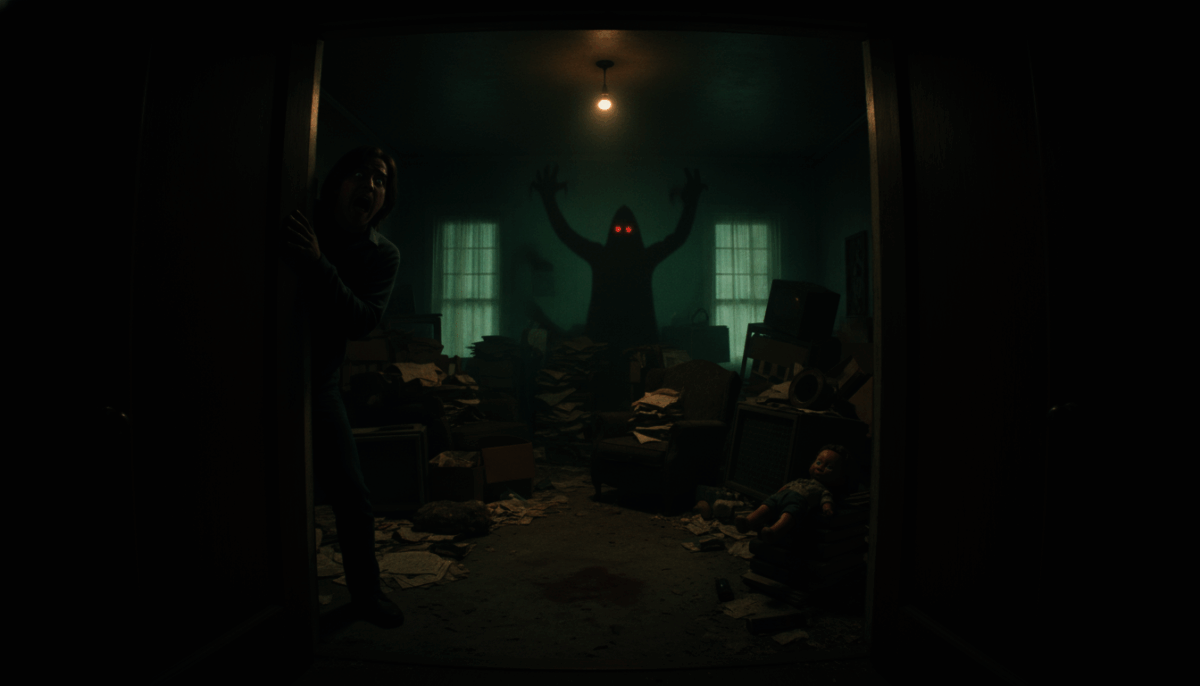
The vacuum incident was the catalyst. I needed it to clean the living room rug before my parents arrived for the weekend. I knocked on Sarah’s door, but there was no answer. I knew she was home because her car was in the driveway. I knocked again, louder this time, waiting for the defensive ‘Just a minute!’ that usually followed. When silence persisted, I realized the door was slightly ajar. I pushed it open, expecting her to be sleeping.
The room was dark, but the smell hit me first—a sharp, musty scent that I couldn’t quite place. I reached for the light switch, and the sudden illumination revealed a scene of absolute horror. The floor was covered in layers of discarded clothing, but it was the corner near the closet that caught my eye. There was a stack of cardboard boxes, damp and sagging, and as I walked closer, the ‘floor’ seemed to move.
My heart dropped into my stomach. I realized that the movement wasn’t an optical illusion. It was an infestation of such magnitude that the insects were covering the wall like a living, breathing tapestry. I stood there, frozen, the air feeling thin and toxic in my lungs. My entire body broke out in a cold sweat. This wasn’t a guest who stayed too long; this was a permanent residency that Sarah had been cultivating for weeks, if not months.
“Sarah? Sarah, get in here right now! Are you seeing this? How could you let it get like this?”
— Me, screaming for her from the doorway
She walked in from the bathroom, her face pale, and immediately realized I had seen the secret. She didn’t look shocked; she looked resigned, almost bored. She didn’t even try to hide it. That was the moment I realized we were living in two completely different realities. She didn’t see an infestation; she saw a minor inconvenience that I was blowing out of proportion. That complete lack of recognition was more terrifying than the bugs themselves.
The Confrontation of Total Apathy
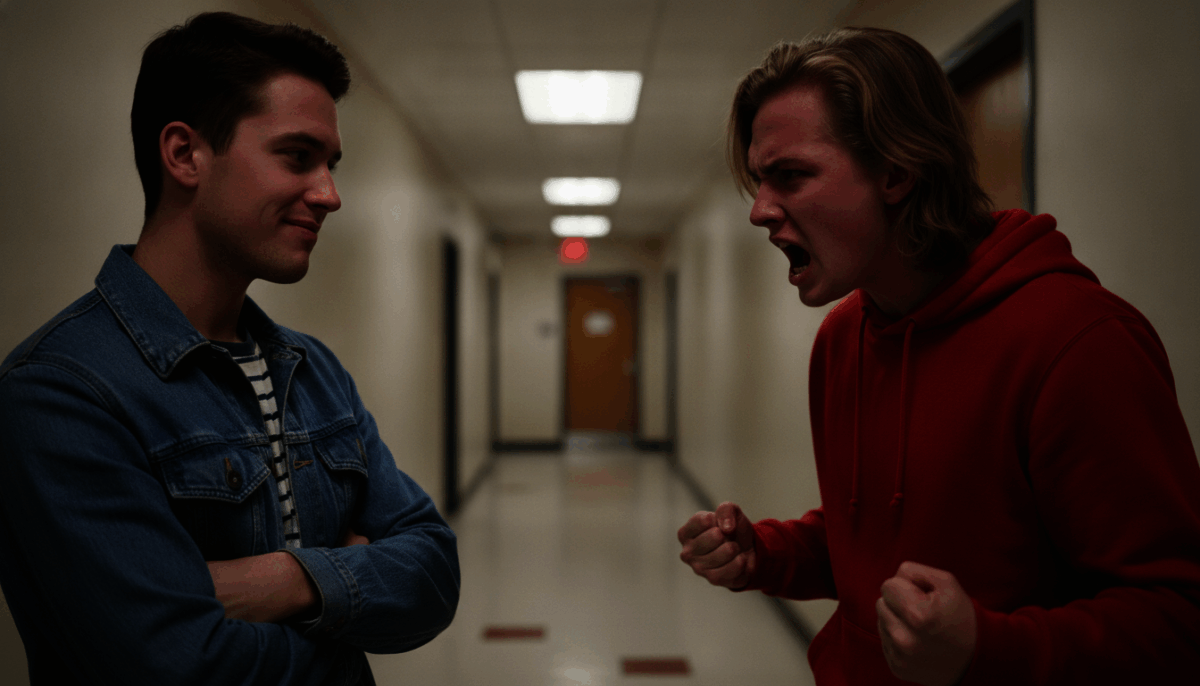
She leaned against the doorframe, crossing her arms as if she were waiting for a lecture to end. I was shaking, pointing at the closet, unable to form a coherent sentence. The sheer scale of the neglect was impossible to fathom. She had been living among this, sleeping inches away from a colony that was clearly multiplying by the hour. I felt like I was losing my mind. How does one person allow this to happen?
When I finally found my voice, it was brittle and cold. I told her that she had until the end of the weekend to get rid of them, or she was out. Her response wasn’t an apology. It was a scoff. She told me that I was being ‘hysterical’ and that I didn’t understand how ‘apartment life’ worked. She actually tried to tell me that it was a building-wide issue, even though I had asked the neighbors, and they were completely bug-free.
The audacity was breathtaking. She stood in the middle of her squalor, lecturing me on my expectations of cleanliness. I felt an intense, burning rage that I hadn’t known I possessed. I realized then that there was no reasoning with her. She lived in a world where her convenience overrode the safety and health of everyone around her. My apartment, my investment, my peace of mind—it was all being sacrificed to her complete lack of accountability.
“You’re really going to evict me over some bugs? You’re acting like a total sociopath, Sarah. This is just life. Things get messy. Get over yourself.”
— Sarah’s defensive rebuttal
I walked out of the room, closed the door, and went straight to my laptop. I didn’t yell anymore. I didn’t argue. I started researching eviction laws in my state. The bridge wasn’t just burning; it had already turned to ash. I realized that I would never be able to sleep soundly in this home again until she was gone, and every single item she owned had been scrubbed from the premises.
The Legal Ultimatum and the Panic
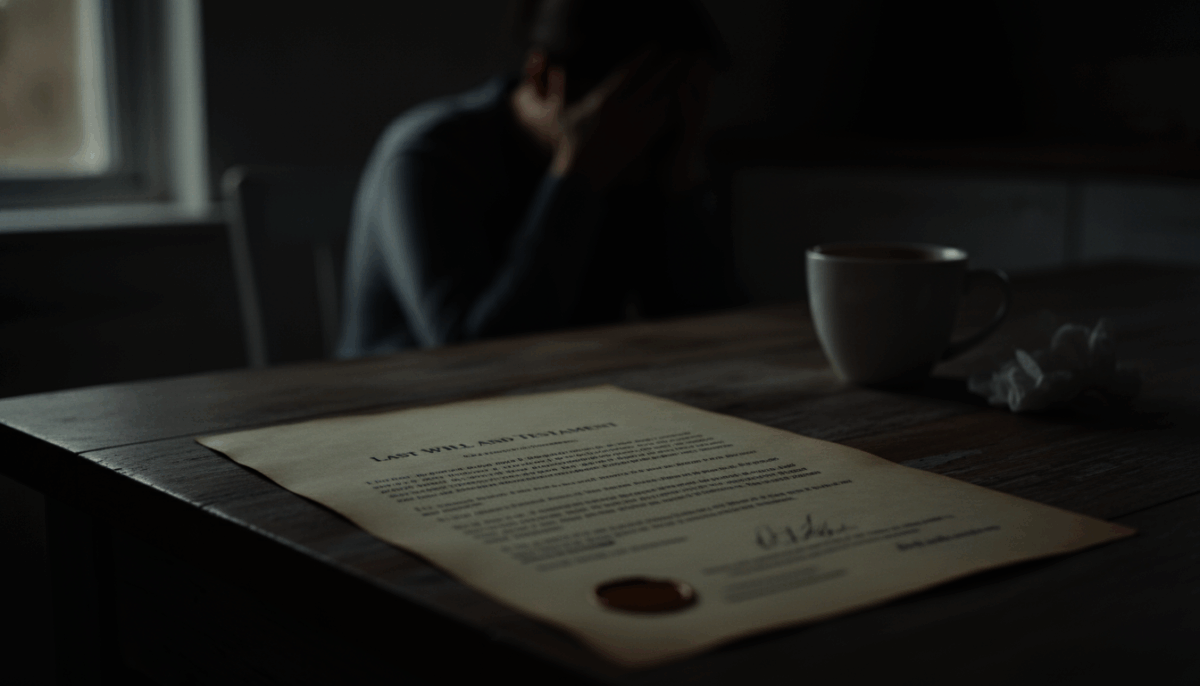
I drafted the notice that night. I didn’t just type it up; I went to a local legal site and ensured it followed every local ordinance to the letter. I printed it out, put it in a formal envelope, and left it on the kitchen table. When she saw it the next morning, the ‘bored’ act finally dropped. Her face turned bright red, and she started screaming about how I was ‘ruining her life’ and that I couldn’t just throw her out.
She tried to claim that she had rights, that she had a verbal agreement, and that I was being discriminatory. I didn’t engage. I told her that the condition of her room was a violation of the health and safety clauses in our agreement—which I had drafted based on a standard lease template—and that I had proof of the infestation. I showed her the photos I had taken on my phone. She tried to grab the phone, but I was faster.
The transition from roommate to adversary was complete. I stopped being the friend who asked how her day was. I became the person who logged every interaction, who kept the doors locked, and who spent the next 48 hours disinfecting every inch of the shared space. I felt like I was in a war zone, and my enemy was someone who had sat at my dinner table for two years.
“I’ve talked to a lawyer. If you’re not out by the 30th, the police will be here to escort you. This is non-negotiable, Sarah.”
— The finality in my voice during the notice delivery
She spent the day making calls, trying to find allies, but I had already reached out to our mutual friends and explained the situation. I sent them the photos. Once they saw the reality of the colony, the silence from her ‘support system’ was deafening. She was alone, and for the first time, the weight of her actions seemed to finally hit her. But it was too little, too late.
The Silent Treatment and the Moving Boxes
The last week was a study in absolute, oppressive silence. She didn’t look at me, and I didn’t look at her. The only sound in the house was the taping of boxes. Every time I heard the tape gun, I felt a wave of relief so strong it was almost dizzying. I spent my evenings in the living room, listening to the muffled thuds of her packing, wondering how much of her stuff was contaminated and what she was planning to drag into her next living situation.
I kept wondering if she felt any shame. Did she ever look at those boxes and realize that they were the reason she was leaving? Or did she think she was the victim of an overly sensitive, uptight roommate? I realized that it didn’t matter. Her internal narrative was hers to keep. My narrative was about reclaiming my home, scrubbing the walls, and hiring a professional pest control service to ensure that not a single trace of that colony remained.
She left on a Saturday afternoon. She didn’t say goodbye. She just shoved her last box into a waiting car, slammed the door, and drove off. I didn’t watch from the window. I stayed inside, waiting until the sound of her engine faded completely before I finally walked into that bedroom. The room was empty, stripped bare of everything but a fine layer of dust and the lingering, awful memory of what had been there.
“I hope you’re happy. You really showed me, didn’t you? Enjoy your empty house.”
— Sarah’s parting text message, sent as she pulled out of the driveway
I didn’t answer. I didn’t need the last word. The empty room was my victory. I stood in the middle of the space, smelling the bleach I had already prepared, and took my first deep, unburdened breath in months. The nightmare was officially over, and the process of healing the apartment—and myself—could finally begin.
Cleaning the Scars of the Infestation
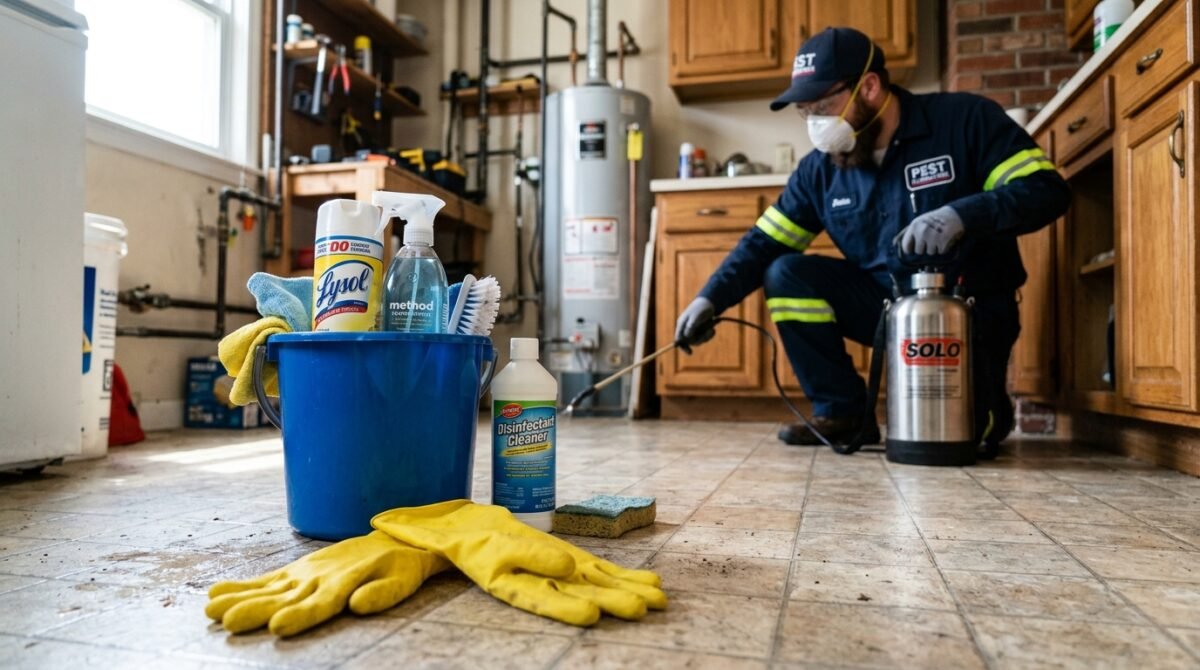
The cleanup was more than just physical; it was a ritual of exorcism. I didn’t just vacuum; I pulled up the baseboards and scrubbed the floorboards with industrial-grade chemicals. I replaced the carpet in the hallway leading to her room. I threw away every piece of fabric that had been in there, including the curtains. I wanted to erase the existence of the infestation so thoroughly that a future visitor would never know what had happened.
I hired professional exterminators to tent the area as a precaution. When they arrived, they were shocked by the amount of residue. They told me that the colony had been established for at least six months. That realization made me furious all over again. Six months. She had been living with that for half a year, and she hadn’t said a word. She had been perfectly comfortable sitting in the middle of a pest breeding ground.
The financial cost was staggering, but I didn’t care. I tallied up the damage and sent an itemized bill to her via email. I didn’t expect to get the money, but I wanted her to see the invoice. I wanted her to understand the tangible, monetary impact of her apathy. It was the last communication I would ever send her, a final statement of account before I blocked her number forever.
“The cost of the cleaning, the exterminator, and the replacement of the flooring is $3,200. I have attached the receipts. This is your responsibility.”
— My final email to Sarah
As I worked, I thought about the nature of friendship. We are taught that friends stand by each other, but what happens when a friend becomes a danger? We have to learn that boundaries aren’t an act of aggression; they are an act of self-preservation. This ordeal taught me that I am capable of making the hard call, even when it’s uncomfortable, even when it hurts.
The Internet Weighs In: A Community Divided

I posted about the situation on a few community forums, seeking validation. I needed to know if I had been the ‘sociopath’ she claimed I was. The response was overwhelming. Thousands of people commented, shared their own stories, and dissected every detail of my situation. It turns out that living with hoarders or people with extreme hygiene issues is a common, and often traumatic, experience for many.
The consensus was clear: I was not the villain. Many users pointed out that an infestation is a health hazard, not a personality clash. They told me that I had been far too lenient by waiting so long to evict her. They shared stories of having to break leases, lose security deposits, and even sue former roommates for damages caused by similar neglect. The validation provided a strange sense of comfort.
Of course, there were the contrarians. A few people argued that I should have ‘helped her’ instead of evicting her. They claimed that she clearly had mental health issues and that I had abandoned her in her time of need. I struggled with these comments, wondering if I had failed as a friend. But then I looked at the photos of the colony again, and the guilt vanished. Empathy does not require you to sacrifice your own safety.
“You didn’t evict a friend; you evicted a biohazard. Do not feel guilty for prioritizing your own health. A real friend wouldn’t have let it get that bad in the first place.”
— u/HomeownerHelper (Top Comment, 18.2k upvotes)
The community dialogue became a mirror for my own internal processing. It helped me realize that the stigma surrounding ‘evicting a friend’ is often used as a weapon against the person who is actually upholding the boundaries. I saw how many others had felt the same guilt and how many had eventually found peace once they walked away.
The Aftermath: Reclaiming My Sanctuary
Months have passed since the move-out. My home is quiet, clean, and entirely mine. I’ve repainted the entire apartment, changing the color palette to something lighter, something that feels fresh. Every time I walk past the guest room, I don’t feel that spike of anxiety anymore. It’s just a room. A clean, empty room that I use for my hobbies now.
I’ve learned to be more selective about who I allow into my space. I’ve realized that friendship is not a free pass for entitlement. I look at my life now and I value the peace, the silence, and the cleanliness in a way I never did before. I don’t apologize for expecting a certain standard of living, and I don’t feel the need to explain myself to anyone who doesn’t respect it.
Sarah tried to reach out once, sending a text from an unknown number, but I deleted it without reading it. I didn’t need to know if she was sorry, or if she was still in denial, or if she had found a new place to infest. Her life is a story I no longer have to read. I am the author of my own peace, and that is a power I will never give away again.
“Peace of mind is not a luxury. It is a necessity. I am finally at peace in my own home again.”
— A reflection written in my personal journal
I hope that if anyone reading this is in a similar situation, they find the courage to prioritize their well-being. Don’t let someone else’s dysfunction become your permanent reality. You have the right to a clean, safe, and respectful living environment. Stand your ground, document everything, and don’t be afraid to pull the trigger on an eviction if it’s the only way to save your sanity.
The Hidden Costs of Enabling

Looking back, I realize that I had been enabling her behavior for far too long. By cleaning up after her, by covering for her, and by ignoring the red flags, I was essentially telling her that there were no consequences for her actions. I was complicit in the decay of our living arrangement. It was a hard truth to swallow, but I had to accept my role in the mess so I wouldn’t repeat the same mistakes.
Enabling is a seductive trap. We do it because we think we’re being ‘nice,’ or ‘supportive,’ or ‘keeping the peace.’ But all we are really doing is delaying the inevitable. We are protecting the other person from the consequences of their own choices, and in the process, we are losing our own agency. I had to learn how to say ‘no,’ how to hold people accountable, and how to accept that if they leave because of it, then they were never really a friend to begin with.
The financial hit was real, but the lessons I learned about human nature were invaluable. I learned that people often show you exactly who they are through their actions, and it is your job to listen. I learned that I am stronger than I thought, and that I can navigate even the most uncomfortable confrontations if I stay focused on my values. And most importantly, I learned that I deserve a home that feels like a sanctuary, not a battleground.
“You have to stop setting yourself on fire to keep others warm. The cost of their warmth is your own destruction.”
— A piece of advice from a mentor that kept me grounded
I hope that by sharing this, I can encourage others to stop making excuses for the people in their lives who refuse to respect them. You aren’t being mean by expecting basic decency. You aren’t being a ‘bad friend’ by enforcing rules. You are simply upholding the standard of living that every person deserves to enjoy in their own home.
Moving Forward with New Boundaries
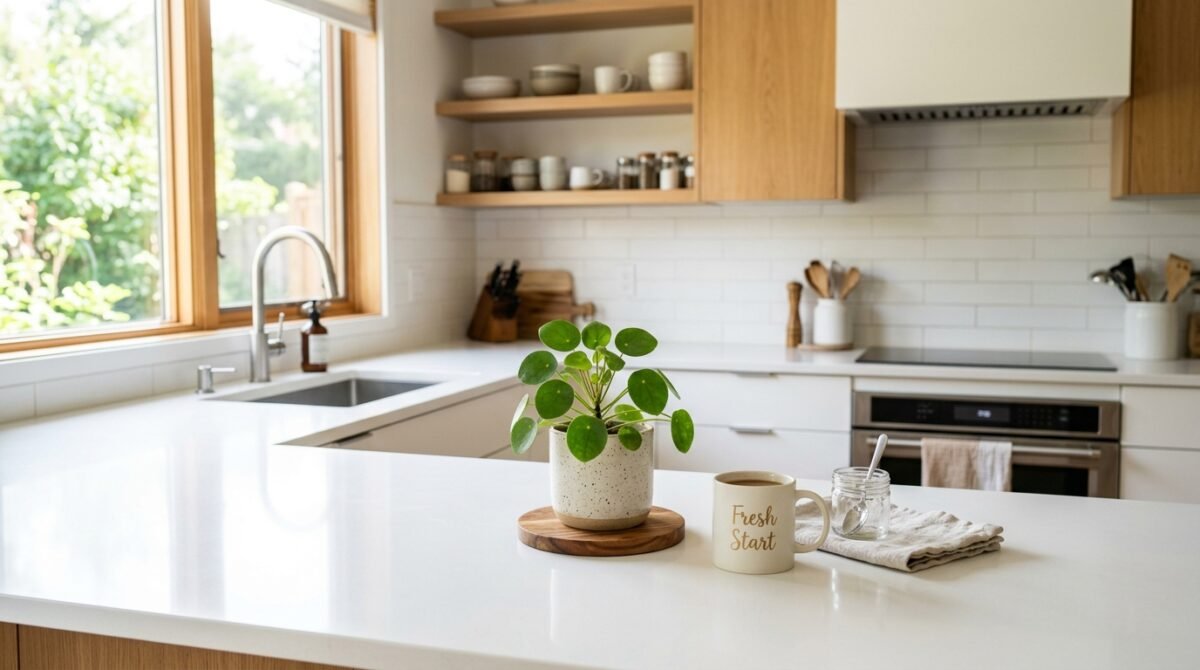
Today, my life looks very different. I have a new roommate—a professional who values cleanliness as much as I do. We have a chore chart on the fridge, we communicate openly about our needs, and we have a deep mutual respect for our space. It’s not perfect—no living situation is—but it’s healthy. And that, I have realized, is the most important thing of all.
I still think about the infestation sometimes. It’s a part of my history, a scar that I carry. But it doesn’t define me. It just serves as a reminder of what I survived and what I learned. I’ve become an advocate for setting boundaries, even in the most uncomfortable of circumstances. I tell my friends, I tell my family, and I tell anyone who will listen: your home is your sanctuary. Protect it at all costs.
The journey from the shock of that closet to where I am now has been long and exhausting. But it was worth every single step. I am more confident, more decisive, and more at peace with myself than I have ever been. And I have that one, terrible Tuesday to thank for it—the day I found the truth, and the day I finally decided to save myself.
“I don’t regret the eviction. I regret that it took me so long to realize that I deserved better.”
— My concluding thought on the whole ordeal
As I look toward the future, I feel a sense of optimism that I haven’t felt in a long time. I know now that I can handle whatever life throws at me, because I’ve already faced the worst. And I came out the other side stronger, wiser, and more at home in my own life than I ever thought possible.
Conclusion
This story of eviction, infestation, and the hard-won peace that followed is a testament to the fact that you are the primary guardian of your own well-being. It is easy to get lost in the guilt of being the ‘bad guy’ when you set boundaries, but remember that those boundaries are the only thing keeping your life from spiraling into the chaos of someone else’s making. Whether it’s a roommate who refuses to clean or a friend who takes advantage of your hospitality, you have the right to demand respect.
If you have ever found yourself in a situation where you had to choose between your home and your relationship, you are not alone. It is a painful decision, but it is often the only one that leads to true growth. Reflect on the choices you have made and the boundaries you have set—or failed to set—and consider if you are truly living in the environment you deserve. The healing process starts the moment you stop making excuses for behavior that compromises your safety.
Community Debate: Have you ever had to evict a friend or roommate due to hygiene or boundary issues? Do you believe there is a ‘right way’ to handle these situations, or is the friendship always doomed once the conflict reaches a breaking point? Share your experiences and thoughts in the comments below—let’s discuss the line between empathy and self-preservation.
What's your verdict on this dilemma?
Vote below to contribute to the official community consensus.

Have a Dilemma Keeping You Up at Night?
Share your real-life feud, wedding chaos, or relationship crossroads anonymously with our editorial team.
What do you think ?
0 Comments🛡️ Comments are moderated to protect community integrity. Your comment will appear once approved by the editorial team.