
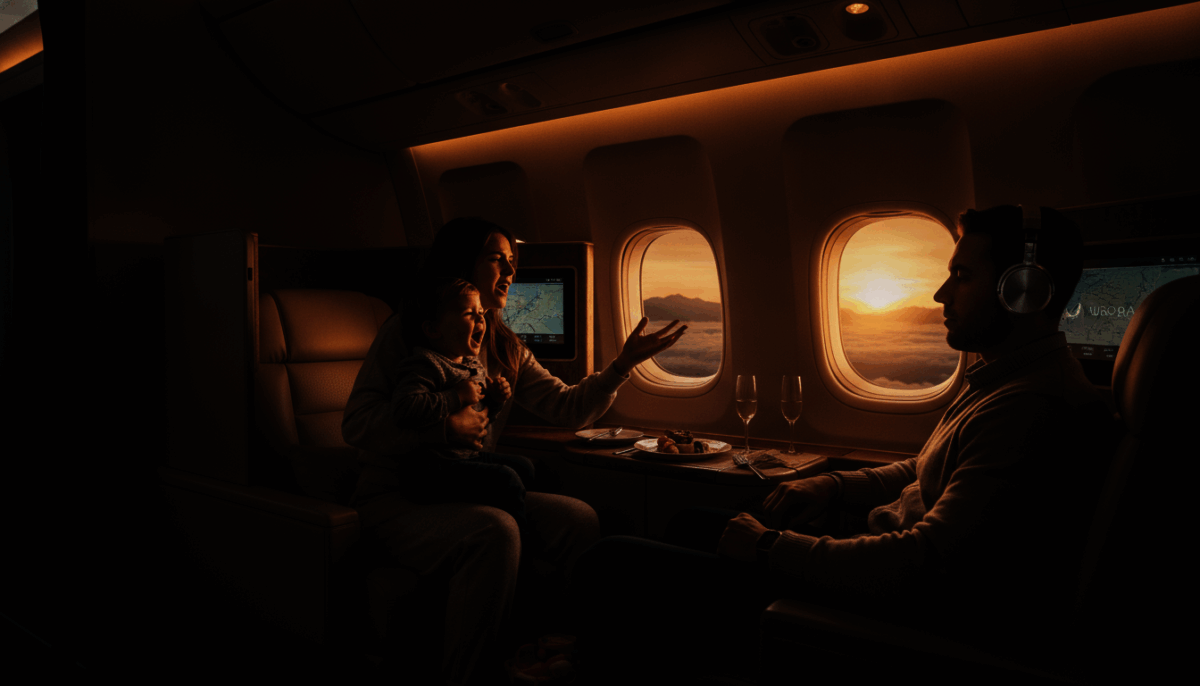
Air travel has become an increasingly hostile environment, a pressurized tin can where the social contract seems to evaporate the moment the cabin door seals shut. We have all seen the viral videos: the screaming matches over reclining seats, the food-flinging incidents, and the persistent, nagging feeling that common courtesy is a relic of a bygone era. But nothing quite prepared me for the ordeal of flight AF-882, a grueling 14-hour trek across the Pacific that would test my boundaries, my patience, and my resolve to never bow to performative entitlement.
I had saved for months for this trip. It wasn’t just a vacation; it was a necessary escape from a year of professional burnout. I specifically booked 2A—a window seat in the small, intimate first-class cabin—because I needed the privacy, the extra legroom, and the ability to lean against the wall to sleep. I paid a premium, and in my mind, that premium bought me the right to exist in my space without being coerced into performing acts of charity for strangers who felt entitled to my comfort.
When the woman approached me, holding a screaming toddler and a look of practiced, weaponized martyrdom, I knew exactly how this script was supposed to go. I was supposed to be the ‘nice guy,’ the one who folded under the pressure of a public scene. But I was exhausted, I was wearing my $400 noise-canceling headphones, and I had absolutely zero interest in playing the part of the martyr for her convenience. What followed was a masterclass in boundary setting and the inevitable, chaotic fallout that happens when someone finally says ‘no’ to the ‘motherhood card.’
This is the story of how I spent 14 hours in the eye of a hurricane, refusing to move, enduring the glares of fellow passengers, and eventually becoming the villain in a story written by someone else’s lack of planning. By the time we touched down, I wasn’t just a passenger; I was the subject of a viral social media post, a target for a flight attendant’s frustration, and a man who learned that sometimes, the only way to win is to simply hold your ground.
The Setup and the Siren Song of 2A
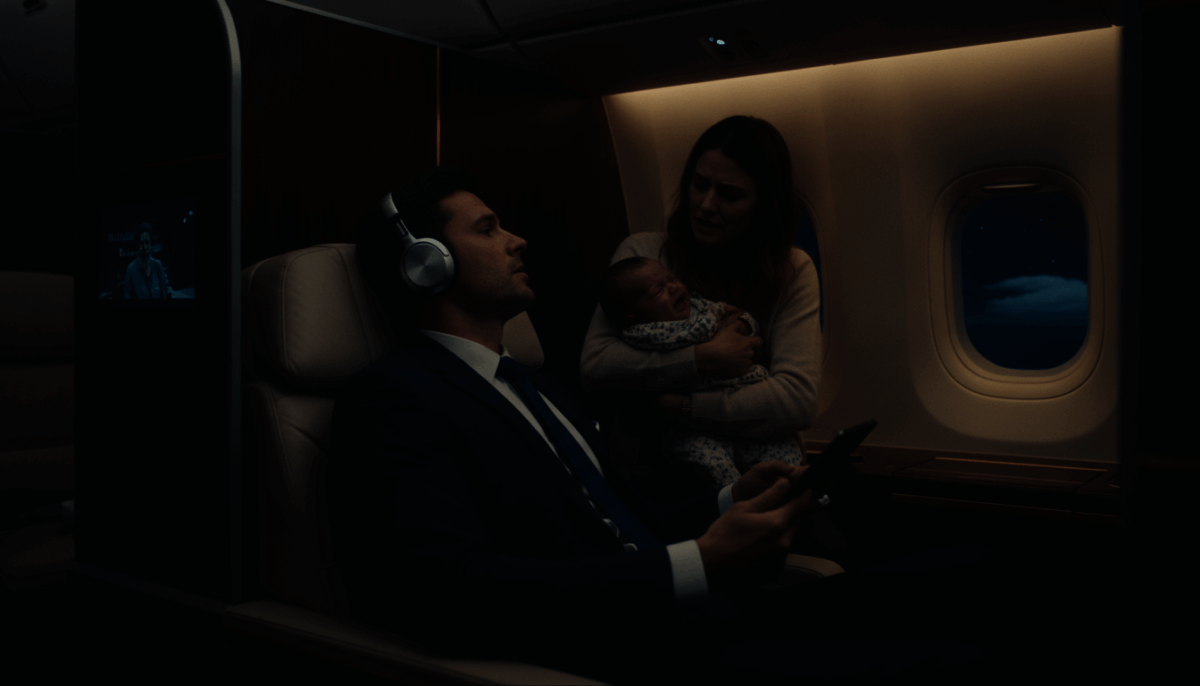
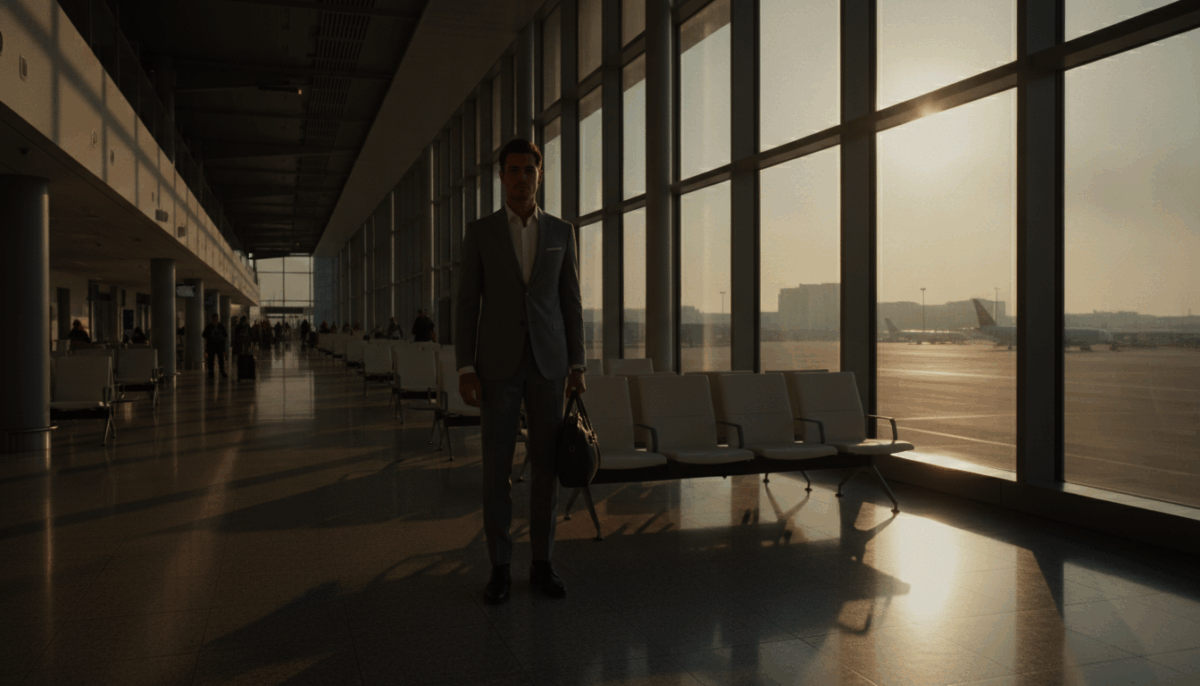
The flight was scheduled for 14 hours and 20 minutes, a long-haul journey that required strategic planning. I had my neck pillow, my high-fidelity noise-canceling headphones, and a carefully curated playlist designed to lull me into a deep, meditative state. I had chosen 2A because it was a bulkhead seat with a window that offered a solid surface to lean against, an essential feature for a tall person trying to survive a long-haul flight in relative comfort. The cost difference between the economy seat I could have taken and this first-class upgrade was significant, a literal investment in my sanity.
As I settled into my seat, I watched the other passengers file in. The cabin was quiet, refined, and peaceful. I saw the woman board with her toddler—a child who was already showing signs of being overstimulated. She looked around the cabin with a predatory sort of calculation, her eyes scanning the seating arrangement. I didn’t think much of it at the time, assuming she was looking for her own assigned seat. I put on my headphones, dialed up a lo-fi beats track, and closed my eyes, ready to signal the world that I was officially ‘out of office.’
I felt a tap on my shoulder. I didn’t want to move, so I ignored it. Then came the second tap, harder this time. I slid my headphones down just enough to hear the screeching of the toddler and the exasperated sigh of the mother. She wasn’t just asking a question; she was launching an offensive. The air in the cabin shifted, moving from quiet luxury to something much sharper, something that felt like the beginning of an inevitable, uncomfortable confrontation.
“Excuse me, sir? I know this is a big ask, but my son is having a rough time and I really need the window seat so he can look outside. Could you please switch with me to 14G?”
— The Mom
I looked at her, then I looked at 14G—a middle seat in the back of the plane, wedged between a lavatory and the galley. It was an insulting trade, a downgrade that would have turned my 14-hour journey into a claustrophobic nightmare. I felt the surge of adrenaline that comes with being put on the spot, the pressure to be the ‘hero’ in a story where I was the only one paying the price. I didn’t hesitate. I couldn’t afford to be polite at the expense of my own physical well-being.
The Art of the Polite Refusal
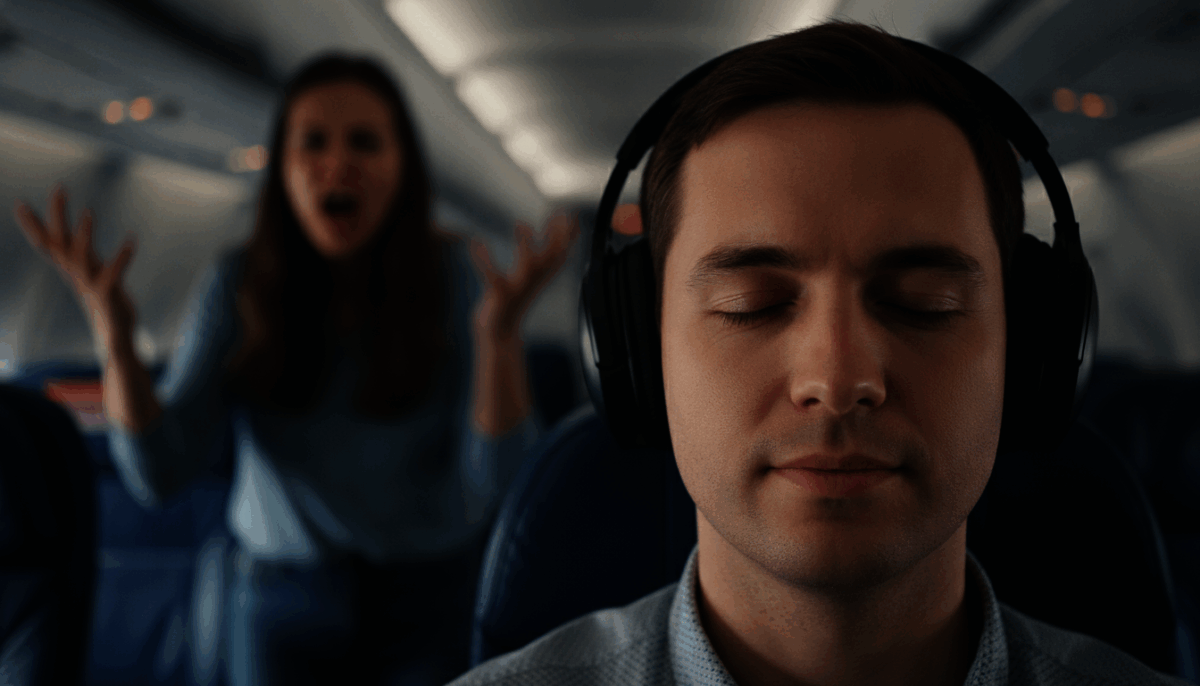
My response was measured but firm. I had learned a long time ago that apologizing for a ‘no’ only gives the other person a foothold to argue. If you apologize, you are admitting that you are in the wrong. I wasn’t in the wrong; I was in my assigned seat, for which I had paid full price. I didn’t need to justify my preference for a window seat, nor did I need to feel guilty about not wanting to be crammed into a middle seat in the back of the aircraft.
“I’m sorry, but I’ve specifically booked this seat for the window and the extra space,” I said, keeping my tone neutral but final. “I’m not interested in switching.” I expected her to perhaps push back slightly or accept the refusal with a huff. I did not expect the immediate, dramatic escalation that followed. She didn’t just look disappointed; she looked like I had personally attacked her child’s development. She began to raise her voice, drawing the attention of the flight attendants who were still performing their pre-flight duties.
“You’re really going to make a mother sit in the back with a crying child just so you can look at the clouds? It’s basic human decency. I thought people in first class had some class.”
— The Mom
The comment about ‘class’ was a tactical move, designed to shame me into submission. It was a classic manipulation technique, meant to make me feel small and selfish for valuing my own comfort. I felt the eyes of the other passengers on us. A man in 1B looked over his newspaper, his expression unreadable, while the woman in 2B shifted uncomfortably in her seat. The social pressure was mounting, but I stayed rooted. I had paid for my comfort, and I wasn’t going to let a stranger’s manufactured guilt trip strip that away from me.
I put my headphones back on, a deliberate act of disconnection. It was a signal that the conversation was over. I wasn’t going to engage in a debate about ‘decency’ or ‘privilege.’ I had my boundaries, and I was going to hold them. The mother stood there for a moment longer, her face turning a shade of red that suggested she was accustomed to getting her way, before she finally turned around to find her seat, muttering something about ‘entitled jerks’ under her breath.
The In-Flight Cold War
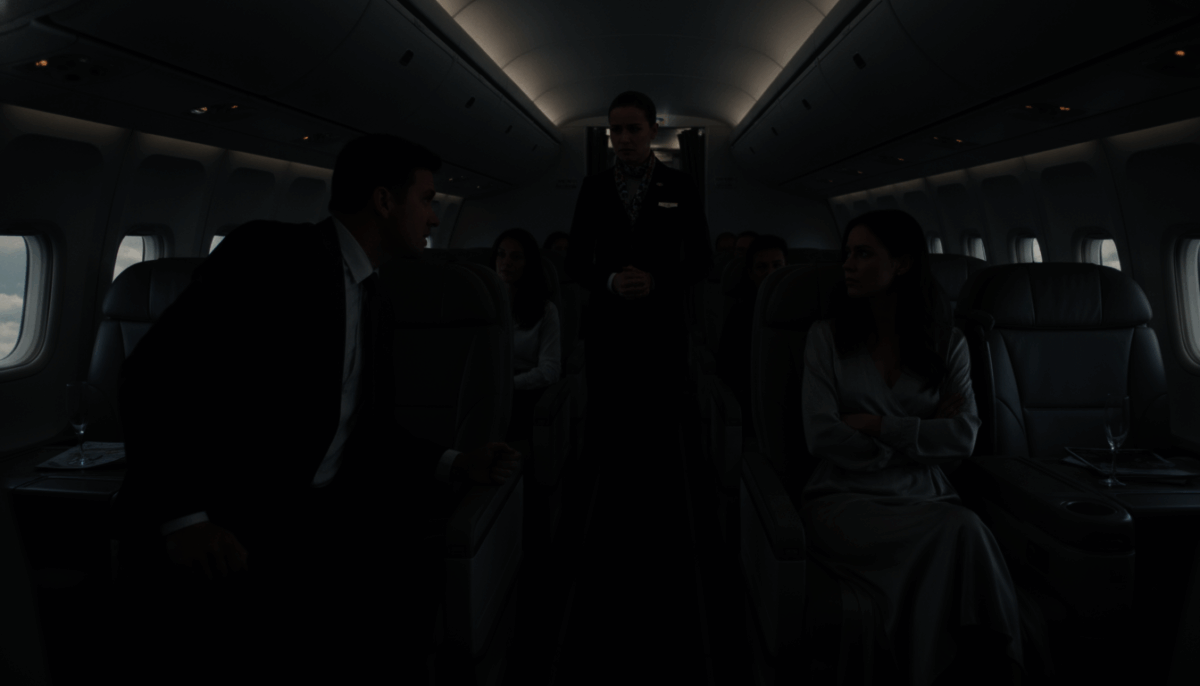
The first two hours were the most tense. The toddler, predictably, didn’t settle down. Every time the child let out a wail, the mother would look back at me, her expression clearly intended to convey that this was my fault. She had decided that I was the villain, the obstacle to her child’s happiness, and she was going to make sure everyone in the cabin knew it. She spoke loudly to the flight attendant, making sure I could hear her, complaining about the ‘lack of empathy’ in the cabin.
I was forced to turn my music up even louder. I felt like a prisoner in my own seat. Every time I needed to use the restroom, I felt the weight of her gaze. It was a cold war, a battle of attrition. She was hoping I would get so uncomfortable or so annoyed by the noise and the social friction that I would eventually offer to move, just to escape the atmosphere she had created. But I had prepared for this—not this specific scenario, but the general discomfort of long-haul travel. I had my noise-canceling headphones, my eye mask, and a profound ability to disassociate.
The flight attendant, a woman who looked like she had seen it all, eventually came over to me. She wasn’t aggressive, but she was definitely testing the waters. She asked if there was ‘any way we could find a compromise,’ leaning over as if to suggest that my refusal was creating a safety issue. It was a subtle, institutional push to get me to comply with the mother’s demands. I didn’t budge.
“I’m happy to assist with anything else, but I am staying in my seat. I paid for it, and I’m not moving. If there’s an issue with the toddler, perhaps the airline should address the booking policies rather than asking me to surrender my fare.”
— OP
The flight attendant nodded, looking slightly annoyed, and walked away. I had stood my ground, but I knew the cost. I was officially ‘the guy in 2A’—the selfish, uncompromising traveler who ruined a mother’s trip. It was a label I was willing to live with, but it didn’t make the next 12 hours any easier. I spent the time reading, sleeping, and occasionally watching the toddler through the gap in the curtains, observing the mother’s dramatic, performative parenting style.
The Social Media Fallout
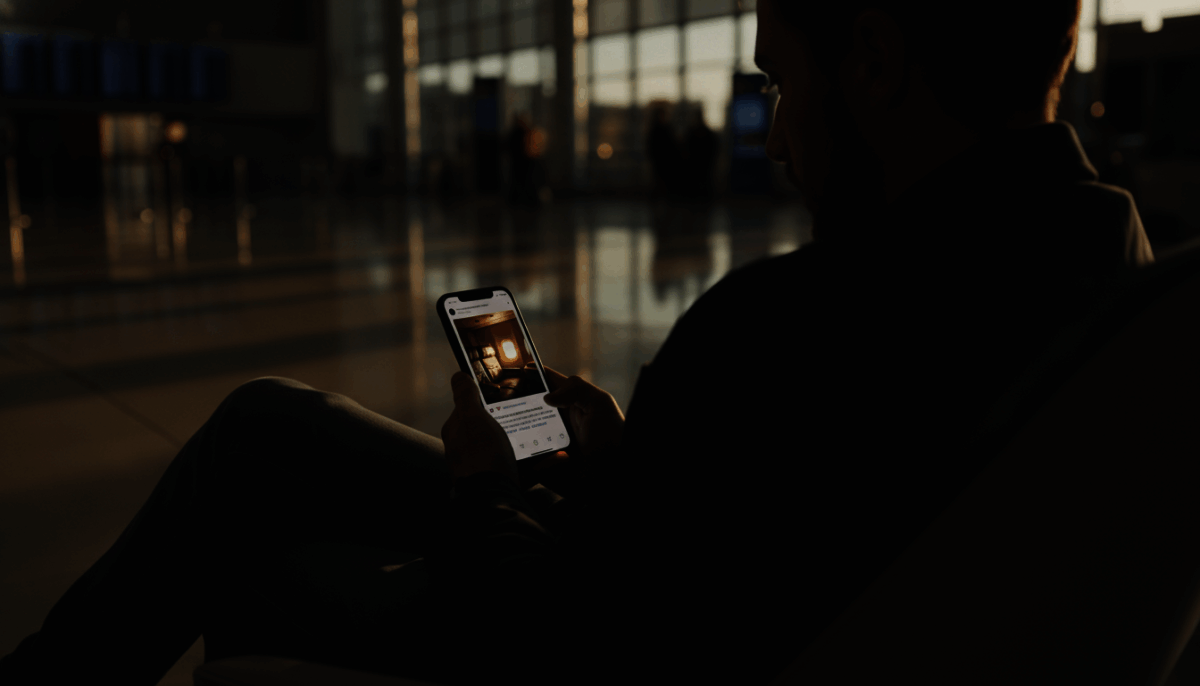
It wasn’t until I checked my phone after landing that I realized the scale of what had happened. During the flight, the mother had apparently taken to her social media accounts, posting a photo of the back of my head and my seat number. She had written a scathing, highly curated post about the ‘most selfish person she’d ever encountered’ and how I had forced a mother and child to sit apart on a long-haul flight. The post had gone viral within hours, with hundreds of comments calling for my ‘public shaming.’
I sat in the terminal, reading the vitriol. People were calling me everything from a ‘sociopath’ to a ‘misogynistic jerk.’ They didn’t know the context; they didn’t know that she had tried to bully me into a downgrade, or that I had paid for a seat that she felt entitled to simply because she was a mother. It was a fascinating look at the power of narrative. She had crafted a story that made her the victim and me the villain, and thousands of people who weren’t even on the plane were willing to join in the pile-on.
I considered responding, or posting my own version of the story. I had a few photos of the cabin, the seat configuration, and the look of triumph on her face when she finally got the flight attendant to ask me to move. But I realized that doing so would only prolong the drama. The internet loves a fight, but it hates the truth when the truth ruins a good story. I decided to stay silent, to let the initial wave of anger pass, and to focus on my own trip.
“I can’t believe some people are defending this guy. Even if he paid for the seat, the right thing to do is move. It’s called being a decent human being. I hope his next flight is full of crying babies.”
— u/TravelMom88 (Reddit Comment, 4.2k upvotes)
Reading comments like that was surreal. It was as if there was a collective expectation that personal property and paid services were secondary to the ‘right’ of parents to have their needs prioritized. It was a dangerous precedent to set, and it was one I was entirely unwilling to subscribe to. I felt a weird sense of vindication. If I had moved, I would have been miserable for 14 hours. By staying, I was at least comfortable, even if I was being digitally roasted by strangers.
The Reddit Trial: NTA vs. YTA
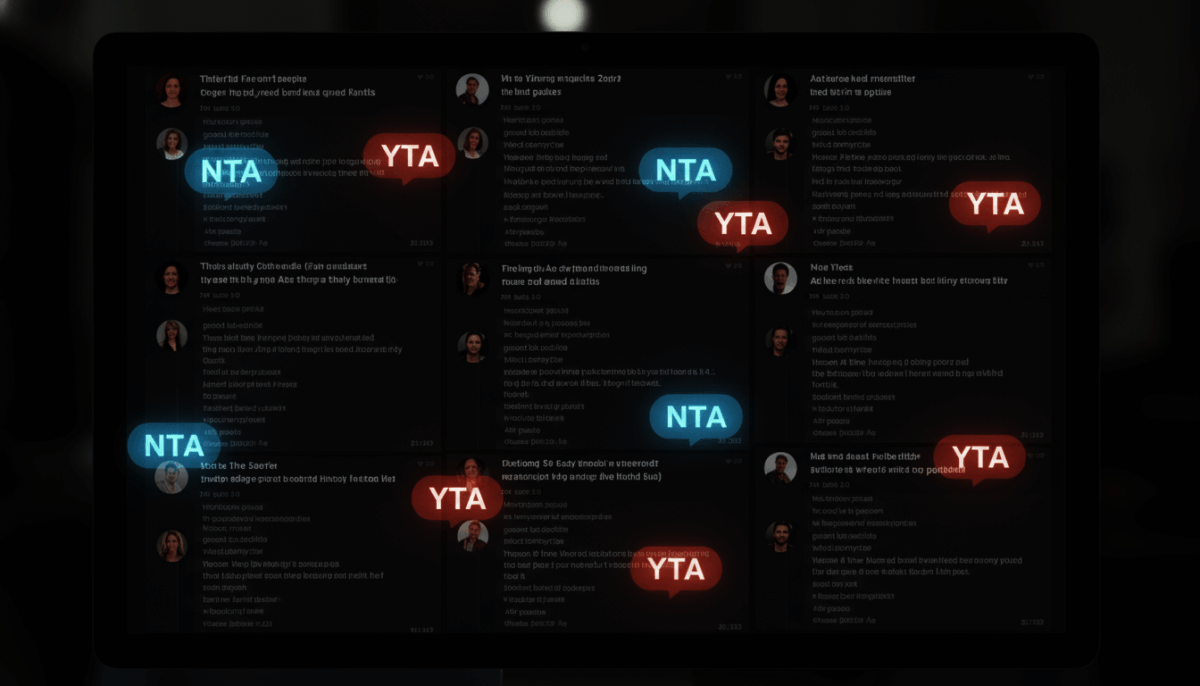
Eventually, I couldn’t resist. I created a throwaway account and posted the story on r/AmITheA**hole, just to see what the ‘official’ verdict would be. I laid out the facts as neutrally as possible: the cost of the seat, the specific request for a downgrade to a middle seat, and the subsequent public shaming. The response was immediate and overwhelming. It wasn’t the uniform condemnation I had seen on social media; it was a deeply divided, passionate debate that lasted for days.
The ‘Not The A**hole’ (NTA) camp was strong. They argued that my seat was a commodity, not a favor, and that entitlement to other people’s resources is a scourge on modern society. They pointed out that if the mother wanted a window seat, she should have booked it, and that her choice to attempt to coerce me was the real issue. They validated my boundary, and it felt, in a strange way, like a weight had been lifted off my shoulders.
“NTA. If you book a first-class seat, you get the seat you paid for. The mother is entitled for thinking she can bully her way into a better seat. Her lack of planning is not your emergency.”
— u/FrequentFlyerPro (Top Comment, 28.5k upvotes)
On the other side, the ‘You’re The A**hole’ (YTA) camp was equally vocal. They argued that while I was ‘technically’ in the right, I was morally failing by not being ‘kind.’ They leaned into the idea that life is about sacrifice, and that helping someone in need is a fundamental duty, regardless of the cost to one’s own comfort. They criticized my ‘lack of empathy’ and my coldness in the face of a crying child. It was a fascinating case study in moral relativism.
The debate became so heated that the moderators eventually had to lock the thread. I sat back and watched as the comments rolled in—hundreds of them, debating the ethics of travel, the nature of entitlement, and the limits of social duty. It confirmed what I had suspected: the incident wasn’t really about the seat. It was about the way we view our responsibilities to one another in an increasingly fragmented, self-centered society. I wasn’t just a guy who kept his seat; I was a proxy for a much larger, unspoken conflict.
The Psychology of Entitlement
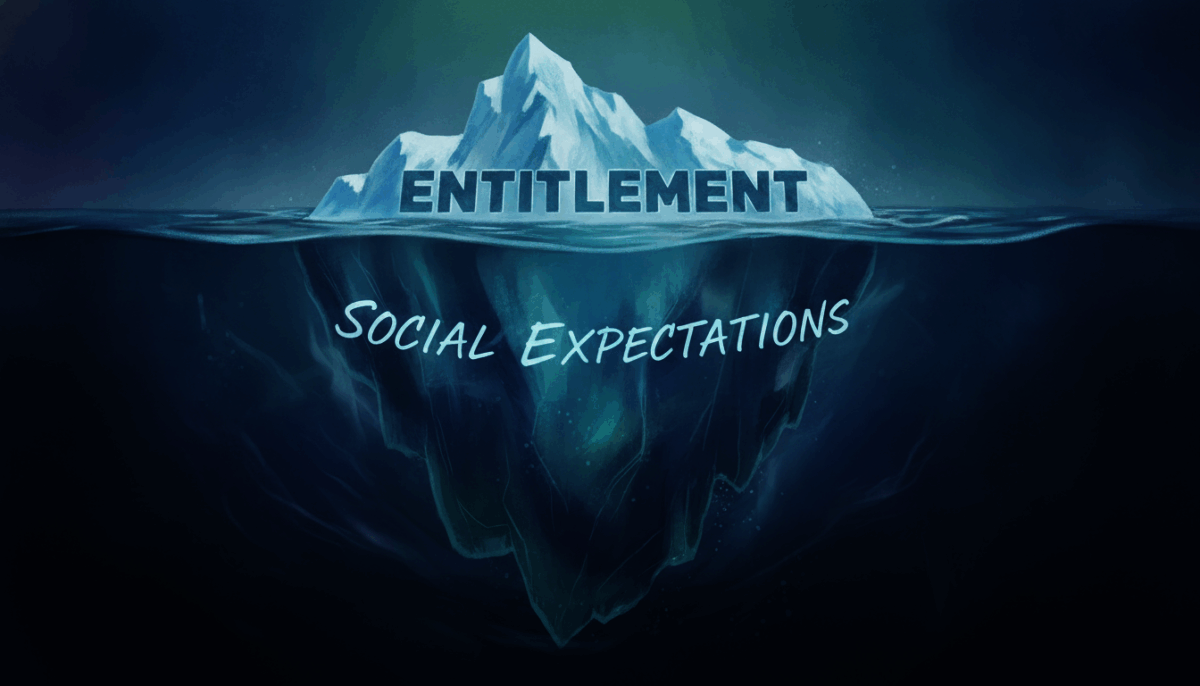
After the dust settled on the Reddit thread, I spent time reflecting on the woman’s behavior. Why did she feel so entitled to my space? I believe it stems from a societal shift where ‘motherhood’ is used as a trump card in any social conflict. The logic is: ‘I have a child, therefore my needs are greater than yours, and you are obligated to accommodate me.’ It is a powerful, if often misused, tool for social negotiation.
She didn’t just ask for a seat; she expected it. When I said no, her reaction wasn’t one of disappointment; it was one of shock. She hadn’t accounted for the possibility that I might value my own comfort over her convenience. She had assumed that the ‘mother card’ would be enough to override my financial investment. When it failed, she had to pivot to social shaming because it was the only other tool she had to maintain her sense of control in the situation.
“Entitlement is a form of social currency. Some people believe their personal life circumstances should automatically grant them privileges in public spaces. When that currency is rejected, the reaction is often anger, because the system they rely on for ease has failed.”
— A psychologist’s perspective on the matter.
This experience taught me that boundaries are not just about personal comfort; they are about maintaining a sense of self in a world that is constantly trying to redefine those boundaries for you. If I had moved, I would have felt resentful for 14 hours. By staying, I felt empowered, even if I was cast as the villain. It was a trade-off I would make again, every single time. Entitlement only works if you agree to participate in the exchange.
The Unspoken Rules of Cabin Etiquette
The irony of the whole situation is that first-class cabins are designed for privacy and individual service. They are, by their very nature, exclusive environments. The idea that someone would attempt to disrupt that by demanding a seat swap is fundamentally at odds with the experience the airline is selling. Yet, it happens constantly. The cabin crew are often caught in the middle, trying to manage the expectations of passengers who feel they should get whatever they want, and those who have paid for specific services.
I spoke to a friend who works as a flight attendant, and he confirmed that this is a daily struggle. He mentioned that they are often trained to de-escalate by asking other passengers to move, which puts the passengers in the position of being the ‘enforcers’ of the airline’s failure to properly manage their cabin configurations. It’s a systemic issue that gets dumped on the customer. I wasn’t the problem; the system was.
“We hate these situations. When a parent tries to bully another passenger, it creates a hostile environment for everyone. But we’re also under pressure to keep the peace. It’s an impossible position for us to be in.”
— Anonymous Flight Attendant
Learning this made me feel even more justified. My refusal wasn’t just a stand against an entitled mother; it was a refusal to participate in a broken system that prioritizes temporary ‘peace’ over the rights of the individual. I wasn’t being a jerk; I was standing up for the principle that a contract—in this case, my airline ticket—should mean something, regardless of the social pressure to break it.
Reframing the Narrative

Months later, I still see the occasional comment on the viral post. The narrative has shifted, but the core debate remains. Some people are still angry, some are still supportive, and some have moved on. I’ve realized that I don’t need to control how people perceive me. The ‘villain’ narrative was her creation, not mine. I have no obligation to be the hero in a story I didn’t write.
I have taken many flights since then. Every time I get to my seat, I feel a slight, fleeting anxiety, wondering if this will be the time someone tries to challenge my presence in my own seat. But it hasn’t happened again. Perhaps it’s because I’ve become more confident in my boundaries, or perhaps it’s because I’ve learned to spot the signs of entitlement earlier and address them before they turn into a full-blown confrontation.
“The hardest part of saying no isn’t the response you get from others; it’s the internal voice that tells you that you’re being a bad person for choosing yourself. Once you silence that voice, the external pressure becomes much easier to manage.”
— Personal Reflection
I am a better traveler now. I am more aware of the social dynamics of the cabin, but I am also more protective of my own space. I don’t apologize for my choices, and I don’t feel the need to justify my existence to strangers. That, I think, is the true lesson of the 14-hour flight: you are the only one who can define your own boundaries, and you are the only one who has to live with the consequences of your choices.
When Kindness Becomes a Liability
It’s important to differentiate between kindness and people-pleasing. Kindness is a choice you make, often at a personal cost, because you genuinely want to help someone. People-pleasing is a behavior you adopt because you are afraid of the consequences of saying no. The mother on the flight was not asking for kindness; she was demanding compliance. There is a profound difference between the two.
In our current culture, we are often told that we should be ‘kind’ at all costs. But when kindness is weaponized, it ceases to be a virtue and becomes a liability. By refusing to move, I was reclaiming my right to be ‘un-kind’ if that’s what was required to protect my interests. I learned that you can be polite, you can be firm, and you can be final, all without being ‘mean.’ It’s a delicate balance, but it’s one that is essential for maintaining your integrity.
“The world doesn’t need more people who are afraid to say no. It needs more people who are confident in their own values and are willing to stand by them, even when the pressure is on.”
— My concluding thought on the matter.
I don’t regret my decision. If I were in that situation again, I would do the exact same thing. And that is the true measure of a decision—not whether it was popular, or whether it made me look good to others, but whether I can stand by it in the clear light of day. I can. And I think that’s all that really matters.
The Final Verdict: Is ‘No’ a Complete Sentence?

People often say that ‘no’ is a complete sentence, but in practice, it rarely feels like one. We are conditioned to add ‘because,’ or ‘I’m sorry, but,’ or ‘I wish I could, but.’ We feel the need to justify our ‘no’ to make it more palatable for the other person. But the reality is that a ‘no’ needs no justification. The ‘why’ behind the ‘no’ is your business, and yours alone.
My experience taught me that the more I justified my refusal, the more the mother pushed. By providing reasons, I was giving her arguments to refute. By simply stating ‘no,’ I was closing the door to negotiation. It was the most effective tool I had, and it was the one I used the most. It wasn’t about being stubborn; it was about acknowledging that I didn’t owe her an explanation for how I chose to use my own property.
“The moment you start explaining yourself, you’ve already lost the argument. A ‘no’ without an excuse is a wall. A ‘no’ with an excuse is a hurdle for them to climb over.”
— A piece of life-changing advice from a mentor.
I have taken this lesson beyond the airplane cabin. I use it in my professional life, in my relationships, and in my daily interactions. It’s a powerful, liberating way to live. I no longer feel the need to be the person who always says ‘yes’ just to keep the peace. I have learned to protect my energy, my space, and my peace of mind, and I am a much happier person for it.
Reflecting on the Community Response
The community reaction was a mirror of society’s broader struggles with boundaries. The fact that the story went viral suggests that this is a universal experience—everyone has been in a situation where they felt pressured to surrender their needs for someone else’s comfort. It’s a tension that exists everywhere, from the office to the family dinner table. It’s not just about a seat on a plane; it’s about the daily negotiation of power and personal space.
I am grateful for the people who took the time to write well-reasoned, thoughtful responses. They helped me see the situation from a variety of perspectives and helped me process my own feelings about the encounter. They validated my frustration and challenged my assumptions, and in doing so, they helped me grow. Even the negative comments were useful, as they forced me to articulate my values and defend them, which only made me more confident in my decision.
“Reading these stories, I realize that I’ve been the person who always moves. This has given me the confidence to start saying no. Thank you for sharing your experience.”
— A direct message from a reader.
That message meant more to me than any of the thousands of upvotes on the original post. Knowing that my experience could help someone else find their own voice and set their own boundaries made the entire ordeal worth it. It transformed a negative, stressful experience into something positive—a lesson in empowerment that could be shared with others.
Conclusion
So, where am I today? I’m still traveling, I’m still booking my preferred seats, and I’m still saying ‘no’ when I need to. The incident on flight AF-882 hasn’t made me a cynical person; it has made me a more conscious one. It taught me that my comfort is not a sign of selfishness, and that setting boundaries is not an act of hostility.
We live in a world where everyone is vying for a piece of our time, our energy, and our resources. It is all too easy to give away those pieces until there is nothing left. But we owe it to ourselves to protect our space, to value our own needs, and to hold our ground when it matters. The next time you find yourself in a situation where you feel pressured to give in, remember: you are allowed to say ‘no,’ and you are allowed to be comfortable in the space you’ve earned.
What about you? Have you ever had to draw a hard line in a public space, or have you ever been the one who had to accept a ‘no’? Share your experiences in the comments below—let’s keep the conversation going about boundaries, travel, and the complex, often messy reality of being a human in a shared world.
What's your verdict on this dilemma?
Vote below to contribute to the official community consensus.

Have a Dilemma Keeping You Up at Night?
Share your real-life feud, wedding chaos, or relationship crossroads anonymously with our editorial team.
What do you think ?
0 Comments🛡️ Comments are moderated to protect community integrity. Your comment will appear once approved by the editorial team.