
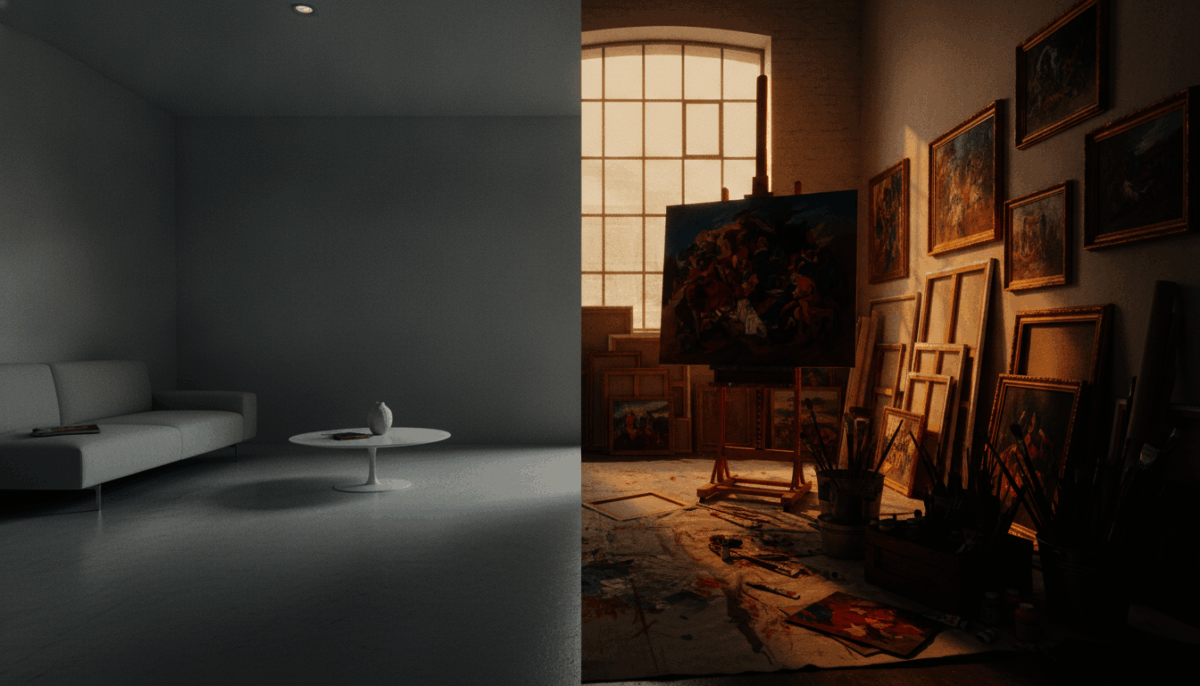
I never thought my art would become a source of resentment, let alone a line item on an invoice. Living with Julian was supposed to be the dream—a shared space in the city where we could both thrive. He is a high-powered consultant who prizes order, symmetry, and what he calls ‘visual quiet.’ I am a fine arts painter who, by necessity, requires space for canvases, drying racks, and the occasional tube of titanium white that inevitably escapes its cap. For two years, we managed. We had a system, or so I thought.
It started innocently enough, or so he claimed, with a comment about how my studio ‘cluttered the mental flow’ of our shared living room. Then, it escalated to requests that I keep my supplies in the closet. But last Tuesday, the atmosphere in our apartment shifted from passive-aggressive to downright hostile. I walked into the kitchen to find a printed spreadsheet taped to the refrigerator—a document that would change how I viewed our entire relationship.
The spreadsheet detailed our rent, utilities, and grocery costs, but there was a new column: ‘Storage and Aesthetic Impact Tax.’ Julian had calculated that because my canvases occupied a specific percentage of our ‘visual field,’ I was effectively renting extra living space that he couldn’t use. His conclusion? I owed double the rent starting next month. The audacity wasn’t just in the money—it was in the dehumanization of my workspace and my identity as an artist.
I stood there, holding my morning coffee, staring at the bolded font that suggested I was somehow exploiting him by existing in our home. When he walked in, he didn’t apologize or offer a joke. He adjusted his glasses, looked at the paper, and said, ‘It’s only fair, right? We want the same quality of life, but my lifestyle isn’t subsidized by your hobby.’
This isn’t just a story about rent. It is a story about control, the undervaluing of creative labor, and the moment you realize the person you love sees you as a liability rather than a partner. I am currently sitting in a cafe, my canvases packed into the trunk of my car, wondering how the person who used to tell me he loved my work ended up charging me for the privilege of creating it.
The Printed Manifesto on the Fridge
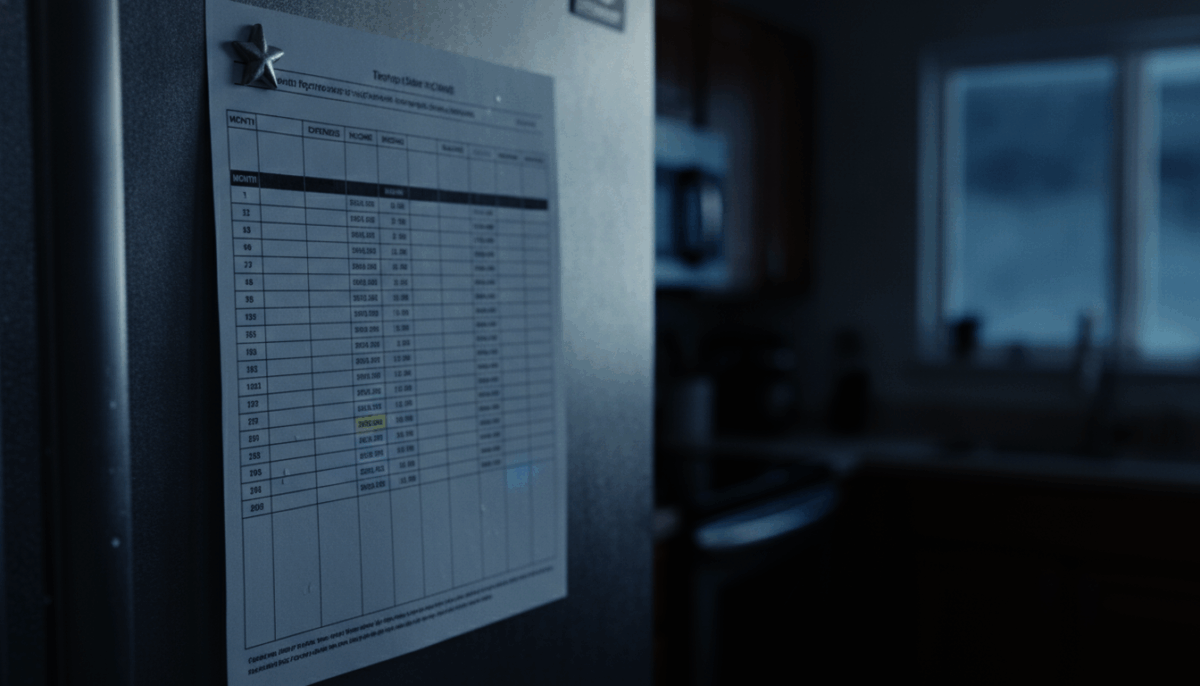
The spreadsheet was titled ‘Utility and Space Optimization Audit.’ It looked like something out of a corporate merger, not a domestic arrangement between two people who were supposed to be building a life together. Julian had broken down the apartment into square footage, then further into ‘visual zones.’ He assigned a monetary value to every corner of the room that wasn’t strictly ‘functional’ for his own minimalist aesthetic.
I remember feeling a cold numbness wash over me. I had spent hours the night before cleaning up my brushes and organizing my paints, trying to be as considerate as possible. Seeing my hard work quantified as a financial drain felt like a physical blow. When I finally confronted him, his demeanor was chillingly calm.
“You need to understand the optics here, Sarah. When I look at those canvases, I see unfinished chaos. That chaos occupies space in my brain that I use to generate revenue. Therefore, your art is actually costing me productivity, which is why the rent adjustment is a logical necessity.”
I asked him if he was joking. I looked for the tell-tale smirk he usually gave when he was teasing, but his face was perfectly neutral. He wasn’t joking. He had actually sat down, opened Excel, and calculated a ‘productivity tax’ on my existence. I felt small, as if my creative expression had been reduced to a nuisance fee.
He went on to explain that he had spoken to a friend who does property management, claiming that ‘occupying visual space’ was a legitimate reason to shift rent burdens. I knew he was making it up, but the fact that he tried to sound authoritative made it worse. It wasn’t about the money; it was about establishing a hierarchy where his comfort was the objective standard of value.
I spent the rest of that afternoon sitting on the floor of our living room, staring at the wall. Every time I looked at a painting, I didn’t see the colors or the meaning behind the brushstrokes. I saw Julian’s spreadsheet. The room felt smaller, tighter, and suddenly, completely foreign to me.
I realized then that this was never about rent. It was about Julian’s inability to accept that I was a person with needs that didn’t align with his sterile worldview. I felt like a guest in my own home, someone who had been allowed to live there only as long as I didn’t leave a footprint.
The Group Chat That Wasn’t Supposed to Be Seen
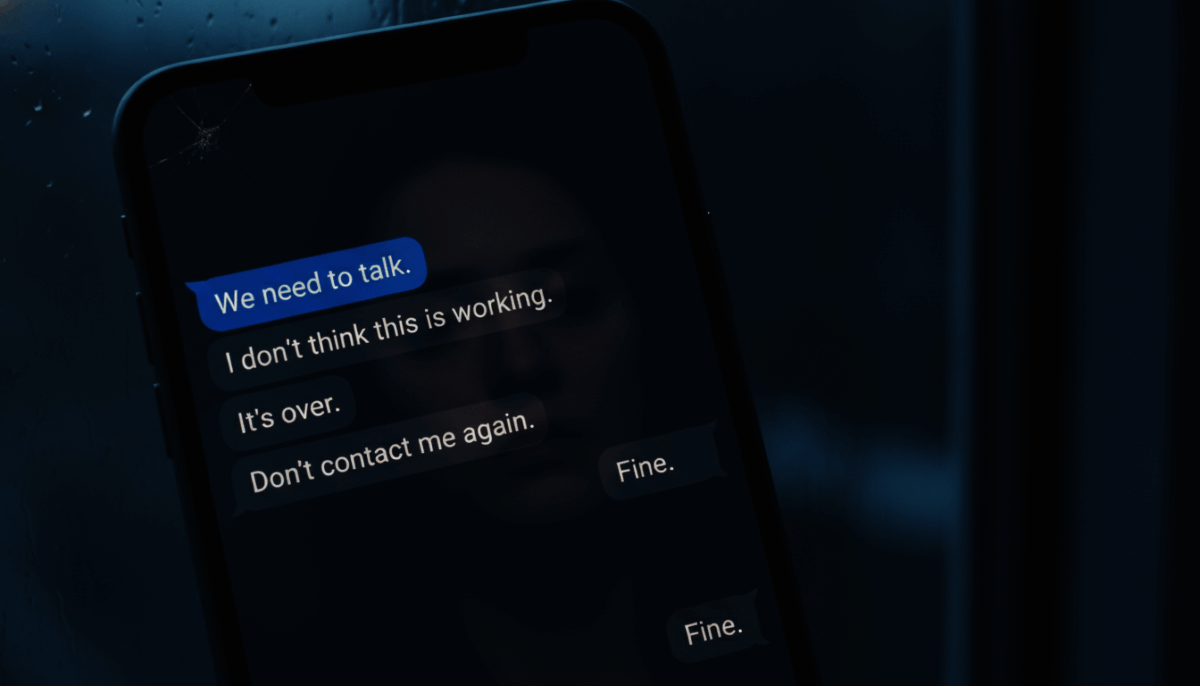
Things escalated when his phone pinged repeatedly on the counter. Julian was in the shower, and I was looking for a recipe app. I wasn’t snooping, but the notifications were persistent—a group chat titled ‘The ROI of Domesticity.’ Curiosity, and a creeping sense of dread, took over. I opened the thread and felt my stomach drop to the floor.
It was a group chat with three of his friends. They were discussing the ‘rent hike’ he had implemented on me. One of them, a guy named Mark, was laughing about how ‘the starving artist finally has to pay for her mess.’ They were treating my life, my art, and our relationship like a business case study they were actively mocking.
“Update: She hasn’t signed the new lease addendum yet. I’m thinking of threatening to move the easel to the balcony if she doesn’t cough up the extra $800. The visual quiet is worth the cost of the argument.”
— Julian, in ‘The ROI of Domesticity’ group chat
Seeing his words in black and white was worse than the spreadsheet. He wasn’t just confused or controlling; he was actively enjoying the power dynamic. He was betting with his friends on how long it would take for me to submit, using my passion as a lever to extract more money from me. I realized then that I wasn’t his partner; I was his mark.
I took photos of the chat. My hands were shaking, and I felt a wave of nausea that I couldn’t suppress. I knew I couldn’t confront him yet, not without a plan. I needed to know exactly how deep this delusion went. I scrolled up and found months of messages where he complained about my ‘aesthetic clutter,’ describing me as if I were a piece of furniture he was trying to optimize.
The betrayal was absolute. I looked at the photos of us on our bookshelf, the memories of our trips, and the shared milestones we had celebrated. They all felt like lies. Everything he had ever said to me in moments of tenderness now felt calculated. Was he always this cold? Had I just been too blinded by his ‘professional charm’ to see the void where his empathy should have been?
I realized that if I confronted him, he would gaslight me. He would tell me I was being ’emotional’ or ‘unreasonable’ for looking at his phone. He would twist the narrative until I was the one apologizing for ‘invading his privacy’ rather than him being the one who had turned our relationship into a predatory contract.
The Sunday Morning Ultimatum
I decided to play it cool for the next 48 hours. I acted normal, cooked our usual Sunday breakfast, and kept my head down. But beneath the surface, I was packing. I started moving my most precious art supplies to my studio and my sister’s garage, bit by bit, under the guise of ‘cleaning up to make him happy.’ He actually complimented me on the initiative, telling me, ‘I knew you’d come around once you saw the logic.’
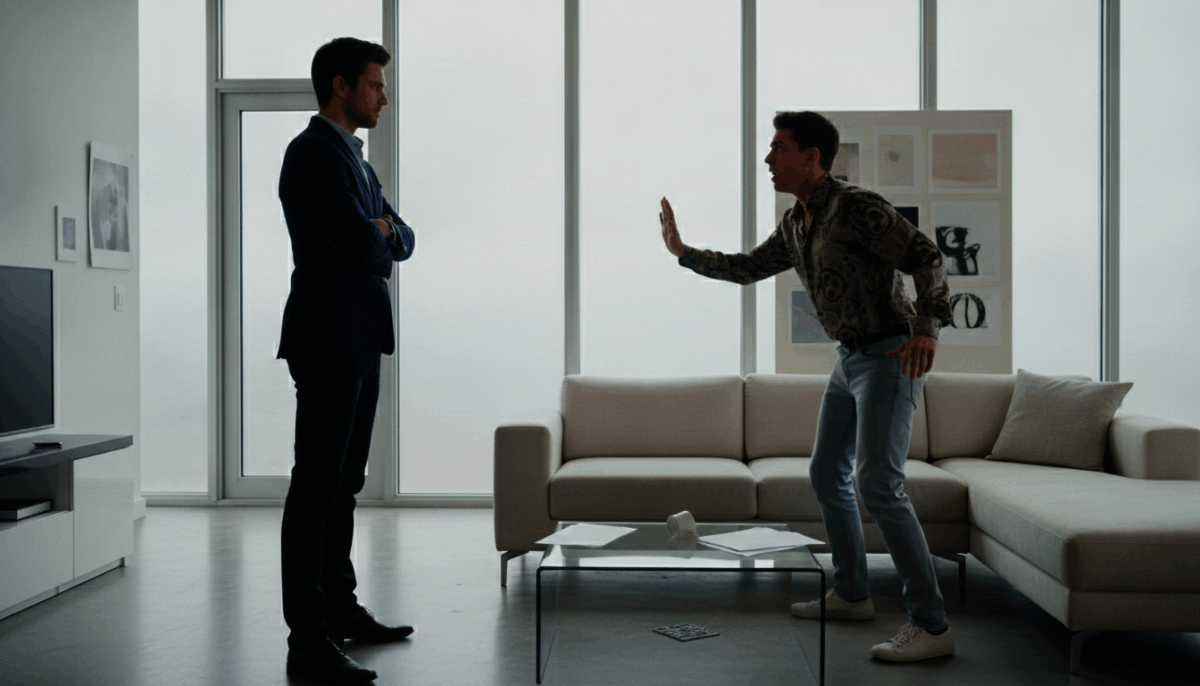
On Sunday, while he was enjoying his espresso and reading the financial news, I sat down across from him. I didn’t bring the spreadsheet. I didn’t bring the phone. I just looked at him and asked, ‘So, do you really think my presence is a net negative for your finances?’ He put down his paper, sighed, and leaned back, looking like he was preparing to give a lecture to a subordinate.
“Look, Sarah, I’ve given this a lot of thought. Life is about resource allocation. You choose to fill our space with items that bring you joy but bring me stress. If you want to keep that up, you pay for the space. It’s simple market dynamics. Don’t make this emotional when it’s clearly a logistical issue.”
I smiled, which clearly confused him. ‘I see,’ I said. ‘So, since you’re so focused on market dynamics, I’ve decided to exit the market. I’m moving out. And by the way, I saw the group chat with your friends. The one about the ROI of our relationship.’ His face went pale. The composure he prided himself on shattered instantly.
He started sputtering, trying to pivot immediately. He called me ‘irrational’ and claimed the group chat was ‘just locker room talk’ and that I didn’t understand the context. He even tried to say he was only trying to ‘push me to be more successful’ as an artist by making me value my space more. The lies came so fast it was almost impressive.
I stood up and walked to the closet, pulling out the last of my hidden supplies. He tried to block my path, putting his hand on the door frame. I didn’t flinch. I just looked at his hand, then at his eyes, and said, ‘If you touch me, I’m calling the police. Let me out.’
He stepped back, looking truly shocked. He had expected me to beg, to negotiate the rent, to stay and fight for a place that he had already decided wasn’t mine. He hadn’t expected me to simply walk away. The power dynamic he had tried so hard to manipulate had vanished the second I decided his opinion no longer had value to me.
The Aftermath and the Reddit Verdict
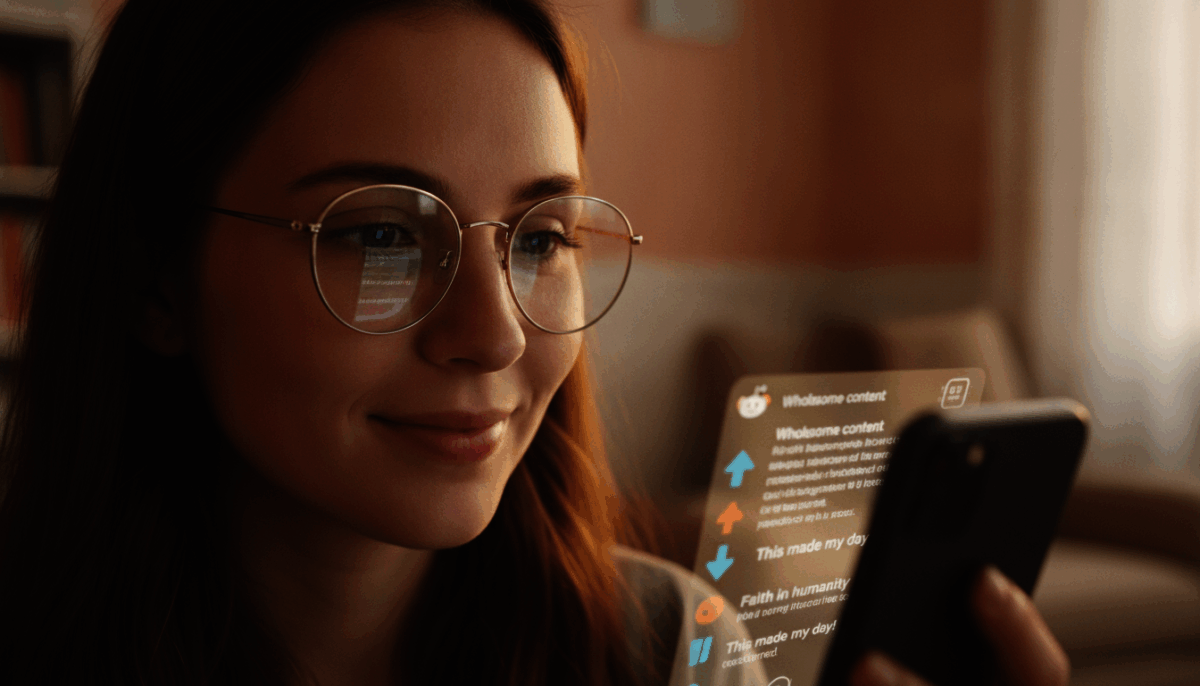
I posted my story on Reddit the night I left. I didn’t expect the flood of support that followed. I was reeling from the shock, and honestly, I needed to know if I was crazy. The community response was overwhelming, confirming that what I had experienced was a textbook example of financial and emotional abuse.
The consensus was immediate: NTA (Not The Asshole). People pointed out the sheer absurdity of the ‘visual aesthetic tax’ and the cruelty of the group chat. It gave me the validation I needed to stop doubting my own reality. It’s amazing how much you gaslight yourself when you’re in a relationship with someone who is constantly pointing out your ‘flaws.’
“OP, run. This guy isn’t just a jerk; he’s calculating and predatory. The fact that he was running a literal ROI analysis on your existence and sharing it with friends shows he doesn’t view you as a partner. He views you as a line item on his budget. You are dodging a massive, soul-crushing bullet.”
— u/ArtisticTruthSeeker (Top Comment, 28.5k upvotes)
Reading the comments felt like breathing fresh air after being underwater for months. I saw stories from others who had been in similar situations—people who had partners who ‘taxed’ their time, their hobbies, or even their personal growth. It reminded me that I wasn’t alone and that my worth isn’t determined by a man who thinks in spreadsheets.
Another commenter pointed out the legal implications of his ‘tax,’ mentioning that if we were married, this would be clear financial abuse. Even unmarried, his behavior was a massive red flag. The community also warned me about potential retaliation—that he might try to claim I owed him money for ‘damages’ to the walls or something equally ridiculous.
I took their advice to heart. I cut all contact, blocked him on every platform, and made sure my move was clean and final. I didn’t want any more ‘negotiations.’ I didn’t want any apologies that were really just attempts to regain control. I wanted peace.
The Reddit thread became a source of strength for me. Every time I felt a pang of sadness, I would go back and read the supportive comments. It was a reminder that the world is full of people who value kindness and partnership, and that I deserve to be with someone who celebrates my art, not someone who tries to turn it into an expense.
The Empty Apartment Realization
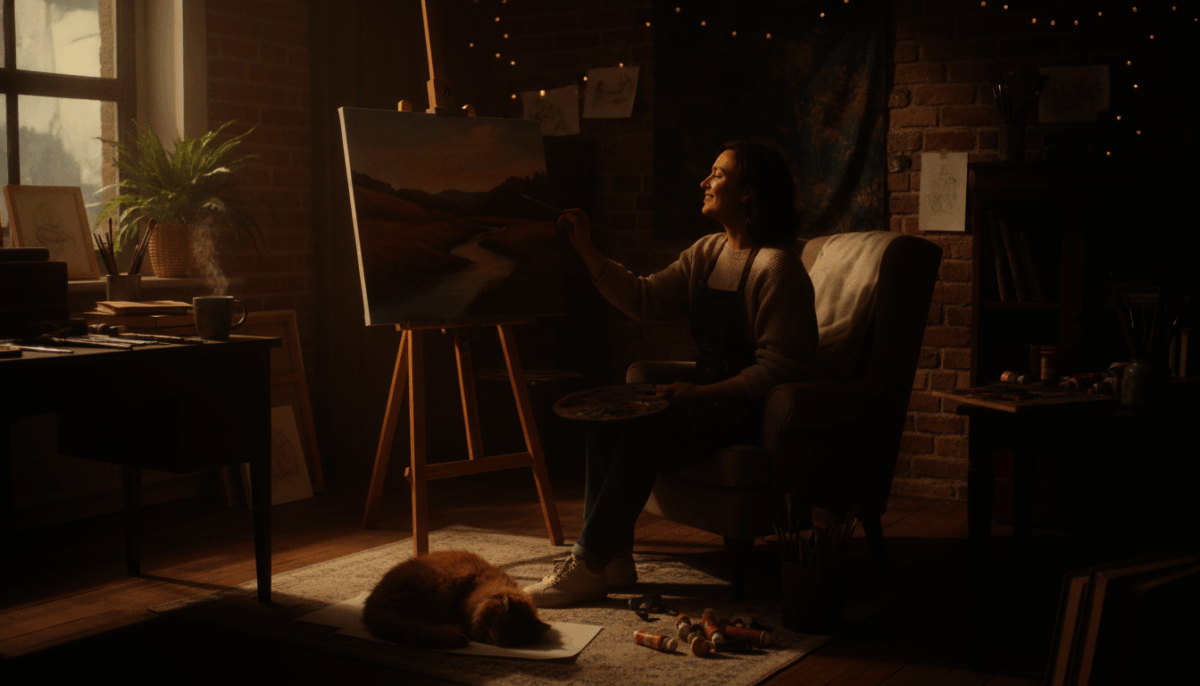
Moving out was cathartic in a way I didn’t expect. As I packed, I realized how much of my true self I had suppressed to keep the apartment looking like a catalog. I saw the empty spots on the walls where my paintings used to hang, and instead of feeling sad, I felt liberated. That space was no longer a cage; it was just a rental unit, and I was finally out of it.
Julian tried to reach out twice in the first week. He sent a long, rambling email about ‘misunderstandings’ and ‘financial transparency’—the same buzzwords he had used to justify the rent hike. He didn’t once apologize for the group chat or the way he spoke about me. He just wanted to ‘talk about the lease terms’ so he wouldn’t be stuck with the rent alone.
I didn’t reply. My lawyer, whom I consulted briefly, confirmed that he had no legal standing to retroactively demand ‘aesthetic taxes.’ The lease was the lease. He was on the hook for the rent because he chose to live there, just as I was on the hook for mine until the official end date. I sent a final, short message: ‘My belongings are out. Do not contact me again.’
The silence that followed was the best thing I’ve ever experienced. I moved into a smaller, cheaper place, but it was *my* place. I didn’t have to worry about where I put my tubes of paint or if a canvas was sitting on the floor. I could be messy, I could be creative, and I could be myself. The relief was physical—my shoulders stopped aching, and I could finally sleep through the night.
I started painting again, but the subject matter had changed. I stopped painting the landscapes I thought he liked and started painting the frustration, the anger, and eventually, the freedom. It felt like the first time I had truly painted in years. The colors were bolder, the strokes were sharper, and for the first time, the work felt entirely mine.
I look back at the photos of that spreadsheet sometimes, just to remind myself of why I left. It serves as a totem of the life I escaped. It’s a reminder that even when things seem complicated, the truth is often simple: if you are with someone who makes you feel like a burden, you aren’t with the right person.
Reflecting on the ‘Visual Aesthetic’ Trap
What haunts me a little is how slowly it happened. It wasn’t one giant event; it was a thousand tiny adjustments. A comment here, a suggestion there, a look of disappointment when I left a sketchbook on the table. It was the ‘death by a thousand cuts’ approach to relationship control. By the time he introduced the spreadsheet, I had already spent months molding myself to his preferences.
I think about the concept of ‘visual aesthetic energy’ often now. It’s a manipulative way to frame personal preference as an objective truth. He wasn’t just saying he liked a tidy room; he was saying that my presence, my art, and my needs were ‘polluting’ his space. He used the language of wellness and productivity to disguise his desire for total dominance over our shared environment.
If I had to give advice to my younger self, or anyone else in this position, it would be to pay attention to how your partner reacts when their ‘preferences’ conflict with your basic needs. If they expect you to pay for the privilege of existing in your own home, it isn’t a partnership. It’s a landlord-tenant arrangement with a side of emotional manipulation.
I also think about the group chat. It was the ultimate betrayal because it showed that he knew exactly what he was doing. He wasn’t just misguided; he was malicious. He wanted to feel like the smartest person in the room, and he wanted his friends to validate that. It was all about his ego, and I was just the prop he was using to build it.
I’ve learned to value my intuition more. I had red flags in the beginning—the way he criticized the decor when we first moved in, the way he would ‘organize’ my things without asking. I ignored them because I was in love and I wanted things to work. I thought that if I just tried a little harder, if I just kept the place a little cleaner, he would be happy. But he didn’t want a partner; he wanted a curated display.
I am finally in a place where I don’t apologize for my art. I don’t apologize for my mess. I don’t apologize for my existence. And most importantly, I don’t look at my home and wonder if I’m paying a ‘tax’ for being myself. I am free, and that is worth more than any rent agreement could ever be.
The Financial Reality of the Breakup
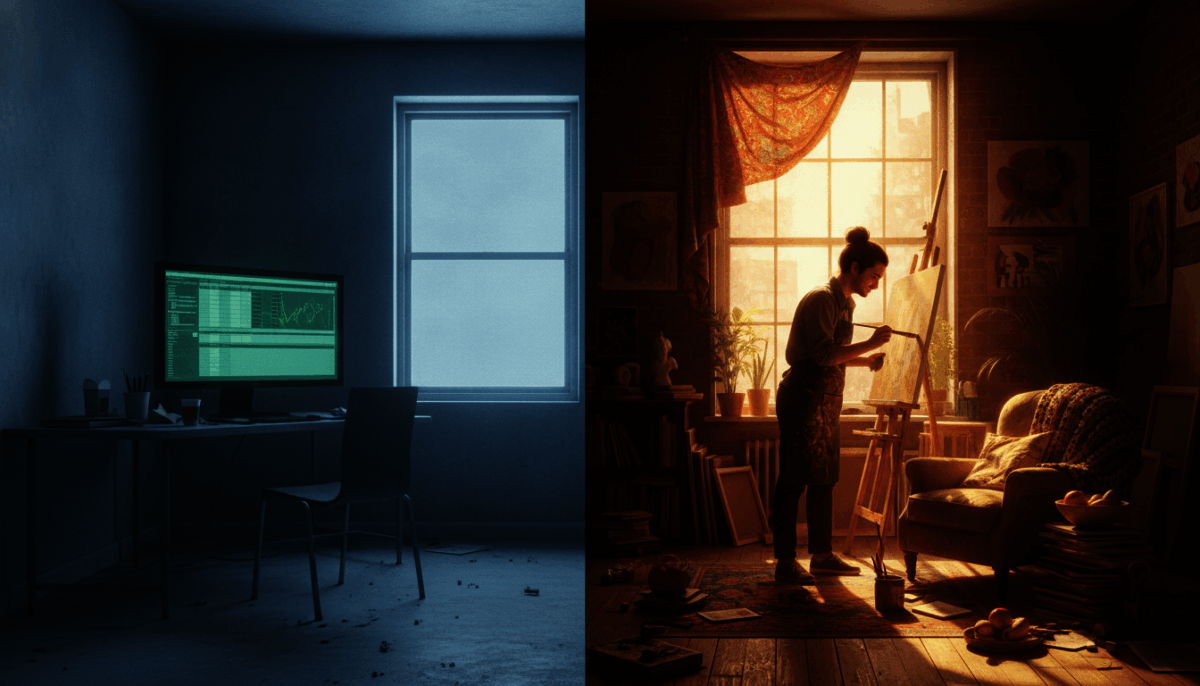
When the dust settled, I sat down and looked at my own finances. I had been paying more than my share of the groceries and utilities for months, trying to ‘even out’ the impact of my art supplies. I calculated how much I had been subsidizing his life while he was busy calculating how much he could squeeze out of mine. The irony was suffocating. I had been the one carrying the financial load, and he was the one complaining about costs.
I kept a ledger of everything I had spent—from the extra cleaning supplies I bought to the ‘aesthetic upgrades’ he insisted on that I paid for. It was a staggering amount of money. I didn’t bother trying to get it back; I considered it a ‘breakup fee’ to get away from him. The peace of mind was worth every penny I had effectively lost.
Julian, on the other hand, was left in that beautiful, empty, cold apartment. I heard from a mutual friend that he was struggling to find a roommate who would tolerate his ‘rules.’ He had a list of demands for prospective roommates: no clutter, no personal decor in the living room, specific hours for kitchen use. He was going to spend a long time alone in that ‘optically perfect’ space.
It made me realize that his need for control was a prison of his own making. He couldn’t handle the unpredictability of human life, so he tried to manage it away. He ended up with exactly what he wanted: a perfectly clean, perfectly quiet, and perfectly lonely home. I couldn’t help but feel a strange sense of pity for him, though it was dampened by the relief that I was no longer part of his sterile world.
I have moved on to a life where my rent is just rent, and my home is a place of comfort, not a place of performance. I have friends who come over and don’t care if there’s a canvas leaning against the wall or a tube of paint on the counter. They value the person, not the aesthetic. That is the definition of a home.
I hope that he eventually learns that a relationship isn’t a spreadsheet. But honestly? I don’t really care. My focus is on my art, my growth, and the wonderful, messy, beautiful life I am building for myself. The ‘visual energy’ in my new place is positive, vibrant, and entirely my own.
The Lessons in Boundaried Living

The biggest lesson I walked away with is that boundaries aren’t just for others; they are for ourselves. I had let my boundaries erode bit by bit because I didn’t want to cause ‘conflict.’ I thought being a good partner meant being accommodating and flexible. But there’s a difference between flexibility and self-erasure.
I learned that when someone starts questioning your right to take up space—be it physical space, emotional space, or creative space—it’s time to re-evaluate the entire relationship. Those aren’t ‘concerns’ or ‘logistical issues.’ They are attempts to diminish you. And once you start apologizing for your own existence, you have already lost the ground you’re standing on.
I’ve also realized the power of ‘no.’ I never said ‘no’ to his ridiculous requests. I tried to negotiate, I tried to compromise, I tried to find a middle ground. But some things aren’t up for negotiation. My right to exist, my right to create, and my right to live in my home without feeling like an intruder are non-negotiable. I won’t ever compromise on those again.
I feel stronger now. I have a sense of clarity I didn’t have before. I know that I am capable of making hard decisions, of standing up for myself, and of walking away when things aren’t right. That confidence has bled into my art as well. I’m taking risks I wouldn’t have taken before. I’m painting things I was previously too afraid to express.
The ordeal was painful, but it was also a catalyst. It pushed me to see the reality of my situation and to take action. It showed me that I don’t need someone else’s permission to be who I am. I am my own person, and that is more than enough.
If you take anything from my story, let it be this: don’t let anyone put a price tag on your presence. Don’t let anyone tell you that your passions are a ‘drain’ on their life. And if they do, run. Don’t look back, don’t negotiate, and don’t try to fix them. Just leave and find the space where you can finally, truly breathe.
The Community’s Final Verdict
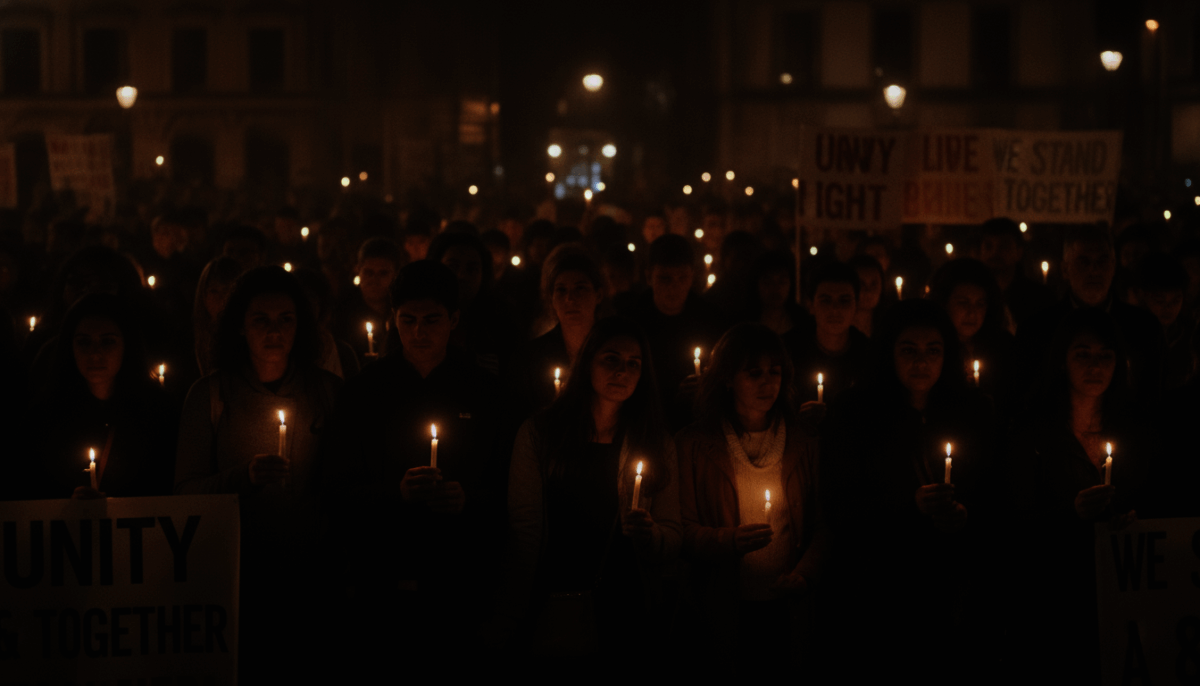
Looking back at the thread, it’s clear that I wasn’t just dealing with a ‘bad boyfriend.’ I was dealing with someone who lacked basic human empathy. The comments section became a repository of people sharing their own stories of financial abuse, and it was eye-opening to see how common this is. It seems that many people in ‘high-achieving’ relationships are subjected to this kind of subtle, systemic control.
People were particularly struck by the ‘ROI of Domesticity’ group chat. It became a focal point of the discussion, with many users pointing out that it was evidence of a deeper, more malicious character flaw. It wasn’t just a lapse in judgment; it was a fundamental way of operating. He viewed his social and romantic life as a series of transactions, and that is a lonely way to exist.
There were many comments from people who had been ‘the artsy one’ in a relationship with someone ‘logical’ or ‘professional,’ and they all had similar stories. They all talked about the constant pressure to ‘grow up’ or ‘be more practical,’ and how that pressure eventually led to the breakdown of their self-esteem. It was a powerful reminder that our creative pursuits aren’t ‘hobbies’—they are essential parts of who we are.
“My ex used to call my guitar collection ‘dead weight in the living room.’ I didn’t realize how much that chipped away at me until I left. Now I have a dedicated room for my music, and I never felt better. You aren’t just an artist, OP; you’re a person with a life that deserves space.”
— u/MusicToMyEars (Top Comment, 15.2k upvotes)
The community support reminded me that I’m not the problem. I wasn’t the ‘chaotic, messy artist’ he claimed I was; I was just a person living a normal, creative life. He was the one with the problem—an obsession with control that prevented him from enjoying the beauty of a shared life. I hope those who read my story and see their own situation in it find the courage to leave.
It’s been a few months now, and I’m doing well. I’m still painting, I’m still happy, and I’m still grateful. I look back at this chapter of my life as a necessary evil. It was hard, but it led me to a place of greater self-awareness and strength. I wouldn’t change what happened because it brought me here.
I’m finally painting the life I want, not the one someone else allowed me to live. And that is the most beautiful canvas I’ve ever worked on. To everyone out there dealing with a ‘partner’ who treats them like a liability—know that you are worth so much more than their spreadsheet. You are worth everything.
Moving Forward: A Life Unbound
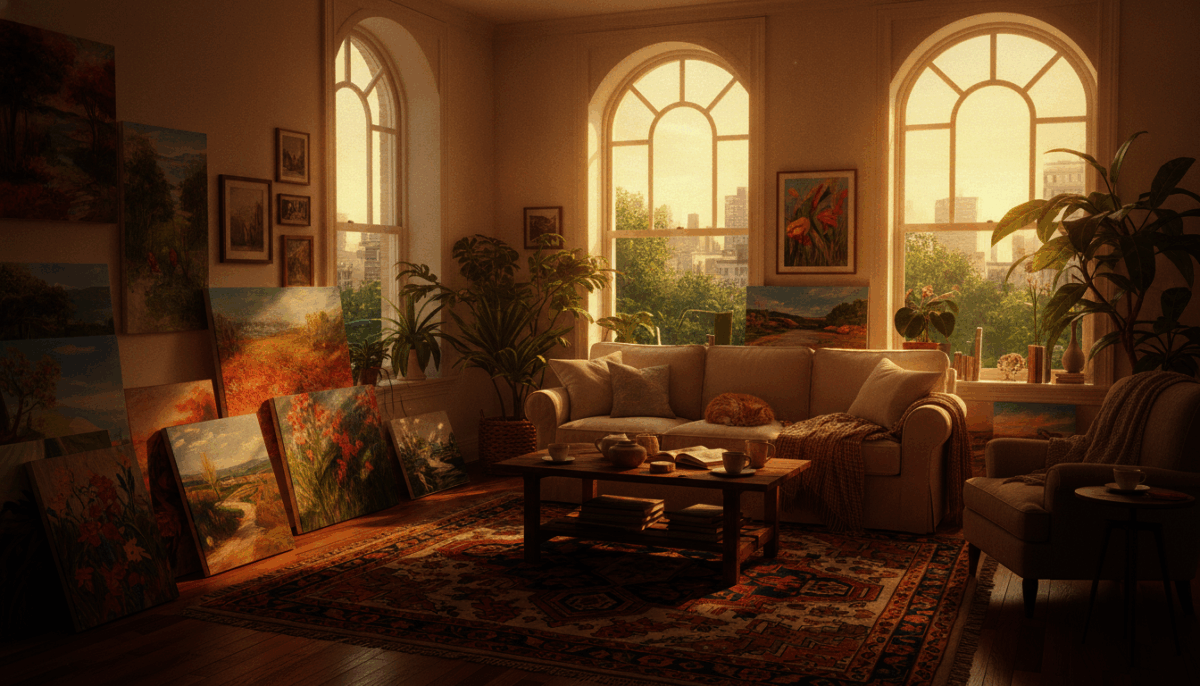
Today, I live in a space that is mine. There are canvases everywhere—in the living room, in the kitchen, and even in the hallway. When I walk through my front door, I don’t feel like I’m walking into a museum or a boardroom; I feel like I’m walking into a home. It’s a space where my creativity is celebrated, not taxed.
I’ve started dating again, but the criteria have shifted. I’m not looking for someone who shares my ‘aesthetic’; I’m looking for someone who shares my values—someone who understands that life is messy and that it’s the messiness that makes it beautiful. I’m looking for someone who respects my work and, more importantly, respects me.
I still occasionally hear news of Julian through mutual friends, but it’s distant and unimportant. Apparently, he’s still looking for that perfect, clutter-free roommate. It sounds exhausting. I think about how much time he spends trying to manage his environment, and I feel a profound sense of relief that I don’t have to participate in that anymore.
My art has taken a new direction, one that is deeply personal and unapologetic. I’m exploring themes of freedom, self-ownership, and the strength of the human spirit. It’s been incredibly rewarding to see people connect with my work, and it’s a reminder that my voice—my perspective—has value. I am not just a ‘visual impact’ in someone else’s life; I am a force of my own.
If you find yourself in a situation where your partner is trying to control your space or your passions, take it as a sign. It’s not just about the space or the supplies; it’s about the underlying respect for who you are. You deserve to be with someone who makes your world bigger, not smaller. Don’t settle for anything less.
I am grateful for the journey, for the hard lessons, and for the life I have now. I am free to paint, free to live, and free to be exactly who I am. And honestly? That’s the most beautiful masterpiece of all.
Conclusion
In the end, this experience wasn’t about rent or aesthetics; it was about the fundamental right to exist as an authentic person within a relationship. Julian’s attempt to quantify my creative passion into a ‘tax’ was a clear indication that he viewed our partnership as a transaction, not a connection. By walking away, I reclaimed not just my space, but my dignity.
It is important to remember that financial and emotional control often masquerade as ‘logical’ or ‘practical’ decisions. When someone you love tries to diminish your hobbies or personal needs, pay attention. The spreadsheet was just the tip of the iceberg—the real issue was a lack of respect for my humanity. I chose to prioritize my own worth over a relationship that sought to stifle it, and it remains the best decision I’ve ever made.
I hope this story serves as a reminder to anyone feeling diminished in their own home: you are allowed to take up space. You are allowed to be messy, creative, and human. Do not let anyone reduce you to a calculation.
What about you? Have you ever had a partner try to ‘optimize’ your life or your hobbies? How did you respond when you realized the arrangement wasn’t a partnership but a power play? Share your thoughts and stories in the comments below—let’s talk about setting boundaries and reclaiming our joy.
What's your verdict on this dilemma?
Vote below to contribute to the official community consensus.

Have a Dilemma Keeping You Up at Night?
Share your real-life feud, wedding chaos, or relationship crossroads anonymously with our editorial team.
What do you think ?
0 Comments🛡️ Comments are moderated to protect community integrity. Your comment will appear once approved by the editorial team.