
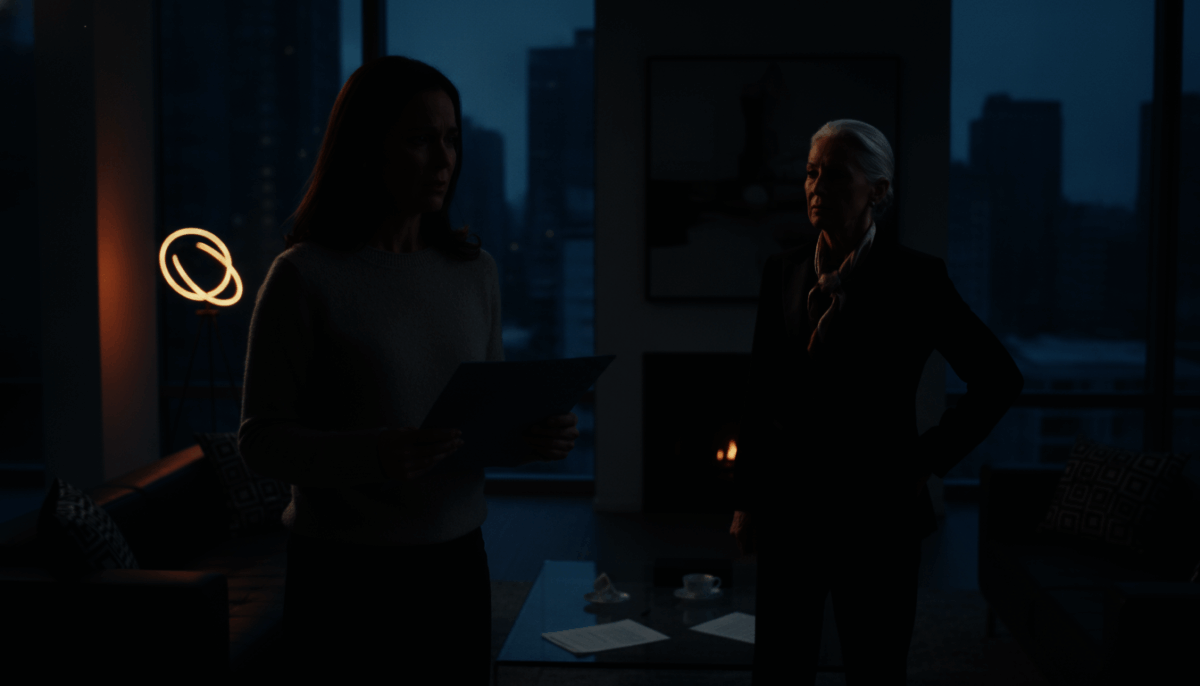
We always thought my mother-in-law, Elena, was just ‘passionate.’ She was the woman who organized the neighborhood watch, the one who sent daily unsolicited tips on how to prepare organic baby formula, and the one who constantly reminded me that my parenting style was ‘too secular’ to properly raise a child in this world. But I never imagined that her obsession with our daughter, Lily, would lead to criminal fraud and a complete severance of our family ties.
For four years, I navigated Elena’s micro-aggressions with the patience of a saint. My husband, Mark, often told me to ‘just let it slide,’ arguing that his mother’s intensity was simply a manifestation of her love. We were a modern, secular couple living in a metropolitan city, perfectly content with our choices, until the day a letter from an institution I had never visited arrived in our mailbox.
The letter was a welcome packet for ‘St. Jude’s Academy for Early Childhood Development,’ an ultra-orthodox boarding facility located three states away. The tuition was listed as fully paid, and the signature on the enrollment contract—my signature—was a clumsy, shaky forgery that didn’t even match my own handwriting. That moment changed everything. It wasn’t just a boundary violation; it was an act of attempted erasure of my rights as a mother.
This article chronicles the descent into madness that followed. It details the initial denial, the explosive confrontation with a woman who believed she had the divine right to dictate my child’s future, and the grueling legal steps I took to ensure she would never be able to touch our lives again. It is a story about the fragility of trust and the absolute necessity of defending one’s autonomy against a toxic family member who refuses to acknowledge that ‘no’ is a complete sentence.
The Envelope That Shattered Our Sunday Morning
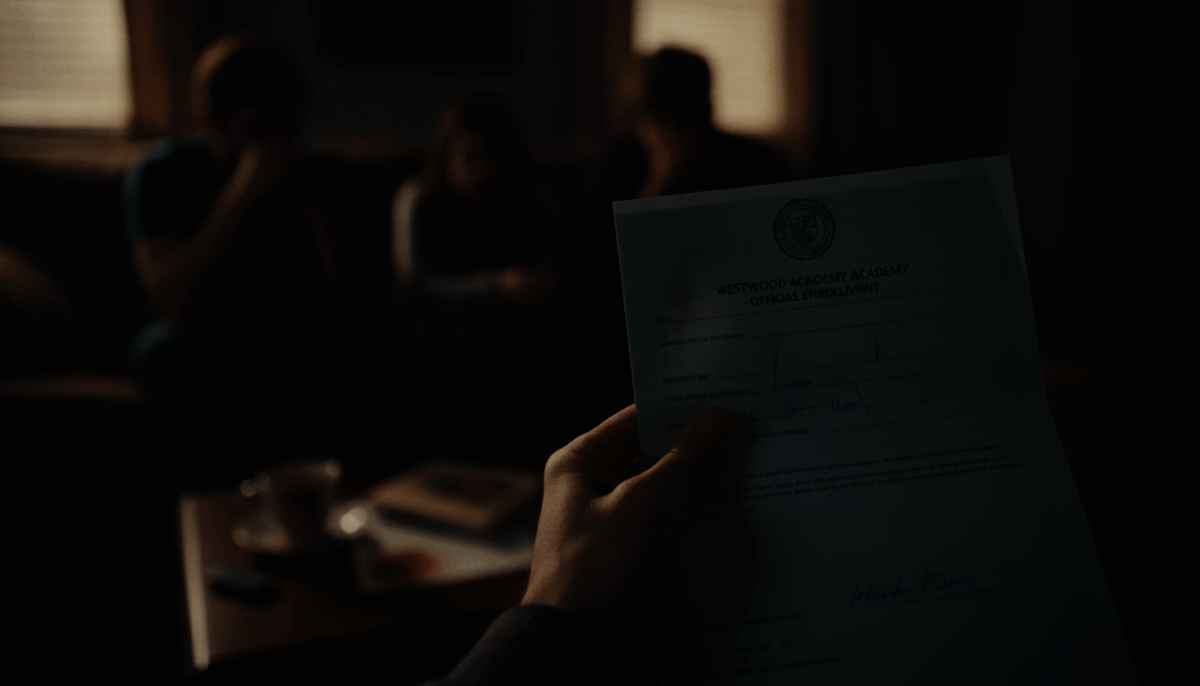
It was supposed to be a quiet Sunday. I was sipping coffee, listening to the morning birds, when the mail carrier dropped off a thick, embossed envelope. When I opened it, the weight of the paper felt wrong. Inside, I found a glossy brochure for an ultra-orthodox boarding school and a ‘Welcome to the Family’ letter addressed to my four-year-old daughter, Lily.
My heart stopped. I hadn’t looked at schools for boarding; I hadn’t even considered religious institutions, as neither Mark nor I were particularly observant. As I flipped through the pages, I found the contract. There it was—a forged signature at the bottom, dated three weeks prior. The realization hit me like a physical blow. Someone had gone through the trouble of stealing my identity to ship my toddler away.
I brought the papers into the living room where Mark was watching TV. I didn’t say a word; I just laid them on his lap. He looked at the school name, and his face drained of color. He knew exactly who had done this. He didn’t even have to ask. He just whispered, ‘Oh God, Mom didn’t.’ But we both knew she had.
We confronted Elena that afternoon. She showed up for dinner with a bottle of wine and a smile that didn’t reach her eyes. She didn’t look like a woman who had just committed fraud; she looked like a martyr waiting for recognition. When I asked her about the enrollment, she didn’t apologize. She simply sat down, crossed her arms, and looked at me with chilling calm.
“I am simply ensuring that Lily receives the proper upbringing you and Mark are too distracted to provide. She belongs in an environment that values structure, not your liberal chaos.”
— Elena, during the initial confrontation
The audacity was breathtaking. She didn’t view it as a crime. She viewed it as a divine intervention. That was the moment I realized that reasoning with her was a lost cause. The conversation devolved into screaming, and for the first time in our marriage, I saw Mark finally drop his shield of deflection and face the monster he had been raised by.
The Digital Breadcrumbs and the Secret Group Chat
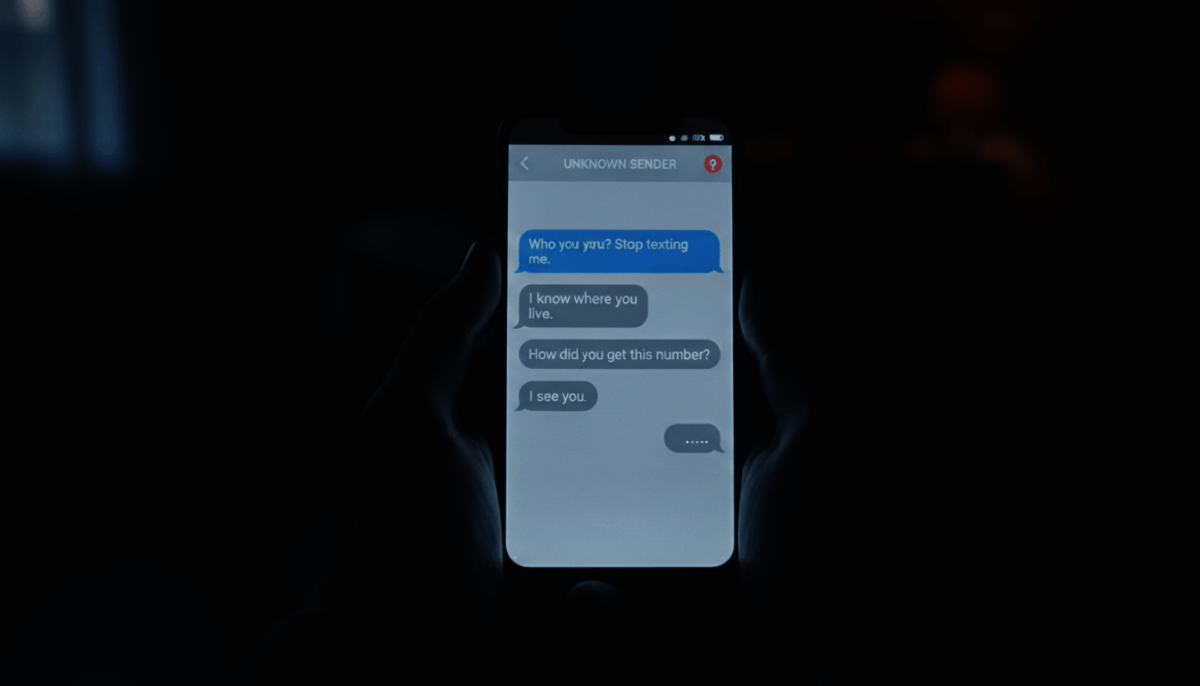
The fallout in the days following the confrontation was intense. Elena had gone on a campaign of misinformation, telling the rest of the family that I was being ‘abusive’ by preventing Lily from receiving a ‘proper education.’ She had even started a group chat with my sister-in-law and several cousins, painting me as a villain who was isolating their daughter from her heritage.
I only found out because my sister-in-law, who was always skeptical of Elena, sent me screenshots. The level of manipulation was staggering. Elena wasn’t just planning this boarding school move; she was building a narrative to justify it to the entire extended family. She had been collecting ‘evidence’ of my secular parenting for years, including photos of Lily in Halloween costumes and casual weekend outings.
I spent hours pouring over the messages. It was a digital map of her entitlement. She had been planning this since Lily turned three. She had even reached out to local religious leaders, portraying herself as the primary guardian. It wasn’t just a one-off mistake; it was a premeditated attempt to usurp my parental authority.
“She is a lost soul. If we do not step in now, the influence of the mother will destroy any chance of the child knowing her true roots. I have already secured the deposit. It is done.”
— Leaked Message from Elena to Family Group Chat
The betrayal felt personal and deep. My husband spent the entire night on the phone, trying to debunk her lies to the rest of the family. Some believed him; others, caught in the web of her religious authority, were hesitant. It was a clear-cut example of how one toxic individual can poison an entire family dynamic if allowed to operate in the shadows.
I took the screenshots to our attorney the next morning. We weren’t just dealing with a meddling mother-in-law anymore; we were dealing with evidence of intent. This was the ammunition I needed for the restraining order. It wasn’t just about the boarding school; it was about the systematic harassment that had been occurring under the guise of ‘family love’ for years.
The Legal Pivot and the Restraining Order
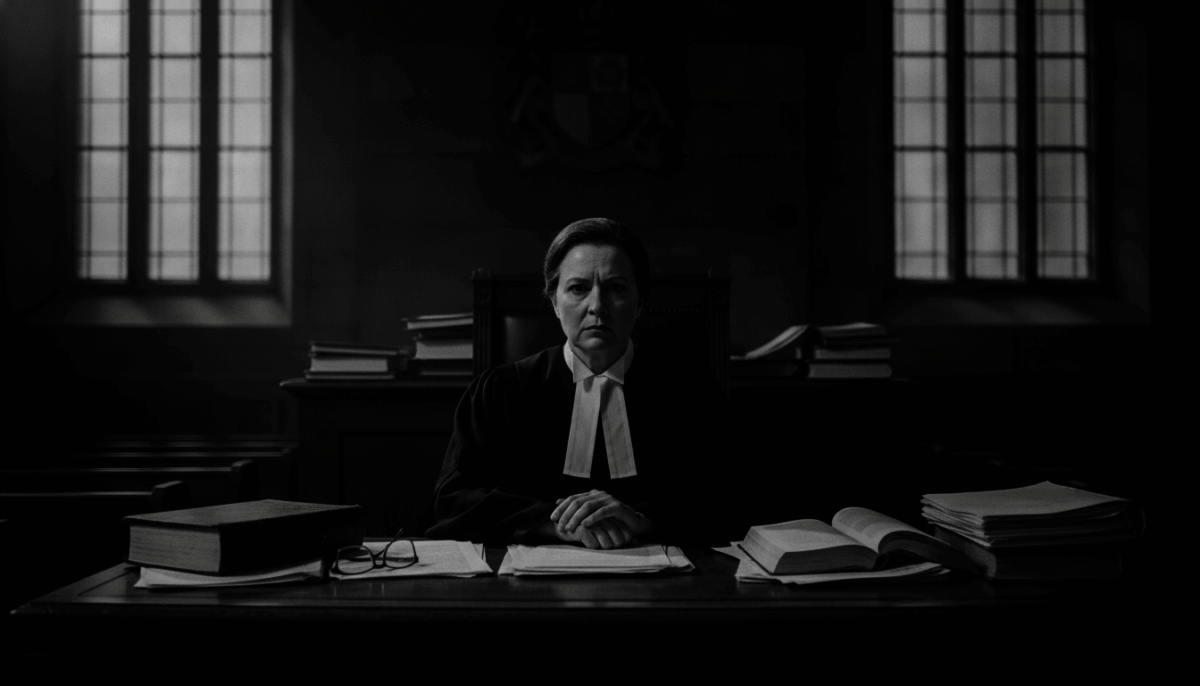
When we arrived at the courthouse, I felt a strange sense of clarity. The fear that had paralyzed me for years—the fear of standing up to the ‘matriarch’—was replaced by a cold, sharp determination. My attorney laid out the evidence: the forged signature, the school enrollment records, and the leaked screenshots. The judge didn’t need much convincing.
The restraining order was granted on the spot, temporary but firm. It required Elena to stay 500 feet away from our home, our daughter’s preschool, and my workplace. The look on her face when the deputy served her the papers was one of pure, unadulterated shock. She couldn’t comprehend a world where her influence didn’t supersede the law.
Mark was shaken but supportive. He finally admitted that his mother’s behavior was a lifelong pattern of control that he had been conditioned to ignore. The legal process forced him to choose: his mother’s warped sense of duty or his wife and daughter’s safety and autonomy. For the first time, he chose us without reservation.
The aftermath of the order was a quiet, suffocating tension. We had to alert the school board, the local daycare, and even our neighbors. We had to explain, in broad strokes, that we were dealing with a family crisis that necessitated police involvement. It was humiliating, but it was necessary for our protection.
“You are making the biggest mistake of your life. You think you can cut me out? You are nothing but a guest in this family, and you will learn your place.”
— Elena’s comment to me as she was being served
The words didn’t hurt me anymore. They were the dying gasps of a control freak who had lost her grip. I looked her in the eye and didn’t respond. I didn’t need to. I had the law, I had my husband’s support, and most importantly, I had my daughter’s future back in my hands. The legal battle was just the beginning of our journey toward real peace.
The Sunday Dinner Table Fallout
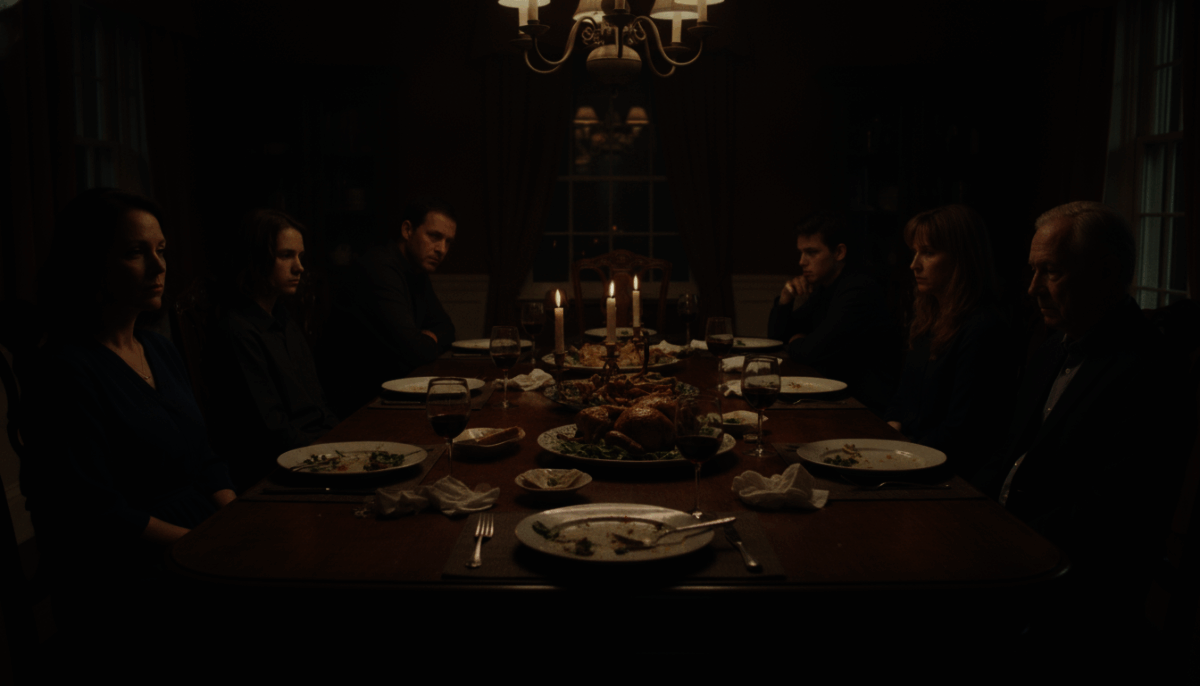
The Sunday following the restraining order was the first time our extended family had to confront the reality of the situation. We decided to host a small dinner for the relatives who weren’t involved in Elena’s schemes. It was meant to be a way to clear the air, but the tension was palpable. Every clink of a fork against a plate sounded like a gunshot.
My sister-in-law, Clara, was the first to bring it up. She looked at Mark and me, her eyes filled with concern. She had seen the screenshots, and she had seen the legal papers. She was the only one in the family who dared to ask the question everyone else was whispering about: ‘How are you actually holding up?’
I decided to be blunt. I told them exactly what happened, leaving out no details. I explained the forgery, the school, and the fear. The table went deathly quiet. A few cousins who were close to Elena tried to interject, defending her ‘good intentions,’ but Clara shut them down immediately. It was a pivotal moment in our family hierarchy.
“Intention does not excuse criminal fraud. If she wanted to be part of our lives, she should have acted like a grandmother, not a dictator. The restraining order is a consequence of her own actions.”
— Clara, during the family dinner
The division was clear. Some family members understood, while others chose to remain in the cult of personality that Elena had built. We left the dinner early, realizing that we didn’t owe anyone an explanation or an apology. The goal wasn’t to win everyone over; the goal was to protect our peace, and that meant cutting ties with anyone who supported Elena’s toxic behavior.
Driving home, the silence in the car was comfortable. For the first time in years, the weight of Elena’s presence wasn’t hovering over us. We had established a boundary, and for the first time, it held. We were no longer characters in her play; we were the authors of our own lives.
The Internet Weighs In: Reddit’s Harsh Reality Check
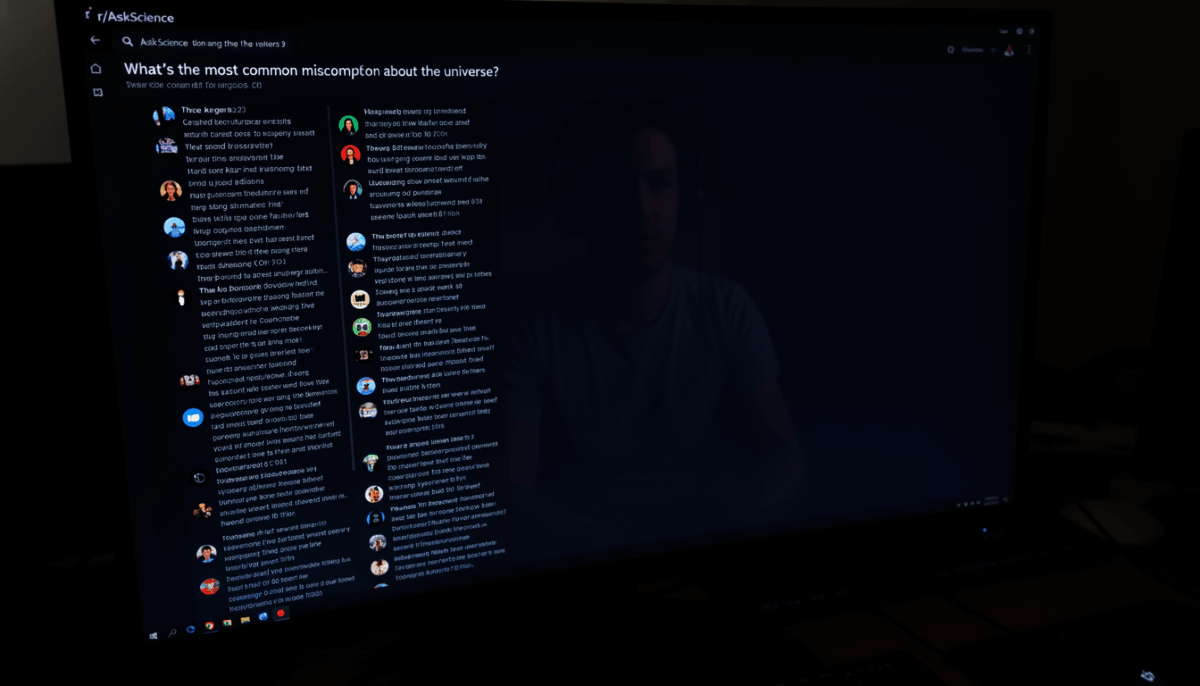
I had posted an abridged version of our story on a popular subreddit to get an outside perspective before taking legal action. The response was overwhelming. Within hours, the post had gained thousands of upvotes and hundreds of comments. It was a mix of validation, horror, and practical advice that helped keep me sane during the darkest days of the legal battle.
Reading the comments was like receiving a crash course in boundaries. Strangers from all over the world were echoing the same sentiment: I wasn’t crazy, and I wasn’t overreacting. The validation I received gave me the courage to move forward with the restraining order when I was still doubting if I was being too harsh.
“This isn’t about religion; this is about kidnapping. She attempted to remove your child from your custody under false pretenses. Do not let anyone talk you out of the restraining order. She is a danger to your family.”
— u/LegalEagleEye (Top Comment, 32.1k upvotes)
There were, of course, the contrarians. Some argued that I should have tried ‘family therapy’ first, or that I was being too hard on a grandmother who just wanted the best for her granddaughter. Those comments were quickly downvoted into oblivion by the community. The consensus was clear: you don’t negotiate with someone who uses fraud to steal your child.
The community support helped me build a list of resources. People shared stories of their own experiences with toxic in-laws, providing me with tips on how to document everything and how to communicate with schools. It was a digital community of people who had been through the fire and come out the other side. They reminded me that my primary loyalty was to my child, not to familial obligation.
The Reddit thread became my anchor. Every time I felt guilty or weak, I would re-read the supportive comments. They reminded me that I was standing on the right side of history. The internet can be a toxic place, but in my moment of crisis, it provided me with the solidarity I desperately needed to hold my ground.
The Changing Landscape of Our Household

Months later, our home feels different. It’s quiet, but it’s a peaceful quiet. We no longer wait for the doorbell to ring at odd hours or for the intrusive, unannounced visits that used to define our weekends. The air in our house feels lighter, as if the suffocating influence of Elena’s expectations has finally been lifted.
Lily is thriving. She’s in a local, secular program where she’s learning through play and creativity, not through the rigid structure of a religious curriculum. She asks about her grandmother sometimes, but we keep the answers simple and age-appropriate. We explain that grandma made some choices that weren’t safe, and for now, we need some space.
Mark has blossomed as a father. Without his mother hovering over his every decision, he’s become more confident, more present, and more attuned to our daughter’s needs. He’s stopped trying to ‘fix’ his mother and started focusing on building our family’s future. It’s been a journey for him, one that involved a lot of introspection and, yes, some therapy.
“I never realized how much I was walking on eggshells until you pointed it out. I’m finally able to breathe in my own home. I’m sorry it took this long to realize what she was doing to us.”
— Mark, during a quiet evening at home
We’ve implemented a strict ‘no-contact’ policy. There are no holiday visits, no phone calls, and no ‘grace’ periods. We realized that for people like Elena, any crack in the armor is seen as an invitation to return. We are firm, and we are unified. We don’t owe her access to our lives just because of biology.
Our friends have been incredibly supportive. They’ve seen the change in us, the way we carry ourselves now. We’ve had to cut out some mutual acquaintances who were still feeding information to Elena, but that was just part of the process. We’ve learned that life is too short to surround ourselves with people who don’t respect our boundaries.
The Financial and Emotional Cost of Liberation

Freedom isn’t free. The legal fees, the security measures, and the emotional toll of cutting ties have been significant. We spent thousands on attorneys to ensure the restraining order was airtight, and we invested in home security systems that provide us with a sense of safety we hadn’t felt in years. It was an expensive endeavor, but it was worth every penny.
Emotionally, the cost was higher. There is a sense of grief when you realize you have to mourn the loss of a relationship that never truly existed. I grieved the grandmother I wanted Lily to have, and I grieved the mother-in-law I hoped Mark would have. But that grief has given way to an acceptance that this was the only path forward.
We had to re-evaluate our finances to accommodate the legal costs, but it forced us to become more disciplined and more intentional with our money. We no longer spend on things that don’t matter, and we’ve become more protective of our resources. It’s a side effect of the trauma, but it’s one that has made us more resilient.
“You can’t put a price tag on peace of mind. We spent our savings on lawyers, but we saved our family. That is the best investment we ever made.”
— Mark, discussing our finances
We’ve also started a ‘healing fund,’ a small portion of our budget that goes toward things that bring us joy—trips, hobbies, and activities that reinforce our family bond. It’s our way of reclaiming the space that Elena tried to occupy with her toxicity. We are building a life that is ours alone, defined by our values and our love.
We are stronger for it. We’ve learned that when you stand up for what you believe in, you might lose some people, but you gain a sense of self-respect that is worth more than any familial obligation. We are no longer the victims of someone else’s agenda; we are the architects of our own destiny.
Why ‘Blood is Thicker than Water’ is a Myth
Growing up, we’re taught that family is everything—that no matter what, you stick by them. But this experience has taught me that ‘blood is thicker than water’ is a toxic myth used to justify abuse. When someone in your family repeatedly violates your boundaries, manipulates your children, and commits fraud, they lose the privilege of being part of your life.
Family is earned, not a birthright. We have built a ‘found family’—friends who respect us, support us, and cheer us on. These are the people who truly deserve a place in our lives. We’ve learned that you can curate your circle, and doing so is not an act of selfishness; it’s an act of self-preservation.
Elena used the guise of ‘tradition’ and ‘heritage’ to control us. She didn’t care about our values; she cared about her own power. By breaking away from that control, we’ve freed ourselves to define our own traditions and our own heritage. We aren’t rejecting our history; we are choosing which parts of it to carry forward.
“We are not defined by our relatives. We are defined by the people we choose to love and the boundaries we choose to set. Family is a choice, not a prison.”
— My personal mantra for our new life
The societal pressure to maintain family ties, even when they are toxic, is a heavy burden. It’s time we start talking about the reality of estrangement. It’s not something to be ashamed of; it’s often a necessary step toward healing and mental health. We are proud of our choice, and we hope our story can encourage others to do the same.
We are no longer waiting for an apology that will never come. We have moved on, and we are happier than we have ever been. The lesson we’ve learned is simple: you have the power to change your life, and you don’t need anyone’s permission to say no to toxicity.
The Long-Term Impact on Our Parenting

Being a parent is hard enough without someone constantly trying to undermine you. This entire ordeal has made me and Mark more unified than ever. We have a ‘parenting contract’ now—not a written one, but a shared understanding that we are the final word on any decision regarding Lily. We are a team, and we operate as one.
We are more intentional about our parenting style. We talk to Lily about her feelings, her choices, and the importance of saying no. We want her to grow up knowing that her body, her life, and her decisions are her own. We are modeling the behavior we want her to emulate: setting boundaries, communicating clearly, and prioritizing our well-being.
We are not afraid to be the ‘bad guys’ if it means protecting her. Whether it’s telling family members they can’t visit or setting strict rules for her education, we don’t blink. We’ve seen what happens when you don’t hold the line, and we will never let that happen again. Our priority is our daughter, period.
“We will protect her at all costs. If that means making people uncomfortable, so be it. Our duty is to her, not to the comfort of our relatives.”
— Me, reflecting on our parenting philosophy
The ordeal has also made us more aware of the signs of manipulation. We aren’t paranoid, but we are observant. We’ve learned that people who don’t respect boundaries often start small, testing the waters with minor violations before escalating. We are hyper-aware of these patterns, and we don’t hesitate to address them early.
We are excited about the future. We are raising a strong, independent daughter who knows her worth. We are creating a life that is built on love, respect, and mutual support. We have survived the storm, and we are stronger for it. Our journey is a testament to the power of setting boundaries and the necessity of protecting your own peace.
Moving Forward: Lessons Learned and Future Outlook

Looking back, I realize that the warning signs were there for years. The ‘small’ comments about my cooking, the ‘helpful’ advice on childcare that wasn’t asked for, the passive-aggressive jabs at our lifestyle—all of these were indicators of a deeper, more toxic entitlement. If I had known then what I know now, I would have set firmer boundaries earlier.
But dwelling on the ‘what ifs’ isn’t helpful. The most important lesson I’ve learned is that it’s never too late to take control of your life. Whether you are dealing with a toxic in-law, a controlling boss, or a manipulative friend, you have the power to say ‘no.’ You have the power to define the terms of your relationships, and you have the power to walk away.
We are finally living our lives on our own terms. We are focusing on our health, our career, and most importantly, our family. We are no longer waiting for the other shoe to drop. We are living in the present, and we are grateful for every moment of peace that we’ve earned.
“The best revenge is living a happy, peaceful life where you no longer care about the person who tried to destroy it. We have finally found that peace.”
— My reflection on our current happiness
We hope that by sharing our story, we can empower others to stand up for themselves. You don’t have to tolerate abuse just because it comes from a family member. You deserve to be treated with respect, and you have the right to curate your own circle. Don’t be afraid to take the hard path if it leads to a better life.
We are looking forward to the future with optimism. We are building a life that is defined by our choices, not by the expectations of others. We are stronger, wiser, and more united than ever. The nightmare is over, and the rest of our lives is just beginning.
Conclusion
Our journey has been long and arduous, but it has led us to a place of profound peace and clarity. We learned that the most important relationship in our lives is the one we have with each other and with our daughter. By standing our ground and refusing to let toxicity define us, we’ve reclaimed our power and our future.
What about you? Have you ever had to draw a line in the sand with a family member who refused to respect your boundaries? Did you find that no-contact was the answer, or were you able to find a middle ground? Share your experiences in the comments below—let’s talk about the reality of setting boundaries and the strength it takes to prioritize your own well-being.
What's your verdict on this dilemma?
Vote below to contribute to the official community consensus.

Have a Dilemma Keeping You Up at Night?
Share your real-life feud, wedding chaos, or relationship crossroads anonymously with our editorial team.
What do you think ?
0 Comments🛡️ Comments are moderated to protect community integrity. Your comment will appear once approved by the editorial team.