

Living in Manhattan is an exercise in endurance. I spent seven years building my life in a beautiful, rent-controlled pre-war walk-up that felt like a sanctuary in the middle of a concrete chaos. My lease was the golden ticket—a relic from a previous decade that allowed me to live affordably while working a demanding job in finance. It was my hard-earned stability, a secret weapon against the skyrocketing cost of living in the city.
My younger brother, Julian, never understood the nuances of the New York rental market. To him, my apartment wasn’t a hard-won lease; it was a resource that I was ‘hoarding’ while he navigated his ‘unpaid internship’ phase in a series of cramped, overpriced shoeboxes in Queens. The entitlement didn’t bloom overnight; it was a slow, creeping vine that began with requests to crash for a weekend and eventually transformed into a demand that I hand over my lease for a fraction of the market rate.
When Julian approached me with the ‘proposal’ to move into my apartment while I spent a year working in London, he didn’t ask—he expected. He had already calculated the rent he deemed ‘fair,’ which was less than half of my actual costs. When I told him it was illegal under my lease and a risk I wasn’t willing to take, he laughed it off as ‘corporate paranoia.’ He didn’t realize that my refusal wasn’t just about money; it was about the absolute sanctity of my boundaries.
The moral dilemma here wasn’t just about family dynamics; it was about the crushing reality of urban survival. Should I have sacrificed my future stability and the legal standing of my home to appease an entitled sibling who viewed my success as a personal slight against his own laziness? The decision I made, which ultimately involved surrendering the apartment to the landlord, remains one of the most controversial choices of my life. It was a scorched-earth policy, born of sheer necessity and the exhaustion of being treated like a revolving door for a grown man who refused to grow up.
In the following sections, I will break down the timeline of the manipulation, the gaslighting, and the final, cold-blooded decision to close the door on the apartment forever. This is not just a story of sibling rivalry; it is a lesson in what happens when you finally stop playing the victim to someone else’s dysfunction.
The Initial Proposition for a ‘Family Discount’
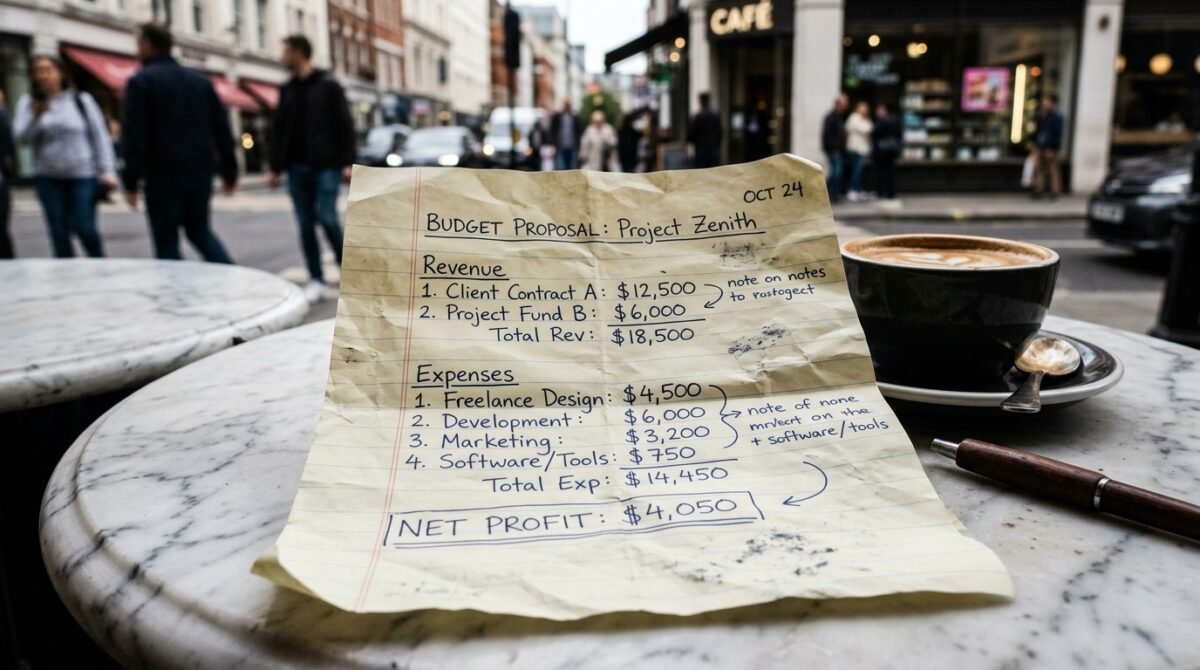
It started over a Saturday brunch in the West Village. The air was crisp, and the coffee was expensive, but the mood turned sour the moment Julian slid a piece of paper across the table. It was a ‘budget proposal’ for him moving into my apartment while I took a sabbatical abroad. He had listed a rental amount that was laughable, a number that wouldn’t even cover the property taxes on the unit.
I stared at the numbers, unable to comprehend the sheer audacity. He wanted to live in a prime location for the price of a bedroom in a shared house in New Jersey. When I explained that the rent-stabilized rate was still high and that illegal subletting was an eviction-level offense, he smirked as if I were telling a joke.
“You’re already paying so little, sis. Don’t act like a landlord. Keep the lease active, I pay you what I can, and we both win. Why be difficult?”
— Julian, over brunch
I felt a familiar, sharp pang of irritation. This was the same attitude that had colored our entire childhood—Julian expecting the bigger slice of cake, the better toy, and the unconditional support of our parents whenever he stumbled. I tried to explain the legal risks, the potential for a permanent blacklisting by the management company, and the fact that I needed the apartment to be vacant and inspected before I left.
He didn’t listen. He spent the rest of the meal explaining how he would ‘take care of the place’ and how I was actually doing a bad thing by not helping family in need. It was the classic manipulation tactic: frame a boundary as a moral failure on my part. I left the restaurant early, my appetite completely gone, feeling the weight of the coming confrontation.
That night, I received a barrage of texts. He wasn’t just asking; he was planning. He had already started looking at furniture to ‘upgrade’ the space. My blood ran cold. The realization set in: he wasn’t asking for permission because he assumed the apartment was already his to take. I hadn’t yet said no firmly enough, and his assumption was a red flag the size of a billboard.
I realized then that if I left the apartment in his hands, I would come back to a nightmare. He would either stop paying rent, destroy the unit, or trigger a clause in my lease that would see me evicted. The risk was too high. I needed to act before he made the move-in inevitable.
The Escalation of the Unsolicited Kitchen Upgrade
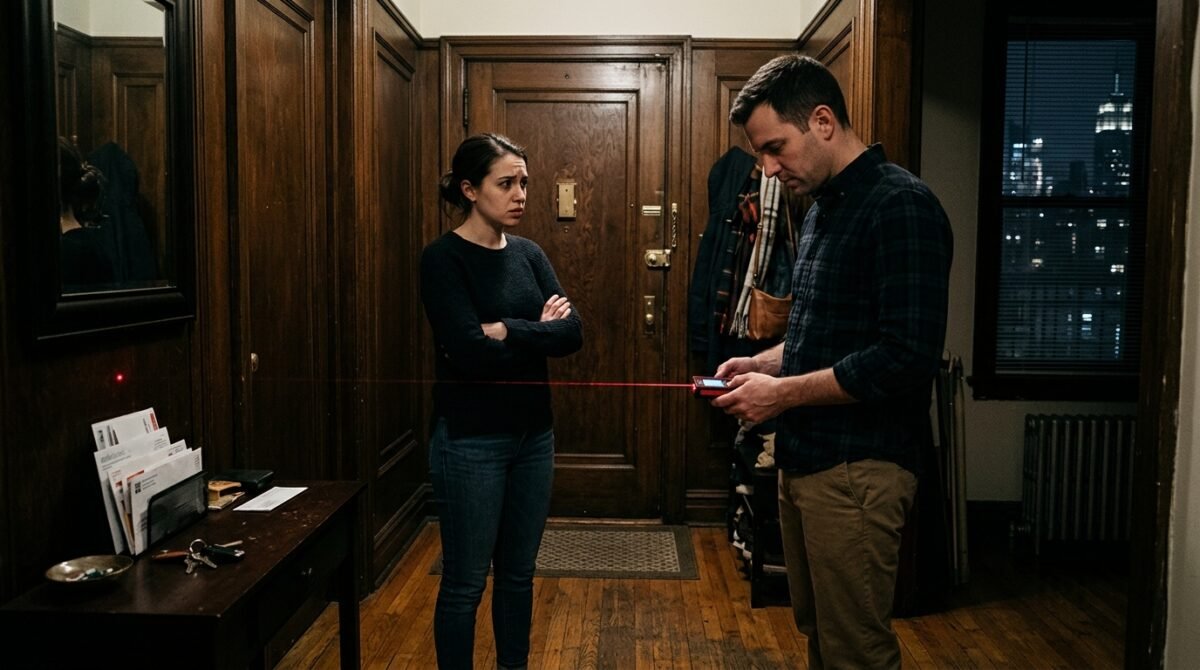
Things escalated three days later when I came home to find Julian standing in my foyer. He had somehow convinced my super to let him in, claiming he was ‘dropping off some gear’ for me before my trip. I walked in to find him measuring the kitchen cabinets with a laser tool. He looked up, completely unbothered by my shock.
I was livid. Not only had he trespassed, but he had also involved the building staff in his delusions. I demanded he leave immediately, but he just chuckled, telling me he was ‘trying to visualize’ how to make the kitchen functional for his cooking style. He spoke as if he were already the primary tenant, planning renovations for a space he didn’t own.
“I noticed the counter space is limited. I’m thinking of knocking out this partition. It’s an easy fix, and it’ll add value to your investment, right?”
— Julian, while holding a measuring tape
I physically grabbed his arm, steering him toward the door. I told him in no uncertain terms that he was never to set foot in my apartment without my express permission, and that if I saw him here again, I would be calling the police. His face darkened; the mask of the charming younger brother dropped instantly, replaced by a look of genuine, cold hatred.
He told me I was ‘bitter and small-minded,’ that I was wasting a valuable resource, and that our parents would be ‘deeply disappointed’ when they found out how I treated him. The emotional blackmail was textbook. He knew exactly which buttons to press to make me feel guilty for having succeeded where he was currently failing.
After he left, I spent three hours cleaning the areas he had touched. It felt like an invasion of my personal sanctity. I realized that this wasn’t just about an apartment anymore; it was about his inability to respect my autonomy as an adult. He viewed me as a utility, not a sibling. The power dynamic was fundamentally broken, and I knew that no amount of logic would ever reach him.
I sat in the dark for a long time, looking at my lease. It was a beautiful, vintage document, but in that moment, it felt like a target painted on my back. I knew then that as long as I held this apartment, Julian would be circling it like a shark. He didn’t want a place to live; he wanted to take over my life.
The Leaked Family Group Chat Revelation
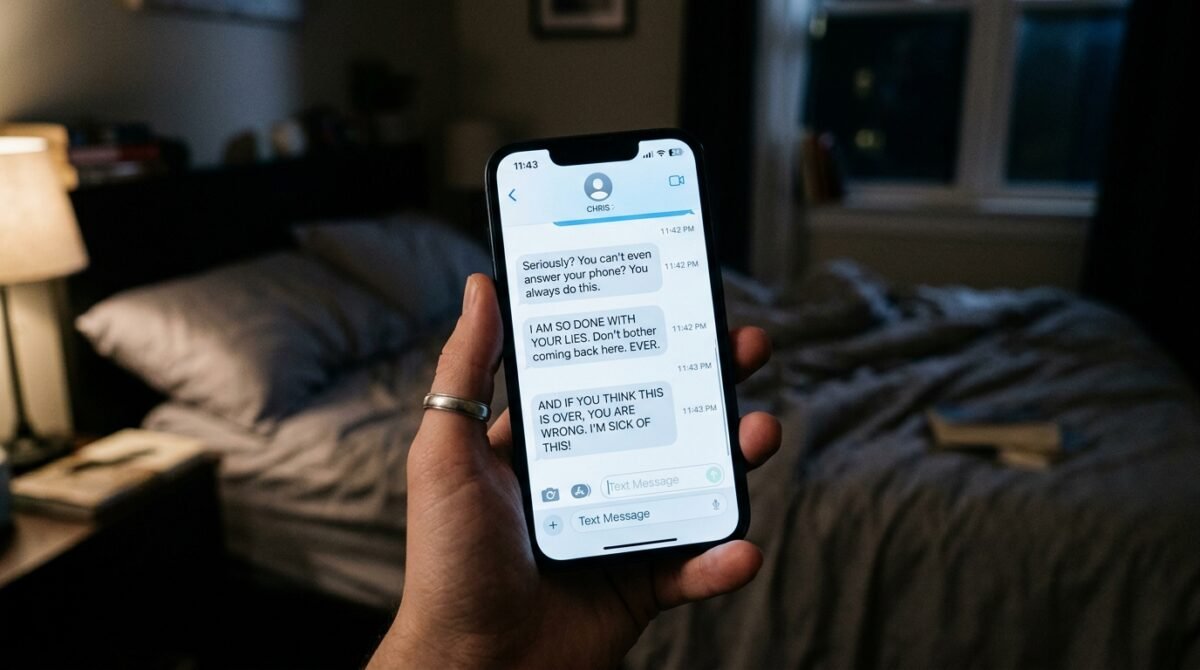
The next morning, the notification sound on my phone didn’t stop. It was a flurry of messages from the family group chat, a thread I usually kept muted. Julian had clearly been busy painting me as the villain to our extended family, framing my ‘refusal’ as an act of cruel, calculated selfishness.
I scrolled through the messages, my jaw tightening with every line. My aunt was calling me ‘cold,’ and my parents were questioning why I couldn’t just ‘make it work’ for my brother. Julian had omitted the illegal subletting aspect, of course. He had framed it as me having an ‘extra empty apartment’ that I was keeping from him out of spite.
“It’s really sad that she’s choosing to prioritize a lease over family unity. I just need a place to start my career, and she’s shutting the door on me.”
— Julian, in the family group chat
I realized then that there was no point in arguing with them. They were getting a curated, edited version of reality. If I tried to explain the legal technicalities, I would just look like the ‘uncaring accountant’ type they always accused me of being. The narrative was already set, and I was the antagonist in their little morality play.
I didn’t defend myself. I didn’t send a long paragraph explaining the risks or the money. I simply sent a single message: ‘I have made my decision, and it is final. Please stop discussing my living situation.’ I then blocked Julian on all platforms. The silence that followed was deafening.
This was the turning point. By cutting off the communication, I was effectively declaring war. I knew they would call, they would email, and they would probably show up at my workplace. But I was done. The feeling of being ‘the responsible one’ who had to sacrifice her own peace of mind for the family’s image was gone. I was no longer interested in being the bridge.
I felt a strange sense of liberation. The apartment, once a symbol of my hard work, had become a anchor of toxicity. I looked around at my books, my art, my life, and I realized that everything here was tied to a space that Julian would eventually violate if I stayed. I needed to remove the incentive entirely.
The Decision to Surrender the Keys
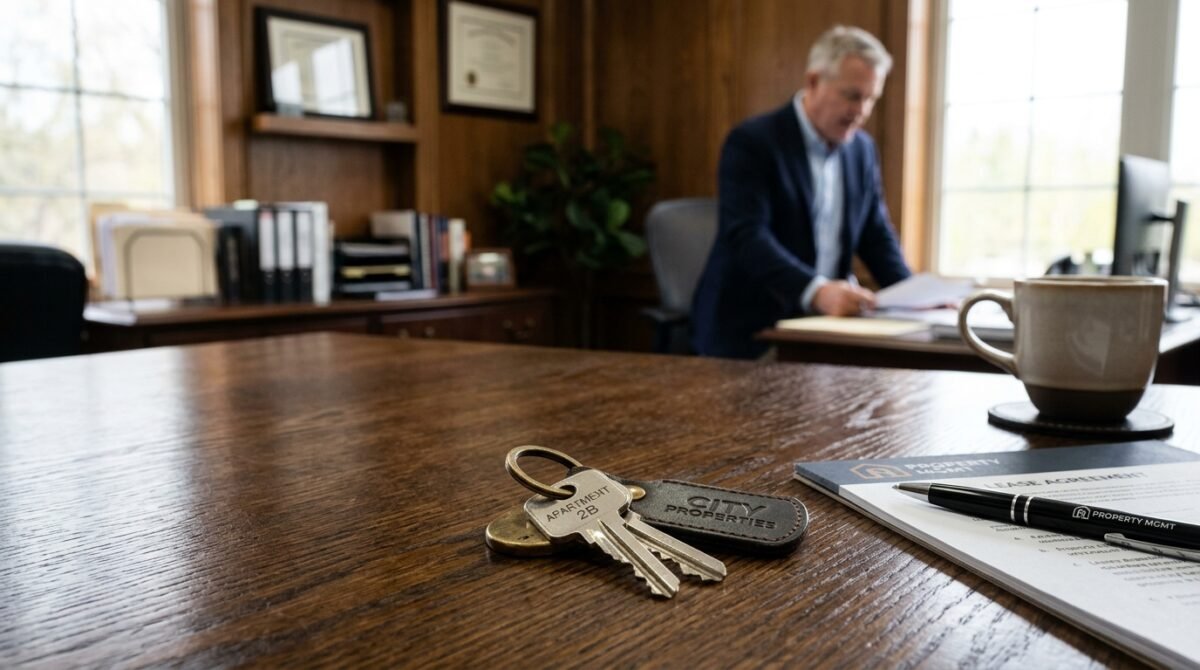
I met with my landlord on a Tuesday afternoon. He was a stern man who valued the quiet stability of his tenants, and I had always been his favorite. I explained that I would be leaving the city for a while and that I didn’t want to deal with the logistics of subletting or property management. I handed over the keys and a formal notice of lease termination.
He looked at me with genuine surprise. ‘You have a rent-controlled unit, you know. You could easily sell the lease or sublet for a profit. Why just walk away?’ I told him that the apartment had served its purpose, and I was ready for a fresh start. I didn’t mention Julian. I didn’t want my brother’s name anywhere near my professional relationship with the building management.
As I walked out of the building one last time, the keys were gone. The weight in my pocket was lighter, but the weight in my heart was also gone. I had effectively nuked the bridge, but I had also secured my future. Julian would be furious, but that was no longer my problem. He would have to find his own way, in his own time, without my support.
The thought of his reaction when he found out the apartment was gone made me smile. He would come to the door, expecting to break in or find me there, and he would find a new tenant or a vacant, managed space. The entitlement would hit a brick wall, and there would be nothing he could do about it. It was the ultimate boundary: removing the object of his desire entirely.
I went to a local bar, ordered the most expensive scotch on the menu, and toasted to my new, lease-free life. I knew the fallout would be immense, but I felt cleaner than I had in years. I had taken control of the situation in the only way that mattered: by removing the target.
The Aftermath: When Entitlement Meets Reality

The inevitable explosion happened two weeks later. Julian showed up at my work, looking disheveled and frantic. He had gone to the apartment with his boxes, ready to move in, only to find the locks changed and a ‘For Rent’ sign in the window. He screamed at me in the lobby, causing a scene that security had to break up.
He demanded to know where I was living and why I had ‘sabotaged’ him. He wasn’t even acting like a person who had lost a potential favor; he was acting like a landlord who had been defrauded. He felt entitled to the space as if it were a birthright. I didn’t say a word. I just watched him, dispassionately, as he realized that I was completely, utterly done.
“You didn’t have to do this! You could have helped me! You just wanted to see me fail, didn’t you?”
— Julian, in the lobby of my office
I left him there with security. I didn’t look back. I had a new, smaller, non-rent-controlled apartment in a different part of the city, and I had no intention of ever giving him the address. The severance was absolute. I had learned that some people can only be managed by being removed from your life entirely.
The family calls continued for a while, but I ignored them all. My mother tried to guilt-trip me, saying that ‘family is all we have,’ but I replied that family is also what we use to heal, not to exploit. When she asked where I was living, I told her it wasn’t a topic of discussion. I was finally, for the first time in my life, an island.
The lessons learned were harsh but necessary. I had spent years being the ‘strong sibling,’ the one who was always there to pick up the pieces, and it had made me a target for everyone’s expectations. By cutting that cord, I had found a new, quieter kind of peace. It wasn’t easy, and I lost relationships along the way, but the trade-off was worth it.
I look back at the apartment now, sometimes, in my dreams. It was a beautiful place, and I miss the light in the living room. But I don’t miss the pressure. I don’t miss the expectation that my success was a communal property. I own my life now, and for the first time, it’s mine and mine alone.
Reddit Weighs In: The Verdict of the Hive Mind
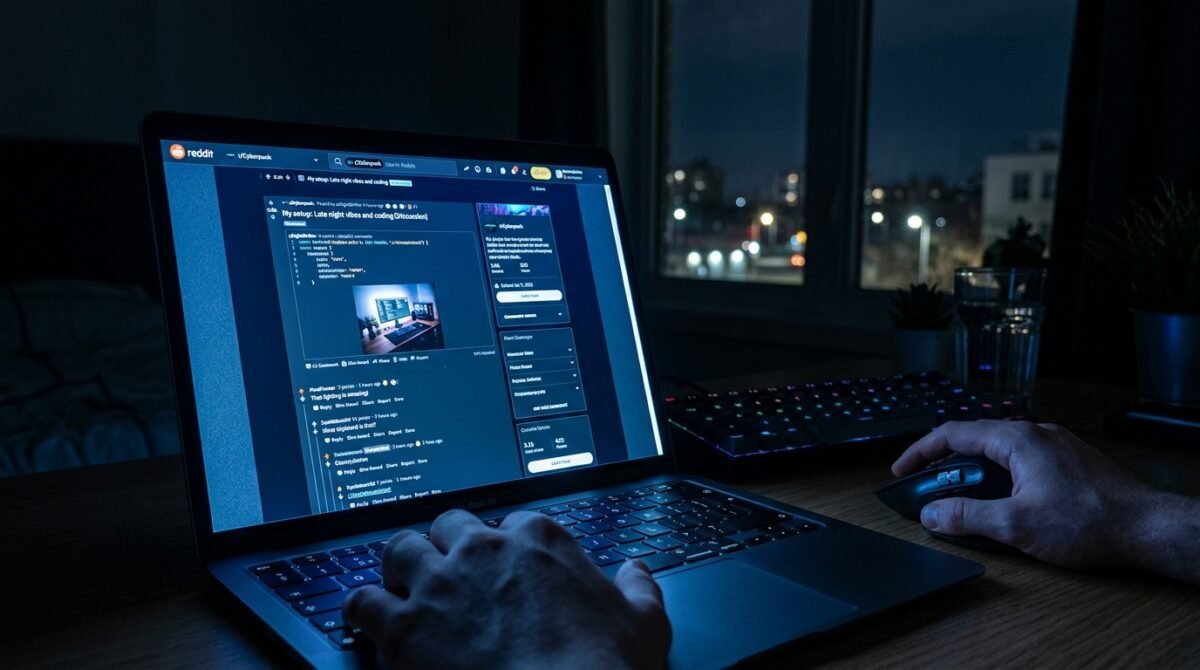
When I finally decided to share my story on a popular forum, I expected a mix of responses. The internet is a brutal place for family drama, and I knew I would be judged by those who value ‘family loyalty’ above all else. But the overwhelming response was one of validation. The Reddit community, in all its chaotic wisdom, understood exactly what I had been through.
“You did the right thing. Giving in to him would have just been the start of the exploitation. He didn’t want a sister; he wanted a landlord he could manipulate. NTA.”
— u/CitySurvivor99 (Top Comment, 32.5k upvotes)
The thread became a repository for similar stories of sibling entitlement. People shared their own tales of ‘the brother who never grew up’ and ‘the sister who took everything.’ It was strangely comforting to know that I wasn’t alone, that this dynamic of the ‘successful older sibling as a resource’ was a common, if painful, social phenomenon.
Of course, there were the dissenters. Some commenters accused me of being ‘too harsh’ and suggested I should have sat him down and explained the situation more clearly. I laughed at those comments. I had explained it ten times, and every time, it was ignored. Some people don’t want to understand; they want to win.
“ESH. You could have been the bigger person and tried one last time. Ending his chance at a stable living situation over a personality conflict seems extreme.”
— u/FamilyFirstOnly (1.2k upvotes)
I engaged with a few of the more thoughtful commenters, explaining that the ‘personality conflict’ wasn’t just a difference of opinion; it was a systemic violation of my boundaries. They were helpful in framing my decision as an act of self-care, not an act of revenge. It allowed me to see the situation with a little more clarity and a little less guilt.
The thread ultimately served as a cathartic outlet. I didn’t care about the internet points; I cared about the realization that my intuition had been correct all along. When you set a firm boundary, the people who are hurt by it are usually the ones who were benefiting from its absence. That realization changed my perspective on all my relationships.
I closed the thread after three days. I didn’t need to read any more debates. I knew what I had done, I knew why I had done it, and I was at peace with the consequences. The internet provided the perspective I needed to finally stop questioning my own judgment.
The Psychological Toll of the ‘Successful Sibling’ Trap

Reflecting on the experience, I realized that my brother’s behavior was a symptom of a much larger issue. In our family, I had been cast in the role of the ‘stabilizer.’ I was the one who went to the right schools, got the right job, and lived in the right neighborhood. My success was viewed as a collective achievement, which meant that any resource I possessed was considered ‘ours’ by extension.
This is a common psychological trap in families with high-achievers. The pressure to be the ‘successful one’ often comes with the unspoken requirement to subsidize the failures of others. It’s a form of emotional taxation that I hadn’t realized I was paying until the cost became unbearable. When I stopped paying, the entire system reacted as if I had committed a crime.
The trauma of being exploited by someone you love is a quiet, slow-burning fire. It doesn’t happen with a shout; it happens with a thousand small compromises. Every time I helped him with rent, every time I covered his dinner, every time I listened to his excuses, I was eroding my own foundation. I was teaching him that his needs were more important than my own sustainability.
Breaking out of this role required a level of emotional detachment that I hadn’t known I possessed. I had to learn how to be ‘the bad guy’ in the eyes of my family to be the ‘good guy’ for myself. It was the hardest thing I’ve ever done, but it was also the most liberating. I discovered that my worth is not defined by how much I can give away to people who don’t appreciate it.
I’ve since been working with a therapist to deconstruct these patterns. We talk about the ‘enabling’ we do out of love, or out of fear of conflict. I’ve learned that saying ‘no’ is not just a defensive maneuver; it’s a form of self-love. It’s the act of claiming your space, both physically and emotionally, and refusing to let it be colonized by others.
I don’t look back at the relationship with regret, but with a sense of clarity. I did what I could, for as long as I could, until the cost became too high. I have no ill will toward my brother anymore. I just have distance. And for now, that is exactly what I need.
Lessons in Legal and Financial Self-Preservation
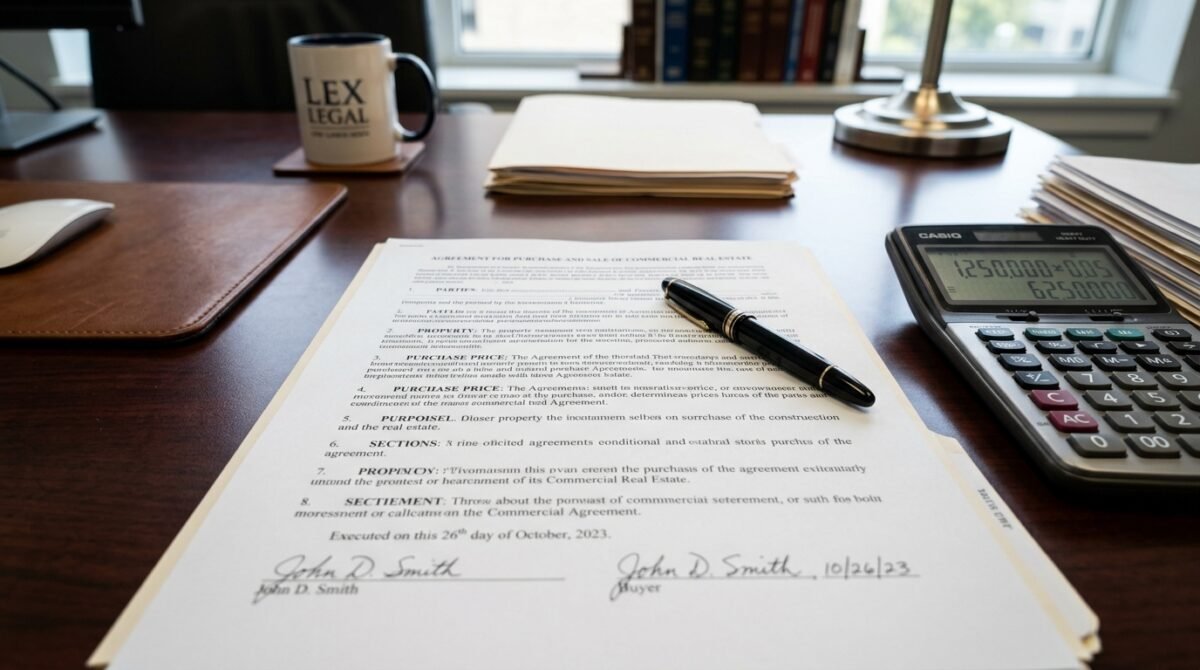
One of the most important takeaways from this entire ordeal was the necessity of understanding my own legal rights. I had treated my lease like a casual agreement, not a binding legal contract that carried significant risk. I didn’t realize until I spoke with an attorney that subletting illegally could have resulted in not just eviction, but a permanent blacklisting from future rentals in the city.
The financial stakes were equally high. If my brother had caused damage or been late on rent, I would have been held responsible. My credit score, my reputation with the landlord, and my ability to secure future housing were all on the line. I was risking my entire professional and personal infrastructure for the sake of a sibling who wouldn’t even acknowledge the risk.
I’ve since become much more meticulous about my contracts and my boundaries. I keep a digital trail of all my agreements, I have clear, written policies for anything I lend or share, and I never, ever assume that ‘family’ is a substitute for a legal document. It’s not about being cold; it’s about being responsible.
I also learned the value of having a ‘no-ask’ policy for certain things. I don’t lend money for rent, I don’t co-sign loans, and I don’t let people live in my space. These are non-negotiable boundaries that protect both the relationship and my own peace of mind. By removing the possibility of these requests, I remove the potential for resentment to build.
I advise anyone in a similar position to look at their situation with the cold, hard lens of an accountant. If the deal doesn’t make sense, if the risks outweigh the benefits, and if the other party is not respecting your boundaries, then the answer is no. And if they continue to push, you must be prepared to walk away from the deal entirely.
The apartment was a lesson in the cost of kindness when it’s exploited. I lost the apartment, yes, but I gained a level of autonomy that no amount of money could buy. I am the architect of my own life, and I will never again let someone else hold the blueprints.
Finding Stability in the Wake of the Storm

Today, my life looks very different. I live in a quiet, modest apartment that I chose because it was mine, and because I could afford it comfortably. There is no history here, no baggage, and no one else’s expectations looming over my shoulder. It’s a clean slate, and I value it more than I ever valued that rent-controlled gem.
I’ve reconnected with my parents on my own terms. We don’t talk about Julian, and we don’t talk about the apartment. We talk about our lives, our health, and the things that actually matter. It’s a different kind of relationship, one that is built on mutual respect rather than the old patterns of dependency. It’s not perfect, but it’s healthy, and that’s enough for me.
Julian is doing ‘his own thing,’ as far as I know. I hear snippets of news through the grapevine—he’s working odd jobs, still living with roommates, still chasing the next big break. I don’t feel the need to intervene anymore. I’ve realized that my interventions were just delaying his growth, and in the process, they were destroying our relationship.
There is a profound sense of peace in knowing that I no longer have to ‘fix’ anyone. I can watch him stumble, and I can watch him succeed, and I can do so from a distance, without the burden of being his safety net. It’s a form of respect, really—respecting his ability to find his own way, even if the road is rocky.
If you are in a position where you are being exploited by someone you love, I want you to know that it is okay to walk away. It is okay to prioritize your own stability over their entitlement. You are not a bad person for wanting to live your life on your own terms. You are just a person who has finally realized their own worth.
The journey was long, and the cost was high, but I would make the same choice again in a heartbeat. The freedom to exist without the constant, gnawing pressure of an entitled sibling is worth every cent of the rent I now pay. I am free, and that is the greatest prize of all.
The Final Reflection on Boundaries

The story of the apartment is ultimately a story about the power of ‘no.’ It’s a word that we often struggle to say, especially to those who are closest to us. We fear the fallout, the guilt, and the accusations of selfishness. But as I’ve learned, the act of saying ‘no’ is often the only thing that saves us from being completely consumed by others.
Boundaries are not walls we build to keep people out; they are the fences that define our own garden. If we don’t maintain our fences, others will inevitably walk all over our plants. My apartment was my garden, and for too long, I let my brother wander through it, picking the flowers and trampling the grass, all while telling me that it was for my own good.
I am grateful for the experience, even the painful parts. It forced me to confront my own needs and to value my own existence. It taught me that I am capable of making difficult decisions, even when the pressure is immense. It taught me that I can survive even when I lose the things I thought were essential to my happiness.
I hope that my story encourages others to look at their own relationships and ask themselves: ‘Where am I being exploited?’ and ‘What boundary do I need to set to protect my peace?’ It doesn’t have to be a dramatic, scorched-earth scenario like mine, but it does have to be firm. It does have to be clear.
Life is too short to live in someone else’s shadow, and it is far too short to sacrifice your own stability for someone who refuses to walk on their own two feet. Own your space, own your decisions, and never apologize for wanting to build a life that is truly, authentically yours.
I am still here, still working, and still living in the city I love. And I am doing it all on my own terms. There is no greater feeling than that, and I hope that whoever is reading this, you find the strength to claim that same freedom for yourself.
Conclusion
My journey from a rent-controlled Manhattan apartment to a place of total independence was paved with difficult lessons and the shedding of old, toxic expectations. By choosing my own peace over family obligation, I learned that boundaries are not just a luxury—they are a necessity for a healthy, functioning life.
We often carry the weight of other people’s problems because we are told that family is about unconditional support. But true support should be a two-way street, not a one-way drain. When I stopped being the drain, I finally had the energy to build a life that actually belonged to me.
What about you? Have you ever had to draw a line in the sand with family, even when it felt like the world was judging you? Do you believe that family bonds should be unconditional, or are there limits to what we owe one another? Let’s discuss in the comments below.
Poll: What would you have done?
- I would have held the lease at all costs and dealt with the brother later.
- I would have cut him off and kept the apartment, regardless of the drama.
- I would have done exactly what OP did: Nuked the bridge to regain my peace.
- I would have found a middle ground and tried to reason with him one last time.
What's your verdict on this dilemma?
Vote below to contribute to the official community consensus.

Have a Dilemma Keeping You Up at Night?
Share your real-life feud, wedding chaos, or relationship crossroads anonymously with our editorial team.
What do you think ?
0 Comments🛡️ Comments are moderated to protect community integrity. Your comment will appear once approved by the editorial team.