
Marriage is supposed to be built on a foundation of radical trust, but for Mark and me, that foundation had been eroding for months. It started with ‘innocent’ questions about where I’d been, then escalated to him ‘casually’ checking my location on Find My Friends. I told myself it was just his anxiety; I told myself he was just protective. I was wrong.
The turning point came when I found the first AirTag hidden inside the lining of my purse. My heart didn’t race; it went cold. I realized then that he wasn’t just anxious—he was obsessive. He was keeping score of my life, tracking my every stop, every coffee break, and every grocery run as if I were a teenager grounded in my own home.
I could have confronted him. I could have had the big, tearful argument about boundaries and autonomy. But after months of feeling suffocated, I didn’t want a conversation. I wanted him to feel, just for a moment, the same dizzying confusion he had inflicted on me. I wanted to reclaim my agency in the most spectacular way possible.
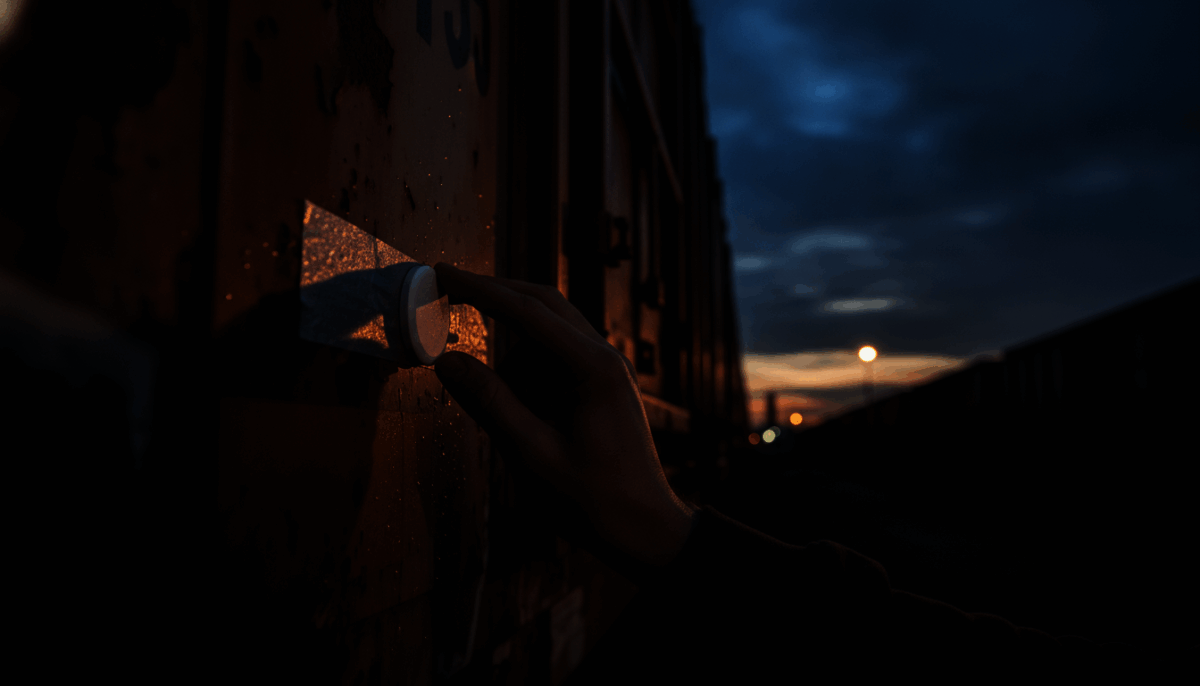
That’s when I noticed the freight yard near my workplace. The rhythm of the trains became my obsession. I tracked the schedules, mapped the routes, and waited for the perfect moment when Mark would inevitably try to ‘check in’ on me. Little did he know, he wasn’t tracking me anymore—he was tracking a cargo of industrial steel currently hurtling toward the Pacific Northwest.
This is not just a story of petty revenge; it is a story of a woman realizing that when a partner turns a relationship into a cage, the only way to find freedom is to walk—or in this case, ride—right out of the door.
The Discovery in the Purse Lining
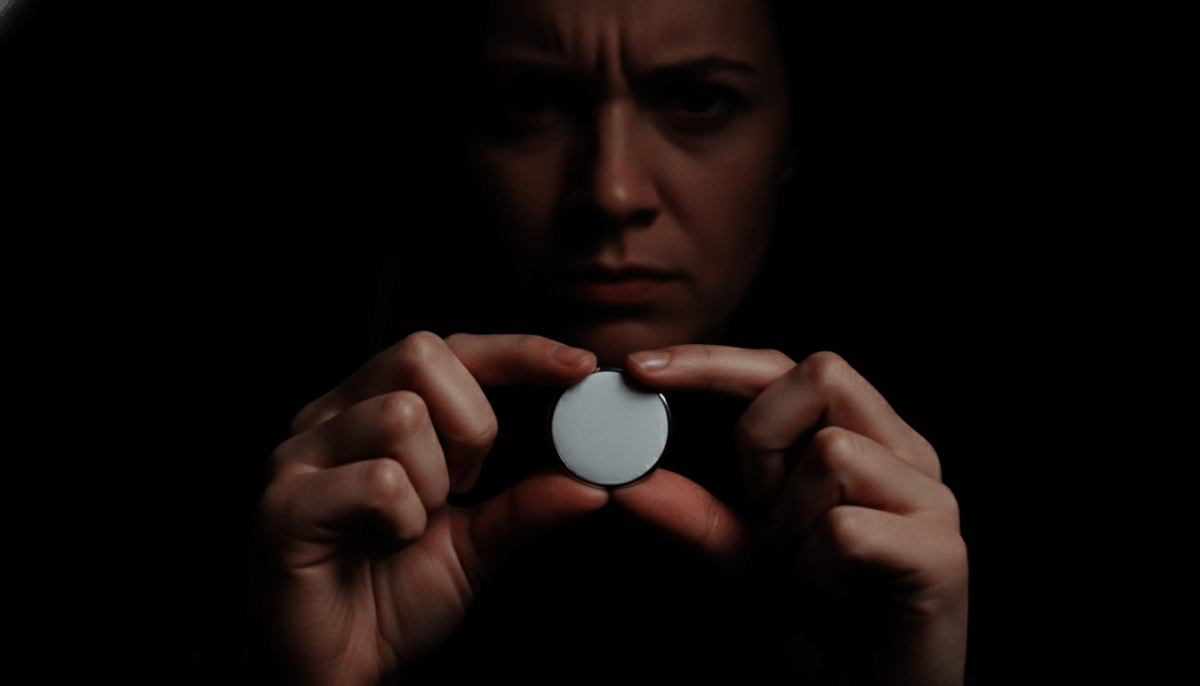
It was a Tuesday, the most mundane day of the week, when the charade finally collapsed. I was fishing for my keys in my tote bag, struggling against the familiar tangle of receipts and loose change, when my fingers brushed against something hard and plastic, tucked deep into the side pocket.
I pulled it out, squinting in the dim light of the parking garage. It was a white, circular disc. My stomach dropped. I knew exactly what it was. I had seen them in commercials, heard the horror stories online, but never in a million years did I think I would be holding one that my own husband had planted on me.
“Mark, why is there an AirTag in my purse?” I asked later that evening, holding the device like a live grenade. He didn’t even look up from his laptop. “I don’t know what you’re talking about. Maybe you picked it up somewhere?”
The lie was so pathetic, so transparent, that I actually laughed. It wasn’t a happy laugh; it was the sound of a woman watching her last shred of respect for her spouse evaporate into the air. He didn’t blink. He just kept typing, acting as if I were the one being irrational for questioning his surveillance.
That night, I didn’t sleep. I lay in bed, listening to the rhythmic, shallow breathing of the man next to me, realizing that he had been monitoring me for months. Every time I had felt like I was being watched, I wasn’t just being paranoid. I was being hunted by the person who promised to love me.
I realized then that if I confronted him, he would just find a better place to hide it. He would gaslight me, call me crazy, and eventually, he would win by outsmarting me. So, I decided to play his game. I put the AirTag back exactly where I found it, and I started planning.
Mapping the Freight Yard

My office is located near a sprawling industrial hub. For weeks, I had been watching the trains depart, fascinated by their sheer, unstoppable momentum. I started taking my lunch breaks by the fence line, logging the times, the routes, and the destinations of the heavy-duty freight cars.
I needed a train that was going long-distance. Something that wouldn’t stop for a while. I found a massive cross-country line that hauled materials from the coast to the heart of the country. It was perfect. I watched the conductors, the guards, and the security patterns. The yard was busy, but if you acted like you belonged, you were invisible.
The logistics were simple but required precision. I bought industrial-strength duct tape, the kind they use for heavy construction. I practiced on a discarded piece of metal in my garage, making sure the device was secure but accessible if I ever needed to retrieve it. I was becoming an expert in logistics, all for the sake of a grand, ironic gesture.
I kept my routine identical to normal. I left for work at the same time, stopped at the same coffee shop, and followed my usual path. I could feel his gaze on me through the app. I could imagine him sitting at his desk, watching the little blue dot move across the map, feeling satisfied that he had successfully contained his wife.
The anticipation was intoxicating. I wasn’t scared anymore. I was exhilarated. I felt like a spy in my own life, reclaiming the narrative from a man who thought he could control me with a smartphone screen and a piece of Apple hardware.
The Moment of Deployment
The day arrived on a Thursday. Mark had a conference call in the afternoon, which meant he would be distracted and unlikely to check the app every five minutes. I packed my bag, ensuring the AirTag was firmly in place on the underside of my car’s chassis, where it had migrated after I ‘accidentally’ dropped it from my purse.
I drove to the freight yard, my heart hammering against my ribs. I pulled into a blind spot I had identified weeks prior, behind a stack of shipping containers. The train was already idling, ready to depart. I moved quickly, my hands steady despite the adrenaline.
I crawled under the train car. It was cold, oily, and smelled of diesel. I found the perfect spot on the frame, tucked away from the wheels. I peeled the backing off the tape and pressed the AirTag against the cold, iron surface. It stuck instantly. It wasn’t going anywhere.
As I crawled out, my heart felt light, almost buoyant. I wiped the grease from my hands, stood up, and walked back to my car. I didn’t look back. I just got in, put on my seatbelt, and drove home to make dinner as if nothing had happened.
“How was your day, dear?” Mark asked when I walked through the door. “Just the usual,” I replied, my voice steady. “Long, boring, and full of traffic.” He smiled, satisfied. He had no idea that his ‘tracker’ was currently moving at 60 miles per hour toward Nebraska.
That night, I watched him from across the table. He was quiet, occasionally checking his phone under the table. I knew what he was doing. He was checking the map. He was watching the little dot move, feeling smug, and I was holding the secret that would turn his world upside down.
The First Panic Attack
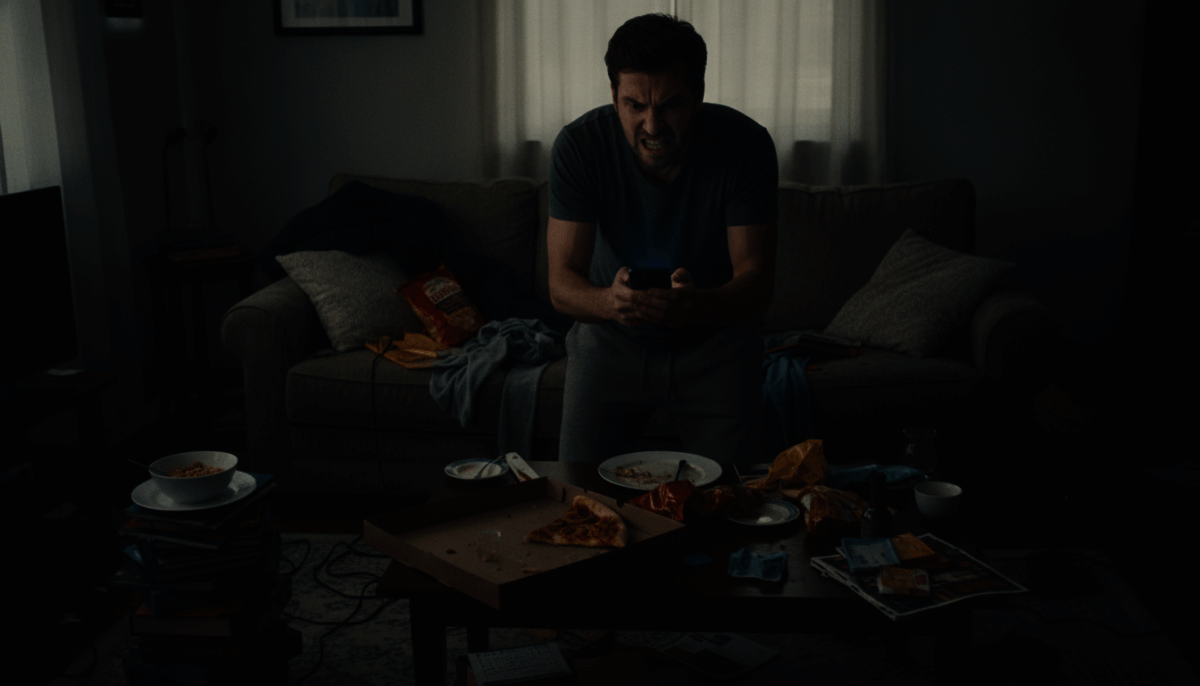
The next morning, the chaos began. Mark woke up, and the first thing I heard from the kitchen was a frantic, muffled curse. I stayed in bed, savoring the silence. I knew he was looking at the app, seeing that his ‘wife’ was currently in the middle of a cornfield in the Midwest, despite the fact that I was sleeping in the room next to him.
He burst into the bedroom, his phone clutched in his hand. His face was a mask of confusion and mounting rage. “Where are you?” he shouted. I sat up, rubbing my eyes, acting as if I had been woken from a deep, peaceful sleep. “What are you talking about?” I asked, my voice laced with mock confusion.
“You’re in Nebraska! My phone says you’re in Nebraska! Are you cheating on me? Did you fly out there in the middle of the night?” he demanded, his voice bordering on hysterical.
I looked at him, completely deadpan. “Mark, look at me. I’m right here. I’ve been in this bed for eight hours. Are you seriously suggesting I’m in two places at once? Maybe your app is glitchy. Maybe you’re losing your mind.”
He stared at me, his mouth agape. He couldn’t reconcile what his screen was telling him with the reality standing before him. It was a beautiful moment of cognitive dissonance. He wanted to scream, but he couldn’t, because doing so would admit he had been tracking me.
He spent the next two hours pacing the living room, calling my name, checking the location, and then staring at me again. He was trapped in a box of his own making, unable to admit the truth of his surveillance, and desperate to find an explanation that didn’t make him look like the stalker he actually was.
The Deepening Mystery
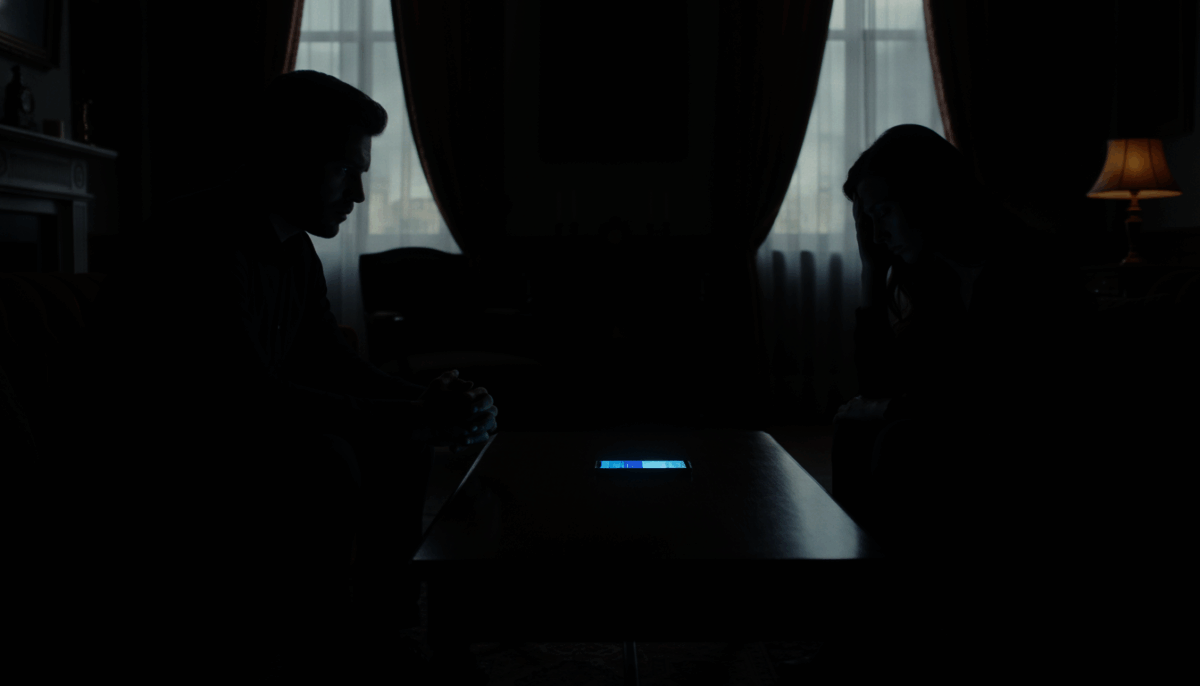
Over the next few days, the situation turned into a full-blown obsession for him. He started tracking the ‘location’ incessantly. He would leave for work but then come back mid-day, claiming he forgot something, just to verify that I was actually home. The irony was completely lost on him.
I kept up the act. I went to work, I did my errands, I lived my life. Every evening, he would sit down with a glass of wine, staring at the screen. Sometimes, the train would stop in a city. He would call me, his voice trembling, asking where I was. I’d be sitting on the couch, reading a book, and I’d just say, “I’m on the couch, Mark. Why do you keep asking?”
He eventually tried to confront me with the evidence. He sat me down on the sofa, his phone displayed like a subpoena. “Look at this,” he said, pointing at the screen. “You’ve been driving all over the country. Tell me the truth. Who are you seeing?”
“I’m not seeing anyone, Mark. I’m living my life. If you want to know where I am, maybe you should try talking to me like a human being instead of a private investigator. Or maybe, just maybe, your technology is broken.”
He was so desperate to find a logical explanation for the movement that he started accusing me of everything under the sun—secret trips, hidden affairs, a second life. He was projecting all of his insecurities onto a map, and I watched him spiral with a cold, detached satisfaction.
I wasn’t just gaslighting him; I was holding a mirror up to his own behavior. He hated the lack of control, the uncertainty, and the suspicion, all of which were exactly what he had inflicted on me for months. It was a perfect, poetic justice.
The Reddit Hive Mind Weighs In
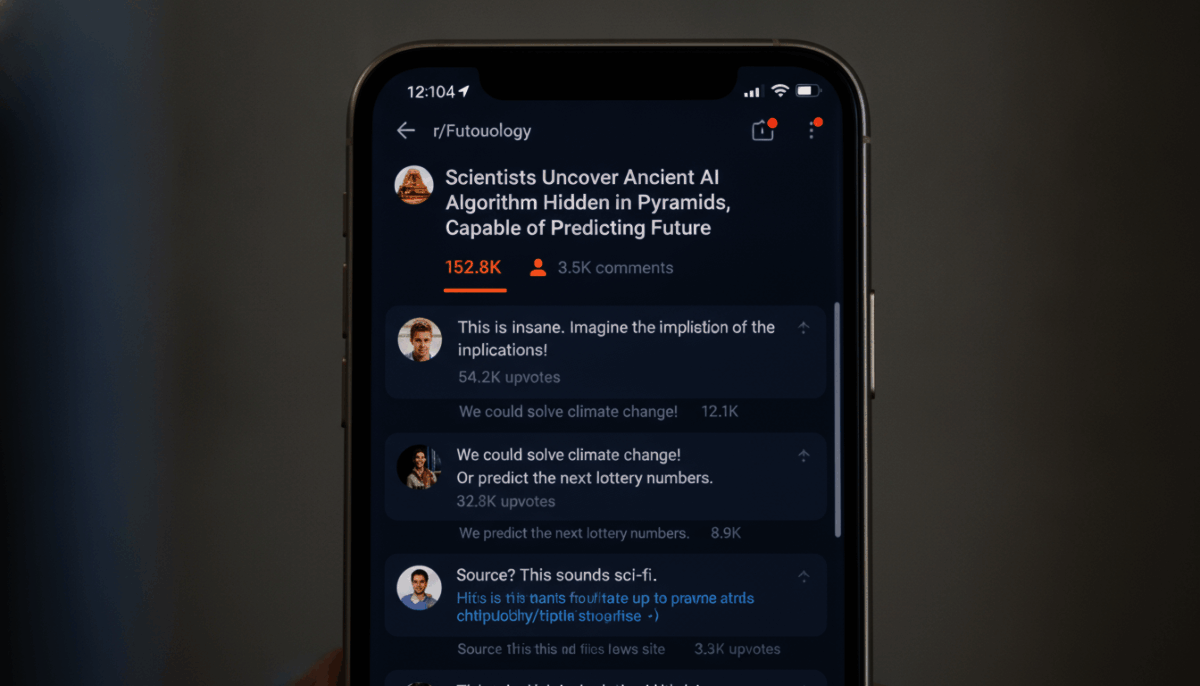
I knew I couldn’t keep this up forever, so I went to the one place where secrets are processed and dissected: Reddit. I posted the story on a throwaway account, omitting the specific details but describing the dynamic clearly. The response was immediate and overwhelming. Thousands of people chimed in, dissecting Mark’s behavior with surgical precision.
“This isn’t just about an AirTag. This is about deep-seated control issues. The fact that he’s gaslighting you about the tracking is a massive red flag. You need to leave before this escalates to physical danger.”— u/RelationshipGuru, 32.5k upvotes
Others were more amused by the revenge aspect. The ‘freight train’ detail became a viral sensation within the thread. People were calling me a hero, a legend, and a mastermind. It felt good to have the validation, but it also made me realize how dire my situation actually was.
“The way you flipped the script on him is genius, but please, for the love of god, secure your own safety. He’s showing signs of a total breakdown. If he finds out what you did, he might snap.”— u/SafetyFirst, 15.2k upvotes
Reading the comments, I saw my life reflected back at me. I saw the patterns of abuse, the subtle erosion of self-worth, and the gaslighting that I had been excusing as ‘anxiety.’ It was the wake-up call I desperately needed. I wasn’t just playing a prank; I was escaping a cage.
The community support gave me the courage to start planning my exit. I started looking for apartments, consulting with a lawyer, and documenting everything. The AirTag wasn’t just a tracking device anymore; it was the catalyst for my liberation.
The Final Confrontation

The end came on a rainy Sunday evening. Mark had been silent for two days, his eyes hollow and his temper short. He sat at the kitchen table, the laptop open, staring at the map. The train had reached its destination, a massive railyard in the Pacific Northwest. He looked at me, his eyes filled with a terrifying mix of realization and confusion.
“It’s not moving anymore,” he whispered, his voice cracking. “It hasn’t moved for six hours. You’re in Seattle, aren’t you? You left me.” He looked broken, but it was a pathetic, self-inflicted brokenness that garnered no sympathy from me.
“Mark, I’m not in Seattle. I’m in this kitchen. And I’m leaving you. Not because of a train, but because you never trusted me. You spent months stalking me, tracking me, and accusing me of things I never did. This? This was just the only way I could get you to stop.”
I walked to the drawer, pulled out the small pouch where I had kept the evidence of his tracking, and threw it on the table. He flinched. He knew exactly what it was. The silence in the room was deafening, the kind of heavy, oppressive silence that only comes after a massive, structural collapse.
He tried to speak, to apologize, to make excuses, but I didn’t let him. I stood up, walked to the hallway, and grabbed the bag I had packed days ago. I was done. There was nothing left to say, nothing left to fix, and certainly no reason to stay.
As I walked out the door, I felt the rain on my face, and for the first time in years, I felt like I could breathe. I didn’t look back at the house, or the man inside. I just walked toward my car, knowing that the journey ahead was finally mine to control.
The Aftermath and New Beginnings

The divorce was messy, as they always are, but it was also liberating. I had all the evidence I needed—the tracking logs, the documentation of his behavior, and the testimony of my own experiences. I didn’t have to defend myself against his accusations because the truth was so blatantly absurd that no one could take his side.
He tried to contact me, of course. He sent emails, texts, and even left voicemails about how ‘sorry’ he was and how he ‘just wanted to know I was safe.’ I blocked every single one of them. The irony of him wanting to know if I was safe, after he had spent months making me feel entirely unsafe, was lost on him.
I moved to a new city, one he didn’t know, and started over. I rebuilt my life, brick by brick, free from the digital tether he had placed on me. I still think about that AirTag sometimes, sitting on a rusted piece of steel, thousands of miles away, completely useless, just like his control over me.
I learned that trust isn’t something you can monitor, and it certainly isn’t something you can enforce with technology. It’s a choice you make, every day, to believe in the person you love. And if that choice isn’t mutual, then the relationship is just a prison.
Today, I am happy. Truly, deeply happy. I wake up in a home that is mine, go to a job that I love, and live a life that is entirely my own. I don’t need an app to tell me where I am, and I certainly don’t need anyone else to track my journey.
Reflecting on the Digital Cage

In this digital age, we have tools that can track, monitor, and record every aspect of our lives. But just because we can track someone, doesn’t mean we should. The ease with which an AirTag can turn a relationship into a stalker-prey dynamic is a chilling reminder of the dark side of modern convenience.
My experience taught me that technology is neutral, but the hands that hold it are not. When we use these tools to replace trust, we aren’t just losing our partners; we are losing our humanity. We are reducing people to data points, and relationships to logistics.
I often wonder what would have happened if I had just confronted him on day one. Would he have changed? Would he have realized the error of his ways? Probably not. The behavior was too deeply ingrained, a symptom of a larger, more toxic view of what a relationship should be.
I don’t regret what I did. I needed that moment of absurdity to see the truth. I needed to see him staring at a screen, waiting for my location to change, to realize that he was never really looking at me. He was looking at a map, and I was just the background noise.
I hope that by sharing my story, others might realize that they don’t have to stay in a digital cage. You have the right to your privacy, your autonomy, and your life. Don’t let someone else define your path, even if they have an app that says they know exactly where you are.
Community Perspectives and Final Thoughts

The Reddit thread is still active, with new comments pouring in every day from people sharing their own stories of surveillance and control. It has become a space for support, validation, and shared healing. It’s amazing to see how many people have been in similar situations, and how much power there is in simply speaking the truth.
“My ex used to track my phone location 24/7. When I found out, I felt so small, like I was a child. Your story gave me the push I needed to change my own passwords and finally move out. Thank you.”— u/HopefulSurvivor, 5.2k upvotes
The lessons from this are universal: trust is not a technical feature, and control is not the same thing as love. We need to be more mindful of how we use technology in our relationships, and more protective of the boundaries that make us who we are. It’s a conversation that is long overdue.
As I move forward, I carry the lesson of the freight train with me: sometimes, the only way to get where you need to go is to let go of the things that are trying to keep you stuck in place. It’s a hard lesson, but a necessary one.
So, here’s to the freedom of the road, the beauty of the unknown, and the strength to turn off the location services. May we all find the courage to live our lives, truly and authentically, without the weight of someone else’s surveillance hanging over our heads.
Conclusion
My journey from a tracked wife to an independent woman was unconventional, to say the least. It was a path paved with duct tape, freight trains, and the cold, hard realization that my marriage was a mirage. If there is one thing I want you to take away from this, it is this: your life is yours. You are not a data point on a map. You are a person with agency, and no amount of technology should ever be allowed to strip that away.
If you find yourself in a relationship where you feel like you are being monitored, questioned, or controlled, please know that you are not alone. There is a whole community of people who have been exactly where you are, and who have found their way out. Don’t be afraid to take that first step toward your own freedom.
What about you? Have you ever had to set a boundary regarding technology or privacy in your own relationships? Did you have a ‘freight train’ moment where you realized things had gone too far? Share your stories in the comments below—let’s keep this conversation going.
Reader Debate Poll: Was the ‘freight train’ move too extreme, or was it a necessary act of psychological self-defense?
- It was a brilliant and necessary wake-up call.
- It was too passive-aggressive; she should have just left.
- It was dangerous and risked escalation.
- I’ve done something similar—tell us your story!
What's your verdict on this dilemma?
Vote below to contribute to the official community consensus.

Have a Dilemma Keeping You Up at Night?
Share your real-life feud, wedding chaos, or relationship crossroads anonymously with our editorial team.
What do you think ?
0 Comments🛡️ Comments are moderated to protect community integrity. Your comment will appear once approved by the editorial team.