

When Mark and I started looking for our first home, we agreed on one fundamental principle: this was our space. I had saved for seven years for the down payment, working double shifts while he focused on his career in sales. We were a team, or so I thought. The house was purchased solely in my name at the time because of his lingering credit issues, with the written intention that we would add him once he cleared his debts. It was a milestone, a sanctuary where we planned to build our future.
Then came the kitchen renovation. We desperately needed a new range and a high-end stand mixer for my baking business. My future mother-in-law, Linda, offered to cover the $600 cost for the mixer. At the time, it seemed like a generous, albeit slightly random, gesture of support for our upcoming wedding. I accepted with gratitude, never suspecting that a few hundred dollars would eventually be used as leverage to stake a claim on my greatest financial asset.
The shift in dynamic didn’t happen overnight. It started with Linda showing up unannounced, then evolved into her making ‘suggestions’ about paint colors, and finally, culminated in a demand that shook me to my core. Mark approached me one Tuesday evening, his tone eerily calm, explaining that since his mother had ‘invested’ in our home’s infrastructure, she deserved a level of security that only a legal stake in the property could provide.
I stood in my own kitchen, looking at the $600 mixer—a machine that had now become the most expensive piece of hardware I would ever own, emotionally speaking. The audacity of the demand left me breathless. It wasn’t just about the money; it was about the fundamental disrespect for the boundaries I had spent my entire adult life establishing. This is the story of how a house, a mixer, and a mother-in-law turned my dream engagement into a cautionary tale.
The Trojan Horse of Generosity
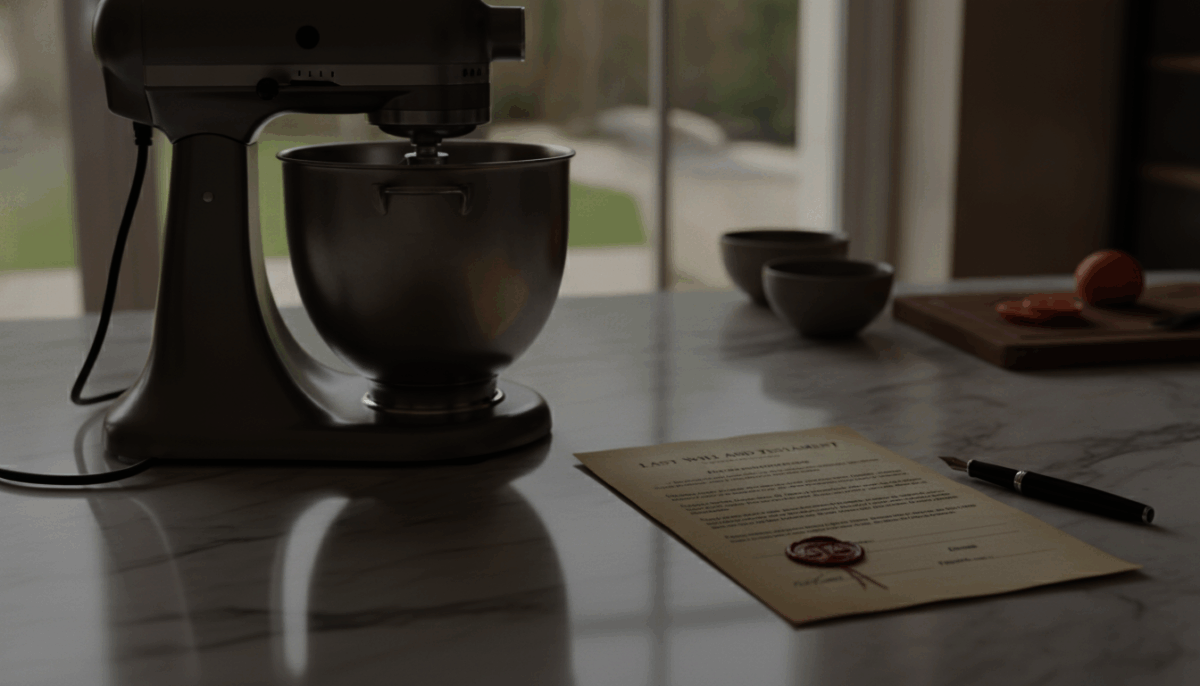
The mixer arrived in a box that looked like it had been through a war zone, but the machine inside was pristine. Linda had insisted on picking it out herself. ‘Every home needs a professional touch,’ she had told me, handing over the receipt like it was a grand dowry. I thanked her profusely, truly believing that this was her way of welcoming me into the family properly after years of icy indifference.
Little did I know, the receipt was being cataloged. A month later, during a routine Sunday dinner, Linda made a comment about how much she liked our kitchen layout and how she felt ‘partially responsible’ for the upgrades. I laughed it off, thinking it was just her typical need for validation. I didn’t realize she was testing the waters, gauging my reaction to her encroaching presence in our domestic life.
Mark was silent during these exchanges. He would look down at his plate, fiddling with his fork, avoiding eye contact. At the time, I attributed his behavior to his usual conflict-avoidant nature. Now, I see it for what it was: a man who had already agreed to his mother’s terms and was simply waiting for the right moment to deliver the ultimatum I wasn’t prepared to hear.
“I just think it’s only fair that she feels secure, considering she’s put her own money into our kitchen. It’s not just a gift, it’s an investment.”
— Mark, during the initial conversation about the house title.
The conversation shifted from kitchen appliances to property rights with terrifying speed. Mark’s tone was matter-of-fact, as if he were discussing a minor chore rather than the legal ownership of a three-bedroom house. He spoke about ‘family equity’ and ‘future-proofing’ the household, but beneath the buzzwords, the message was clear: my house was no longer just mine, and apparently, it wasn’t just theirs either.
The Tuesday Night Ultimatum
The atmosphere in the house shifted that Tuesday night. I was cleaning the counters when Mark walked in, closing the door behind him with a deliberate click. He didn’t ask how my day was; he didn’t even acknowledge the dinner I was preparing. He walked straight to the table and laid out a stack of papers he had printed from a real estate website.
He argued that my financial independence was somehow a threat to the ‘cohesiveness’ of our marriage. He claimed that by keeping the house in my name, I was creating a power imbalance that made him feel like a guest. His solution? Adding his mother to the title would ‘balance the scales’ and serve as a gesture of goodwill to show her she was part of the family.
I felt a cold shiver run down my spine. The logic was completely circular and deeply manipulative. How did a $600 mixer translate into a percentage of a property worth hundreds of thousands of dollars? I tried to explain the absurdity of the math, but Mark refused to listen. He had his script, and he was sticking to it with a stubbornness that was entirely new to me.
“You are being incredibly selfish. She helped us when we had nothing. If you can’t see why she deserves a seat at the table—or on the deed—then I don’t know if we can move forward.”
— Mark, escalating the argument.
I realized then that this wasn’t about the mixer. It was about control. It was about proving to his mother that he could exert influence over my life. I stood my ground, my voice shaking but firm. I told him that the house was mine, the down payment was mine, and the mortgage was mine, and I would never, under any circumstances, add a third party to the title.
The Group Chat Exposure

The real blow came the following morning. I had left my tablet open, and a notification from the family group chat popped up. I didn’t mean to pry, but the preview text was impossible to ignore. It was Linda, giving instructions to Mark on how to ‘handle’ me. The level of coordination between them was chilling; they had been planning this for weeks.
The messages revealed that the mixer was never intended to be a gift. It was a ‘token of ownership,’ a strategic move designed to create a debt that I couldn’t easily repay. They discussed me as if I were a difficult child who needed to be disciplined into compliance. My stomach turned as I scrolled through the history of their messages.
“She’s stubborn, but if you push the emotional angle about my contribution, she’ll break. Don’t let her walk all over our investment.”
— Linda, in a leaked family group chat message.
I took screenshots of everything. My hands were trembling so badly I could barely hold the tablet. I felt a strange sense of clarity amidst the anger. This wasn’t a misunderstanding; it was a conspiracy. I realized then that my fiancé wasn’t a victim of his mother’s interference; he was an active participant in a scheme to gain control over my life and my property.
I waited for him to come home. I didn’t say a word about the messages. I just sat in the living room, listening to the clock tick. When he arrived, he looked confident, as if he expected me to have spent the day reconsidering my position. He had no idea that I had seen behind the curtain, and I was about to dismantle his entire narrative.
The Silent Dinner of Reckoning
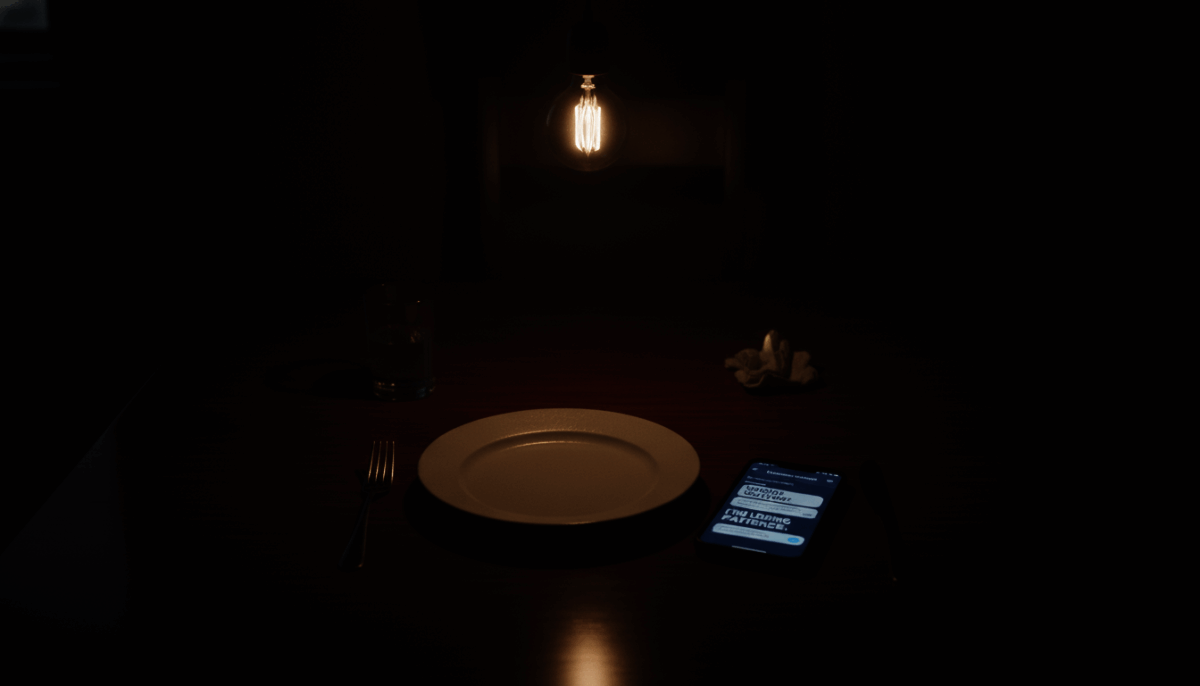
Dinner was an exercise in extreme restraint. I placed a single place setting on the table, which confused him. When he asked where my food was, I told him I had already eaten. I sat across from him, watching him eat in silence. The sound of his silverware clinking against the plate was deafening. He kept trying to make small talk, but I gave him nothing.
Finally, I placed my phone in the center of the table. I didn’t even need to speak. I just unlocked it and left the chat history visible. He froze. The color drained from his face as he realized what I had done. He tried to reach for the phone, but I pulled it back, my gaze unwavering.
The conversation that followed was the shortest, most significant exchange of our entire relationship. He didn’t even try to deny it; he just tried to minimize it. He claimed it was ‘venting’ and that I was overreacting to private family conversations. It was the classic gaslighting tactic, and it only confirmed that I was making the right decision.
“So, it was never about the mixer, was it? It was about seeing how far you could push me before I lost my autonomy.”
— OP, confronting Mark.
He started to get angry, accusing me of being ‘cold’ and ‘calculating’ because I had kept the house in my name. He tried to pivot the argument to our wedding plans, threatening to cancel if I didn’t ‘prove’ my commitment by ceding to his mother’s demands. I looked at him and realized I no longer recognized the man in front of me.
The Reddit Jury Delivers Its Verdict

I posted about the situation on Reddit, needing a reality check. I felt like I was losing my mind, caught between the love I thought I had and the reality of the situation I was living in. The response was overwhelming. Thousands of people chimed in, and the consensus was absolute: I was being set up for financial and emotional ruin.
The comments didn’t hold back. They pointed out the legal disaster of adding a third party to a property title, especially one who clearly viewed it as an asset they could claim. The community was quick to identify the signs of financial abuse and the toxic nature of my fiancé’s relationship with his mother.
“NTA. This is a classic ‘frog in the boiling water’ scenario. That $600 mixer is the most expensive purchase you ever made if you fell for this. Run, don’t walk, away from this engagement. He and his mother are a package deal of financial disaster.”
— u/PropertyRightsAdvocate (Top Comment, 32.5k upvotes)
Reading the comments felt like being given a permission slip to leave. I saw so many stories from people who had made the mistake of mixing family with property, and the outcomes were universally tragic. It reinforced my resolve. I wasn’t just losing a fiancé; I was protecting my future from a predatory dynamic that would have consumed me.
The Lawyer’s Cold Reality Check

I consulted with a real estate attorney the next day. I needed to know exactly where I stood if I were to ever make the mistake of ceding to their demands. The lawyer was blunt. He explained the implications of ‘tenancy in common’ and how easily Linda could leverage her position to force a sale or demand rent if things went south. It was a sobering, expensive, and necessary hour.
The attorney warned me that this was a red flag for a broader pattern of control. He advised me to change the locks immediately and to start documenting every interaction, especially regarding finances. He also suggested that I look into my own credit and bank accounts to ensure that Mark hadn’t been taking liberties elsewhere.
I felt a deep sense of relief after the meeting. The legal perspective stripped away the emotion and focused purely on the facts. The fact was that I owned my home, and I had the power to protect it. I had been playing a game where the rules were rigged, and the only way to win was to stop playing entirely.
I realized then that my ‘financial independence’ was not a weakness, but my greatest shield. Because I hadn’t added him to the title yet, I was in a position of strength. If the house had already been in both our names, this would have been a legal nightmare. I thanked the lawyer and walked out into the sunlight, feeling lighter than I had in months.
The Final Confrontation

When Mark returned home that evening, he was accompanied by his mother. They clearly thought that a ‘family meeting’ would be the final push needed to break my resolve. They walked into the kitchen, Linda looking around with a possessive air, as if she were already measuring the space for her own furniture.
I didn’t even let them sit down. I told them that the wedding was off and that Mark needed to move his things out of my house immediately. The silence that followed was absolute. Linda’s face twisted into an expression of pure rage, but before she could speak, I turned and walked out of the room.
I went to my room and began packing his bags. I didn’t care about the mixer; I left it on the counter, a symbolic anchor I was choosing to leave behind. I wanted nothing that was touched by their influence. The process of packing his life into cardboard boxes was cathartic. Each item I touched felt like a weight being lifted off my shoulders.
“You can’t do this! We have a future together! What about the house? What about the money I put in?”
— Mark, begging as he realized the relationship was over.
I didn’t argue. I didn’t explain. I just pointed to the door. When they finally left, it was as if the air in the house had been scrubbed clean. I locked the door behind them, and for the first time in months, I felt truly at home in my own house.
The Aftermath of Freedom

The days following the breakup were a whirlwind of emotional adjustment. I had to navigate the awkwardness of explaining the situation to friends and family, many of whom were shocked to see the ‘perfect couple’ fall apart. But the truth was out, and I had nothing to hide. I found that most people were supportive once they understood the extent of the manipulation.
I spent my weekends renovating the kitchen—not because I needed the changes, but because I needed to make the space mine again. I removed the mixer, I painted the walls a different color, and I replaced the hardware. Every nail I hammered was a statement of independence. I was reclaiming my territory.
I also took steps to secure my finances further. I froze my credit, changed my passwords, and sat down with a financial advisor to ensure my long-term goals were protected. The fear of being taken advantage of had been replaced by a cautious, empowering vigilance.
I learned that boundaries are not just suggestions; they are the foundation of any healthy relationship. I will never again allow someone to ‘buy’ their way into my life or my assets. I learned that love should never come with a price tag, and if someone tries to attach one to your life, you are well within your rights to walk away.
Reflecting on the Red Flags

Looking back, the red flags were everywhere, but I had been blinded by the desire for a ‘normal’ life. I had wanted to build a family so badly that I ignored the cracks in the foundation. I ignored the subtle ways he undermined me and the way his mother dominated our conversations.
I realized that I had been searching for someone to complete me, instead of finding someone who respected me as an individual. That shift in perspective changed everything. I am no longer looking for a partner to share my life with; I am looking for a partner to build a life alongside, where mutual respect is the baseline, not the exception.
The financial aspect was just a symptom of a much larger issue. The real problem was the lack of partnership. A true partner would have been the first one to tell his mother that her demand was inappropriate. Instead, he had been the architect of my discomfort. That realization was the hardest part to swallow, but it was also the most liberating.
I am grateful for the $600 mixer. It was a small price to pay to see the true colors of the people I was about to tie my life to. It saved me from a lifetime of financial abuse and emotional manipulation. It was, quite literally, the best investment I ever made in my own future.
Moving Forward with Clarity

I am now in a place where I am comfortable being on my own. I have my home, my career, and my peace of mind. I don’t feel the need to rush into anything. I have learned to trust my instincts, and when something feels wrong, I no longer try to rationalize it away.
My friends have been a huge support system. They have reminded me of who I was before I met him—a strong, independent woman who didn’t need anyone’s permission to own her own home. I am rediscovering those parts of myself, and it feels like coming home after a long journey.
If you are in a similar situation, please know that you are not alone. Your assets, your home, and your boundaries are yours to protect. Do not let anyone make you feel guilty for maintaining your independence. You are not being selfish; you are being responsible for your own life.
I hope my story serves as a reminder that it is never too late to walk away from a toxic situation. Whether it is a house, a business, or a simple gift, you have the right to define your boundaries and hold them firm. Your worth is not determined by what you give away, but by what you choose to stand for.
Conclusion
The ordeal left me with more than just a renovated kitchen; it left me with a profound understanding of my own worth. When we allow others to erode our boundaries, we slowly lose the very things that make us whole. The lesson was expensive in emotional labor, but ultimately, it was a bargain for the freedom I reclaimed.
As I sit here in the quiet of my home, I reflect on the fragility of trust and the importance of financial literacy. It’s easy to get lost in the romance of a future, but never at the expense of your foundation. My story is a testament to the fact that you can survive the most jarring betrayals and come out stronger on the other side.
What about you? Have you ever had a partner or family member try to use a ‘gift’ to gain leverage over you? Have you had to set a hard boundary that cost you a relationship? Share your stories in the comments below—let’s discuss the importance of keeping our boundaries as solid as our foundations.
What's your verdict on this dilemma?
Vote below to contribute to the official community consensus.

Have a Dilemma Keeping You Up at Night?
Share your real-life feud, wedding chaos, or relationship crossroads anonymously with our editorial team.
What do you think ?
0 Comments🛡️ Comments are moderated to protect community integrity. Your comment will appear once approved by the editorial team.