
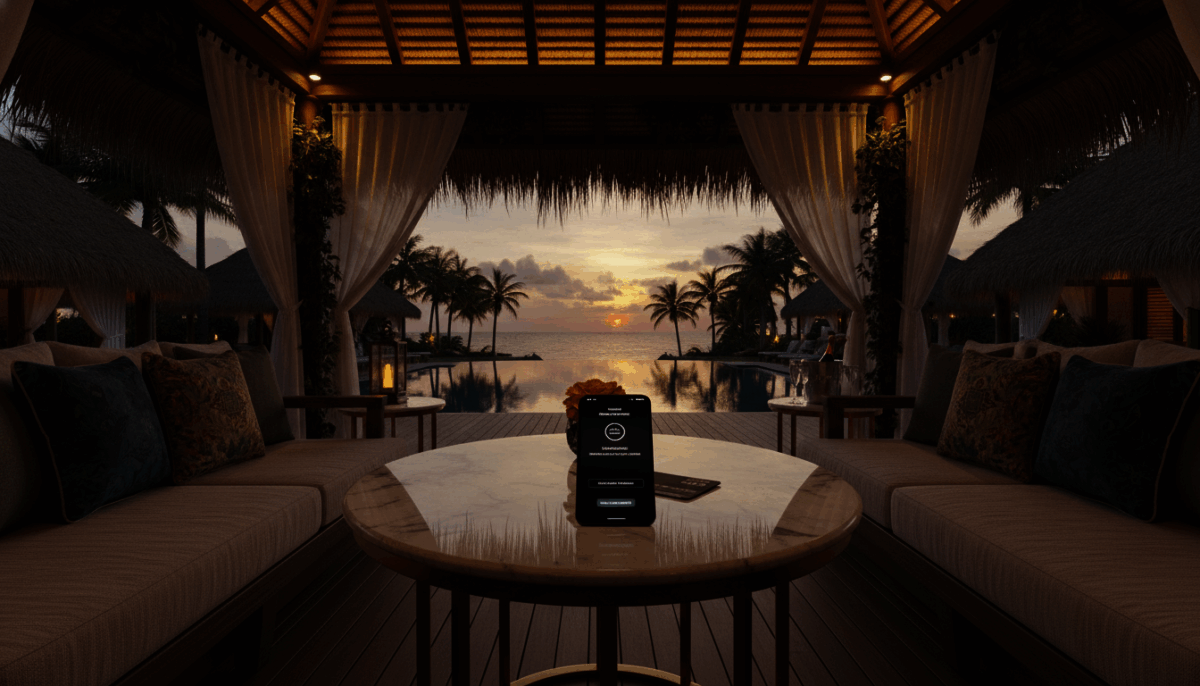
We all have that one friend who lives their life through the lens of a smartphone, someone for whom ‘if it isn’t posted, it didn’t happen.’ For ten years, Sarah was my partner in crime—the person I called for everything from breakups to job interviews. But somewhere along the line, Sarah’s obsession with her burgeoning ‘influencer’ career shifted from a quirky hobby into a parasitic need for validation at any cost.
I never imagined that the cost would literally be my own bank account. Last month, while I was helping her move some boxes in my living room, I made the fatal mistake of leaving my wallet on the coffee table while I went to the kitchen for a drink. I didn’t realize that in those thirty seconds, a friendship that had weathered a decade of storms was being traded in for a few dozen Instagram stories.
The realization hit me three days later when I received a notification from my bank. A charge for $4,200 from the ‘Azure Horizon Beach Club.’ I was at my desk at work, my heart hammering against my ribs, wondering if my account had been hacked. But when I checked the transaction details and saw the booking was under ‘Sarah Jenkins,’ the air left the room entirely.
This isn’t just about money, although the financial sting is sharp enough to cut. It is about the profound violation of trust, the audacity of using someone as a human piggy bank to curate a lifestyle you cannot afford, and the subsequent gaslighting that occurred when I finally dared to ask her why my card details were being treated like a communal asset.
What followed was a cascade of excuses, a barrage of ‘influencer’ entitlement, and a final, explosive confrontation that tore through our mutual friend group. Below, I’ve detailed the timeline of the betrayal, the messages that left me cold, and the aftermath of what happens when you hold someone accountable for their delusions of grandeur.
The Three-Minute Window of Opportunity
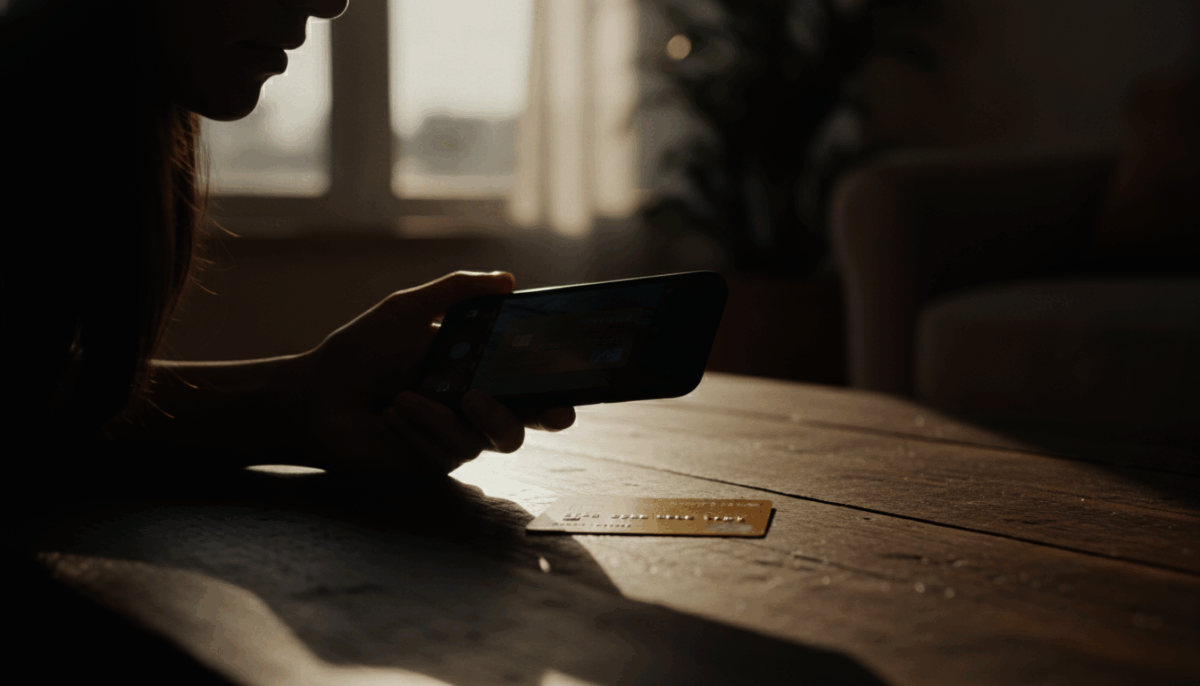
It was a Saturday afternoon, and the air was thick with the scent of packing tape and cardboard. Sarah was moving into a new studio apartment, and as the loyal best friend, I was there to haul heavy boxes and provide moral support. We had been laughing, ordering takeout, and talking about the future. I felt like we were closer than ever.
I had left my purse on the coffee table while I went to the kitchen to grab a glass of water. When I returned, Sarah was standing by the table, checking her phone. She looked slightly flushed, but I didn’t think much of it at the time. I just grabbed my keys and went to help her move a lamp into the corner.
“Hey, you want to grab some dinner later? My treat, I’ve got some extra cash since the promotion,” I had suggested, completely oblivious that she had already helped herself to much more than a dinner bill.
Sarah had smiled, a bit too brightly. “Oh, definitely. Let’s do it. I just need to get this place settled first. Why don’t you head home and get some rest? You’ve been working so hard lately.”
Looking back, the urgency in her voice to get me out of her apartment was glaringly obvious. She didn’t want me around when the transaction processed. She needed the privacy to finish the ‘reservation’ she had already initiated. At the time, I attributed it to her being tired, but now I recognize it as the precise moment the trap snapped shut.
The next day, my phone remained silent. I didn’t receive a thank you for helping, or even a text asking how I was. The silence was deliberate. She was already planning the weekend, already picking out the outfits, already visualizing the photos she would take at my expense. I was nothing more than an ATM in her eyes, a resource to be tapped for her aesthetic content.
The $4,200 Notification That Ruined My Monday

Monday morning started like any other: coffee, emails, and the inevitable dread of the work week. I was scrolling through my banking app, checking to see if my paycheck had cleared, when I saw the red flag. A pending transaction for $4,200. My heart skipped a beat, then plummeted into my stomach.
I clicked on the transaction. The merchant name, ‘Azure Horizon Beach Club,’ meant nothing to me initially. I don’t go to beach clubs. I don’t spend thousands of dollars on cabanas. I immediately called the bank, my hands shaking so hard I could barely dial the number. The operator was calm, which only made me feel more panicked.
“Ma’am, I see here the booking was made online using your card information. It was finalized on Saturday at 4:15 PM. Is there any chance a family member or friend had access to your card?”
The realization didn’t hit all at once; it came in waves. Saturday. 4:15 PM. That was exactly when I was in her kitchen getting water. I felt a wave of nausea. I hung up the phone with the bank, not because I had a resolution, but because I couldn’t bear to say her name out loud to a stranger.
I checked her Instagram. Of course, she hadn’t posted yet, but her story showed a countdown: ‘Something big coming this weekend. Can’t wait to treat my girls!’ The ‘girls’ were her new circle of influencer acquaintances, women she had met through networking events and who expected a certain level of luxury to maintain their status.
She wasn’t just stealing; she was buying friends. She was buying an image of a life she couldn’t afford, using the money I had saved for my car repair and my emergency fund. I felt like a fool. I had been her loyal supporter, her financier, and her biggest fan, and she had just sliced through that relationship like it was nothing more than a piece of paper.
The Confrontation in the Coffee Shop

I didn’t wait. I drove straight to the coffee shop where she usually worked remotely. I didn’t bother texting. I walked right up to her table, pulled out the printed bank statement, and dropped it in front of her laptop. She didn’t even look up at first, thinking it was a server.
When she finally looked at me, her expression shifted from annoyance to pure, unadulterated panic. She closed her laptop, her face turning pale. ‘What is this?’ she asked, her voice tight. I didn’t hold back. I told her I knew, I told her I called the bank, and I told her she had exactly one hour to transfer the money back or I was calling the police.
“You don’t understand, it was just a temporary hold! I was going to pay you back after the brand deal cleared next week. You’re overreacting and being so dramatic about a simple bridge loan!”
I laughed. I actually laughed out loud. ‘A bridge loan? You didn’t ask. You stole my credit card information and booked a cabana I never agreed to. That is not a loan, Sarah. That is theft. And I don’t care about your brand deals.’
The people at the tables around us started looking over. She tried to hush me, playing the victim, whispering about how she was trying to build a career and I was being ‘unsupportive.’ That was the moment I realized she truly didn’t think she did anything wrong. In her mind, her success justified any means, including betraying the person who had been there for her since college.
I left her there, shaking and scrambling to call her ‘manager.’ I walked out of the coffee shop knowing that I had just walked out of a decade-long friendship. The weight on my chest felt lighter as I reached my car, but the anger was still boiling underneath, a hot, sharp blade of betrayal.
The Group Chat Explosion
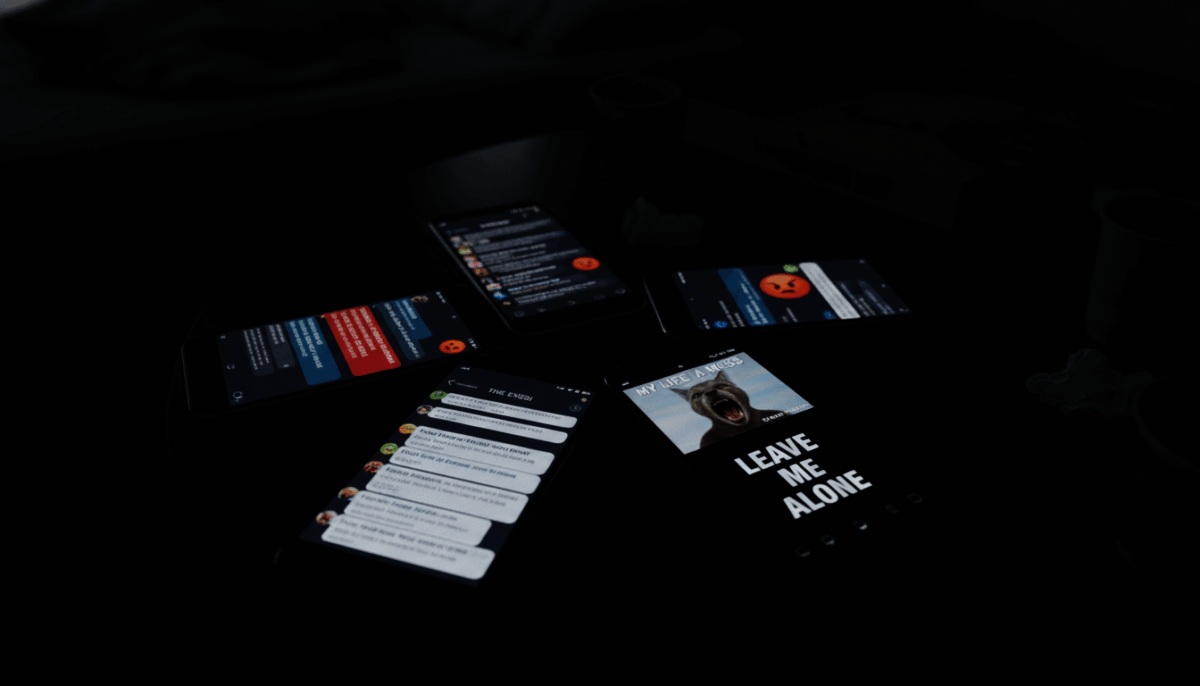
I thought it would end with me, but Sarah wasn’t done. Within two hours of our meeting, my phone started blowing up with notifications. A new group chat had been created. It was titled ‘Support Sarah’s Career,’ and it included all our mutual friends from our college days. She had spun a narrative, framing me as the ‘jealous friend’ who was trying to sabotage her big break.
“I don’t know why she’s being so toxic. It was a simple mistake with a card stored in my phone wallet, and she’s trying to ruin my reputation over a petty misunderstanding. I’m literally shaking right now.”
— Sarah, in the group chat
Then the messages started pouring in. People I had known for years were telling me to ‘just let it go’ and ‘stop being so petty.’ They didn’t even know the details, but they were already siding with the ‘struggling influencer’ who promised them clout and proximity to success. The gaslighting was absolute.
I didn’t argue. I didn’t defend myself. I took screenshots of every single message, including her admissions about the card. I then sent one final message to the group: ‘Sarah stole $4,200 from my personal account without permission. If you want to support someone who steals from their best friends, that is your choice. I’m out.’
I blocked every single one of them. The silence that followed was deafening. My phone went from buzzing every two seconds to being completely still. It was the most peaceful I had felt in days, even if I was technically out of thousands of dollars.
The Bank’s Final Verdict

Dealing with the bank was a grueling process. They required a police report, which I had to file the next day. Going to the station felt like a surreal dream—reporting my best friend for fraud. The officer was sympathetic, even telling me he’d seen this kind of ‘influencer entitlement’ before.
I had to provide evidence of the transaction and my communications with Sarah. When I showed the officer the screenshots of her admitting it was a ‘bridge loan,’ his eyebrows shot up. ‘She pretty much handed you the evidence on a silver platter,’ he noted. The fraud department took over from there.
For two weeks, I was in limbo. I was down the money, and the bank wasn’t guaranteeing a full refund because the card had been used in a transaction that looked ‘authorized’ via her phone wallet. It was a nightmare of paperwork and bureaucratic indifference.
“It’s a civil matter if you gave her access to your home, but because you did not authorize this specific charge, we are marking it as unauthorized. Expect a decision in 30 days.”
I spent those thirty days in a state of high alert. Every notification made me jump. I realized how much of my life was tied to her. We had vacation plans, concert tickets, and dinner reservations. I had to cancel everything. It felt like a breakup with a partner, but worse—because this was someone who had seen me at my lowest and decided to exploit that vulnerability.
Why the Sunday Dinner Table Went Completely Silent
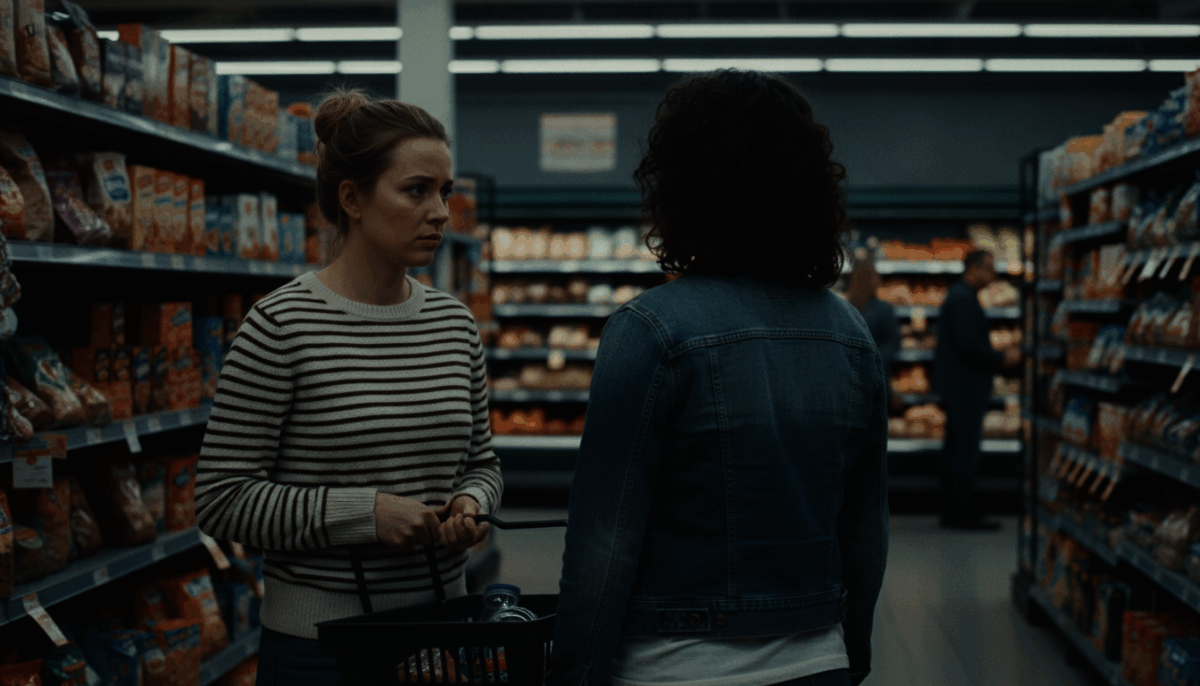
Three weeks later, I ran into one of our mutual friends, Jessica, at the grocery store. She looked uncomfortable, shifting her weight from foot to foot as she checked the produce. I kept walking, not intending to engage, but she called out to me. She told me the dinner party at Sarah’s new place had been a disaster.
Apparently, the $4,200 cabana had been a complete failure. The ‘influencers’ didn’t show up because the weather turned sour, and the beach club refused to refund the booking. Sarah was stuck with the bill and no ‘content’ to show for it. She was broke, and she was blaming me for not letting her use the card longer to ‘fix’ the mistake.
“She spent the whole night crying about how you’re the reason her career is over. Honestly, it was so awkward that half the people left before the appetizers were even served.”
— Jessica, at the grocery store
I didn’t feel happy. I didn’t feel vindicated. I just felt a deep, hollow sadness. I remembered when Sarah used to be a good person, before the Instagram followers and the ‘brand aesthetic’ took over. I realized that the woman who stole my card didn’t exist a year ago. She had been consumed by an algorithm.
I thanked Jessica for the update and left. I didn’t ask for details about Sarah’s life anymore. The curiosity had dried up. I had finally accepted that the person I was mourning was never coming back, and that the person currently suffering was a stranger I had helped create by being too lenient for too long.
The Legal Threat and the Sudden Pivot

Just as I was starting to move on, I received a certified letter. It was from a lawyer representing Sarah. She was threatening to sue me for ‘harassment’ and ‘defamation’ for telling our mutual friends the truth about the theft. She claimed that my ‘hostile’ messages to the group chat had caused her ‘mental distress’ and lost her a brand deal.
I burst into laughter. It was the most absurd thing I had ever heard. I took the letter to my own legal contact, a cousin who works in small claims. He looked at it for five seconds and threw it in the trash. ‘She’s bluffing,’ he said. ‘She wants you to settle so she can pay off that debt. Don’t reply. Don’t engage. Let her pay the filing fees if she’s stupid enough to take this to court.’
“If you respond, you give her power. Silence is your best weapon now. Let her lawyer realize that she has absolutely no case and is actually confessing to theft in her own documents.”
I followed his advice to the letter. I didn’t send a single email. I didn’t text her. I didn’t even acknowledge the letter existed. For two weeks, I lived in total silence, waiting for the other shoe to drop. It never did. Sarah’s lawyer clearly realized that the evidence of the unauthorized charge was insurmountable, and the threat of a countersuit for theft would have been devastating for her.
I later found out through a secondary source that her ‘manager’ had dropped her after hearing about the legal trouble. It wasn’t the ‘harassment’ that did it—it was the fact that she was a liability. The influencer world is brutal, and being associated with someone who steals from their friends is the quickest way to lose your own credibility.
The Reddit Community Weighs In
I posted the story on a popular forum, expecting people to call me a drama queen. Instead, the response was overwhelming. Thousands of people validated my feelings and shared their own stories of ‘parasitic friends’ who used their success as an excuse to exploit others. It was the first time I realized I wasn’t alone.
“NTA. This isn’t just a mistake, this is a massive breach of trust. She didn’t borrow your card; she stole your identity to fund a fake lifestyle. Don’t feel bad about the fallout. She did this to herself.”
— u/DigitalDebtWarrior (Top Comment, 32.1k upvotes)
“I love how she claims it’s a ‘bridge loan.’ That’s the classic narcissist script. Everything is a business transaction until they get caught, then it’s a ‘misunderstanding.’ You need to cut her off permanently.”
— u/RealityCheck99 (15.2k upvotes)
The community was ruthless. They pointed out that her ‘influencer career’ was likely built on similar deceptions. It gave me the strength to stay the course. I stopped checking my social media for mentions of her. I started investing in my own hobbies, my own life, and my own actual friends—people who didn’t view me as a prop in their curated world.
Reading the comments helped me realize that the guilt I felt for ‘ruining her life’ was misplaced. I hadn’t ruined her life; I had simply stopped subsidizing it. The difference was massive, and it was the most important lesson I learned throughout the entire ordeal.
Why I Don’t Regret the Fallout

People ask me if I miss her. How could I not? We spent ten years being inseparable. We traveled together, lived together, and survived heartbreak together. But the Sarah I knew was a shell, a mask she wore to hide the fact that she was deeply unhappy with her own reality.
I don’t miss the theft. I don’t miss the feeling of being used. I don’t miss the constant pressure to be the ‘best friend’ who always says yes to her ridiculous requests. I am finally free to be myself, without a filter, without a camera pointed at my face, and without the anxiety of wondering what she was going to take next.
“You don’t realize how much weight you’re carrying until you finally put it down. I feel lighter than I have in years, and I’m finally able to focus on my own goals instead of someone else’s performance.”
I’ve started saving that $4,200 back slowly. It’s taking time, but every dollar I save feels like a small victory. It’s my money, earned by my hard work, and it’s staying in my account. I’ve learned to set boundaries—hard ones—and I don’t apologize for them anymore.
If you are in a similar situation, please, listen to me: you are not responsible for your friend’s entitlement. You are not a bank. You are not a stagehand for their life. You have the right to say no, and you have the right to demand accountability. If they can’t handle that, they weren’t your friend in the first place.
The Final Lesson: Boundaries are Not Punishments

The biggest thing I walked away with is the understanding that boundaries aren’t meant to punish the other person; they are meant to protect your own sanity. I spent so long trying to be the ‘accommodating friend’ that I became a doormat. It took this disaster for me to see that true friendship is mutual.
If I could go back, I would have set boundaries years ago. I would have said no to the small things before they grew into the big things. But I can’t change the past. I can only move forward, and I’m moving forward with my eyes wide open, choosing people who bring as much to the table as I do.
“Boundaries aren’t walls; they are guardrails. They tell people how to treat you, and they keep your life from going off the road. Never be afraid to tell someone that they’ve crossed a line.”
I don’t hold a grudge anymore. Being angry takes too much energy, and I have better things to do. I’m focused on my own life, my own growth, and the people who actually care about me. The ‘influencer’ life might look glamorous from the outside, but I’ve seen the bill, and it’s not worth the price.
My life is quiet, calm, and entirely my own. And for the first time in ten years, I can look at my bank balance and see nothing but my own hard-earned money. That, to me, is the true meaning of success.
Conclusion
This story is a stark reminder that entitlement can hide behind a smile and a decade of shared memories. When the stakes are high—and when people are obsessed with the appearance of success—the people closest to them are often the first to be sacrificed. I chose to prioritize my own integrity over a crumbling friendship, and while it wasn’t easy, it was necessary.
We have all encountered someone who thinks their ambition grants them a free pass to ignore boundaries. Whether it’s a friend borrowing money they never repay or someone using your life as their content, the pattern is almost always the same: they don’t value you; they value what you can do for them.
I’m finally at peace with the decision. I haven’t heard from Sarah in months, and I prefer it that way. I’ve learned that the right friends will never ask you to compromise your financial security for their ‘aesthetic.’ They will support your growth, not treat you as a resource.
What about you? Have you ever had a friend cross a major financial or personal boundary that forced you to reevaluate the entire relationship? How did you handle it, and do you regret the outcome? Let me know in the comments below—I read every single one.
What's your verdict on this dilemma?
Vote below to contribute to the official community consensus.

Have a Dilemma Keeping You Up at Night?
Share your real-life feud, wedding chaos, or relationship crossroads anonymously with our editorial team.
What do you think ?
0 Comments🛡️ Comments are moderated to protect community integrity. Your comment will appear once approved by the editorial team.