
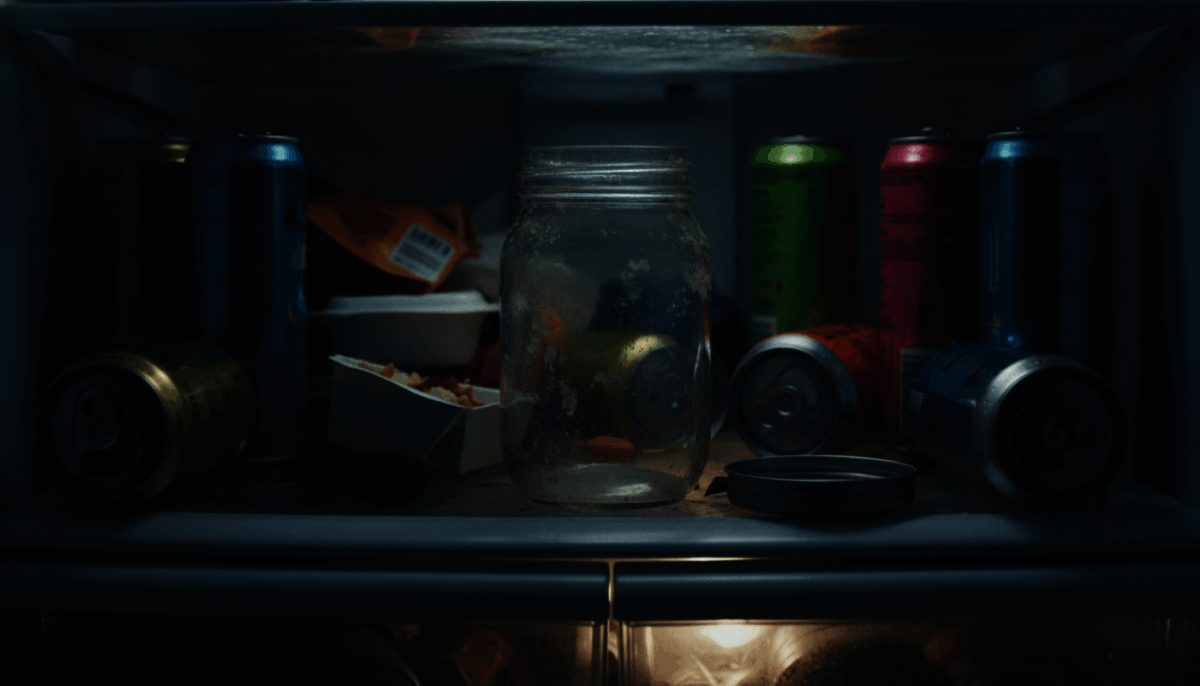
Living with a roommate is often described as a social experiment, but for me, it was a slow-motion descent into madness. My starter, ‘Clint Yeastwood,’ had been a staple in my life for seven years. I carried that jar through three apartments, two breakups, and a cross-country move. It was more than just flour and water; it was a living history, a companion that required patience and precision. My roommate, Greg, was a different creature entirely. He lived off high-caffeine energy drinks, erratic sleep schedules, and a total disregard for the sanctity of communal kitchen space.
The tension had been simmering for months. It started with small things—borrowing my olive oil, leaving wet towels on the bathroom floor, and the unceasing hum of his late-night gaming sessions. But the fridge was always our primary battleground. I kept my organized zones; he treated the appliance like a dumpster for his overflowing supply of ‘Turbo-Charge’ energy drinks. I had warned him repeatedly about the temperature-sensitive nature of my sourdough, yet he seemed to view my culinary hobby as a pretentious hurdle to his convenience.
The morning of the incident began with an eerie silence. I walked into the kitchen to perform my daily feeding ritual, only to find the counter barren. My heart skipped a beat as I scanned the area, assuming I had perhaps left the jar in the back of the fridge. I opened the door to be greeted by a wall of neon-green cans, meticulously arranged in the space that was clearly designated for my jars and pre-ferment containers. My blood ran cold as I saw the glass jar—scoured clean and repurposed as a pencil holder on his desk.
I didn’t immediately scream. I stood in the kitchen, feeling a strange, hollow sensation in my chest. Seven years of fermentation, of consistent feeding, of that specific, tangy scent—all gone because someone wanted more room for synthetic caffeine. This wasn’t just a mistake; it was a targeted act of spatial entitlement that would eventually tear our fragile living arrangement apart and force me to reevaluate everything I knew about boundaries.
The Neon Invasion of the Refrigerator
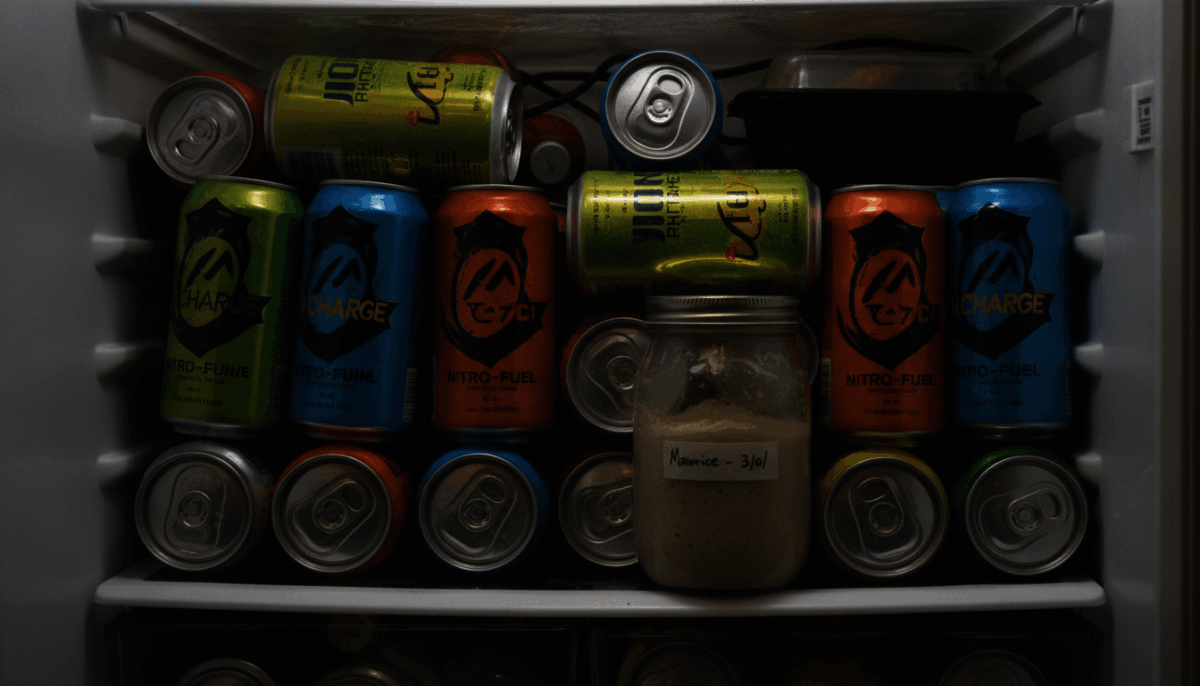
The decline of our kitchen’s decorum started when Greg began his new ‘fitness journey,’ which ironically involved consuming three to four energy drinks every single day. The fridge, once a balanced ecosystem of fresh produce and my baking supplies, was slowly overtaken by a growing collection of aluminum cans. I had tried to be reasonable. I bought a small crate to designate his zone, hoping to contain the chaos, but his ‘supplies’ quickly spilled over, bleeding into the shelves where my cultures lived.
I recall the exact conversation we had three days before the disaster. I came home from work to find my starter pushed to the very back, wedged between a jar of pickles and a six-pack of sugar-free citrus boost. I moved it back, neatly placing it on the middle shelf, and sent a text to our shared group thread just to be sure we were on the same page regarding the delicate nature of the culture.
“Hey Greg, just a reminder that the jar in the fridge is a living culture I’ve been maintaining for seven years. Please don’t move it or crowd it, as the temperature fluctuation can actually kill it. It’s not just an empty jar,” I wrote. His response was typical of his dismissive attitude, a series of short, sharp sentences that indicated he hadn’t even read the full message before replying with an excuse about his busy schedule.
“Look, I’m paying half the rent, and I have a right to put my drinks where I want. If your science project is that fragile, maybe keep it in a separate cooler. I need room for my workout fuel.”
— Greg, via iMessage
I tried to explain the chemistry, the history, and the simple fact that he had plenty of room in the door shelves. He didn’t care. He viewed the fridge as a utility to be conquered, not shared. The lack of respect for my property wasn’t just about the sourdough; it was about the fundamental way we viewed our shared living space. Every day, I felt like I was losing ground in my own home.
The next few days were characterized by passive-aggressive maneuvers. I would find my jar moved, and he would find his energy drinks rearranged. It was a petty game, one that I foolishly thought we could resolve through maturity. I didn’t realize that Greg wasn’t playing a game of organization—he was playing a game of dominance, testing how far he could push me before I finally snapped.
The Morning the Culture Died

When I finally realized the starter was gone, the silence in the apartment felt deafening. I walked into the living room, where Greg was hunched over his laptop, his headset around his neck. I held up the empty, washed-out jar, my hands shaking with a mix of fury and disbelief. I didn’t yell immediately; I wanted to hear him justify it, to see if he had even a shred of remorse for destroying something that took years to cultivate.
“Greg, where is the starter? The actual culture, not the jar,” I asked, my voice dangerously low. He didn’t even look up from his screen, his fingers still clicking away at his keyboard. He let out a long, exaggerated sigh, the kind he used whenever he felt inconvenienced by real-world human interaction. It was the sound of a man who didn’t respect me, and at that moment, I knew the apartment was no longer a home.
“Oh, that gross gray goop? I dumped it down the sink, man. It smelled like old socks and it was taking up the prime middle-shelf space. I needed room for the new case of Cherry Blast I bought on sale. Don’t worry, I washed the jar for you. You’re welcome.” He said it with a casual shrug, as if he had just taken out the trash instead of permanently erasing seven years of culinary effort.
“You dumped it? That wasn’t just ‘goop,’ Greg. That was a seven-year-old starter. You had no right to touch my things, let alone throw them away because you were too lazy to organize your own drinks.”
— My confrontation with Greg
I felt the heat rising in my face. He looked at me then, his eyes showing zero empathy. He seemed genuinely annoyed that I was making a scene. He argued that since the rent was split, the space was 50/50, and my ‘clutter’ was an infringement on his rights. It was a textbook case of gaslighting, turning his complete lack of consideration into a moral failing on my part for being ‘too attached’ to a jar of dough.
I stood there, processing the loss. It wasn’t just the starter; it was the realization that I was living with a complete stranger who viewed my passions as irritants. I realized then that I couldn’t keep living like this. The argument escalated, moving from the kitchen to the hallway, with raised voices and accusations flying. He called me ‘neurotic,’ and I called him an ‘entitled child.’ We were reaching the point of no return.
The Digital Jury Delivers Its Verdict
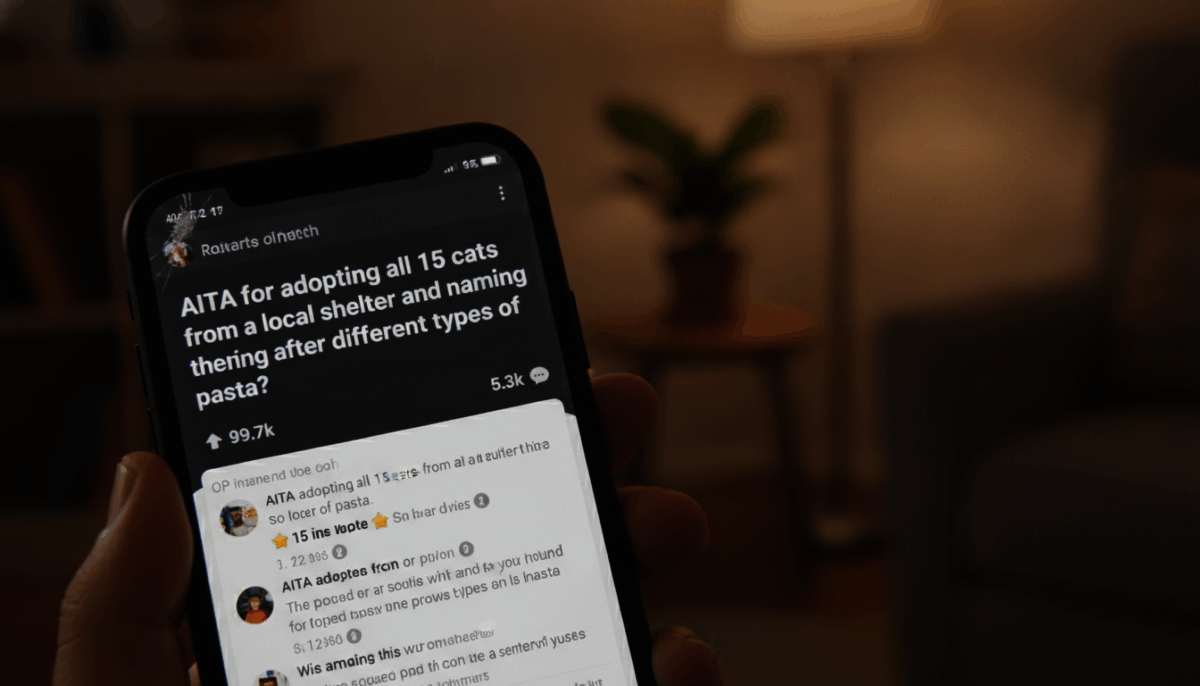
After the argument, I retreated to my room and did what any modern person does—I vented to the internet. I posted a detailed breakdown of the situation on a popular subreddit, expecting maybe a few sympathetic ears or some advice on how to handle a difficult roommate. I didn’t expect the response I actually got. Within two hours, the post had blown up. People were genuinely invested in the fate of ‘Clint Yeastwood,’ and the outrage against Greg was visceral.
The comments sections became a battleground of their own. People shared their own horror stories of roommate nightmares, from stolen groceries to boundary-defying pets. It was validating, but it also made me realize how extreme the situation had become. Many users were pointing out that this wasn’t just a sourdough incident; it was a symptom of a much larger power imbalance in our living situation.
“NTA. Your sourdough is a hobby, but his behavior is a pattern of disrespect. This guy is literally throwing away your property to make room for his own convenience. Move out as soon as you can, because this guy is only going to escalate.”
— u/BreadWinner99 (Top Comment, 32.4k upvotes)
Then came the counter-perspective, the people who argued that I was being overly dramatic. A few users suggested that if I wanted to keep something precious, I shouldn’t leave it in a shared appliance. While they had a point about security, the overwhelming consensus was that Greg’s lack of communication and his casual destruction of my property was unacceptable. The internet had spoken, and it was firmly on my side.
I spent the night reading through thousands of comments. Some were funny, some were genuinely disturbing, and others were deeply empathetic. The support actually helped me clarify my own thoughts. I wasn’t crazy for being upset. The sourdough was just the tipping point, the final straw in a long list of grievances that I had been sweeping under the rug for the sake of ‘keeping the peace.’ The peace, it turned out, was an illusion.
By morning, the thread had become a viral phenomenon. I even started getting messages from people offering to send me a bit of their own starters to help me rebuild. It was a bizarre, heartwarming silver lining to an incredibly frustrating situation. It made me realize that while my immediate living situation was toxic, there was a whole community of people who understood the value of the things I cared about.
The Cold War of the Kitchen
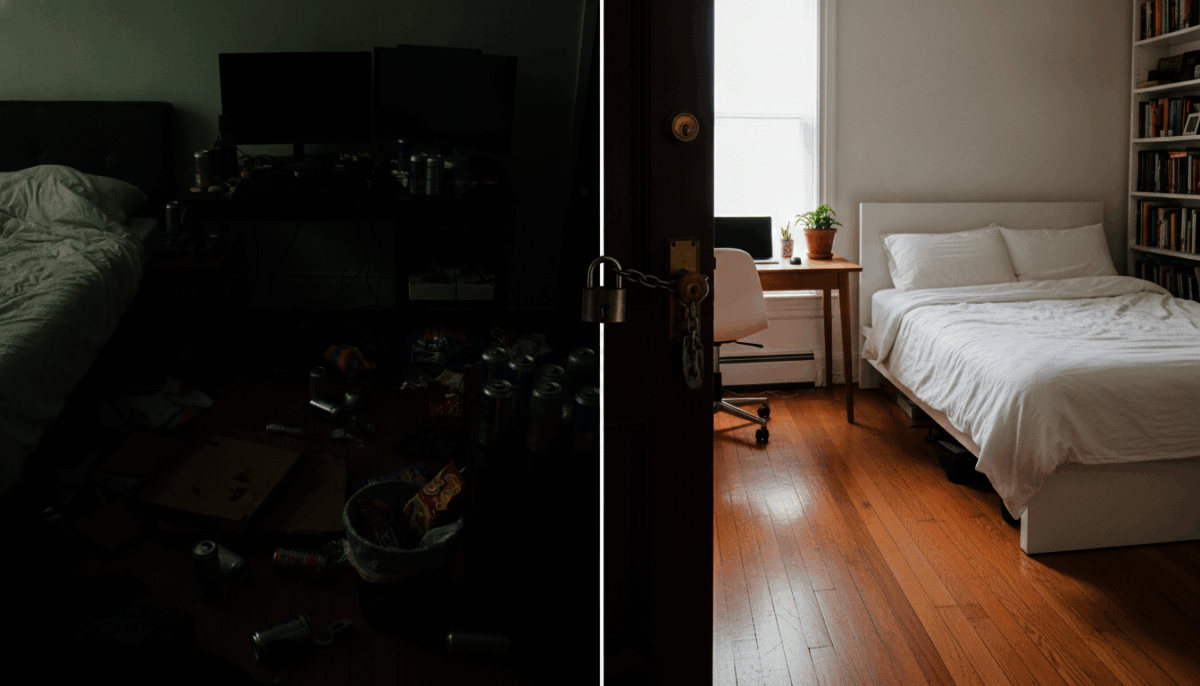
The next few days were characterized by a chilling silence. We didn’t speak. We passed each other in the common areas like ghosts. I had effectively cut off all non-essential communication. I started keeping all my kitchen supplies in my room, using a small portable hot plate and a mini-fridge I’d bought off a neighbor. The kitchen was his domain now, and he seemed to revel in the newfound freedom, his energy drink cans now sprawling across every available surface.
The tension was heavy, thick enough to be cut with a knife. He would leave his empty cans on the table for days, a silent protest against my ‘rebellion.’ I, in turn, kept my door locked, creating a physical divide to match the emotional one. It was petty, childish, and entirely necessary. I knew I couldn’t stay here, but I needed to find a way to break the lease or find a subletter without losing my security deposit.
I began documenting everything. Every time he left a mess, every time he used my things without asking, I took a photo. I kept a ledger of the food he had ‘borrowed’ and never replaced. It felt like I was building a case for a court that didn’t exist, but it gave me a sense of control. I wasn’t just a victim of his entitlement; I was an observer of his downfall.
“You’re really going to act like this for a jar of moldy flour? You’re so fragile, dude. It’s a kitchen, not a museum.”
— A note left on the counter by Greg
I didn’t dignify his note with a response. I just took a picture of it and filed it away. The irony of him calling me fragile while he was clearly bothered enough to write a note was not lost on me. He was trying to provoke a reaction, trying to bait me into an argument so he could feel like he had the moral high ground. I refused to play.
My friends were begging me to move out. They offered their couches, their spare rooms, anything to get me out of that apartment. It was tempting to just walk away, to leave everything behind and never look back. But I had a lease, and I had a responsibility to myself to not let him win. I was going to leave on my own terms, with my dignity intact.
The $1,400 Restaurant Bill Lesson
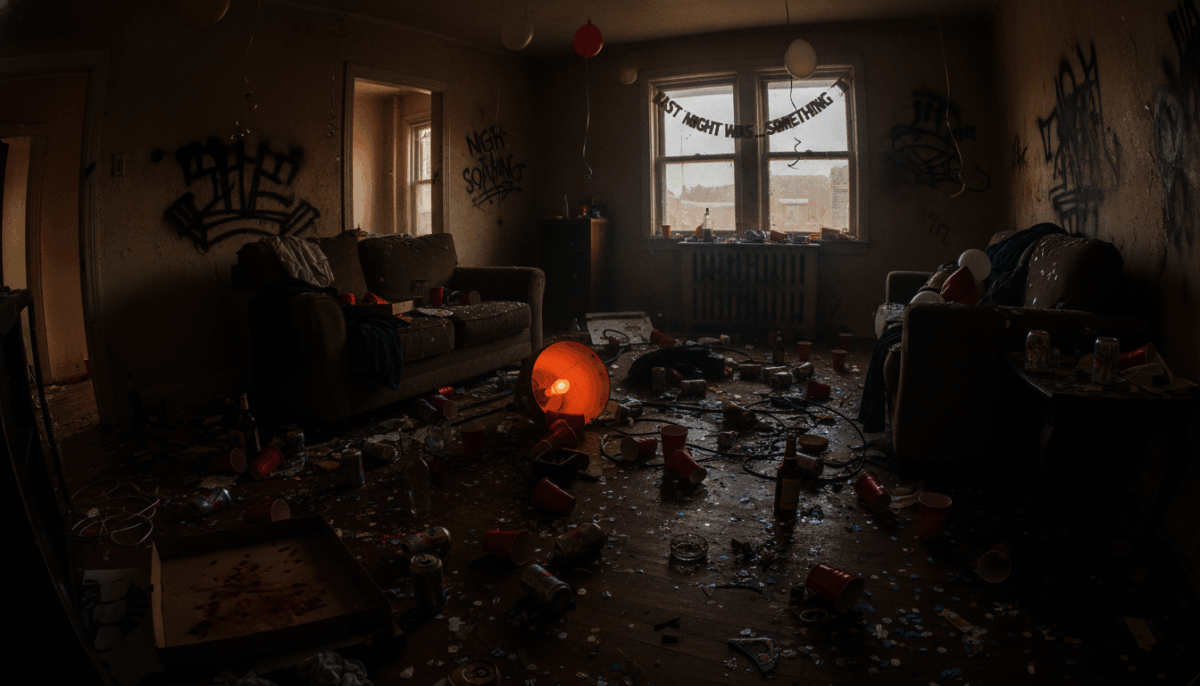
A week later, the situation took an unexpected, almost comedic turn. Greg decided to host a ‘pre-game’ party for some of his online gaming buddies, despite our unspoken agreement that the apartment was essentially a no-guest zone until the lease situation was resolved. I came home from work to find four strangers drinking in our living room, their shoes caked in mud, and the kitchen in absolute shambles.
I walked straight to the kitchen, ignored the guests, and started moving my personal items into my room. Greg followed me, trying to apologize but sounding more like he was annoyed that I was ‘ruining the vibe.’ He told me it was just a few friends and to relax. I didn’t say a word. I just kept packing my things. When the party ended, the state of the apartment was catastrophic.
The next morning, the landlord stopped by for an ‘unexpected’ inspection, which I had secretly requested two days prior. He took one look at the trash, the sticky floors, and the damage to the living room carpet and immediately issued a warning. He told us that if the apartment wasn’t professionally cleaned within 48 hours, there would be a massive deduction from our security deposit. The bill for the professional cleaners was exactly $1,400.
“I’m not paying for this. This is your guest, your trash, your problem. If you try to charge me, I’m taking you to small claims court.”
— Greg, after seeing the cleaning bill
He was fuming, but he knew he was caught. The landlord didn’t care about the ‘who did what’; he saw two tenants on a joint lease. I told him he could either pay his half, or I would pay it and sue him for his share in small claims court, using all the documentation I had collected over the past few weeks. It was a bluff, but it was a well-informed one.
He spent the next few hours frantically scrubbing the floors, his face beet red. It was the most satisfying thing I had ever seen. He had spent weeks acting like the king of the castle, and now he was scrubbing the results of his own party off the linoleum. I sat in my room, listening to the scrubbing sounds, and felt a strange sense of vindication. The sourdough starter might have been lost, but the balance of power had shifted permanently.
The Secret Group Chat Unmasked
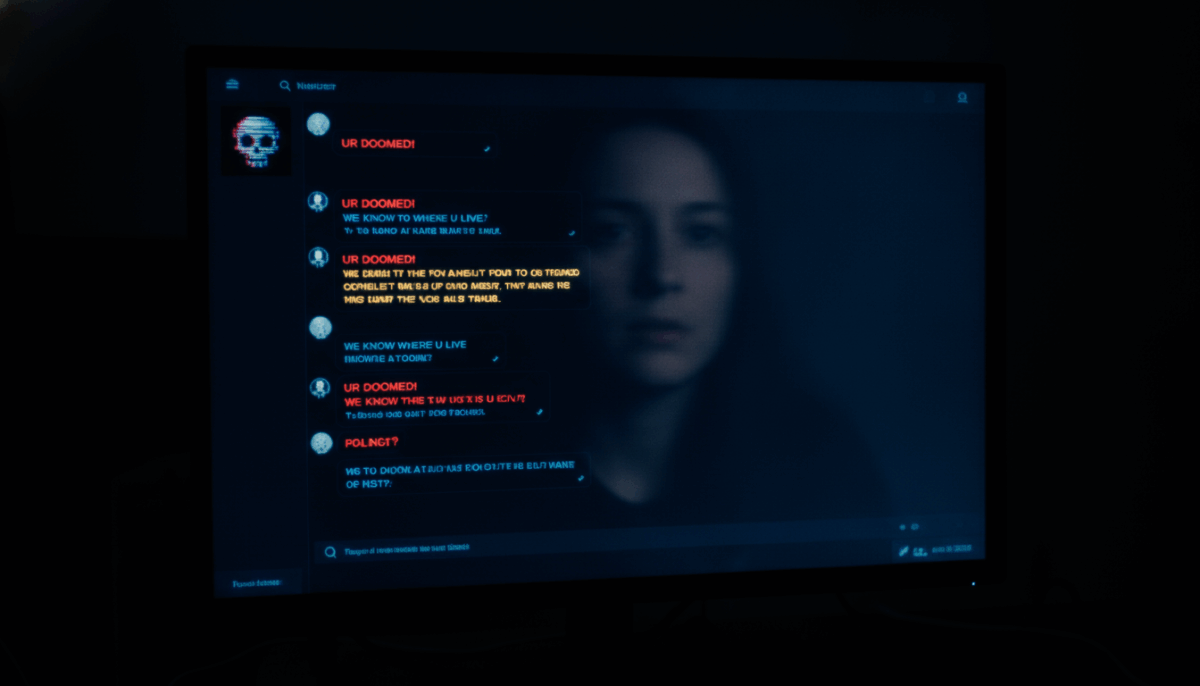
The true betrayal, however, wasn’t the starter or the mess. It was what I found on the communal laptop that we shared for streaming. Greg had left his browser open, and his WhatsApp Web was logged in. I wasn’t looking to snoop, but a notification popped up from a group chat titled ‘The Anti-Bread Club.’ I couldn’t help but look.
It was a group chat with three of his friends, discussing me, my ‘weird’ baking hobby, and ways to ‘make me crack.’ They had been plotting for weeks, talking about moving my things just to see how I would react. They were laughing about the sourdough, calling it ‘the ultimate victory’ when it finally got tossed. My stomach turned as I read through the messages, seeing how they viewed me as nothing more than a source of entertainment.
I realized then that this hadn’t just been a case of a messy roommate. This was targeted harassment. The sourdough wasn’t an accident; it was a mission. They had been intentionally pushing my buttons to see when I would finally break, and they were documenting the entire process for their own amusement. I was a character in their little reality show, and I hadn’t even known the camera was rolling.
“OP is finally losing it. I hid the starter in the back, let’s see if he notices. If he doesn’t, I’m dumping it tomorrow. Betting $50 he loses his mind.”
— A leaked message from the ‘Anti-Bread Club’ group chat
I took screenshots of everything. Every plan, every mocking comment, every evidence of the deliberate psychological warfare. I didn’t know what I was going to do with it, but I knew that I couldn’t let it go. This was beyond the scope of a simple roommate dispute. This was malice.
When I confronted him later that evening, he didn’t even try to deny it. He just laughed. He told me that I was too sensitive, that it was just a joke, and that I needed to grow a thicker skin. He didn’t see the harm in what he did; he saw it as a bonding experience with his friends. The disconnect between his perception of reality and mine was absolute.
The Final Exit Strategy

The decision to move out was no longer a question of ‘if’ but ‘when.’ I started looking for apartments immediately, not caring about the commute or the cost. Anything was better than spending another night under the same roof as someone who viewed my life as a punchline. I found a place, a small studio, and began the process of breaking my lease.
The landlord was surprisingly understanding when I showed him the evidence of the ‘Anti-Bread Club’ and the documentation of the kitchen damage. He allowed me to sublet my share of the apartment, provided I found a suitable replacement within 30 days. I spent those 30 days in a state of hyper-focus, packing my life away and ensuring that every single one of my belongings was accounted for.
Greg tried to act indifferent, but as the days went on, he started to realize the reality of the situation. Without me, he would have to pay the full rent. He would have to deal with the landlord on his own. He would have to actually take care of the apartment if he wanted to get his own security deposit back. He tried to backtrack, offering to ‘start over’ and apologizing for the ‘misunderstanding.’
“Look, let’s just call it even. You don’t have to move out. I was just blowing off steam. We can be cool again, right?”
— Greg, realizing he’s about to lose his subsidizer
I looked at him, truly looked at him, and realized that I didn’t hate him. I just pitied him. He was a person who needed to tear others down to build himself up, a person who lived in a permanent state of defensive projection. I didn’t owe him a friendship, and I certainly didn’t owe him my living space.
I moved out on the first of the month. I didn’t look back as I closed the door for the last time. The feeling of weightlessness as I walked to my car was the best thing I had felt in months. I had my belongings, I had my dignity, and I was going to be just fine.
The Aftermath and New Beginnings
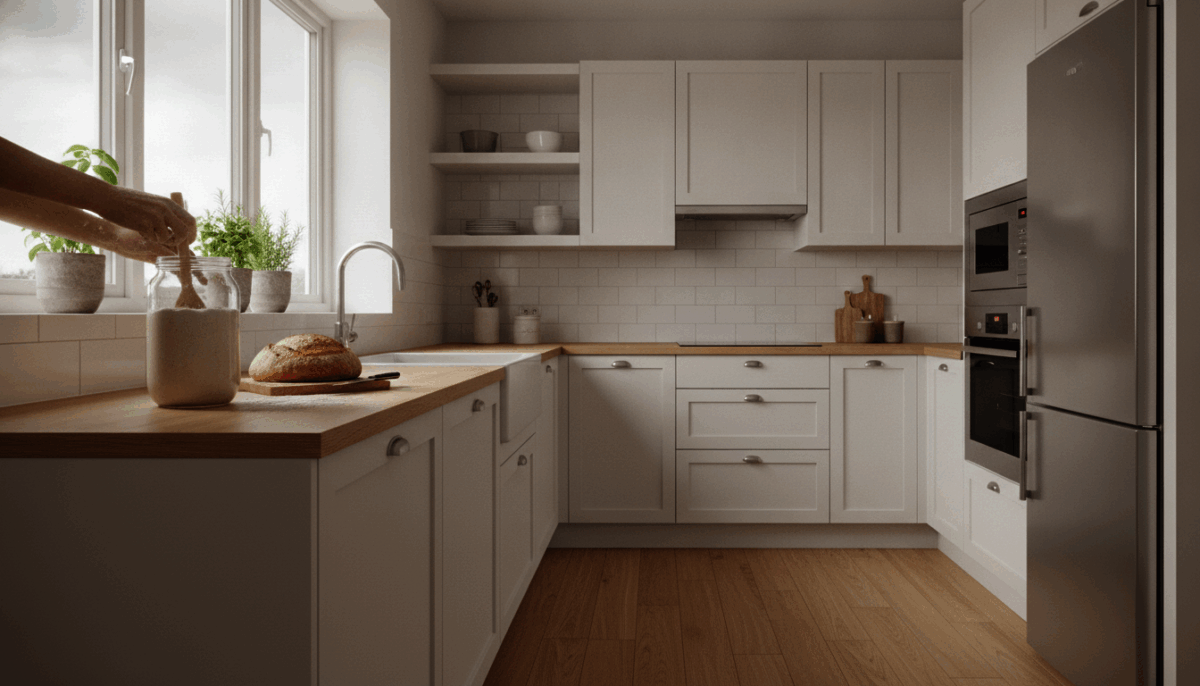
Life in my new studio is quiet. There is no one to argue with about the fridge, no one to steal my supplies, and no one to judge my hobbies. I bought a new jar of flour and water, and I’m slowly building a new culture. It’s not the same as Clint Yeastwood, but it’s a fresh start, and that’s what matters. I’m also much more protective of my things now, keeping my most precious items in a secure spot.
I kept in touch with a few people from the Reddit thread. One of them actually sent me a dried sample of their own sourdough culture, which I’ve successfully rehydrated. It’s a nice reminder of the support I found in the most unexpected places. It’s a testament to the fact that while some people are just there to cause chaos, there are many more who are willing to reach out and help.
Greg, as far as I know, is still in the apartment. I hear he’s struggling to find a new roommate, which is no surprise given his reputation. The landlord is keeping a very close eye on him, and I have a feeling he won’t be living there for much longer. He’s going to have to learn his lessons the hard way, and frankly, that’s not my concern anymore.
“I learned that you can’t change people who aren’t interested in changing. You can only change your environment and protect your own peace.”
— My reflection on the whole ordeal
I’ve learned a lot about boundaries, about the importance of vetting people before you move in with them, and about the fact that sometimes, the most ‘petty’ things are actually the most important. They are the markers of our values and the things that keep us grounded. I’m not going to let anyone make me feel bad about my passions ever again.
The ordeal was exhausting, but it was also formative. It forced me to stand up for myself in a way I never had before. It taught me that I am capable of handling conflict, of documenting the truth, and of removing myself from toxic situations. It’s a lesson I’ll carry with me for the rest of my life, regardless of where I live.
Reflections on Boundary Erosion

Looking back, it’s clear that the sourdough starter was never really the issue. The real issue was the erosion of boundaries. It happened so slowly that I didn’t even notice it until it was too late. It started with small favors and minor intrusions, and by the time I realized what was happening, the power dynamic had already shifted. It’s a classic trap, one that many people fall into when they prioritize ‘keeping the peace’ over protecting their own well-being.
I think the most important thing I learned is to listen to my gut. Every time I felt that flicker of annoyance or that sting of disrespect, I should have addressed it right then and there. I should have been firmer, clearer, and less worried about being ‘the difficult one.’ Being difficult is just another word for setting boundaries, and it’s a necessary skill in any shared living situation.
I also realized that I shouldn’t have relied on a shared appliance for something that was so important to me. If something is valuable to you, keep it under your control. It’s not about being paranoid; it’s about being responsible for the things you care about. If I had just kept my starter in my room from the beginning, the whole conflict might have been avoided, or at least redirected into something less personal.
“Boundaries aren’t walls; they’re filters. They let in what’s healthy and keep out what’s toxic. I forgot to put up my filter.”
— A thought on lessons learned
I also have a newfound appreciation for the people who supported me. The internet, for all its toxicity, can also be a place of incredible empathy and shared experience. Knowing that I wasn’t alone, that my feelings were valid, and that others had navigated similar messes was a huge relief. It reminded me that even in our most isolated moments, we are part of a larger community of people who are all just trying to figure it out.
I’m moving forward with a lot more confidence now. I know what I’m willing to tolerate, and I know what I’m not. I’m not going to be the person who lets someone else dictate the terms of my life in my own home. I’m the author of my own story, and I’m going to make sure the next chapter is a lot less dramatic than this one.
The Community Weighs In

The response to my final update was just as overwhelming as the initial post. People were genuinely happy to hear that I had moved out and that I was doing well. It was a nice, positive ending to a story that had started with so much frustration. It felt good to close the loop, to share the resolution and to see people celebrate the victory of a positive boundary.
There were also plenty of people who wanted to share their own ‘roommate from hell’ stories. It was a strange kind of catharsis, reading through all the different ways that living arrangements can go wrong. It made me feel like part of a club, the ‘I survived a bad roommate’ club. It’s a surprisingly large club, and we all seem to have similar stories of lost belongings and broken trust.
The takeaway for most people seemed to be the importance of communication. A lot of the stories were about misunderstandings, about people who just didn’t see the world in the same way. It reminded me that we’re all just doing our best, and sometimes, even our best isn’t enough to make a living situation work. And that’s okay. You don’t have to force a fit that isn’t there.
“I’m so happy you got out! You didn’t owe him anything, and you definitely didn’t deserve to be treated that way. Good for you for standing your ground and getting out of there.”
— u/SupportiveSoul (Top Comment, 15.2k upvotes)
I’m really glad I shared the story. It was a way to process what happened, to make sense of the madness, and to turn a negative experience into something that could help others. If even one person reads this and decides to set a boundary they’ve been afraid to set, then it was worth it. We all deserve to feel comfortable and respected in our own homes.
So, here’s to new beginnings, to fresh starters, and to the strength it takes to walk away from a situation that no longer serves you. It’s not always easy, and it’s not always pretty, but it’s always worth it. And remember, your sourdough starter—or whatever your passion is—is valid, and it deserves to be protected.
Conclusion
This saga of bread, boundaries, and bad roommates serves as a stark reminder that our living spaces are extensions of our identities. When we compromise on our personal standards to appease others, we don’t just lose our items; we lose a part of our peace. Whether it’s a seven-year-old sourdough starter or a simple desire for a clean kitchen, your personal boundaries are non-negotiable. I hope this story encourages you to evaluate your own living situations with a critical, self-respecting eye.
Now, I want to hear from you. Have you ever had a roommate who systematically violated your boundaries, or did you ever have to make an impossible choice to get out of a toxic living arrangement? What is the ‘sourdough starter’—that one thing you hold sacred—that you would never let a roommate touch? Share your stories in the comments below; let’s discuss the delicate art of coexistence and the breaking point of human patience.
What's your verdict on this dilemma?
Vote below to contribute to the official community consensus.

Have a Dilemma Keeping You Up at Night?
Share your real-life feud, wedding chaos, or relationship crossroads anonymously with our editorial team.
What do you think ?
0 Comments🛡️ Comments are moderated to protect community integrity. Your comment will appear once approved by the editorial team.