

When people speak about the ‘sacred’ items in a home, they usually refer to wedding rings or long-held photographs. For me, it was my grandmother’s Victorian-era tea service. It was the only thing I had left of hers—delicate, hand-painted, and kept tucked safely in the china cabinet for years. It survived the Great Depression, three family moves, and my own chaotic twenties. It did not, however, survive my roommate, Chloe.
Chloe considered herself an ‘up-and-coming ceramicist.’ That label, however, was a thin veneer for a lack of respect for personal property and a disturbing tendency to treat our shared apartment like a communal studio. I had been clear: do not touch the contents of the display case. It was a boundary articulated with surgical precision, a rule written in the lease agreement, and a point of contention that had been discussed over coffee more times than I can count.
The morning I discovered the destruction was quiet. The sun was streaming through the kitchen window, hitting the dining room table where the tea set was supposed to be resting safely. Instead, I found a nightmare. My grandmother’s tea cups were fused to the table, coated in a thick, metallic-sheened industrial glaze that smelled like a chemical plant. Chloe wasn’t just ‘experimenting’; she was actively destroying an irreplaceable legacy to facilitate her hobby.
What followed wasn’t just a simple apology. It was a masterclass in gaslighting, deflection, and the utter refusal to accept responsibility for a life-altering act of carelessness. The moment I realized that conversation would yield nothing but excuses, I knew that the kitchen table was no longer the place to settle this. It was time to move the conflict to a place where sentiments carry weight and damages have a dollar value: the Conciliation Court.
The Morning of the Chemical Meltdown
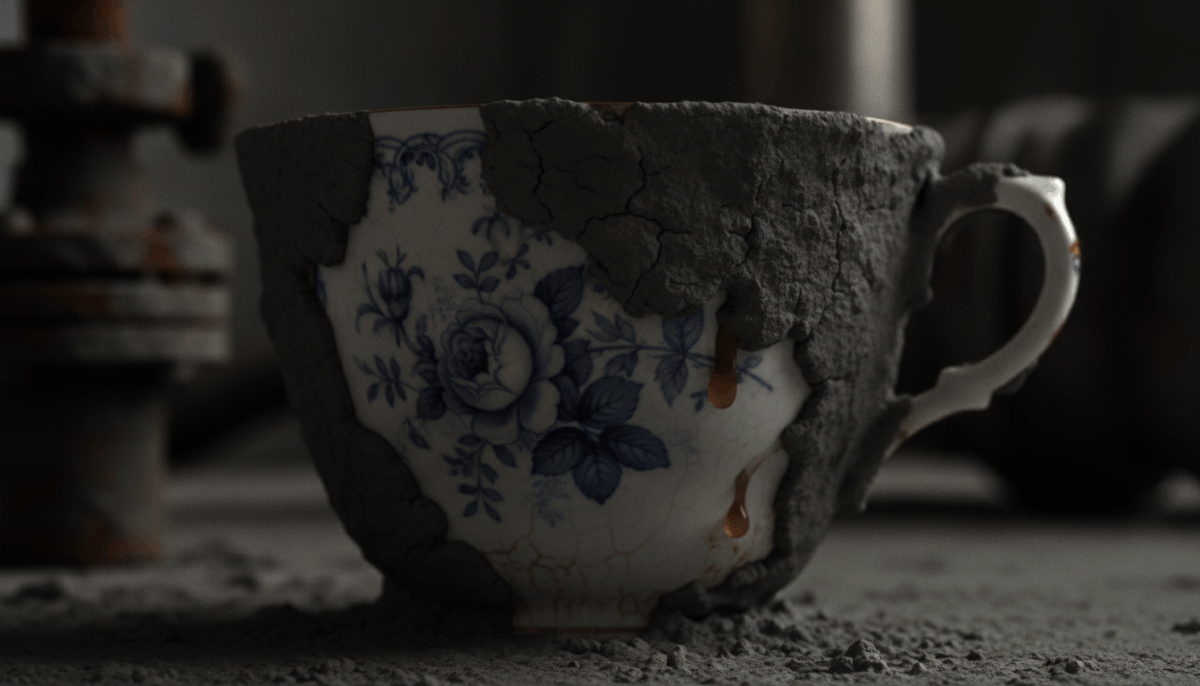
I walked into the kitchen at 7:00 AM, expecting nothing more than the hum of the refrigerator and the smell of my morning brew. Instead, the air was thick, cloying, and synthetic. It felt like I had walked into a laboratory accident. There, arranged with casual arrogance across my mahogany dining table, were six of my grandmother’s teacups, half-submerged in a gray, viscous sludge that had hardened into a rock-like state.
My heart stopped. I didn’t scream; I went cold. I reached out to touch the rim of the sugar bowl, and it was warm to the touch—still curing. The beautiful, hand-painted violets that my grandmother had loved so dearly were completely obscured by this industrial-grade epoxy-resin glaze. The sheer audacity of using a 1920s porcelain set as a mixing bowl for a hobby project was incomprehensible.
Chloe stumbled out of her room a few minutes later, still wearing an oversized t-shirt, holding a mug of coffee. She looked at me, then at the table, and let out a sigh that was meant to be dismissive. ‘Oh, you’re up early. Don’t touch those, they’re still setting. I needed something with a specific thermal capacity and the porcelain was the only thing that felt right,’ she said, as if she were discussing borrowing a stapler.
“You used my grandmother’s heirloom tea service as a bucket for your DIY chemistry project? Do you have any idea what you have just done?”
— Me, during the initial confrontation
The look on her face wasn’t one of shame; it was one of mild annoyance that I was interrupting her artistic flow. It was in that moment that I realized the chasm between our values was insurmountable. To her, it was a ‘tool.’ To me, it was a piece of my history that was now permanently marred by her sheer, unadulterated selfishness.
The Inevitable Gaslighting Cycle

The next few days were a blur of denial. Chloe insisted that she was ‘doing me a favor’ by adding ‘artistic value’ to the set, claiming that the vintage look was boring and needed a modern, edgy update. She actually had the gall to suggest that I should be thanking her for taking an interest in my belongings. It was a textbook exercise in minimization, designed to make me feel irrational for grieving a physical object.
She texted me incessantly while I was at work, trying to frame the narrative in a way that made me look like the ‘controlling, uptight’ roommate. She even brought in our other roommate, Dave, to mediate. Dave, who was terrified of confrontation, spent the entire time looking at his shoes while Chloe explained how ‘artistic expression’ should transcend ‘silly rules’ about kitchenware.
“Seriously, you’re acting like I committed a crime. It’s just old china. I’ll buy you a new set from IKEA if it’s that big of a deal. Get over yourself.”
— Chloe, via text message
I didn’t respond to the text. I didn’t want to engage in the mud-slinging. Instead, I started documenting everything. I took high-resolution photos of the damage, gathered the receipts from when the set was appraised for insurance years ago, and began looking up the specific statutes regarding property damage and intentional torts in our jurisdiction. The IKEA comment was the final nail in the coffin of our friendship.
Her dismissiveness proved that there was no path to resolution that didn’t involve her being held accountable by a third party. She truly believed that she was the main character of this universe and that my property was merely a prop for her life. The arrogance was staggering, and it fueled the precise, cold resolve I needed to handle this like a professional.
The Certified Letter of Demand
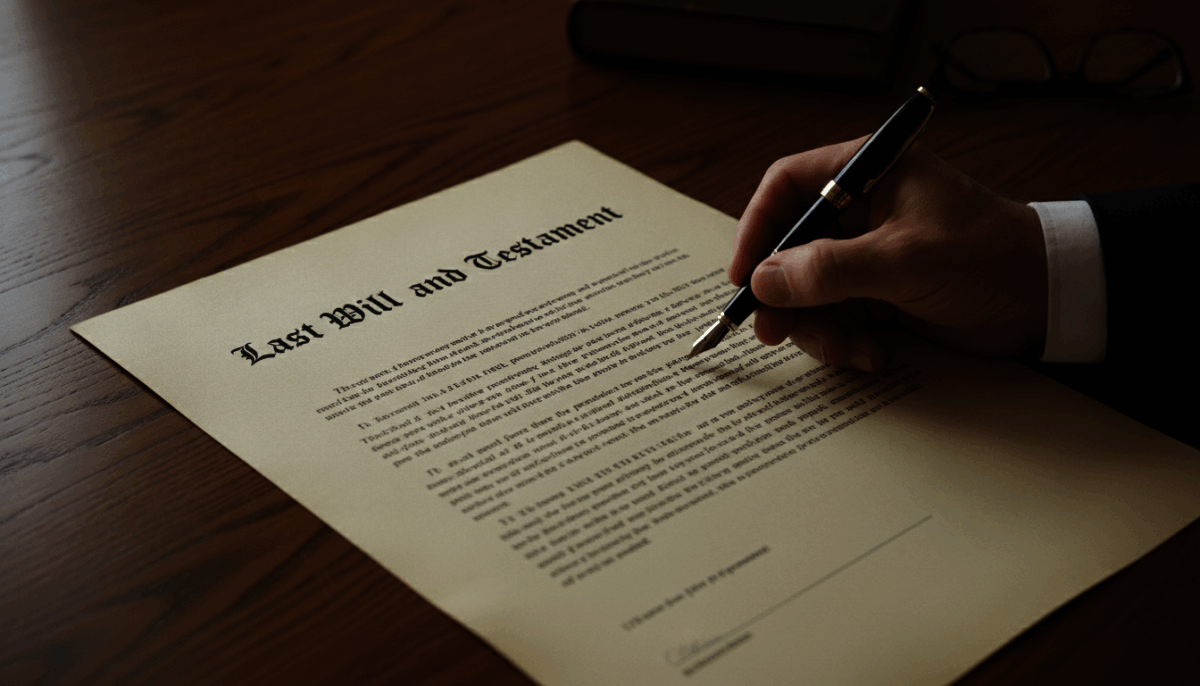
I didn’t send a text back. Instead, I went to a local print shop and drafted a formal letter of demand. I had a lawyer friend look it over—not to represent me, but just to ensure the language was legally sound. I itemized the cost of the tea service based on current market values for period-authentic sets, added the costs for professional cleaning attempts which had already failed, and gave her a strict 14-day deadline to pay the total or face legal action in Conciliation Court.
The moment I handed the envelope to her, her demeanor changed. The casual ‘it’s just old china’ attitude vanished, replaced by a frantic, high-pitched indignation. She tried to refuse the envelope, but I simply left it on the kitchen island and walked away. The silence that followed was heavy, a suffocating tension that hung in every corner of the apartment.
She spent the next week in a state of performative panic. I heard her on the phone with her parents, complaining that I was ‘ruining her future’ over a ‘minor misunderstanding.’ She even tried to guilt-trip me by leaving a list of her financial struggles on the counter, as if her personal budgetary failures had anything to do with her destroying my inheritance.
“Are you actually suing me? Over cups? You’re going to look like a total lunatic in front of a judge. This is pathetic.”
— Chloe, after reading the letter
I just looked at her, kept my face neutral, and said, ‘The court date is on the fourteenth, Chloe. I suggest you bring a checkbook.’ I had moved past anger. I was now in the territory of pure, clinical execution. The irony of her calling me a ‘lunatic’ while she stood in the kitchen surrounded by the evidence of her destruction wasn’t lost on me.
The Courtroom Confrontation
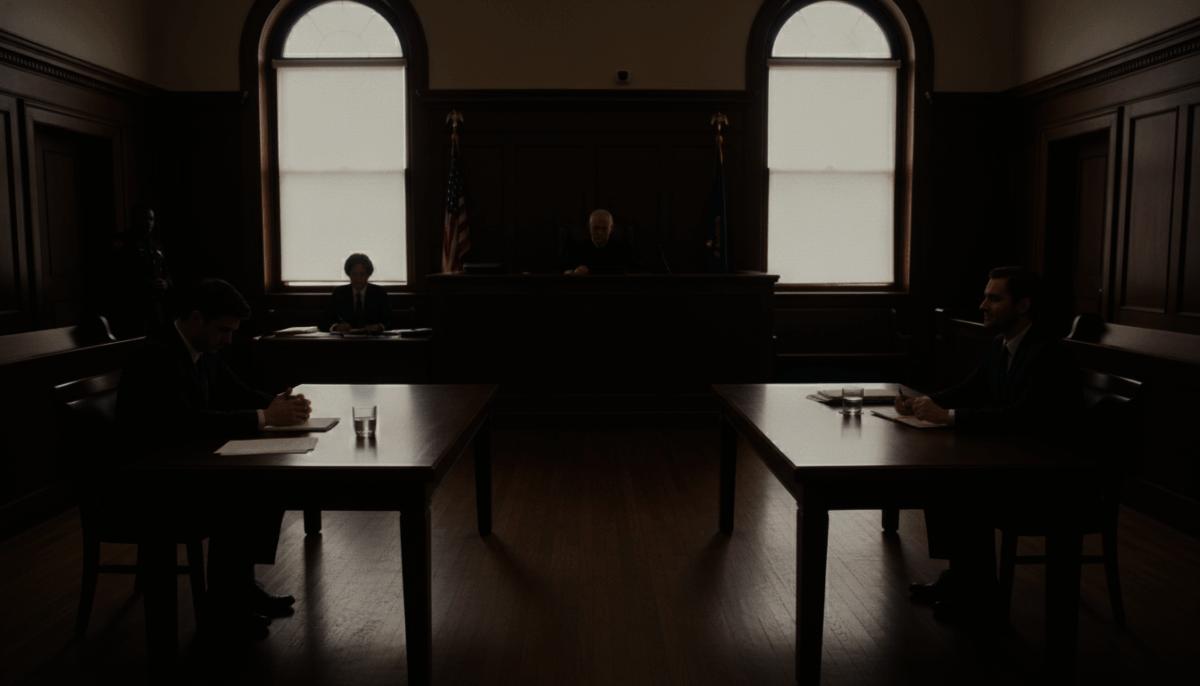
Conciliation Court, or ‘Small Claims’ as many call it, is a strange place. It’s a mix of exhausted judges and people who are deeply, personally offended by the petty injustices of life. Walking into the building, I felt a sense of clarity. Chloe showed up wearing a blazer that clearly didn’t fit, trying to look like a victim of circumstance, while I had brought a binder organized with photos, original appraisal documents, and our lease agreement.
The judge was a no-nonsense woman who had clearly seen enough roommate disputes to last a lifetime. She looked at the photos of the tea set with a raised eyebrow, her expression shifting from boredom to genuine shock when she saw the industrial resin fused to the delicate porcelain. ‘You used these as a mixing vessel?’ the judge asked, looking directly at Chloe.
Chloe tried to launch into a speech about ‘artistic process’ and ‘shared living spaces,’ but the judge cut her off within thirty seconds. The judge didn’t care about Chloe’s creative vision. She cared about property rights. It was a stark reminder that in the real world, your internal sense of entitlement does not trump the law of private property.
“The question isn’t whether you felt like an artist, Ms. Miller. The question is why you felt you had the right to destroy property that did not belong to you.”
— The Judge, during the proceedings
I sat there, listening as my argument—which I had agonized over for weeks—was validated in minutes. The judge wasn’t interested in the drama; she was interested in the damages. Watching Chloe realize that she couldn’t charm her way out of this was the most satisfying moment of the entire ordeal. She was cornered, not by me, but by the weight of her own actions.
The Verdict and the Reality Check

The ruling was swift. The judge found in my favor for the full amount, plus court fees. The look on Chloe’s face when the judgment was read was not one of regret, but of utter confusion, as if she truly couldn’t comprehend how a system could hold her accountable for something so ‘trivial.’ She tried to argue that she didn’t have the money, but the judge simply reminded her that a judgment is a debt that doesn’t just go away because you’re broke.
Walking out of the courthouse, the sun felt brighter. I had the paper in my hand—a legal validation of the fact that my boundaries were real, my property was sacred, and my feelings were not ‘lunacy.’ Chloe walked behind me, muttering about how I was ‘the worst person she’d ever lived with.’ I didn’t even turn around. I simply walked to my car and drove home.
The apartment felt different when I walked back in. I started packing my things immediately. The lease was up in two months, but I was going to pay the sub-lease penalty just to be out of there. I couldn’t live in a space that still smelled faintly of that chemical glaze, a permanent olfactory reminder of the entitlement that had almost cost me everything.
That evening, I posted a brief update on a local community board, omitting names but sharing the lesson: boundaries are not suggestions, and sometimes, the only way to get through to someone is to hit them where it actually hurts—their bank account. The response was overwhelming.
Reddit Weighs In: The Community Reacts

I shared my story anonymously on a popular subreddit dedicated to roommate nightmares. I expected some blowback, maybe some people saying I was being too hard on a ‘young artist,’ but the response was almost universally supportive. The community, it seemed, had dealt with their own fair share of ‘Chloe’ types.
“NTA. Your roommate sounds like the type of person who thinks rules are for everyone else. Glad you took her to court. Financial consequences are the only language people like that speak.”
— u/LegalEagle99 (Top Comment, 18.2k upvotes)
It was validating to see thousands of strangers recognize the absurdity of the situation. People shared their own stories—about roommates who used expensive makeup, borrowed clothes without asking, or, in one case, used a roommate’s laptop as a coaster for a hot drink. The common thread was the lack of respect for personal space and property.
“I had a roommate who used my grandmother’s vintage sewing machine to ‘fix’ her ripped jeans. She broke the needle and the bobbin housing. She told me the same thing—‘it’s just old, I can buy you a new one.’ People like this have no respect for sentimentality because they have no inner world. NTA, go get your money.”
— u/VintageLover88 (5.4k upvotes)
The discussion turned into a fascinating look at the ‘Main Character Syndrome’ that seems to plague shared housing. It made me realize that I wasn’t just fighting for my grandmother’s tea set; I was fighting against a culture of entitlement that tries to dismiss emotional and financial loss as ‘being dramatic.’ The community support helped me process the final bits of anger I was holding onto.
The Aftermath: Moving On

I moved out two weeks later. I left the ruined teacups in the kitchen trash, a final, fitting destination for them. I didn’t talk to Chloe again. I didn’t need to. The judgment was in the mail, and the legal system would handle the collection process. I had achieved what I needed: I had stood up for myself and enforced a boundary that I had allowed to be blurred for too long.
My new place is small, but it’s mine. I have a dedicated shelf for my new, much less expensive, but equally sentimental tea collection. I’ve learned that the ‘letting it go’ advice people give is often just code for ‘letting people walk all over you.’ Sometimes, you don’t need to let it go; you need to address it head-on.
I still think about my grandmother sometimes when I drink my morning tea. I miss the original set, of course. There is no replacing the history of those pieces. But there is a certain peace in knowing that I didn’t let her memory be completely erased by someone who didn’t care. I defended the physical remnants of her, and in doing so, I felt like I defended her legacy, too.
Chloe eventually reached out via email, asking if we could ‘work out a payment plan’ so I wouldn’t garnish her wages. I forwarded the email to the court-appointed collector and blocked her address. Some bridges aren’t meant to be burned; they’re meant to be completely dismantled, with the land cleared of anything that resembles the previous, toxic structure.
Reflecting on the Cost of Entitlement

Looking back, the financial cost was significant, but the psychological cost of keeping Chloe in my life would have been higher. Entitlement isn’t just a character flaw; it’s a tax on the people around you. Every time I didn’t say anything, every time I let a ‘small’ infraction slide, I was paying that tax. The court case was the moment I stopped paying.
I learned that boundaries are only as strong as the enforcement behind them. If you tell someone ‘don’t touch my stuff’ but don’t follow through when they do, you aren’t setting a boundary; you’re offering a suggestion. I had to learn that the hard way, through the loss of an irreplaceable heirloom. It’s a bitter lesson, but it’s one I’ll never forget.
I also realized that I don’t need to be the ‘cool’ roommate. I don’t need to be the person who laughs off damage to be liked. Being respected is far more valuable than being liked, and the people who truly deserve to be in your life will respect your boundaries without needing a court order to understand them.
If you find yourself in a situation where your boundaries are being treated like suggestions, don’t wait for the ‘big’ thing to happen. Address the small ones. If they can’t respect you when it’s minor, they certainly won’t respect you when it’s major. Protect your peace, and if necessary, protect your property with every legal tool at your disposal.
Why We Hold Onto Things

There’s a deeper question here about why we attach so much meaning to objects. It’s easy for the ‘Chloes’ of the world to mock sentimentality, to call it ‘just stuff.’ But objects are the physical anchors of our memories. My grandmother’s tea set wasn’t just porcelain; it was the Sunday afternoons we spent together, the stories she told, the way the light caught the violets when she poured the tea.
When Chloe destroyed the set, she wasn’t just destroying physical objects; she was destroying a vessel of my history. That’s why it hurt so much, and that’s why the legal response felt like the only appropriate reaction. You can’t sue someone for the emotional pain of a lost memory, but you can sue them for the destruction of the vessel that held it.
It’s important to acknowledge that grief isn’t just for people. We grieve things, too. And when those things are taken from us through carelessness, it feels like an assault. Acknowledging that pain—instead of minimizing it to make others feel better—is a crucial part of the healing process. I was allowed to be angry. I was allowed to be devastated.
So, to anyone who has had an heirloom destroyed by a careless roommate or family member: you are not being ‘petty.’ Your feelings are valid. The object may be replaceable in terms of market value, but the meaning behind it is entirely your own. Stand your ground, document everything, and don’t let anyone tell you that your history isn’t worth defending.
The Final Lesson: Boundaries as Self-Care

The journey from the shock of the kitchen floor to the resolution in the courtroom was long, but it was essential. I’ve come to see that the entire experience was a form of radical self-care. It was me saying, ‘I value myself enough to demand justice.’ It was me saying, ‘I value my history enough to fight for its remnants.’ It was me saying, ‘I will no longer prioritize someone else’s comfort over my own integrity.’
Since that day, my life has become significantly quieter and more secure. I have zero tolerance for the ‘I was just borrowing it’ or ‘it’s not a big deal’ mentality. I’ve found friends who understand that my home is a sanctuary, not a studio, and that my belongings are an extension of who I am. It’s a much healthier way to live.
If you are currently living with someone who treats your space or your things with casual disregard, don’t wait for the breaking point. Set the boundary now. Make it clear, make it firm, and if they don’t respect it, make it known that there will be consequences. You deserve to live in a space where you feel respected, not exploited.
And to Chloe, wherever you are: I hope you learned that the world doesn’t bend to your artistic whims. I hope you learned that there are consequences for destroying what belongs to others. But mostly, I hope you learned that you can’t buy your way out of the reputation you build for yourself.
Conclusion
The saga of the destroyed tea service ended not with a bang, but with a series of quiet, necessary legal motions and a move to a new home. It was an experience that cost me an heirloom, but gave me back my sense of agency and self-respect. It is a reminder that while we cannot always control the actions of the careless and entitled, we have absolute control over how we respond to them.
Whether it’s a roommate, a family member, or a partner, the principle remains the same: your boundaries define your reality. Don’t let others shrink that reality to fit their own convenience. If you feel like your boundaries are being tested today, consider this your sign to draw a line in the sand—and make sure it’s a line they cannot cross without facing the consequences.
What about you? Have you ever had to take a roommate or friend to small claims court over destroyed property or unpaid debts? Does the ‘Artistic License’ excuse ever hold any weight in your opinion? Let us know in the comments below.
What's your verdict on this dilemma?
Vote below to contribute to the official community consensus.

Have a Dilemma Keeping You Up at Night?
Share your real-life feud, wedding chaos, or relationship crossroads anonymously with our editorial team.
What do you think ?
0 Comments🛡️ Comments are moderated to protect community integrity. Your comment will appear once approved by the editorial team.