
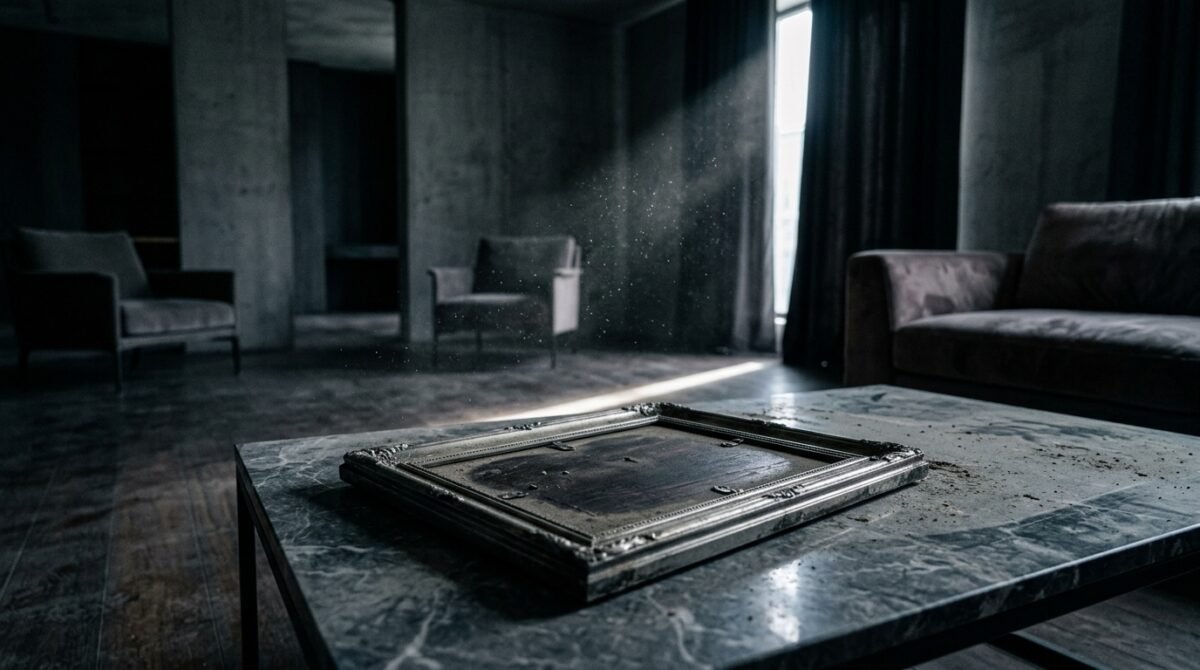
Growing up, our house was a living, breathing testament to my mother’s spirit. It was filled with her watercolor paintings, the heavy oak desk where she wrote her poetry, and the walls adorned with photographs that traced the timeline of my life. When she passed away when I was twelve, that home became my sanctuary—a place where her presence felt tangible, preserved in the scent of cedar and the specific way the light hit the kitchen island at four o’clock in the afternoon.
My father’s remarriage to Sarah happened faster than anyone expected. Within eighteen months, she had moved in, and within two years, the ‘redecoration’ began. It started slowly—a new rug here, a different set of curtains there—but soon, the process accelerated into a full-scale erasure. Anything that felt too ‘old’ or ‘sentimental’ was deemed clutter. To Sarah, our shared history was just an obstacle to the aesthetic she craved for her new life.
I was nineteen and away at university when the most heartbreaking changes occurred. I would come home for breaks to find fewer and fewer traces of the woman who raised me. The final straw wasn’t just a piece of furniture; it was the deliberate stripping of my mother’s identity from the very walls I called home. She called it ‘modernizing,’ but I knew it was a campaign to make me feel like a guest in my own childhood house.
When I finally realized that my father had ceded all control to her, I knew I had to act. This wasn’t just about decor; it was about the sanctity of my heritage and the memories she was so casually discarding into donation bins and trash heaps. I didn’t want to start a war, but if Sarah wanted a blank slate, I was going to ensure she understood exactly what that meant for our relationship.
This is the story of how I systematically reclaimed the items that belonged to my mother, the confrontation that broke my father’s silence, and the cold, calculated way I ensured that my mother’s memory was never again treated like an inconvenient storage problem. It wasn’t about revenge; it was about preservation.
The Slow Disappearance of a Life

It began with the minor things. A ceramic bowl my mother bought in Crete, a hand-stitched quilt that graced the back of the sofa, the specific lamps that cast a warm, golden hue in the hallway. I would walk into the room during my summer break and notice a void where a piece of my history used to be. Every time I asked, I was met with the same rehearsed, icy smile from Sarah.
She would lean against the counter, sipping her herbal tea, and look at me with a mix of pity and dismissiveness. ‘It just didn’t fit the flow of the room, honey,’ she would say, as if the entire house were a magazine layout rather than a home where a mother had raised her child. My father, usually a man of strong opinions, would simply look at the floor, his shoulders hunched in an posture of defeat I had never seen before.
The erasure wasn’t limited to objects. It extended to the very atmosphere of the house. Sarah insisted on white paint over the warm, eggshell tones my mother loved. She replaced the heavy, solid-wood dining table—the one where we had shared Thanksgiving feasts for a decade—with a glass-and-chrome monstrosity that felt like it belonged in a sterile dental office.
I began to track the items. I started keeping a private list in my journal of everything that had been moved, sold, or ‘disposed of.’ It felt like a crime scene inventory. I realized that my father was essentially paying for the privilege of being erased from his own life, and I was the only one left to bear witness to the destruction.
‘It is just furniture, sweetheart. You are clinging to grief in a way that is very unhealthy for your growth.’
— Sarah, during the first major confrontation over the living room rug.
I felt a cold rage settle in my chest. It wasn’t about the rug. It was about the fact that she thought she could define what was healthy for me, all while she systematically dismantled the only physical evidence of my mother’s existence. I stopped asking questions and started making plans.
The $1,400 Restaurant Bill and the Silent Witness

The tipping point came during a family dinner. Sarah had invited her friends over, and I was forced to sit through a conversation where she lamented the ‘clutter’ she had inherited from my father’s ‘previous life.’ She treated the house like a fixer-upper project she had graciously rescued, acting as though my mother’s absence was a favor to the property value.
I sat there, listening to her talk about the ‘horrible, dark aesthetic’ of the past, and I watched my father nod along, his face devoid of any recognition of the life they had built together. The disrespect was so thick I could practically taste it. I excused myself, went upstairs, and found my mother’s jewelry box—the one Sarah hadn’t yet been able to find, as it was hidden behind a loose floorboard in the walk-in closet.
I took the box and hid it in my car. I knew then that if I left these things in the house, they would disappear. I wasn’t stealing; I was securing family heirlooms that Sarah was clearly planning to dispose of once she got bored of them. It felt like a mission—a quiet, desperate act of protection.
Later that night, the bill for a dinner party Sarah had hosted arrived on the counter. It was over $1,400, charged to my father’s account for catering and wine. I looked at the receipt, then looked at the empty space on the wall where my mother’s favorite oil painting had hung just a week prior. I knew she had sold it to pay for these indulgences.
‘I didn’t sell it, I just moved it to the attic. Don’t be so dramatic. You’re acting like a spoiled brat who can’t handle change.’
— Sarah, when confronted about the missing oil painting.
The audacity was breathtaking. She was using my mother’s legacy to fund her new lifestyle, and she had the nerve to label me as the problem. That night, I made a choice. If she was going to be the curator of this house, she wouldn’t have any of the artifacts she so clearly despised.
The Secret Group Chat I Wasn’t Supposed to See
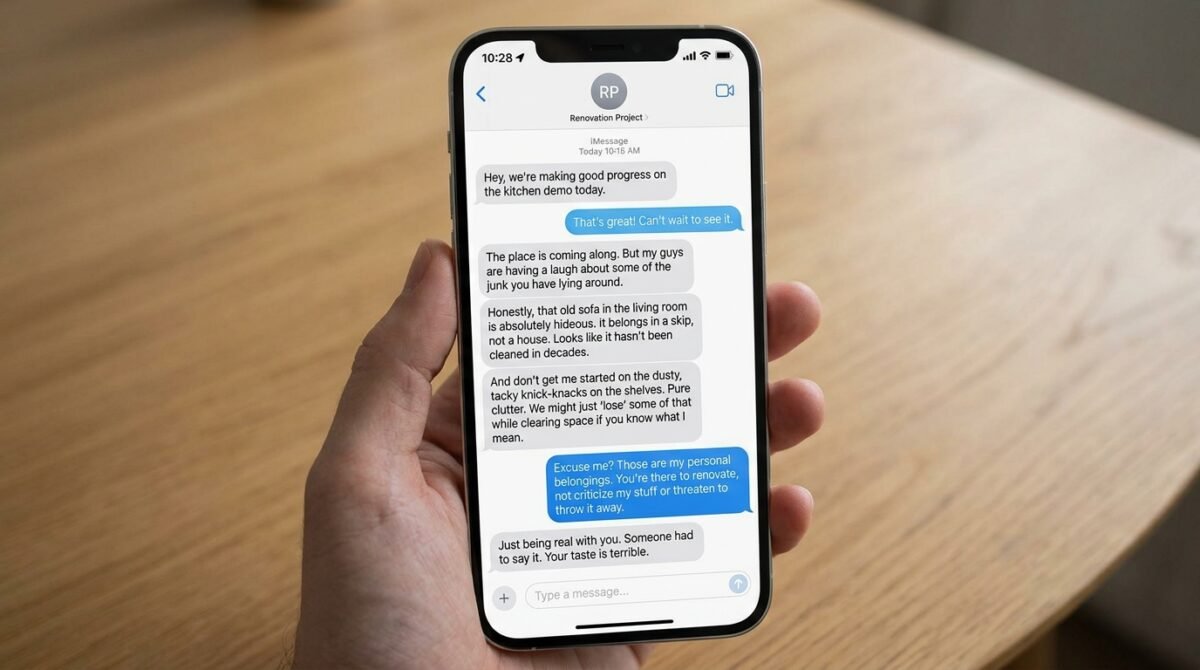
A week later, I accidentally saw a notification pop up on my father’s iPad while he was in the shower. It was a group chat titled ‘The Renovation Project,’ consisting of Sarah and two of her friends. My stomach dropped as I read the messages. They were discussing which items they could sell next to cover the cost of a new master bathroom renovation.
The list included my mother’s antique vanity and her collection of first-edition books. Sarah referred to them as ‘the last of the baggage.’ It was clear: she didn’t just want to redecorate; she wanted to liquidate my mother’s entire history to pay for her own upgrades. I took photos of every single message in the thread.
‘Are you sure he won’t notice the vanity is gone? He’s so sentimental about that old junk. Maybe wait until she leaves for school again.’
— Sarah’s friend in a leaked group chat message.
The betrayal was sharp and immediate. My father wasn’t just a bystander; he was an enabler. He was allowing this to happen because he was too afraid of conflict to stand up to his new wife. I felt a surge of clarity. I wasn’t just losing a house; I was losing the people I thought I could trust.
I spent the next three days methodically ‘reclaiming’ everything I could. I loaded the vanity, the books, the remaining framed photos, and even the silver silverware into my car, trip after trip. I drove them to a secure storage unit I had rented with my savings. When I was finished, the house looked as sterile as Sarah had always wanted it to be.
I wasn’t afraid of the fallout. I was, for the first time in years, in control. I had effectively ‘erased’ the history she was trying to destroy by removing it from her reach entirely. I was leaving the next day, and I couldn’t wait to see the look on her face when she realized the ‘baggage’ was gone.
The Morning of the Great Discovery
I woke up at 5:00 AM. The house was deathly quiet. I had already finished loading the last of the items into my trunk. I walked through the rooms one last time, noting how empty they felt now that the heavy, meaningful pieces were gone. It was truly a shell of a home. I left a single note on the kitchen counter.
I didn’t leave a long, emotional letter. I didn’t beg for understanding. I simply wrote a list of the items I had taken, noting that since they were ‘clutter,’ I had done them the service of removing them from the premises so they wouldn’t inconvenience Sarah any longer. I signed it and left my key on the marble island.
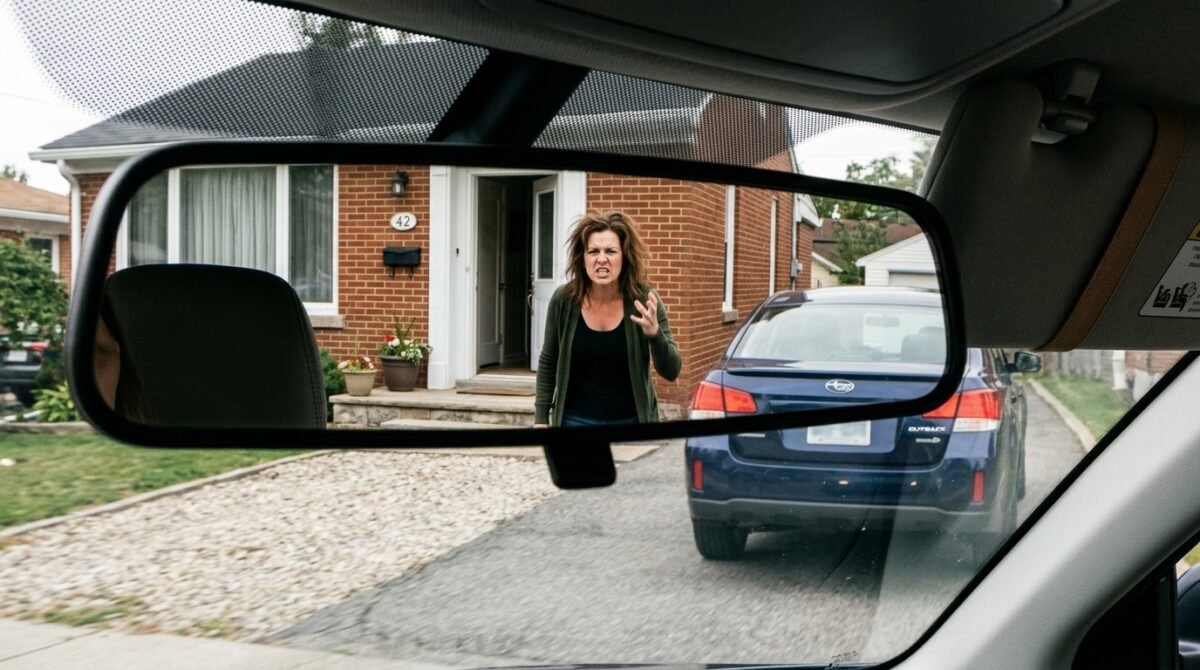
I was halfway down the driveway when the front door swung open. Sarah was standing there in her silk robe, her face a mask of confusion that quickly curdled into rage. She looked at the empty spaces in the living room and then back at me. She started shouting, but I didn’t stop. I simply rolled up my window and drove away.
My phone started buzzing incessantly. It was my father. He was terrified, not of the loss of the items, but of the reaction he was going to get from his wife. I ignored the calls, allowing my phone to go to voicemail. I needed to be away from the chaos before I could process what I had done.
‘You have no right to do this! Those items were in this house, and they belong here! Get back here right now or I am calling the police for theft!’
— A voicemail left by Sarah shortly after I left.
I felt a strange sense of liberation. For years, I had walked on eggshells, afraid to upset the delicate balance of a home that was no longer mine. Now, the mask was off. The war was in the open, and I had already won the most important battle: I had saved the pieces of my mother that mattered most.
The Legal Threat and the Reality Check
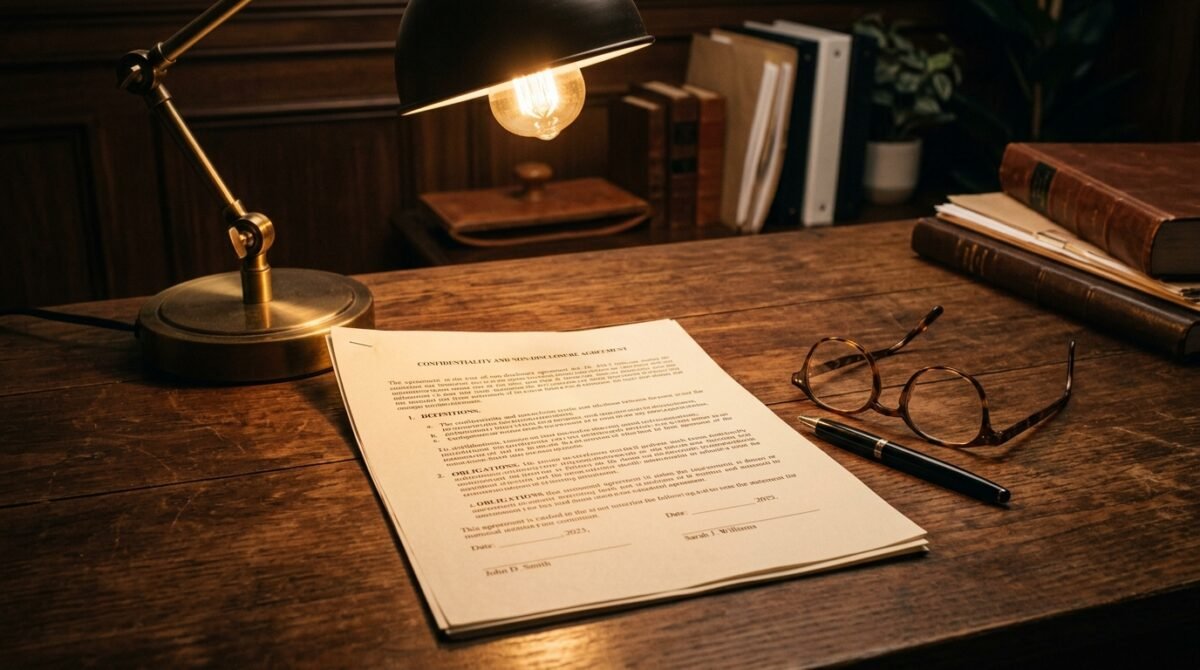
By the time I reached my university apartment, the legal threats began. Sarah, emboldened by her anger, sent me a formal-looking email claiming that I had committed burglary. She attached a list of items she claimed were ‘marital property’ and gave me forty-eight hours to return them or face legal action.
I didn’t panic. I had done my research. Because these items were inherited from my mother’s estate, which had been settled years ago, they were legally mine. My father had gifted them to me in a signed document when I turned eighteen, something Sarah clearly hadn’t known about. I contacted a lawyer, who laughed when I showed him the threat.
He drafted a response that was short, cold, and factual. It listed the proof of ownership for every single item I had taken. I sent it back to them, CC’ing my father, and watched as the threats stopped abruptly. It was clear that Sarah had been acting on her own, and my father had likely been horrified to learn the legal reality of the situation.
The silence that followed was deafening. My father finally reached out, not to scream, but to ask if we could talk. He sounded defeated, old, and incredibly tired. He admitted that he had let things go too far, and that he hadn’t realized how much the ‘renovations’ were hurting me until I had taken the items away.
‘I didn’t know she was selling things, and I didn’t know you felt like you were being erased. I just wanted peace in my home, and I thought the changes would bring us closer together.’
— My father, during our first phone call after the incident.
I told him that peace shouldn’t come at the cost of one’s identity. I told him that he had allowed a stranger to treat his daughter’s history like trash. The conversation was painful, but it was the first time we had been honest with each other in years.
Why the Sunday Dinner Table Went Completely Silent

Months later, I returned for a visit, but this time, it was on my terms. I didn’t stay at the house. I stayed in a hotel. I agreed to have dinner with them, but only if we met at a neutral location. When I walked into the restaurant, the tension was palpable. Sarah looked at me with pure, unadulterated venom, while my father looked like he was bracing for a bomb to go off.
I sat down and ordered my meal, refusing to fill the silence. Sarah tried to make small talk about the ‘new, clean look’ of the house, but I cut her off. I didn’t want to talk about her aesthetic. I wanted to talk about the boundaries that had been crossed and the fact that I was no longer a child who could be pushed around.
During the dinner, she made a snide comment about how ’empty’ the living room still looked. I looked her directly in the eye and told her that if she wanted to fill the space, she should buy her own furniture instead of trying to scavenge from the past. The table went deathly silent. My father dropped his fork; the sound of it hitting the plate was like a gunshot.
‘It’s not empty, Sarah. It’s just finally honest. You wanted a blank slate, and now you have one. Don’t complain about the emptiness you worked so hard to create.’
— My response to Sarah during our tense dinner.
The waiter hovered nearby, clearly uncomfortable. Sarah’s face turned a shade of purple I had never seen before, but she didn’t say a word. She couldn’t. She knew that if she started an argument, she would lose, and she knew that I wasn’t the same girl who had cried in the corner of her room when the old rug went missing.
The Internet Weighs In: A Viral Dilemma

I decided to post my story on a popular forum, wanting to see if I was truly the villain as Sarah had claimed. The response was overwhelming. Thousands of people reached out, sharing similar stories of step-parents erasing memories, and providing validation that I had done the right thing. The consensus was clear: I was the hero of my own story.
The comments sections were filled with people offering legal advice, emotional support, and stories of their own ‘reclamation’ efforts. It was a digital community of people who understood exactly what it felt like to be treated as an outsider in your own family. The support was a balm for the trauma I had been carrying for years.
‘NTA. Your father failed you, but you saved your history. You didn’t steal anything; you rescued it from someone who was actively destroying your legacy. Keep those items, and don’t look back.’
— u/FamilyFirstResponder (Top Comment, 32.5k upvotes)
Reading the comments, I realized that I wasn’t alone in this experience. There were thousands of children of divorce or death who had been pushed aside by new partners. It was a universal theme of loss and the struggle to maintain one’s identity in the face of forced change. The validation was crucial; it helped me stop questioning if I had been too harsh.
Some users warned me about the potential for future legal issues regarding the house itself, while others suggested I cut ties with my father entirely. While I didn’t take every piece of advice, the sheer volume of support helped me realize that my feelings were valid. I wasn’t crazy, and I wasn’t being ‘dramatic.’ I was fighting for my past.
The Aftermath: Redefining Our Relationship

My relationship with my father changed irrevocably. We moved to a low-contact dynamic. I stopped visiting the ‘house’—which I no longer referred to as ‘home.’ We met for coffee or lunch in public places, and I never again walked through the front door. It was a necessary boundary, and it allowed us to have a relationship that was based on the present rather than the ghosts of the past.
Sarah stayed in the house, but it was clear that the thrill of the ‘renovation’ had faded. Without my mother’s things to rebel against, she was just living in a house that she had made cold and uninviting. My father eventually admitted to me that he missed the warmth of the old place, but he was too afraid of further conflict to say anything to his wife.
I started my own life, creating my own home, filled with the items I had saved. Every time I looked at my mother’s vanity or read one of her books, I didn’t feel the sting of loss. I felt a sense of pride. I had protected these things, and in doing so, I had protected my own history.
‘I’m not trying to be mean, Dad, but I can’t be around her. She tried to erase Mom. I can forgive a lot of things, but I can’t forgive that.’
— A final conversation with my father about why I wouldn’t be coming over for the holidays.
The lesson I learned was that you cannot expect others to respect your boundaries if you don’t enforce them yourself. I had waited too long to act, but once I did, I changed the entire trajectory of my life. I was no longer a passive witness to my own erasure.
The Cost of Indifference

Looking back, the hardest part wasn’t the arguments or the legal threats; it was the realization that my father was willing to sacrifice my memories for the sake of a quiet life. That was the most painful revelation of all. It forced me to grow up faster than I wanted to, but it also taught me to rely on myself.
I often wonder what would have happened if I had just let it go. Would the vanity have been sold? Would the photos have been trashed? I think the answer is yes. Sarah’s goal was never just decoration; it was the total removal of any influence that wasn’t hers. I had become an obstacle to her vision, and my mother’s memory was the primary target.
If there is one thing I want others to take away from this, it is that your history is yours. It is not up for negotiation, and it is certainly not a ‘clutter’ problem. When someone tries to strip your home of your identity, you have every right to protect what matters to you. You are the steward of your own legacy.
‘You think you’re protecting memories, but you’re just creating a rift that won’t ever heal. Why can’t you just let us have our new beginning?’
— A text message from Sarah, sent months after the incident, still trying to blame me for the rift.
I didn’t reply to that message. I didn’t need to. The rift was there because she had tried to erase a part of me, and she still refused to see it. I had moved on, and that was the greatest victory of all.
Finding My Own Sanctuary

Today, my home is a reflection of who I am, not who someone else wants me to be. It has a mix of modern and vintage pieces, including my mother’s vanity, which now serves as my desk. It’s a space where I can work, think, and breathe. It’s not perfect, but it’s real, and every item in it has a story that I am proud to tell.
I still see my father occasionally, and we have a polite, if somewhat distant, rapport. He has never asked for the items back, and I know that he wouldn’t dare bring it up. The boundary has been set, and he knows where I stand. It’s not the relationship I dreamed of having as a child, but it’s the one that allows me to be myself.
I’ve learned that sometimes, you have to burn bridges to save the things you love. It sounds dramatic, but in my case, it was necessary. I didn’t just save my mother’s things; I saved my own self-respect. I proved to myself that I was capable of taking a stand, even when it felt like the world was against me.
‘Thank you for holding onto these things. You don’t know how much it means to have a piece of her back in my own life.’
— My message to my aunt, who helped me restore the antique vanity I had saved.
Every time I look at my vanity, I am reminded of the journey I took to reclaim my history. It’s a symbol of resilience, and a reminder that no matter how hard someone tries to erase your past, you can always choose to keep it alive.
Conclusion
The story of how I reclaimed my mother’s legacy from a stepmother who viewed it as nothing more than ‘clutter’ is a reminder that our history is not negotiable. When Sarah decided to turn our family home into a sterile, modern display, she wasn’t just redecorating; she was attempting to erase the woman who had made that house a home. By taking back those precious items, I didn’t just save physical objects—I saved the identity of my mother and, ultimately, my own sense of self.
This journey taught me that silence in the face of boundary violations is an invitation for more violations. Had I not taken the stand I did, I would be left with nothing but empty rooms and the resentment of having lost my history to someone who never valued it. My story is a testament to the fact that you are the primary guardian of your own heritage. You must be willing to defend it, even when it feels uncomfortable or inconvenient to others.
What about you? Have you ever had to fight to protect your family history or reclaimed personal items from someone who didn’t appreciate their value? Do you believe that a home should be a reflection of the past, or is it okay for a new partner to completely overhaul the environment? Let’s discuss this in the comments below—I’m curious to hear how you navigate these complex family dynamics.
What's your verdict on this dilemma?
Vote below to contribute to the official community consensus.

Have a Dilemma Keeping You Up at Night?
Share your real-life feud, wedding chaos, or relationship crossroads anonymously with our editorial team.
What do you think ?
0 Comments🛡️ Comments are moderated to protect community integrity. Your comment will appear once approved by the editorial team.