
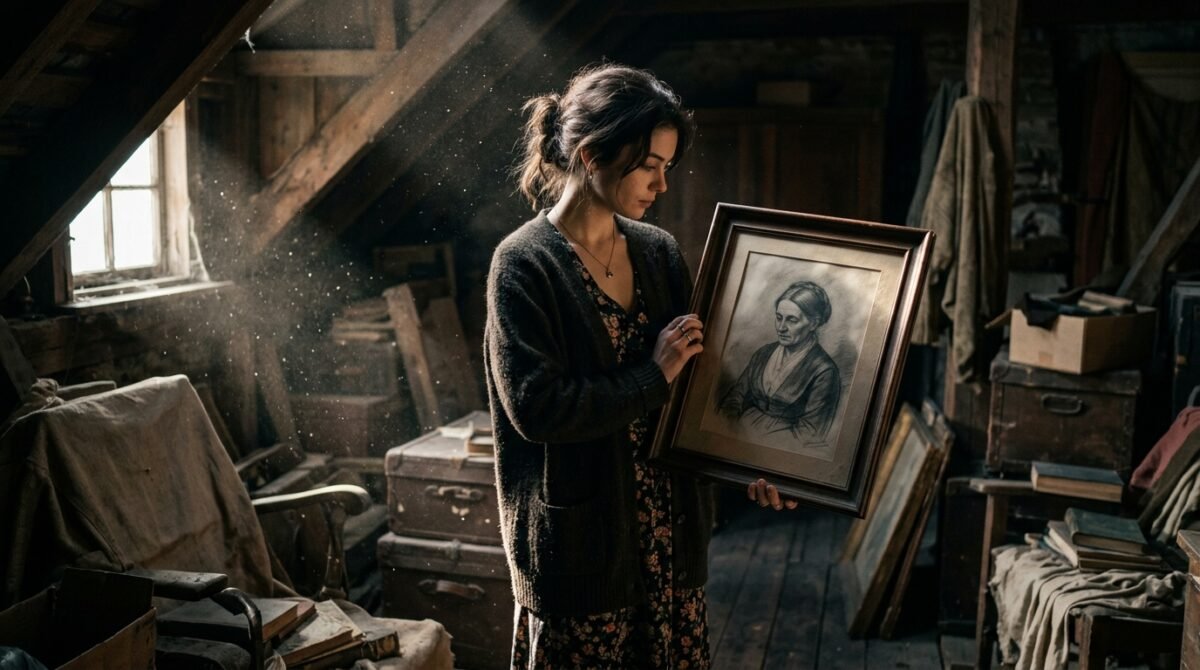
Grief is a landscape that never truly flattens. For years, I kept the small, signed charcoal sketches my mother had made in art school tucked away, a tangible piece of her soul that she left behind when she passed when I was just twelve. They weren’t just drawings; they were the only things that felt like home after my father remarried Sharon, a woman whose aesthetic tastes leaned toward modern, sterile minimalism that had no place for the sentimental clutter of a past she hadn’t been a part of.
Sharon always made her disdain for my mother’s ‘old-fashioned relics’ clear. She called them dust magnets and clutter, phrases that felt like personal affronts to my heritage. But I never imagined she would cross the ultimate line. When I returned from a two-week business trip to find my storage closet emptied and the sketches gone, Sharon’s casual explanation—’I donated them to the local thrift shop; I thought they were just old, unwanted prints’—felt like a cold, calculated strike to my heart.
I knew my mother’s signature, and I knew the value of the pieces. They weren’t ‘unwanted prints.’ They were unique, original works of art. Her breezy, dismissive attitude didn’t add up. There was a flicker of something—guilt, perhaps, or something sharper—in her eyes that made my blood run cold. She didn’t look like a woman who had made a mistake; she looked like a woman who had executed a plan.
That night, I didn’t cry. I sat in the silent, empty living room and felt a shift in the tectonic plates of our family dynamic. I realized that the woman I called ‘Stepmom’ had been slowly erasing my mother’s presence for years, and this was the final, irreversible act of erasure. I didn’t confront her that night. Instead, I opened my laptop and started searching for someone who could help me find the truth. I wasn’t going to let these pieces disappear into the ether of a donation bin.
The moral dilemma weighed heavily on me, but the sense of violation was stronger. By the next morning, I had hired a private investigator. I needed to know exactly where those sketches went, and if Sharon was lying about the thrift store, I intended to hold her accountable for every single piece of my mother’s legacy she had stolen.
The Empty Closet and the Cold Dismissal
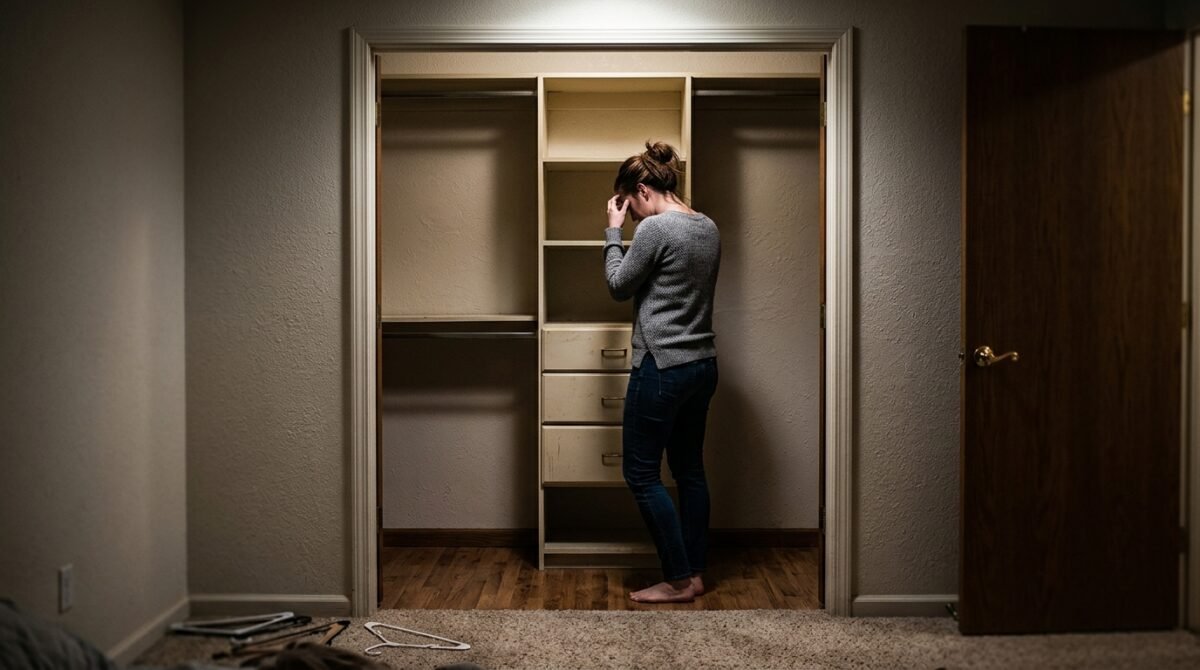
The moment I opened the closet door, the lack of weight in the air felt suffocating. I had meticulously labeled those bins—’Mom’s Art’ in clear, black permanent marker. Seeing the shelf empty, replaced by Sharon’s collection of seasonal linens, made my head spin. I stood there for a long time, the silence of the house pressing against my ears. When I found Sharon in the kitchen, she was sipping tea, completely unmoved by the fact that she had effectively scrubbed my history from the house.
“Sharon, where are the charcoal sketches? The ones in the blue bin on the top shelf? I need them for the anniversary of her passing.”
She didn’t even look up from her tablet. “Oh, those? I did a massive cleanout while you were away. You’ve been talking about needing more space for months, and honestly, those old, yellowing sketches were just taking up prime real estate. I dropped a whole load off at the Salvation Army down on 5th. It’s for a good cause, really. They might actually get some use there.”
I felt a scream trapped in my throat. “You didn’t ask. You never ask. Those weren’t prints, Sharon. They were originals. They were signed. How could you not know the difference?” Her eyes narrowed, the practiced look of innocence slipping just for a second. “They looked like garage sale junk to me. If they were so precious, you should have kept them under lock and key. Don’t blame me for your lack of organization.”
The gaslighting was immediate and sharp. She tried to make me feel small, irresponsible, and irrational. But I knew better. I knew exactly where I had placed them, and I knew that anyone handling them would have seen the heavy paper and the delicate charcoal. The idea that she just ‘donated’ them felt like a lie that needed to be dismantled piece by piece. That was the moment I stopped engaging with her on an emotional level and started thinking like an investigator.
The Professional Inquiry Begins
I called the number I found on a local investigator’s website before I even unpacked my suitcase. It felt extreme, maybe even a little unhinged, but I was past the point of calm reasoning. The PI, a man named Marcus who had a voice like gravel, listened to my story without interrupting once. I gave him the locations of the thrift stores near our neighborhood and the timeline of my trip. I had a sickening feeling that Sharon hadn’t taken them to the thrift shop at all.
“If she’s lying,” Marcus said, “she’s going to be worried about a paper trail. If she actually sold them or gifted them to a friend, she’s going to be scrambling. I’ll start by checking the logs at the donation centers and see if anyone recalls receiving a set of charcoal sketches in the last ten days. It’s a long shot, but people remember art.”
I waited for three days, my life feeling like a suspended animation. Every time Sharon entered the room, I felt like a coiled spring. She seemed oddly cheerful, humming to herself, and even offered to cook dinner once, as if the incident were a closed chapter. I watched her, waiting for a slip-up, a sign that she knew she was being watched, but she was composed, almost terrifyingly so.
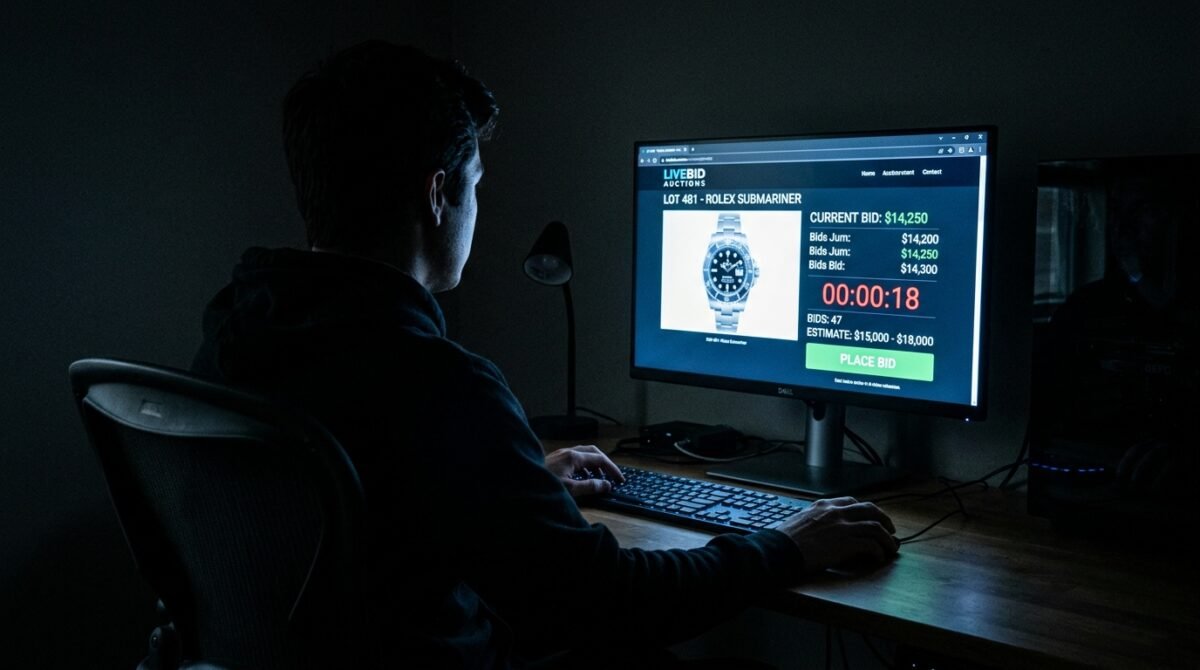
The phone call came at 2:00 PM on a Thursday. Marcus sounded serious. “I’ve checked the thrift store on 5th. They have no record of a donation matching your description, and the staff are quite clear—they haven’t seen anything like that in weeks. But, I did find something else. Your stepmother has a private account on an online auction platform. It looks like she’s been selling off ‘estate items’ for the last month.”
My stomach dropped. So, it wasn’t a mistake. It was a liquidation. I felt a wave of nausea wash over me. The betrayal wasn’t just about the art; it was about the cold-blooded nature of selling a dead woman’s memories to line her own pockets. I had proof now, or at least the foundation of it. I had to decide how to confront her before the money vanished and the art was gone for good.
The Confrontation at the Dining Table
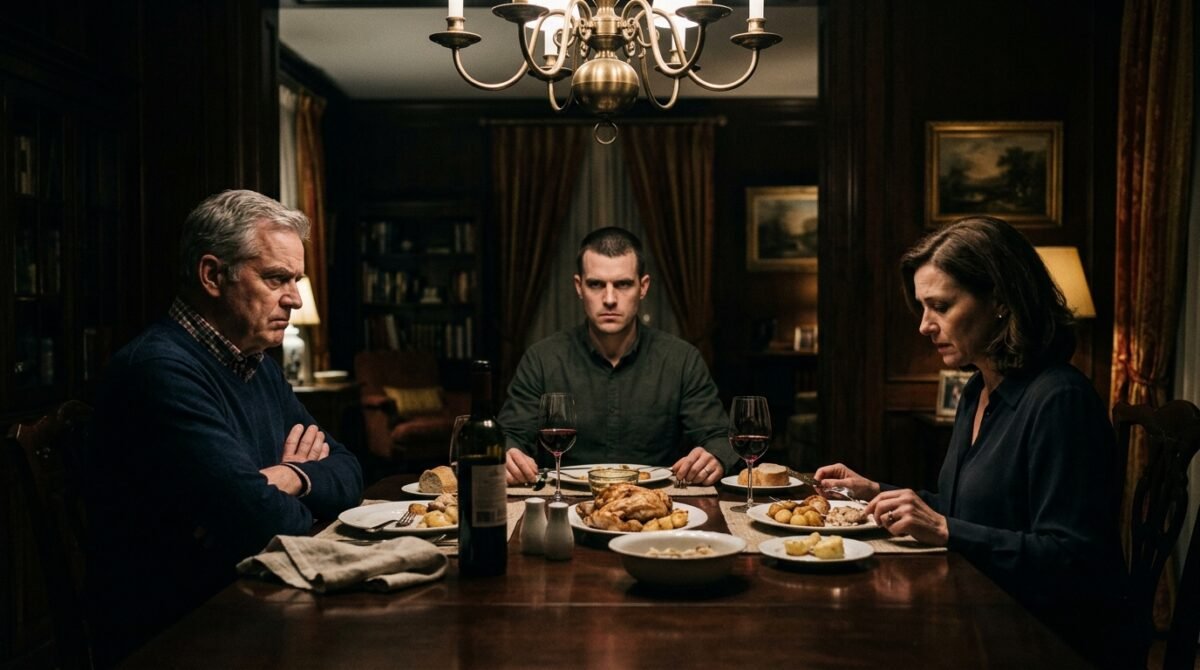
I chose Sunday dinner. My father was home, and I wanted there to be a witness to her reaction. The tension in the room was palpable, thick enough to choke on. I didn’t start with the accusations. I started with a question. “Sharon, I stopped by the thrift store on 5th today. They said they never received those sketches. In fact, they haven’t had a donation of artwork all month. That’s strange, isn’t it?”
She froze, her fork halfway to her mouth. My father looked confused, looking back and forth between us. “What are you talking about, honey? The sketches? I thought those were long gone.” Sharon regained her composure almost instantly, but the way her hand trembled as she placed her fork down didn’t go unnoticed.
“I must have gotten the store wrong,” she said, her voice smooth but tight. “I went to so many places that week, I get them mixed up. Does it really matter? They were old drawings, for heaven’s sake. Why are you so obsessed with them?” I stared at her, unblinking. “They weren’t just drawings. I tracked your IP address to an online auction account, Sharon. I know you didn’t donate them. I know you sold them.”
“Are you accusing me of stealing from you? In my own home? I’m your mother now, I have every right to clear out this house as I see fit!”
My father finally spoke up, his voice low. “Sharon, what is this about an auction account?” He looked at her, truly looking at her for the first time in years. The mask was cracking, and for the first time, I felt the power dynamic shift. It wasn’t about the art anymore; it was about the years of subtle erasure and the final, greedy act that exposed it all.
The Digital Breadcrumbs

After the dinner disaster, I retreated to my room and pulled up the evidence I’d gathered. It was all there: screenshots of the auction listings, the descriptions she’d written—using words like ‘vintage estate find’ and ‘unknown artist’—and the transaction history. She had sold three of the six sketches for a total of $2,400. The money had been transferred to a private account she kept in her maiden name. It was a calculated, long-term theft.
I sent the files to my father. I didn’t add any commentary. I just let the numbers speak for themselves. The silence from his room was deafening. I could hear them arguing, muffled shouts and the sound of a door slamming. It was the first time I felt a sense of vindication, though it tasted like ash. This wasn’t a victory; it was an autopsy of a family.
The next morning, Sharon was gone. She hadn’t left a note. She had just packed a suitcase and vanished. My father sat at the kitchen table, looking older than his years. He held the printed screenshots in his hands like they were a death warrant. “I didn’t know,” he whispered. “I thought she was just trying to help us move on.”
I realized then that my father was just as much a victim of her manipulation as I was. He had been so desperate for a fresh start after my mother’s death that he had allowed Sharon to rewrite our history. The theft of the art was just the final thread being pulled. Now that the truth was out, the entire tapestry of our home life was unraveling, and there was nothing left to do but watch it fall.
Tracing the Lost Memories
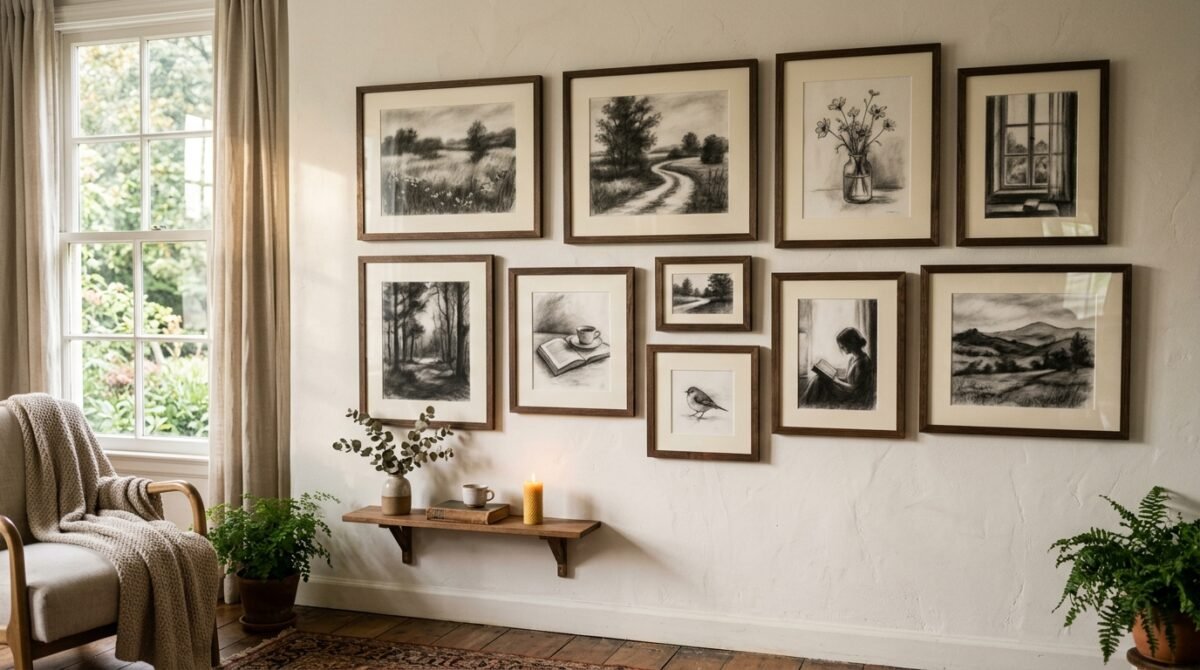
With Sharon gone, the real work began. I had the names of the buyers from the auction site. I knew it was a long shot, but I reached out to them one by one. I sent a polite, heartfelt email explaining the situation: that these weren’t just random estate items, but the only remaining creative works of my late mother. I offered to buy them back, not for their auction price, but for whatever they felt was fair.
The first reply came from a woman in Ohio. She had bought the sketch of the willow tree. “I had no idea this had such a history,” she wrote. “It’s a beautiful piece, and I’ve already hung it in my study. I would be happy to return it to you for the cost of shipping. I think it belongs with family.” I cried when I read that email. It was a glimmer of humanity in a situation that had felt entirely devoid of it.
Two more buyers were equally kind. They had seen the art and appreciated it for its beauty, not just as a commodity. They were touched by the story of my mother and were more than willing to part with the pieces. By the end of the week, I had managed to recover four of the six sketches. Two were still missing, lost in the void of anonymous buyers who hadn’t responded to my messages.
It wasn’t a total restoration, but it was enough. I had reclaimed a piece of my history from the greed of a woman who had tried to erase it. I hung the recovered sketches in my own apartment, finally creating the space that I had wanted all along. They weren’t clutter; they were anchors, keeping me tethered to the woman who had made me who I was.
The Fallout and Family Secrets
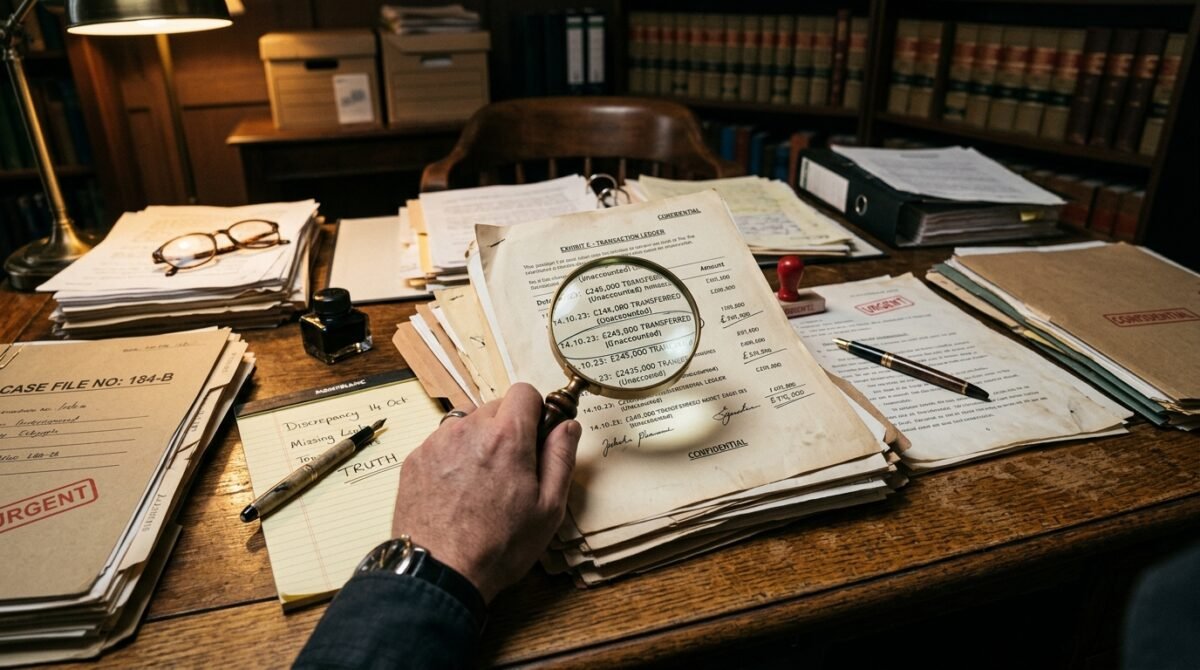
My father started digging into Sharon’s past once she was gone. It turned out that the art wasn’t the first thing she had stolen. She had been systematically ‘liquidating’ family heirlooms for years, selling items he thought he had given away to charity or had lost in moves. She was a master of the slow, quiet theft, the kind that people don’t notice until it’s far too late.
We spent hours talking—real, honest conversations that we hadn’t had in a decade. He apologized for his blindness, for letting her push me out of my own home, and for prioritizing his own comfort over my needs. It didn’t fix the past, but it started to mend the present. We were two broken people trying to understand how we had been played for so long.
He filed for divorce, of course. Sharon tried to fight it, demanding half of everything, but the paper trail of the ‘estate sales’ and the hidden accounts made her position untenable. My evidence became the cornerstone of the settlement. She was exposed, not just as a thief, but as a manipulator who had used our family’s vulnerability to line her own pockets.
The legal process was grueling, but it felt like a cleansing. Every document we unearthed, every secret we exposed, was another step away from the shadow she had cast over our lives. I didn’t care about the money she had stolen. I cared about the truth. And for the first time, the truth was firmly on our side.
Reddit Weighs In: The Verdict of the Internet
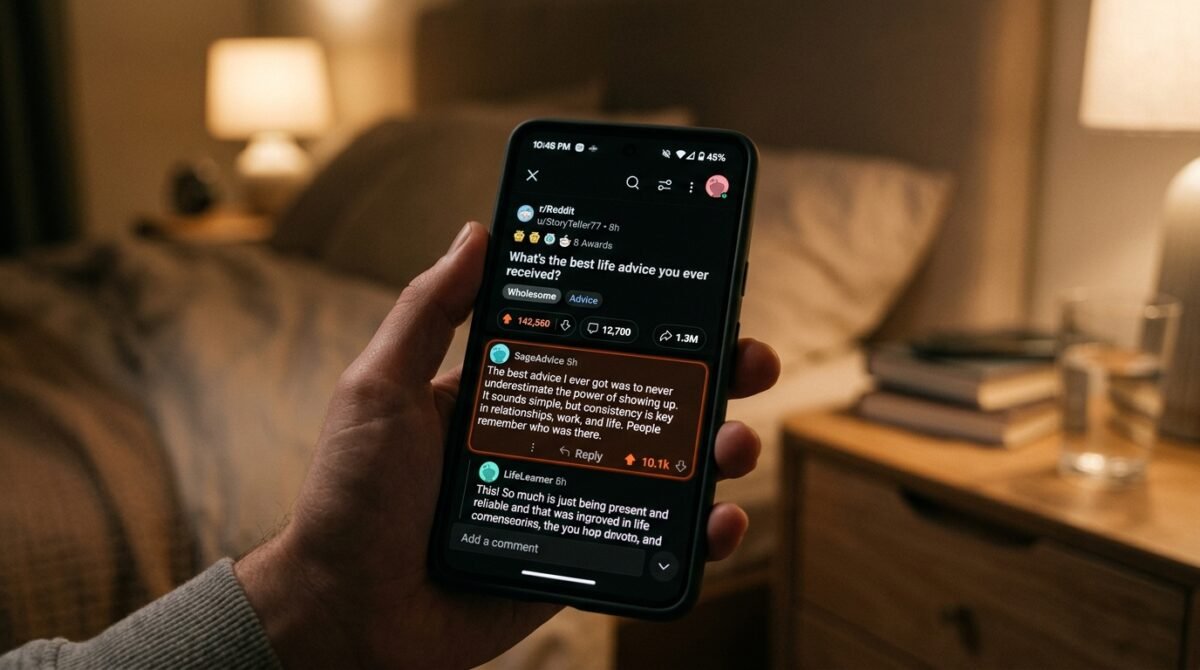
I posted the whole story on a subreddit for family drama. The response was overwhelming. Thousands of people commented, offering support, advice, and their own stories of betrayal. It was strange to see my life laid out in comments, but it was also validating. I wasn’t crazy. I wasn’t just ‘being difficult.’ I had been the victim of a calculated abuse of trust.
“You didn’t just hire a PI; you reclaimed your history. Sharon is a textbook narcissist who couldn’t stand that you had something she didn’t possess: a genuine, loving connection to the past. Don’t feel bad for a second about the divorce—you saved your father from a parasite.”
— u/FamilyDramaExpert (Top Comment, 32.4k upvotes)
Others were more cautious. They warned me about the legal implications of the IP tracking and the potential for a countersuit. But most people were just horrified by the audacity of the theft. The consensus was clear: Sharon had crossed a line that no amount of ‘I was just cleaning’ could ever justify. The support from strangers was a strange but comforting balm.
I read through every single comment, even the ones that were critical. It helped me process the anger and the sadness. I saw that I wasn’t alone in this. So many people have dealt with step-parents who try to erase the previous family, and hearing their stories helped me realize that this was a pattern, not a unique tragedy. It gave me perspective.
I realized that my decision to go to the extreme of hiring a PI was the only thing that had worked. If I had just tried to argue with her, she would have continued to lie. The evidence was the only thing that had any power in this situation. It was a harsh lesson, but a necessary one.
Finding Closure in the Quiet Moments

Six months later, things are finally quiet. My father moved into a smaller condo, one that is truly his own, and I have my sketches back in my own place. We see each other every Sunday for dinner, and for the first time, there is no tension, no hidden agendas, just the two of us catching up. We don’t talk about Sharon much anymore. She is a ghost, a bad memory that has been exorcised.
I still look at the sketches sometimes. They remind me of my mother, but they also remind me of what I am capable of. I stood up for myself. I didn’t let the gaslighting win. I didn’t let the theft go unanswered. I took control of my narrative, and in doing so, I found a strength I didn’t know I had. That is the true legacy of those drawings.
I’ve learned that boundaries are not just suggestions; they are the walls that protect our sanity. I won’t ever again let someone walk into my life and tell me what is ‘clutter’ and what is valuable. I know the difference now. I know what matters, and I know how to fight for it. That is the most important thing I gained from this entire nightmare.
I’m finally at peace. The grief is still there, but it’s no longer a sharp, jagged thing. It’s softer, more manageable. I have my mother’s art, I have my father’s trust, and I have my own integrity. For now, that is enough.
Lessons from the Attic
Looking back, the biggest lesson wasn’t about art or money. It was about trust. I trusted that because Sharon was my stepmother, she would respect my boundaries. I trusted that my father would protect me from her whims. I was wrong on both counts. I learned that you have to be your own advocate, especially when it comes to the things that define your identity.
I also learned that people show you who they are, but often, we choose not to believe them until the damage is done. Sharon had been showing me her true colors for years, but I had rationalized them away. I had made excuses for her, just like my father had. I won’t do that again. I see things clearly now, and I trust my gut when it tells me something is wrong.
The PI told me something I’ll never forget. He said that people who steal memories, who try to erase the past, are usually the ones who are the most terrified of their own. They don’t have a history they’re proud of, so they try to co-opt someone else’s. It didn’t make me feel sorry for Sharon, but it did help me understand the pathetic nature of her actions.
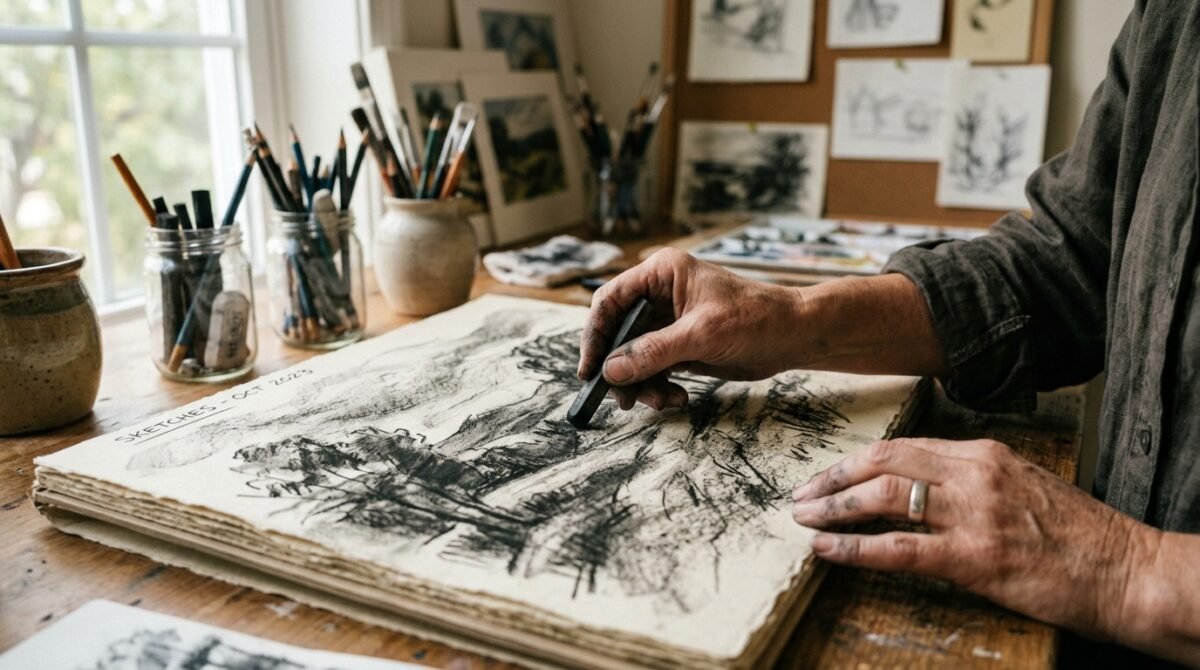
I’m moving forward. I’m starting a new art project of my own, inspired by my mother’s style but entirely my own. It feels like a way to honor her, not just by holding onto the past, but by creating a future. It’s a small, quiet act of rebellion against the erasure she tried to inflict, and it feels exactly right.
Community Reflection: The Cost of Secrets

The Reddit thread is still active, and people are still commenting. It’s become a space for people to share their own experiences with family theft and the difficulty of setting boundaries with toxic step-parents. It’s humbling to know that my story has helped others realize they aren’t alone and that they have the right to fight for their possessions and their dignity.
“My stepmother did the same thing with my grandmother’s jewelry. I didn’t hire a PI, and I’ve regretted it for fifteen years. You did the right thing. Never feel guilty for demanding the truth.”
— u/SurvivorOfTheft (15.2k upvotes)
The debate continues, with some people still arguing that family should always be handled internally, while others insist that once a crime is committed, all bets are off. I’ve stopped engaging in the debate. It doesn’t matter what people think of the methods I used. What matters is the outcome, and the outcome is that I am safe, I am clear-headed, and I am in control of my own life.
I’ve realized that the internet is a mirror. People project their own traumas and fears into these stories, and that’s why they get so heated. But at the end of the day, it’s my life, and I’m the one who has to live with the consequences. I’m happy with the choices I made, and I wouldn’t change a single one of them. The cost of secrets was too high; the truth was the only price worth paying.
I hope that if anyone reading this is in a similar position, they find the courage to do what I did. Don’t wait for permission. Don’t wait for an apology. Protect what belongs to you, and don’t let anyone rewrite your story.
Conclusion
In the end, this experience wasn’t about the monetary value of a few charcoal sketches. It was about the sanctity of memory and the fundamental right to define one’s own legacy. Sharon tried to turn my mother’s art into a commodity, something to be liquidated for profit, but in doing so, she only cemented the fact that she never understood the value of anything. She was a scavenger in a house of memories, and when the light was finally shone on her, she withered.
I’ve walked away with more than just my recovered art. I’ve walked away with a clarity of purpose and a reclaimed sense of self. My relationship with my father is stronger than it has been in a decade, built now on the bedrock of truth rather than the shifting sands of convenience. We are no longer living in a house of secrets, and that, in itself, is the greatest inheritance I could have asked for.
What about you? Have you ever had to draw a hard line with a family member over a sentimental item or a boundary violation? Would you have taken it as far as hiring a professional, or would you have handled it differently? Let’s talk about it in the comments below—I’m curious to see how you would have navigated the wreckage.
What's your verdict on this dilemma?
Vote below to contribute to the official community consensus.

Have a Dilemma Keeping You Up at Night?
Share your real-life feud, wedding chaos, or relationship crossroads anonymously with our editorial team.
What do you think ?
0 Comments🛡️ Comments are moderated to protect community integrity. Your comment will appear once approved by the editorial team.