
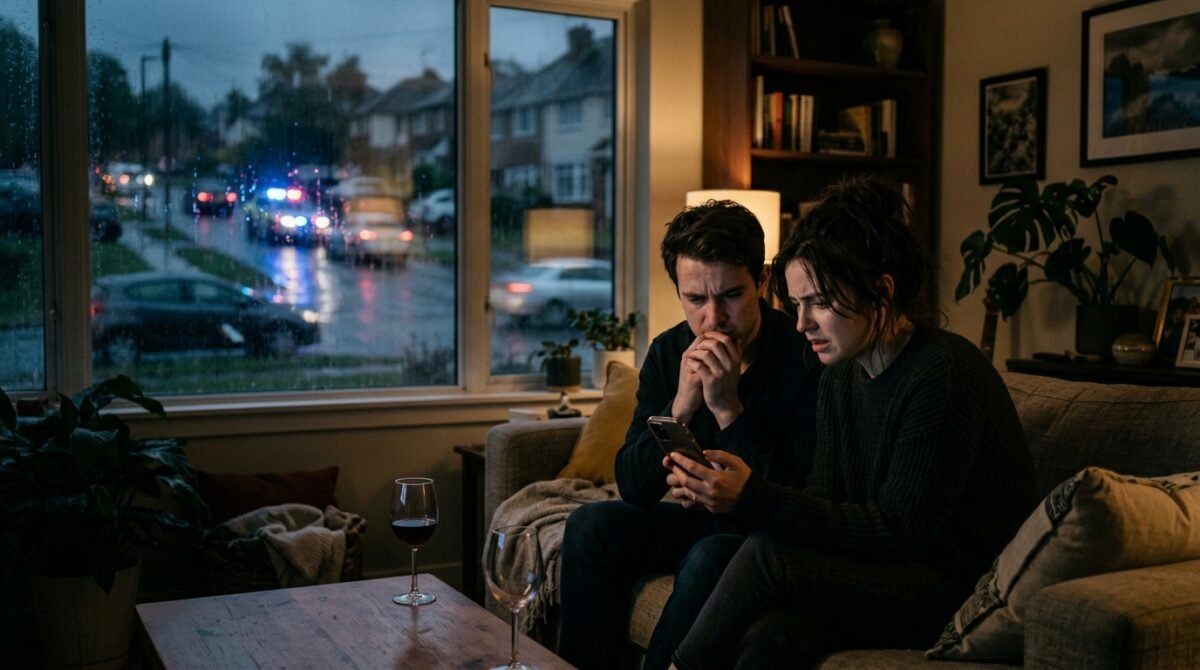
Marriage is supposed to be the beginning of a new chapter, a sacred space carved out between two people. For my husband, Mark, and me, our honeymoon was not about grand international travel. We had both been working grueling hours to save for a down payment on our first home, and the idea of a ‘staycation’—full of takeout, binge-watching shows, and sleeping in—felt like paradise. It was a week dedicated to us, our recovery, and the quiet intimacy of our new life together.
But for my sister, Sarah, my time off was not a honeymoon; it was a resource. Sarah is a mother of five children ranging from ages two to ten. She lives exactly fifteen minutes away and has long viewed me as her ’emergency backup’ and free babysitting service. The entitlement began small—a favor here, an evening there—but it quickly spiraled into an expectation that my existence was subordinate to her motherhood.
When she found out I would be at home for the week, she didn’t call to congratulate us or ask how we were doing. She called to drop a bomb: she had ‘gifted’ herself a week of spa treatments and errands, and she expected me to take the children from 7:00 AM to 6:00 PM every single day. When I said no, the vitriol that followed was immediate, cold, and calculated.
This story isn’t just about babysitting. It is about the systemic erasure of boundaries, the weaponization of ‘family duty,’ and the moment I finally realized that being a ‘good aunt’ does not require me to be a martyr. The following account details the descent from a peaceful week of celebration into a toxic firestorm of guilt-tripping, group chat explosions, and the eventual realization that silence is sometimes the only way to heal.
The Morning Ambush at My Front Door
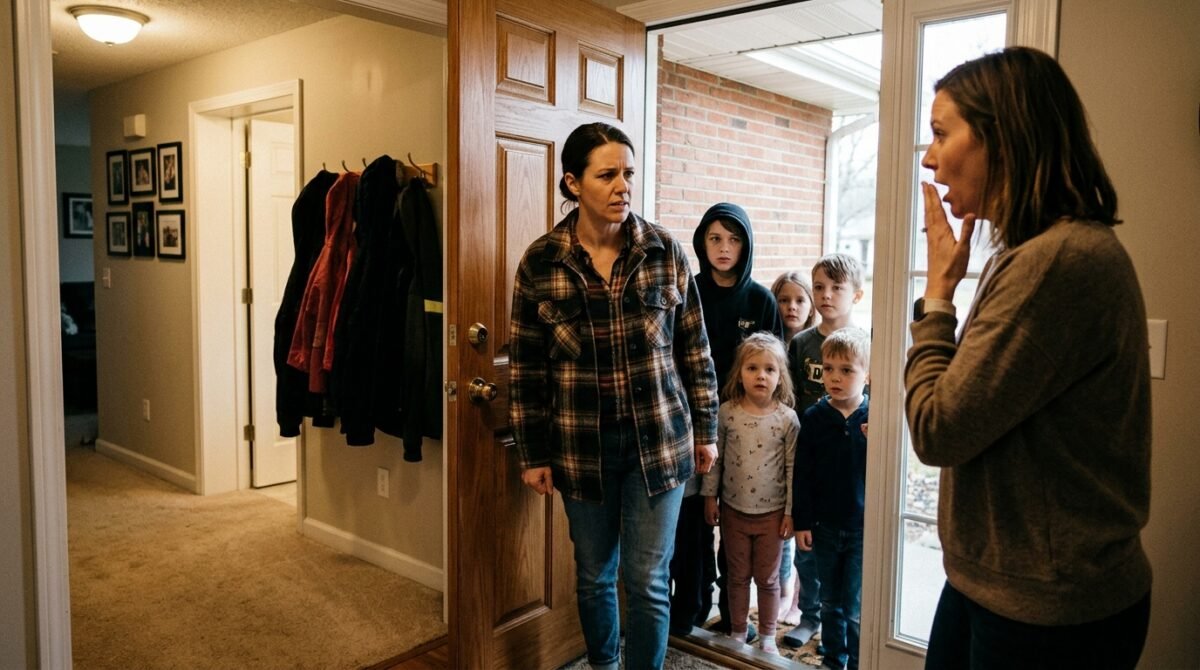
It was Tuesday, the second day of our staycation. Mark and I were finally settling into a routine of late breakfasts and quiet afternoons. The sun was streaming through the curtains when a frantic, rhythmic pounding started at our front door. It wasn’t the delivery guy; it was a frantic, aggressive knocking that suggested an emergency.
I peeked through the blinds to see Sarah standing on the porch, her hair disheveled, with all five children huddled behind her like a small, overwhelmed army. She was clutching a massive diaper bag in one hand and a stack of school permission slips in the other. My heart sank. I hadn’t agreed to this. I hadn’t even been asked.
“Open up! I know you’re in there. I’ve got the kids, and I’m already twenty minutes late for my appointment. You have a week off, so don’t even try to pretend you’re busy with something important.”
— Sarah, through the front door
I opened the door, feeling my stomach churn with anxiety. Mark stood behind me, his face turning a shade of pale that I had only seen when he was truly furious. Sarah didn’t wait for an invitation; she pushed past me, ushered the five children into our living room, and started unpacking their snack bags on our pristine kitchen island.
“Sarah, stop,” I said, my voice shaking. “We didn’t agree to this. This is our honeymoon week. We are not babysitting.” She looked at me with an expression of pure, unadulterated shock, as if I had just suggested she feed her children literal poison. She stood there, frozen, staring at me as if I were a stranger.
“It’s a staycation,” she retorted, gesturing to our living room. “You’re just sitting on the couch. What, you can’t handle a few kids for a couple of hours? I haven’t had a break in months. This is what sisters are for, isn’t it? I’m going to be late. Be back at six. Don’t let the youngest touch the white rug.”
The Unspoken Rules of the Family Martyrdom
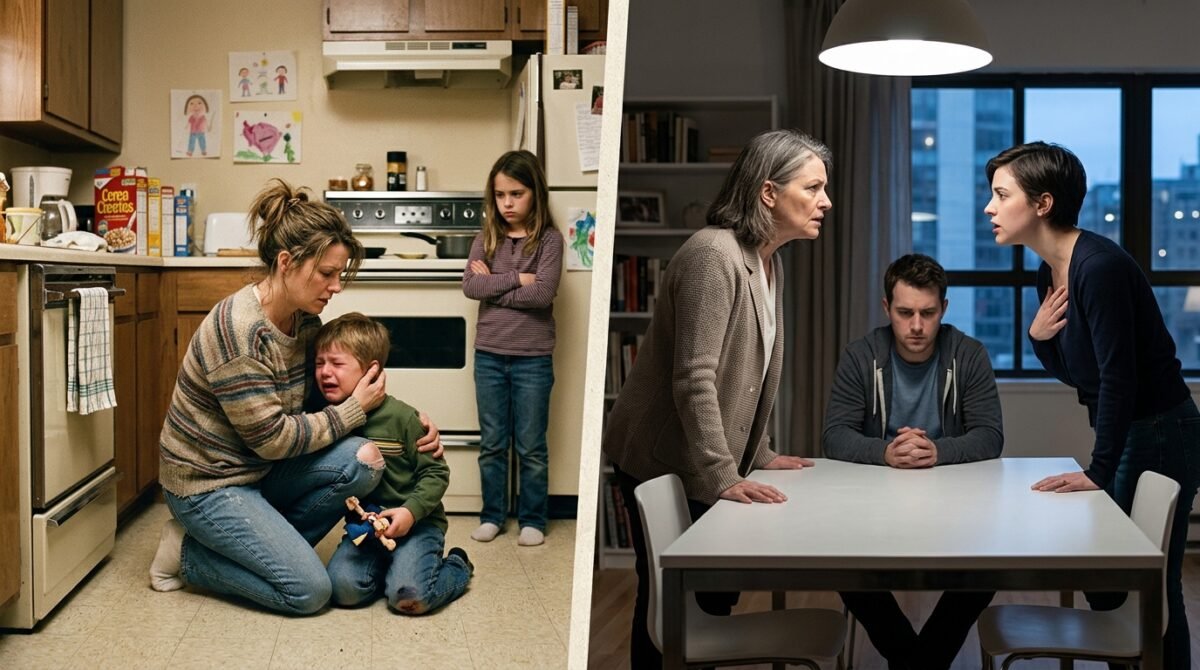
Growing up, my mother had always prioritized Sarah’s needs because she was the ‘first-born mother.’ The narrative was always: ‘She has so much on her plate, you have to help her.’ It was a script written long before I moved out, and it had effectively turned me into an unpaid employee of my sister’s household. Every milestone in my life had been overshadowed by the ‘needs’ of my nieces and nephews.
This wasn’t an isolated incident; it was a pattern of behavior that spanned years. Whenever I had a big work project, she needed help with the kids. Whenever I went on a date, she needed me to watch them so she could ‘run errands’ that usually involved shopping for herself. I had been too afraid to say no because I didn’t want to be labeled the ‘selfish sister’ who didn’t care about family.
But this was my honeymoon. The threshold of what I was willing to sacrifice had finally been crossed. I looked at the children, who were already starting to climb on our furniture and pull books off the shelves, and then I looked at Mark. He didn’t say a word, but his posture—shoulders slumped, jaw tight—spoke volumes. This wasn’t the start of a vacation; it was the start of a prison sentence.
I realized then that I had allowed this dynamic to persist by never setting a hard boundary. I had been the ‘nice one’ for so long that my kindness was perceived as a weakness. Sarah didn’t respect my time because she didn’t view my life as equal to hers. To her, I was just a support beam for her infrastructure, not a person with a life of my own.
“Sarah, you have to leave,” I said, my voice gaining strength. “Take the children with you. I am not watching them. I am going to lock the house, and I am going to turn my phone off. You need to respect the fact that this is our time, not yours.”
The First Text Message Barrage
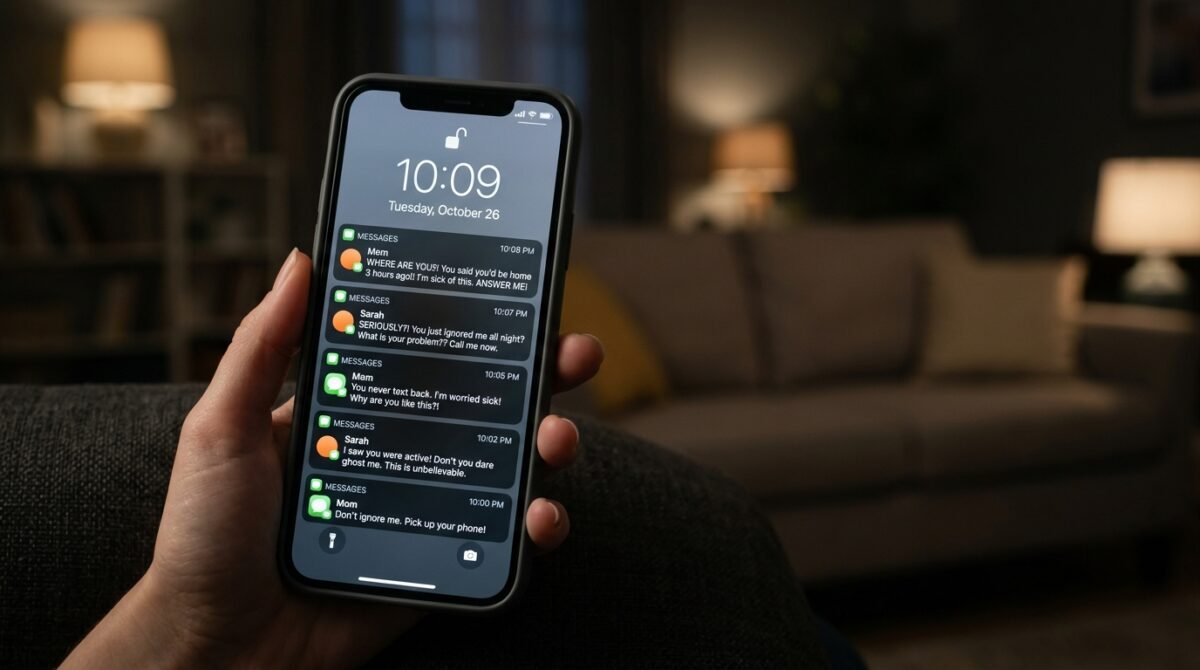
She eventually left, but she didn’t go quietly. She screamed at me in the driveway, calling me every name in the book, while the neighbors watched from their windows. I locked the door and slid down to the floor, my hands trembling. Almost immediately, my phone began to buzz. It wasn’t just Sarah; it was our mother, our aunt, and the family group chat.
“I hope you’re happy. The kids are crying, I’m crying, and I’m going to miss my appointment. You are the most selfish, horrible aunt anyone could ever have. Your marriage will fail if this is the kind of person you are.”
— Sarah, via text message
The messages didn’t stop. They kept coming for hours. My mother joined in, chiming in about how ‘family helps family’ and how I was ‘tearing the sisters apart.’ It felt like an coordinated attack, designed to make me feel small and guilty for simply wanting to exist in my own home. It was a classic emotional manipulation tactic: make the victim feel like the aggressor.
Mark sat next to me, taking the phone out of my hand. He didn’t read the messages; he just turned the phone off and placed it on the table. “We aren’t doing this,” he said firmly. “We are going to make breakfast, we are going to watch a movie, and we are going to pretend the rest of the world doesn’t exist for the next six hours.”
It was the most liberating feeling I had ever experienced. By turning off the phone, I was breaking the cycle. For the first time in my adult life, I wasn’t responding to the siren call of family ‘needs.’ I was choosing us. It was terrifying, and yet, it was the only thing that felt right.
The silence in the house was heavy, but it was a peaceful silence. We made pancakes. We laughed at a bad romantic comedy. Every time I reached for my phone, I stopped myself. The world was still spinning, and the family drama was still happening, but I was no longer a participant. I was finally, for the first time, an observer in my own life.
Why the Sunday Dinner Table Went Completely Silent
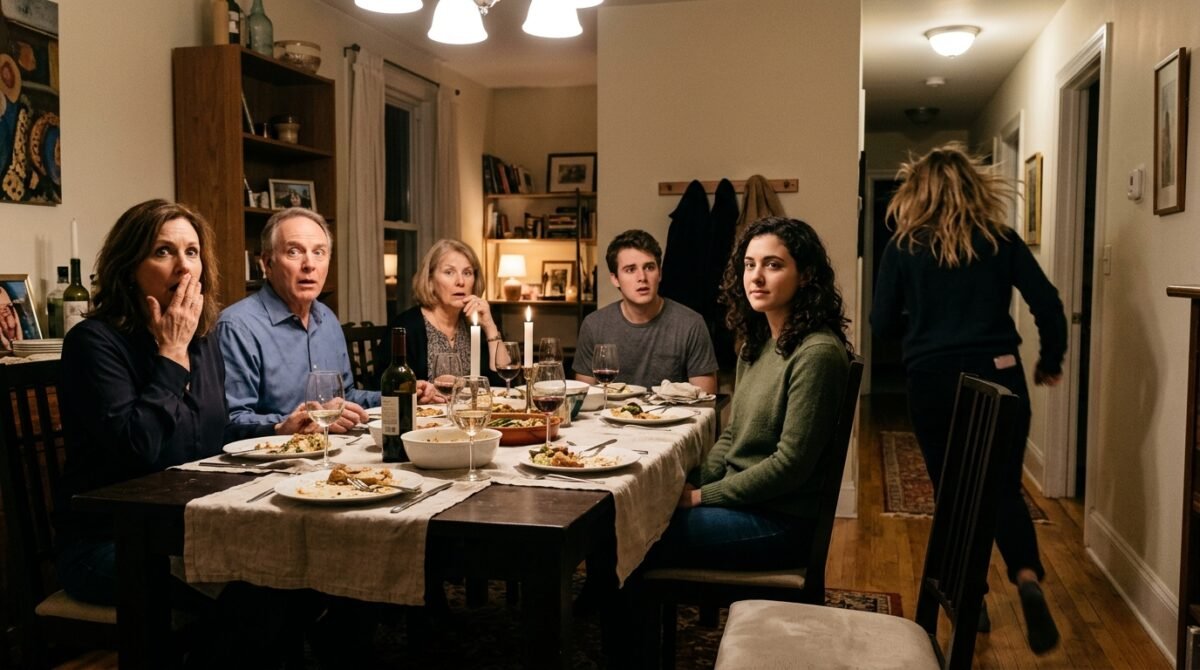
The weekend arrived, and with it, the inevitable family dinner at my parents’ house. I knew I couldn’t avoid it forever. I expected a confrontation, but I wasn’t prepared for the sheer level of performance. Sarah arrived with the children, all of them dressed in matching outfits, and she wore a mask of performative martyrdom that was honestly impressive in its audacity.
The table was set with fine china, and the atmosphere was thick enough to cut with a knife. When we sat down, my mother didn’t say ‘grace’—she launched into a lecture about ‘the importance of selfless love.’ Every eye was on me, waiting for me to apologize, waiting for me to admit that I was the villain in this absurd drama.
“I think it’s important we all remember that we are a team. When one of us struggles, the rest of us pick up the slack. It’s a shame that some people in this family have forgotten what that means.”
— My mother, at the Sunday dinner table
I didn’t flinch. I took a bite of my roasted chicken and looked at my mother, then at Sarah. “I agree, Mom,” I said, my voice perfectly level. “It is a shame when people forget boundaries. It’s also a shame when people think their life choices are everyone else’s responsibility. I am happy to be an aunt, but I am not a free daycare center.”
The silence that followed was deafening. You could hear the silverware scraping against the plates. My father, who usually stayed out of the fray, actually looked up from his wine and nodded slightly. It was a small gesture, but it was enough to make me feel like I wasn’t completely alone in this insanity.
Sarah stood up, her face flushed red, and pointed a finger at me. “You think you’re better than me because you don’t have kids? You’re just a miserable person who doesn’t know what love is. You ruined my week, and you’ll regret this.” She grabbed her children and stormed out, leaving the rest of the family in stunned, uncomfortable silence.
The Reddit Verdict: Echoes of Solidarity
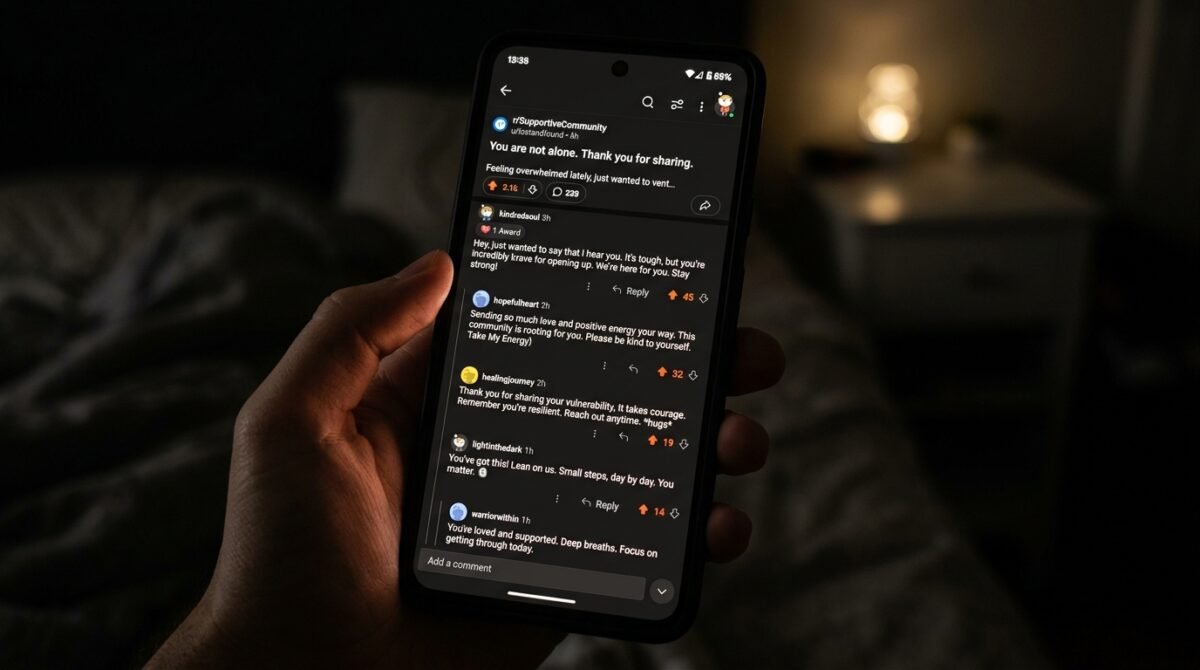
I posted my story on a popular subreddit later that night, desperate for some kind of validation. I didn’t want to feel like a monster. I spent hours reading the comments, and to my surprise, the support was overwhelming. It wasn’t just ‘NTA’ (Not The Asshole); it was a chorus of people who had lived through the exact same nightmare.
“You are not a daycare. You are not an employee. You are a human being with a right to your own time. The fact that she thinks she is entitled to your honeymoon is absolutely unhinged. Go low contact for a while and enjoy your marriage.”
— u/BoundariesQueen (Top Comment, 18.2k upvotes)
Reading those comments helped me realize that my internal guilt was a conditioned response to years of gaslighting. I wasn’t being ‘horrible’—I was being reasonable. My sister’s five children were her responsibility, not mine. The ‘village’ she kept talking about wasn’t a village; it was a pyramid scheme where I was at the bottom, doing all the heavy lifting.
Another user brought up a point I hadn’t considered: the potential for long-term damage to my own relationship. By constantly prioritizing Sarah, I was telling Mark that his happiness was secondary to my sister’s convenience. That was a hard truth, but a necessary one to swallow. I owed it to my marriage to draw a line in the sand, no matter how much the rest of the family complained.
The community support became my armor. Whenever I felt a twinge of guilt, I would open the thread and read the reminders that I had done the right thing. It empowered me to stop apologizing. It reminded me that ‘no’ is a complete sentence and that I didn’t owe anyone an explanation for how I chose to spend my vacation time.
I started to see the situation with more clarity. This wasn’t about the children; it was about control. Sarah wanted to know that she still held power over me, that she could still pull my strings. By refusing to play along, I had broken the control mechanism. The fallout was the sound of a system crashing, and it was glorious.
The Financial Ledger of Unpaid Labor
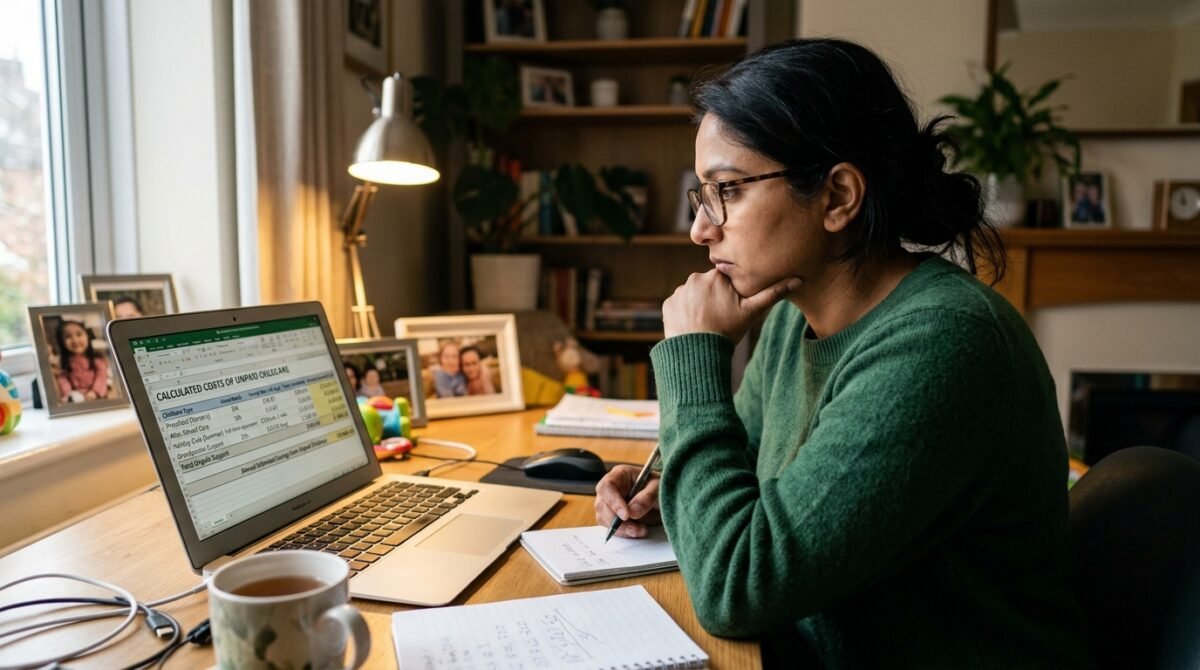
A few days later, I decided to do something a little vindictive, but necessary for my own sanity. I sat down and calculated the cost of the ‘favors’ I had done for Sarah over the last two years. I wanted to see, in black and white, what my ‘familial obligation’ had actually cost me. The numbers were staggering.
| Service Type | Frequency (Approx) | Market Value (USD) |
|---|---|---|
| Babysitting | 150 hours/year | $3,000 |
| Transportation/Errands | 50 hours/year | $1,200 |
| Overnight Stays | 20 nights/year | $2,000 |
| TOTAL | Per Annum | $6,200 |
Seeing that number—over six thousand dollars a year in free labor—was the final piece of the puzzle. I wasn’t just a sister; I was a subsidized daycare provider. And for what? So I could be called a ‘horrible aunt’ the moment I requested a single week of peace? The entitlement wasn’t just emotional; it was financial. She had been treating me like an extension of her own wallet and time.
I didn’t send the chart to her, but I sent it to my mother. I wanted her to see the tangible cost of what she considered ‘helping out.’ My mother’s response was predictable: she claimed that family shouldn’t put a price tag on love. But I told her that if family didn’t put a price tag on love, then family shouldn’t treat their relatives like indentured servants.
This document became my anchor. Whenever the guilt crept back in, I looked at that table. It was a reminder that the relationship was entirely lopsided. I wasn’t losing a sister; I was losing a drain on my resources. It allowed me to detach my identity from her expectations and reclaim my value.
The reality was that my sister didn’t want a sister; she wanted a maid. She wanted someone who would never say no, someone whose life was smaller than hers. By proving that my life had significant value—and a significant cost—I was finally able to step out of her shadow and into my own.
The Secret Group Chat I Wasn’t Supposed to See
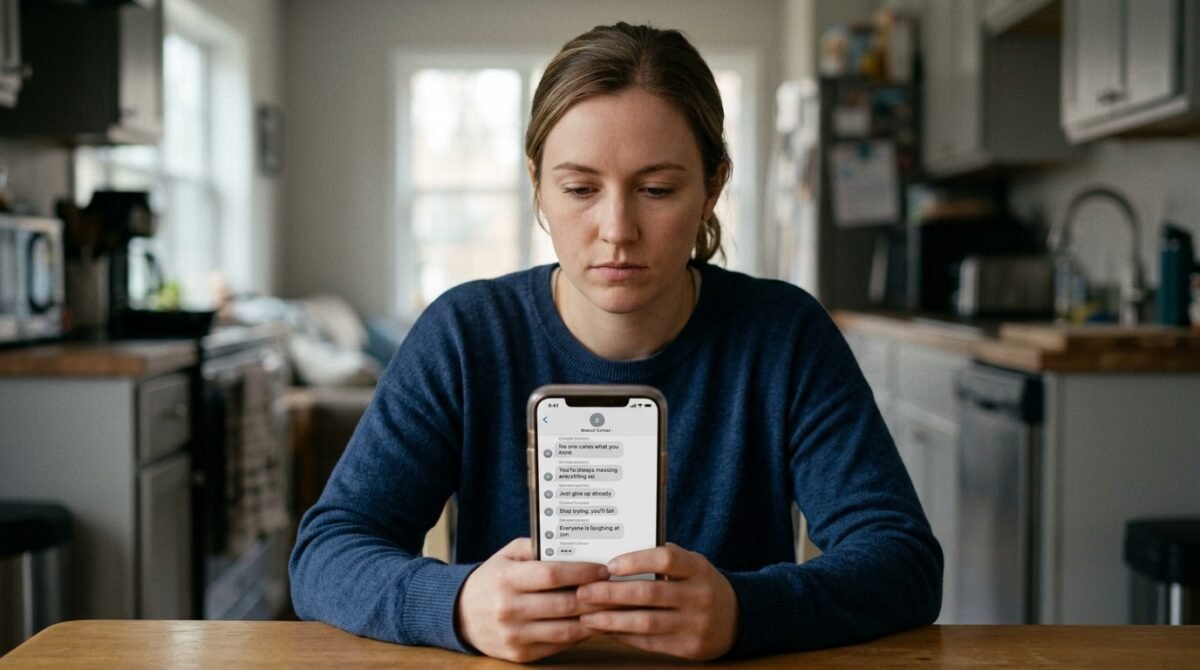
The betrayal deepened when a cousin of mine sent me a screenshot of a group chat I had been removed from. It was titled ‘The Truth About [My Name].’ The messages were vile. Sarah was painting me as a cold-hearted person who hated her nieces and nephews, claiming that I was planning to disown them all because I ‘couldn’t handle a little bit of noise.’
“She’s so selfish. I don’t know why we even invited her to the family reunion next month. If she can’t watch the kids, she doesn’t deserve to be part of the family circle. We need to freeze her out until she apologizes.”
— Sarah, from the ‘Truth About [My Name]’ chat
Reading those words was like being punched in the gut. I had loved those children with everything I had. I had bought them gifts, taken them to the zoo, and even helped pay for their school supplies. To see Sarah twist that into some kind of villainous narrative was sickening. It showed me that she was willing to burn our entire relationship to the ground just to maintain her victim narrative.
The group chat included several of our aunts and cousins, most of whom were just watching the drama unfold. The fact that she had successfully turned so many people against me was a testament to her manipulation skills. But it also revealed who my true allies were. A few of my cousins had actually replied, saying that they thought Sarah was being unreasonable.
I chose not to respond. I didn’t even address it with her. I just screenshot the evidence and kept it in a folder for safe keeping. If this ever escalated to a legal or custody level, or if she tried to lie to our parents further, I had the receipts. It was time to stop being reactive and start being strategic.
I realized then that this was a war for the family narrative. She wanted to win by making me the villain, and she had the numbers to do it. But I had the truth. And the truth was that I had done nothing but set a boundary, and for that, I had been ostracized. It was a painful realization, but it was also the moment I stopped caring about what ‘the family’ thought of me.
The Certified Letter That Changed Everything
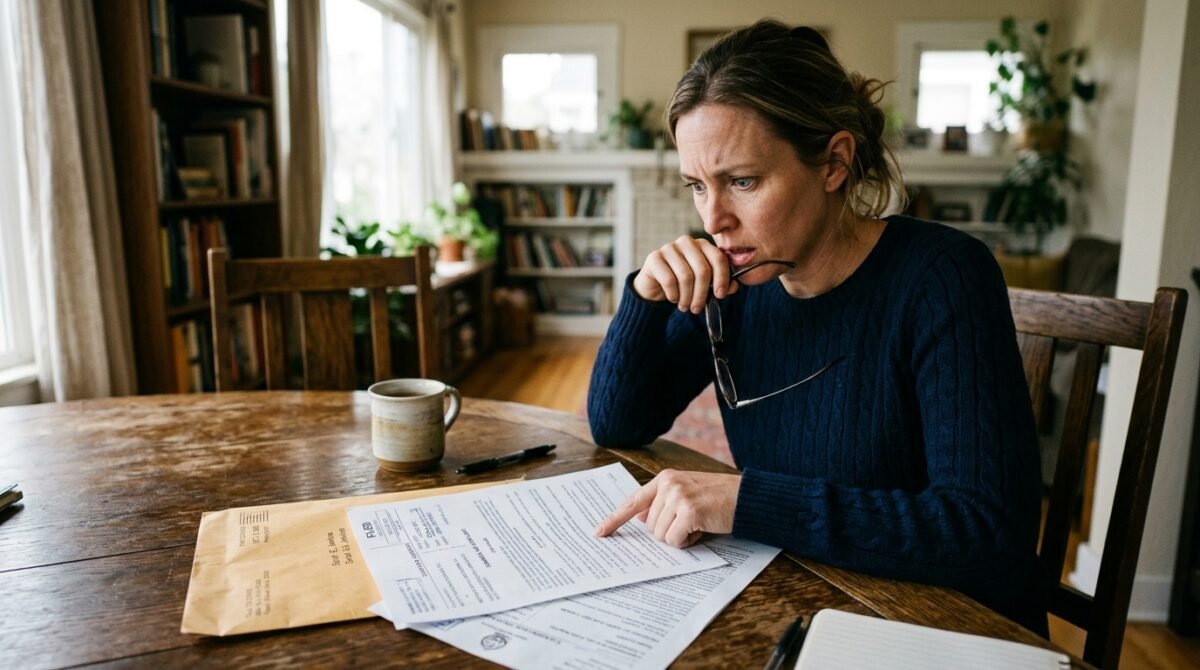
A few weeks later, a certified letter arrived at our home. It was from a lawyer representing Sarah. My heart hammered in my chest as I opened it. It was a formal demand for me to pay for ‘damages’ caused by my refusal to watch the children—specifically, the cost of the spa treatments and childcare she had to hire at the last minute because I didn’t show up. It was absurd, nonsensical, and legally unenforceable.
I laughed when I read it. It was so desperate, so hilariously detached from reality, that it actually broke the spell of anxiety I had been living under. She was trying to sue me for not babysitting. I called a family friend who practiced law, and they couldn’t stop laughing either. They told me to file it in the ‘trash’ folder and forget about it.
But the letter served a purpose: it proved that she was not going to stop. She was escalating this to a level where there could be no return to normalcy. She wanted a fight, and she was willing to use the legal system to get it. I realized that if I didn’t set a hard ‘no-contact’ boundary now, she would never stop finding ways to harass me.
I sent a brief, professional reply via my own lawyer, stating that any further attempts to harass me would be met with a restraining order. It was the hardest thing I’ve ever had to do, but it felt like slamming a door shut on a ghost. The silence that followed was heavy, but it was the silence of safety.
The lawyer’s involvement was the final bridge-burning act. There was no going back to Sunday dinners. There was no going back to being the ‘helpful aunt.’ That version of me was dead, and I was finally free to be the person I wanted to be, without the constant weight of other people’s expectations hanging over my head.
The Emotional Toll and the Healing Process

The following months were a blur of therapy and self-reflection. I had to unlearn the constant need to please people. I had to learn how to exist without needing validation from my mother or my sister. It was a process of grief, honestly. I was grieving the relationship I thought I had, and the sister I thought I knew. It turned out that the person I was mourning never really existed; she was a version of my sister that I had constructed to make the relationship work.
I spent a lot of time alone, just re-learning who I was. I rediscovered hobbies I had abandoned to make time for ‘aunt duties.’ I started hiking, painting, and just sitting in cafes without checking my phone every five minutes. My relationship with Mark deepened in ways I hadn’t imagined. We were finally a team, not just against the family, but for each other.
I realized that the ‘horrible aunt’ label was a badge of honor. If being a ‘good aunt’ meant sacrificing my own mental health, my marriage, and my sanity, then I was perfectly happy to be the ‘horrible’ one. It was a liberating realization. I didn’t owe anyone my labor, and I didn’t owe anyone my joy.
I still see the nieces and nephews sometimes, but only on my terms, and never without supervision or a clear plan. The boundaries are now etched in stone. If they want to see me, they have to respect me. And if they can’t do that, they don’t get to see me at all. It’s a hard rule, but it’s the only one that keeps me safe.
I am still healing. Every time I get a notification, my heart still jumps, but it’s getting better. I am learning that I am enough just as I am, without having to perform service for anyone else. And that, in itself, is the best honeymoon I could have ever asked for.
Reflecting on the ‘Village’ Myth

People love to talk about the ‘village’ required to raise a child. But they often forget that a village is a community of people who choose to support each other, not a collection of individuals who are coerced into servitude. My sister had weaponized the concept of the ‘village’ to disguise her own lack of planning and her blatant disregard for my autonomy.
The myth of the village is often used to shame women into doing free labor. It’s a tool for extracting value from those who are already struggling to establish their own lives. We need to redefine what family support looks like. It should be reciprocal, respectful, and, most importantly, voluntary. Anything else is just exploitation.
My experience taught me that we have to be the gatekeepers of our own lives. We have to decide what is acceptable and what is not, and we have to be willing to enforce those boundaries even when it hurts. It’s not about being selfish; it’s about being sustainable. You cannot pour from an empty cup, and you certainly shouldn’t have to break your own cup to fill someone else’s.
I am now a firm believer in the power of ‘no.’ It is a transformative word. It clears the space for what actually matters. It allows us to build relationships that are based on mutual respect rather than obligation. And for that, I am grateful for the chaos of my honeymoon. It was the disruption I didn’t know I needed.
Moving forward, I hope that anyone reading this realizes that they are allowed to prioritize themselves. You are not a secondary character in someone else’s life story. You are the protagonist of your own. And if that means you have to walk away from toxic dynamics to protect your own story, then that is exactly what you should do.
Conclusion
Looking back at the past year, I have no regrets. The fallout was severe, yes, but it was necessary. I lost a sister, but I gained a life. The boundaries I set have become the foundation of a healthier, more intentional way of living. I no longer feel the need to justify my time or my existence to anyone. My marriage has thrived, and I have rediscovered a sense of self that I thought was lost to the demands of others.
This story is not just about a refusal to babysit; it is about the reclamation of self-worth in the face of immense pressure. It is about recognizing that family obligation does not equate to servitude. I hope this serves as a reminder to everyone who feels trapped in their own ‘village’ that you have the power to step out, set boundaries, and choose your own peace.
What about you? Have you ever had to draw a hard line with family, only to be branded the ‘villain’ for it? How did you handle the pressure to conform, and what did you learn about your own worth in the process? Share your stories in the comments—let’s discuss what it really means to have healthy family boundaries.
What's your verdict on this dilemma?
Vote below to contribute to the official community consensus.

Have a Dilemma Keeping You Up at Night?
Share your real-life feud, wedding chaos, or relationship crossroads anonymously with our editorial team.
What do you think ?
0 Comments🛡️ Comments are moderated to protect community integrity. Your comment will appear once approved by the editorial team.