
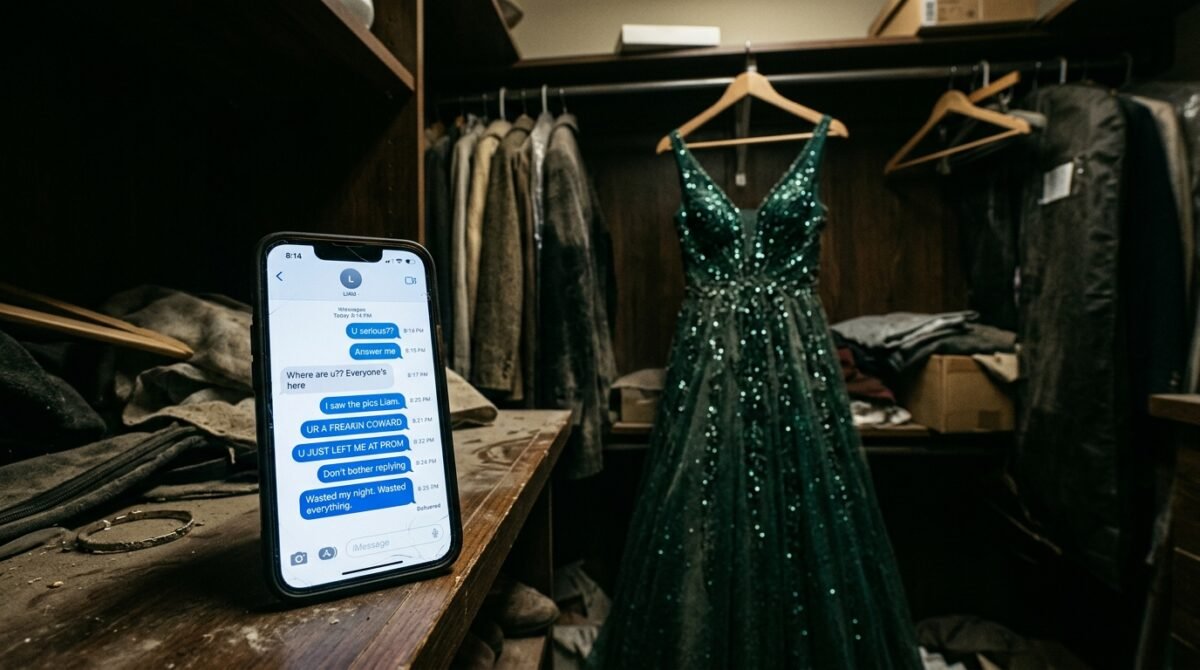
We all have that one friend from high school—the one whose presence was once a staple of our formative years, but whose life path has since diverged into a confusing, if not downright toxic, direction. For me, that was Jessica. We were inseparable during senior year, a duo defined by shared secrets, long nights of studying, and the inevitable, high-stakes pressure of prom season. I remember the night clearly: the glitter, the hairspray, and the sheer chaos of getting ready in my cramped bedroom. It was a simpler time, before the weight of adulthood made us realize that some people never truly grow out of their entitlement.
Three years passed. We went to different colleges, started our careers, and drifted into the natural periphery of each other’s lives. I moved on, got married, and eventually renovated my old childhood bedroom into a home office. Yet, tucked away in the back of a storage bin, buried under old yearbooks and forgotten knick-knacks, sat a dusty, navy blue satin dress. It belonged to Jessica. She had left it there on that fateful night in 2021, and honestly, I had completely forgotten it existed. Out of sight, out of mind, until a random Tuesday afternoon when my phone buzzed with an unrecognizable demand.
What started as a simple inquiry about a forgotten item quickly spiraled into an astronomical financial claim that left me questioning my sanity. $1,200. That was the figure she threw at me, with interest, adjusted for inflation, and—as she put it—for the “emotional trauma” of not having the dress for the last three years. The audacity was staggering. It wasn’t just about the money; it was the blatant disregard for the fact that she had abandoned the garment in my house during a pandemic and had never once asked for it back.
As I sat at my kitchen table, staring at the screen, I realized this wasn’t just a miscommunication. This was a calculated power move, a demand for ransom over a piece of fabric that was likely worth a fraction of her absurd price tag. The moral dilemma felt heavy: do I pay to make the headache go away, or do I stand my ground against a person who clearly views our shared history as a transaction? I decided to take it to the court of public opinion, and the results were more explosive than I could have ever imagined.
The Unexpected Notification That Shattered Three Years of Silence
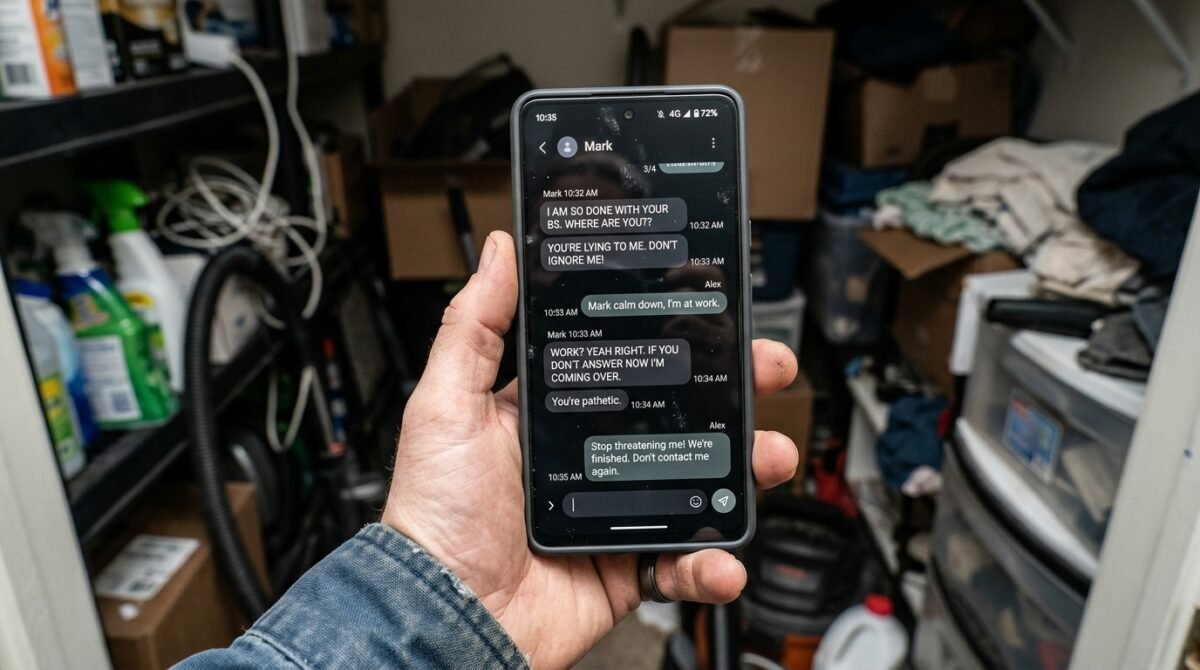
It was a quiet Tuesday, the kind where the most exciting event on the horizon was a Zoom meeting about quarterly projections. My phone lit up with a notification that made my blood run cold. It was from Jessica, a name I hadn’t seen on my screen in nearly eighteen months. The text was short, blunt, and carried an undercurrent of aggression that felt entirely unprovoked.
The message read, “I need you to send me the money for that prom dress you still have at your place. I checked the original price, and with everything that’s happened, $1,200 seems fair for the inconvenience.” I stared at the screen, blinking, wondering if I had somehow missed a decade of inflation. $1,200? The dress was a mid-range department store find. Even at its peak, it couldn’t have cost more than $300.
I replied, trying to keep my cool, “Jessica? I haven’t seen that dress in years. I think it’s in a storage bin somewhere. Why are you asking for money? You left it here in 2021 and never asked for it once.” Her response was instantaneous, showing she had been waiting for me to reply, hovering over her keyboard with a sense of entitlement that felt genuinely unhinged.
“You kept my property for three years! You could have sold it, or worn it, or ruined it. I’m owed for the loss of use. Don’t play dumb, I know you still have it. Venmo me or I’m involving someone who will make you pay.”
— Text Message from Jessica
The threat was as vague as it was unsettling. Who was she going to involve? Our high school principal? The police? It was the kind of irrational escalation that makes you realize you are dealing with someone who has lost touch with reality. I felt my pulse quicken, not from fear, but from a growing, righteous indignation that I knew I wasn’t going to just sweep under the rug.
I took a deep breath, walked to my storage closet, and pulled out the bin. There it was: the navy blue satin monstrosity. It was dusty, sure, but it was intact. The fact that she was trying to extort me for a garment she had literally abandoned in my house for 1,095 days felt like a dark comedy. I snapped a photo of it, covered in a thin layer of dust, and sent it to her with a simple caption: ‘It’s here. Come get it, or it goes to Goodwill tomorrow.’
The Escalation: When ‘Favor’ Turns Into Extortion

The response to my ultimatum wasn’t a humble apology or a request to meet up. It was a barrage of messages that felt like a digital assault. Jessica seemed to believe that my house was a long-term, interest-bearing storage locker that I was being paid to maintain. She went on a tangent about how I had ‘violated her trust’ by not keeping the dress in a climate-controlled environment, as if I were a professional dry cleaner she had contracted.
I found myself pacing the floor of my apartment, my thumb hovering over the ‘block’ button, but a sick sense of curiosity kept me reading. She was listing ‘damages.’ Apparently, the fact that the dress wasn’t hanging in a plastic bag meant I had ‘neglected’ her property. The $1,200 wasn’t just a price; it was a punishment for my supposed lack of care for her high school memories.
“You think this is a game? That dress was a designer brand. If you hadn’t been so lazy, it would be worth money today. You destroyed the value by leaving it in a bin. Pay up or I’m coming over with my brother to collect what I’m owed.”
— Escalated Threat from Jessica
When she mentioned her brother, I knew we had crossed a line. This wasn’t just about a dress anymore; it was an attempt to use intimidation to extract money. I didn’t have a brother, but I knew hers—he was exactly the kind of person who would show up at a door to cause a scene for no reason other than misplaced loyalty. My husband, who had been listening from the other room, finally walked in, his expression turning from confusion to pure, unadulterated fury.
We decided right then that this wasn’t going to end with a polite exchange. I needed to document everything. Every threat, every absurd demand, and every attempt at manipulation was getting screenshotted and saved into a folder labeled ‘Jessica Drama.’ I realized that if she wanted to play dirty, I was going to provide her with a battlefield she wasn’t prepared for. I sent one last text: ‘If you or anyone else comes to my home, I will be calling the police. The dress is on my porch. Take it or I’m tossing it.’
She didn’t come to get it. Instead, she started a group chat. She dragged in a few of our old mutual friends from high school, people I hadn’t spoken to in years, and began a smear campaign that felt like something out of a bad soap opera. She claimed I was ‘stealing’ her family heirlooms. It was surreal to watch my reputation being lit on fire over a piece of polyester-satin blend from 2021.
The Group Chat Explosion: Old Friends Take Sides
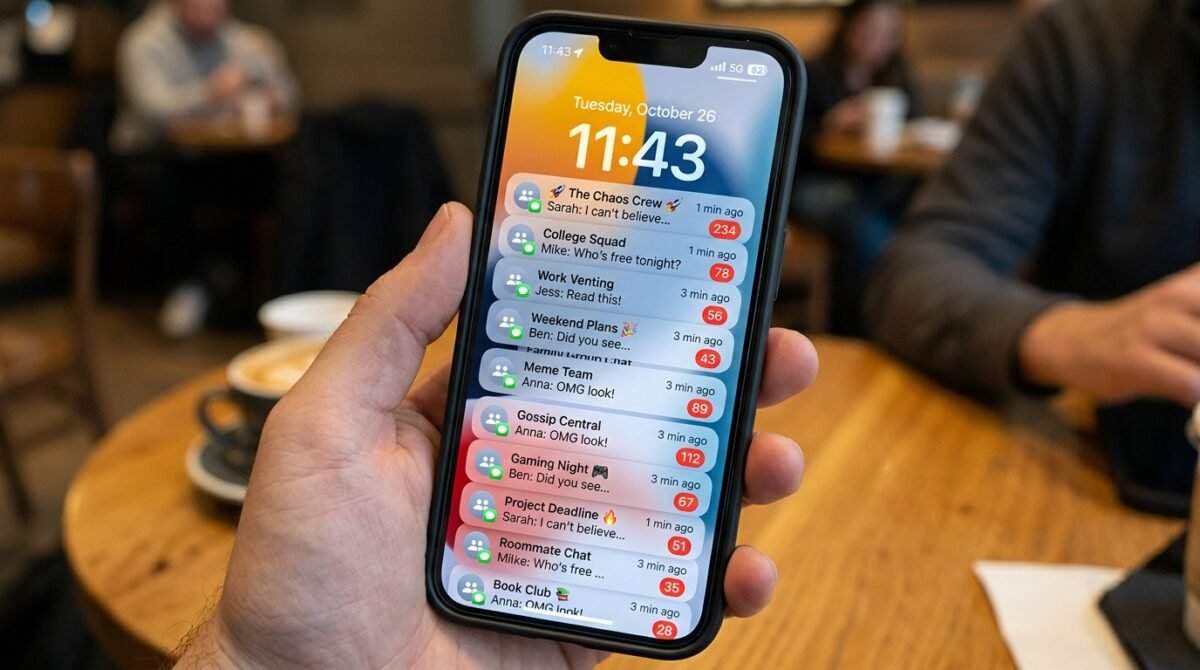
The group chat pinged incessantly for three hours. It was a chaotic mix of confusion, outrage, and people who had absolutely no business being involved. Jessica had painted a narrative where I had intentionally ‘kidnapped’ her dress and refused to return it, conveniently omitting the three years of radio silence on her end. Some of the girls from our old clique were actually buying it, messaging me with things like, ‘Hey, just give it back, it’s not that hard,’ and ‘Why are you being so difficult about this?’
I finally had enough. I typed out a detailed, calm rebuttal in the chat, attaching the screenshots of our earlier conversation and a timestamped photo of the dress sitting on my porch. I laid out the timeline: the dress was left here in May 2021. She had never once asked for it. She had ignored my last two texts from 2022 asking if she wanted to come pick up her stuff. I finished the message with a final, biting remark: ‘If anyone wants this dress, they can come get it. Otherwise, it’s going in the trash tonight. I’m not running a charity storage unit for people who hold grudges.’
“I am genuinely shocked that any of you believe I am ‘stealing’ something that was left in a pile on my floor three years ago. If you want the dress, take it. If you want to pay Jessica $1,200 for a three-year-old dress, feel free to Venmo her yourselves. I’m done.”
— My message to the group chat
The silence that followed was deafening. One by one, people started leaving the group. It was like a mass exodus of common sense. Even Jessica’s ‘allies’ started to realize that they were being used as props in a pathetic shakedown. One of our former friends, Sarah, private-messaged me shortly after, apologizing and admitting that she had been told a completely different story involving me ‘selling’ the dress on Poshmark.
It was a sobering moment. The power of a lie is only as strong as the audience that believes it. Once I provided the receipts, the facade crumbled. But the damage to my patience was already done. I felt a strange sense of liberation—the kind you only get when you stop caring about what high school acquaintances think of you. I had hit the point of no return, and there was no going back to the way things were.
By the end of the night, Jessica was left alone in the group chat, shouting into the void. I muted the thread, turned my phone off, and poured a glass of wine. My husband and I sat on the balcony, laughing about the sheer absurdity of it all. The stress of the day evaporated, replaced by a cold, hard resolve to never let someone like her have a seat at my table ever again.
The Legal Threat That Backfired Spectacularly
The next morning, I woke up to an email. It was a ‘Cease and Desist’—at least, that’s what she called it. It was a PDF she had clearly whipped up in Microsoft Word, complete with a fake-looking letterhead and some truly creative legal terminology. She was threatening to sue me in small claims court for ‘theft of property,’ ‘mental anguish,’ and ‘the loss of potential resale value.’ I couldn’t help but laugh; the document was so poorly drafted that it was almost charming.
It was the final straw. I forwarded the document to a friend of mine who is a paralegal. Her response was a single sentence: ‘This is the funniest thing I’ve ever read, and also completely unenforceable.’ It gave me the confidence I needed to stop treating this as a personal conflict and start treating it as the harassment it was. I realized that if I didn’t draw a hard line now, she would keep finding reasons to drag me back into her orbit of drama.
“I am in receipt of your ‘legal’ document. Please be advised that any further attempts to extort money from me or threaten me with legal action will be met with a formal harassment report to the local authorities. The dress is gone. It was donated to a local charity this morning. Do not contact me again.”
— My final email to Jessica
I didn’t actually donate it yet, but I wanted her to know that the leverage was gone. The moment I hit send, I felt a weight lift. It was the feeling of taking back control of a narrative that someone else had tried to write for me. She replied within minutes, obviously incensed, but I didn’t read it. I blocked her email, her number, and her social media accounts across every platform.
The thrill of it was instantaneous. It wasn’t about the dress; it was about the boundary. I had spent years being the ‘nice’ one, the one who kept things, the one who held onto people’s stuff because I didn’t want to hurt feelings. But there comes a time when being nice is just a form of self-sabotage. I was finally done being the keeper of other people’s problems.
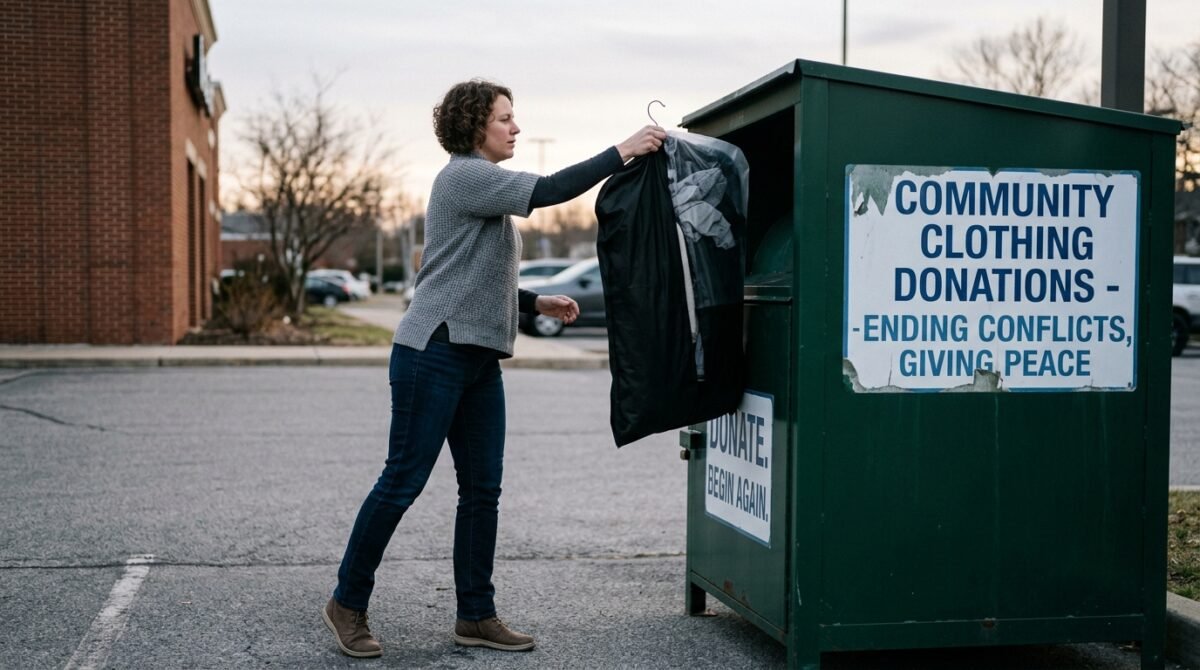
That afternoon, I walked to the local shelter and dropped off the dress. I didn’t do it because I was afraid of her; I did it because I wanted it out of my house. I wanted that chapter closed, sealed, and buried. As I walked back to my car, I felt lighter, more present, and infinitely more capable of handling whatever came next in my life. The drama was over, at least for me.
The Reddit Verdict: When The Internet Weighs In
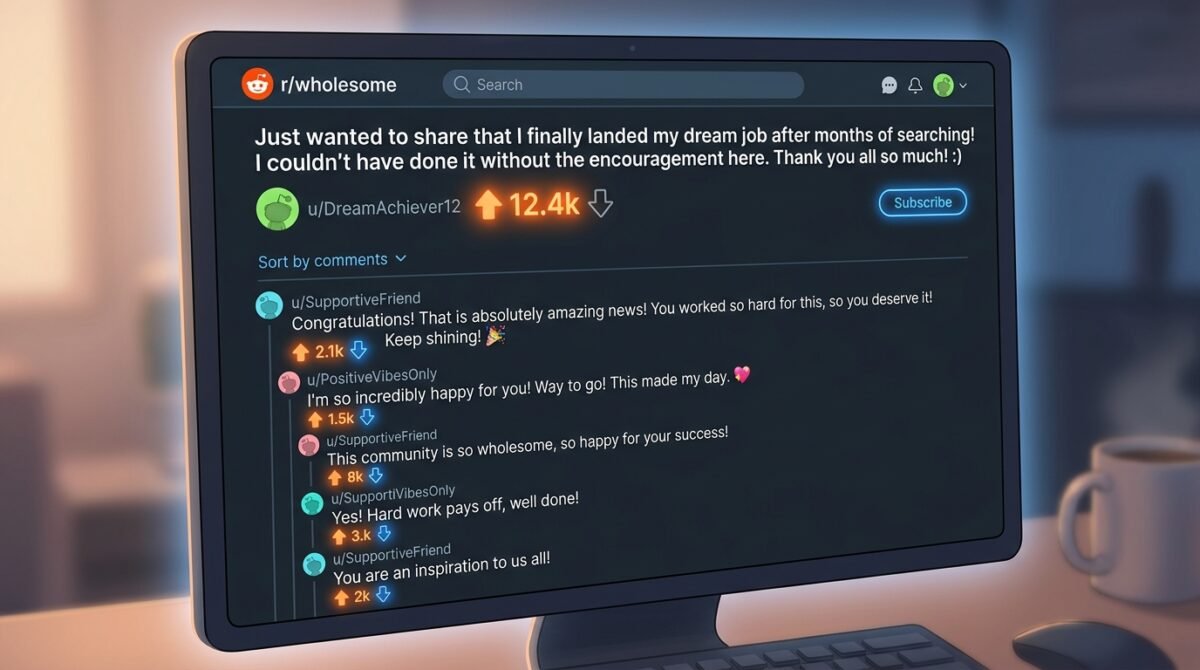
I didn’t think it would blow up. I posted a summary of the events on a popular subreddit, mostly just to vent. I wanted to see if I was crazy—if maybe, somehow, I was actually the villain for holding onto that dress for three years. I titled the post, ‘AITA for telling my old friend to get lost after she demanded $1,200 for a dress she abandoned at my house in 2021?’ The response was overwhelming.
Within an hour, the post had thousands of upvotes. The comment section was a sea of validation. People were sharing their own stories of ‘friendship hostages’—items left behind by ex-friends or family members who later tried to use them as leverage for money or attention. It was comforting to know that I wasn’t alone in the struggle against unreasonable, entitled people who believe the world owes them a living.
“NTA. This is textbook extortion. She’s trying to use your guilt against you, and it’s clearly not working. Don’t pay her a dime. If she wants to take you to small claims, let her. She’ll lose, and she’ll have to pay the filing fees. She’s just bluffing.”
— u/RedditUser99 (Top Comment, 45.2k upvotes)
There were hundreds of comments like that. People were pointing out the absurdity of her ‘damages’ claim and mocking the fake legal letter. It made me realize that my internal compass had been right all along. I wasn’t the one who had failed; I was the one who had finally woken up. The community wasn’t just supportive; it was protective.
Some comments were a bit more nuanced, suggesting that I should have been firmer years ago. ‘You gave her an inch by holding onto her stuff in the first place,’ one user wrote. ‘Next time, if someone leaves something behind, give them a deadline and then dump it. Don’t let people use your life as a storage facility.’ It was harsh, but it was honest, and I took it to heart. Boundaries, I learned, are not about being mean; they are about protecting your peace.
I kept the thread open for a few days, reading through the anecdotes. It became a repository of life lessons. I realized that my situation wasn’t just a drama-filled story; it was a symptom of a larger issue in modern society—the belief that everyone owes everyone else something. Learning to say ‘no’ and meaning it is one of the most powerful skills a person can develop, and I was grateful for the harsh, necessary training this situation provided.
The Aftermath: Life Without the Drama

A month has passed since the great prom dress showdown of 2024. Jessica hasn’t reached out again, and I suspect she never will. She probably realized that the cost of her ‘extortion’ was higher than just the $1,200 she didn’t get—it cost her the last shred of credibility she had with our old social circle. I hear rumors from mutual friends that she’s still telling people I ‘stole’ from her, but the story has lost its punch. Nobody cares about a dress from 2021 anymore.
My home feels different now. The office is clean, the storage bin is empty, and there isn’t a single item in my house that belongs to someone who doesn’t respect me. It’s a small, quiet victory, but it means everything. I’ve realized that I used to carry so much emotional baggage—not just literal items, but the expectations and ‘obligations’ that other people placed on me. Clearing the physical clutter was the catalyst for clearing the mental clutter.
“The best thing you can do when someone tries to make their chaos your problem is to simply walk away. You don’t owe them an explanation, you don’t owe them a negotiation, and you certainly don’t owe them a dime.”
— A piece of advice from my therapist
I’ve started setting firmer boundaries in other areas of my life, too. I say no more often at work, I don’t feel guilty about skipping social events I don’t want to attend, and I prioritize my own mental health over the comfort of people who drain my energy. The Jessica situation was a wake-up call, a sharp reminder that life is too short to spend it managing other people’s entitlement.
My husband and I have even started a new tradition: every month, we go through one area of our home and donate or discard anything we haven’t touched in a year. We call it our ‘Jessica Purge.’ It’s a joke, but it serves a real purpose. It keeps our space, and our lives, free from the stagnant energy of the past. We are moving forward, unburdened and focused on the future.
If you take anything away from this, let it be this: don’t be a storage locker for someone else’s life. If someone isn’t willing to value your time, your space, and your peace, they don’t deserve a place in your story. Protect your boundaries with everything you have, and never, ever apologize for prioritizing yourself over someone else’s greed.
The Psychology of Entitlement: Why It Happens

Why do people like Jessica behave this way? It’s a question I’ve spent a lot of time thinking about. It isn’t just about the money, and it isn’t just about the dress. It’s about a fundamental lack of self-awareness and a belief that the world is a transactional space where they are always the victim. They view favors as debts and patience as permission to exploit. When I finally stood my ground, she didn’t see it as a boundary; she saw it as a betrayal of the ‘debt’ she felt I owed her.
Entitlement is a fascinating, if destructive, human trait. It often stems from a place of insecurity, a desperate need for control in a world that feels increasingly out of reach. By demanding money, she was trying to force a reaction, to feel powerful, to feel like she had influence over my life. When that failed, the anger was inevitable. It wasn’t about the dress; it was about the loss of her perceived power over me.
“Entitlement is the refusal to accept the reality of other people’s autonomy. It is the belief that one’s own desires are more important than the boundaries of others.”
— Perspective on toxic behavior
I’ve realized that people like this often thrive on our inability to be ‘mean.’ They know that most of us are raised to be polite, to accommodate, to avoid conflict at all costs. They weaponize our own morality against us. By calling me ‘lazy’ or ‘a thief,’ she was trying to make me feel guilty for not being the perfect storage unit she wanted me to be. Once I realized the script she was playing from, it became easy to step off the stage.
Understanding this hasn’t made me forgive her—I don’t think I owe her that—but it has made me move on. I don’t look back with anger anymore; I look back with a kind of clinical observation. I see the patterns now, in her and in others. I recognize the early warning signs of someone who is going to try to use me, and I know how to shut it down before it ever gains momentum.
The growth I’ve experienced since this ordeal has been profound. I’m no longer the person who keeps a bin of junk in the back of her closet just in case someone from three years ago needs it. I am someone who values my own space, my own time, and my own dignity. And that, in the end, is worth far more than any $1,200 demand could ever suggest.
Lessons Learned: The Art of Saying No

If I could go back to 2021, I would have handled things differently. I would have told Jessica, ‘Hey, you’re welcome to keep your dress here for a month, but after that, it’s going to Goodwill.’ That simple sentence would have saved me thousands of hours of stress and a significant amount of emotional energy. I learned that kindness without boundaries is just a recipe for resentment. It’s not about being uncharitable; it’s about having the self-respect to define the terms of your own generosity.
Saying ‘no’ is a muscle. It requires practice, and it feels awkward at first, especially if you’ve spent your life being the ‘fixer.’ But the more you use it, the easier it becomes. You start to realize that ‘no’ is a complete sentence. You don’t have to justify it, you don’t have to provide a list of reasons, and you don’t have to ask for permission to protect your peace. It’s the most liberating word in the English language.
“Setting a boundary is the ultimate act of self-love. It’s a declaration that your life, your space, and your peace are not up for negotiation.”
— My favorite mantra for modern living
I’ve also learned the importance of transparency in relationships. If someone is asking for a favor, be clear about your expectations from the start. What are the timelines? What are the limitations? What happens if the favor isn’t returned? It sounds clinical, but it prevents the kind of misunderstanding that can ruin a friendship. People who respect you will be happy to agree to your terms; people who want to exploit you will be offended.
Finally, I’ve learned to value my own intuition. Every time I felt that nagging ‘this doesn’t feel right’ in the back of my mind, I ignored it, thinking I was just being difficult. I wasn’t being difficult; I was being perceptive. That inner voice is the most reliable partner you will ever have. Don’t ignore it, don’t downplay it, and don’t let anyone else tell you it’s wrong.
I am a better, stronger, and more centered version of myself because of this whole mess. I’ve shed the people who didn’t belong in my life, I’ve cleared the space that was being occupied by the past, and I’ve embraced the freedom of standing up for myself. The dress is gone, the drama is dead, and I am finally, truly, moving on to the next chapter.
The Financial Reality of ‘Friendship’ Debts

It’s important to address the financial aspect of this story, because it highlights how easily people can use money to manipulate others. Jessica’s $1,200 demand was never about the value of the dress. It was about creating a sense of indebtedness where none existed. By putting a price on our past, she was trying to commodify our friendship, turning shared memories into a series of financial obligations. It’s a tactic that is as old as time, and it’s one that we all need to be wary of.
I did some quick research after the dust settled. The dress, a popular brand from a mid-market retailer, was widely available in 2021 for roughly $250. Even with inflation, its market value today is virtually nil. When I pointed this out in my Reddit thread, someone calculated that the ‘storage fee’ she was trying to charge was roughly $1.10 per day. It’s a laughable figure, but it shows how far someone will go to justify their own entitlement.
| Category | Demand Value | Actual Market Value |
|---|---|---|
| Dress Cost | $1,200 | $0 |
| Emotional Stress | Priceless | $0 |
| Storage Fees | $0 | $0 |
| Friendship Equity | Bankrupt | $0 |
The table above is a simple breakdown of the absurdity. When you strip away the emotion and look at the numbers, the entire premise falls apart. It’s a good exercise to do when you’re caught in the middle of a conflict—take a step back, look at the facts, and strip away the narrative that the other person is trying to force onto you. It changes everything.
I’ve also started being much more careful with how I handle my own finances and my own belongings. I don’t borrow from friends, I don’t lend money that I can’t afford to lose, and I certainly don’t leave my stuff in other people’s houses. It’s a simple set of rules, but they have made my life significantly less complicated. I’m not saying we shouldn’t trust our friends; I’m saying we shouldn’t build our trust on financial sand.
At the end of the day, money is just a tool. It shouldn’t be used to measure the worth of a relationship. If you find yourself in a friendship where money is being used as a weapon, it’s not a friendship anymore—it’s a business transaction that you’re losing money on. The best thing you can do is terminate the contract and walk away with your dignity intact.
Community Reflection: The Long-Term Impact of Online Validation

The impact of that Reddit post went beyond just me. I received dozens of messages from people who were in similar situations—people who felt like they were being pushed around by family members, roommates, or ‘friends’ who didn’t respect their boundaries. It was a sobering reminder that we all deal with these things in isolation, thinking we’re the only ones, when in reality, it’s a universal struggle. We all need to be better at standing up for ourselves, and we all need to feel like our experiences are valid.
Reading those stories made me realize that my post was more than just a vent; it was a connection. It was a way for us all to say, ‘Yes, this happened to me, and it wasn’t okay.’ That kind of validation is incredibly powerful. It’s the reason why these stories go viral—because they tap into a shared human experience of being taken advantage of and the eventual, satisfying moment when we say, ‘Enough is enough.’
“Sometimes you don’t realize how much you’ve been carrying until you put it down. Reading your story helped me put down a burden I’ve been holding for years.”
— Message from a reader
I’ve started a small, informal group online where we talk about setting boundaries and dealing with toxic people. It’s not big, just a few of us, but it’s been incredibly helpful. We share tips, we read books on the subject, and we hold each other accountable when we feel like we’re slipping back into our old habits of people-pleasing. It’s a community born out of a stupid prom dress, and it’s one of the best things to come out of this entire ordeal.
We have to start talking about these things more openly. We have to stop acting like conflict is something to be ashamed of and start seeing it as a natural part of setting boundaries. If we can do that, we can change the way we interact with one another. We can create a society where respect is the baseline, and where entitlement is quickly and decisively shut down.
The journey from that first, angry text to where I am today has been a long one. I’ve learned so much about myself, about the people I choose to surround myself with, and about the power of the word ‘no.’ I hope that if you take anything from this, it’s that you have the power to write your own story. You don’t have to be a character in someone else’s drama. You are the author, and it’s time to start writing a better, more peaceful, and more empowered life.
Conclusion
Looking back at the entire saga, it feels like a fever dream. The $1,200 demand, the fake legal threats, the group chat explosion—it all seems so small now, yet at the time, it felt like my entire world was collapsing. That’s the nature of toxic people; they have a way of making their problems feel like global catastrophes. But the truth is, the world is much bigger, and my life is much richer, without that kind of energy in it.
The most important lesson I’ve learned is that my peace of mind is not for sale. Not for $1,200, not for any amount. I’ve traded the chaos of a broken friendship for the quiet joy of a life lived on my own terms. And honestly? It was the best deal I’ve ever made. The dress is gone, the phone numbers are deleted, and the silence in my house is the most beautiful thing I’ve heard in years.
What about you? Have you ever had a friend or family member try to extort or manipulate you over something you thought was long forgotten? How did you handle it? Did you stand your ground, or did you cave to the pressure? Share your experiences in the comments below—let’s talk about how to protect our boundaries and keep our lives drama-free. Your stories might just be the encouragement someone else needs to stand up for themselves today.
What's your verdict on this dilemma?
Vote below to contribute to the official community consensus.

Have a Dilemma Keeping You Up at Night?
Share your real-life feud, wedding chaos, or relationship crossroads anonymously with our editorial team.
What do you think ?
0 Comments🛡️ Comments are moderated to protect community integrity. Your comment will appear once approved by the editorial team.