

We had spent months planning the perfect gender reveal. My husband, Mark, and I had curated a garden aesthetic that felt intimate yet celebratory. We had sourced the blue and pink macarons, hung fairy lights across the pergola, and, most importantly, ordered a custom cake with the gender hidden inside the sponge. It was meant to be the highlight of our journey into parenthood, a moment to share our joy with our closest friends and family.
My sister, Sarah, had been acting strange for weeks, but I attributed it to her general volatility. She had been married for three years, and rumors of a failing relationship had been circulating through the family grapevine like wildfire. I invited her, hoping the celebration would be a distraction for her, a chance to be around love and anticipation. I never imagined she would view my celebration as her personal stage.
The atmosphere was electric as the afternoon sun dipped low. Guests were milling about, sipping sparkling lemonade and laughing. I felt that specific, soaring happiness that only comes when everything you’ve worked for finally aligns. I had no idea that beneath the surface, Sarah was orchestrating a disruption that would permanently alter our family dynamic and leave my guests horrified.
As I reached for the knife to cut the cake, the music suddenly cut out. A screech of feedback echoed across the lawn, followed by a shaky, amplified voice. I turned around, expecting a toast, but instead, I saw Sarah standing on our small outdoor stage, her eyes glassy and her grip white-knuckled on the microphone. The next ten minutes would go down in our family history as the most uncomfortable experience of my life.
The Silence Before the Storm

The moments leading up to the cake cutting were filled with a specific kind of anticipation. Everyone was huddled around the table, phones out to record the big reveal. My mother was beaming, and even Mark, who usually hates being the center of attention, had a massive, genuine smile on his face. The air smelled of vanilla and summer grass.
Sarah had been hovering near the sound system all afternoon. I assumed she was helping out, as she had insisted on being ‘in charge of the music.’ Looking back, I should have seen the signs. She wasn’t playing the curated playlist; she was just skipping tracks, her movements jerky and erratic. She hadn’t spoken more than three words to me all day, which I chose to interpret as her dealing with her own private grief.
When I finally grabbed the knife, a hush fell over the crowd. It was that perfect, movie-like silence where you can hear a pin drop. I looked at Mark, waiting for the signal to slice into the fondant. We were seconds away from finding out if we were having a boy or a girl, and for that fleeting moment, the world felt perfectly still.
Then, the music stopped. It didn’t fade out; it was killed instantly. The silence that followed wasn’t the peaceful anticipation we had been enjoying; it was sudden, jarring, and heavy. My heart sank immediately, a cold knot forming in my stomach that had nothing to do with pregnancy nerves and everything to do with dread.
I turned around to see Sarah stepping into the light of the string lights, her shadow looming over the cake table. She wasn’t smiling. Her face was a mask of calculated intensity, the kind of look someone wears when they are about to make a confession they know will hurt people, but they are going to do it anyway.
“Everyone, can I have your attention? I know we’re all here for a cute little reveal, but some of us are living in the real world, and the real world is currently falling apart.”
— Sarah, addressing the guests
A Pivot No One Asked For

The guests exchanged bewildered looks. My mother stood up from her chair, her hand instinctively going to her mouth. I remained frozen, the knife still clutched in my hand, feeling like an intruder at my own party. Sarah began to speak, her voice trembling—not with sadness, but with a strange, performative urgency.
She told the room that her husband, Dave, had ‘left her for a yoga instructor.’ She detailed the betrayal in graphic, agonizing detail, sparing no one from the specifics of their failing sex life or the contents of his latest credit card statement. It was TMI on a level that made even our closest friends look at their shoes. She was essentially performing a public autopsy on her marriage, and she was using my captive audience to do it.
I tried to step in, to gently remind her that this was supposed to be a happy day, but she snapped at me. She told me to ‘wait my turn’ because what she was going through was ‘actual life-altering trauma.’ The entitlement was staggering. She wasn’t just venting; she was hijacking the emotional oxygen in the room.
As she continued, the mood shifted from confusion to deep, palpable embarrassment. Guests started moving away, some whispering to their partners. You could see the discomfort in their posture; they wanted to leave, but they were trapped by the sheer awkwardness of the situation. It was a hostage situation, only the ransom was our attention.
She then pulled out her phone and started reading off a list of things she ‘needed’ to start her new life. She didn’t want emotional support; she wanted a fresh start fund. She read her Venmo handle out loud, three times, telling everyone that if they really cared about her, they would put their money where their mouths were instead of buying ‘useless baby clothes’ for a fetus that hadn’t even been born yet.
“I don’t need another onesie, guys. I need to move out, and I need a security deposit. So, if you were planning on buying a gift for this reveal, just redirect those funds to my link. It’s on the table by the drinks.”
— Sarah’s demand to the guests
The Aftermath of the Hijack

The silence that followed her declaration was deafening. No one moved. No one cheered. No one even took out their phone to donate. The only sound was the faint hum of the neighbor’s pool filter. I felt a hot flush of anger rise up my neck. This was supposed to be the moment I would remember forever, and now, it was tainted by her selfishness.
Mark eventually stepped in. He didn’t yell, which I was proud of, but his voice was firm and cold. He walked up to the stage, took the microphone from her hand, and simply said, ‘Sarah, that’s enough. Please leave.’ She looked at him like he was the villain, like he was the one ruining her moment. She started to cry, but it felt performative, a tactical retreat.
She gathered her things with as much dignity as she could muster, though the effect was ruined when she tripped over a power cable on her way out. She didn’t look back. She didn’t apologize to me. She just walked toward her car, leaving behind a group of people who had come to celebrate a new life, only to be subjected to the death of hers.
The rest of the evening was a blur. We cut the cake, and it was a boy, but the joy was muted. Every laugh felt forced, and every conversation revolved around the insanity we had just witnessed. People left early, making polite excuses about babysitters or work the next day. I spent the rest of the night cleaning up, feeling a profound sense of loss for the day I didn’t get to have.
My phone started buzzing around 10:00 PM. It was a group chat, one I hadn’t even realized Sarah had added me to earlier that week. It was filled with screenshots of her Venmo, complaints about how ‘unsupportive’ the family was, and demands for ‘validation’ from anyone who hadn’t blocked her yet. I muted it, but the damage was done.
“I just thought family was supposed to support each other in hard times. I didn’t realize this was a ‘me-only’ party. Good luck with the kid, hope he’s more empathetic than his parents.”
— Sarah’s text in the family group chat
The Digital Fallout

By the next morning, the story had already migrated from our backyard to the digital world. Sarah had posted a long, rambling video on her social media, framed as a ‘raw and honest’ look at her divorce. In the video, she omitted the part where she hijacked a gender reveal and instead focused on how her sister had ‘kicked her out’ while she was having a mental health crisis.
My social media notifications blew up. I had people I barely knew messaging me to ask if I was okay, or worse, asking me to ‘try to understand where she’s coming from.’ The gaslighting began immediately. Sarah was painting herself as the victim, and because she was so vocal about her pain, people were buying it.
I watched as comments flooded her post. Some people were genuinely supportive, offering her money and advice, while others were starting to catch on to the fact that she had crashed a party. The comment section became a battleground of people who knew the truth and people who were just reacting to her edited narrative. It was infuriating to watch the truth get twisted in real-time.
Then came the messages from my aunt and cousins. They were all in a panic, asking me to ‘just keep the peace’ and ‘let it go’ because Sarah was ‘fragile.’ It seemed like everyone wanted me to be the bigger person, which really just meant they wanted me to be a doormat. It was the same old story: Sarah acts out, and I’m expected to absorb the impact.
I realized then that I couldn’t just stay quiet. If I didn’t set a boundary, this would keep happening. She had already proven she was willing to ruin my big moments for attention. I started drafting a response, not to her, but to the family. I needed to be clear that the behavior was unacceptable, regardless of her marital status.
“Sarah, you had every right to be sad about your divorce, but you did not have the right to steal my moment. My gender reveal was not a platform for your financial solicitation. You need to apologize to the guests who were made to feel uncomfortable.”
— My message to Sarah
The Unsolicited Advice of the Internet

I decided to take the situation to Reddit, needing an objective perspective. I posted in a popular relationship forum, laying out the timeline of events. I was prepared for people to tell me I was being too harsh, or that I should have been more compassionate. What I got instead was a wave of validation that honestly caught me off guard.
The community didn’t care about her heartbreak; they cared about the boundaries. They saw exactly what I saw: a woman who had prioritized her own misery over the joy of others. The comments section became a masterclass in how to deal with toxic family members. I read through hundreds of responses, feeling less alone with every scroll.
One user, u/RealTalkMama, stood out. She had been through a similar experience with a sibling and provided a level of clarity I hadn’t found in my own family. She broke down the psychology of someone like Sarah—the need for center-stage status even in a crisis. It helped me detach my personal feelings from the situation and look at it as a pattern of behavior.
Of course, there were the outliers. There were people who insisted that ‘divorce is hard’ and that I should be ‘more forgiving.’ I ignored them, but it was interesting to see how some people view family obligations as absolute, regardless of the toxicity involved. It made me realize that I had been playing by a set of rules that no longer served me.
I spent the next two days reading every comment, taking notes on the advice about boundaries and low-contact strategies. I felt empowered for the first time since the reveal. I realized that my sister’s unhappiness was not a project I had to solve, and her drama was not an invitation for me to participate.
“Your sister sounds like a narcissist who can’t handle not being the main character. You are not her therapist, and you are definitely not her bank. Go low-contact immediately.”
— u/BoundariesQueen (Top Comment, 18.2k upvotes)
The Confrontation at the Dinner Table
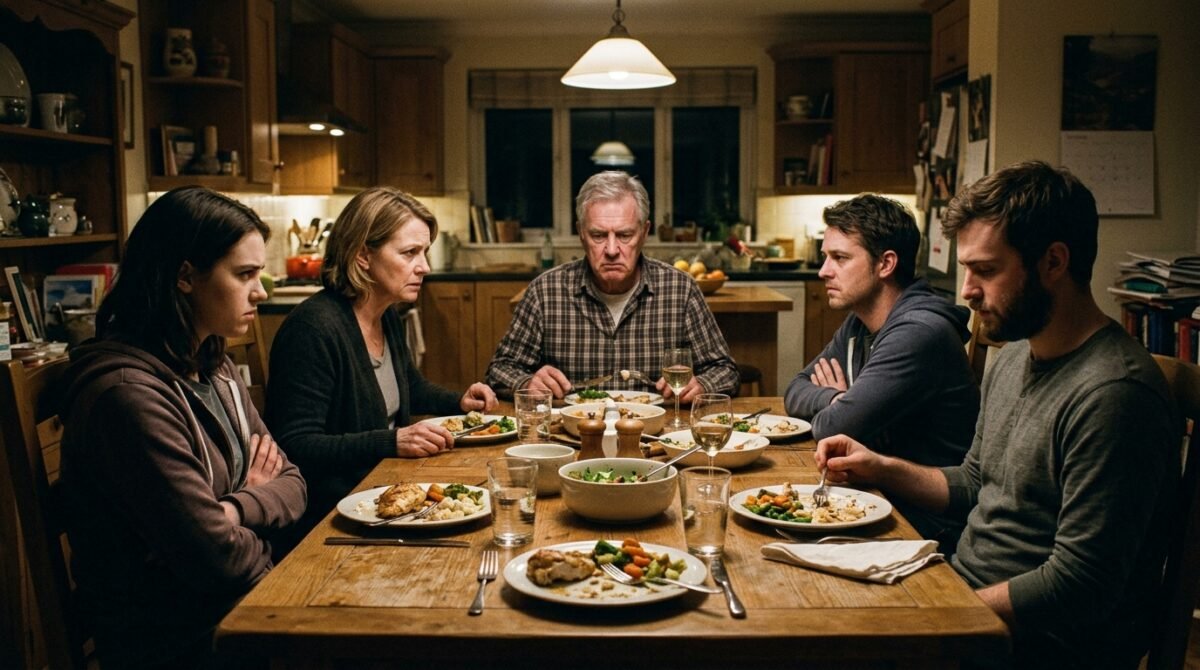
A week later, my mother insisted on a ‘family dinner’ to talk things through. I knew exactly what this was—a trap to force a reconciliation. I showed up because I wanted to show them that I was standing my ground, not because I wanted to hug it out. Mark came with me, acting as my anchor.
Sarah was there, looking disheveled and tired. She tried to give me a teary-eyed look as I walked in, but I didn’t engage. We sat down, and the air was thick with tension. My mother started with the usual platitudes about how ‘life is short’ and ‘we’re all family,’ but I interrupted her before she could get into the lecture about forgiveness.
I looked directly at Sarah. I told her that her behavior at the party was not only rude, it was a violation of the trust I had placed in her. I explained that I didn’t care about her divorce, or rather, that I cared, but not enough to let her hijack my life. I was firm, and I didn’t raise my voice. I think that scared them more than if I had screamed.
Sarah tried to play the victim again, saying she ‘didn’t know who else to turn to.’ I pointed out that she had other friends, other family members, and plenty of resources, but she chose to use me because she knew I would be a captive audience. I told her that if she ever pulled a stunt like that again, she wouldn’t be invited to the baby shower, or any other milestone I had in my future.
The table went dead silent. My father, who usually stays out of these things, actually nodded in agreement. He looked at Sarah and told her that she needed to grow up. It was the first time I felt like my parents were actually acknowledging that Sarah was the problem, not me. It felt like a massive weight had been lifted off my shoulders.
“I am not the stage for your crisis. If you can’t respect my boundaries, you aren’t welcome at my events. It’s that simple.”
— Me, during the family dinner
The Financial Reality Check

Following the dinner, I decided to do a deep dive into the financial implications of what Sarah had attempted. I realized she had sent out a blast to all the guests, not just at the party, but via email and social media, asking for money. Some of my friends had actually reached out to me, feeling pressured and confused.
I felt a deep sense of shame, not for what I did, but for the fact that my sister was using my guest list to fund her life. I decided to send an email to everyone who had been invited, apologizing for the scene and clarifying that I did not support her request for money. I wanted to protect my reputation and make sure my friends knew I hadn’t been in on her scheme.
The response was overwhelming. People were so relieved to hear I wasn’t involved. Several people told me they had been planning on donating just because they felt awkward, but now they felt empowered to say no. It felt good to take control of the narrative and cut off the supply of attention and money she was trying to leach from my circle.
I also tracked the donations she had managed to scrape together. It wasn’t much—mostly from a few distant relatives who felt sorry for her—but it was enough to show she had been actively soliciting. I kept screenshots of everything. If she ever tried to claim I was the one who was being difficult, I had all the evidence I needed to prove otherwise.
It was a cold, clinical process, but it was necessary. I treated it like a business transaction because, in a way, it was. I was protecting my brand, my family, and my future. My sister had turned our relationship into a transaction, and I was just balancing the books.
| Action | Sarah’s Intention | The Outcome |
|---|---|---|
| Gender Reveal Hijack | Attention and Donations | Alienated guests |
| Social Media Post | Public Sympathy | Divisive community reaction |
| Venmo Solicitations | Financial Support | Loss of family trust |
The Breaking Point of Patience
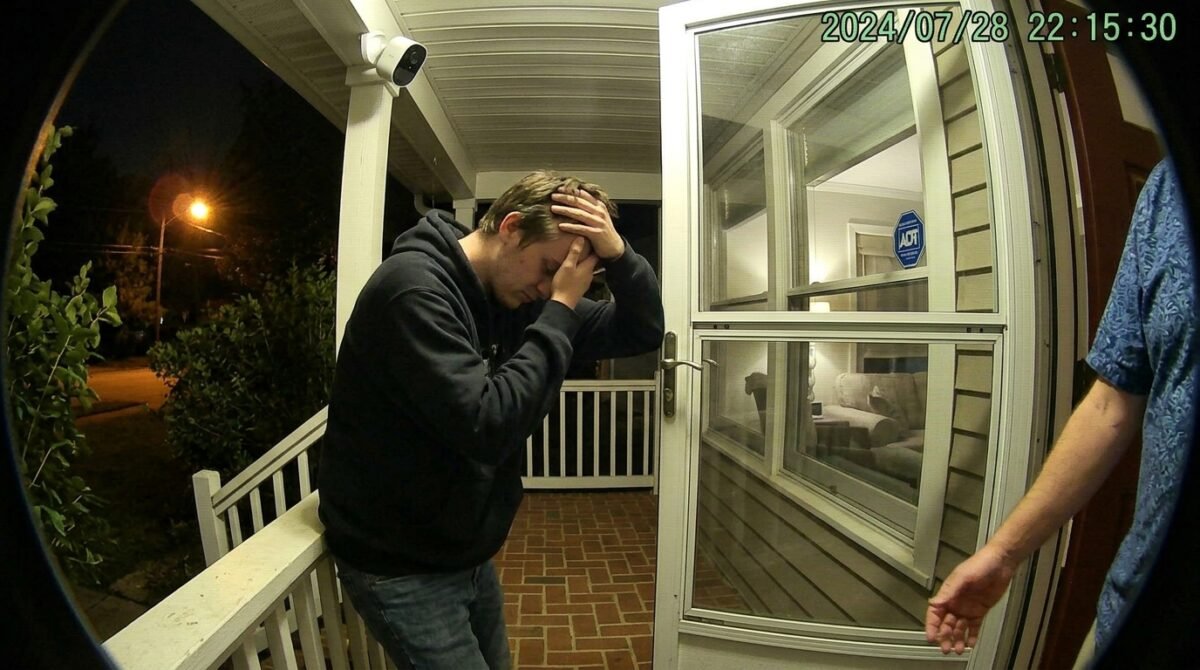
A month later, Sarah tried to force her way back in. She showed up at my house unannounced with a suitcase, claiming she had been kicked out of her apartment. She was crying, and she had all the classic trappings of a ‘crisis’—disheveled hair, no makeup, and a dramatic story about her landlord.
I didn’t open the door. I spoke to her through the ring camera. I told her that she wasn’t staying here, and that she needed to go to a friend’s house or a hotel. She started screaming, calling me selfish and uncaring. She said, ‘After everything I’m going through, this is how you treat your own sister?’
I told her that my home was for my family, and my family was currently Mark and our baby. I told her that her refusal to respect my boundaries meant she had forfeited the right to my support. It was the hardest thing I’ve ever had to say, but it was also the most liberating. She eventually left, leaving a pile of garbage on my porch as a final act of pettiness.
I called the police, not to report a crime, but to start a paper trail. I wanted documentation that she had been told to leave and refused to respect our space. It felt like I was dealing with a toddler, but I knew I had to be an adult. I was protecting my peace and my future child, and that was worth any amount of temporary conflict.
Mark was incredibly supportive. He had been the one to insist we get the camera, and he was the one who stood by me while I stood at the door. We had a long conversation that night about what kind of parents we wanted to be, and we both agreed that toxicity would not be allowed in our home, regardless of blood relation.
“I am not opening that door, Sarah. You need to leave right now or I will call the police. This is not a debate.”
— My response via the security camera
The Long Road to Low Contact
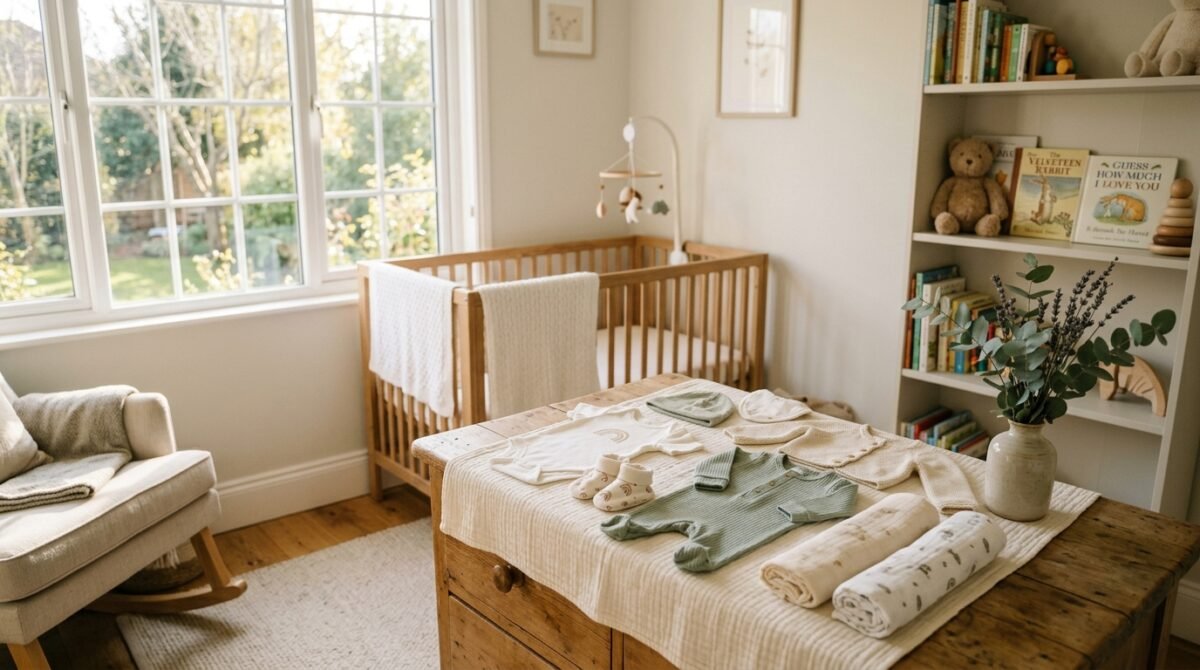
We have moved to a firm ‘low-contact’ policy. I don’t respond to her texts unless it’s an absolute emergency, and even then, I do it through Mark. It’s been months, and things have slowly started to stabilize. I’m focusing on my pregnancy, my marriage, and my own mental health. It’s amazing how much energy you have when you aren’t constantly managing someone else’s crisis.
I still get updates from family members about her, but I’ve made it clear that I don’t want to hear them. If they want to talk about Sarah, they can do it elsewhere. It’s a boundary that has tested some relationships, but it’s been worth it. The people who really care about me have learned to respect my need for distance.
I’ve also started seeing a therapist to work through the guilt. It’s funny how, even when you’re the victim, you still feel like you’re doing something wrong by cutting off a sibling. My therapist has been instrumental in helping me understand that my sister’s behavior is her own, and my reaction is the only thing I can control.
I’m finally starting to feel excited about the baby again. The bitterness that followed the reveal is fading, replaced by a quiet, steady anticipation. We’re planning a new, much smaller, and more private event to celebrate, and we’ve made sure that the guest list is strictly curated to include only those who respect our boundaries.
Sarah is still out there, living her life, still posting her dramas, but it feels like it’s happening in a different world. I’m no longer the person who has to fix her mistakes. I’m just me, and that is more than enough. I’m proud of how far I’ve come and the strength I’ve found in myself.
“You didn’t cut her off to be mean; you cut her off to be healthy. Never apologize for protecting your peace.”
— My therapist, during our last session
Lessons Learned in the Fire

Looking back, I see the whole ordeal as a turning point. It wasn’t just about a cake or a gender reveal; it was about the fundamental nature of our relationship. I had spent years being the stabilizer, the one who kept things together, and she had spent years being the one who broke things. This was just the inevitable conclusion of that dynamic.
I’ve learned that family is not just blood; it’s the people who show up for you, who respect your joy, and who don’t treat your life as a resource to be tapped. I’ve learned that ‘no’ is a complete sentence and that boundaries are not negotiable. These are lessons I will be teaching my son as he grows up.
I’ve also learned that you can’t control how people see you. Some people will always think I’m the ‘mean sister’ for setting boundaries, and that’s okay. I’m not living for them; I’m living for myself and my family. The opinion of people who don’t know the full story is irrelevant to my happiness.
I’m grateful for the experience, as painful as it was. It forced me to grow in ways I never would have otherwise. I’m more confident, more decisive, and more in tune with what matters. I’ve traded the chaos of my sister’s life for the stability of my own, and it’s the best trade I’ve ever made.
I hope that one day, Sarah finds the help she needs and learns to find joy in her own life, but I’ve accepted that her journey is hers alone. I’m no longer holding my breath waiting for her to change. I’m just moving forward, and I’m finally, truly happy.
“Growth is painful. Change is painful. But nothing is as painful as staying stuck where you don’t belong.”
— A reflection from my journal
Conclusion
The chaos of my gender reveal feels like a lifetime ago, a strange, surreal chapter in a book I’m no longer writing. The cake was eventually forgotten, but the lessons learned remain etched in my memory. I learned that you cannot pour from an empty cup, and you certainly cannot fill someone else’s if they are intent on spilling everything on the floor.
I hope this story serves as a reminder to anyone struggling with a toxic family member: your boundaries are not punishments; they are protections. You are not a stage, a bank, or a therapist. You are the architect of your own joy. Don’t let anyone—even your own sister—hijack your moment of happiness.
What about you? Have you ever had a major life event hijacked by someone else’s drama? How did you handle it, and do you regret the boundaries you set (or wish you had set)? Let’s discuss in the comments below—I’m interested to hear how others navigate the messy, complex, and often beautiful terrain of family dynamics.
What's your verdict on this dilemma?
Vote below to contribute to the official community consensus.

Have a Dilemma Keeping You Up at Night?
Share your real-life feud, wedding chaos, or relationship crossroads anonymously with our editorial team.
What do you think ?
0 Comments🛡️ Comments are moderated to protect community integrity. Your comment will appear once approved by the editorial team.