
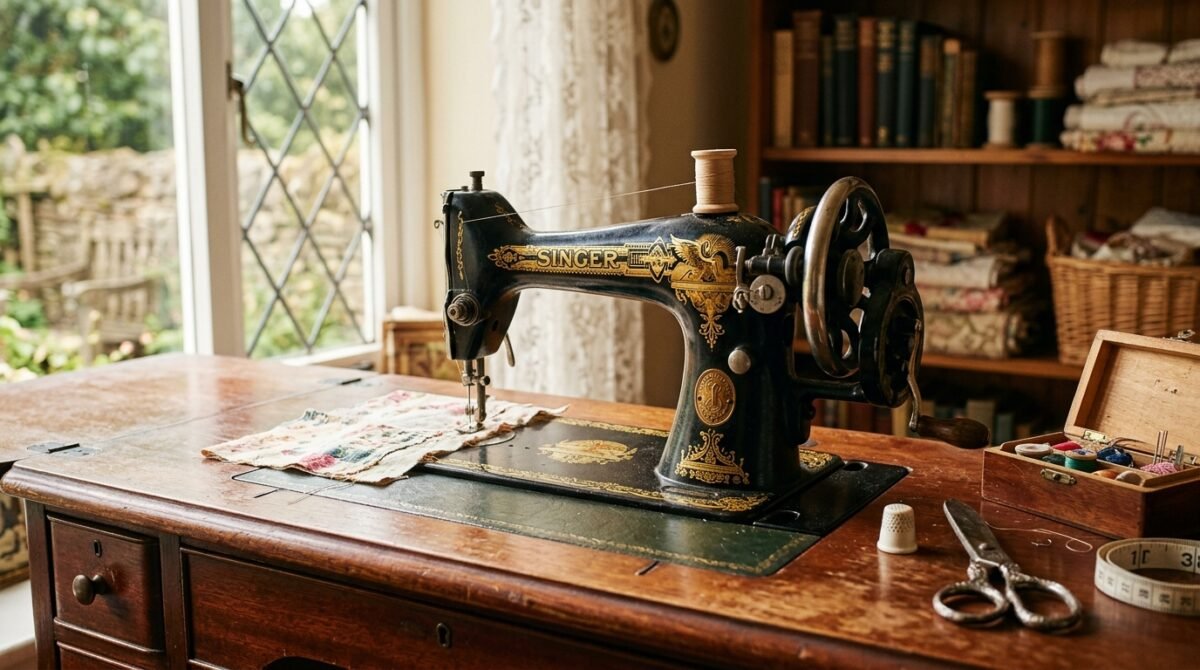
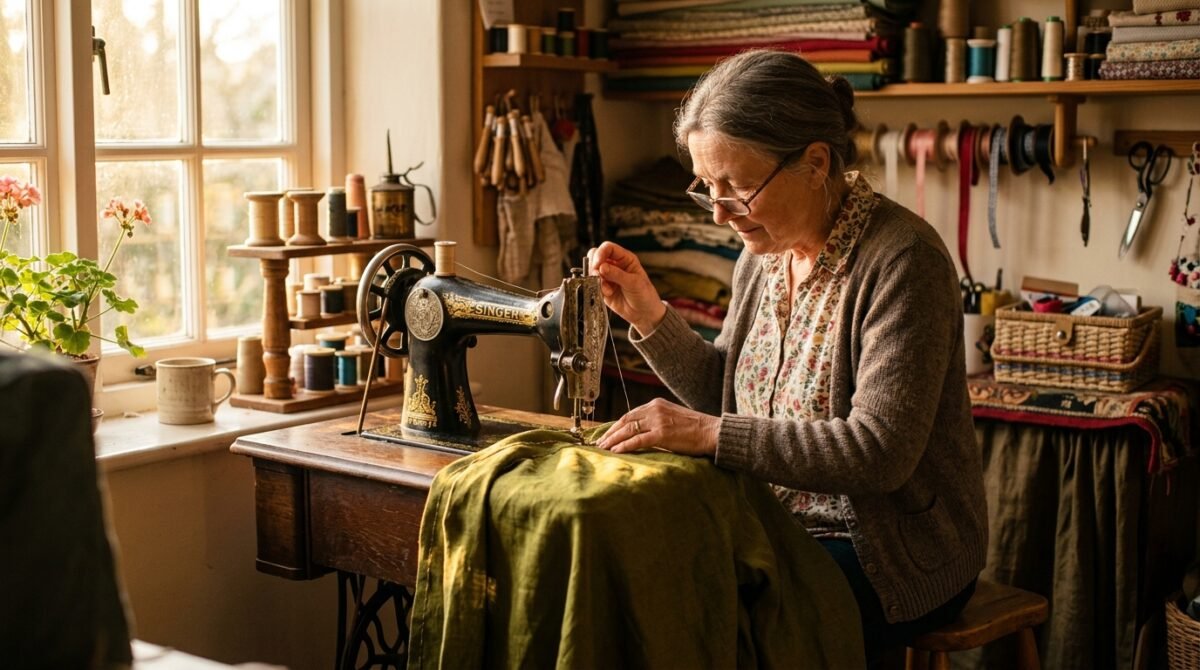
Growing up, the hum of my grandmother’s Singer sewing machine was the soundtrack of my childhood. It wasn’t just a machine; it was a relic of survival. She had brought it with her when she immigrated, using it to stitch uniforms and dresses to put my mother through school. When she passed, the machine was left to me—the one who spent hours learning how to thread the needle, how to adjust the tension, and how to honor the history embedded in its iron frame.
My sister, Claire, never had an interest in the machine. To her, it was just a clunky, heavy piece of metal gathering dust in the corner of my home office. That changed the moment she realized she was short on cash for the ‘ultimate VIP experience’ at an upcoming three-day music festival. The lack of respect for family history is one thing, but the absolute audacity to monetize someone else’s property for temporary hedonism is a line that, once crossed, destroys the foundation of trust.
This story isn’t just about a machine. It is about the entitlement of a sibling who grew up believing that every asset in the family was a resource for her own entertainment. It is about the moment I realized that being ‘the bigger person’ had only served to make me a doormat. When I found out the machine was gone, I didn’t cry. I calculated.
What followed was a meticulous investigation, a confrontation that shattered our remaining family harmony, and a final, cold interaction involving local law enforcement. In this account, I will detail the steps I took to retrieve what was rightfully mine, the fallout within our extended family, and why I refuse to apologize for holding Claire accountable for her actions.
The Empty Desk and the Missing History

I returned home from a weekend trip expecting to see the familiar silhouette of the Singer machine against the wall. Instead, I found a rectangular patch of dust and a strange lack of weight in the room. My first thought was that my partner had moved it to clean, but when I called out, the house remained silent. A cold, sinking feeling settled in my stomach—the kind of intuition that only comes when you know exactly who is responsible for a disappearance.
I checked my home security footage, but there was a gap. My sister, who still had a spare key from when she watched the dog last month, had made a visit. I checked my text messages, scrolling back to find the last time we spoke. There it was: a casual inquiry about whether I was going to be home on Saturday. I hadn’t replied because I was driving. She hadn’t asked; she had scouted.
“Hey, did you happen to come by my place on Saturday? I noticed something is missing from the office.”
— Sent by me to Claire, 9:15 AM
The response didn’t come for three hours. When it did, it was dripping with the kind of nonchalance that usually precedes a disaster. She claimed she had ‘borrowed’ it to have it cleaned, which was an obvious lie. She knew nothing about sewing machine maintenance. I didn’t wait for her to come clean; I started making calls to local vintage shops, antique dealers, and pawn shops within a twenty-mile radius.
The third pawn shop I called had a ‘new acquisition’ that fit the description perfectly. The owner, a kind man who had worked with my grandmother years ago, told me exactly who had brought it in. The price tag on the intake form made my blood boil: she had sold a century of history for a fraction of its value, just to cover the cost of a VIP wristband.
I sat in my car, hands gripping the steering wheel, trying to regulate my breathing. The rage wasn’t just about the money; it was the betrayal of the gift itself. I knew then that I wouldn’t be asking her to return it. I would be reclaiming it.
The Pawn Shop Ledger of Regrets
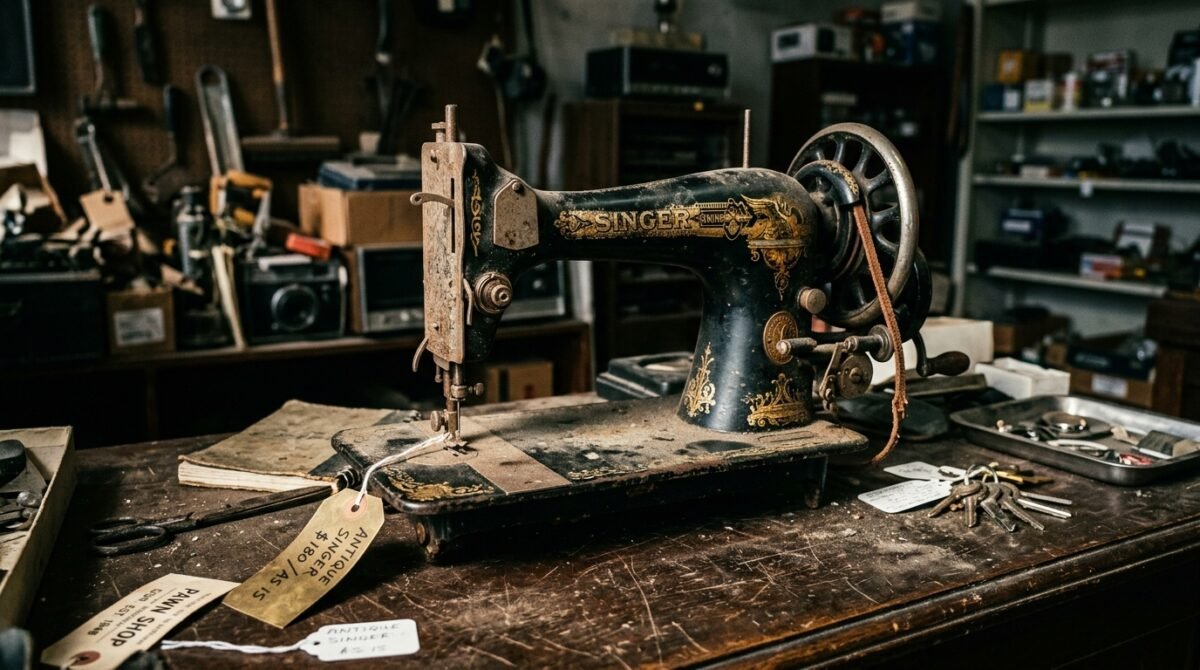
Walking into the pawn shop was a surreal experience. The machine sat on a glass counter, looking small and vulnerable amidst the clutter of power tools and modern electronics. The shop owner, Mr. Henderson, looked at me with genuine sympathy. He knew the history of that machine. He had seen my grandmother bring it in for repairs during the late nineties, back when it was still the center of her small business.
“She told me it was hers to sell,” Mr. Henderson said quietly, sliding the paperwork toward me. “I would have called you, but she had a notarized-looking note. She’s a convincing talker, kid.” I looked at the ‘note’—it was a poorly forged document that mimicked my grandmother’s handwriting from a Christmas card. The level of premeditation was staggering.
I pulled out my phone and recorded the entire conversation, making sure the shop owner stated on the record that Claire had brought it in and signed the papers. I didn’t want this to be a ‘he-said-she-said’ situation. I needed hard evidence. I paid the buy-back fee—which was significantly more than what she had been paid, naturally—and insisted on taking the machine home immediately.
Before I left, I snapped a photo of the receipt and the forged document. I wasn’t going to storm her apartment. I was going to use the law. My sister had committed theft and forgery. The fact that we shared a bloodline was no longer an excuse to avoid the consequences of a criminal act. I felt a strange sense of clarity; the fog of family obligation had finally lifted.
“I have the machine. I have the security footage, and I have the forged note you used at the pawn shop. We need to talk, or the police will be talking to you.”
— My text to Claire
Driving home, I realized that I had finally crossed the threshold from victim to advocate for my own boundaries. The machine was safe, but the relationship was likely terminal. I wasn’t just losing a sister; I was pruning a toxic branch from my life. It was a heavy price, but one I was finally willing to pay.
The Face-to-Face Confrontation
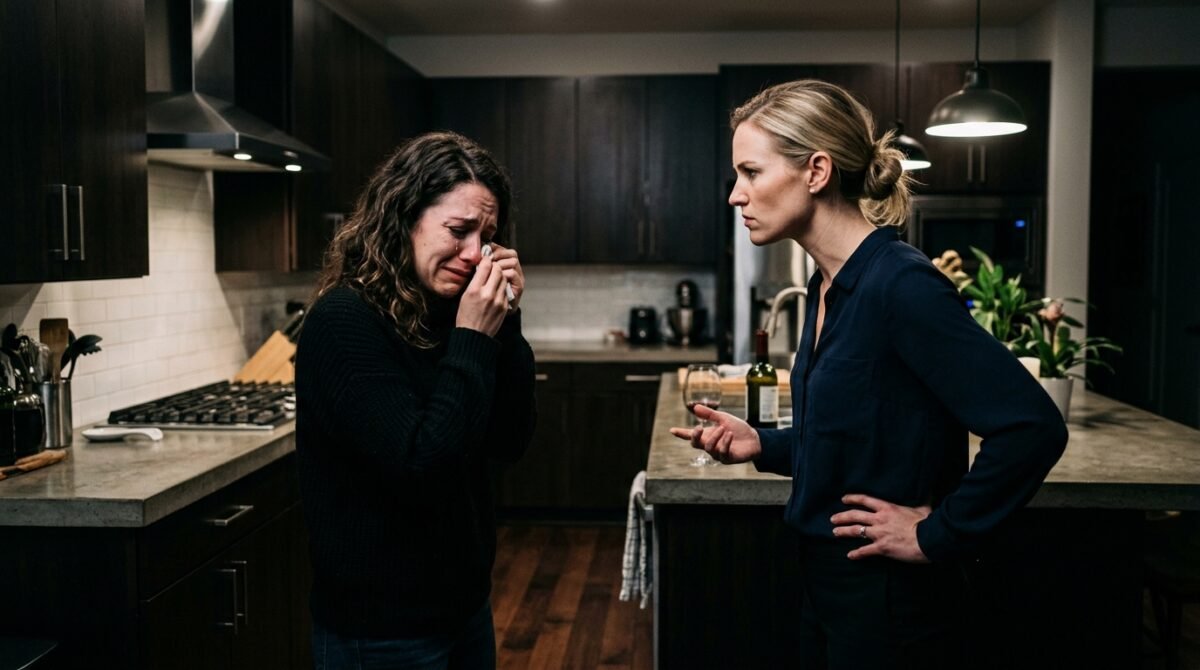
Claire showed up at my house unannounced that evening, looking disheveled and frantic. She didn’t come to apologize; she came to gaslight. She started the conversation by laughing, as if this was all a big misunderstanding that we could laugh off over a glass of wine. When she saw the machine sitting on the dining table, her demeanor shifted instantly from playful to aggressive.
“You seriously went to the shop? You humiliated me, you know that? The guy looked at me like I was a criminal,” she hissed, pacing the length of my kitchen. She wasn’t worried about the morality of her choice; she was worried about her reputation. It was classic Claire—the victim of her own consequences.
“You stole a piece of our family history to fund a weekend of drinking. You didn’t just steal a machine; you stole something that wasn’t yours to give away. You’re done, Claire.”
— My response to her outburst
I told her I had already contacted the non-emergency line to report the theft and the forgery. The color drained from her face. She tried to pivot, claiming she had ‘intended’ to buy it back later, that it was ‘just a loan’ against the family inheritance. The entitlement was breathtaking. She genuinely believed she had a right to my property because we were related.
“It’s not yours, Claire. It was never yours,” I said, my voice steady for the first time in years. She started crying, a practiced, manipulative performance that had worked on our parents for two decades. But I wasn’t our parents. I wasn’t going to fix this for her, and I certainly wasn’t going to let her walk out with anything other than the shame of what she had done.
She eventually stormed out, screaming about how I had ruined the family. I didn’t chase her. I didn’t call her back. I locked the door, sat down, and finally, for the first time, I felt the weight of the last ten years lift. The police officer arrived twenty minutes later to take a report for my records, confirming that the forgery was a serious offense that could follow her for a long time.
The Family Group Chat Explosion
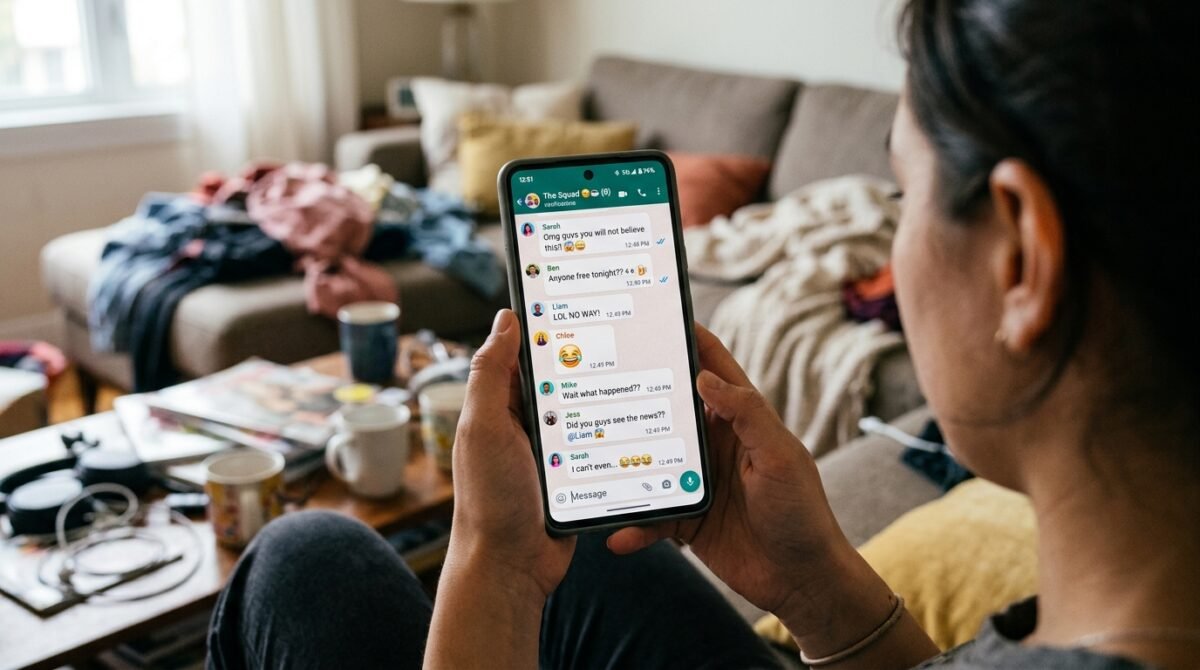
The next morning, my phone wouldn’t stop buzzing. The family group chat, usually reserved for birthday wishes and holiday plans, had turned into a war zone. My mother was the first to chime in, clearly having received a heavily edited version of the story from Claire. She didn’t ask what happened; she demanded an explanation for why I was ‘threatening’ my sister.
“OP, I don’t care what you think she did, you cannot involve the police. That is your own flesh and blood. You need to drop the charges and apologize for scaring her.”
— Mom, via Family Group Chat
I didn’t argue. I simply posted the photo of the forged document and the pawn shop receipt. I didn’t need to write a long, defensive paragraph. The facts spoke for themselves. The silence that followed was deafening. Even the cousins who usually stayed out of it started chiming in with questions, realizing that the ‘theft’ wasn’t just some petty sibling squabble.
The group chat became a repository for everyone’s suppressed grievances. My brother, who had moved out years ago to avoid this exact drama, pointed out that Claire had done this before with his old collection of vintage coins. It was a pattern of behavior that everyone had been enabling for years. I was the first one to finally say ‘no’ in a way that had real-world consequences.
I muted the chat after a while. I didn’t need to read the rest of the finger-pointing. I had already made my point. I was the villain to them because I held up a mirror to a reality they were all too comfortable ignoring. But as I looked at the sewing machine, I knew I had done the right thing. Some family ties are better left broken if they are used as leashes.
Reddit Weighs In: The Verdict of the Masses
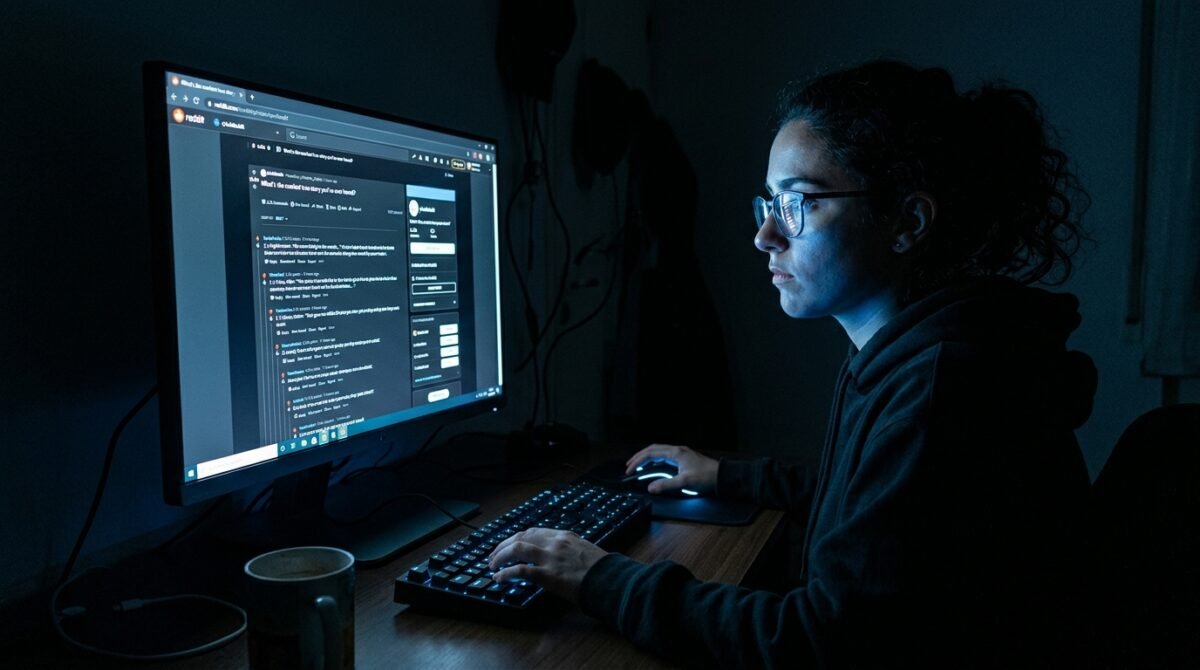
I posted a summary of the situation to r/AmITheAsshole under a throwaway account, just to see if I was losing my mind. The response was immediate and overwhelming. Thousands of people validated that I was, in fact, not the asshole. The support was a shock—I had spent so much time feeling like the unreasonable one in my family that I had forgotten what objective fairness looked like.
“OP, you did exactly what needed to be done. If you hadn’t involved the police, she would have continued to steal from you until you had nothing left. Forgery is a crime. She played a stupid game and won a stupid prize. NTA.”
— u/JusticeSeeker99 (Top Comment, 32.1k upvotes)
Another commenter provided legal advice, pointing out that in many jurisdictions, theft between family members is still theft. They emphasized the importance of the paper trail. It was reassuring to know that society at large generally agrees that family does not grant immunity for criminal acts. The sheer volume of stories from other people who had dealt with ‘entitled siblings’ made me realize I wasn’t alone in this nightmare.
Of course, there were a few ‘YTA’ votes, mostly from people who prioritized ‘family unity’ above all else, regardless of the toxicity involved. They argued that I could have handled it privately. To them, I replied with the reality of the situation: I had tried to handle it privately, and it resulted in a pawn shop transaction and a forged document. Private solutions only work when both parties act in good faith.
Reading the comments helped me process the guilt. I realized that my family’s disappointment was a reflection of their own inability to set boundaries, not a reflection of my character. I was the one who broke the cycle. That realization was the first step toward true independence from their manipulative dynamics.
The Aftermath: Setting Permanent Boundaries
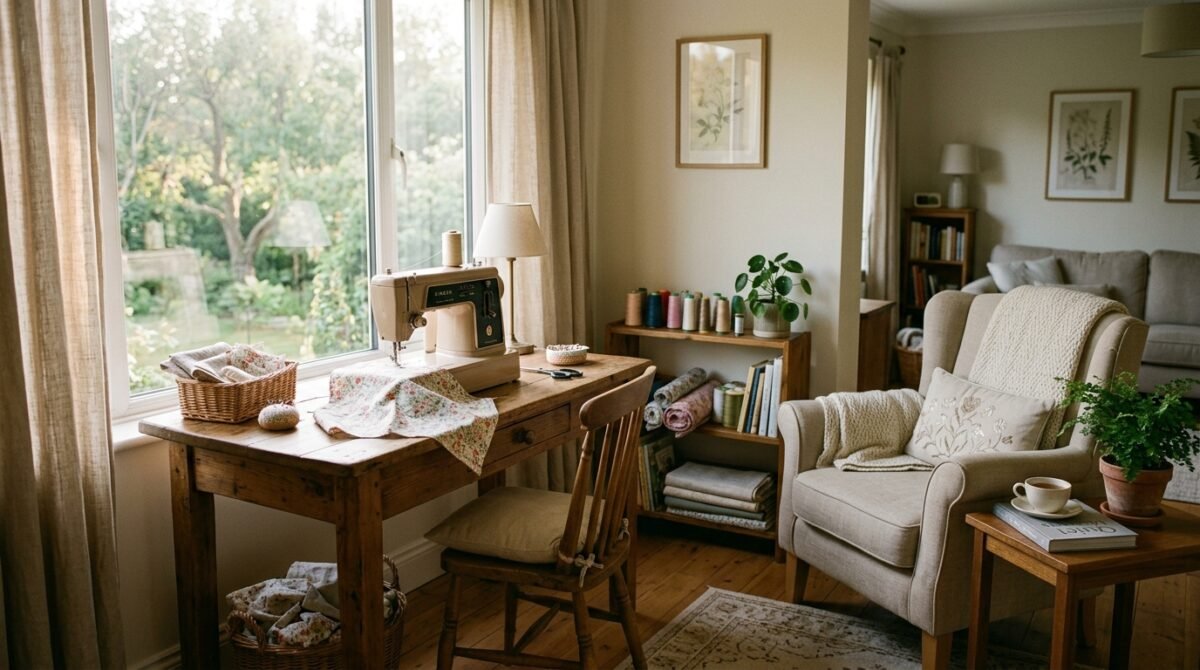
Three weeks later, the situation has settled into a cold peace. I am officially no-contact with Claire, and low-contact with my parents until they stop trying to mediate on her behalf. The sewing machine is back in its rightful place. I’ve had it professionally serviced, and it runs smoother than ever. It’s a symbol of what I can protect if I’m willing to stand up for it.
Claire is still facing charges. I refused to drop them, despite pressure from the rest of the family. The lesson she needs to learn is that the world doesn’t care about our family dynamics; it cares about laws and property rights. If she gets a criminal record, it will be the direct result of her decision to steal from her own sibling for a festival ticket. I will not shield her from that reality.
My parents have tried to ‘negotiate’ a reconciliation, asking me to drop the charges if she pays back the ‘value’ of the machine. I’ve told them clearly: the machine was never for sale. The value isn’t monetary. It’s the trust she broke, and you can’t buy that back. They called me cold. I called it being realistic. I’ve stopped trying to get them to understand my perspective; they don’t want to.
I’ve started therapy to deal with the residual anger and the sadness of losing a sister. It’s a strange grief, mourning someone who is still alive but who has proven to be a stranger. But the peace in my home is worth it. I no longer check my locks twice, and I no longer worry about what will be missing when I come back from work. That peace is my new heirloom.
Why I Don’t Regret the Police Escort

Looking back, some people might say that involving the police was an ‘escalation.’ I disagree. Theft is an escalation. Forgery is an escalation. Using a family member’s kindness as a target for financial gain is an escalation. The police were simply the equalizer. When someone refuses to respect your boundaries, you have to use the tools available to you to enforce them.
I’ve realized that my family had a habit of calling me ‘the difficult one’ whenever I stood up for myself. It was a tactic to make me feel small and unreasonable. By standing my ground this time, I’ve shed that label. I am not difficult; I am firm. There is a massive difference between the two, and the people in my life who deserve to be there have started to notice it.
I have taken the time to secure my other belongings. I’ve updated my home security, changed my locks, and removed my siblings’ access to my spare keys. It’s a sad state of affairs, but it’s a necessary one. If I had to do it all over again, I would do exactly the same thing. The machine is a legacy, and I will be the one to pass it down to someone who actually respects it.
The festival, I hear, was a blast for those who attended. Claire didn’t make it, obviously. She was too busy dealing with the fallout. It’s a hard lesson, but one she was always going to learn eventually. I’m just glad I didn’t lose the one piece of my grandmother that kept me connected to my roots while teaching her that lesson.
The Lessons of Inheritance and Entitlement
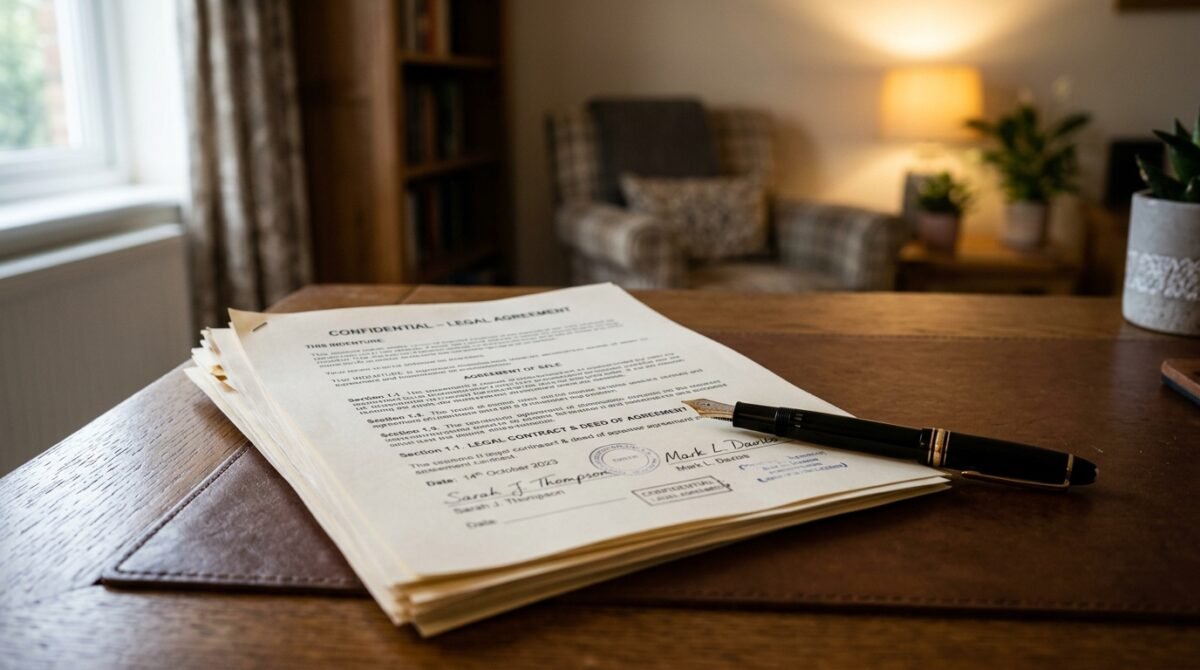
Inheritance is a strange thing. It’s meant to be a gift of love, but it often becomes a catalyst for the worst kinds of greed. When my grandmother passed, I was so focused on the sentimental value of the machine that I didn’t realize it had a market value that would tempt someone like Claire. I should have been more protective from the start, but I expected better of her.
That expectation was my biggest mistake. I assumed that just because we shared a childhood, we shared the same values. I assumed that because I loved her, she would never hurt me this way. I was wrong. I’ve learned that you can love someone and still realize that they are not a safe person to have in your inner circle. That realization is perhaps the most painful part of this whole ordeal.
I’ve spoken to an estate lawyer about my other heirlooms. Everything is now documented and legally protected. I’m not being paranoid; I’m being practical. The next generation of my family will have these items protected by ironclad agreements. I will ensure that the history doesn’t stop with me, and certainly not with someone who would trade it for a VIP wristband.
The entitlement that my sister felt wasn’t built in a day. It was built by years of us letting her get away with small things, which slowly grew into bigger things. I was the one who finally stopped the growth. I hope that by sharing this, other people realize that it’s okay to put a stop to toxic behavior, even when it’s inconvenient for everyone else in the family.
Moving Forward Without the Burden
I am currently planning a move to a new apartment, one where Claire doesn’t have the address. It feels like a fresh start. The sewing machine is already packed in a custom-built crate, ready to travel with me. It’s the first thing on the moving list, and the last thing I would ever let go of. It is the core of my identity, and now, it is protected.
My relationship with my parents is slowly evolving. They are starting to understand that I am not the one who needs to apologize. They’ve even started to distance themselves from Claire’s drama, though they are far from being completely objective. It’s a work in progress. I’ve learned to set boundaries with them, too, which has been its own journey of self-discovery.
I find myself sewing more these days. It’s therapeutic. There is something about the rhythm of the machine, the precision of the stitch, that clears my head. It reminds me that I can build things, just like my grandmother did. And I can take care of what I build. That’s the real takeaway from this experience.
If you find yourself in a similar situation, don’t be afraid to take the necessary steps. Don’t let guilt stop you from protecting what is yours. You are allowed to be angry when you’ve been wronged, and you are allowed to hold people accountable. It’s not about being mean; it’s about being a guardian of your own life and your own history.
Community Reflection: Where Do We Draw the Line?

The internet debate has sparked a lot of questions about the nature of family. At what point does ‘blood is thicker than water’ become a justification for abuse? We have been taught to prioritize family at all costs, but what if the cost is our own dignity, our property, and our peace of mind? This story has clearly struck a nerve with many who have dealt with similar issues.
I’ve received dozens of messages from people in my position—people who have been robbed by siblings, taken advantage of by parents, or sidelined by family members who think they have a right to everything. The common theme is the shame they felt for standing up for themselves. We need to normalize the idea that family is a support system, not an entitlement program.
I hope that my story encourages at least one person to stand their ground. You don’t have to be the martyr. You don’t have to be the one who absorbs the hit so that someone else can keep living their reckless life. You are allowed to protect your home, your things, and your boundaries. You are the architect of your own future.
Thank you to everyone who listened, validated, and shared their own stories. It’s been a long, difficult road, but I feel stronger for having walked it. I’m finally able to look at the sewing machine and see only my grandmother, not the shadow of the person who tried to sell her legacy. That, in itself, is a victory.
Conclusion
This saga of the sewing machine is more than a story about a petty theft; it is a profound testament to the power of boundary-setting. When we allow entitlement to fester within our families, we don’t just lose our possessions—we lose the sanctity of our homes and the integrity of our personal histories. Reclaiming my grandmother’s legacy required me to dismantle a toxic dynamic that had been in place for years, proving that the most difficult decisions are often the most essential.
I am now at peace, surrounded by the objects that define my heritage, and free from the constant anxiety of a sibling who viewed my life as a resource to be exploited. While the path to this resolution was paved with conflict and difficult legal hurdles, it was the only path to genuine autonomy. We must remember that family is a relationship, not a debt, and we are never obligated to fund the mistakes of others.
What about you? Have you ever had to choose between family harmony and your own personal boundaries? Have you ever had to take drastic measures to protect an heirloom from an entitled relative? I invite you to share your experiences and thoughts in the comments below. Do you think I went too far, or was the police involvement the only way to send a message that could no longer be ignored?
What's your verdict on this dilemma?
Vote below to contribute to the official community consensus.

Have a Dilemma Keeping You Up at Night?
Share your real-life feud, wedding chaos, or relationship crossroads anonymously with our editorial team.
What do you think ?
0 Comments🛡️ Comments are moderated to protect community integrity. Your comment will appear once approved by the editorial team.