
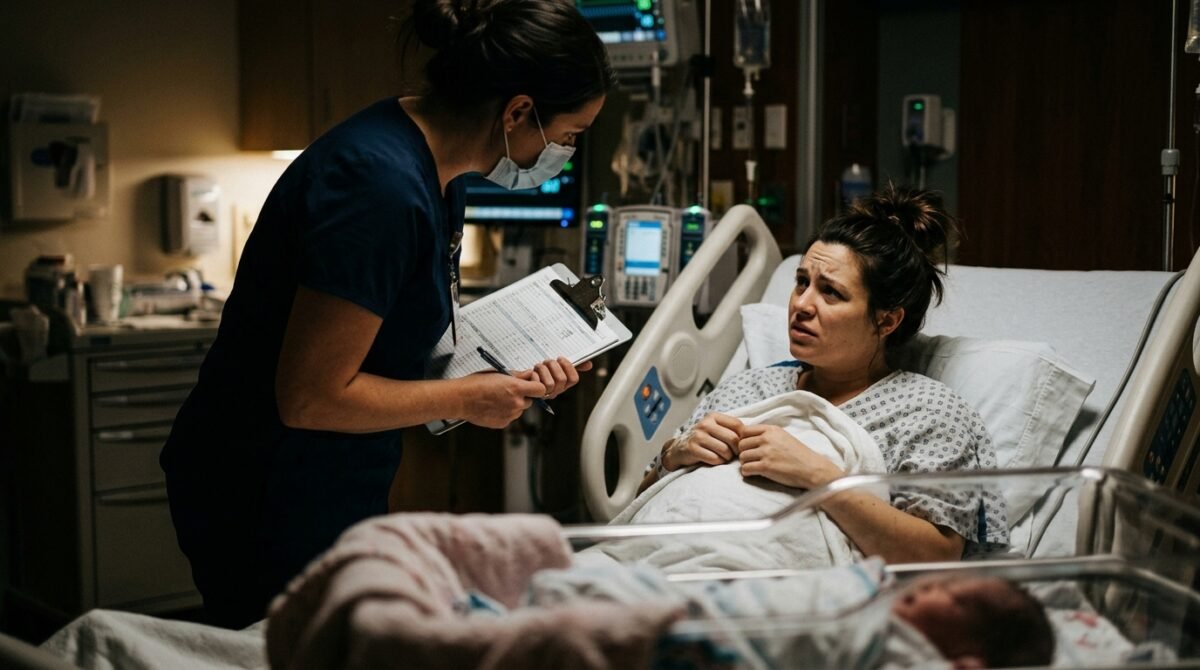
Childbirth is supposed to be one of the most vulnerable and sacred moments in a person’s life. It is a time for recovery, bonding, and the quiet introduction of a new human into the world. For most, the hospital room is a fortress of support, guarded against the chaos of the outside world. However, for me, the delivery room became the theater for the most bizarre, invasive, and calculated betrayal of my life.
My mother-in-law, Linda, had never been subtle. She viewed my marriage to her son, Mark, as a temporary lease rather than a permanent union. From the moment we announced my pregnancy, she began treating our child as an extension of her own ego, rather than a person with two living, breathing parents. She campaigned for a traditional family name that Mark and I had explicitly vetoed months prior.
We thought we had set the boundaries. We thought we had made it clear that the naming process was our decision alone. But Linda operates on a different frequency—one where ‘no’ is simply a suggestion and ‘legal documents’ are merely inconveniences to be manipulated. She didn’t just want a say; she wanted total ownership.
What occurred in that delivery room still makes my blood run cold whenever I look at my son’s birth certificate. It wasn’t just a disagreement; it was an attempted act of legal identity theft while I was still shaking from the physical toll of labor. This is the story of how that day shattered our family dynamic and forced me to make the hardest decision of my motherhood: closing the door on my son’s grandmother forever.
The Nine Months of Unsolicited Suggestions

The pressure started before the morning sickness even peaked. Linda had a vision for my son’s life, starting with his name. She wanted him named after her late father, Arthur, a man who, by all accounts, was as difficult and abrasive as Linda herself. Mark and I had chosen a name that was meaningful to us—a blend of our two cultures—but Linda acted as if we were committing a crime against genealogy.
She would bring up the name at every family dinner, every phone call, and every chance encounter. When we told her firmly that we had settled on our choice, she would laugh it off, turning to Mark with a wink as if to say, ‘She’ll come around, she’s just hormonal.’ It was the classic erasure of my agency, a slow-drip erosion of my role as the primary decision-maker for our child.
“You know, it’s just a name, but it’s the only legacy he’ll have. Don’t you want him to have a name that sounds like he comes from something, rather than something made up on a whim?”
— Linda, during a Sunday lunch
I felt the walls closing in. Mark would often look at his feet, failing to defend me in the moment, which only fueled Linda’s sense of entitlement. She didn’t see a partnership; she saw me as a temporary incubator for her legacy. The intensity of her obsession wasn’t just about a name; it was about control. If she could name the baby, she could dictate the terms of his upbringing.
We began to pull away, but Linda was relentless. She started buying custom-monogrammed items with the name ‘Arthur’ already embroidered. She would hand me bibs and blankets, watching my face for a flicker of concession. Every gift was a calculated attempt to normalize a name that we had already rejected in writing.
By the third trimester, the environment had turned toxic. I stopped answering her texts because every conversation eventually circled back to the name. I didn’t realize then that she wasn’t just being pushy; she was laying the groundwork for a much more sinister plan that would come to fruition in the hospital.
The Arrival of the Uninvited Guest
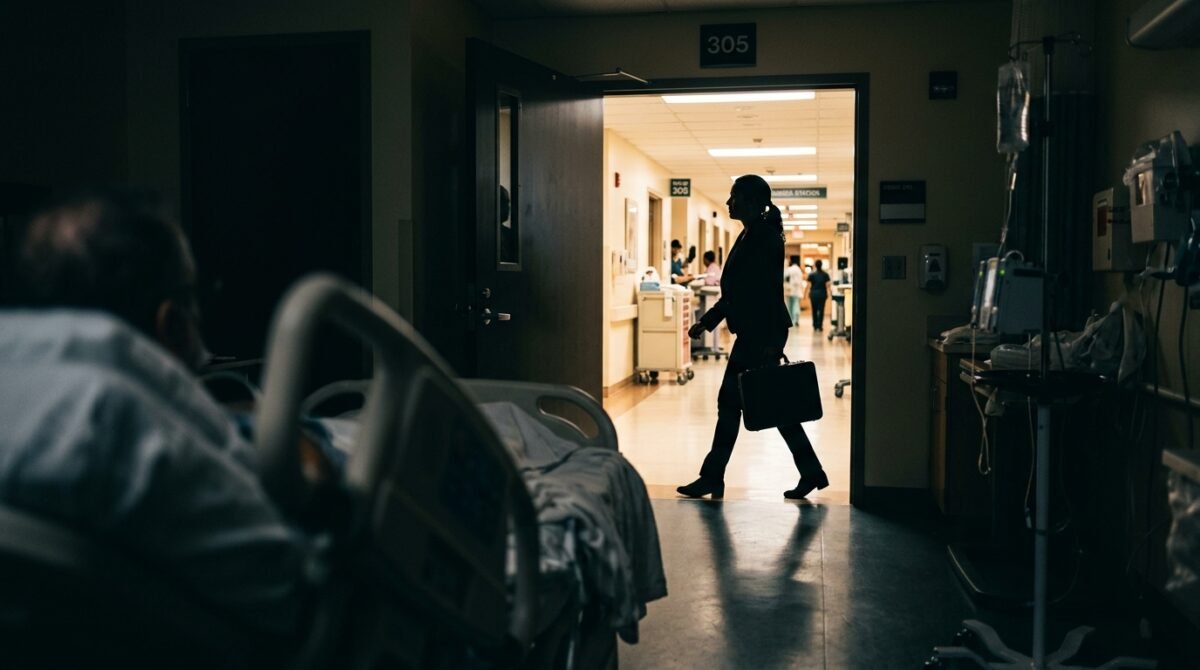
The day of the birth was supposed to be controlled. We had strict instructions at the hospital: no visitors until we were settled, and certainly no one in the delivery room except for Mark. The nurses were briefed, the security was alerted. I went into labor in the middle of the night, and by the time we arrived at the maternity ward, I was exhausted and hyper-focused on the safety of my baby.
Linda, however, had her own sources. She knew which hospital we were at because she had tracked our location through a ‘family safety’ app that we had mistakenly left on. She arrived at the maternity floor at 6:00 AM, looking as pristine as if she were heading to a charity gala, despite the chaos of the night.
She bypassed the front desk by pretending to be my mother, using a frantic tone that convinced the night-shift clerk. By the time I was in the recovery phase, still recovering from the adrenaline of the delivery, the door pushed open. There she was, standing in the doorway with a smile that didn’t reach her eyes, holding a leather-bound briefcase.
“Oh, look at you, darling. You did so well. But we don’t have much time. I’ve taken the liberty of sorting out the paperwork so you don’t have to worry about the legal burden while you’re so tired.”
— Linda, entering the room
I was too delirious to argue at first. My son was wrapped in a blanket in the bassinet, and all I wanted was sleep. Mark was asleep in the chair next to me. Linda didn’t look at the baby with love; she looked at him like he was a contract waiting to be signed. She sat down, clicked open her briefcase, and pulled out a stack of documents that looked official enough to intimidate a new, exhausted mother.
She told me that since Mark was ‘overwhelmed,’ she had brought a ‘family friend’ who was a notary public to witness the official naming forms. She claimed that the hospital registration forms were ‘just for the nursery’ and that the ‘real’ documentation needed to be filed with the state through her notary to ensure the name ‘Arthur’ was legally binding.
The Fabricated Documents
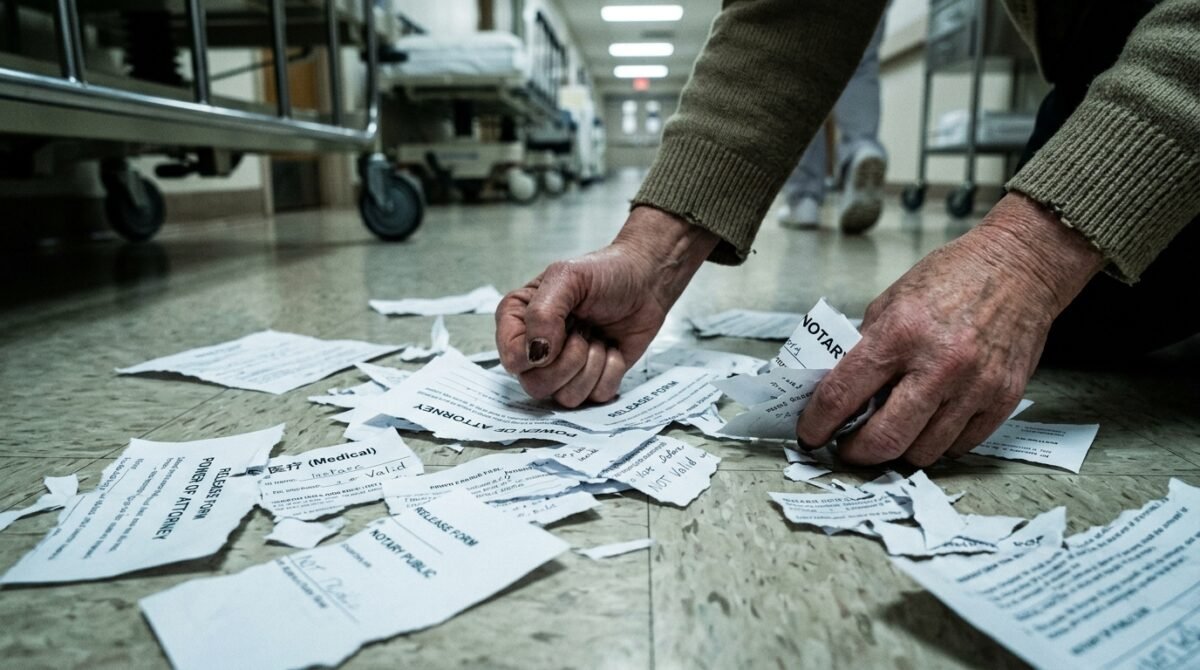
The ‘notary’ was a man in his sixties, looking visibly uncomfortable, standing in the hallway just outside the door. He held a stamp and a stamp pad. Linda shoved a document toward me, pointing to a line where she had already filled in ‘Arthur’ as the legal first name. My brain was foggy, but my maternal instincts were sharp. Why would a private citizen be handling state birth registration forms in a hospital room?
I looked at the header of the paper. It was a generic ‘Name Change’ affidavit that looked like it had been printed from an internet template. It was completely invalid, yet Linda had presented it with the gravity of a court order. She was banking on my physical depletion to coerce me into signing away my son’s identity.
“Just sign here. The notary needs to see the signature to finalize the entry. It will save you so much paperwork later. Think of how much easier this is for everyone.”
— Linda, insisting on the signature
Mark finally woke up, startled by the sound of voices. He saw the document, saw his mother, and saw the stranger standing in the hall. His confusion turned to visible anger. He stood up, towering over his mother, and demanded to know what was going on. Linda didn’t back down; she doubled down, claiming she was just ‘helping’ us avoid the ‘bureaucratic mess’ of the hospital.
I realized then the level of sociopathy involved. She had brought a stranger into a sterile medical environment, manipulated the staff to gain entry, and attempted to use a fake notary process to commit a form of identity fraud on a newborn. It was the ultimate power move, a final attempt to force her will upon our new family.
I felt a surge of adrenaline that cleared the fog. I grabbed the papers from her hand and ripped them in half. I didn’t care about the ‘notary’ or the scene. I pointed to the door and told her that if she didn’t leave immediately, I would have hospital security escort her out and press charges for trespassing and fraud.
The Security Escort
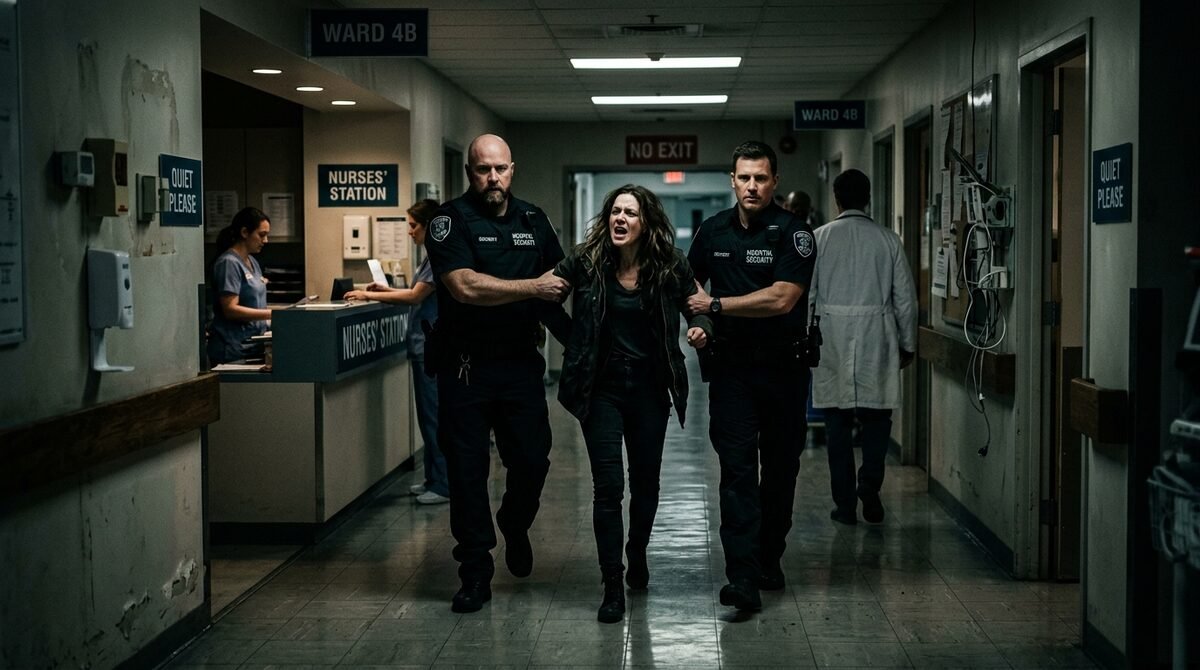
The shift in the room was immediate. Linda’s face went from calculated calm to mask-slipping rage. She screamed that I was being ‘ungrateful’ and that she was doing this for the ‘good of the family line.’ The notary, realizing he was caught in something far more serious than a simple document signing, retreated quickly toward the elevator, leaving Linda to face the consequences alone.
I pressed the call button for the nurse. When the nurse arrived, I explained that there was an unauthorized visitor who was trying to harass me and force me to sign fraudulent documents. The look on Linda’s face as two security guards arrived was one of pure, unadulterated shock. She truly believed she was untouchable, that her status as a grandmother granted her a bypass code to our lives.
“You cannot do this! I am his grandmother! I have rights! This is a family matter, not a police matter!”
— Linda, as security arrived
Watching her be led away by the guards was the most satisfying moment of my entire year. She was shouting about ‘tradition’ and ‘respect’ as the doors closed behind her. I didn’t feel guilty. I didn’t feel like I was being too harsh. I felt protected. I realized that my son was safe, not just from her physical presence, but from the toxic legacy she was trying to force upon him.
Mark was shaken. He had spent his whole life walking on eggshells around his mother, but seeing her attempt to manipulate his own child’s birth finally broke the spell. He apologized to me for years of enabling her behavior. We sat in the quiet of the room after they left, holding our son, finally understanding that the boundary wasn’t just a suggestion—it was a necessity for survival.
The Fallout and the Forbidden Texts
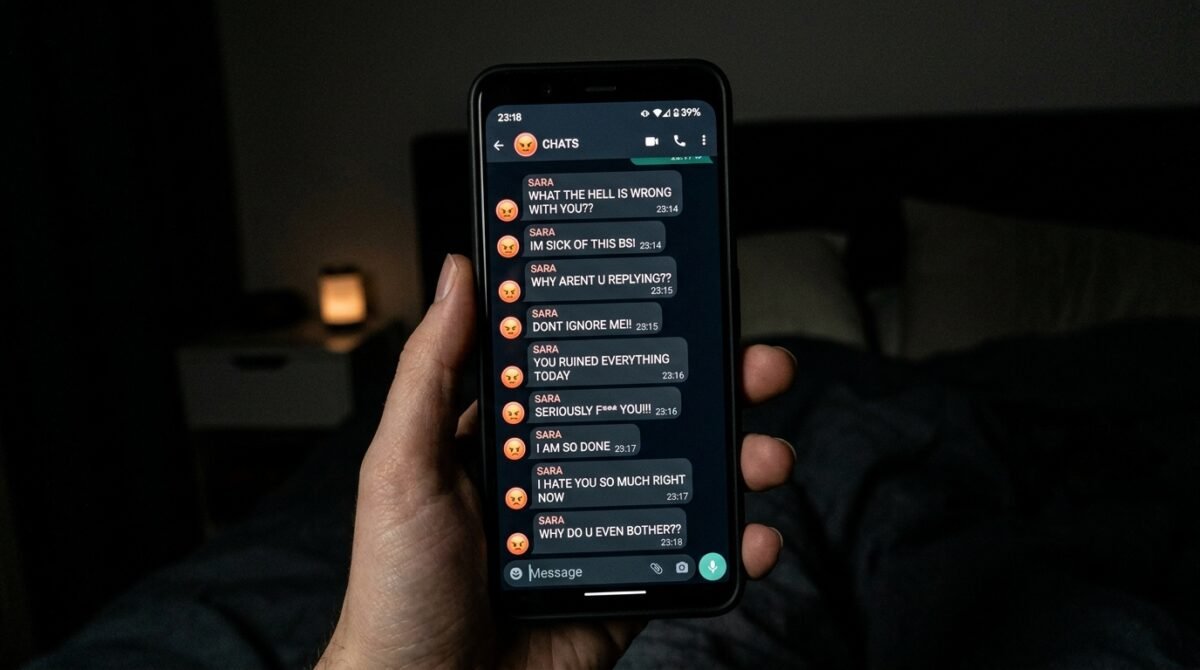
When we got home, the reality of the situation hit us. My phone was flooded with messages from Linda, her sisters, and even a few flying monkeys from Mark’s side of the family. They were all demanding an explanation for why Linda had been ‘humiliated’ in a hospital. Not one person asked about the baby. Not one person asked how I was recovering.
“You have caused a rift that will never heal. Linda is a grandmother who just wanted the best for her grandson. You are acting like a petulant child and keeping her from her own blood. Apologize and let her see him by Sunday, or don’t expect us to attend the baptism.”
— Aunt Sharon, via text message
The audacity of these people was astounding. They framed my boundary as an act of hostility. I didn’t respond to any of them. Mark took control of the situation, sending a singular, firm message to his family group chat. He stated that the attempted fraud was a hard line that had been crossed, and that Linda was officially persona non grata in our home until further notice.
The group chat exploded. It was a cacophony of gaslighting and manipulation. They claimed we were ‘misremembering’ the events, that the notary was just a ‘friend trying to help,’ and that I was ‘mentally unstable’ from the trauma of childbirth. They were trying to rewrite the history of the day to make themselves look like the victims.
I kept a copy of all the messages. I knew that in the future, when they inevitably tried to claim we cut them off for ‘no reason,’ we would have the evidence. It was a cold comfort, but it was enough to keep us anchored in the truth. We weren’t the ones causing the rift; we were just the ones finally refusing to bridge it at the cost of our sanity.
The Internet Weighs In
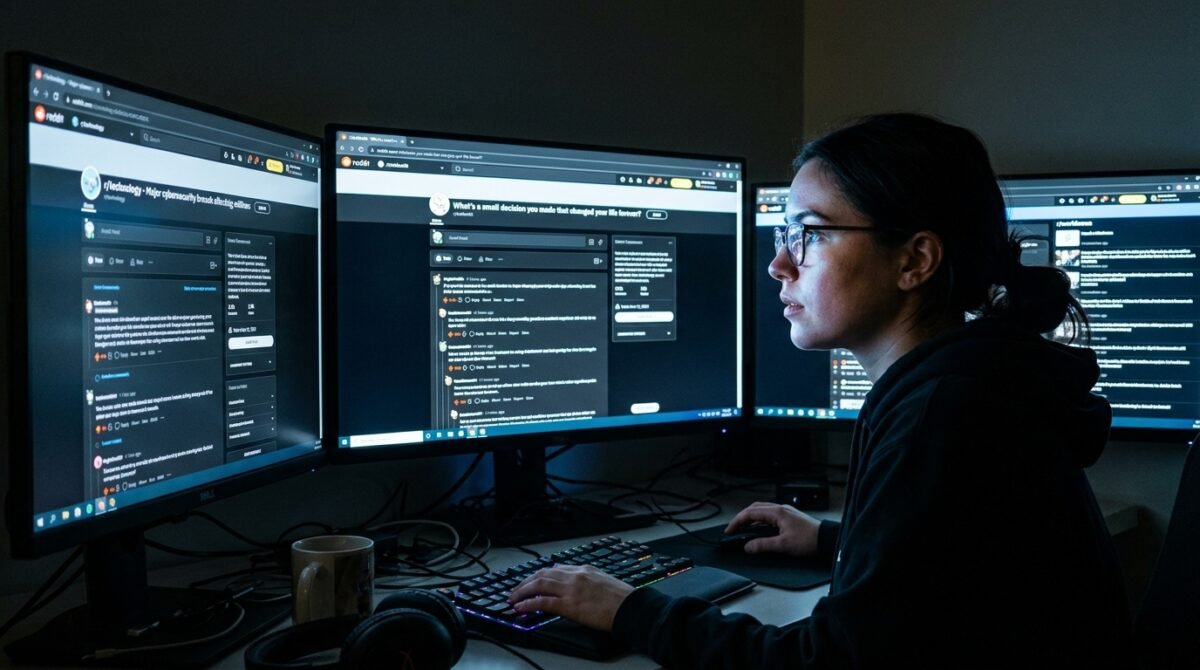
I posted about the situation on Reddit, feeling like I was going insane. I needed to know if I was the villain, as they kept claiming. Within hours, the thread blew up. The support was overwhelming, but the legal advice was even more eye-opening. People were shocked not just by the interference, but by the potential criminal implications of bringing a fake notary to a hospital.
“This is not just a boundary issue; this is borderline criminal identity fraud. Do not just ban her; go to the hospital administration and ensure she is flagged. If she tries this again, it isn’t just a ‘family disagreement,’ it’s a police report.”
— u/LegalEagle88 (Top Comment, 32.1k upvotes)
The community support provided the validation I needed. They pointed out that her behavior was a hallmark of a narcissist who saw people as extensions of themselves. Many shared their own stories of overbearing in-laws, but none were as extreme as a fake notary. It felt like a bizarre, dark movie, but it was my life.
The consensus was clear: NTA (Not The Asshole). The thread became a rallying point for people who had been pushed around by toxic relatives for years. It was comforting to know that I wasn’t alone in the fight to protect my family from those who thought their legacy mattered more than my autonomy. The stories of people who had lost their children to manipulative grandparents were heartbreaking, but they solidified my resolve.
I read through thousands of comments, each one reinforcing the idea that my reaction was appropriate. It gave me the strength to stop feeling guilty for protecting my son. I was the parent, and it was my responsibility to keep the vultures away from his formative years, no matter how much they claimed to be ‘family’.
The Legal Reality Check
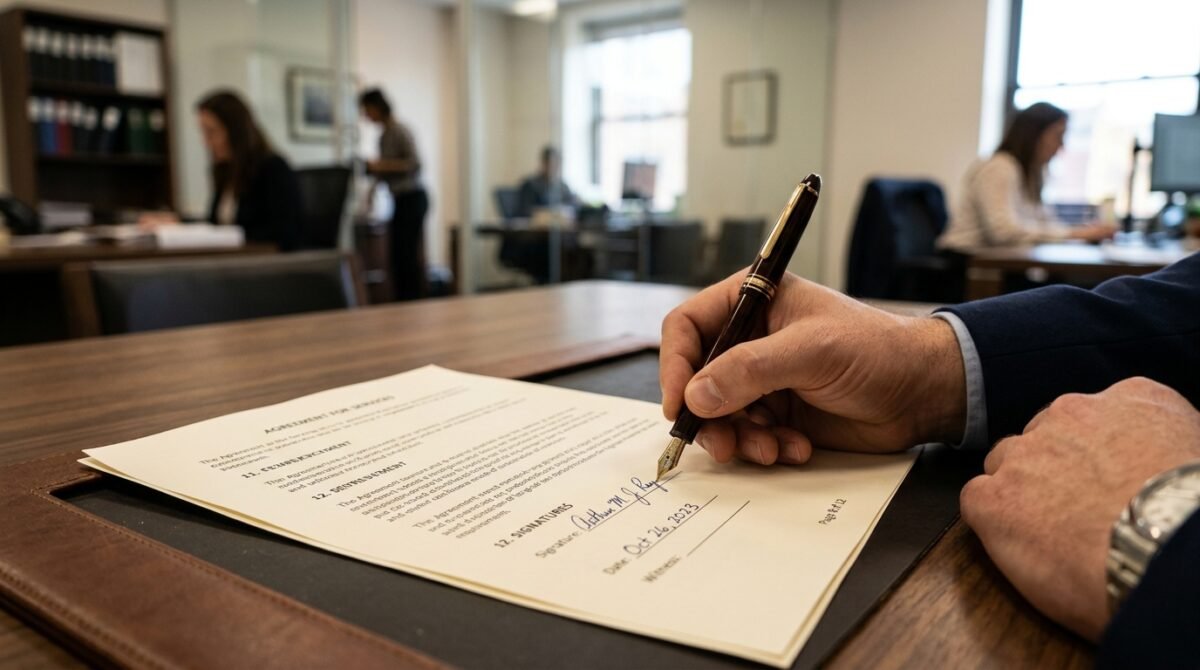
I consulted with a family lawyer just to be sure. He confirmed that while the ‘notary’ attempt was laughably illegal, it was also a warning sign. He advised us to draft a formal Cease and Desist letter, not necessarily to stop her from talking, but to establish a legal paper trail. If she ever tried to show up at our house or our son’s school, we would have the document ready to show the police.
The process of finalizing the legal name change to reflect what we wanted—not what she wanted—was long and exhausting, but every time I signed a document with his real name, I felt a sense of triumph. Linda had tried to steal his name, and in doing so, she had lost her access to him entirely. It was a trade she never should have made.
We also took the time to update our wills and guardianship documents. We made it clear that under no circumstances was Linda to have any legal authority or custody over our child. It was a heavy task, but it felt necessary. We were building a fortress around our son, one that no amount of manipulation could breach.
The lawyer also helped us understand that we had the right to demand that the hospital flag her account. She was no longer allowed on the premises. Knowing that our child’s medical and birth records were locked down tight gave me the peace of mind I hadn’t had since the day of the birth.
The Attempted Reconciliation

Months later, Linda tried to break the silence. She sent a letter, not an email or a text, which felt particularly archaic. It was long, rambling, and full of half-baked apologies that always ended with a ‘but.’ She claimed she ‘didn’t know’ how much it would upset me and that she ‘only wanted what was best’ for the baby.
“I hope you can find it in your hearts to forgive a grandmother’s overzealousness. All I wanted was for him to have a name that honored my father. Surely that isn’t a crime worth banning me from his life forever?”
— Letter from Linda
She didn’t get it. She still didn’t see the fraud, the coercion, or the violation. She saw a grandmother who was just ‘too eager.’ That lack of self-awareness was the final nail in the coffin. If she couldn’t admit that her actions were wrong, she would never be safe to be around. We didn’t even respond. We shredded the letter and moved on with our day.
It was liberating to realize that I didn’t owe her an explanation or a second chance. I had spent so much of my life worrying about how I was perceived by others, but now, the only thing that mattered was my son’s security. If Linda wanted to be in his life, she would have had to earn it by respecting us—a task she clearly wasn’t capable of.
The silence from her side after the letter was ignored was deafening, but it was a peaceful silence. We were finally able to enjoy being parents without the constant anxiety of her looming presence. We were learning to be a family of three, defined by our own choices, not by the legacy of a woman who didn’t respect our boundaries.
The New Normal

Today, our son is thriving. He has his name, his personality, and his own identity. He has no idea about the chaos that surrounded his birth, and that is exactly how it should be. We have built a circle of support that consists of people who respect our decisions and love us for who we are, not for who they want us to be.
The incident taught us that boundaries are not just fences; they are the foundation of healthy relationships. We don’t apologize for them, and we don’t negotiate them. When someone shows you who they are, believe them the first time—even if that person is your mother-in-law.
Mark has become a rock, standing firm against his family’s pressure. Our relationship is stronger than ever because we faced the fire together and didn’t let it consume us. We have learned to prioritize each other and our child above the comfort of extended family.
We still get the occasional update from the grapevine. We hear that Linda is telling everyone who will listen that we are ‘controlling’ and ‘cruel.’ We let them talk. The truth is in our hearts, in our documents, and in the peace we have in our own home. We aren’t looking for their approval anymore.
Lessons Learned the Hard Way
Reflecting on everything, I see the warning signs I missed in the beginning. I see how I allowed her to dictate small things, which emboldened her to try for the big things. I see that the ‘innocent’ requests for baby gear were actually bait to see how much I would tolerate.
I hope that if someone else is reading this, they take away one thing: you don’t have to be ‘polite’ at the expense of your boundaries. You are the architect of your child’s world. Anyone who tries to sabotage that, whether it’s a stranger or a grandmother, deserves to be removed from that world as quickly as possible.
We are teaching our son that he is allowed to say ‘no.’ We are teaching him that his name, his body, and his choices belong to him alone. In a way, Linda’s attempt to strip his agency ended up becoming the lesson that taught us how to protect it for the rest of his life.
I don’t regret the ban. I don’t regret the scene. I regret that it had to come to that, but I don’t regret the outcome. We are free, we are safe, and we are happy. That is the only victory that matters.
Conclusion
The story of our birth trauma is, ultimately, a story of reclamation. By standing up to the most egregious violation of our parental rights, we didn’t just protect our son’s name; we protected his future. Linda’s attempt to exert control was a desperate act of a woman clinging to an era where she could decide the fates of others, but she found that the world has changed. We are the masters of our own narrative now.
It is heartbreaking that family dynamics can become so fractured, but sometimes, the only way to preserve the core of a family is to prune the branches that are rotting. We have found peace, and we have found a strength we didn’t know we possessed. The drama, the texts, and the public scrutiny are all just background noise now. The only sound that matters is our son’s laughter in our home.
What about you? Have you ever had a moment where you had to draw a hard line with family, even at the risk of permanent estrangement? Or do you think there’s a middle ground that I missed? Let’s discuss in the comments—how do you handle the ‘grandmother’s rights’ argument when it crosses into abuse of power?
What's your verdict on this dilemma?
Vote below to contribute to the official community consensus.

Have a Dilemma Keeping You Up at Night?
Share your real-life feud, wedding chaos, or relationship crossroads anonymously with our editorial team.
What do you think ?
0 Comments🛡️ Comments are moderated to protect community integrity. Your comment will appear once approved by the editorial team.