
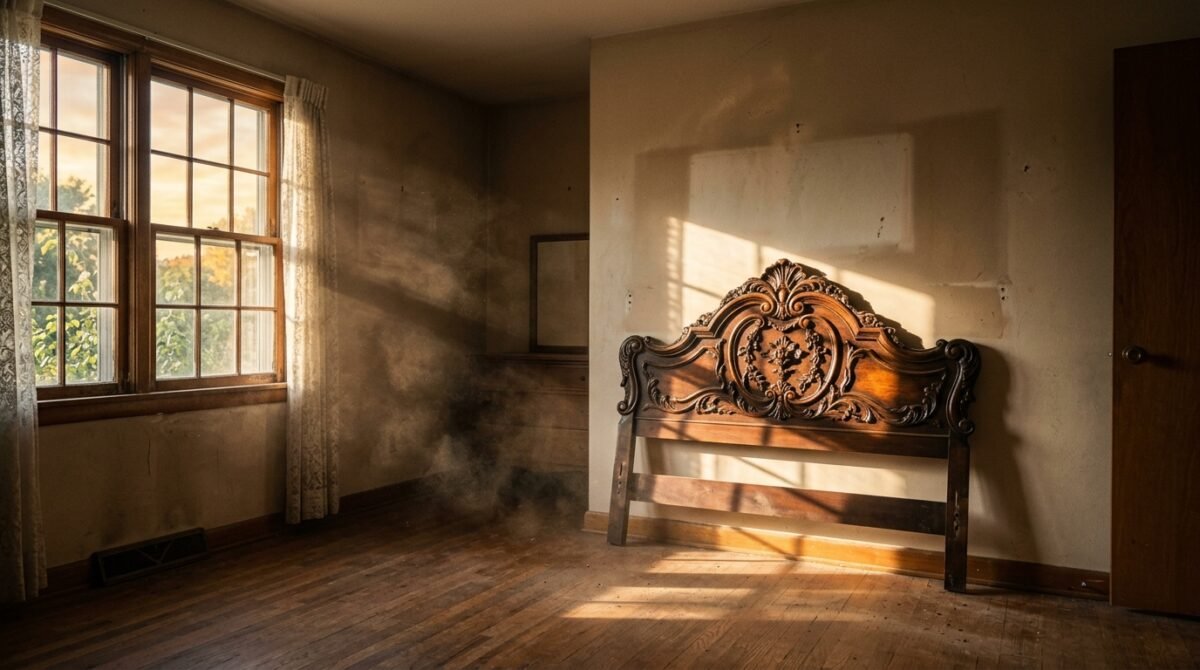
I have always believed that home is more than just a structure; it is the collection of objects that carry our history. When I was sixteen, my grandfather spent an entire winter in his workshop teaching me how to craft a bedroom set from reclaimed white oak. It was a labor of love, a rite of passage, and ultimately, the only thing I truly possessed that felt like my own. When the opportunity to join the military presented itself, I didn’t hesitate. I packed my bags, signed the papers, and left my childhood home with the explicit understanding that my belongings—my sanctuary—would be kept safe until I returned.
My parents, however, viewed my possessions not as my property, but as communal assets of the family. They were the kind of people who believed that ‘what is yours is ours, and what is ours is for the golden child.’ My cousin, Jason, had always been the apple of their eye, a man who coasted through life on a series of failed ventures and a constant need for handouts. I never imagined that their preference for him would extend to the literal dismantling of my life while I was halfway across the country serving my term.
The realization hit me only days after I returned home from boot camp. I walked into my room, expecting to find the smell of beeswax and oak. Instead, I found a cold, sterile space with cheap, particle-board furniture that looked like it had been salvaged from a dumpster. My heart dropped. The silence in the house was deafening, and the look of mild, practiced annoyance on my mother’s face when I asked where my set had gone told me everything I needed to know.
The journey from that moment of betrayal to the courtroom was not just a legal battle; it was a painful process of unlearning the toxic expectations placed upon me by my family. I had to decide whether to let go of the pain or to demand accountability. I chose the latter, not just for the furniture, but for the principle of the matter. This is the story of how I sued my parents for grand theft and finally learned that blood is not an excuse for bad behavior.
The Disappearing Act of the White Oak Suite
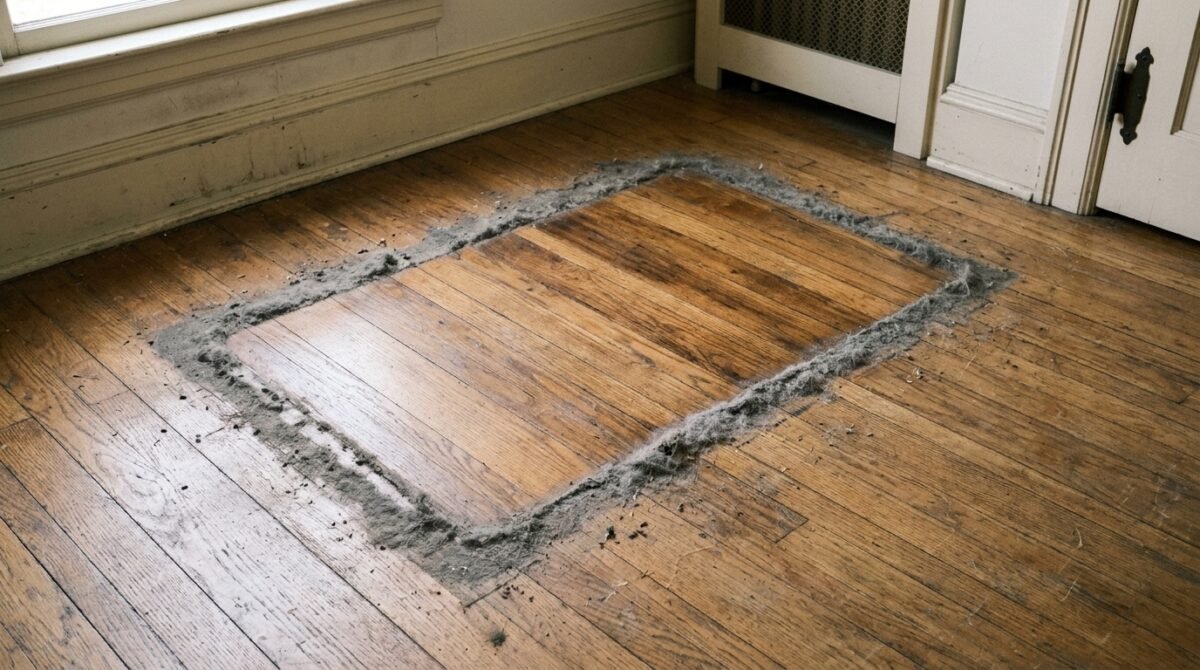
When I finally crossed the threshold of my old bedroom, the absence was visceral. The room, which used to be filled with the rich, warm scent of hand-oiled oak, felt like a tomb. The custom-built dresser, the nightstands with their secret compartments, and the heavy headboard—each piece representing hours of my grandfather’s guidance and my own sweat—were simply gone. My parents were sitting in the living room, acting as if I hadn’t just walked into a crime scene.
I stood in the doorway, my pulse pounding in my ears. I didn’t yell; I couldn’t. I simply asked, ‘Where is it?’ My mother didn’t even look up from her crossword puzzle. She just sighed, a sound of practiced exhaustion that suggested I was the one being unreasonable for expecting my things to remain where I left them. My father stayed glued to the television, refusing to make eye contact. It was the classic display of a family that had mastered the art of gaslighting through indifference.
“You’re home early,” my mother said, finally looking up with a thin, tight smile. “Jason really needed a sturdy set for his new apartment, and honestly, you weren’t using it. It was just gathering dust.”
I felt a cold shiver run down my spine. The set wasn’t ‘gathering dust’; it was my property, stored with the explicit agreement that it would be there for my return. The audacity to give away something so personal—something I had built with my own hands—without even a phone call or a text was staggering. It wasn’t just about the wood; it was about the fundamental lack of respect for my autonomy. I walked back out to the driveway, my hands shaking, trying to process the level of entitlement that allowed them to treat my belongings like a community thrift store.
I sat in my car for nearly an hour, calling Jason. I knew where he lived, and I knew exactly what kind of person he was. If he had taken the furniture, he had to know it was mine. When he answered, the smug tone in his voice confirmed every suspicion I had. He didn’t see himself as a thief; he saw himself as a beneficiary of my parents’ generosity. He told me, quite flippantly, that he had already bolted the dresser to the wall and that it would be ‘too much trouble’ to move it back.
That night, I didn’t sleep. I spent the hours mapping out the cost of the materials, the hours of labor, and the sentimental value. I realized then that I couldn’t just move past this. If I allowed this to slide, I would be signaling to them that my boundaries were non-existent. I spent the next morning looking up lawyers, not because I wanted to bankrupt my family, but because I needed a legal record of the truth. I needed them to see that actions have consequences, even when those actions happen within the four walls of a family home.
The Group Chat That Sealed Their Fate
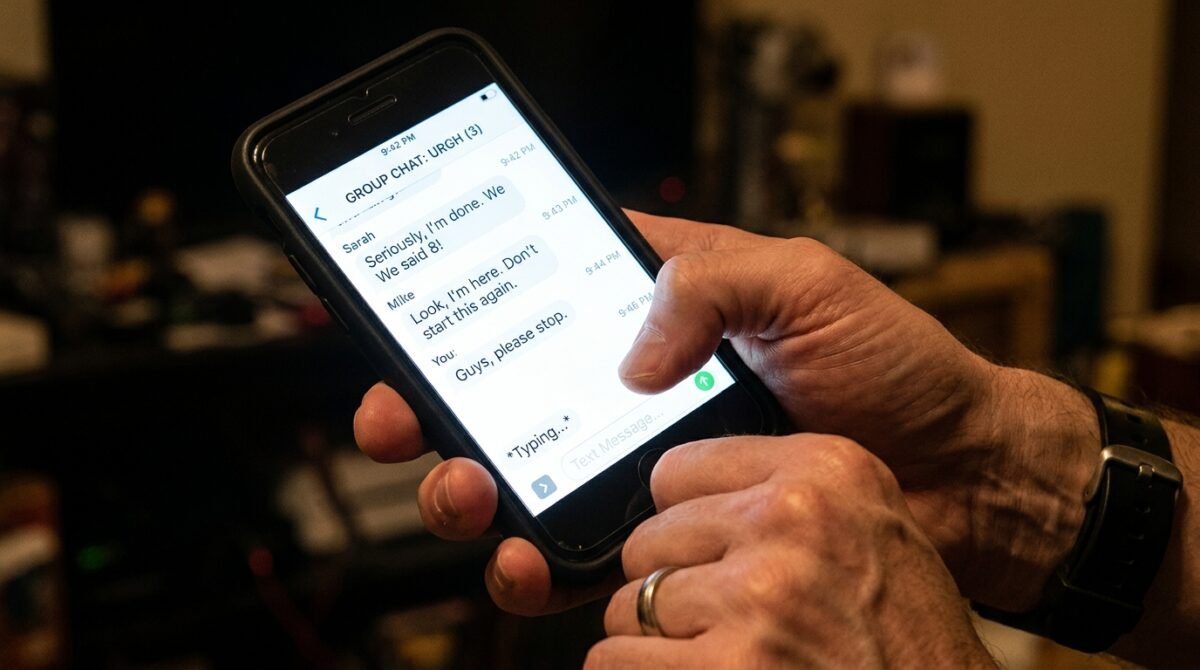
The next morning, I did something I had been hesitant to do. I logged into our family’s shared cloud account—one that I had been locked out of for months but had finally regained access to via an old tablet. I started digging through the photo history. I wasn’t looking for memories; I was looking for evidence. It didn’t take long to find exactly what I needed. There, in the shared folder, was a thread of messages between my mother and Jason from the very week I left for boot camp.
“Mom, I really need a new set for the place. The one in the spare room is trash. When does he leave for camp? Can I come get his stuff before he’s even gone?” — Jason
“Don’t worry, dear. He’s out on the 14th. Come over on the 15th with a truck. He won’t even notice for months, and by then, it’ll be yours.” — Mom
— Leaked Family Cloud Chat
The cold, calculated planning was worse than the act itself. They hadn’t just made a spur-of-the-moment decision to help out a struggling cousin; they had conspired to strip my room bare the moment I was out of sight. The realization that my mother had been actively deceiving me while I was trying to focus on my training made my stomach turn. I took screenshots of every single message, documenting the dates and the intent behind their actions.
I printed every single page. I didn’t confront them immediately. I waited. I watched them go about their days—eating dinner, watching news, pretending that the house was a home of love and integrity. Every time they asked me about my training or my plans for the future, I smiled and gave them vague answers. They thought they had won; they thought they had successfully managed the ‘troublemaker’ by keeping him in the dark. They had no idea that I was building a case that would shatter their comfortable reality.
I reached out to a local attorney who specialized in property disputes. When I showed him the screenshots and the timeline of my departure, his expression shifted from professional interest to genuine shock. He explained that because I was a legal adult and the items were my personal property, their actions were not just morally bankrupt—they were a clear violation of my rights. He told me that we could file a civil suit for the conversion of property, and potentially push for charges if we could prove the intent to deprive me of my assets.
I felt a strange sense of clarity. The path forward was no longer about family loyalty; it was about justice. I prepared the documents, feeling the weight of the betrayal turn into a sharp, focused determination. I wasn’t just a child being punished by his parents anymore; I was a man reclaiming what was rightfully his. The facade of the happy family was about to crumble, and I was holding the sledgehammer.
The Sunday Dinner That Turned Into a Deposition
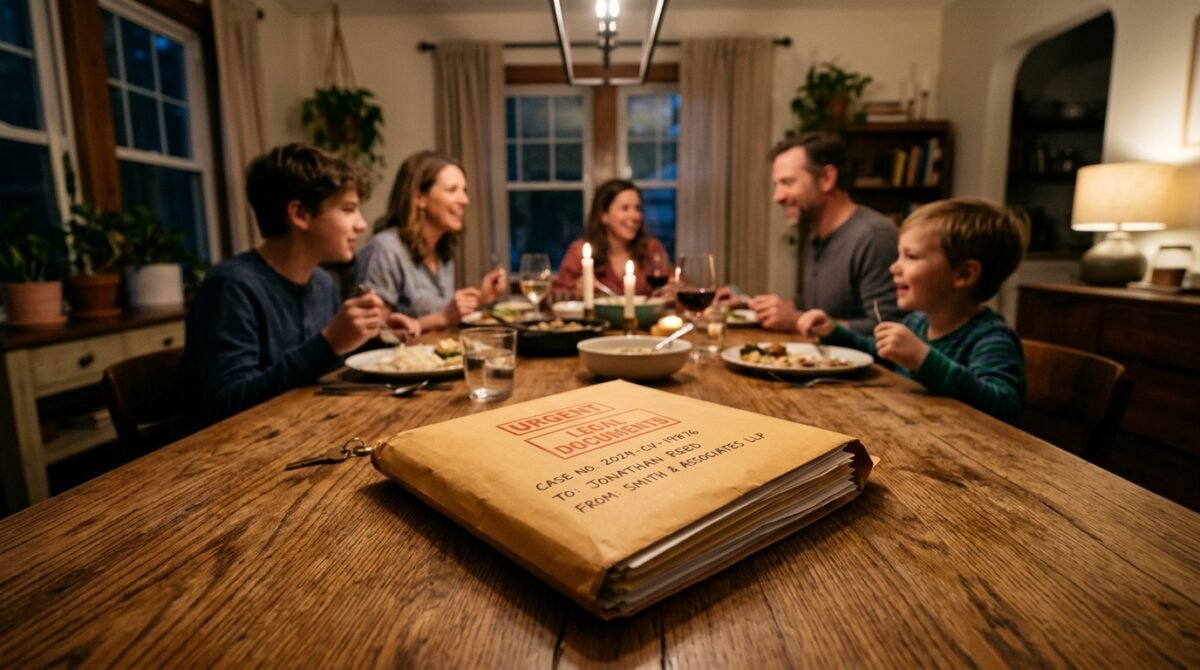
Sunday dinner was the traditional time for my family to gather and pretend that everything was perfect. My parents invited the whole clan over, including Jason. I sat at the table, watching them laugh and joke, wondering if they would still be smiling once I served them the papers. My mother was beaming as she talked about how much better Jason’s apartment looked now that it had some ‘real furniture’ in it. She was clearly testing me, waiting to see if I would finally fold and accept the ‘family’ narrative.
I waited until the main course was finished. I didn’t want to ruin the meal, but I also didn’t want to give them the courtesy of a private conversation. I pulled the envelope from my jacket pocket and placed it squarely in front of my father. The table went silent. The clinking of silverware stopped. Everyone looked at the thick, official-looking document, the air suddenly thick with the kind of tension that only long-held secrets can produce.
“What is this?” my father asked, his voice dropping to a low, warning growl. He didn’t open it. He just stared at it like it was a live grenade.
“It’s a lawsuit,” I said, my voice steady. “For the furniture you stole from my room while I was at camp. I have the texts, I have the logs, and I have a lawyer who is very interested in the definition of grand theft.”
The reaction was instantaneous. My mother gasped, clutching her pearls, while Jason turned a shade of pale that I found deeply satisfying. My father stood up, his face reddening, ready to launch into a tirade about disrespect and family hierarchy. I didn’t give him the chance. I stood up as well, not to yell, but to make it clear that the conversation was over. I had said my piece, and the law would handle the rest.
As I walked out, I heard my mother screaming behind me, calling me ungrateful and saying that I was ‘ruining the family name.’ I didn’t look back. I got in my car and drove away, the silence in the car feeling like the most beautiful thing I had ever experienced. For the first time in my life, I wasn’t the one walking on eggshells. They were the ones who had to deal with the reality of their actions, and for the first time, they were the ones who were afraid.
The drive back to my apartment was long, but I didn’t feel lonely. I felt powerful. I had spent years being the ‘good son,’ the one who followed the rules and accepted the crumbs they offered. That person was gone. In his place was someone who knew exactly how much he was worth and was willing to fight to keep it. The lawsuit was just the beginning, but it was the most important step I had ever taken.
The Public Outcry and the ‘Golden Child’s’ Defense

Within forty-eight hours, the story had leaked to the extended family. My phone was blowing up with messages from aunts, cousins, and distant relatives who were all terrified of the fallout. Most of them were on my side, having long since grown tired of my parents’ blatant favoritism toward Jason. However, a few of the more traditional family members were horrified. They kept telling me that ‘family is blood’ and that I should just let it go for the sake of peace. The irony of them preaching peace to the person whose property was stolen was not lost on me.
Jason, meanwhile, had taken to social media to play the victim. He posted a long, rambling status update about how he was being ‘harassed’ by a sibling who was ‘acting out’ because of his time in the military. He didn’t mention the furniture, of course. He framed the whole thing as a mental health crisis on my part. The comments section, however, was not the echo chamber he expected. People saw right through his performative victimhood.
“Imagine stealing your brother’s furniture and then having the audacity to call him mentally unstable when he asks for it back. You’re a grown man, get a job and buy your own dresser.”
— u/RealTalkCritic, 12.4k upvotes
The community response was overwhelmingly supportive. It turned out that many people had experienced similar ‘family entitlement’ issues and were living vicariously through my quest for justice. I found a sense of validation in their words that I hadn’t expected. It wasn’t just about the furniture; it was about the collective acknowledgment that what my parents did was wrong, regardless of the ‘family’ label. I wasn’t crazy, and I wasn’t being dramatic. I was a victim of a crime, plain and simple.
I kept my head down and focused on the legal process. My attorney was impressed by the level of public documentation I had gathered. He told me that the fact that Jason had tried to spin the narrative on social media was actually helping us, as it provided further proof that he was aware of the ownership and was actively trying to gaslight me. We were building a solid case for both civil damages and potentially criminal charges if they didn’t settle by returning the items in perfect condition.
The pressure on my parents began to mount. They weren’t used to being held accountable in the public eye. My mother’s friends, who had always viewed her as the perfect matriarch, were starting to ask questions. The prestige they held in our small town was being threatened by the reality of their behavior. It was the first time I saw them sweat, and I realized that their power was entirely built on the illusion of control. Once that illusion was stripped away, they were just two people who had made a series of terrible, selfish choices.
The Mediation Meeting That Didn’t Go As Planned
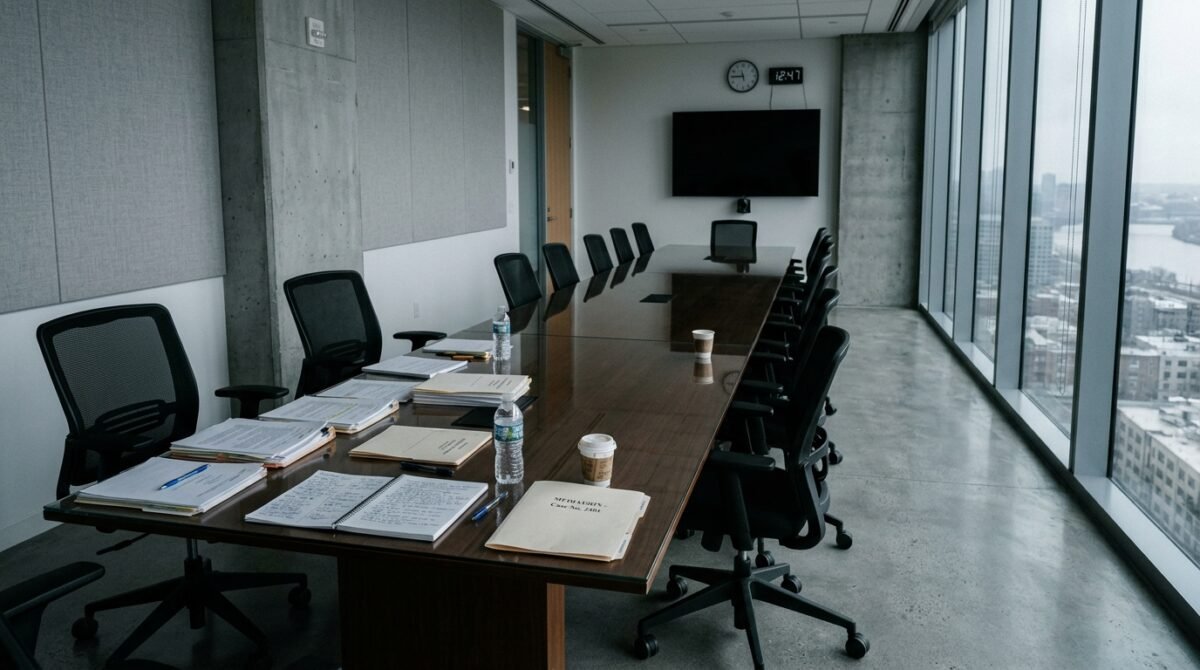
A week after the lawyer sent the formal demand, my parents requested a ‘family meeting’ to ‘settle things like adults.’ I agreed, but only on the condition that my attorney be present. When I walked into the conference room, my parents looked smaller than I remembered. My mother had clearly been crying, and my father looked like he hadn’t slept in days. Jason was there too, looking defiant but clearly nervous. The mediator started by asking everyone to state their perspective.
My father tried to frame it as a ‘misunderstanding.’ He claimed that they believed the furniture was ‘donated’ to the family pool. When I asked him to show me where that was written or agreed upon, he had nothing to say. Jason tried to argue that he had already ‘customized’ the furniture by adding new handles, implying that it was now his. The mediator, a woman with a sharp gaze, didn’t let him get away with it. She reminded him that modifying stolen property doesn’t grant ownership.
“I don’t care if you painted it gold or bolted it to the moon,” the mediator said, looking directly at Jason. “If you took it without the owner’s consent, you are liable for the value of the goods and the cost of removal. There is no ‘customization’ defense here.”
The meeting quickly devolved. My mother started attacking my character, bringing up things from my childhood to try and invalidate my standing as an adult. She argued that because they had paid for my college and supported me when I was young, they were entitled to take back anything they felt was ‘deserved.’ It was a classic display of transactional love. They were trying to equate their parental obligations with the right to strip me of my personal property.
I sat there, listening to them, and felt a profound sense of detachment. I wasn’t angry anymore. I was just tired. I realized that they would never apologize, because in their minds, they were always the victims. They were the parents, and therefore, they were always right. The concept of me being a separate, autonomous human being with my own rights was completely foreign to them. I stood up and told them that the settlement offer stood: they either returned the furniture in full, or the lawsuit proceeded to discovery.
They didn’t sign anything that day. They left the room in a huff, still shouting about how I was ‘tearing the family apart.’ I didn’t care. I knew that they were just buying time, hoping that I would lose my nerve. But I had the law on my side, and more importantly, I had the truth. For the first time, I felt like the adult in the room, and I knew that no matter how much they screamed, the reality of the situation wasn’t going to change.
The Day the Moving Truck Arrived
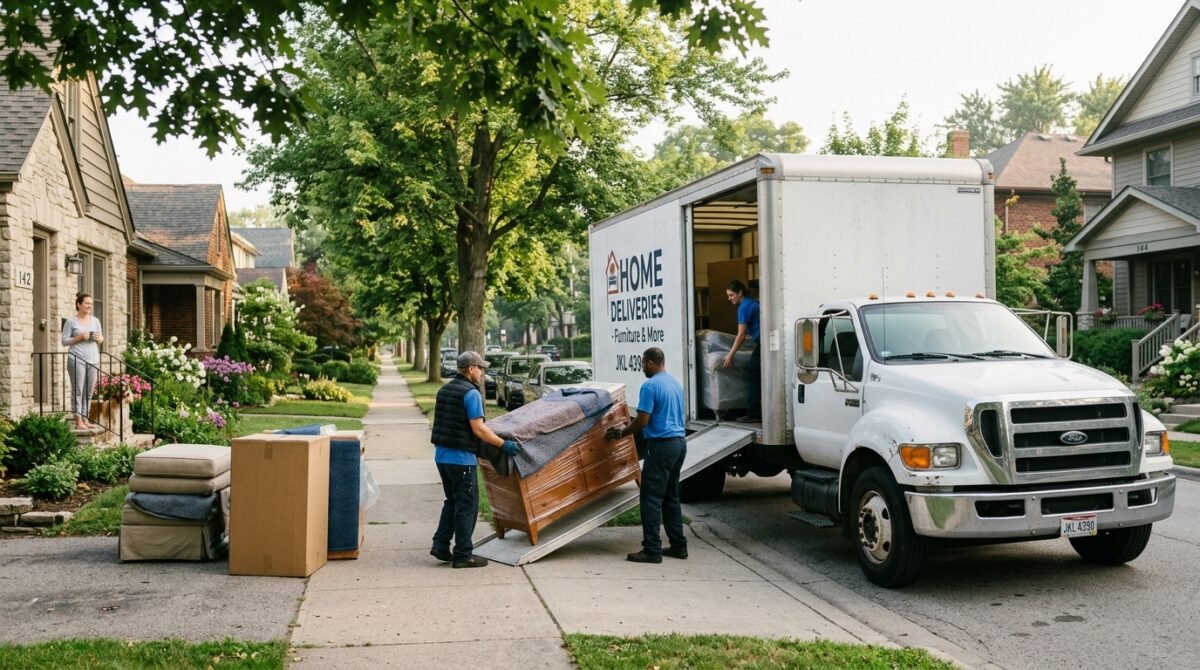
Two days later, I received a text from my father. No greeting, no apology, just a notification that the ‘items’ would be returned. They were trying to make it look like they were doing me a favor, as if returning my stolen property was an act of benevolence. I didn’t reply. I just sent the address of my apartment to my lawyer and waited. When the truck pulled up at 9:00 AM, I was already there with my own tools, ready to inspect every single piece.
As the movers unloaded the furniture, I saw the damage. The dresser had a scratch on the side, and one of the nightstands had a loose leg. My blood pressure spiked, but I kept my cool. I took photos of every single defect, documenting the condition in which they had been returned. I walked up to my parents, who had arrived with the truck to ‘supervise,’ and told them that the damages would be deducted from the settlement if they weren’t repaired.
“You’re going to charge us for a scratch?” my mother asked, her voice incredulous. “After all we’ve done for you, you’re going to nickel and dime us over a piece of wood?”
“It’s not about the wood, Mom,” I replied. “It’s about the fact that you thought you could take it, damage it, and then expect me to just say thank you. The lawsuit is still on until the repairs are paid for.”
My father tried to protest, but he saw the look on my face—a look of absolute, unshakeable resolve—and he went quiet. They realized that the ‘golden child’ narrative had no currency here. They were just two people who had committed a wrong, and they were finally having to pay the price. I didn’t offer them water, I didn’t offer them a seat, and I certainly didn’t thank them. I just watched as the furniture was placed in my room, finally safe and back where it belonged.
Once they left, I felt an overwhelming sense of relief. The house was quiet, but it was a good quiet. It was the silence of reclaimed space. I spent the rest of the day cleaning the furniture, oiling the wood, and inspecting every corner. It would take some work to restore it to its former glory, but that work was mine to do. I had won the battle, but more importantly, I had regained my sense of self.
That night, I sat on my bed and looked at the set. It was battered, yes, but it was still mine. I thought about the lessons I had learned: that family shouldn’t be an excuse for abuse, that boundaries are the foundation of respect, and that sometimes, you have to fight for what you love. I was finally at peace, knowing that I had stood up for myself and, in the process, set a new standard for how I would be treated for the rest of my life.
The Fallout and the Silence

The weeks following the return of my furniture were marked by a strange, heavy silence. My parents had gone entirely ‘no contact’—not because I cut them off, but because they couldn’t stand the fact that they couldn’t control the narrative. They expected me to come crawling back, begging for forgiveness for the ’embarrassment’ I had caused. When I didn’t, they simply stopped calling. It was a test of strength, a final attempt to make me feel small by withdrawing their approval. But I didn’t need their approval anymore.
Jason, on the other hand, was furious. He kept trying to reach out, sending long, passive-aggressive texts about how ‘hard’ his life was now that he didn’t have my furniture. He tried to frame it as me being selfish, claiming that I was ‘hoarding’ resources while he was struggling. I didn’t respond to any of them. I had already blocked his number. I realized that responding to him was just giving him fuel for his victim complex. I was done participating in their game.
“You’ve changed. You used to be such a sweet, easygoing kid. Now you’re just cold and vindictive. I don’t know who taught you to be like this, but it certainly wasn’t us.” — A text from my father, sent at 2:00 AM.
I read the text and felt absolutely nothing. It was the final, desperate attempt to guilt-trip me into submission. They were trying to rewrite history, to make it seem like my newfound boundaries were a flaw in my character rather than a response to their own actions. I didn’t reply. I just deleted the message and went back to my life. I had a job, a home, and a future that didn’t involve their drama. I was finally free.
My friends and the few family members who had supported me were the ones who filled the silence. We had dinners, we talked about things that mattered, and we built a life that was based on mutual respect and genuine affection. I learned that family is not just the people you are related to; it is the people who show up for you, who respect your boundaries, and who celebrate your wins without trying to take a cut. It was a lesson that had cost me a lot, but one that was worth every penny.
I eventually sold the furniture. Not because I didn’t love it, but because it had become a symbol of the struggle. I sold it to a master carpenter who appreciated the craftsmanship and promised to restore it to its original beauty. With the money, I bought a new, modern set that was entirely my own—something that hadn’t been touched by anyone else’s expectations. It was a fresh start, a clean slate, and a physical manifestation of the fact that I had finally moved on.
Reflecting on the ‘Golden Child’ Dynamic

Looking back, the entire ‘golden child’ dynamic seems so absurd from this distance. It’s a mechanism of control, a way for parents to maintain power by creating a hierarchy among their children. By putting Jason on a pedestal and treating me as the reliable, self-sufficient one, they were effectively using me to subsidize his life. They didn’t see it as stealing because they viewed my accomplishments as family assets. It was a toxic loop of enablement that I had been blind to for far too long.
I realized that the ‘golden child’ isn’t actually the winner in that dynamic. They are the ones who are never forced to grow up, never forced to face the consequences of their actions, and never allowed to develop any real sense of independence. By protecting Jason from the reality of his own failures, my parents were actually handicapping him. They were ensuring that he would always be dependent on them, which in turn gave them the control they craved. It was a lose-lose situation for everyone involved, especially for me.
“The golden child is just a hostage in a different kind of cage. They are kept dependent so they never leave, while the scapegoat is forced to become strong enough to break out.”
— Insight from a community forum on family dynamics
The resentment I felt toward Jason began to fade, replaced by a strange kind of pity. He was a man-child who had been molded by his environment, and he was too weak to break the cycle. I realized that my anger wasn’t really about him; it was about the fact that I had allowed myself to be a part of that system for so long. The lawsuit wasn’t just about the furniture; it was about my resignation from a family dynamic that had been stifling me for my entire life.
The process of detachment was painful, but it was necessary. I had to mourn the family I wished I had, and accept the family I actually had. It wasn’t a perfect family, and it certainly wasn’t a supportive one, but it was the one I was given. By accepting that, I was able to stop expecting them to be something they weren’t. I could finally stop waiting for the apology that would never come and start living for myself.
I’m proud of who I am today. I’m proud that I stood my ground, that I didn’t let them gaslight me, and that I didn’t settle for less than what I deserved. The furniture, the money, the drama—it all faded into the background, leaving behind a version of myself that is stronger, more confident, and entirely, authentically me. I learned that you don’t have to burn bridges to set boundaries, but sometimes, the bridge needs to be closed for the sake of your own sanity.
The Legal Reality: Was It Worth It?
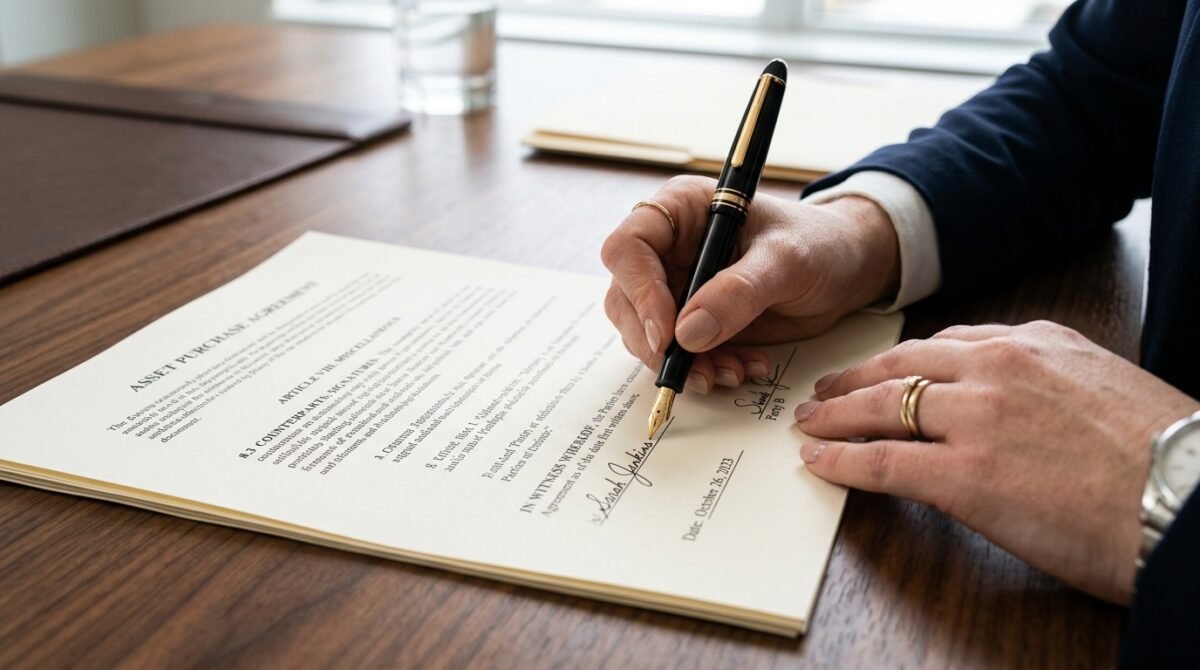
When I tell people about the lawsuit, the most common question is: ‘Was it worth the family drama?’ They often focus on the idea that family is the most important thing and that burning bridges over ‘stuff’ is immature. I always smile and tell them that it wasn’t about the stuff. It was about the precedent. If I had let them take my bedroom furniture, what would have been next? My car? My savings? My right to decide my own career path? The furniture was the hill I chose to die on, and it was a hill that needed to be defended.
The legal costs were significant, and the emotional toll of testifying and dealing with the mediation was real. But the cost of not acting would have been much higher. The cost would have been my self-respect, my autonomy, and my peace of mind. By taking them to court, I was drawing a line in the sand. I was saying, ‘This is where you stop, and this is where I begin.’ And that is a price that is worth every cent.
“Some people think you’re ‘petty’ for holding people accountable. Those people are usually the ones who benefit from you being a doormat. Ignore them.”
— Top-rated comment on a legal advice subreddit, 18.5k upvotes
I also learned a great deal about the legal system. It’s not just for big crimes or major corporations; it’s for regular people to protect their rights. I learned how to document evidence, how to communicate through lawyers, and how to stay focused on the facts rather than the emotions. These are skills that have served me well in every other aspect of my life. I’m no longer afraid of confrontation because I know that I can handle it with logic and composure.
I’ve had people reach out to me, telling me their own stories of family betrayal. It’s heartbreaking how common it is. So many people are trapped in the same cycle of guilt and obligation, afraid to speak up because they don’t want to be the ‘bad guy’ in the family. If my story helps even one person realize that they have the right to their own property and their own boundaries, then the lawsuit was more than just a win—it was a service.
I am not perfect. I still have moments of sadness when I think about the family I could have had. But I am content. I am building a life that I love, surrounded by people who respect me and treat me with kindness. I have moved beyond the need for their validation, and that, more than any legal settlement, is the ultimate victory. I am no longer a pawn in their game; I am the author of my own story.
Lessons Learned: Boundaries and Bloodlines

If there is one thing I want the readers to take away from my experience, it’s this: your family does not have a claim on your life just because they raised you. You owe them your love, perhaps, and your respect, but you do not owe them your identity or your property. When someone, even a parent, violates your boundaries, you have every right to hold them accountable. And if they refuse to respect those boundaries, you have every right to step away.
I’ve learned that the people who get the most upset when you set boundaries are the ones who were benefiting from you not having any. It’s a simple rule of human behavior. Don’t let their anger stop you from doing what you know is right. Your job is not to manage their emotions; your job is to live your life in a way that aligns with your values. If that means making difficult decisions, then so be it.
“The most important relationship you will ever have is the one you have with yourself. If you don’t protect it, no one else will.”
I’ve also learned the value of documentation. In any conflict, facts matter. Memories are slippery things, and everyone remembers things in a way that makes them look like the hero. But a text message, a photo, a contract—those are permanent. They are the objective truth in a sea of subjective opinion. If you ever find yourself in a dispute, get it in writing. It will be your best friend when the going gets tough.
Finally, I’ve learned that healing is not a destination; it’s a process. There will be days when you feel great about your decisions and days when you second-guess everything. That’s normal. The goal isn’t to be perfect; the goal is to be authentic. When you live authentically, you attract the right people into your life—the ones who respect your boundaries and love you for who you are, not for what you can give them.
I am grateful for the journey, as difficult as it was. It taught me who I am and what I am made of. It showed me that I can handle whatever life throws at me, and that I don’t need anyone’s permission to stand up for myself. I am a veteran, a brother, a son, and an individual—and for the first time in my life, I am proud of all those things.
Conclusion
My life today is unrecognizable from the one I left behind when I went to boot camp. I live in a city that I chose, in an apartment that I decorated, surrounded by friends who feel like the family I never had. The bitterness of the betrayal has long since dissolved, replaced by a quiet, steady resolve. I don’t look back at the years lost to that toxic dynamic; I look forward to the years ahead that I get to define for myself.
The lawsuit was the turning point, but the real work was the quiet, daily act of choosing my own peace over their approval. It is a choice I make every single morning. I hope that by sharing my story, I have provided a roadmap for others who are navigating their own complicated family dynamics. Remember, you are worthy of respect, you are entitled to your own property, and you are allowed to walk away from anyone—no matter who they are—who refuses to treat you with dignity.
I invite you to share your thoughts. Have you ever had to draw a line in the sand with your family, even when it cost you everything? Do you believe that family ties have an expiration date, or are they truly unbreakable? Let’s talk about it in the comments below.
What's your verdict on this dilemma?
Vote below to contribute to the official community consensus.

Have a Dilemma Keeping You Up at Night?
Share your real-life feud, wedding chaos, or relationship crossroads anonymously with our editorial team.
What do you think ?
0 Comments🛡️ Comments are moderated to protect community integrity. Your comment will appear once approved by the editorial team.