
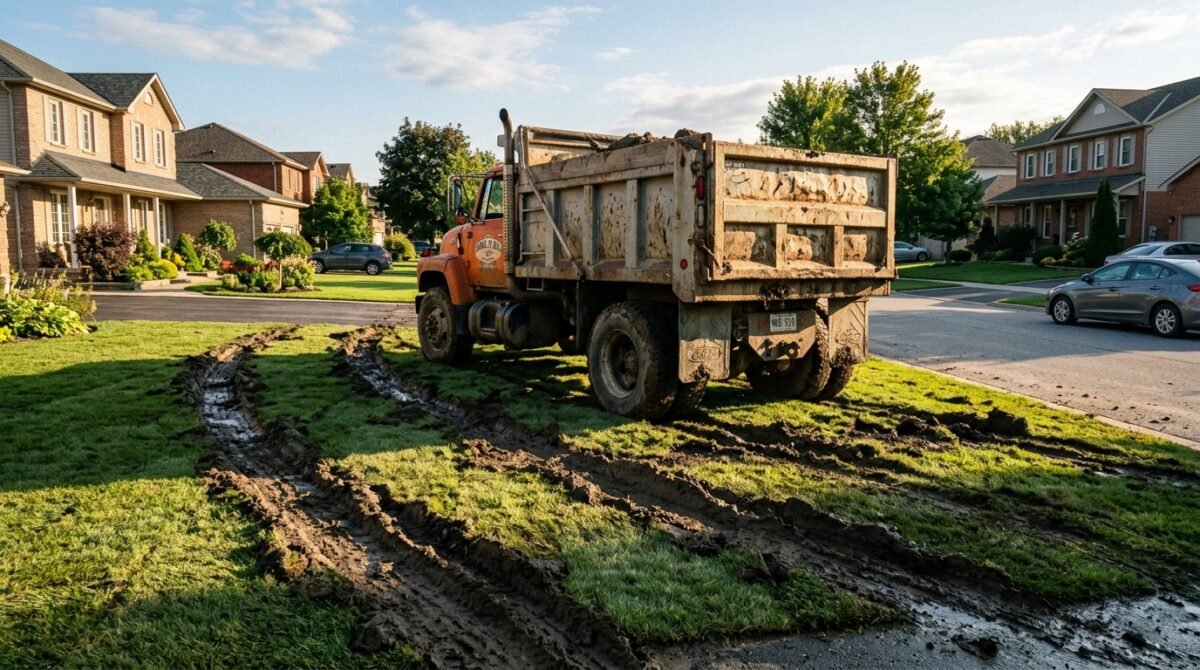
When my husband, Mark, and I finally saved enough money to put a down payment on our first house, the first thing on our list wasn’t a new kitchen or a smart thermostat. It was the yard. We had spent the better part of a decade living in cramped apartments with nothing but concrete balconies, and the dream of owning a piece of land we could cultivate was visceral. We hired a local landscaping crew to rip out the dead weeds and lay down premium, high-density sod, costing us nearly $8,000 of our savings. It was our sanctuary, our proudest accomplishment.
My father-in-law, Gary, was never a fan of our boundaries. A man who built his small construction business on grit and, quite frankly, a blatant disregard for other people’s property, he viewed our home as an extension of his own workspace. He’d often drop by unannounced, leaving his heavy equipment parked on our curb or, worse, our driveway. But we had always bitten our tongues, fearing the kind of explosive fallout that happens when you dare to suggest a man of his ego should be considerate of his children’s home.
The morning of the incident, we were hosting a small lunch. The lawn was finally established, the grass a vibrant, uniform green that looked like a carpet. I had spent all morning ensuring the perimeter was clear of any stray debris. When the deep, rhythmic rumble of a diesel engine shook our windows at 11:30 AM, I didn’t think much of it—until I saw it. Gary’s massive, rusted-out commercial dump truck was idling, not on the street, not on the driveway, but directly on top of our pristine sod.
I watched in disbelief as the heavy tires compressed the earth, sinking into the damp soil and tearing up the roots we had spent months nurturing. The weight of the vehicle was catastrophic. When I confronted him, he dismissed my panic as ‘silly’ and ‘over-sensitive.’ That was the moment I realized that kindness had failed. I didn’t scream. I didn’t beg. I simply walked back inside, picked up my phone, and dialed the local code enforcement officer who had been monitoring the neighborhood’s recent zoning violations.
The Morning the Earth Trembled
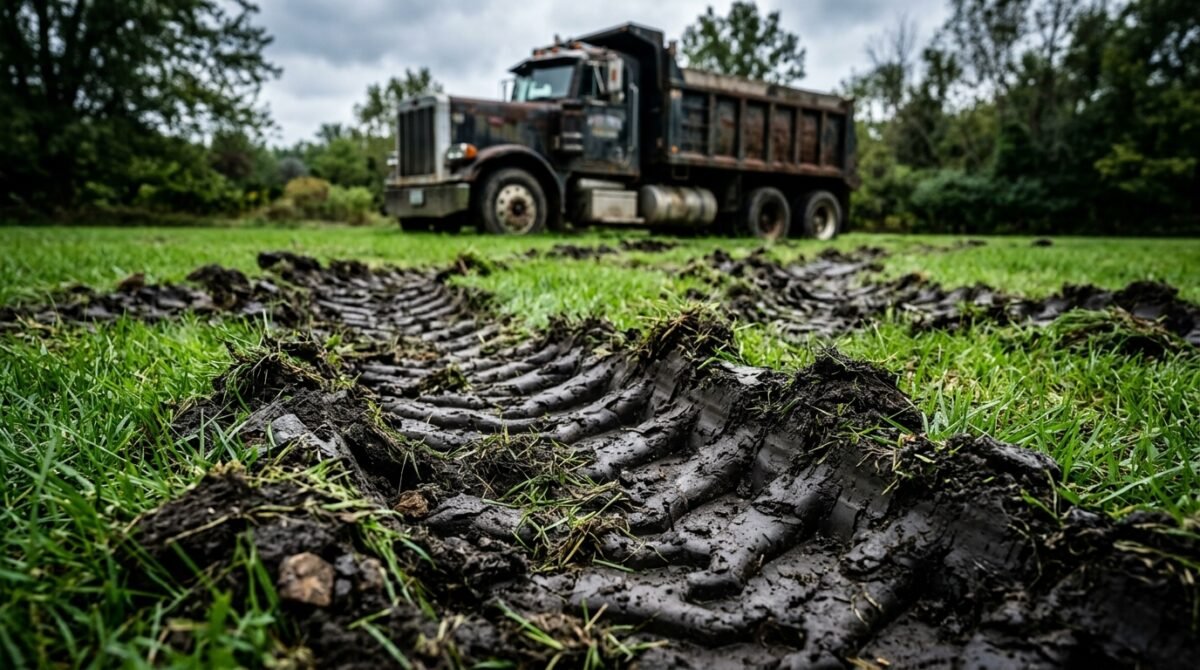
The sound was unmistakable. It wasn’t the hum of a delivery van or the occasional heavy truck passing through our cul-de-sac; it was the aggressive, rattling roar of a vehicle that had seen better decades. I was in the kitchen plating appetizers when the house itself seemed to vibrate. I ran to the front window, and the sight was so physically jarring it made me nauseous. The dump truck was parked at a sharp, destructive angle right in the center of the lawn, its rusted bed still caked with a mix of gravel and red clay.
I sprinted outside without shoes, my feet instantly sinking into the mud that was oozing up from the tire ruts. Gary was climbing down from the cab, his heavy work boots landing hard on the very grass we had been instructed not to walk on for the first month. He didn’t even acknowledge the damage; he just started unloading a pile of scrap metal he had promised to move to the dump weeks ago. He looked up at me with a smirk that felt like a slap in the face.
“Gary, what in the hell are you doing? Get that truck off the grass right now! You are literally destroying our lawn. Do you have any idea how much this cost us?”
— Me, the moment of discovery
He laughed, a dry, dismissive sound that echoed in the quiet street. He pointed to the pile of junk he had dumped on the side of the yard, as if the convenience of his task outweighed the thousands of dollars of damage he was causing to our property. He treated the lawn like a junkyard floor, completely indifferent to the fact that his actions were ruining our home’s value and our peace of mind.
I pleaded with him. I explained clearly, calmly, that the soil was soft and the grass was fragile. I pointed to the deep, jagged indentations that were already beginning to puddle with water. He just waved his hand at me, telling me to stop being such a ‘fragile princess’ and that the grass would ‘grow back’ by next season. It wasn’t just the damage; it was the sheer, unadulterated entitlement that he could treat our home as his personal storage facility.
When I told him he had to move it immediately, he gave me an ultimatum. He said he had to go get lunch and that he’d be back in an hour. He told me to ‘deal with it’ and that if I moved his truck, he’d have my husband, his own son, handle me. The arrogance was palpable. He didn’t see me as a homeowner; he saw me as a minor inconvenience standing in the way of his sloppy, disorganized business practices. That was the moment the switch flipped in my head.
A Phone Call to the City
I retreated into the house, my hands trembling with a mixture of rage and adrenaline. Mark was in the shower, oblivious to the fact that his father was currently desecrating our yard. I didn’t want to argue with Mark first; I knew he would try to mediate, to find a compromise, to ‘keep the peace.’ But there was no peace to keep. The damage was done, and the refusal to move the vehicle made this a deliberate act of disrespect.
I pulled up the city’s municipal code website. I knew we had been dealing with code enforcement for a few minor parking issues on our street recently, and I had the direct line for our area’s inspector, a no-nonsense woman named Brenda. I didn’t hesitate. I dialed the number, my voice steady for the first time in an hour. I explained that there was a commercial vehicle parked on a residential lawn, leaking fluids and causing significant damage, and that the owner had refused to move it.
“Officer, he’s currently parked on my sod, the vehicle is unregistered, and it’s a commercial dump truck in a residential zone. I’ve asked him to move it, and he refused. I need it removed immediately.”
— My phone call to local Code Enforcement
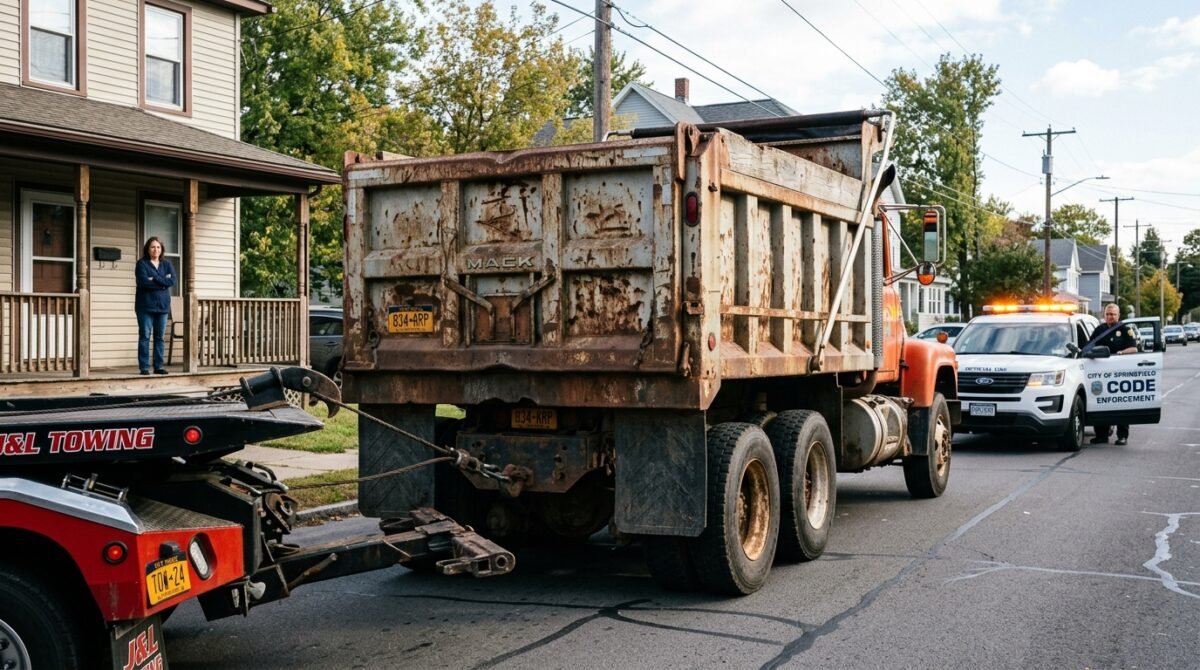
Brenda was at my house within twenty minutes. The irony of the situation wasn’t lost on me; Gary was currently at a nearby deli, thinking he had won the power struggle. I stood on the porch with a cup of tea, watching as the code enforcement truck pulled up behind his dump truck, blue lights flashing. It felt like a fever dream. The officer walked up to the truck, took photos of the license plate, and immediately confirmed that it was a clear violation of city ordinance.
Because the truck was parked on a non-paved surface in a residential district and appeared to lack a current commercial permit, the legal consequences were severe. Brenda didn’t even need to wait for him to return. She called the local towing company, one that specialized in heavy-duty commercial equipment. The sound of the tow truck arriving was the most beautiful thing I had heard all year.
Watching them hook up the chains to his massive vehicle was cathartic. I stood back, arms crossed, feeling a strange sense of vindication. I wasn’t just protecting my lawn anymore; I was reclaiming my agency. The truck was hoisted off the ground, the tires spinning uselessly in the air, leaving behind a scarred, muddy mess that would take months to repair, but at least the threat was gone. By the time Gary returned with his lunch, his truck was already halfway to the municipal impound lot.
The Confrontation in the Kitchen
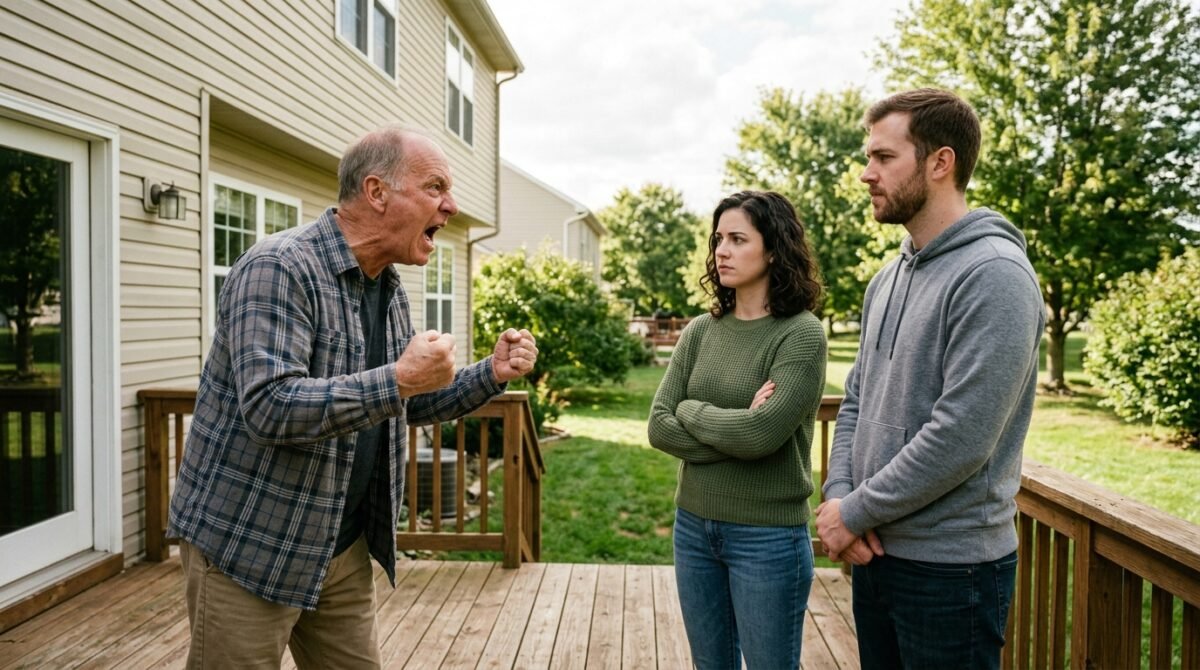
Gary didn’t come to the front door; he came to the back deck, red-faced and screaming. He had walked from the bus stop after realizing his truck wasn’t where he left it. He was shouting about ‘who called the cops’ and ‘what kind of daughter-in-law does this to family.’ Mark had finally come downstairs, wearing a towel around his waist, confusion etched into his face as he walked into the middle of his father’s tantrum.
I didn’t cower. I walked out to meet him, my phone recording the audio—just in case things escalated. He was accusing me of theft, of sabotage, of being a ‘snake.’ He kept pointing at the empty patch of grass where his truck had been, as if the ghost of the vehicle were still there to prove his point. Mark looked at the yard, then at his father, then at me. The realization of what had happened finally dawned on him.
“Dad, you parked a commercial dump truck on our grass. What did you expect would happen? You’ve been told a dozen times not to park your work equipment here. You destroyed the sod. Why are you surprised it’s gone?”
— Mark, finally siding with me
Gary’s face went through a spectrum of colors—from purple to a sickly, pale white. He couldn’t believe his own son was agreeing with me. He started listing the ‘favors’ he had done for us over the years, the times he had helped fix a leaky pipe or moved a piece of furniture, as if those minor acts of fatherly duty gave him a lifetime pass to destroy our property and ignore our basic requests.
He threatened to sue me. He threatened to never speak to us again. He called me ‘cold-blooded’ and ‘a suburban nightmare.’ Every word he said only solidified my resolve. The more he talked, the more I realized that this had nothing to do with the truck and everything to do with control. He needed to know he could do whatever he wanted, whenever he wanted, and that I would just clean up the mess afterward.
The argument didn’t end until I told him that the truck would remain in impound until the fines were paid and the damage to the lawn was assessed and invoiced to him. I was firm. I told him he was no longer welcome at our house without an invitation, and that if he ever showed up with his ‘work equipment’ again, I wouldn’t call code enforcement—I’d call the police for trespassing. He left, but not before throwing his half-eaten sandwich at our front door.
The Group Chat Fallout

By that evening, my phone was blowing up. Gary had gone to the family group chat, painting a victimized version of events that would have made a soap opera writer blush. He claimed I had ‘stolen’ his livelihood and that I was trying to bankrupt him out of spite. He didn’t mention the truck, the lawn, or the damage. He just focused on the ‘cruelty’ of his own daughter-in-law.
My sister-in-law, Susan, chimed in, siding with her father immediately. She accused me of being ‘petty’ and said that family ‘sticks together.’ Then came the uncles and the cousins, none of whom knew the full story, all chiming in with their unsolicited opinions about how I should have just ‘talked to him’ like a ‘reasonable person.’ I felt the walls closing in, the classic manipulation tactic of turning the victim into the aggressor.
“Honestly, OP, it’s just a truck. Why make a mountain out of a molehill? Gary is an older man, he doesn’t think about these things. You’re being incredibly divisive over a bit of grass.”
— Susan, in the family group chat
I didn’t lose my cool. I simply replied with a single message. I attached the photos I had taken of the truck on our lawn—the deep ruts, the mud, the destruction of our $8,000 investment. I also included a copy of the city’s citation, clearly showing the violation date and time. I didn’t add any commentary. I just let the evidence sit there in the chat, a silent testament to the truth.
The chat went dead silent. No one responded for hours. Some people left the group; others just stopped typing. It was the most satisfying silence I had ever experienced. The narrative Gary had tried to construct crumbled the moment the facts were presented. Even the most ardent ‘family first’ supporters had to admit that driving a commercial dump truck onto a residential lawn was not just an ‘old man mistake’—it was an act of blatant disrespect.
Later that night, my mother-in-law, who usually stayed out of the drama, sent me a private message. She didn’t apologize for Gary, but she did thank me for ‘finally setting a boundary that he couldn’t ignore.’ It was the validation I didn’t know I needed. For years, she had been walking on eggshells around him, and seeing someone stand up to him without flinching seemed to have unlocked something in her as well.
The Financial Realities of Entitlement

The next day, I received a call from the impound lot. Gary had gone down there, screaming at the staff, demanding his truck back. They told him it was a police-ordered impound due to the zoning violations and that it wouldn’t be released until the city gave the clearance. The total cost, including the tow fee, the daily storage, and the fine for the illegal parking, was mounting quickly. It was around $1,400, not including the repairs for our lawn.
I sat down with Mark to discuss how we were going to handle the damage to our property. We had to hire a professional landscaper to come out and assess if the grass could be saved or if we needed to re-sod the entire area. The estimate for the repair was nearly $2,000. We weren’t going to pay for it. I drafted a formal letter, outlining the damages and the costs, and sent it to Gary via certified mail. I wanted a paper trail.
| Damage/Cost | Amount | Responsibility |
|---|---|---|
| Code Enforcement Fine | $400 | Gary |
| Impound/Towing Fees | $1,000 | Gary |
| Lawn Sod Repair | $2,000 | Gary |
| Total | $3,400 | Gary |
When he received the letter, he didn’t call me. He called Mark, threatening to write him out of the will if he didn’t stop me. It was a classic, desperate move. But Mark had finally seen the light. He told his father that if he didn’t pay for the damages he caused, we would take him to small claims court and present the photos to a judge. He was done being the middleman for his father’s bad behavior.
The financial pressure worked. Gary realized that this wasn’t going to go away. He was used to bullying people into submission, but he couldn’t bully a municipal ordinance, and he couldn’t bully a judge. He ended up paying the fines to get his truck back, although he grumbled about it to anyone who would listen for weeks. He never paid for the lawn, but we took the amount out of what we were planning to contribute to his ‘birthday fund’ that year, which sent a message that he couldn’t miss.
This incident revealed the true cost of ‘keeping the peace’ in our family. For years, we had been subsidizing Gary’s lack of boundaries with our own time, money, and mental health. By forcing him to face the financial consequences of his actions, we stopped the cycle of enabling. It was expensive, yes, but the price of our autonomy was worth every cent.
Reddit Weighs In
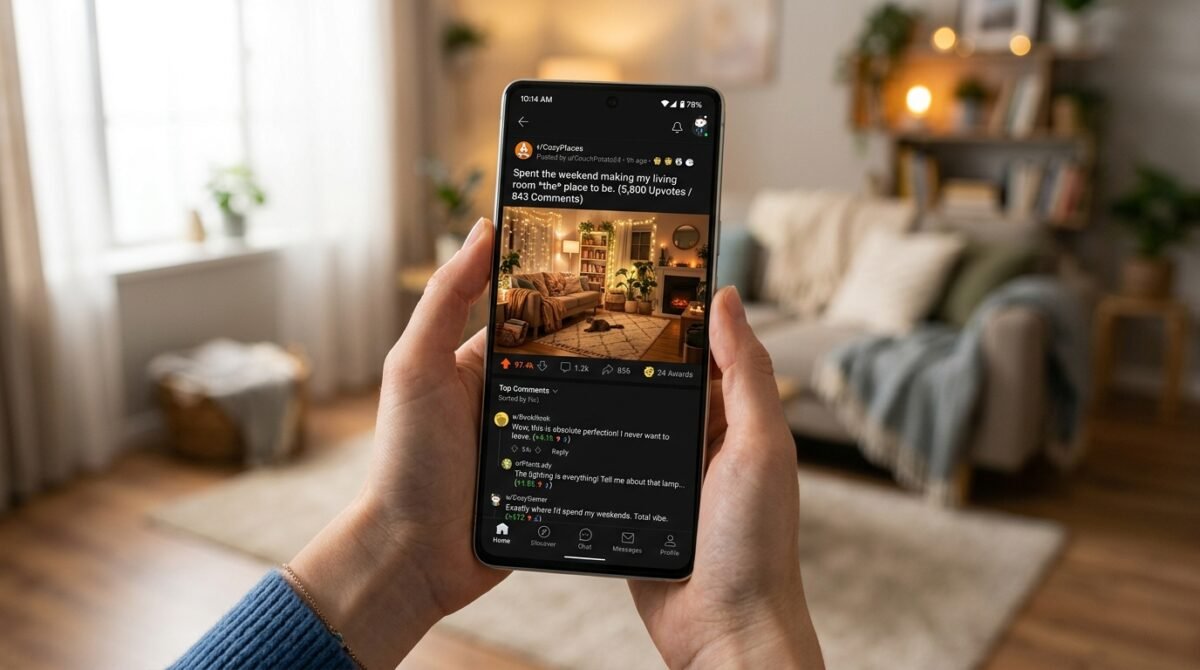
I knew the internet would have opinions, so I posted my story to the AITA subreddit. I expected some backlash, but I was unprepared for the overwhelming support. Thousands of people commented, sharing their own stories of family members who treated their homes like community property. The consensus was clear: I had done the right thing, and the ‘family first’ crowd was largely outnumbered by people who understood the necessity of firm boundaries.
“This is the textbook definition of ‘play stupid games, win stupid prizes.’ You didn’t ruin his business; he did that by being a reckless idiot. If you hadn’t called the city, he would have continued to use your lawn as his personal dump for years. You’re NTA.”
— u/ReasonableObserver (Top Comment, 42.1k upvotes)
The comment section became a therapy session. People were sharing their stories of in-laws who moved into basements without asking, siblings who borrowed cars without permission, and parents who felt entitled to keys to their children’s homes. It was a stark reminder that boundary-crossing is a universal issue, and that standing your ground is the only way to earn respect.
“I love the petty efficiency of this. You didn’t even have to argue with him—you just let the system do the work for you. That is pure, unadulterated genius. Don’t apologize. Don’t pay for the lawn. He broke it, he buys it.”
— u/BoundaryWarrior (12.4k upvotes)
There were, of course, a few dissenting voices. A handful of people argued that I should have been ‘the bigger person’ and just told him to move it again. They said that family relationships are more important than sod. But the vast majority of the community dismantled those arguments easily, pointing out that ‘family’ shouldn’t be a license for abuse or property destruction.
Reading the comments helped me realize that I wasn’t the ‘cold-blooded’ person Gary had called me. I was a homeowner who had been pushed to a breaking point, and I had used the proper channels to resolve a conflict. The validation from strangers gave me the confidence to stick to my guns in the real world, where family members were still whispering behind my back.
The thread became a viral sensation, even being featured on a few news aggregators. It wasn’t about the truck anymore; it was about the power of boundaries. People reached out to me, telling me that reading my story gave them the courage to stop letting their own toxic family members steamroll them. It was a profound experience, knowing that my ‘petty’ move had actually helped others find their own strength.
The Lingering Silence

Things have been quiet since the incident. Gary and I haven’t spoken in six months. Mark still sees his father occasionally for lunch in neutral territory, but the dynamic has shifted. Gary is much more cautious now; he doesn’t just show up at our house, and he certainly doesn’t bring his dump truck. He knows now that there are lines he cannot cross, and he knows exactly what the consequences are if he tries.
Our lawn has recovered. We ended up having to redo about a quarter of the yard, but it’s finally looking lush again. We planted some decorative shrubs along the curb, creating a natural barrier that makes it physically impossible for a vehicle to pull onto the grass. It’s a permanent, physical reminder of the boundary I set. Every time I look out the window, I see those bushes and feel a sense of peace.
Mark and I have had many long conversations about the future. We’ve realized that we can’t control his father’s behavior, but we can control our reactions to it. We’ve become much more proactive about setting boundaries in other areas of our lives, too. We’ve learned that saying ‘no’ is a complete sentence and that we don’t owe anyone an explanation for protecting our home.
There’s still some tension at family gatherings. Some of the relatives still look at me with suspicion, but I’ve learned to ignore it. I know who I am, and I know what I did. I protected my home, I stood up for my husband, and I didn’t let myself be bullied by an ego-driven man. That’s enough for me. If they want to be angry about it, that’s their burden to carry, not mine.
The silence isn’t a sign of defeat; it’s a sign of a boundary being respected. I didn’t want to lose a family member, but I wasn’t willing to sacrifice my self-respect to keep him in my life under his terms. If he ever decides to apologize—truly apologize—we might be able to rebuild something. But until then, I’m perfectly content with the peace and quiet of my own home.
Lessons in Autonomy

Looking back, the biggest lesson I learned was about the value of my own sanity. For years, I had been worrying about the hypothetical reaction of other people—what would his family think? What would my friends think? I was living my life for an audience that didn’t care about my well-being. Once I stopped performing for them, everything became much easier.
I also realized that I had been expecting Gary to change, to suddenly become the considerate, thoughtful father-in-law I wanted him to be. That was a fantasy. He is who he is, and his behavior was a pattern, not an accident. Expecting him to change was setting myself up for constant disappointment. By shifting my focus from ‘how can I get him to change’ to ‘how can I protect myself from his actions,’ I regained my power.
Mark has also grown significantly through this. He had to face the reality of his father’s toxicity in a way he had been avoiding for years. He’s had to choose between his childhood loyalty to his father and his adult loyalty to his wife, and he’s made the right choice every time. It’s brought us closer together as a couple, knowing that we are a team, united against any external pressure.
We have started a new tradition: every month, we do a ‘boundary check’ where we talk about what’s working in our lives and what isn’t. It’s helped us identify potential issues before they become crises. We’re much more intentional about how we spend our time and who we let into our space. It’s a simple change, but it’s made a world of difference.
If you find yourself in a similar position, my advice is this: don’t wait for them to change. Don’t wait for them to ‘realize’ they are being hurtful. They likely never will. Protect your peace, protect your home, and don’t be afraid to use the tools available to you. You are the master of your own domain, and you have every right to decide who gets to step onto your grass.
The Final Reckoning

It has been over a year since the dump truck incident, and I can honestly say I have no regrets. The lawn is perfect, the house is peaceful, and the weight of constant, low-level anxiety has lifted. I still see Gary at major holidays, and while things are polite, they are distant. I don’t go out of my way to make him feel comfortable anymore, and I certainly don’t worry about his approval.
I ran into him at a grocery store a few weeks ago. He looked at me, sighed, and kept walking. It was the first time I felt truly invisible to him—not in a bad way, but in a way that signaled he had finally given up on the idea of controlling me. It was a release. He had stopped trying to squeeze me into his narrative, and I had stopped trying to fit into his expectations.
We are currently looking at our plans for the next year—traveling, renovating the spare room, focusing on our careers. None of these things involve Gary. He is a part of our lives, but he is no longer the center of our lives. It’s a much healthier distance, one that allows for a level of civility without the risk of emotional or physical damage.
I’ve realized that boundaries are not meant to keep people out; they are meant to teach people how to interact with you safely. If someone refuses to learn, then they don’t get access. It’s a simple, logical rule that governs every other part of our society, so why should family be any different? We have normalized the idea that family can treat us with contempt, and that needs to stop.
I’m proud of the woman who called code enforcement that afternoon. She was scared, she was angry, and she was tired of being stepped on—but she did what needed to be done. She taught me that your voice is your most powerful tool, and you should never be afraid to use it to defend what you have built. Our life is our own, and we are the ones who decide what happens on our property.
Community Reflection: The Verdict

The dialogue surrounding this story continues to resonate online. It’s become a case study in many ‘relationship advice’ forums for how to handle extreme boundary violations. The consensus among the community remains steadfast: the moment someone puts their personal convenience above your property and your dignity, you are under no obligation to be ‘nice’ to them.
“I’ve used your story as an example with my own family. When they ask why I set a firm boundary with my brother, I tell them about the ‘Dump Truck Incident.’ It’s the perfect analogy for why you shouldn’t let people run over you.”
— u/BoundaryBound (8.2k upvotes)
The lessons go beyond just property rights. People are using the story to discuss the broader issue of ‘enmeshment’—the psychological state where family members feel they have no individual autonomy. By drawing a hard line with the truck, I inadvertently started a conversation about what it means to be an independent adult with a family that wants to keep you in a child-like, subservient role.
It’s humbling to know that a moment of anger and a phone call to a city inspector turned into a touchstone for so many people. It confirms that we are all looking for permission to set our own limits. We all need to see that it’s possible to stand up for ourselves and survive the fallout. The ‘scary’ consequences we fear—being called mean, being ostracized, being told we’re ‘destroying the family’—are often just temporary discomforts compared to the lifelong cost of letting people walk all over us.
So, to everyone who has read this story, thank you for your support and your own, often painful, insights. Keep setting your boundaries. Keep protecting your lawns, your homes, and your mental health. You don’t owe anyone access to your life if they don’t respect the space you’ve created for yourself. It’s your world; make sure you’re the one deciding who gets to enter it.
I’ll continue to update the thread if anything changes, but for now, the grass is green, the boundaries are firm, and the peace is absolute. That’s all I ever wanted.
Conclusion
In the end, this experience wasn’t really about a dump truck or a piece of sod. It was about the moment I stopped asking for permission to be the owner of my own life. It was a baptism by fire, but I came out the other side with a clarity I never had before. Boundaries are not just for others; they are for me to define who I am, what I value, and how I expect to be treated.
I’ve received thousands of messages from people in similar situations, and if there is one thing I’ve learned, it’s that we are all suffering from the same disease: the fear of being perceived as ‘difficult.’ But I’ve learned that being ‘difficult’ is often just the label people give you when you stop being ‘useful’ to their selfish agendas. I am perfectly happy being difficult if it means my home stays intact and my family remains sane.
As we move forward, I hope this story serves as a reminder that you have the power to change your circumstances. You don’t have to tolerate the intolerable. You don’t have to accept disrespect just because it comes from someone you share a bloodline with. Take charge, set your terms, and don’t let anyone park their baggage on your lawn.
Now, I want to hear from you. Have you ever had to make a ‘petty’ but necessary stand against a boundary-crossing family member? Did it change your relationship, or did it end it? Let’s talk in the comments.
Poll: If you were in my position, would you have paid for the lawn repairs yourself just to keep the peace, or would you have demanded they pay as I did?
What's your verdict on this dilemma?
Vote below to contribute to the official community consensus.

Have a Dilemma Keeping You Up at Night?
Share your real-life feud, wedding chaos, or relationship crossroads anonymously with our editorial team.
What do you think ?
0 Comments🛡️ Comments are moderated to protect community integrity. Your comment will appear once approved by the editorial team.