
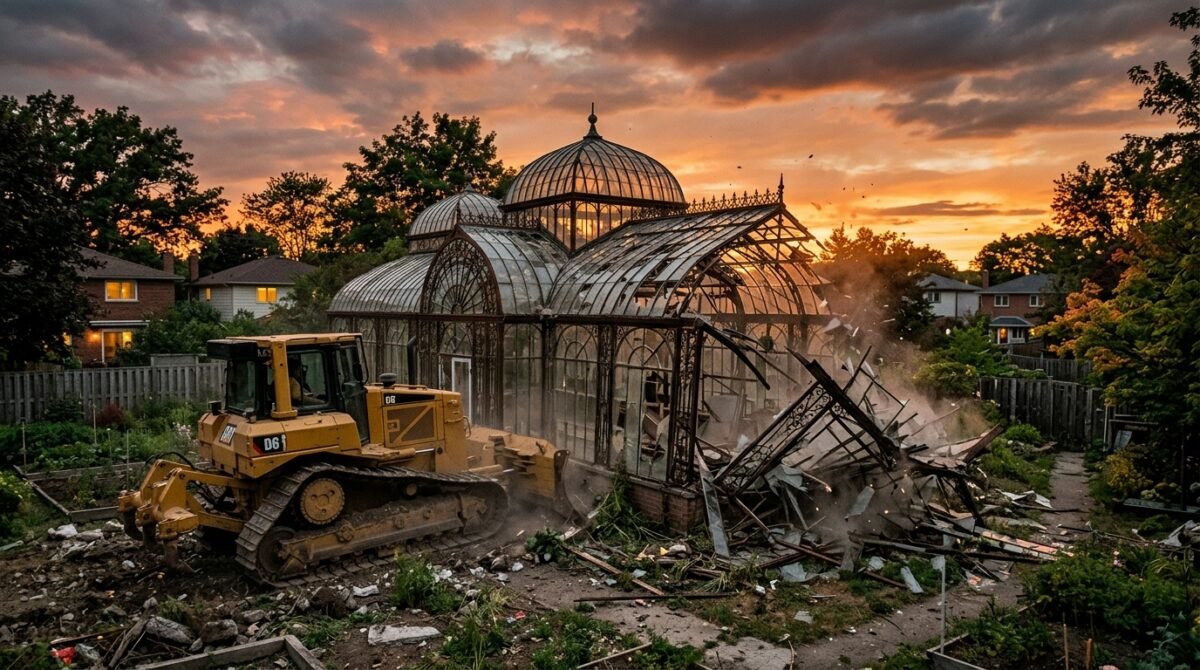
Inheritance is a funny thing; it is supposed to be a bridge between generations, a way to keep the spirit of our ancestors alive. When my grandfather passed away, he left me his home and, more importantly, the garden he had spent forty years cultivating. At the center of that sanctuary was a hand-built greenhouse, constructed from salvaged cedar and stained glass, a testament to his patience and love for botany. It was more than a structure; it was my connection to a man who taught me how to coax life from the soil.
My Uncle Gary, however, viewed my grandfather’s property not as a shrine to history, but as an annoying obstacle to his own personal convenience. Gary has always been the kind of man who believes that the world is a series of waiting rooms for his own ambitions. When he bought the adjacent lot, he didn’t see the charm of the shared fence or the delicate ecosystem we had established. He saw a ‘project’ and, more crucially, a place to store his oversized fishing vessel.
The tension began months before the actual demolition, simmering in the form of passive-aggressive comments about ‘wasted space’ and ‘overgrown weeds.’ I brushed them off, thinking he was just a blowhard with too much time on his hands. I never imagined that he would take a physical sledgehammer to my peace of mind. I was at work when I received the call from my neighbor, a frantic voice telling me that a crew was on my property, clearing the brush and dismantling the glass panels.
I rushed home, my heart pounding in my chest, only to find the structure decimated. My uncle was standing there with a clipboard, looking at me with the casual arrogance of a landlord, as if he were doing me a favor by clearing out ‘the junk.’ That day, something shifted inside me. The sentimental boy who loved his grandfather’s garden died, replaced by someone who understood that when family crosses a legal line, the only language they understand is a summons.
This is the story of how I took my own uncle to court, the fallout that tore my family apart, and why I refuse to apologize for holding someone accountable for their blatant disrespect of boundaries. It wasn’t just about a greenhouse; it was about the principle of ownership and the terrifying realization that blood isn’t always thicker than a boat parking spot.
The Initial Audacity of the Boat Dilemma

It started with a casual text message, the kind that seems harmless on the surface but masks a deep-seated sense of entitlement. Gary sent me a message asking if he could ‘borrow’ a few feet of my backyard to widen his driveway, claiming his new boat was ‘just a tad too wide’ to maneuver around the corner. I denied him immediately, citing the local zoning laws and my own plans to expand the perennial beds.
He didn’t take the rejection well. The next weekend, he arrived at my front door unannounced, holding a beer and a set of blueprints he had clearly drawn himself on a napkin. He tried to convince me that the greenhouse was structurally unsound and that he was actually protecting me from a future liability. He even had the audacity to suggest that I should thank him for taking the initiative to clear the ‘hazard’ out for me.
“Listen, kid, I’m doing you a solid. That greenhouse is a rotting heap of wood. Once I widen this driveway, I’ll pave over that strip for you, and we can call it a day. It’s a win-win.”
— Uncle Gary
I stood my ground, clearly stating that the greenhouse was a historical piece of the property and that I had no interest in his paving project. I thought that would be the end of it, but Gary is not a man who accepts ‘no’ as an answer. He looked at me with a smirk that chilled me, a look that said he had already made up his mind regardless of my protests.
The next few weeks were a blur of minor infractions. I’d find his construction crew loitering near my fence, measuring the distance with laser pointers. I sent an email to his contractor, explicitly stating that no work was to be done on my side of the property line, and attached a copy of the deed and the recent survey I’d commissioned just to be safe. I felt like I was playing a game of chess against someone who was trying to flip the board.
My mother, Gary’s sister, tried to intervene, telling me to just let it go because ‘family is family.’ She didn’t understand that for Gary, family was just a shield he used when he wanted to get away with something. I felt trapped between the expectations of keeping the peace and the burning need to protect the last physical vestige of my grandfather’s labor. It was a suffocating realization that my privacy was a currency he was willing to spend without my permission.
The Sound of Shattering Glass and Dreams
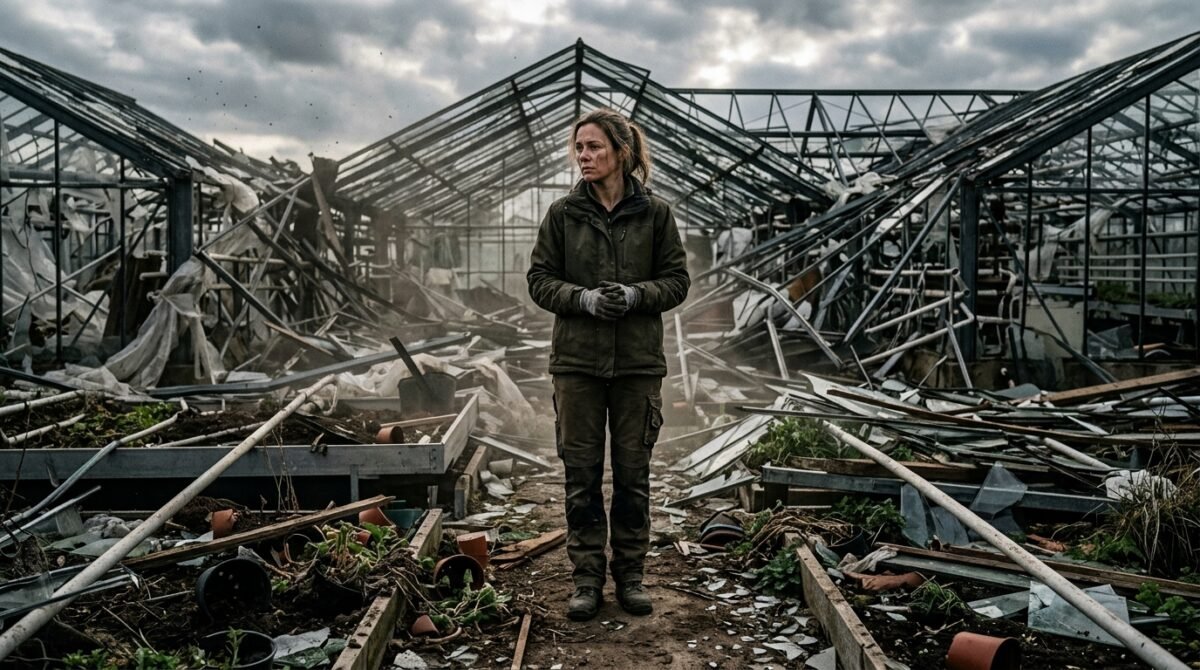
The day the demolition actually happened was a Tuesday. I was in the middle of a high-stakes presentation at work when my phone started buzzing incessantly. It was my neighbor, Sarah, sending me pictures in real-time. The first image was of a backhoe idling near the fence. The second was the sound of metal groaning. And the third—the one that made me physically ill—was a pile of shattered antique glass and splintered cedar.
I didn’t even pack up my laptop. I just walked out of the office, fueled by a mixture of adrenaline and white-hot rage. I knew that if I stopped to think, I might break down, so I kept my mind focused on the legal implications. I called my lawyer on the drive over, dictating the events as I saw them unfold through Sarah’s updates. By the time I arrived at my property, the backhoe was gone, and Gary was standing there, wiping dust off his hands like he’d just finished a light gardening chore.
“You’re too late to stop the inevitable, and frankly, you should be thanking me. The city would have condemned that thing in a year anyway. Now, your driveway is going to be so much easier to use.”
— Uncle Gary
I didn’t argue. I didn’t scream. I just looked at the wreckage. The cedar frames, which had been hand-carved by my grandfather, were splintered like toothpicks. The glass, much of it original 1950s hand-blown panes, was ground into the dirt. I walked over to the pile, knelt down, and picked up a shard. It was sharp, cold, and a reminder of everything I had just lost.
Gary tried to put a hand on my shoulder, but I recoiled as if he were made of acid. He kept talking about ‘property value’ and ‘curb appeal,’ completely oblivious to the fact that he hadn’t just destroyed a shed; he had destroyed a memory. His wife, my Aunt Linda, stood nearby, looking at the ground, clearly embarrassed but refusing to speak up. That was the moment I realized I was entirely alone in this family.
I spent the rest of the afternoon documenting the damage. I took hundreds of photos, recording the debris, the tire tracks on my lawn, and the proximity to the property line. I felt a weird detachment, as if I were a ghost witnessing my own life. I knew then that there would be no civil discussion. There would be no ‘settling this over dinner.’ This was a legal matter, and I was going to see it through to the end.
The Certified Letter That Changed Everything
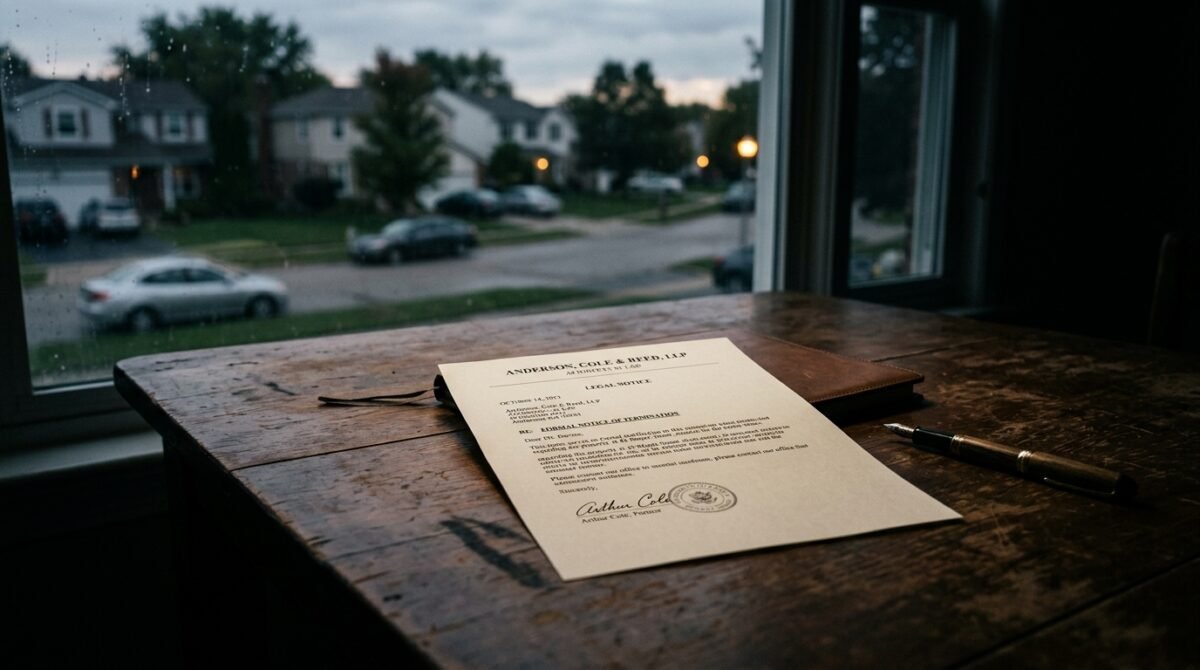
Three days after the demolition, Gary received a certified letter from my attorney. It wasn’t a warning, and it wasn’t a request for an apology. It was a formal notice of intent to sue for property damage, trespass, and the destruction of historical property. I watched from my window as he opened it at his mailbox. He stood there for a long time, his face reddening, before he crumbled the paper and threw it into the trash can.
The phone calls started almost immediately. My mother, my aunt, and even my cousins were calling me, telling me I was ‘ruining the family’ and that ‘Gary is family, for God’s sake.’ They didn’t see the destruction; they only saw the potential for a holiday dinner to be ruined. It was astounding how quickly they shifted the blame onto me, the victim of a property crime, rather than the man who had brought a bulldozer onto my land.
“You are going to regret this. You’re suing your own blood. Do you have any idea how much money you’re going to waste on lawyers? Just drop it and let him pay for a new shed.”
— My Mother
I explained to my mother that it wasn’t about a shed. It was about the fact that Gary felt he could do whatever he wanted because he was the ‘patriarch’ of the family. I told her that if I let this slide, he would eventually move onto something else—maybe the house itself, or the property line next to that. I had to set a boundary that was impossible for him to ignore, and unfortunately, that boundary had to be a judge.
The family group chat became a war zone. I eventually muted it, but not before seeing the vitriol directed my way. Cousins who hadn’t spoken to me in years were suddenly experts on real estate law and family loyalty. They accused me of being ‘cold’ and ‘greedy,’ claiming I was just trying to get a payout from my uncle. The irony was suffocating—they were the ones who couldn’t understand that money wasn’t the goal; justice was.
I kept a log of every interaction. Every text, every voicemail, every unsolicited visit. I knew that the more they pushed, the more ammunition I would have in court. My lawyer was impressed by my organization, noting that most people in my position were too emotional to be effective. I wasn’t just being emotional; I was being methodical. I was done being the ‘nice kid’ who just went along with Gary’s whims.
The Secret Group Chat OP Wasn’t Supposed to See
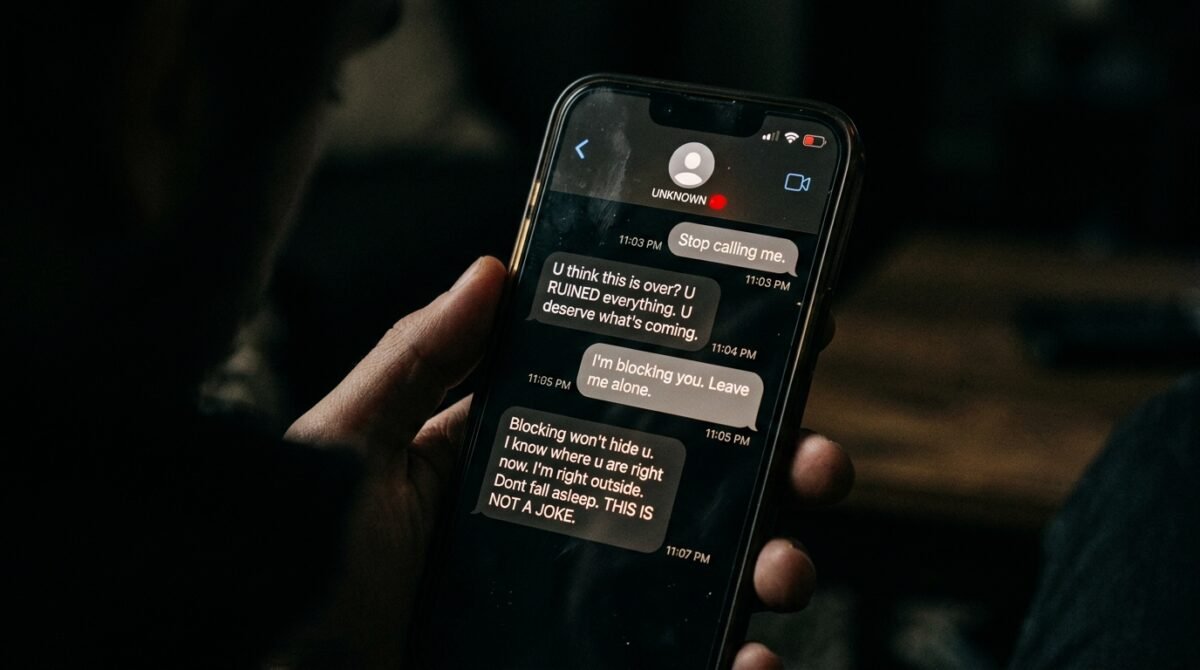
The tipping point came when my cousin, who had been secretly sympathetic, forwarded me a screenshot of a private group chat I had been excluded from. It wasn’t just Gary talking; it was my uncles, aunts, and even some of my parents’ friends, all conspiring to pressure me into dropping the suit. They weren’t just discussing the lawsuit; they were discussing how to make me look unstable to the neighbors.
They were planning to start a rumor that I had been ‘losing it’ for months, that the greenhouse was a ‘health hazard’ I had been neglecting, and that my uncle was actually doing a service for the neighborhood. It was a calculated smear campaign. Reading those messages made my blood run cold. These people weren’t just protecting Gary; they were actively trying to destroy my reputation to save his skin.
“We need to make sure the neighbors know she’s been struggling with the property. If we can get a few of them to testify that she was planning to tear it down anyway, the judge won’t award anything.”
— Uncle Gary (via leaked chat)
I took those screenshots straight to my lawyer. He was ecstatic. This was ‘witness tampering’ and ‘conspiracy,’ and it was the golden ticket we needed to dismantle their defense. I finally understood that this wasn’t just a family dispute; it was a character test. And my family had failed it miserably. I felt a strange sense of liberation—the mask had fallen off, and I no longer owed them anything.
I didn’t confront them about the chat. I simply waited. I let them continue their little campaign, confident that every move they made was being documented and would eventually be presented in court. It’s hard to describe the feeling of being hunted by your own family, but it clarifies things immensely. You realize who your friends are, and more importantly, you realize who you actually are when push comes to shove.
I started preparing for the deposition. I spent nights reading over the case files, preparing to face Gary in a setting where he couldn’t intimidate me. I wanted to see him try to explain his actions to a judge who didn’t care about his boat or his status in the family. I wanted to see the moment his arrogance would finally shatter under the weight of the truth.
The Day in Court: Gary’s Narrative Collapses

The courtroom was smaller than I expected. The air was dry, and the smell of floor wax was overwhelming. Gary showed up in a suit that looked like he’d pulled it out of a storage unit, his posture still arrogant but slightly diminished by the setting. When we sat down at the table, he didn’t even look at me. He was busy looking around the room, as if he expected a judge to be impressed by his presence.
My lawyer was brilliant. He didn’t focus on the emotional loss, though he touched upon it. He focused on the facts: the survey lines, the historical value of the structure, the cost of the damages, and the clear, documented trespass. When Gary was called to the stand, his story began to unravel within minutes. He couldn’t keep his lies straight—one minute he claimed he had permission, the next he claimed it was an ’emergency’ repair.
“So, Mr. Miller, if you truly believed the structure was a health hazard, why did you choose to expand your driveway at the same time? Was it a concern for safety, or was it a concern for boat storage?”
— My Attorney
Gary stumbled. He tried to blame the contractor, then he tried to blame me, then he claimed he was ‘confused’ about the property line. It was pathetic to watch. The judge wasn’t buying any of it. Every time Gary spoke, the judge’s expression grew more severe. He was a man who appreciated precision, and Gary was a man who lived in a world of fuzzy excuses.
When the judge asked him about the group chat—which we had entered into evidence—Gary’s face went pale. He hadn’t realized that the ‘private’ conspiracy wasn’t quite as private as he thought. The look on his face when my lawyer read out his own messages was worth more than the money I was suing for. It was the look of a man who realized he had finally played his last card.
I sat there, watching him squirm, and for the first time in months, I felt calm. The weight of the family drama, the guilt-tripping, the sleepless nights—it all just evaporated. He wasn’t the powerful uncle anymore; he was just a defendant in a suit who had made a massive mistake. I didn’t feel happy, exactly, but I felt a profound sense of closure.
Community Verdict: Why the Internet Took My Side

When I finally posted a summary of the situation on a popular legal advice forum, the response was overwhelming. Thousands of people weighed in, and the consensus was clear: I was in the right, and my uncle was a textbook example of entitlement. People shared their own stories of nightmare neighbors and family members who thought they were above the law. It was validating to know that I wasn’t just ‘the problem child.’
“This is the definition of FAFO (Fuck Around and Find Out). He thought he could bully you, and now he’s going to lose his boat money to legal fees and damages. Don’t you dare feel guilty. He made his choice.”
— u/LegalEagle99 (Top Comment, 32.5k upvotes)
The thread became a hub for discussions on property rights. People were particularly outraged by the group chat incident, calling it ‘toxic’ and ‘abusive.’ I received hundreds of messages from people who had been through similar situations, offering support and advice on how to handle the inevitable fallout with the rest of my family. It made me realize that I was part of a larger community of people who were tired of ‘family’ being used as an excuse for bad behavior.
Some commenters pointed out that the demolition of a hand-built structure on an inherited property was not just property damage—it was an assault on my heritage. That resonated deeply with me. It wasn’t just about the money; it was about the fact that I had been violated in my own safe space. The Reddit community gave me the strength to stay the course when my resolve started to waver.
I realized that the ‘family’ I had been worried about losing wasn’t actually a support system. They were a collective of enablers. Seeing the community’s reaction made me see my family for what they truly were: a group of people who valued status quo over integrity. It allowed me to distance myself with a clear conscience, knowing that the ‘family’ I was losing was not worth the cost of my self-respect.
The Financial Toll and the Final Judgment

The final judgment was swift and decisive. The judge ordered my uncle to pay for the full cost of replacing the greenhouse, which, given the specialized nature of the construction, was a significant sum. He was also ordered to pay my legal fees and was fined for the unauthorized demolition. It was a complete victory, but it came with a price: I would never have a relationship with my uncle again, and the family rift was likely permanent.
| Category | Demand / Claim | Judgment / Result |
|---|---|---|
| Replacement Cost | $45,000 | Awarded in Full |
| Legal Fees | $12,000 | Covered by Defendant |
| Damages (Trespass) | $5,000 | Awarded |
| Total Settlement | $62,000 | Ordered by Court |
When I received the check, I didn’t feel a rush of excitement. I felt a sense of finality. I used the money to hire a specialist to rebuild the greenhouse, but I made sure the design was slightly different—a reminder that while the old one was gone, I was still here, and I was still in control. The new greenhouse is sturdy, modern, and built to last. It’s not just a structure; it’s a monument to the fact that I protected what was mine.
Gary didn’t take it well. He tried to appeal, but the judge denied it within days. He ended up having to sell the boat anyway to cover the settlement. The irony was not lost on me or the neighbors, who had watched the whole saga unfold with a mix of horror and morbid curiosity. It was a hard lesson, but a necessary one.
I’ve since moved on. I don’t check the family group chat, and I don’t attend the family reunions where Gary is present. I’ve found a peace that I never would have had if I had just ‘let it slide.’ I learned that boundaries are not something you ask for; they are something you enforce, and sometimes, the only way to enforce them is to stand your ground until the other person has no choice but to respect them.
Lessons in Hard Boundaries

If I could go back to the beginning, I wouldn’t change a thing. I wouldn’t have been ‘nicer,’ I wouldn’t have tried to appease him, and I certainly wouldn’t have kept quiet. The experience taught me that people who treat you poorly will always find a justification for it, and it’s a fool’s errand to try to convince them otherwise. My goal wasn’t to change Gary—that was impossible—my goal was to protect my own life.
I’ve become much more confident in saying ‘no.’ Whether it’s at work, with friends, or with family, I no longer feel the need to justify my boundaries. If someone crosses a line, I address it immediately and firmly. I don’t give people the benefit of the doubt if their track record suggests they don’t deserve it. It’s a liberating way to live, even if it makes some people uncomfortable.
“Boundaries aren’t about being mean. They’re about keeping your house in order. If people don’t like it, it’s usually because they were benefiting from you having none.”
— My Therapist
My relationship with my parents is still strained, but it’s healthier. They’ve learned that if they want to be part of my life, they have to respect me, not just as their child, but as an adult with my own agency. We don’t talk about the ‘Greenhouse Incident,’ and that’s fine by me. I’ve made my point, and they’ve made theirs by staying silent on the matter.
The garden, however, is better than ever. I’ve planted new, heartier species that reflect the resilience I had to find in myself. Every time I walk into the new greenhouse, I think of the struggle, but I also think of the peace. I didn’t let him take my home, and I didn’t let him take my dignity. And that is worth more than any amount of money or any family approval.
If you’re facing a similar situation—someone encroaching on your life, your property, or your peace—don’t wait for them to see reason. People who act like this aren’t looking for reason; they’re looking for victims. Stand your ground, document everything, and don’t be afraid to take the legal path. It might cost you relationships, but it will save your soul.
Moving Forward: Reclaiming My Sanctuary

Today, my backyard is a place of quiet reflection. The new greenhouse stands as a testament to the fact that I refused to be pushed around. I’ve filled it with rare ferns and orchids, things that require constant care and attention. Gardening has become my therapy, a way to channel the energy that used to go into worrying about my uncle into something productive and beautiful. I’m no longer the victim of the story; I’m the narrator.
I’ve learned to enjoy the silence. No more unexpected knocks on the door, no more aggressive text messages, no more feeling like I’m constantly on the defensive. I have a security system now—not just for the house, but for my own peace of mind. It’s a physical manifestation of the boundaries I’ve built around my life. I don’t take it for granted anymore.
People ask me if I miss the ‘old’ family gatherings. I tell them I don’t miss the tension, the underlying resentment, or the constant feeling that I had to perform a role to be accepted. I prefer the quiet of my own company. I’ve cultivated a new ‘family’—friends who respect me, partners who value my boundaries, and a community that supports me for who I am, not for what I can provide for them.
The legal battle cost me a lot, both in money and in emotional capital, but the dividends of self-respect have been immeasurable. I realized that the only person whose opinion of my choices truly matters is mine. I’m proud of the person I became in that courtroom. I’m proud of the person who stood up to a man who thought he could buy his way over my grandfather’s memory.
If you’re reading this, and you’re in a situation where you feel like you have to compromise your integrity just to keep the peace, let this be your sign to stop. The peace you’re keeping is fake. It’s just a delay of the inevitable. Choose yourself. Build your boundaries. And don’t let anyone—not even family—demolish what you’ve worked so hard to grow.
Final Thoughts: Is Blood Always Thicker?

The question of ‘blood being thicker than water’ is one that has plagued humanity for centuries. We are taught to prioritize family above all else, often to our own detriment. But when family becomes a source of abuse, manipulation, and violation, does the blood bond still hold? I’ve come to believe that family is not just a biological fact—it’s a choice we make based on mutual respect and care.
If your family doesn’t respect your boundaries, they aren’t acting like family. They’re acting like adversaries. It’s a painful realization, but it’s the only way to move forward. I don’t hate my uncle. I don’t have the energy for it. I just don’t have room for him in my life. He’s a stranger now, someone who once shared my DNA but lost the right to my trust.
I hope that by sharing this, I’ve given someone else the courage to stand up for themselves. It’s not easy, and it will cost you, but the cost of staying silent is much, much higher. You lose a little bit of yourself every time you let someone walk all over you. And eventually, you look in the mirror and you don’t even recognize the person looking back.
Don’t be that person. Be the one who stands up, who speaks out, and who defends their peace. The world is full of people who will try to expand their ‘driveway’ over your ‘greenhouse.’ It’s up to you to show them exactly where the property line is, and to make sure they know what happens if they try to cross it.
As for the greenhouse, it’s thriving. The plants are growing, the glass is clean, and for the first time in my life, I feel like I’m truly home. The roots run deep, not just in the soil, but in the certainty that I am the master of my own fate. And that, in the end, is the most beautiful thing I could have ever inherited.
Conclusion
The saga of the greenhouse taught me more about human nature than any book ever could. I learned that entitlement is a disease that can fester in even the most ‘traditional’ families, and that justice is rarely handed to you—you have to fight for it with every ounce of your being. The legal battle was brutal, the family fallout was heartbreaking, but the result was a life defined by my own terms, not someone else’s.
I want to hear from you. Have you ever had to draw a line in the sand with a family member, even at the cost of the relationship? Did you find the peace you were looking for, or are you still dealing with the aftermath? Let’s talk about it in the comments below. Was I too harsh, or was this the only way to handle a bully?
Poll:
1. You did the right thing. Boundaries are non-negotiable.
2. You should have tried one more time to settle it privately.
3. Blood is blood—you should have forgiven him eventually.
4. I would have sued him for more.
What's your verdict on this dilemma?
Vote below to contribute to the official community consensus.

Have a Dilemma Keeping You Up at Night?
Share your real-life feud, wedding chaos, or relationship crossroads anonymously with our editorial team.
What do you think ?
0 Comments🛡️ Comments are moderated to protect community integrity. Your comment will appear once approved by the editorial team.