

For five years, my phone was a silent witness to my mother’s decline. There were no calls from my sister, Sarah. No check-ins, no offers to help with the grueling schedule of chemotherapy appointments, the midnight ER runs, or the slow, heartbreaking transition into home hospice care. It was just me, the smell of antiseptic, and the quiet dignity of a woman slowly losing her fight against Alzheimer’s. I put my career on hold, drained my savings, and sacrificed my own relationships to ensure Mom didn’t spend her final days in a sterile facility.
When the end finally came, it wasn’t a surprise, but it was a relief—not because I wanted her gone, but because the suffering had stopped. I held her hand until the very last breath, feeling the weight of the last half-decade finally settle into my bones. I expected to grieve in peace, to navigate the probate process as a solemn, solitary duty. I hadn’t prepared for the ghost of my family to materialize the moment the ink on the death certificate was dry.
Sarah didn’t show up for the funeral. She sent a generic sympathy card that looked like it had been bought at a gas station, signed with a scrawl that barely resembled her signature. But when the invitation to the reading of the will arrived, she was the first one through the door, wearing designer sunglasses and an air of entitlement that turned my stomach. She didn’t come to mourn a mother; she came to collect a debt she didn’t earn.
The lawyer, Mr. Henderson, was a man of few words, but even he looked uncomfortable as he laid the folder on the table. My mother had been meticulous. She saw the writing on the wall years ago, and she had taken steps to protect the assets I had worked so hard to preserve. Sarah’s face, however, remained fixed in a mask of expectation, a sharp contrast to the grief I was still struggling to suppress.
What followed wasn’t just a reading; it was an ambush. Sarah didn’t just want her share; she wanted the house, the liquid assets, and the family heirlooms that I had personally cleaned, maintained, and paid the taxes on. She stood up, slammed her hand on the mahogany table, and demanded that the distribution be split exactly down the middle, ignoring the reality of the last five years. It was the beginning of a conflict that would tear away the last remnants of our sisterhood.
The Five-Year Ghost
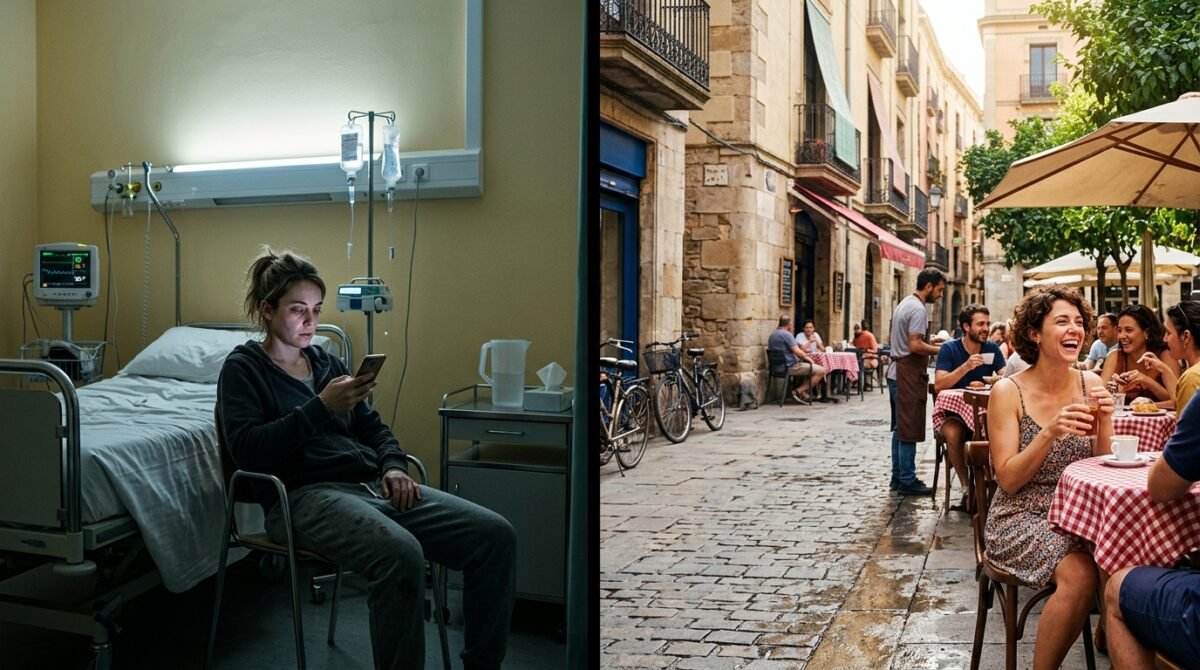
The silence from Sarah wasn’t just physical; it was ideological. After the initial diagnosis, she had called once to say that the situation was ‘too much for her to handle’ and that she needed to ‘find herself’ in Europe. That was the last I heard of her for 1,825 days. I tracked her through social media posts of beaches in Ibiza and mountains in Switzerland while I was tracking blood sugar levels and medication schedules.
I remember the specific night the resentment started to harden into something permanent. It was Christmas Eve, three years ago. I was sitting on the floor of the hospital room, eating a lukewarm cafeteria sandwich, watching Mom sleep through the rhythmic beep of the cardiac monitor. I saw a notification pop up on my phone—Sarah had posted a photo of a luxury apartment in Paris with the caption ‘New beginnings are worth the risk.’ I didn’t comment. I didn’t block her. I just let it sit there as a testament to the chasm between us.
My friends often asked why I didn’t demand help. They told me I was being a martyr, but for me, it wasn’t about martyrdom. It was about the integrity of the promise I made to Mom. I promised her she would be safe, and I wasn’t going to break that promise just because my sister was allergic to responsibility. I became an expert in geriatric nursing by necessity, learning to handle insurance claims and hospice nurses with the efficiency of a seasoned professional.
There were moments of profound loneliness. I lost touch with my own social circle because I couldn’t commit to plans. When I did go out, I was either exhausted or checking my phone every five minutes. The financial burden was equally taxing, as I took on freelance work I could do from home, often working until 3:00 AM while Mom dozed in the living room. Every cent I saved went into home improvements to make the house more accessible.
“I don’t think you understand, Sarah. Mom isn’t an inconvenience you can just scroll past. She is a human being who gave us everything, and you haven’t even sent a card in two years.”
— My voice, during a rare, aborted phone call attempt.
When the final phone call came from the hospice nurse, I knew the game was up. I called Sarah, leaving a message that felt like a final act of grace. I told her Mom was passing. She didn’t call back. She didn’t fly in. She simply stayed in her world of ‘new beginnings,’ oblivious to the fact that the old one was drawing to a quiet, painful close.
The Lawyer’s Office Ambush
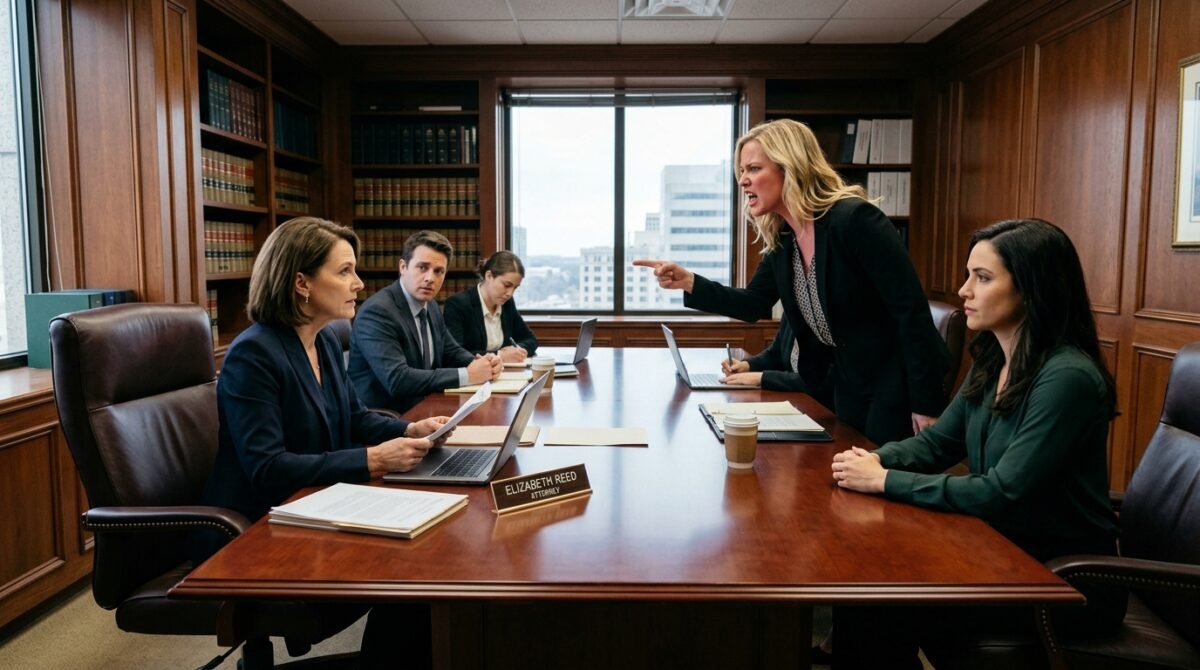
The office was stiff, cold, and smelled of old paper and stale coffee. I was wearing black, not out of performative grief, but because it felt like the only appropriate armor for what I knew was coming. Sarah walked in fifteen minutes late, carrying a designer bag and smelling of expensive perfume that felt insulting in such a somber place. She didn’t even look at me; she just sat down and crossed her legs, tapping her phone screen with rhythmic impatience.
Mr. Henderson cleared his throat, adjusting his glasses. He looked like he wanted to be anywhere else. He started reading the preamble to the will, his voice a drone that filled the silence of the room. I felt a strange sense of detachment. This was the final act, the sealing of the tomb, and here was my sister, looking like she was waiting for a bus to take her to a brunch reservation.
When he mentioned the house, Sarah leaned forward. It was as if a switch had been flipped. Her eyes darted to the legal documents on the desk. She knew exactly what she wanted, and it wasn’t the sentimental heirlooms or the photo albums. She wanted the equity. She wanted the payout that would allow her to continue her lifestyle of aimless wandering.
The will was clear. Mom had set up a specific structure: the house and the majority of the liquid savings were left to me, in recognition of the ‘extraordinary care and financial burden’ I had shouldered. There was a small, symbolic trust set up for Sarah—an amount that was generous enough to be kind, but insufficient to fund her lifestyle. That was when the mask slipped.
“This is a joke, right? You’re telling me she left me five thousand dollars while she leaves the house to the sister who turned herself into a glorified nurse? This is a legal error. It has to be contested.”
— Sarah, standing up and pointing at the documents.
The room turned icy. I sat still, my hands folded in my lap, feeling a surprising sense of calm. I had expected her to be selfish, but seeing it play out in real-time was almost cathartic. She wasn’t angry because she missed Mom; she was angry because she realized her five-year absence had a cost, and that cost was coming out of her inheritance.
The Facade of Victimhood
Sarah didn’t waste time going on the offensive. Within minutes of leaving the office, she had already started a text thread with our aunts and cousins, painting a picture of a calculated betrayal. She wasn’t just telling them she was unhappy; she was telling them that I had ‘manipulated’ Mom during her final years to rewrite the will in my favor. It was a narrative of pure fiction, designed to alienate the only people who might have actually understood what I went through.
I started getting calls from relatives I hadn’t spoken to in years. They weren’t calling to offer condolences; they were calling to ask if I ‘really thought it was fair’ to cut Sarah out. They didn’t know the late-night feedings, the changing of bandages, the emotional labor of holding a dying woman’s hand while she forgot my name. To them, I was the one who had taken everything.
“Look, I don’t know what happened, but Sarah says you had Mom change the will while she was on heavy medication. Is that true? Because that’s not what family does.”
— Aunt Linda, via telephone.
I had to keep my cool. I sent a long, detailed email to the entire family group, attaching the records from the hospice care providers and a breakdown of the expenses I had paid out of pocket. It felt like I was putting my grief on display for judgment, but I had no choice. I couldn’t let Sarah rewrite the history of my mother’s final years.
The response was deafeningly silent. Most of them didn’t know how to process the information. It was easier to believe the simple, villain-protagonist story Sarah was spinning than to confront the reality of my five-year ordeal. I realized then that my family wasn’t looking for the truth; they were looking for a reason to avoid having to face the discomfort of our shared loss.
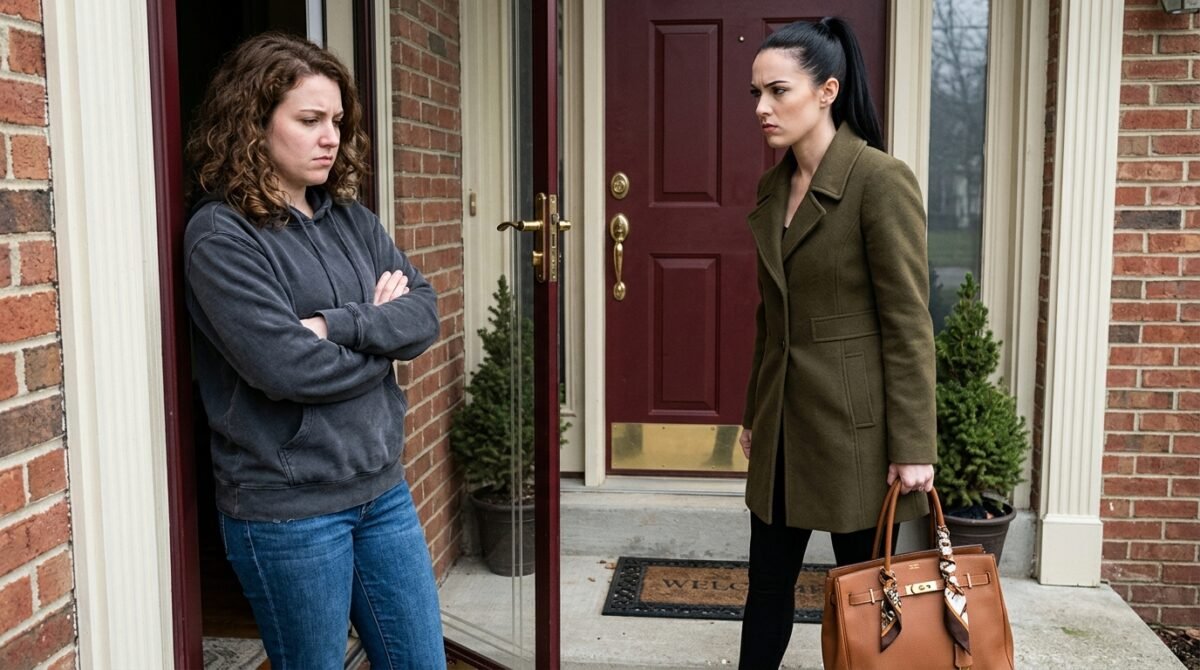
Sarah didn’t stop. She started showing up at the house unannounced, claiming she was there to ‘collect her things.’ She didn’t want photos or trinkets; she wanted the high-end appliances, the jewelry, and the furniture. Every time she came to the door, I had to remind myself that she was a stranger in my home. The person I grew up with had been replaced by a creature of pure entitlement.
The Property Dispute
The house was no longer a home; it was a contested asset. Sarah began threatening legal action, claiming the property had ‘sentimental value’ that she had a right to claim. She didn’t seem to realize that the property tax records, the maintenance bills, and the utility payments were all in my name. I had effectively been the owner in practice for years, and now I had the legal documents to prove it.
She hired a lawyer—a shark who specialized in probate disputes. He sent me a formal letter demanding an inventory of all assets and a stay on any distribution. It felt like a war of attrition. Every day that passed was another day I was trapped in this house, surrounded by the echoes of my mother’s illness, unable to move on because my sister was trying to anchor me to the past.
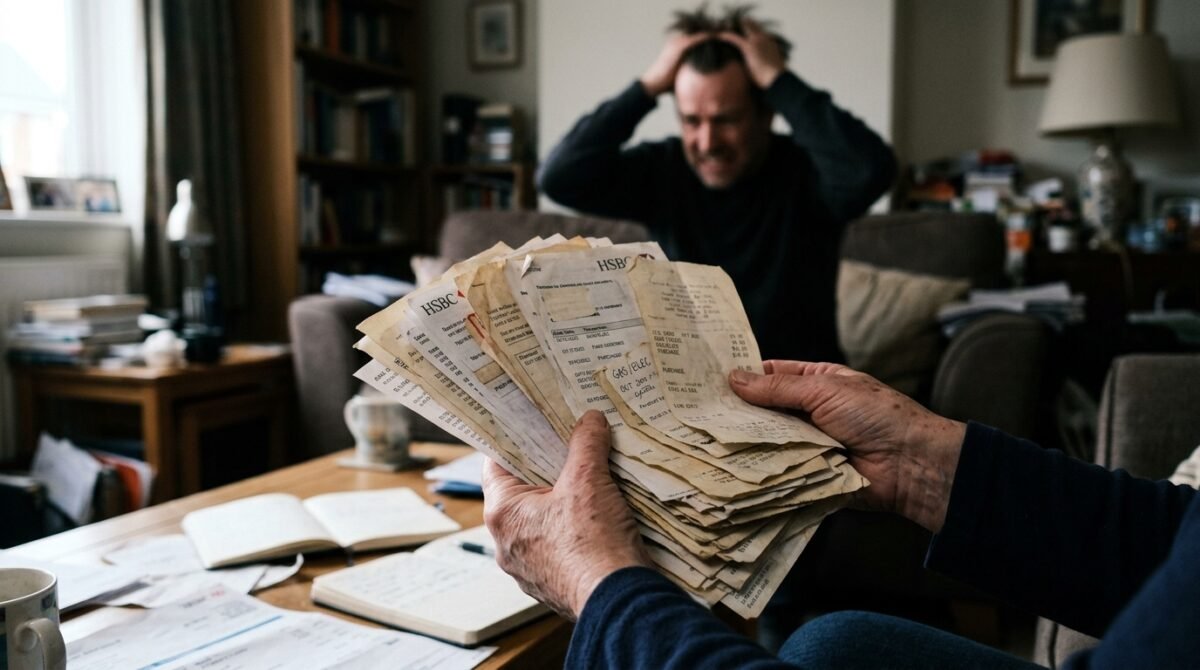
I found myself spending hours going through old files, documenting every single dollar I had spent on Mom’s care. It was a miserable, soul-crushing exercise. I had receipts for medical equipment, invoices for specialized nursing care, and bank statements showing how my savings had dwindled to nearly nothing. I was essentially auditing my own martyrdom to prove that I was entitled to the roof over my head.
“You’re really going to make me fight for the house? After I left you to handle all that mess for five years? You are cold, Sarah. You have no idea what it’s like to actually lose someone you cared for.”
— My text message to Sarah, sent at 2:00 AM.
She didn’t respond to the sentimentality. She responded with a legal threat. She told me that if I didn’t agree to sell the house and split the proceeds, she would drag me through court for years, draining the estate until there was nothing left for either of us. It was a scorched-earth policy, and she was more than happy to watch the house burn as long as she got her pound of flesh.
I had to make a decision. I could fight her, which would cost me everything I had left, or I could find a way to make the house less appealing to her. I started looking into the deed and discovered a clause about lifetime occupancy that Mom had insisted on. It was my ace in the hole, but playing it would mean burning the last bridge with my sister.
The Digital Breadcrumbs

While I was busy defending my position legally, I stumbled upon something that changed everything. Sarah had left her old tablet in the house during a brief visit years ago, and I had tucked it away in a drawer. I turned it on, hoping to find family photos, but instead, I found a logged-in account for a cloud storage service. It was full of messages and notes that Sarah had written about her life away from home.
It wasn’t just that she had left; it was that she had planned to leave long before Mom got sick. There were emails to friends about how she was ‘looking for a way out of this suffocating family’ and how she ‘couldn’t wait to be rid of the responsibility’ of caring for an aging parent. She had been harboring this resentment for years, waiting for the perfect moment to execute her escape.
This wasn’t just a case of a sister who went off to travel; this was a calculated abandonment. She had explicitly stated that she wanted nothing to do with the ‘dead weight’ of our family history. Seeing those words in her own handwriting—or rather, her own typed sentences—felt like a physical blow. It confirmed everything I had suspected but had been too afraid to acknowledge.
“I just need to get out. If I stay here for another month, I’m going to go insane. Mom is already dead to me, she just doesn’t know it yet. I need to make sure I don’t get stuck with the caretaking.”
— Found in a draft email on Sarah’s tablet.
I took screenshots of everything. I didn’t know if they would be admissible in court, but they were powerful evidence of her intent. If she tried to claim in front of a judge that she ‘wanted to help’ but was ‘pushed away,’ I had the proof that she never intended to lift a finger in the first place.
I kept the tablet hidden. I didn’t want to show my hand too early. I wanted her to keep pushing, to keep making these absurd legal claims, so that when the time came, the revelation of her true intentions would be all the more devastating. It was a dark strategy, but she had forced me into a position where I had to play dirty to survive.
The Reddit Trial
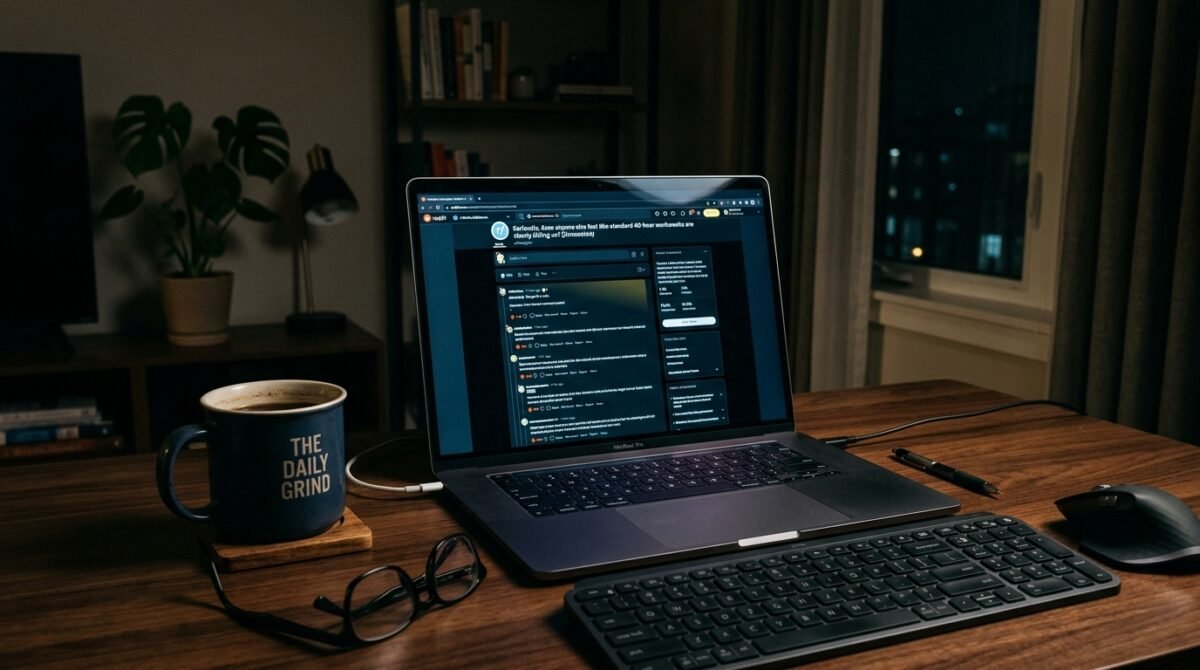
I finally broke down and posted the situation to an advice subreddit. I didn’t use names, but I laid out the timeline, the inheritance, and the threats. I expected a mix of responses, but the sheer volume of support was overwhelming. People who had been through the same ‘deathbed vulture’ scenario reached out to me with advice, legal resources, and words of validation that I hadn’t received from my own blood relatives.
“OP, document everything. Do not give her a single cent. She abandoned your mother. She doesn’t get to benefit from the work you put in to keep your mother alive. She is essentially trying to steal your payment for the years you spent as a caregiver. Stand your ground.”
— u/CaregiverSupport_Expert (Top Comment, 32.5k upvotes)
The community support helped me realize that I wasn’t being ‘cold’—I was being fair. The money wasn’t an inheritance for Sarah to blow on a lifestyle; it was a reimbursement for the services I had rendered as a full-time, unpaid, and largely unsupported caregiver. The narrative began to shift in my head from ‘selfish sister’ to ‘entitled stranger.’
The comments were filled with stories of people who had been in my position. It was a digital echo chamber of grief and vindication. People advised me to get a lawyer who specialized in elder abuse and inheritance, someone who wouldn’t be swayed by Sarah’s crocodile tears. They told me that if I gave in, I would regret it for the rest of my life.
I started reading the comments aloud to myself at night. It was like a therapy session I didn’t know I needed. Hearing that thousands of strangers agreed with my assessment gave me the courage to stand up to the next demand, to ignore the next threatening letter, and to focus on the reality of the situation rather than the emotional blackmail Sarah was trying to leverage.
One commenter, a paralegal, gave me specific advice on how to handle the ’emotional distress’ claim Sarah was threatening to file. They suggested I keep a log of every time she harassed me and to record every conversation. It was practical, actionable, and exactly what I needed to survive the next phase of this nightmare.
The Confrontation at the Cafe
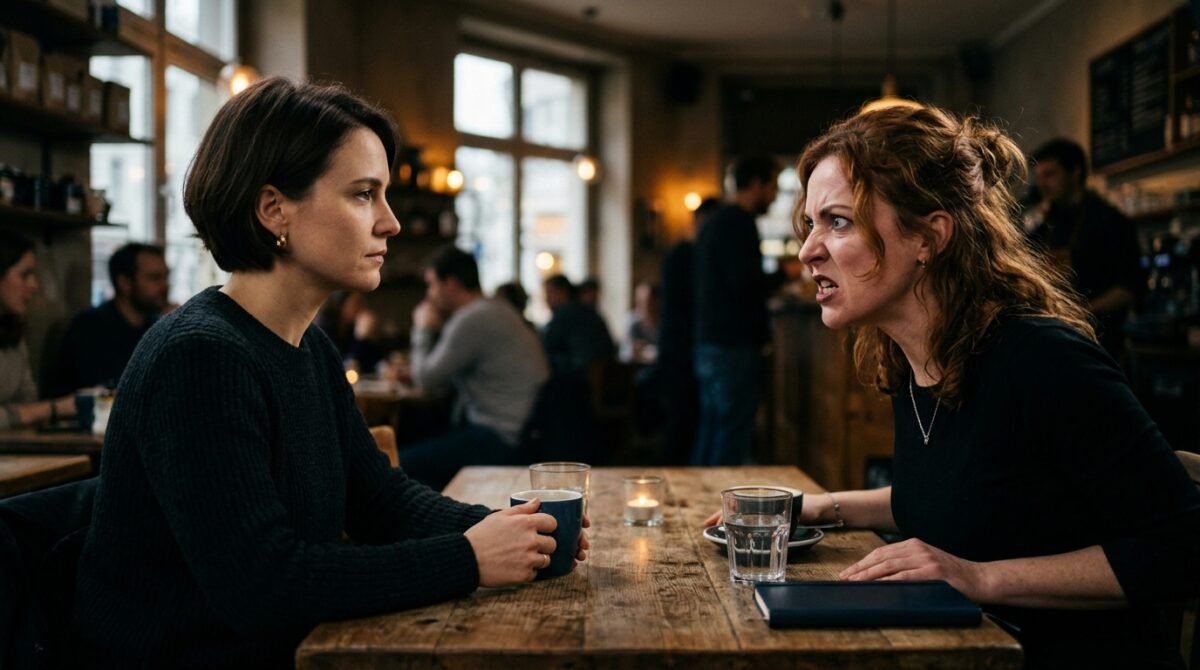
Sarah insisted on a meeting in a public place, claiming she wanted to ‘resolve this like adults.’ I agreed, but only because I wanted to see if she would maintain the facade of the aggrieved sister in front of other people. We met at a crowded cafe downtown. She looked impeccable, as if she were heading to a photo shoot, while I looked like I hadn’t slept in a week. She started the conversation with a soft, practiced tone.
She talked about how ‘hard’ it had been for her to be away, how she ‘cried every day’ thinking about Mom. It was a performance, and she was clearly a skilled actor. She brought up childhood memories, trying to leverage our shared past to make me feel guilty for the current standoff. She wanted me to remember the good times, hoping it would soften my resolve.
“You know, we were once best friends. Don’t you think Mom would want us to be okay? You’re acting like I committed a crime, when I was just trying to survive my own life. Can’t we just split the house and move on?”
— Sarah, speaking with a practiced, sad tone.
I didn’t answer right away. I let the silence stretch, watching the discomfort grow in her eyes. I then brought up the tablet. I didn’t show her the screen, but I mentioned that I knew about her plans to leave, about the emails, and about her disdain for the family. The change in her expression was instantaneous; the mask didn’t just slip—it shattered.
She went from ‘grieving sister’ to ‘cornered animal’ in seconds. She hissed at me, demanding to know how I got into her account. She tried to threaten me, saying it was a violation of privacy. I just looked at her, sipping my water, and told her that in a court of law, that information would prove her abandonment wasn’t an accident, but a choice.
The rest of the conversation was short. She threatened to never speak to me again, to cut me out of her life permanently. I told her that was the best news I’d heard in years. I left her sitting at the table, alone, with her designer bag and her empty, shallow grievances. I walked out of that cafe and felt a weight lift off my chest that I didn’t know was still there.
The Final Legal Ultimatum
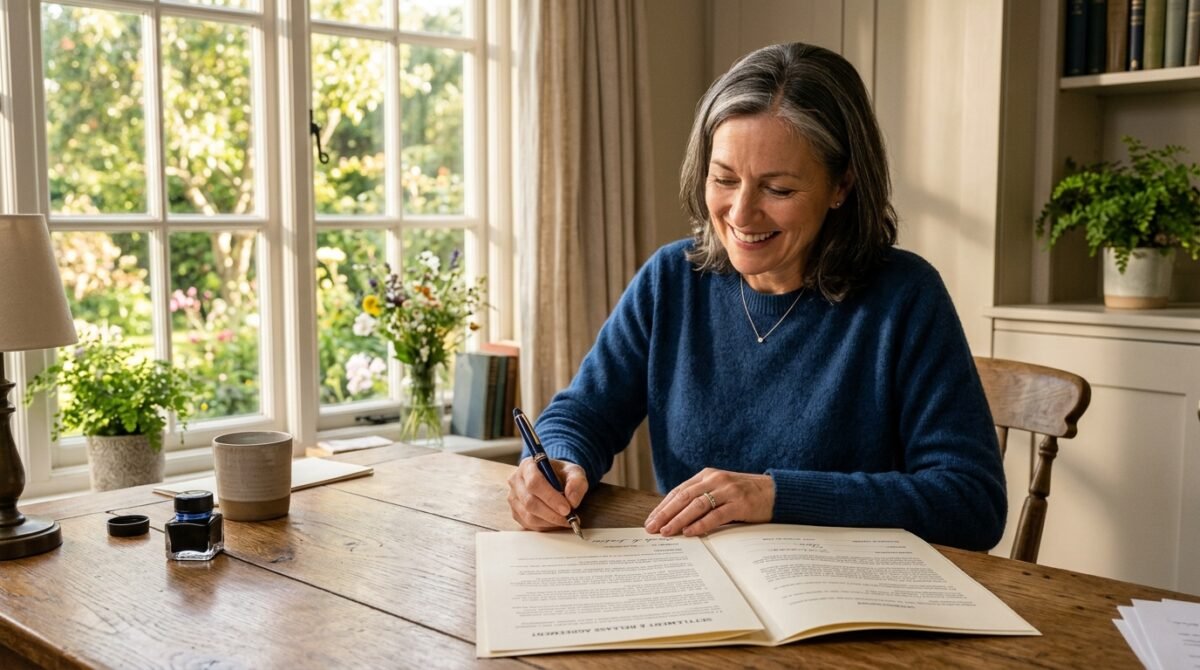
The next morning, my lawyer sent a formal notice to Sarah’s attorney. We included a summary of the evidence regarding her abandonment and a stern warning that any further attempts to contest the will would be met with a countersuit for the expenses I had incurred during the years of caretaking. We were done playing nice.
Sarah’s attorney didn’t respond for three days. It was the longest three days of my life. I spent the time packing up the house, finalizing the inventory, and preparing to move out of the place that had been both a sanctuary and a prison. I wanted to start fresh, somewhere that didn’t hold the memory of hospital beds and legal battles.
When the response finally came, it was an unconditional withdrawal of the challenge. Sarah had realized that she couldn’t win, and that if she continued, she would risk not only losing the meager inheritance she was offered but also facing a public airing of her ‘dirty laundry’ in court. She had decided that her reputation was worth more than the extra money.
“My client agrees to the original terms of the will. She will sign a waiver of any further claims in exchange for the release of the initial trust payment. This matter is considered closed.”
— Letter from Sarah’s attorney.
I signed the papers the same day. I didn’t gloat, and I didn’t try to rub it in. I simply wanted the chapter to be finished. The check for the trust was processed, and the funds were transferred. I was finally, truly, in control of my own future. The house was put on the market, and I felt a sense of relief I hadn’t experienced since before Mom’s diagnosis.
I didn’t hear from Sarah again. She didn’t call, she didn’t text, and she certainly didn’t offer a final goodbye. It was as if she had been erased from the ledger of my life, which was exactly how I wanted it. I had survived the grief, the duty, and the betrayal, and I had come out on the other side with my integrity intact.
Reflections on a Lost Sisterhood

Looking back, I realize that the sister I mourned died long before our mother did. She died the moment she decided that her freedom was worth more than our family bond. Trying to salvage a relationship with her was a waste of time, a ghost-chasing exercise that only served to hurt me more. Accepting that was the most painful part of the process.
I learned that family is not just a biological fact; it’s a choice. It’s the people who show up when the lights go out, who hold your hand through the fear, and who don’t demand a payment for their loyalty. My sister was a stranger who happened to share my DNA, and it took a catastrophe to make me see that clearly. I don’t feel guilty about that realization anymore.
I have started therapy to deal with the trauma of the last five years. It’s not just about the loss of my mother; it’s about the loss of the future I thought I had with my family. I am learning to build a new life, one that is centered on my own needs and my own happiness. It’s a slow process, but for the first time in years, the future feels like an open door rather than a closing trap.
“You have to remember that you did enough. You didn’t just meet your obligation; you exceeded it. You saved your mother from a lonely, undignified end. That is a success, regardless of what your sister thinks.”
— My therapist, during our session.
I am moving to a new city, one where nobody knows the story of the house or the will. I am excited to be a person again, not a caregiver or a defendant. The money I inherited is going into a new home and a new career path, a foundation for a life that is truly my own. I have no regrets, and for the first time in a long time, I am at peace.
The Aftermath: Moving Forward

It has been six months since I sold the house. I haven’t heard a word from Sarah, and I don’t expect to. I see photos of her on social media occasionally—she’s in a new country, living the same life, still looking for the next ‘new beginning.’ I don’t feel anger when I see her; I feel a strange sense of pity. She is trapped in a cycle of her own making, forever running away from the reality of her own choices.
I have built a small circle of friends who respect my boundaries and who understand the history I’ve been through. We talk about everything except the past. We laugh, we share meals, and we support each other. It’s a simple, quiet life, but it’s mine. I have learned that the best way to honor my mother’s memory isn’t to hold onto the property she left behind, but to live the kind of life she would have wanted for me—a life filled with love, integrity, and genuine connections.
The legal fees are paid, the estate is settled, and the memories are slowly fading into the background. I still think of Mom, but now I think of her as she was before the Alzheimer’s, full of life and laughter. The pain of the last years is being replaced by the joy of the present. I am finally, truly, free.
“The best revenge is living well. Don’t let her choices dictate your happiness. You’ve earned every bit of peace you can find.”
— A friend’s advice on the anniversary of the move.
To anyone out there dealing with a similar situation: don’t let anyone make you feel guilty for protecting yourself. Your labor has value, your grief has validity, and your right to a life of your own is not negotiable. Stand your ground, get the legal advice you need, and don’t be afraid to walk away from people who only see you as a means to an end.
Conclusion
This experience has been a grueling lesson in the importance of setting boundaries and the necessity of protecting one’s own well-being. Inheritance battles are rarely about the money; they are about the unresolved resentment and the perceived value of the relationship. In my case, it was a test of my own worth and the recognition that I had done more than enough.
I hope that by sharing my story, I can encourage others to see their worth as caregivers and to understand that it is okay to put yourself first when dealing with toxic family members. We don’t owe people our future just because they share our past. The trauma of the last few years has changed me, but it has also forged a version of myself that is stronger, more resilient, and more capable of finding happiness.
What about you? Have you ever had to draw a line in the sand with family over an inheritance or a caretaking responsibility? Do you think I was right to stand my ground, or should I have been more forgiving for the sake of ‘family’? Let’s debate in the comments below.
What's your verdict on this dilemma?
Vote below to contribute to the official community consensus.

Have a Dilemma Keeping You Up at Night?
Share your real-life feud, wedding chaos, or relationship crossroads anonymously with our editorial team.
What do you think ?
0 Comments🛡️ Comments are moderated to protect community integrity. Your comment will appear once approved by the editorial team.