
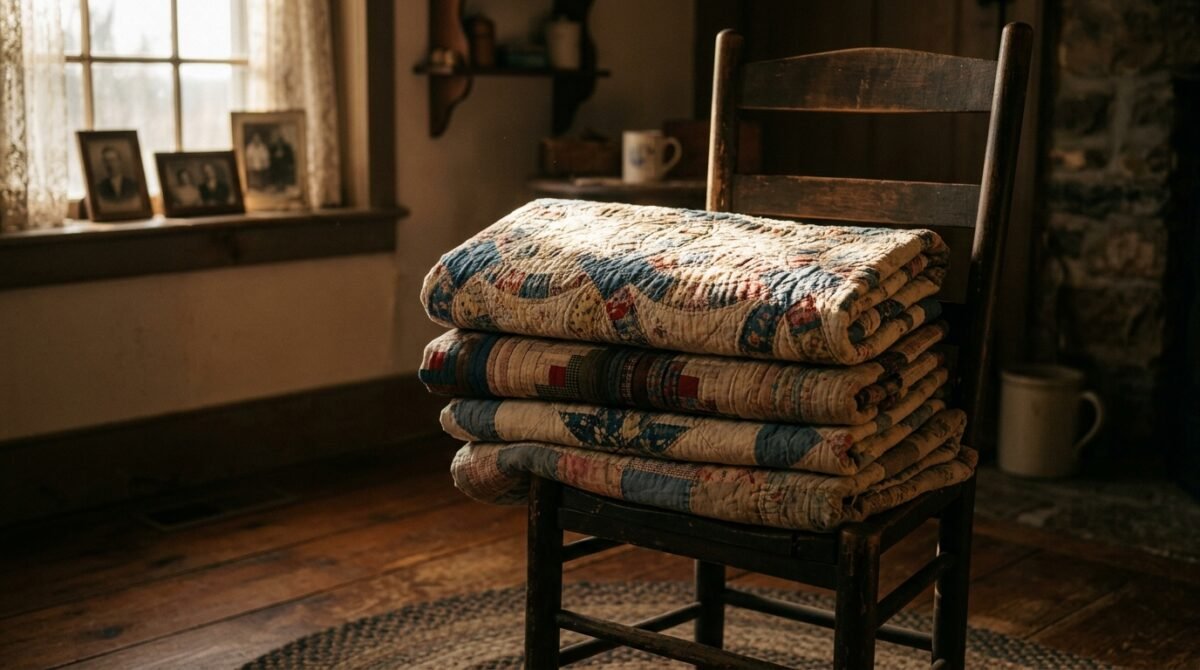
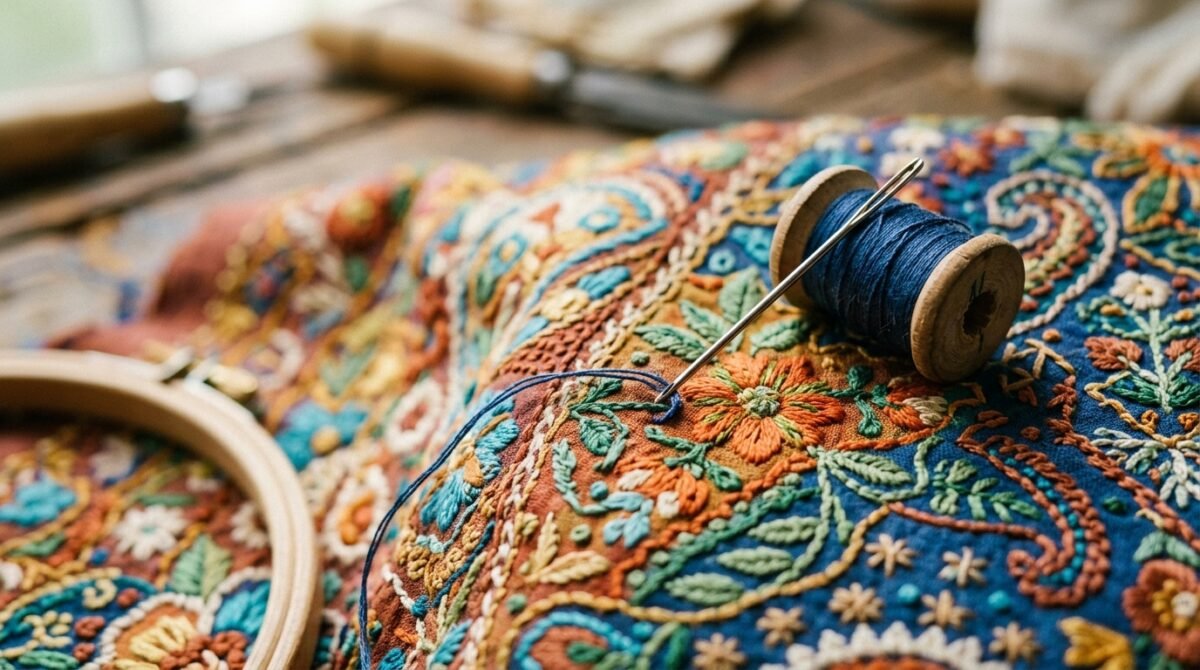
Inheritance is rarely just about the monetary value of items; it is a repository of memories, efforts, and the unspoken language of love. My grandmother, Nana Rose, was a woman who spoke through her hands. For sixty years, she spent her nights in a creaky rocking chair, the rhythmic click of her needle and the hum of her sewing machine serving as the soundtrack to my childhood. She didn’t just make quilts; she mapped our family history in thread and fabric. Each one was a labor-intensive masterpiece, requiring hundreds of hours of precision.
When Nana Rose fell ill, the world seemed to shrink. As her health declined, I became her primary caregiver, taking leave from my job to sit by her bed in hospice, holding her hand while she recounted the stories behind the quilts that draped her home. During those long, quiet nights, she didn’t talk about the people who had drifted away. She talked about the people who stayed. That is why the sudden appearance of my stepsister, Chloe, in the days following the funeral felt like a profound, calculated betrayal.
Chloe had not visited Nana once in five years. She hadn’t sent a card, a flower, or a single phone call to check on the woman who had welcomed her into our home when our parents married. Yet, the moment the lawyers finished reading the will, Chloe arrived at my front door with a checklist. She wasn’t interested in the furniture or the jewelry; she wanted the quilts. Specifically, she wanted the ones I had spent months helping Nana finish. She felt entitled to ‘her share’ of the estate, regardless of the emotional labor involved.
This isn’t just a story about fabric and batting; it is a story about the audacity of people who want the rewards of a relationship without putting in the work of the relationship. It is about the entitlement that bubbles up when grief becomes a commodity. When I told her no, the fallout was immediate, turning my grieving process into a battlefield of guilt-tripping, legal threats, and a fractured family structure that may never heal.
The Five-Year Silence Broken by a Legal Claim
The funeral was a blur of black lace and forced politeness. I was exhausted, having spent the last six months balancing hospice care, palliative management, and my own grief. Chloe showed up at the service in an outfit that looked more suited for a gala than a memorial, wearing oversized designer sunglasses that she didn’t bother to remove even during the eulogy. She didn’t approach me to offer condolences; she hovered near the back, checking her phone incessantly.
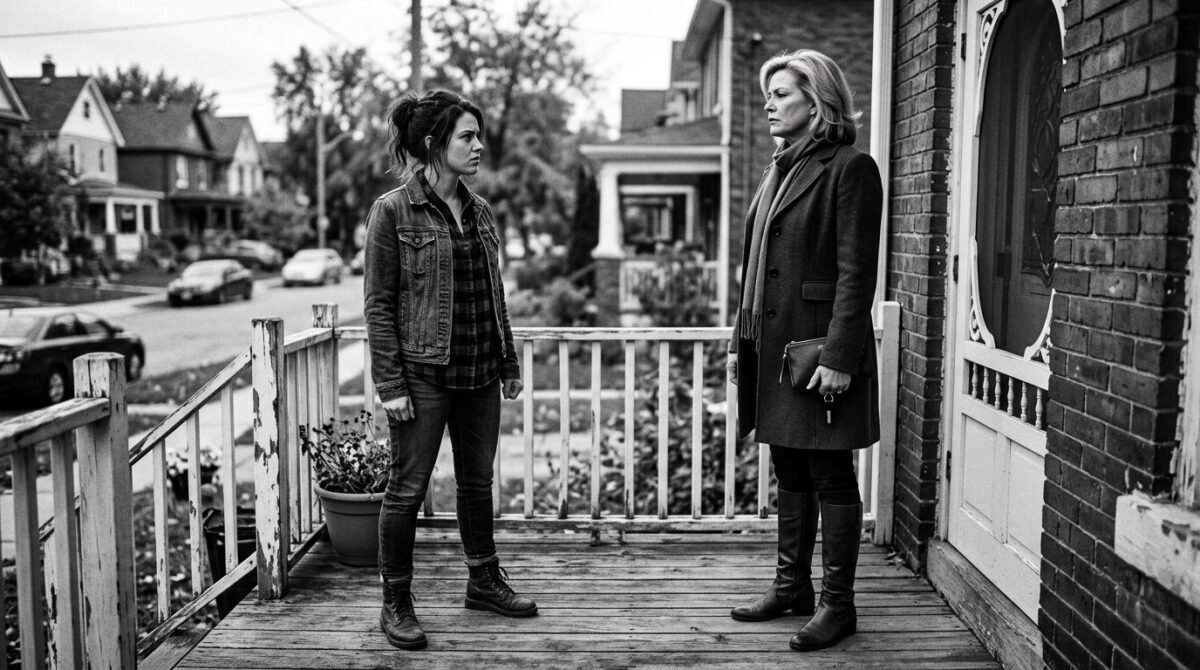
Two days later, the silence of my apartment was shattered by a sharp, aggressive knock. I opened the door to find Chloe standing there, not with flowers, but with a notepad. She didn’t ask how I was doing. She didn’t ask if I needed help with the funeral arrangements. She went straight to the point, her voice flat and devoid of any genuine sentiment.
She demanded access to Nana’s house to ‘inventory’ the quilts. She claimed that because our parents had shared a life, everything Nana owned was technically communal family property. It was a bizarre, chilling assertion that ignored the reality of Nana’s legal will, which had clearly designated her personal belongings to me, the person who had actually cared for her.
“Look, I know you think you’re the golden child because you spent a few months in a hospice room, but those quilts are family assets. Mom says I’m entitled to half of them. I’m not asking for your permission; I’m telling you how this is going to work.”
— Chloe, standing on my porch
I stood there, paralyzed by the sheer gall of the woman. I remembered Nana telling me once that the quilts were a ‘part of her soul’ and that she wanted them to go to someone who understood the weight of a stitch. Chloe wouldn’t know a double wedding ring pattern from a log cabin block, and she certainly wouldn’t care for the preservation of these delicate heirlooms.
The conversation spiraled rapidly. She began listing the specific quilts she wanted—the ones I had helped Nana piece together during the summer of 2019. It wasn’t just a request; it was a demand for the very items that held my most precious memories of the final months of Nana’s life. When I refused, her face hardened, shifting from a facade of business-like indifference to genuine, boiling rage.
The Group Chat That Exploded into Chaos
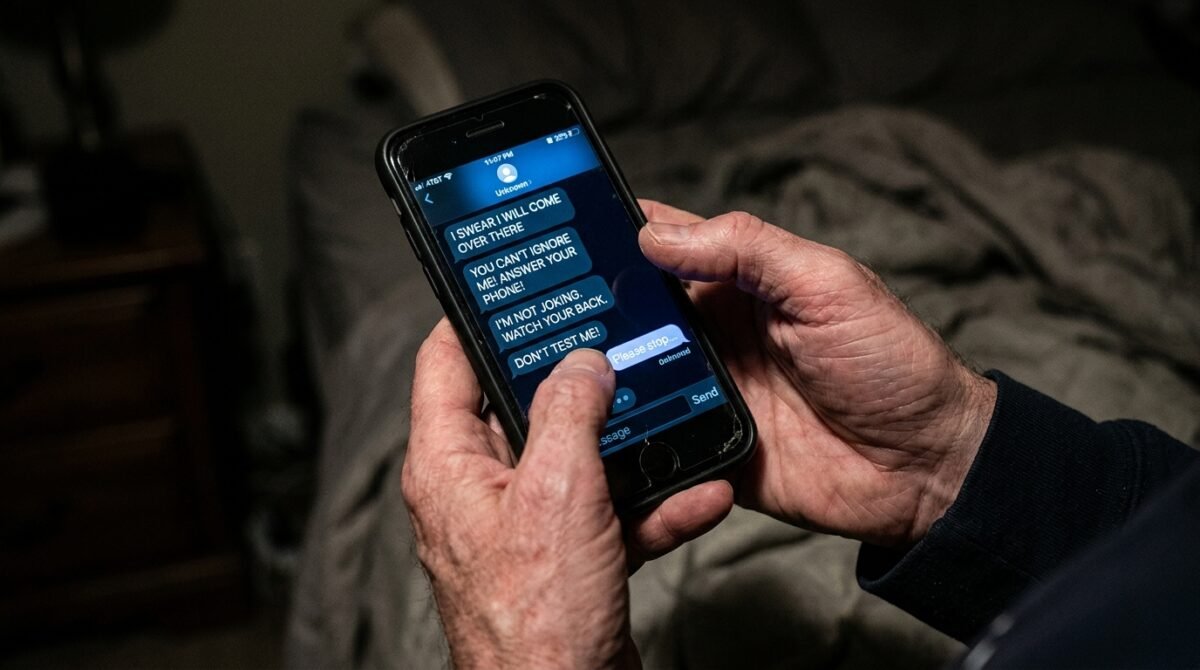
Within an hour of Chloe leaving, my phone began vibrating off the hook. The family group chat, which had been dormant since the funeral announcement, erupted with messages from our stepmother, Karen. Karen had never been a fan of mine, viewing me as a reminder of my father’s first marriage, and this was her chance to force a narrative of ‘fairness’ that conveniently benefited her own daughter.
The messages weren’t requests for mediation; they were demands for compliance. Karen sent screenshots of the will, highlighting clauses that were entirely irrelevant to personal property. She insisted that I was being ‘selfish’ and ‘greedy’ for withholding items that were ‘part of our shared heritage.’ It was gaslighting of the highest order, painting my protective stance as an act of theft.
“You need to grow up and share. Chloe is hurting too, and she just wants a piece of Nana to remember her by. Don’t be the kind of person who uses death to hoard things. This is embarrassing for the whole family.”
— Karen, in the family group chat
I felt a deep, hollow ache in my chest. To read these words while I was still trying to process the fact that Nana was gone was almost too much to bear. I didn’t reply immediately. I watched as other relatives, who hadn’t stepped foot in Nana’s house in years, chimed in with their ‘opinions.’ They were all parroting the same sentiment: that I should just give in to keep the peace.
The pressure was relentless. They were trying to manufacture a consensus that I was in the wrong. They didn’t care about the truth of the situation—about the years of neglect Chloe had shown Nana, or the fact that I was the one who had literally washed Nana’s sheets and fed her soup while Chloe was posting photos of her vacations in Tulum.
I realized then that this was never about the quilts. It was about power. It was about Karen and Chloe wanting to assert dominance over me, to prove that even in death, they could control the narrative and force me to yield to their demands. The more I stayed silent, the more they ramped up the vitriol, turning the group chat into a toxic dump of insults and veiled threats.
The Price of Neglect Versus the Value of Presence
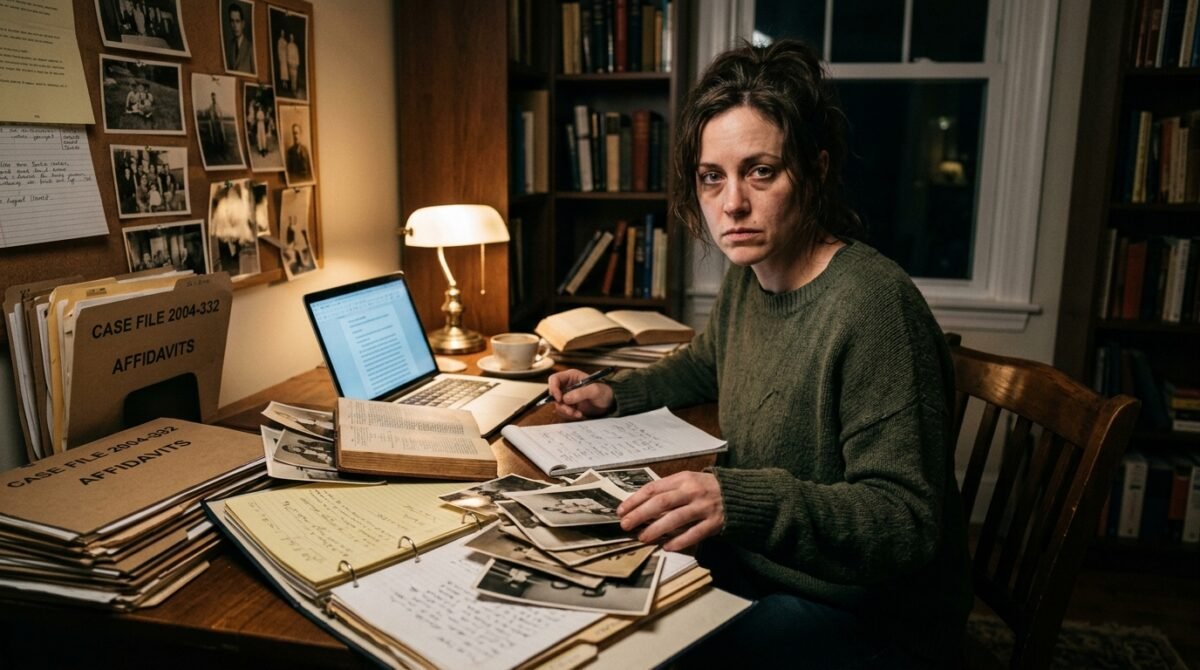
When I finally broke my silence in the group chat, I didn’t hold back. I laid out the reality of the last five years in stark, undeniable detail. I sent photos of the medical bills I had paid, the travel logs showing my trips to the hospice center, and even a photo of Nana’s final quilt, which she had asked me to finish for her. It was a record of love that they had completely ignored.
I reminded everyone that Chloe hadn’t visited once. Not when Nana had her hip surgery, not during the holidays, and certainly not during her final, agonizing months. I asked them how they could possibly justify a claim to these items when they had been completely absent during the time those items were created. The response from the family was silence, followed by a flurry of ‘you are being too sensitive’ responses.
The hypocrisy was suffocating. They wanted the benefits of a grandmother’s love without the work of maintaining a relationship. They wanted the beautiful, hand-crafted objects to display in their own homes as if they had earned them, ignoring the fact that those objects represented the very time they had chosen to spend elsewhere.
“You want the quilts? You should have been there to see how they were made. You should have been there to hear her stories. You don’t get to claim the inheritance of someone you treated like a stranger for half a decade.”
— My message to the group chat
I blocked the group chat shortly after. The notification sounds were giving me panic attacks, and I realized that my mental health was far more important than any material possession. But the blocking didn’t stop them; it just pushed them to change tactics. The next day, I received a certified letter from an attorney—a clear signal that they were escalating this to a legal level.
The letter claimed that the quilts were part of an ‘unresolved estate disagreement’ and demanded I hand them over for ‘appraisal and equitable distribution.’ It was a bluff, and I knew it, but it was designed to intimidate me. They were hoping I would crumble under the threat of legal fees. They didn’t realize that I had already spoken to an estate lawyer who had assured me that the will was ironclad.
The Reddit Trial: Seeking Validation in the Digital Void
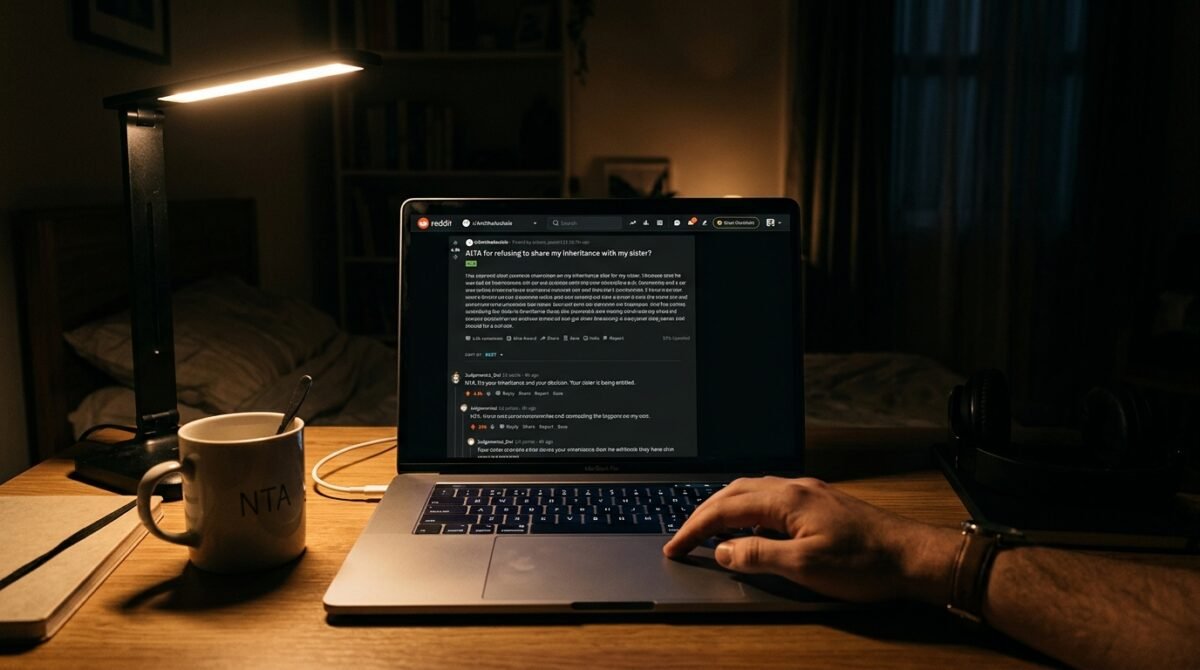
I turned to Reddit, not because I was unsure of my decision, but because I needed to know if I was losing my mind. I wrote a post detailing the entire situation, from the hospice care to the lawyer’s letter. I expected a mix of responses, but the sheer volume of support I received was overwhelming. Within hours, my post had thousands of upvotes and hundreds of comments from people who had been through similar family conflicts.
The internet, for all its faults, was a mirror that showed me the truth: my boundaries were not only reasonable, they were necessary. People shared their own stories of ‘inheritance vultures’ and the pain of being the only one who showed up for a dying relative. It was the validation I hadn’t received from my own family, and it helped me stand my ground when the fear began to creep back in.
“NTA. The ‘inheritance’ isn’t the quilts; it’s the time you spent with her. You earned those quilts ten times over by being the person who actually cared. Let them sue. They have no standing, and they’re just trying to bully you because you’re the easy target.”
— u/GrandmaLover_88 (Top Comment, 28.5k upvotes)
The community comments became my armor. I reread them every time I felt a flicker of guilt. They pointed out the psychological manipulation at play, the way my stepmother was using Chloe to extend her own spiteful influence. They gave me advice on how to handle the lawyer and how to prepare for the inevitable blowback if I refused to settle.
One comment, in particular, stood out. It was from an estate lawyer who broke down exactly why I was in the right. It wasn’t legal advice, but it provided the context I needed to understand the game they were playing. They weren’t looking for justice; they were looking for a victory. They wanted to see me lose something that mattered to me, just to prove they could.
I realized then that I wasn’t fighting for the quilts; I was fighting for the sanctity of my relationship with Nana. If I gave them up, I would be betraying everything she stood for. I would be letting them overwrite the history we had built with their own selfish narrative. I was going to fight this until the end, no matter what it cost.
The Unannounced Visit and the Final Confrontation
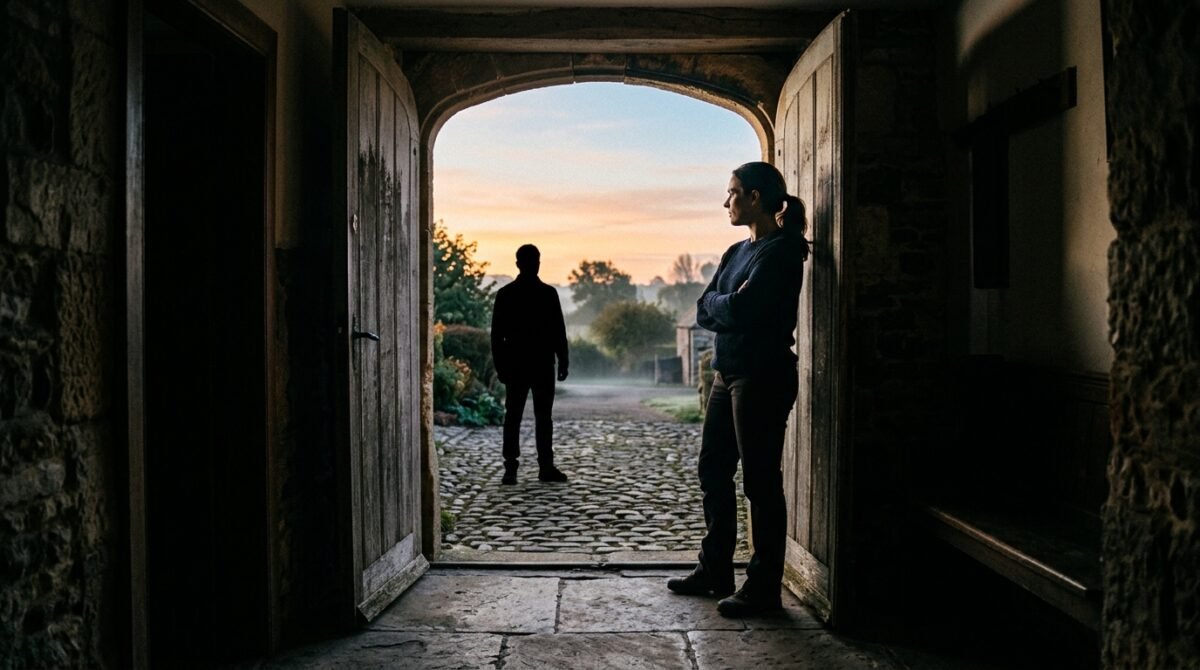
The escalation didn’t stop with the letter. One rainy Tuesday, my doorbell rang at 6:00 AM. I opened it to find my father—my own father—standing there with a look of extreme discomfort on his face. Behind him, hiding in the shadows of the driveway, was Karen. He told me he was there to ‘help settle things’ and that we should just get the quilts out of the house so everyone could move on.
I invited him in, but I kept the door locked behind him. I didn’t want Karen inside. My father looked around at my apartment, his eyes landing on a quilt I had framed on the wall. He sighed, a sound of pure resignation, and told me that ‘family is family’ and that I should just give them to Chloe to keep the peace. He wasn’t even asking for himself; he was asking for his wife.
“You’re making this way harder than it needs to be. Just give her a couple of them. It’s not worth the fighting. Do you really want to be the reason this family falls apart? Just swallow your pride and be the bigger person.”
— My father, pleading for me to give in
I looked at him, truly looked at him, and realized how much he had surrendered over the years. He had traded his integrity for a quiet life, and he wanted me to do the same. I told him that the family had already fallen apart the moment they decided that my grieving process was an opportunity for property acquisition.
I was trembling, but my voice was steady. I told him that if he wanted to maintain his marriage, that was his business, but he would not involve me in their schemes. I told him that if he didn’t leave right then, I would call the police for trespassing. The look of shock on his face was profound; he had never heard me speak to him with such finality.
He left, looking defeated, but I knew this wasn’t the end. As he walked down the path, I saw Karen whispering to him. They were already plotting their next move. I went back inside, locked the deadbolt, and leaned against the door, finally letting myself cry. It was the hardest thing I had ever done, but it was also the most empowering.
The Legal Reality Check That Halted the Advance

The next day, I received a follow-up call from an attorney—not mine, but one representing the estate’s interests, which had been prompted by my father’s insistence on ‘mediation.’ I had prepared my own evidence: a detailed log of my caregiving duties, receipts for the funeral, and a copy of the specific clause in the will that left the personal property to me. I was ready to defend my position with facts.
When I walked into the office, the atmosphere was cold and professional. The lawyer listened to my presentation, looking over the documents I had meticulously organized. When I finished, I didn’t apologize for my stance. I simply asked if there was any legal basis for their claim. The lawyer looked at the paperwork, then at me, and finally gave a non-committal nod.
The revelation came when they admitted that they hadn’t actually reviewed the original, signed copy of the will that Nana had filed with the local clerk—the one that had been updated after the hospice admission. They had been relying on an older, secondary document that Karen had provided. It was a massive oversight, one that completely invalidated their entire strategy.
“I’m afraid there’s been a misunderstanding. Based on the documentation provided by your stepmother, we believed there was a case. However, given this verified update, it appears your claim is uncontested. The estate distribution is final and binding.”
— The estate attorney, confirming the reality
I felt a wave of relief wash over me that was so intense I almost felt faint. I had won. But the ‘win’ felt hollow. I looked at the lawyer, who was already shuffling papers for the next client, and realized that this wasn’t a triumph to be celebrated—it was just the conclusion of a sad, unnecessary ordeal.
I left the office and walked out into the bright afternoon sun, feeling a weight lifted from my shoulders. The quilts were safe, but the family? The family was gone. I knew that by standing up for myself, I had effectively burned the bridge to my stepmother and, by extension, my father. I was okay with that, but it didn’t make the realization any less heavy.
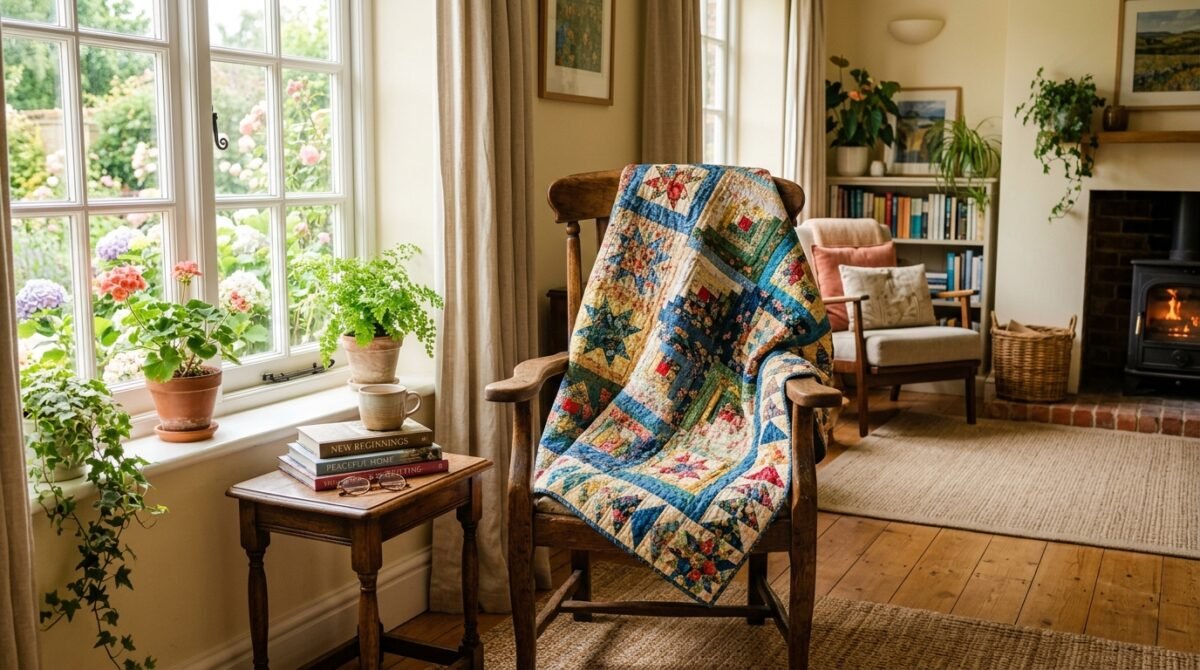
I went home and sat in the chair where Nana used to sew. I pulled one of the quilts over my lap and just breathed. It smelled like her—lavender and old fabric. It was a comfort I had fought for, and it felt like a silent, final approval from the woman who had made it all possible.
The Aftermath: Redefining Family and Boundaries
The weeks following the resolution were quiet, a stark contrast to the chaos that had preceded them. My father reached out a few times, but our conversations were stilted and uncomfortable. He wanted me to call Karen and ‘make things right,’ but I refused. I told him that until there was an apology—not just for the quilts, but for the way they had treated me while I was grieving—there was nothing to talk about.
He never apologized. Instead, he retreated further into the silence, clearly choosing the path of least resistance. I stopped calling. I stopped checking in. I realized that if I had to fight this hard to be treated with basic respect, then the relationship wasn’t one worth preserving. I had spent my life trying to be the ‘good stepchild,’ and all it had gotten me was a target on my back.
I started attending therapy to process the grief of losing Nana and the secondary grief of losing the family I thought I had. It was a difficult process, but it helped me understand that I wasn’t the problem. The problem was an environment that prioritized convenience over connection and property over people. I began to build a new, chosen family—friends who respected my boundaries and understood the importance of the legacy I was holding.
“You’ve spent your whole life being a supporting character in someone else’s drama. Now, you’re finally writing your own story. Don’t ever apologize for wanting to protect the things that make you feel whole.”
— My therapist during a session
I still use the quilts. I don’t keep them in a chest, hidden away. I use them on my couch, on my bed, and when I visit my friends. I tell people the stories behind them, the stories of the woman who spent her life stitching love into every square. The quilts have become a living memorial, a testament to the person Nana really was.
Occasionally, I see Chloe in town. We don’t speak. She looks past me, her face still wearing that same mask of entitlement, but it doesn’t sting anymore. I realized that she’s the one who lost, not me. She lost the chance to know Nana in her final years, and she lost the chance to be a part of the legacy. That is a weight she will have to carry, not me.
I am at peace. I have the quilts, I have my dignity, and I have a clear understanding of who I am. I am no longer a pawn in their game. I am the guardian of my own history, and that, more than any possession, is the greatest inheritance I could have asked for.
The Reddit Community Reacts to the Final Outcome
I posted an update to the original Reddit thread, explaining how everything had concluded and thanking everyone for their support. The response was even more supportive than the first time. People were relieved to hear that I had stood my ground and that the quilts were safe. It felt good to close the loop, to share the victory with the people who had been in my corner from the start.
The comments were filled with encouragement and advice on how to continue moving forward. Many people shared their own experiences of cutting off toxic family members and finding freedom on the other side. It was a reminder that I wasn’t alone in this, that thousands of others had walked this same path and come out stronger on the other side.
“This is the update we needed. You stood up to bullies, protected your grandmother’s legacy, and drew a line in the sand. Don’t look back. You did the right thing, and you’re better off without people who would value a quilt over your mental health.”
— u/FamilyDefender_99 (Top Comment, 32.1k upvotes)
There were also some dissenting voices, but they were few and far between. Some argued that I should have been ‘nicer,’ but the community was quick to shut them down, reminding them that niceness is not a requirement for survival. It was a reaffirmation of the boundaries I had set and a validation of the difficulty of the work I had done.
I read every comment, letting the collective wisdom of the community sink in. It was a powerful experience, one that reaffirmed my faith in the idea that standing up for yourself is not selfish—it is an act of self-preservation. I am grateful for the support I received, and I hope that my story helps others who are facing similar battles to find the strength to do the same.
I have decided to take a break from the subreddit for a while. I have said what I needed to say, and I have found the peace I was looking for. I am ready to move on, to live my life, and to honor Nana’s memory in my own way. I am no longer defined by the conflict; I am defined by the love that remains.
Reflecting on the Fabric of Our Lives

Looking back, the quilts feel like a metaphor for everything that happened. They were made of many different pieces of fabric, each one with its own history and purpose, stitched together to create something beautiful and enduring. The conflicts I faced were like the loose threads, the snags that threatened to unravel the entire design. But by holding on to the center, by refusing to let the tension break the structure, I managed to keep the integrity of the design intact.
I think about the hours I spent with Nana, the way she would talk about the importance of ‘holding the tension.’ If you hold it too tight, the fabric bunches and breaks. If you hold it too loose, the stitches are weak and the quilt falls apart. It’s a delicate balance, and I think that’s what relationships are like, too. You have to be firm, but you also have to be fair. You have to know when to let go and when to hold on tight.
I know now that I did the right thing. The quilts belong to the person who knows their value, not just in dollars, but in the memories they hold. They belong to the person who was there to witness the work, to the person who saw the effort, and to the person who truly loved the maker. I am that person, and I am honored to be their guardian.
“Love is not a commodity to be divided. It is a legacy to be cherished. You protected that legacy, and in doing so, you honored your grandmother more than any amount of money ever could.”
— Wisdom from a reader in the comments
I hope that, in time, my father will understand. I hope that, in time, he will see that he was on the wrong side of this. But if he doesn’t, I have come to terms with that, too. I cannot control the actions of others; I can only control my own reaction. And I have chosen to react with strength, with integrity, and with love.
I am building a life that is mine—a life filled with the things that matter, the people who support me, and the memories that bring me joy. The quilts are a part of that life, a constant reminder of the woman who taught me how to sew, how to love, and how to stand up for myself. And for that, I am forever grateful.
Final Thoughts on Inheritance and Emotional Labor
This experience has changed my perspective on what it means to inherit something. It’s not just about the items themselves; it’s about the responsibility that comes with them. When we receive something from a loved one, we are also receiving a piece of their life, their history, and their values. It is our duty to honor that, to protect it, and to pass it on to the next generation with the same care and respect.
The entitlement I encountered was a reminder of how easily people can lose sight of the deeper meaning of things. When we focus only on the value, on the ‘what’ instead of the ‘who,’ we lose the connection that makes those items special. I hope that by sharing my story, I can encourage others to look beyond the surface, to see the value in the relationships and the memories, not just the possessions.
I am at the end of this journey, and I feel a sense of closure that I didn’t think was possible. The quilts are safe, my heart is healing, and I am ready for whatever comes next. I am grateful for the lessons I have learned, for the strength I have discovered, and for the love that remains.
“The things we inherit are not just objects; they are the threads that connect us to the past, the present, and the future. Guard them well, for they are the markers of our history.”
— A final reflection
I hope that my experience serves as a warning to those who would try to commodify grief and as a source of strength to those who are fighting for their own piece of peace. It is not easy, and it is certainly not fun, but it is worth it. Always, it is worth it.
Thank you for reading my story, for your support, and for your wisdom. It has meant the world to me to share this journey with you. I am ready to close this chapter, to fold the quilts, and to move forward, knowing that I have done the right thing, and that I am exactly where I need to be.
Conclusion
My journey through this inheritance battle has been one of the most challenging, yet transformative, experiences of my life. It forced me to confront the reality of my family dynamics, the true value of my relationships, and the strength of my own convictions. While the quilts were the spark that ignited the conflict, the fire revealed the underlying rot in my family structure, allowing me to finally see things as they truly were.
I have learned that boundaries are not just barriers; they are the foundation upon which self-respect is built. By refusing to compromise my values for the sake of ‘peace,’ I was able to reclaim my voice and protect the legacy I held so dear. This isn’t just about winning a dispute over material goods; it’s about winning the right to define my own life and honor the memory of the woman who raised me.
I leave you with this: when you find yourself at a moral crossroads, trust your gut. If a demand feels wrong, if it feels like an intrusion on your grief or a betrayal of your values, listen to that feeling. It is your intuition telling you what matters. Don’t let anyone—no matter who they are—coerce you into compromising your integrity.
Discussion Poll for Our Readers:
Have you ever had to stand your ground against family members who demanded something they didn’t earn? How did you handle the pressure, and what did you learn about yourself in the process? Share your stories below—let’s talk about the hard work of setting boundaries when the people involved are supposed to be the ones who love us most.
What's your verdict on this dilemma?
Vote below to contribute to the official community consensus.

Have a Dilemma Keeping You Up at Night?
Share your real-life feud, wedding chaos, or relationship crossroads anonymously with our editorial team.
What do you think ?
0 Comments🛡️ Comments are moderated to protect community integrity. Your comment will appear once approved by the editorial team.