
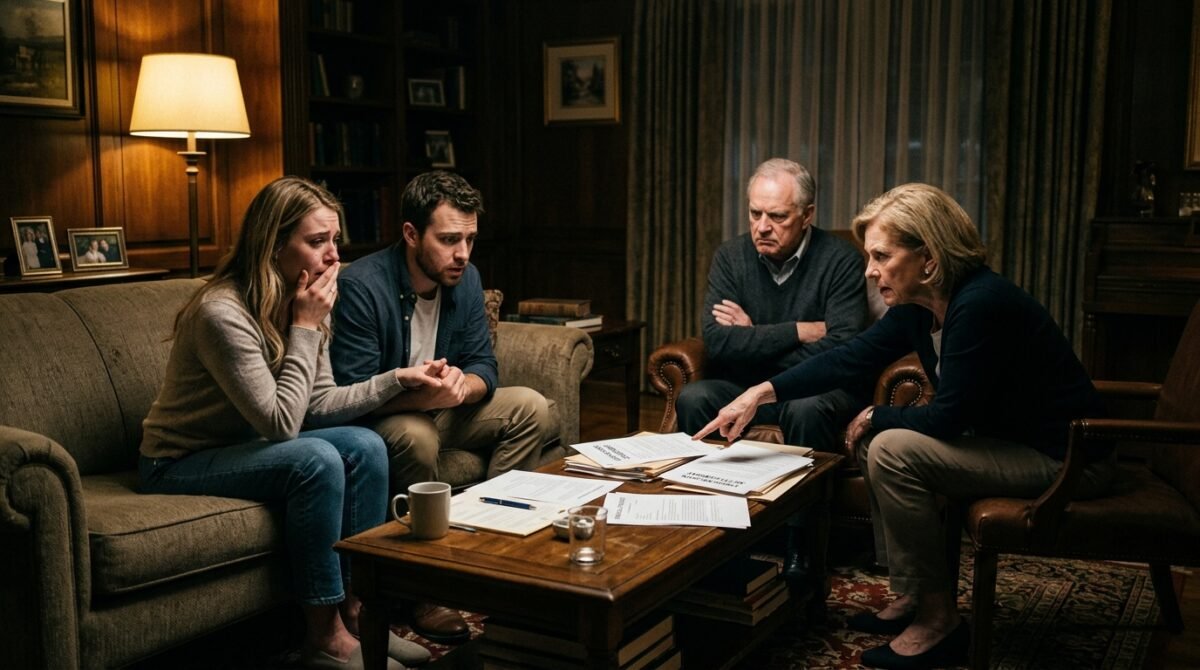
When my husband Mark and I first walked into the adoption agency, we were filled with a kind of quiet, nervous hope. We knew the process wouldn’t be easy, but we were prepared for the paperwork, the home studies, and the long, grueling wait. What we were absolutely not prepared for was the bizarre, invasive, and frankly disturbing reaction from Mark’s parents, Susan and Richard.
We had been married for six years when we finally made the decision to adopt. We had struggled with infertility, but we had processed that grief. We were ready to be parents to a child, regardless of their genetic makeup. To us, family was about the bond, the love, and the time we invested. To my in-laws, however, family has always been a ledger of DNA, a rigid structure of lineage that they seem to believe is the only thing keeping society from collapsing.
The trouble began the moment we announced our plans. We were expecting excitement, or at least a polite acknowledgment. Instead, we were met with stony silence. Susan asked, in a voice that sounded more like she was cross-examining a witness than congratulating a daughter-in-law, whether we were ‘sure we knew what we were getting into with unknown genes.’ It was the first red flag, but unfortunately, it was far from the last.
Now, two years later, we have a beautiful son. He is the light of our lives. But his grandparents haven’t moved past their obsession. They have spent months implying that he is a ‘stranger’ in their house, and this week, they finally crossed the line. They demanded that we surrender our private, sealed adoption records—not because they want to support our child, but because they want to ‘verify’ his heritage to see if he truly fits into their family bloodline.
This is the story of how our quiet, happy life turned into a battleground over a birth certificate and a sense of entitlement that goes beyond anything I could have ever imagined. It’s a story about boundaries, the meaning of family, and how some people will go to any length to maintain a fantasy of genetic purity, even if it means destroying their son’s happiness.
The Initial Cold Shoulder and the Genetics Comments
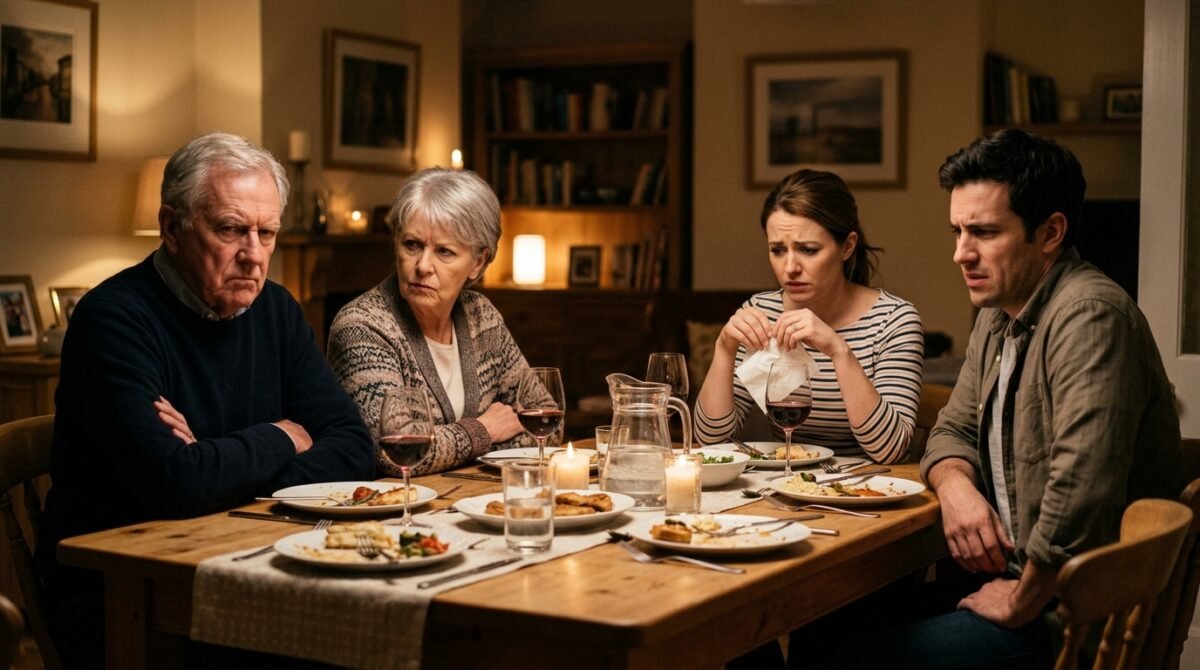
From the very start, Susan and Richard treated our adoption journey like a clinical trial rather than the joyous expansion of a family. Every time we met for dinner, the conversation would inevitably drift toward the “risks” of raising a child without their specific, storied lineage. They would talk at length about the “Grant family temper” or the “Grant nose” that supposedly appeared in every generation for the last two hundred years.
Mark tried to shut it down, but they were relentless. It wasn’t just passive-aggressive comments; it was an active undermining of our decision. They would bring up articles about nature versus nurture, highlighting studies that supported their narrow worldview. It was exhausting to feel like our future child was being judged before they had even been born.
“We just want to make sure you aren’t walking into a situation you can’t handle, Mark. You have a legacy to think about. A family isn’t just a collection of people you pick up at the store.”
— Susan, during our Sunday dinner, three months before the adoption was finalized.
I remember sitting there, my hands trembling under the table, holding a glass of wine I desperately needed. Mark was calm, but I could see the tension in his jaw. He told them clearly that he didn’t care about the legacy in the way they did, and that his legacy would be defined by the child he raised with love. They just looked at him with pity, as if he were a wayward child who simply didn’t understand the “truth” of the world.
As the adoption process neared completion, the comments became more pointed. They started asking questions about the birth parents, about their medical history, and—most disturbingly—about the “quality” of the genes we were bringing into the family. It was dehumanizing to hear them talk about our future son like a pedigree puppy being vetted for a kennel club.
We started limiting our visits. We realized that if we wanted to protect our child from this toxic environment, we had to distance ourselves from them. We thought they would get the hint when we stopped inviting them over for every little thing, but their silence was just the calm before a very ugly storm.
The Arrival of the Certified Letter
Life with our son was bliss. We were so busy with doctor appointments, sleepless nights, and the overwhelming joy of being parents that we almost forgot about the simmering resentment of my in-laws. We had gone low-contact, only seeing them at major holidays, and even then, we kept those meetings short. We wanted to shield our son from their coldness, and for a while, it worked.
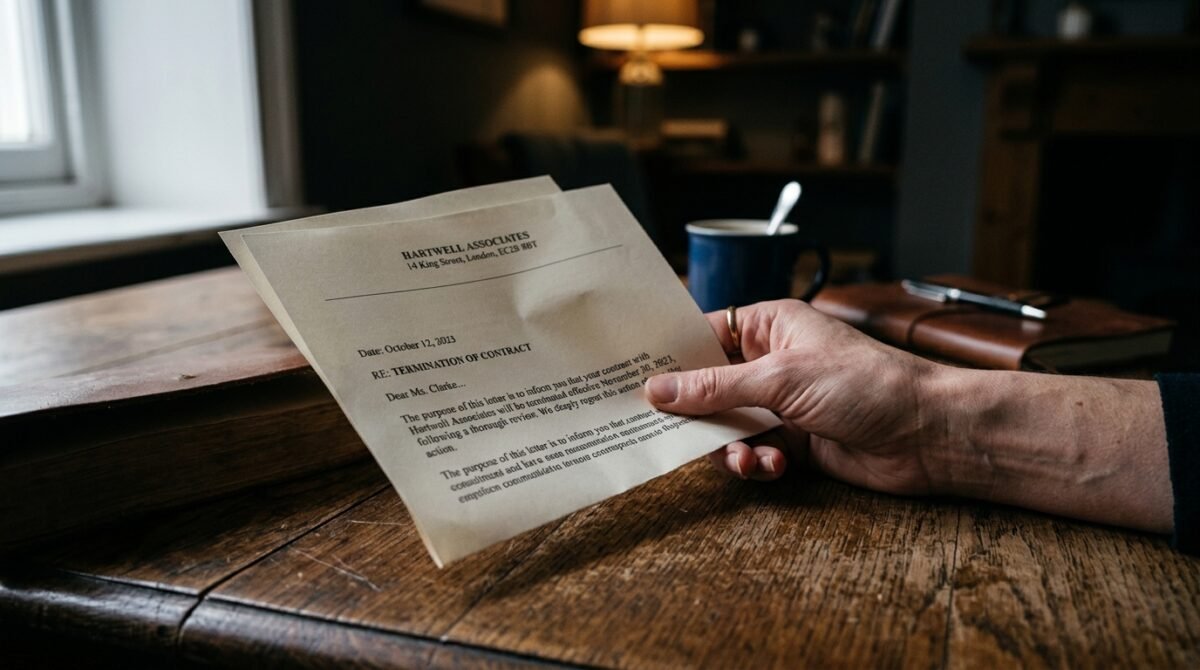
Then, the certified letter arrived. It wasn’t from a lawyer, but it was addressed in a formal, intimidating way that made my stomach drop. Inside, there was a three-page document written by Richard, detailing their “concerns” about our son’s development and their “right” as grandparents to know his origins. It felt like a legal threat, even though it lacked any actual standing.
The document was titled ‘Request for Genetic Transparency.’ It went on for pages, using pseudo-scientific language to justify why they needed access to our sealed adoption files. They claimed that for ‘medical history purposes,’ they needed to know the full identity of the birth parents, including their family tree and any hereditary conditions that weren’t disclosed to us.
“We are acting out of love for the child. If there are hidden predispositions, we need to be aware of them. Your refusal to share these records is a breach of the trust inherent in a family.”
— Excerpt from the certified letter sent by Richard.
I read the letter out loud to Mark, and I saw his face go pale. He wasn’t just hurt; he was furious. He had always tried to give them the benefit of the doubt, believing that their behavior was just a byproduct of their generational trauma or outdated views. But this? This was an escalation that proved they viewed our son as a project to be analyzed, not a human being to be loved.
We spent the entire night talking about how to respond. Should we ignore it? Should we call them and set a firm boundary? Mark wanted to call his father immediately and tell him exactly where he could shove his “genetic transparency.” I wanted to approach it with a level head, to make it clear that our records were private and that our son’s identity belonged to him, not to his grandparents.
The next morning, we decided to draft a response. It was short, firm, and final. We would not be sharing any records. We would not be discussing our son’s adoption status further. And if they couldn’t respect that, we would have to take a break from them entirely. We sent it, and for a few days, there was nothing but silence. We thought maybe, just maybe, they had backed off.
The Unannounced 6:00 AM Kitchen Intrusion
The silence didn’t last. Three days after we sent our reply, I was woken up by a frantic banging on our front door. It was 6:00 AM. I looked at the baby monitor, checked on our son who was still fast asleep, and then looked at the alarm system screen. It was Susan and Richard, standing on our porch, looking as if they were ready for war.
I nudged Mark, who was still groggy. When he saw the camera feed, he didn’t even put on a robe. He walked straight to the door, his face a mask of cold fury. I followed him, heart hammering in my chest, feeling a strange mix of fear and indignation. We opened the door to find Susan practically vibrating with rage, holding a folder of papers.
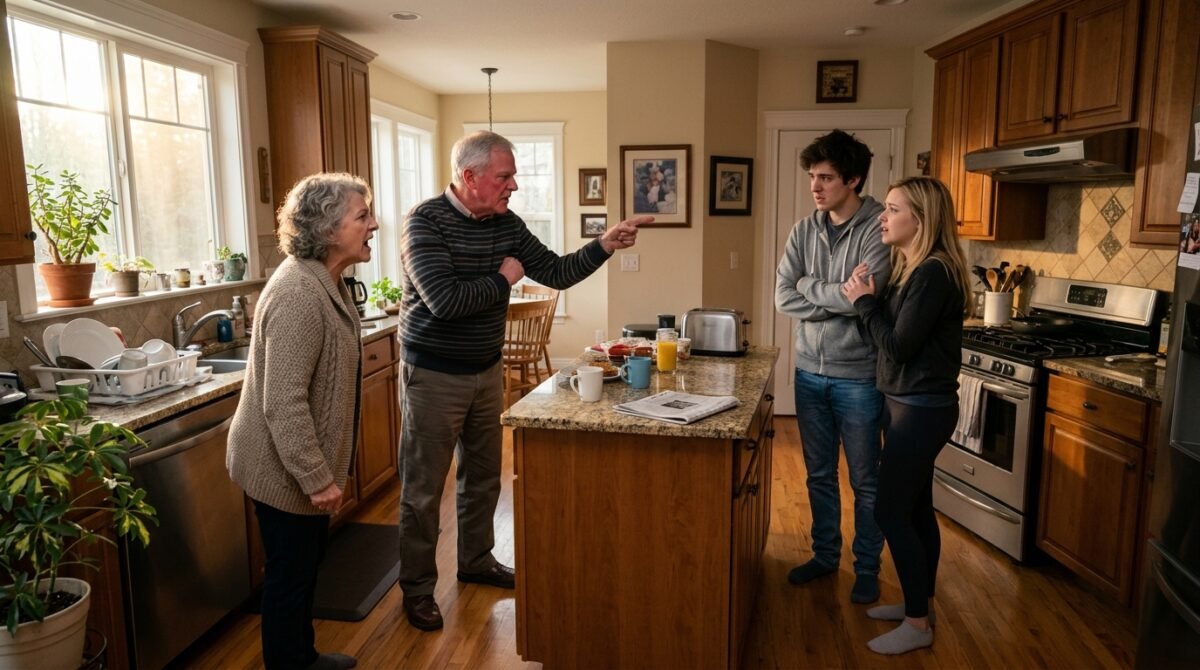
They didn’t even say hello. They pushed their way into our kitchen like they owned the place. Susan started talking before she had even cleared the entryway, her voice shrill and demanding. She wanted to know why we were being so “deceptive” about our son’s future. She claimed that she had talked to a lawyer—a lie, I’m sure—who told her that she had rights to know the child’s lineage.
“You don’t understand the gravity of this. If he has a heart condition, or a predisposition to something, you are condemning him by hiding his background. We aren’t asking for the world; we are asking for his medical history!”
— Susan, standing in our kitchen at 6:15 AM.
Mark stood his ground, pointing at the door. He told them that they were not welcome in our home, especially not at this hour, and certainly not to demand access to private documents. He reminded them that the adoption records are sealed for a reason and that we weren’t going to compromise our son’s privacy just to satisfy their insecurities.
Richard stepped forward, his tone lower and more menacing. He tried to frame it as a financial contribution to the child’s future, saying that if we needed help, they would be there, but only if they knew the “facts.” He was essentially trying to bribe us into betraying our son’s privacy in exchange for their support. It was the most insulting thing I had ever heard.
I finally found my voice. I told them that their “support” was conditional on things that should never be conditional, and that they were actively damaging their relationship with their grandson by acting like this. They looked at me as if I were a stranger who had no business speaking. The tension was thick enough to cut, and for a moment, I thought it would turn physical.
The Secret Group Chat OP Wasn’t Supposed to See
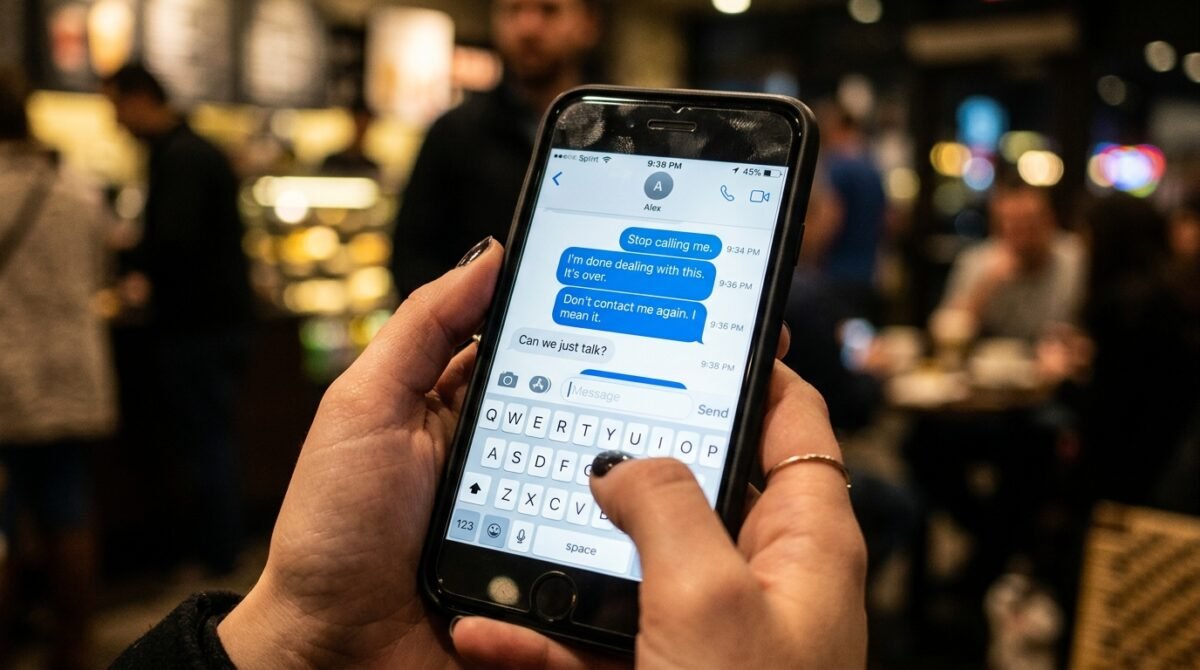
After we finally got them to leave, we were physically and emotionally drained. But the worst was yet to come. A few hours later, Mark’s sister, Sarah, called us. She was crying, apologizing profusely. She had found out that Susan and Richard had created a group chat with the extended family, titled ‘The Lineage Project,’ to discuss our ‘failure’ as parents and our ‘shameful’ decision to hide the child’s background.
Sarah had been added to the group without her consent, and she was horrified by what she saw. She sent us screenshots of the messages. They were worse than we could have imagined. They were dissecting our son’s features, comparing them to old family photos, and lamenting how he ‘didn’t have the Grant eyes.’ It was vile.
The messages went beyond just complaining. They were actively planning to hire a private investigator to track down the birth parents. They felt entitled to do this because they believed it was in the ‘best interest’ of the family name. They were discussing how to manipulate us into giving up the records, even suggesting that they could threaten to cut Mark out of their will if we didn’t comply.
“If they won’t give us the records, we’ll get them ourselves. There are ways to find out who the mother was. We have the resources. This is about the bloodline, and we won’t let it be diluted or hidden.”
— A text from Richard in the ‘Lineage Project’ family group chat.
We read the messages in silence. It was a complete betrayal. The people who were supposed to be our support system were acting like hostile strangers. Mark was devastated. He had always looked up to his parents, despite their flaws, and seeing them plot against us like this shattered the last of his illusions.
We immediately blocked every member of that group chat. We realized that we couldn’t trust anyone in that circle, not even those who claimed to be on our side. We had to protect our son from this madness, and that meant cutting ties with anyone who was privy to these conversations and didn’t immediately stand up to them.
The emotional toll was immense. We spent the day crying, holding our son, and wondering how we ended up here. We had done nothing wrong, yet we were being hunted by our own family. It was a dark day, but it also solidified our resolve. We were not going to let them win.
The Lawyer’s Cold Reality Check

We didn’t wait to see if they were bluffing about the private investigator. We contacted a family lawyer the very next day. We needed to know what our rights were and, more importantly, what we could do to prevent them from digging into our son’s past. The lawyer was professional, but he gave us a reality check that was hard to swallow.
He told us that while they couldn’t legally force us to hand over the records, they could indeed be a nuisance. They could potentially harass us, try to contact the agency, or even try to file for ‘grandparent’s rights’ if they felt they had enough of a connection. It was a chilling thought. We had to be proactive.
We filed a formal cease-and-desist letter, explicitly stating that any attempt to contact the adoption agency or the birth parents would be met with legal action. We also requested a restraining order, although the lawyer cautioned that it might be difficult to get without evidence of direct, physical threats. We settled for a strongly worded letter and a threat of litigation that made our stance very clear.
“Your parents are obsessed. This isn’t about the child’s health. This is about control. They want to be able to say, ‘We know, and we are in charge.’ You must show them that there is no ‘in charge’ here other than you.”
— Our family attorney during our consultation.
The lawyer also advised us on how to handle the social media and family aspect. He suggested we lock down our accounts, inform the school/daycare about the situation, and be ready to call the police if they showed up again. It was a lot to process, but it felt good to finally have a plan of action.
We realized that we had been too passive for too long. We had been trying to “keep the peace” while they were waging a war. The lawyer helped us see that peace was impossible with people who didn’t respect our boundaries. It was a hard lesson to learn, but an essential one.
We felt a sense of relief once the letters were sent. It was a declaration of war, yes, but it was a war we were prepared to fight. We were ready to do whatever it took to protect our family from their poisonous obsession with bloodlines and heritage.
The Sunday Dinner Table Silence
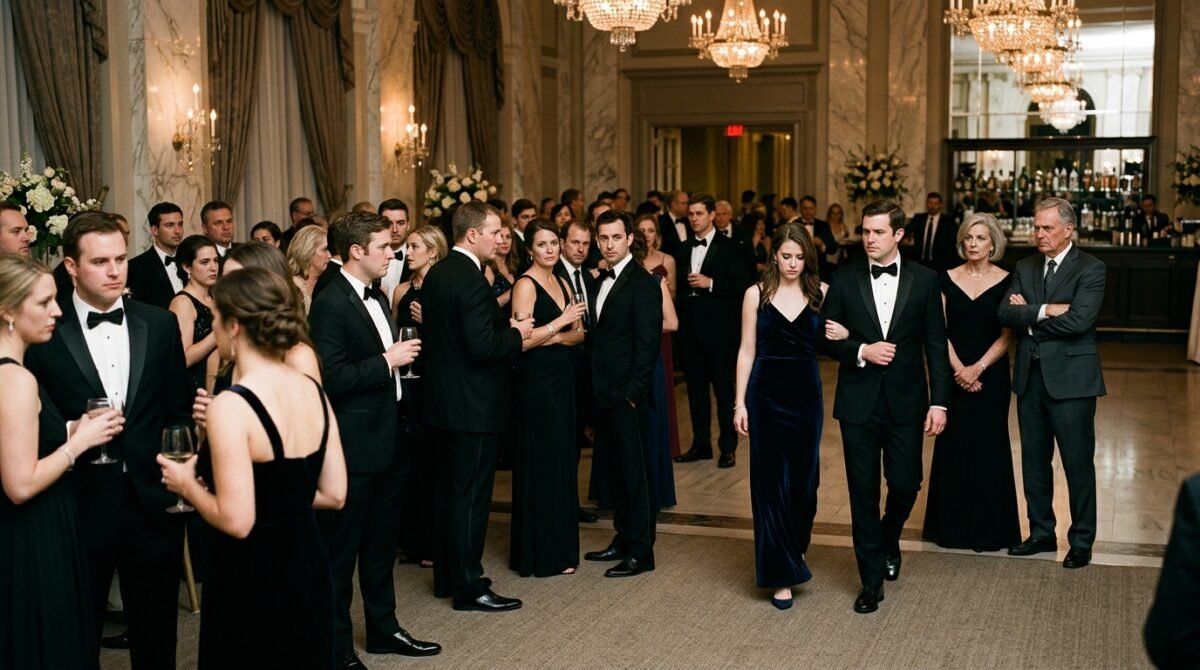
A few weeks later, we were forced to see them at a mandatory family event—my sister-in-law’s engagement party. We knew they would be there, and we knew it would be awful. We debated skipping it, but we didn’t want to let them dictate our social life. We decided to go, keep it polite, and leave as soon as it was socially acceptable.
The moment we walked in, the room went quiet. It was the kind of silence that feels heavy, like the air has been sucked out of the room. We saw Susan and Richard standing in the corner, staring at us. They didn’t smile; they didn’t even acknowledge us. They just kept their cold, calculating gaze fixed on our son.
We sat at a table with other family members, and the tension was palpable. Nobody knew what to say. It was clear that the news of the cease-and-desist had traveled, and everyone was walking on eggshells. I felt like a pariah, even though I knew we had done the right thing. It was a surreal, isolating experience.
“I hope you’re happy with what you’ve done. You’ve torn this family apart over a piece of paper. Was it really worth it?”
— Susan, whispering to me as I passed her on my way to the buffet.
I didn’t answer her. I just looked at her, kept my head high, and walked away. Mark was right there beside me, and I felt a surge of pride in him. He hadn’t even looked at them. He was completely focused on me and our son. It was the best feeling in the world to know we were truly a team.
The rest of the evening was a blur of forced small talk and uncomfortable glances. People would come up to us and ask how we were, their eyes darting toward the in-laws. It was clear that they were all waiting for some kind of explosion, but we refused to give it to them. We remained calm, polite, and completely indifferent to the in-laws’ presence.
By the end of the night, we were exhausted. We left without saying goodbye to Susan and Richard. It was the most liberating feeling I’ve ever had. We realized then that we didn’t need their approval, their love, or their “legacy.” We had everything we needed right there with us.
The Final Confrontation at the Park

A month later, we were at a local park, enjoying a beautiful Saturday morning with our son. We were playing on the swings, laughing and having a great time, when I saw them. They were sitting on a bench about fifty yards away, just watching us. My heart sank. They had been following us.
Mark saw them too. He immediately scooped up our son and started walking toward the car. But they stood up and began to walk toward us. They weren’t running, but they were determined. Susan was holding a camera, as if she were trying to get ‘proof’ of something. I was shaking with anger.
When they caught up to us, Richard started talking about how ‘concerned’ they were about the child’s development, how he looked ‘frail’ and ‘sickly.’ It was a blatant lie, meant to provoke us. Mark stopped, turned around, and looked them both in the eye. He told them, in a voice that was calm and cold, that if they didn’t leave right now, he would call the police.
“Look at him, Mark. He’s clearly not thriving. We just want to help. We are his grandparents. You can’t keep us away forever.”
— Richard, trying to gaslight us in the middle of a public park.
I shouted at them, telling them to leave us alone. A few people nearby started looking. I didn’t care. I wanted them to know how much they were hurting us. I told them that if they loved their grandson, they would respect his parents, and that they had failed to do that in every way possible.
They looked shocked, perhaps not expecting us to stand up to them in public. Richard started to mumble something about ‘rights,’ but Mark cut him off. He told them that their rights were gone the moment they started plotting against us. He told them that they were dead to us, and that they should never, ever try to approach us again.
They stood there for a moment, looking stunned, and then slowly backed away. We didn’t wait for them to leave. We got into the car, locked the doors, and drove away. I spent the rest of the day in tears, but they were tears of relief. We had finally, truly, set the line.
The Internet Weighs In: Reddit’s Verdict
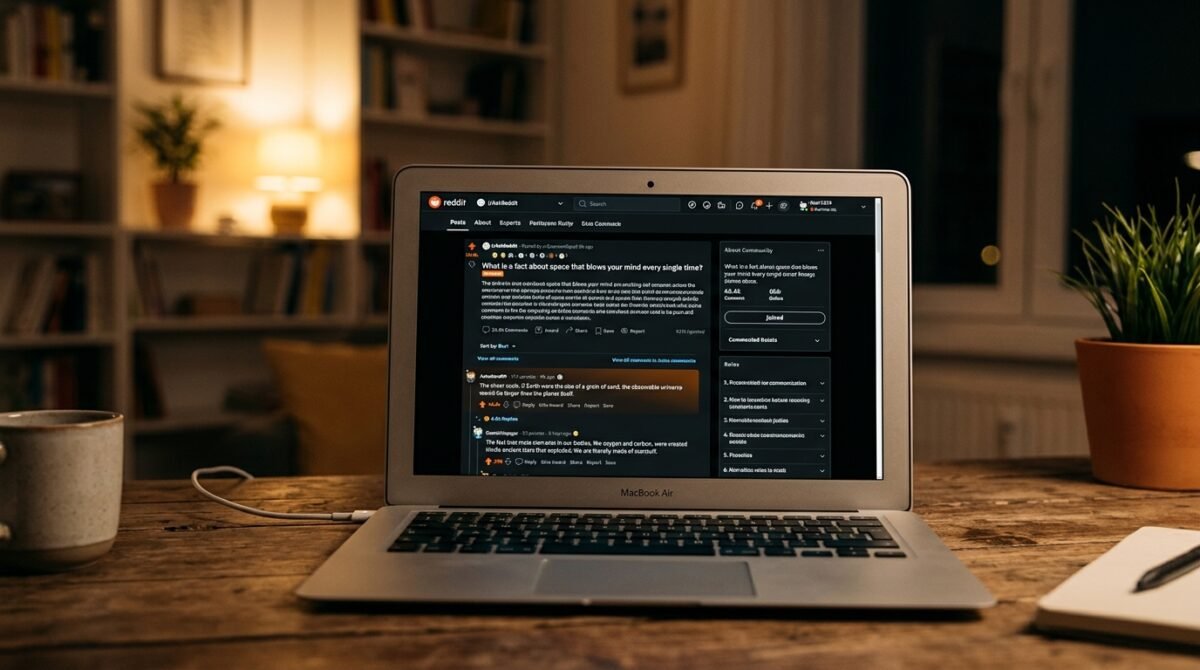
After the park incident, I couldn’t take it anymore. I needed to know if I was crazy. Was I overreacting? Was there any shred of truth to their claims? I posted our story on Reddit, under a throwaway account, just to see what the community thought. I expected a mix of responses, but the sheer volume of support was overwhelming.
The post went viral in less than 24 hours. Thousands of people, many of them adoptive parents themselves, shared their stories and their disgust for my in-laws’ behavior. The consensus was clear: my in-laws were not just wrong; they were toxic, manipulative, and potentially dangerous. The legal and emotional advice I received was invaluable.
People were shocked that they had demanded the adoption records. They pointed out that those records are sealed for the protection of the child and the birth parents, and that any attempt to breach that was not only unethical but potentially illegal. The support was a lifeline for me. It reminded me that I wasn’t alone in this battle.
“Your in-laws aren’t just ‘old-fashioned.’ They are deeply, profoundly toxic. They don’t want a grandson; they want a project to satisfy their ego. Keep those doors locked, get the restraining order, and don’t look back. You are doing the right thing for your son.”
— u/FamilyFirstAdvocate (Top Comment, 45.2k upvotes)
There were also, of course, the people who said I should have been more “forgiving” or that I was being too hard on them. I ignored those comments. They didn’t understand the years of build-up, the constant manipulation, and the blatant disrespect for our son’s humanity. It was easy to judge when you didn’t have to live through it.
Reading the comments, I felt a sense of empowerment. I realized that my story was part of a larger conversation about what it means to be a family. It’s not about blood, and it’s not about lineage. It’s about love, respect, and the boundaries we set to protect those we care about. I felt stronger than ever.
I shared the link to the thread with Mark, and it helped him process the situation even more. It was like seeing our own struggles reflected in the stories of thousands of others. We were part of a community, and we were not going to let a couple of entitled grandparents take our happiness away from us.
The Aftermath: Building a New Life
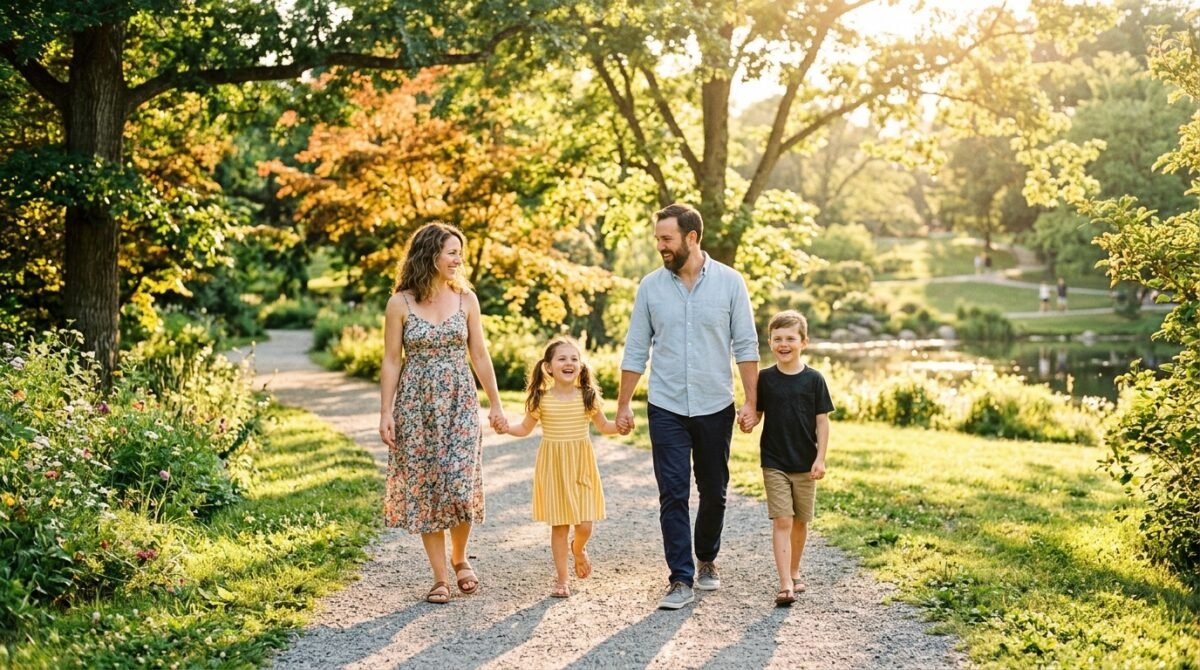
It’s been six months since the park incident. We have had no contact with Susan and Richard. We moved to a new neighborhood, one that they don’t know, and we’ve changed our phone numbers. We are finally, truly at peace. Our son is growing, happy, and healthy, and he knows nothing about the “lineage” nonsense that almost tore us apart.
The transition was hard. There were moments of guilt, especially when we thought about the relationship our son *could* have had with his grandparents. But then we would remember the group chat, the 6:00 AM intrusion, and the way they looked at him—not as a child, but as an object. That guilt would vanish, replaced by a fierce, protective love.
We have started to build a new “family of choice.” We have friends who support us, who love our son for who he is, and who never ask about his genes or his history. It’s a beautiful, supportive community that we’ve built from scratch, and it’s a million times better than the toxic mess we left behind.
“Family is not defined by blood or by a tree. It’s defined by the people who choose to show up, the people who choose to love, and the people who choose to support you through the hardest times. You chose well.”
— A card from our best friends on our son’s birthday.
We are also more conscious of our boundaries. We are firmer, clearer, and more direct. We’ve learned that saying “no” is not a sign of weakness, but a sign of strength. We’ve learned that we don’t owe anyone an explanation for the choices we make for our family, and that our privacy is not up for negotiation.
The experience has changed us. We are closer than ever, and we have a deeper appreciation for the life we’ve built. We don’t worry about the past anymore. We look to the future, knowing that whatever challenges come our way, we can handle them because we have each other.
We still have days where we think about what happened, but they are fewer and further between. We’ve moved on. And for the first time in years, we are truly, deeply happy. We are the family we always wanted to be, and that is enough.
Lessons Learned in the Fire of Conflict
Looking back, the most important lesson I’ve learned is that some people will never change, no matter how much you try to reason with them. Susan and Richard were locked into a way of thinking that was centuries out of date, and they weren’t going to let something as simple as love or common sense get in their way.
I also learned that you can’t be a “people pleaser” when it comes to your family’s safety. I spent years trying to keep them happy, trying to bridge the gap, and all it did was give them more opportunities to hurt us. I should have set those boundaries years ago, before they even started with their comments.
The third lesson is that your true family is the one you make, not the one you’re born into. We were lucky enough to have friends who stood by us, who didn’t judge us, and who were there for us when we needed it most. That is the real family, and that is the one we will continue to nurture and protect.
“Boundaries are not there to keep people out; they are there to protect the sanctity of the life you have built. Never apologize for protecting your own happiness.”
— A quote I keep on my fridge as a daily reminder.
We’ve also learned that the law is not always the solution, but it’s a necessary tool. The cease-and-desist letter didn’t magically make them nice people, but it did make them realize that there were consequences for their actions. It was the only language they understood, and it was effective.
Finally, I’ve learned that it’s okay to be the “bad guy” in someone else’s story. For Susan and Richard, we are the villains who “stole” their grandson and “hid” their lineage. That’s their story, not ours. Our story is one of love, growth, and the courage to stand up for what matters. And I’m proud of that.
If you are in a similar situation, know that you are not alone. You have the right to set boundaries, you have the right to your privacy, and you have the right to love your family on your own terms. Don’t let anyone, no matter who they are, tell you otherwise.
Conclusion
Our journey has been long and difficult, but it has brought us to a place of profound clarity. We have learned that family isn’t a genetic mandate, but a conscious, daily choice to support, cherish, and protect. By closing the door on those who refused to respect our son’s identity, we have opened it to a future defined by authenticity and love.
The obsession with bloodlines and pedigree is an old, tired story that has no place in our lives. Our son is not a record, a statistic, or a project to be solved. He is a person—a curious, bright, and wonderful human being—and he deserves to grow up in a home where he is loved for exactly who he is, not because of where he came from.
We share our story not because we want pity or validation, but because we know how many other families are struggling with similar toxic dynamics. If you are being pressured to sacrifice your privacy or your integrity for the sake of “family tradition,” know that your responsibility is to the family you are building today, not the ghost of the past.
What about you? Have you ever had to draw a hard line with family members who refused to respect your boundaries? How did you handle the fallout, and what would you have done differently? Share your thoughts in the comments below—we’d love to hear how you’ve navigated these murky waters.
What's your verdict on this dilemma?
Vote below to contribute to the official community consensus.

Have a Dilemma Keeping You Up at Night?
Share your real-life feud, wedding chaos, or relationship crossroads anonymously with our editorial team.
What do you think ?
0 Comments🛡️ Comments are moderated to protect community integrity. Your comment will appear once approved by the editorial team.