
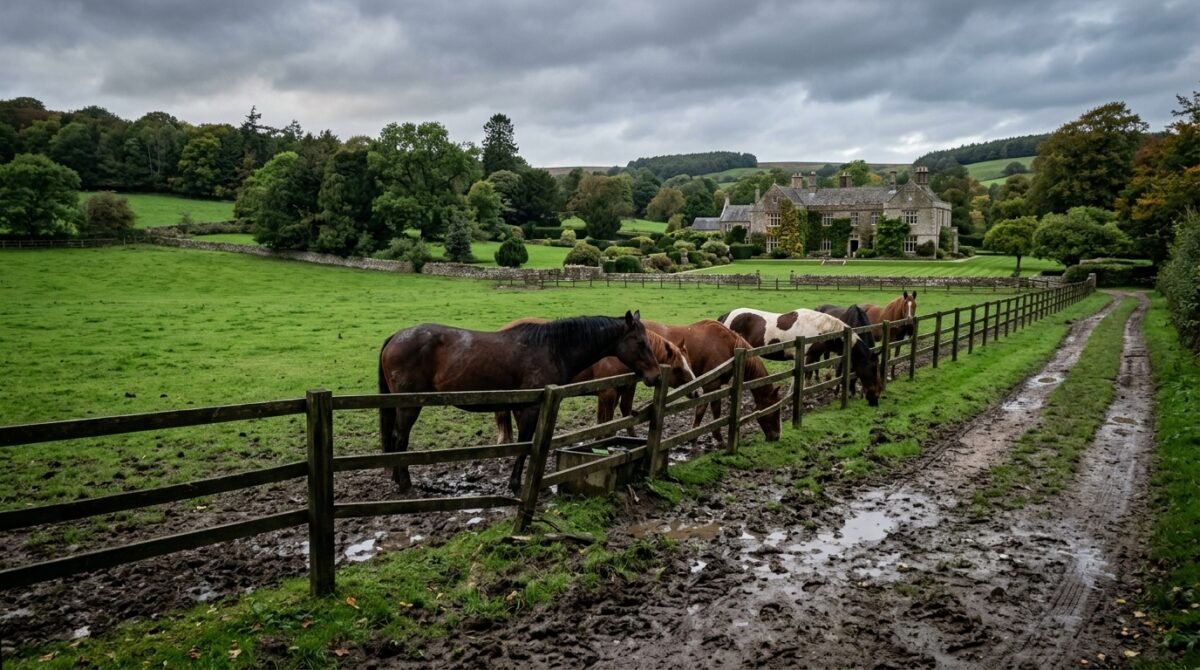
I have always believed that land ownership comes with a sacred kind of responsibility. Three years ago, I finally saved enough to purchase forty acres of rolling hills—my ‘forever property.’ It wasn’t just a house; it was a sanctuary where I planned to retire, grow my own food, and enjoy the silence that city living had stripped away from me. I was clear with my family from the start: this was a private retreat, not a party house, not a campsite, and certainly not a place for business.
My cousin, Sarah, had always been ‘the horse girl’ of the family. She was passionate, driven, and perpetually short on funds for the lifestyle she wanted to maintain. When she asked if she could board her one personal horse on my property for a ‘few months’ while she transitioned between trainers, I felt like a good cousin. I drew up a simple, friendly agreement: she could keep her mare, Belle, in the south pasture, provided she handled the fencing maintenance and ensured the animal stayed within the designated perimeter.
I never imagined that my act of familial kindness would become the catalyst for a systematic takeover of my home. The ‘few months’ turned into a year, and the ‘one horse’ quietly multiplied into a herd of six. I was working long hours at my consulting job, often traveling for weeks at a time, and I assumed Sarah was keeping to the agreement. I was wrong. She wasn’t just keeping her horse; she was running a full-scale, for-profit boarding stable on my land, collecting monthly fees from complete strangers while I paid the property taxes and insurance.
The realization hit me on a Tuesday morning when I returned home early from a business trip to find a horse trailer blocking my driveway and a woman I had never met shouting at my front gate because the water trough was empty. The level of audacity was breath-taking. I realized then that my cousin hadn’t just crossed a boundary; she had treated my property as her own personal asset to exploit for her own gain. This is the story of how that small favor turned into a legal nightmare that would eventually force me to call the county inspector and sever ties with my own blood.
The Subtle Creep of the Herd
It started so innocently that I barely noticed the shift. I would come home after a long week to find a new water bucket here, a stack of hay bales there. When I asked Sarah about it, she always had a practiced excuse ready. ‘Oh, that’s just some extra gear I bought for a friend’s horse,’ she would say with a shrug. ‘I’m just holding onto it so it doesn’t get ruined by the rain.’ I, foolishly, gave her the benefit of the doubt.
The psychological manipulation was subtle. By normalizing the presence of extra equipment, she was slowly turning my land into a business site. I remember asking her point-blank once if she was keeping other people’s horses, and her response was so indignant that I felt guilty for even asking. She played the family card perfectly, making me look like the cold, heartless cousin who couldn’t spare a patch of grass for a struggling relative.
As the months ticked by, the south pasture began to degrade. The grass was being overgrazed at an alarming rate, and the mud pits were expanding toward my garden. I spent my weekends patching fences that were failing under the weight of animals that I hadn’t agreed to house. Sarah’s presence became a constant, looming shadow on my property, and her behavior shifted from grateful to entitled. She started treating my barn, which I had clearly labeled as a private garage, like her own personal tack room.
One Saturday, I returned home to find three strangers in my arena—which was supposed to be for my own personal use—practicing dressage. When I approached them, they looked at me with confusion. ‘Sarah said we could use this space for an hour,’ one of them told me. I felt a cold knot tighten in my stomach. It wasn’t just about the horses anymore; it was about the fact that my private sanctuary had been turned into a public venue without my knowledge.
“Sarah, we need to talk. I saw three strangers in the arena this morning. I never gave you permission to host lessons or training sessions here. This has to stop immediately.”
— Sent via Text, 10:45 AM
Her reply was typical of her gaslighting tactics. She didn’t acknowledge the boundary violation; instead, she attacked my tone. She claimed that I was being ‘stifling’ and that she was ‘just trying to help out some friends’ who were in a pinch. She knew exactly what she was doing—using her status as family to hold me hostage in my own home.
The Discovery of the Financial Paper Trail
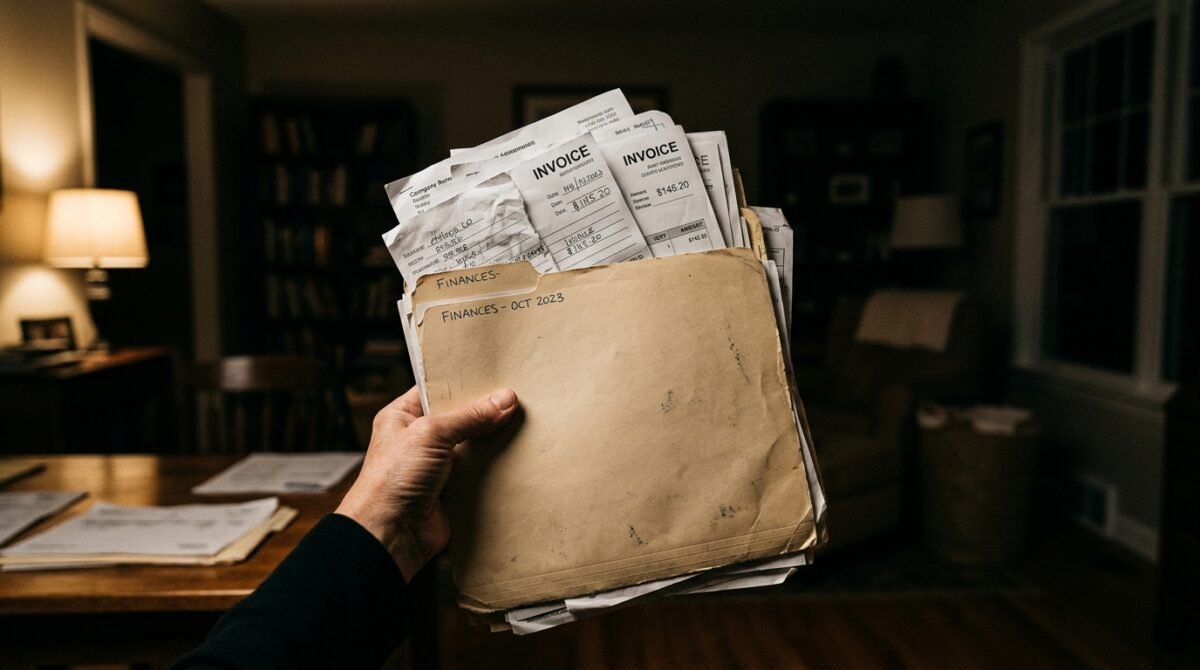
The tipping point didn’t happen because of the horses; it happened because of an envelope. I was cleaning out the communal mudroom area—which Sarah had colonized—when I found a manila folder tucked behind a storage bin. Curious, I opened it and felt the color drain from my face. Inside were invoices, boarding contracts, and a ledger detailing payments from four different horse owners. She was charging them six hundred dollars a month for full-service boarding.
The math was staggering. She was bringing in nearly three thousand dollars a month, all while I was paying for the electricity, the water, and the inevitable damage to the soil and property structure. I felt violated in a way that is hard to articulate. It wasn’t just the money; it was the sheer, calculated deceit involved in running a clandestine business on someone else’s land. She was profiting directly off my good nature.
I spent that night in my office, pouring over the receipts. I realized that the wear and tear on my property was easily worth double what she was making in profit. Every day she stayed, the resale value of my land plummeted. The insurance liability alone was enough to keep me awake at night. If one of those horses kicked one of those clients, who would they sue? They would sue the property owner—me.
I didn’t confront her immediately. I knew that if I did, she would just hide the evidence or lie to my face again. I started taking photos of every single horse on the property. I logged every time a vehicle entered my gate. I created a digital trail of my own that would eventually serve as the foundation for the legal action I knew I would have to take. I was no longer being a good cousin; I was gathering evidence for an eviction.
“I found your folder, Sarah. I know about the boarding business. I know about the invoices. I know you’re charging people to use my land. Get them off my property by the end of the month.”
— Face-to-Face Confrontation
She didn’t even try to deny it. She just stood there, arms crossed, looking at me like I was the one who had committed a crime. She told me I was being ‘greedy’ and that as family, I should be happy to help her build her career. Her lack of remorse was the final nail in the coffin for our relationship.
The Failed Mediation and Family Pressure

Once the secret was out, the family dynamic turned toxic. Sarah didn’t take the eviction notice well; instead, she went to our aunt and grandmother, spinning a tale about how I was ‘evicting her’ because I was jealous of her success with the horses. Suddenly, my phone was blowing up with messages from relatives I hadn’t spoken to in months, all telling me to ‘be the bigger person’ and let her stay.
It was a masterclass in manipulation. My grandmother called me, her voice trembling with disappointment, telling me that ‘family is all we have’ and that I was being unforgiving. She didn’t know the half of it. She didn’t know about the strangers in my arena, the liability, or the fact that Sarah had been lying to her clients about who actually owned the property. The pressure to fold was immense, but I knew that if I caved now, I would never get her off my land.
I tried one last time to be reasonable, offering her a formal contract where she would pay for the utilities and the insurance liability, but she laughed at the offer. She wanted the land for free, and she wanted the control to come and go as she pleased. That was the moment I realized she didn’t see me as an equal or a relative; she saw me as a landlord she could exploit until I had nothing left to give.
The family gatherings became impossible. I was the pariah for daring to enforce a boundary on my own investment. I started declining invitations, which only fueled the fire. They started calling me ‘the recluse,’ ignoring the fact that my ‘reclusion’ was a result of the trauma of having my private life invaded by someone I trusted. The emotional toll was heavier than the financial one, but I stood my ground.
“You’re really going to throw your own cousin out over a few horses? This is so petty. You have so much space, why are you being so difficult about this?”
— Aunt Martha, Phone Call
I didn’t answer the question directly. I just told them that the decision was final and that if she wasn’t off the property by the end of the month, I would be taking legal action to remove her. The silence on the other end of the line was deafening. I realized then that my relationship with my family was secondary to their need to maintain a facade of peace, even if that peace was bought at my expense.
The Certified Letter and the First Warning

When the end of the month arrived, not a single horse had left. In fact, she had brought in another client, promising them a ‘long-term boarding agreement’ that she had no right to sign. It was clear that she was betting on me not having the spine to follow through with formal action. She thought I was bluffing, that the threat of a family feud would keep me from taking the next step. She was wrong.
I sent a certified letter to her current address and a copy to the property address. It was a formal ‘Notice to Vacate,’ drafted with the help of a local property attorney. It outlined the unauthorized commercial use of the land, the liability risks, and the clear violation of the original, verbal agreement regarding personal use only. The tone was professional, cold, and entirely devoid of the family sentiment that had kept me trapped for so long.
When she received the letter, she came to my door screaming. She accused me of trying to ‘ruin her life’ and ‘destroying her business.’ I didn’t let her inside. I stood on my porch, recorded the entire interaction, and told her that if she didn’t leave by the new deadline, the next letter she received would be from the sheriff’s department. It was the hardest thing I’ve ever had to do, but as I watched her walk away, I felt a strange sense of liberation.
The atmosphere on the property changed after the letter was delivered. It became icy, hostile, and incredibly tense. I stopped leaving the house when she was around. I installed additional security cameras around the perimeter of the pastures to ensure she wasn’t sabotaging anything in retaliation. It felt like living in a war zone, but I knew I was winning. The legal weight of the document had clearly shaken her.
“This is harassment! You can’t just evict me like a common tenant! We’re family! Do you have any idea how much this is going to cost me to move six horses?”
— Sarah, shouting at the front gate
I didn’t feel bad for her anymore. She had made a choice to build her business on a foundation of lies and theft. The cost of moving those horses was a direct consequence of her own arrogance. I closed the door, locked it, and went back to my work, leaving her to face the reality of the situation she had created.
The County Inspector Steps In
Even after the notice, she lingered. She started stalling, telling me that she couldn’t find a new facility on such short notice. I knew it was another stall tactic designed to wear me down. That was when I realized the county had strict zoning laws regarding commercial animal boarding on residential properties. A quick look at the local ordinances confirmed my suspicions: without a commercial permit, what she was doing was illegal.
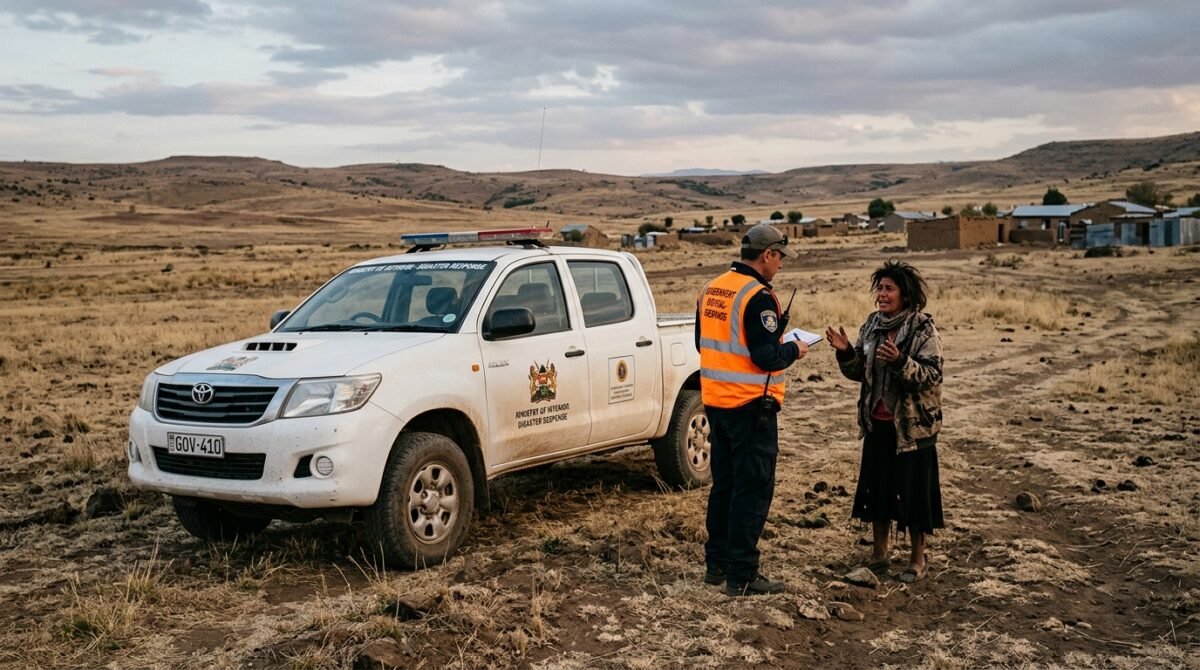
I didn’t call the police; I called the county inspector. I explained the situation, provided the evidence of the boarding contracts I had found in her folder, and pointed out the overgrazing and potential waste management issues that were violating local land-use codes. The inspector was surprisingly helpful. He told me that they had been receiving complaints about the traffic on my road, and that a site visit was already in the works.
When the inspector arrived, he didn’t mince words. He walked the property, inspected the makeshift stalls she had built without permits, and documented the manure runoff that was dangerously close to the local water table. Sarah was there, and for the first time, I saw her look genuinely terrified. She tried to explain it away as a ‘hobby,’ but the inspector pointed to the stack of boarding contracts and the commercial-sized hay deliveries.
The inspector gave her a strict 72-hour window to cease all commercial operations and begin the removal of the animals. If she didn’t comply, the county would seize the animals for improper housing. The look on her face was one of pure, unadulterated shock. She had spent months thinking she was above the rules because she was family, only to find out that the law doesn’t care about family trees.
“The zoning code is very clear, ma’am. This is a residential property, not a commercial stable. You are in violation of multiple ordinances. You have three days to vacate these animals.”
— County Inspector, speaking to Sarah
She didn’t look at me as the inspector left. She just collapsed onto one of the hay bales, defeated. The power dynamic had shifted completely, and for the first time since she moved onto my land, I felt like the owner of my own property again. The ordeal was nearing its end, and the consequences of her actions were finally landing.
The Great Departure
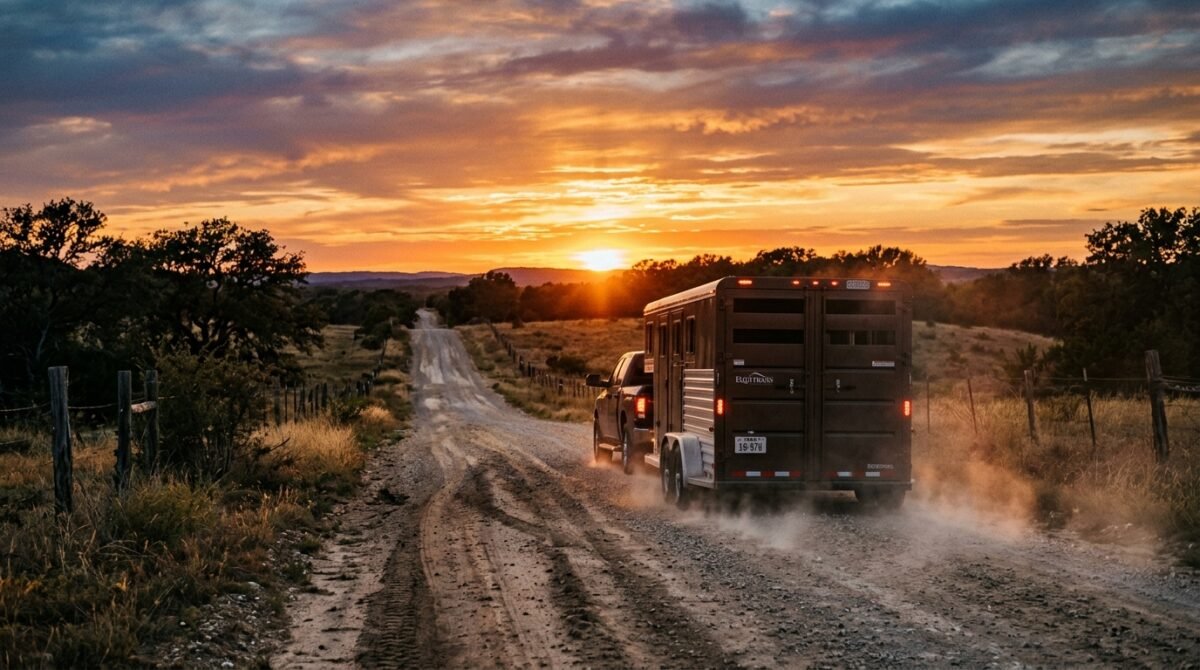
The next three days were a whirlwind of activity. Sarah, realizing she had nowhere else to turn, finally started reaching out to other boarding facilities. Watching her scramble to find space for the horses she had been using to exploit my land was deeply satisfying, though I took no joy in the animals’ discomfort. I made sure to stay out of the way, watching from the security feed as the trailers arrived and departed.
She didn’t try to say goodbye. She didn’t apologize. She just packed her belongings into a horse trailer and disappeared down the gravel road, leaving behind a mess that I would be cleaning up for months. I walked the pastures after she left, looking at the trampled earth and the broken fences. The silence that returned to my property was the most beautiful thing I had ever heard.
I hired a crew to deep-clean the barn and restore the pasture. The cost was significant, but it was worth every penny to reclaim my space. I found forgotten items—tack, buckets, even some personal documents—that I simply gathered into a pile and left at the end of the driveway. I didn’t want any more contact with her. The chapter was closed, and I wanted it to stay that way.
My family, of course, was furious. They saw the departure as an act of betrayal on my part. I received dozens of angry texts and voicemails, each one more toxic than the last. They called me names and accused me of being a monster. I blocked them all, one by one. I realized that if they valued Sarah’s entitled behavior more than my right to live in peace on my own property, they had no place in my life.
“You’ve ruined her career. I hope you’re happy with your empty fields. You’ve lost your family over this.”
— Text message from Mom, sent shortly after Sarah left
I read the message, felt a brief pang of sadness, and then deleted it. I hadn’t lost my family; they had shown me their true colors. The emptiness of my fields wasn’t a loss; it was a blank canvas that I could finally use the way I had always intended. The peace I felt was worth more than any strained relationship.
The Aftermath: Rebuilding My Sanctuary
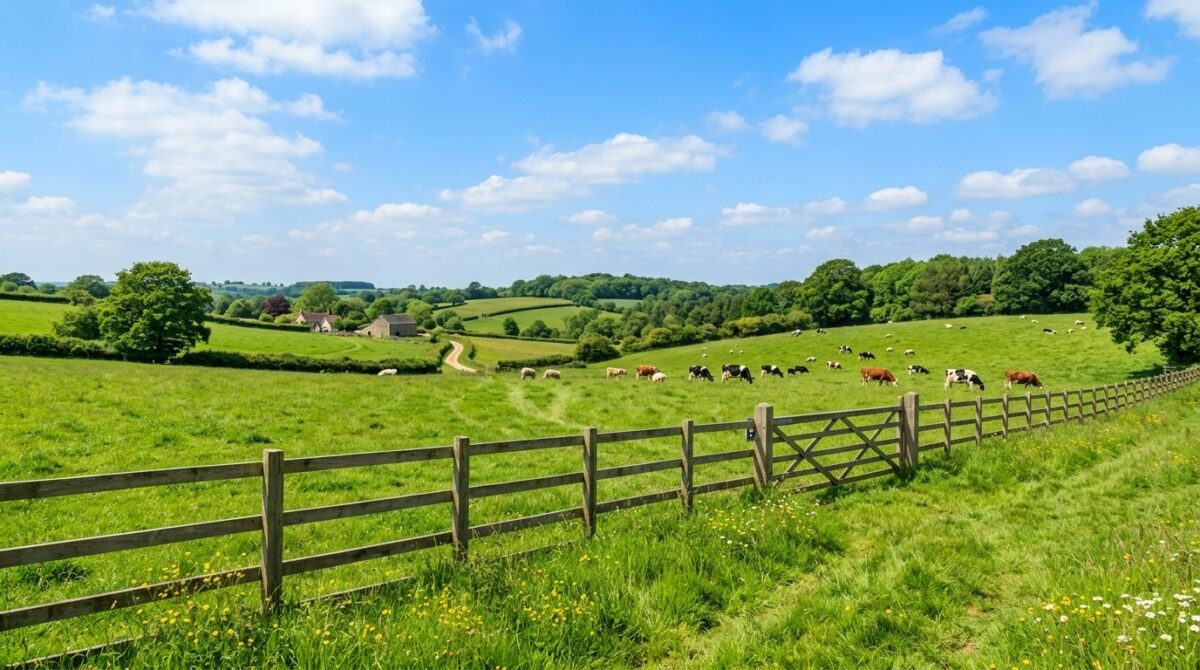
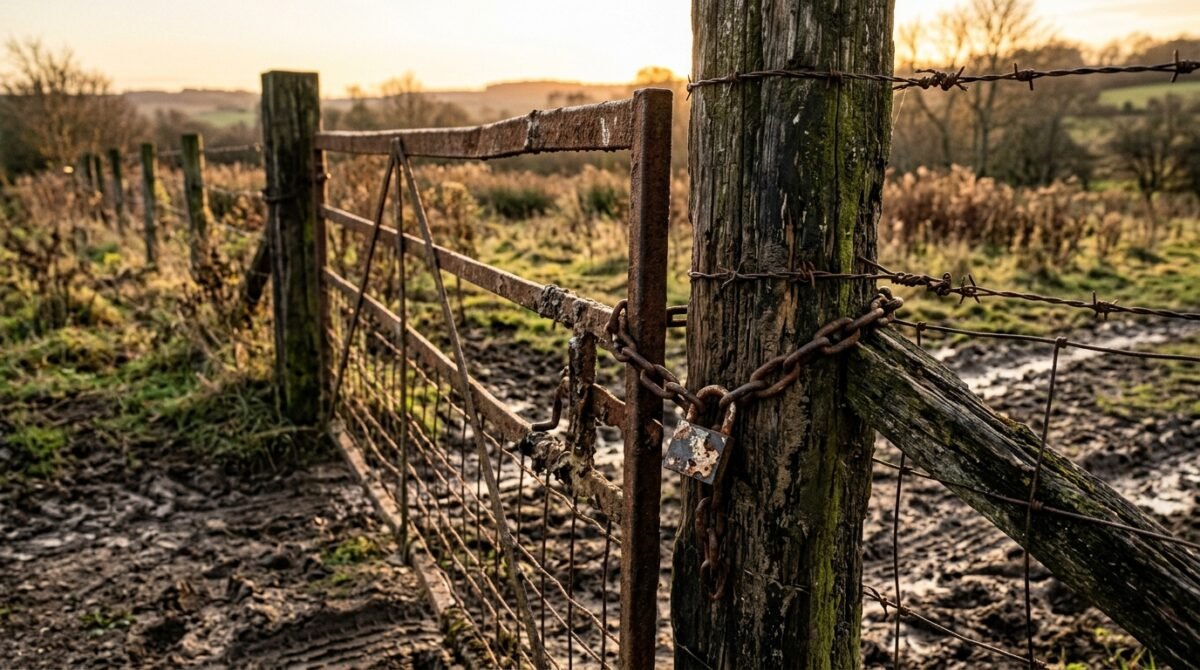
It took six months to fully restore the pasture and repair the damage to the infrastructure. I replanted the native grasses and built a new, stronger gate that was locked at all times. I also installed a high-tech security system that covers every inch of the property. I learned the hard way that when you own land, you have to be vigilant. You have to be the gatekeeper of your own life.
I started enjoying the property the way I always imagined. I spent my mornings with a coffee on the porch, listening to the birds, and my afternoons working on my garden. The absence of the horses was not a void; it was a relief. The land began to heal, and with it, I started to feel like myself again. The trauma of the intrusion faded, replaced by a deep appreciation for the quiet.
I also started attending therapy to process the family fallout. It was difficult to come to terms with the fact that I had to cut off so many people, but it was necessary for my mental health. I learned that boundaries are not just suggestions; they are the walls that protect our well-being. I realized that my willingness to be the ‘nice one’ had been my biggest vulnerability, and I promised myself I would never let that happen again.
The property is finally what I dreamed of. It is a place of solitude, growth, and peace. I don’t look back at the drama with anything other than a sense of relief that it’s over. I have learned to love my land, and in doing so, I have learned to love myself enough to protect what is mine. The experience was a trial by fire, but it forged a version of me that is stronger and more resilient than I ever was before.
“I don’t regret it. I regret letting her stay as long as I did, but calling the inspector was the only way to save my home. I’d do it again in a heartbeat.”
— My internal reflection, written in my journal
Today, I live a quiet life, unbothered and untroubled. The gate stays closed, the land is healthy, and I haven’t heard from my cousin in over a year. The silence is finally mine, and I have no intention of ever giving it up again.
The Reddit Verdict: Community Reaction

I shared my story on a popular forum to see if I was truly the villain, as my family claimed. The response was overwhelming. People from all over the world weighed in, and for the first time, I felt understood. The community was unanimous: I was not the bad guy, and my cousin was a prime example of entitlement.
The comments were supportive, validating, and, in many ways, very insightful. People shared their own stories of boundary-crossing relatives and gave me advice on how to handle the family fallout. It was a community-driven therapy session that helped me realize that the gaslighting I had been subjected to was not my fault. The ‘NTA’ (Not The Asshole) verdicts kept rolling in, and they were the validation I needed.
Some users even pointed out the legal risks I had narrowly avoided. They mentioned that if I hadn’t called the inspector, I could have faced a massive lawsuit if a client had been injured. It was a sobering thought, but it reinforced my decision to take action. The internet, for all its flaws, was a source of comfort during a time when I felt entirely isolated by my own family.
I read every comment, and they helped me reframe the entire situation. I stopped seeing myself as the person who ‘ruined’ her life and started seeing myself as the person who saved my own. The collective perspective of thousands of strangers gave me the strength to stay NC (No Contact) with the toxic members of my family, and for that, I am eternally grateful.
“This isn’t just about the horses. This is about your cousin viewing you as a resource rather than a person. You did exactly what you needed to do to survive. NTA.”
— u/PropertyRightsAdvocate (Top Comment, 32.1k upvotes)
The community reaction wasn’t just about siding with me; it was about the shared understanding of how hard it is to say ‘no’ to family. It was a reminder that I wasn’t alone in my struggle and that many others had walked this path before. Their support was the final piece of the puzzle in my journey toward healing.
The Lessons of Property and Power
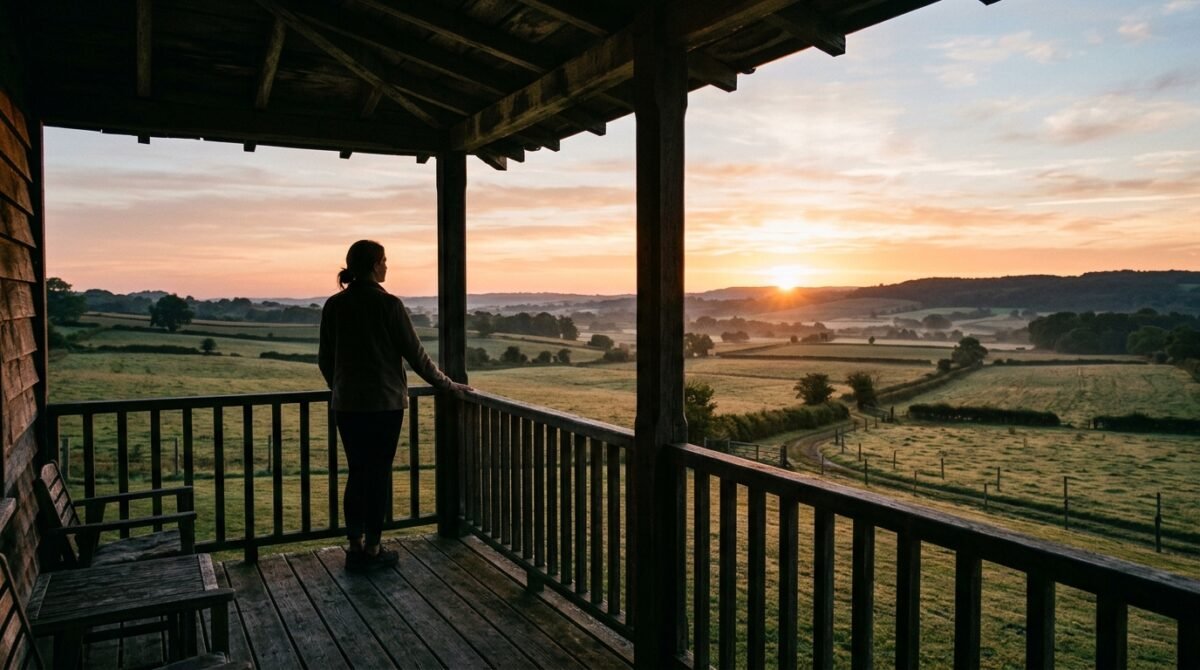
Looking back at the whole ordeal, the biggest lesson I learned was that ownership is a profound responsibility. When you own land, you are the steward of that space. You cannot be a steward if you allow others to dictate what happens on it. I had to learn that ‘nice’ is not the same as ‘kind,’ and that protecting myself is a form of kindness to my own future self.
I also learned about the true nature of family. If a relationship is contingent on you being exploited, it is not a relationship; it is a transaction. I realized that my family’s loyalty was predicated on my compliance, and that was a deal I was no longer willing to make. It was painful to lose those connections, but the relief of living in authenticity far outweighs the cost of their disapproval.
I have become much more assertive in every area of my life. I don’t apologize for my boundaries, and I don’t feel the need to explain my decisions to those who aren’t interested in my well-being. The experience stripped away the people-pleasing tendencies that had defined my early adulthood and replaced them with a quiet, steady confidence in my own voice.
I hope that anyone reading this who is in a similar position takes heart. You have the right to your own space, your own time, and your own peace. Don’t let anyone convince you otherwise, no matter who they are. The path to reclaiming your home is hard, but it is worth it. You are the architect of your own sanctuary, and you have every right to keep it sacred.
“Setting boundaries with family is the hardest thing you will ever do, but it is also the most important thing you will ever do for your own sanity.”
— Wisdom from a reader in the comments
My final piece of advice? Trust your gut. If something feels like an intrusion, it is. Don’t wait for it to escalate; don’t wait for a crisis. Take control of your property, your life, and your happiness before the situation takes control of you.
The Final Word: A New Era

I am writing this from my porch, overlooking the same forty acres that started this whole saga. The grass is lush and green, the fences are secure, and for the first time in years, the only sound I hear is the wind moving through the trees. My home is finally my own, a sanctuary that belongs only to me. It is a place of quiet reflection and deep, lasting peace.
I have moved on from the bitterness. I don’t hate my cousin anymore; I pity her. She is still chasing a lifestyle that isn’t hers, still using people to get what she wants, and still living a life built on a foundation of sand. I, on the other hand, am building something real. I am tending to my land, growing my future, and protecting the peace I worked so hard to achieve.
I am still no-contact with the family members who enabled her. I have made my peace with that. I have replaced the noise of family drama with the silence of nature, and it has been the best exchange I have ever made. I am a different person than I was three years ago—stronger, more centered, and more committed to the life I want to live.
If you find yourself in a similar situation, remember that your home is your castle. Do not let anyone turn it into a battlefield. Be firm, be clear, and be willing to take the steps necessary to protect what belongs to you. It might be hard, it might even be devastating in the short term, but the life waiting for you on the other side of the boundary is worth it.
“The most important boundary you will ever set is the one that protects your own home. Never apologize for protecting your sanctuary.”
— My personal mantra for this chapter of my life
Thank you for listening to my story. It wasn’t easy to write, but it was a necessary step in my own healing. I hope this helps anyone else struggling with the weight of family entitlement. You aren’t alone, and you deserve to live in peace.
Conclusion
This journey has been a long and arduous one, but it has reinforced the importance of property rights and the necessity of firm boundaries in all relationships. When I purchased my acreage, I wanted a sanctuary, and though it took an exhausting battle to get it back, I have finally reclaimed the peace I was promised. The fallout with my family was the hardest part, but as many of you have shared, you cannot set yourself on fire to keep others warm. The lessons learned here go far beyond horses and fences; they are about self-respect and the courage to stand up for your own space.
I hope this story encourages others to realize that they have the right to say ‘no’ to family, especially when that family is crossing lines that compromise your home and your future. Don’t let guilt dictate your boundaries. Protect your life, protect your land, and don’t be afraid to use the tools available to you—whether that’s a legal notice or a county inspector—to ensure that your home remains your own.
What about you? Have you ever had to draw a hard line with a family member who refused to respect your home? Did you face the same kind of backlash, or were you able to find a middle ground? Let’s discuss this in the comments—I’d love to hear your experiences and continue this important conversation about family dynamics and personal boundaries.
Poll: If a family member took advantage of your home for personal gain, would you:
A) Try to mediate and talk it out until they eventually leave on their own.
B) Immediately involve legal/county authorities to protect your property rights.
C) Cut them off entirely without explanation to save your sanity.
D) Something else? (Tell us in the comments!)
What's your verdict on this dilemma?
Vote below to contribute to the official community consensus.

Have a Dilemma Keeping You Up at Night?
Share your real-life feud, wedding chaos, or relationship crossroads anonymously with our editorial team.
What do you think ?
0 Comments🛡️ Comments are moderated to protect community integrity. Your comment will appear once approved by the editorial team.