
Grief is a peculiar thief. It steals your focus, your energy, and sometimes, your sense of perspective. When my grandmother, Nana Rose, passed away, the world felt as though it had ceased to turn. She was the matriarch of our family, a woman whose hands were never still, constantly stitching together intricate quilts that told the stories of our lineage. I was her primary caregiver in her final year, and when the inevitable happened, I didn’t hesitate to step up. I drained my savings, picked up extra shifts, and borrowed against my future to ensure she had the dignified memorial she deserved. It was the last thing I could do for her, and I did it with a heavy but clear heart.
However, the transition from mourning to the cold reality of estate distribution was a jarring one. While I was busy finalizing the cemetery plot fees and battling with the funeral home’s final invoice, my Aunt Linda—a woman whose relationship with my grandmother had been, at best, strained—had her own agenda. She didn’t see Nana’s home as a sanctuary of memories; she saw it as an opportunity. Behind my back, she began the process of ‘clearing out’ the house, not with the grace of a grieving daughter, but with the ruthless efficiency of a liquidator.
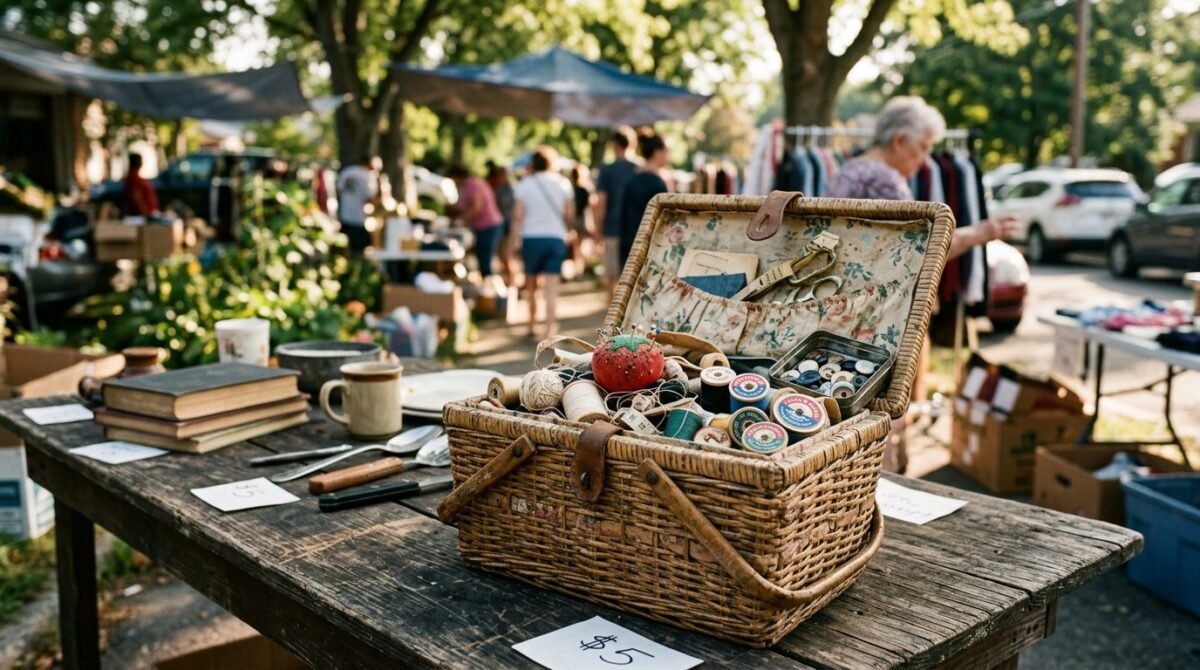
I discovered the truth on a Saturday morning, purely by accident. I had driven over to drop off some paperwork, expecting to find the house quiet and reflective. Instead, I was met with the sight of plastic folding tables lining the driveway, covered in my grandmother’s life’s work. There were hand-sewn linens, heirlooms that had survived three generations, and personal items that were never meant to be sold. The indignity of seeing a stranger haggle over a price for a quilt Nana had spent months hand-stitching in her final years felt like a physical blow.
The moral dilemma here isn’t just about the money, though the financial sting of paying for the funeral while she profited from the house was significant. It’s about the erasure of a legacy. Aunt Linda viewed those treasures as inventory. I viewed them as the last physical remnants of a woman who held our family together. This wasn’t just a yard sale; it was a betrayal of the highest order, carried out in the shadow of a funeral I was still paying off.
As I confronted her on that driveway, the air thick with the humidity of a summer morning and the stench of burning bridges, I realized that some family ties aren’t just frayed; they are severed. This is the story of how a weekend of greed tore my family apart, the fallout of the ‘liquidation,’ and the hard lessons I learned about what we owe to the dead and what we owe to ourselves.
The Silence Before the Yard Sale Storm
The week following the funeral was a blur of paperwork and exhaustion. My bank account was hollow, my credit cards were maxed out, and I was running on nothing but coffee and the lingering scent of lilies. I had trusted Aunt Linda to handle the ‘simple’ tasks at the house while I dealt with the bureaucracy of death certificates and funeral insurance claims. She had promised me she was just organizing, sorting through the clothes to donate, and keeping the house tidy until we could decide what to do with the property.
I remember sitting in my car, looking at the funeral home receipt for the third time, feeling a sense of pride that I had handled everything on my own. I wanted Nana to have a beautiful send-off, and I hadn’t asked for a dime from anyone, believing that my family would eventually contribute once the dust settled. I was naive, of course. My aunt hadn’t even checked in to see if I was holding up; she had just gone silent, which I took for a sign of her own way of processing the loss.
I didn’t realize that her silence was actually the sound of a plan being put into motion. She wasn’t grieving; she was preparing a catalog. She had spent the last several nights scouring the attic, the linen closet, and even the china cabinet, tagging items for a sale she hadn’t bothered to mention to me or any of the other cousins. The secrecy was the most painful part—the calculated exclusion of the one person who had been there for Nana every single day until the end.
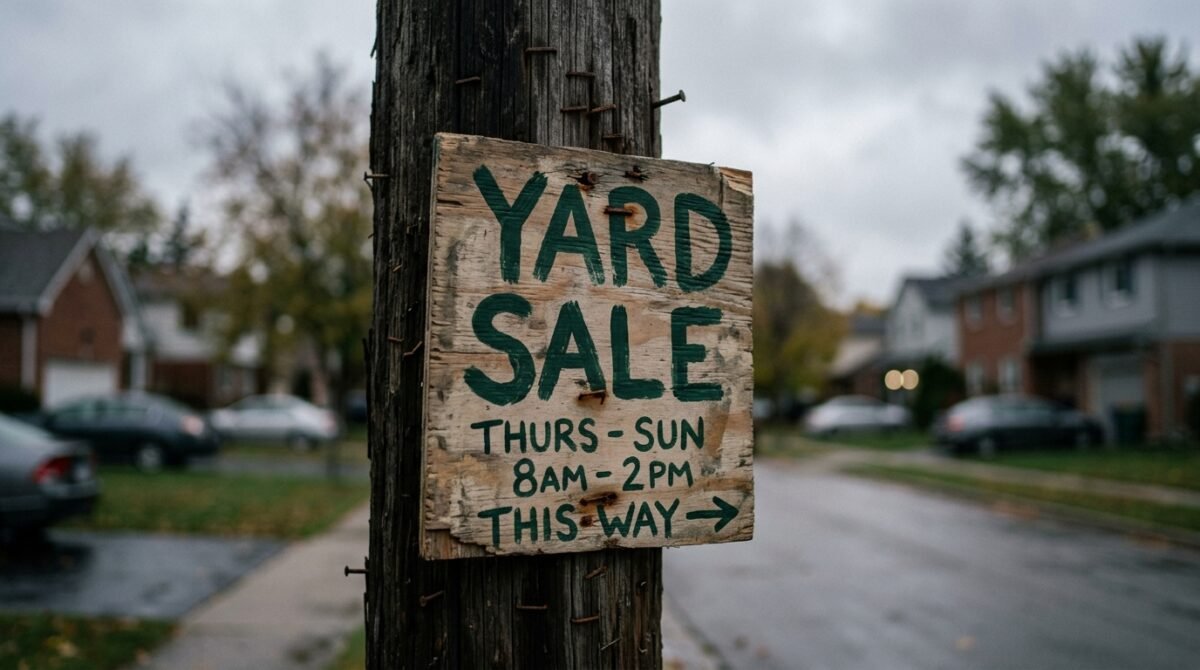
When I finally drove up that Saturday morning, the sight of the ‘YARD SALE’ signs stapled to the telephone poles on the corner hit me like a physical punch to the gut. I saw my neighbor, Mrs. Gable, holding one of Nana’s hand-embroidered pillowcases, haggling with Aunt Linda over a five-dollar price tag. My breath hitched. It was like watching someone sell the organs of a loved one while they were still being mourned.
“Excuse me, Linda? What in God’s name is happening here? Those are Nana’s things. They weren’t yours to sell!”
— Me, confronting Aunt Linda in the driveway
Linda didn’t even look ashamed. She just wiped her hands on her apron and gave me a look of pure, unadulterated annoyance. She looked at me as if I were a customer interfering with a business transaction, not a family member discovering a betrayal. The scene felt surreal, a nightmare playing out in high-definition sunlight.
The Confrontation Among the Quilt Scraps
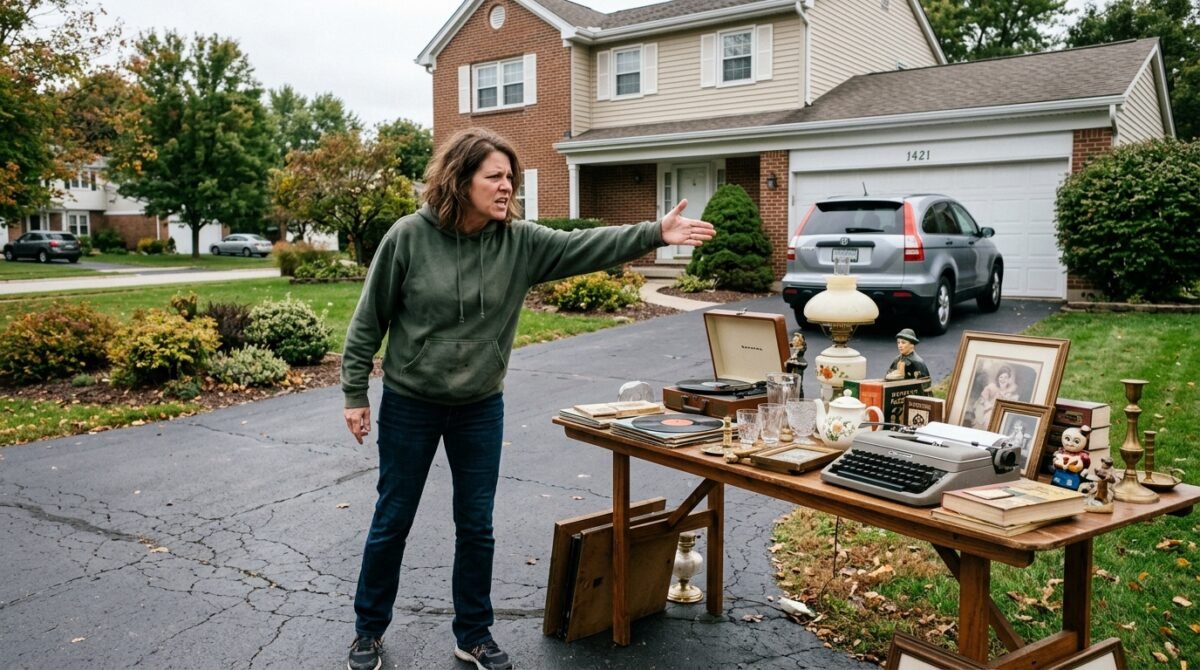
“You’re making a scene,” Linda hissed, her voice low and sharp, cutting through the ambient noise of the suburban neighborhood. She stepped away from the table, trying to herd me toward the side of the house, away from the prying eyes of the neighbors. She wanted to keep the veneer of normalcy intact, but the damage was already done. People were already looking, their curiosity piqued by the sudden friction between the niece who had been the favorite and the aunt who had always been the black sheep.
“I don’t care about the scene, Linda,” I replied, my voice shaking with a mix of rage and disbelief. “I am literally paying for the funeral that happened three days ago, and you are selling the very things that were meant to be kept as family history. Why didn’t you tell me? Why didn’t you ask me or the rest of the family if we wanted any of this?”
She rolled her eyes, a gesture I had seen her make a thousand times during family holidays, but today, it felt like an act of war. “You were too busy playing martyr with the funeral arrangements,” she snapped. “Someone had to do the work. The house needs to be cleared, the realtor is coming on Monday, and I needed to get rid of the clutter. You think all this junk was going to pay for itself? I’m doing the heavy lifting, and if I make a few bucks for my time, that’s just fair compensation.”
“Fair compensation? You’re selling Nana’s hand-sewn heirlooms for literal pennies while I’m drowning in debt from the services you didn’t help with. You’re not liquidating, Linda, you’re looting.”
— The heated argument in the driveway
The audacity of her statement left me momentarily speechless. She had conveniently forgotten that the ‘clutter’ she was selling was the result of a lifetime of love and labor. She wasn’t just selling items; she was selling memories, and she was doing it without the consent of a single person in our family. The fact that she felt entitled to the proceeds while I held the bag for the funeral costs was the ultimate slap in the face.
I looked at the table again. There, sitting in a plastic bin, was the quilt Nana had started when my mother was a child, a piece that was supposed to be passed down. Seeing it marked with a price tag made me realize that Linda had no respect for our heritage. To her, everything had a price, and my grandmother’s life was nothing more than a series of assets to be converted into cash.
The Hidden Group Chat Exposé

The argument in the driveway was only the beginning. Later that evening, after I had successfully forced her to pack up the remaining items, I found myself added to a group chat I hadn’t been part of before. My cousin, who had been conspicuously absent during the funeral, had accidentally added me to ‘The Estate Cleanup Crew’—a chat where Linda and several of her friends were discussing the sale in real-time. The texts were a masterclass in callousness, revealing a side of my aunt I had never truly known.
I scrolled through the messages, my thumbs hovering over the screen, reading lines that made me physically ill. They were joking about how easily the neighbors were fooled, how much money they had raked in by lunchtime, and—most unforgivably—mocking me for being ‘the drama queen who thinks she owns the house.’ The level of contempt was staggering. They saw my grief as a performance and my financial burden as a tactical error on my part.
“Does anyone else think it’s hilarious that she’s actually paying for the funeral? Let her pay, honestly. We get the house cash and she gets the bill. Just keep the good stuff for us, the rest sells to whoever has a five-dollar bill.”
— Text message from Aunt Linda in the family group chat
I took screenshots of every single message. I didn’t say a word in the chat. I just observed, watching as they discussed which items were worth keeping for themselves and which were ‘junk’ to be sold off to the highest bidder. It was a cold, calculated betrayal. These were the people I had been sharing my home with during the holidays, the people I had invited to every milestone. I realized then that I wasn’t part of their family; I was just an obstacle to their profit.
The realization that they were actively conspiring against me while I was still grieving hit me harder than the funeral costs ever could. It wasn’t just about the money anymore. It was about the fact that they had been lying to my face for weeks, feigning sympathy while plotting to strip the house bare. The betrayal was complete, and the trust I had held for them for years evaporated in the span of a few screen scrolls.
I sat in my living room, the glow of the phone reflecting in my tear-filled eyes, and decided that I was done playing the role of the submissive, grieving relative. If they wanted to treat this like a business, then I would treat it like a legal matter. I sent a copy of the screenshots to the rest of the family, including the aunt’s siblings, not to beg for help, but to document the rot that had set in at the heart of our family.
The Reddit Trial: Seeking Public Perspective

I didn’t know where else to turn, so I did what so many people in my position do: I took the story to the internet. I created a throwaway account and posted the entire situation on r/AmItheAsshole and r/LegalAdvice. I needed to know if I was losing my mind, or if my reaction was justified. The response was immediate and overwhelming. Thousands of people weighed in, and the validation I received was both comforting and incredibly sad. It turned out I wasn’t alone, and the sheer magnitude of the public outrage provided a strange sort of solace.
The community was ruthless toward my aunt. They didn’t see a ‘relative cleaning up’; they saw an opportunist exploiting a tragedy. The comments poured in, dissecting the legal and moral implications of what had happened. Some suggested I call the police, others told me to get a lawyer, and many reminded me that I had no legal obligation to pay for the funeral if the estate had assets—a point I had completely overlooked in my blind grief.
“OP, you are NTA. This is textbook elder exploitation and estate theft. Do not pay another cent for that funeral. You need to file a formal complaint with the executor of the estate immediately. Get a lawyer. Your aunt is essentially selling stolen property.”
— u/LegalEagle88 (Top Comment, 32.1k upvotes)
Reading the comments helped me realize that I had been playing by a set of rules that no one else was following. My sense of duty had been exploited. I had been raised to believe that family comes first, but my family had clearly decided that profit came first. The internet offered a cold, hard look at the reality of the situation, stripping away the emotional weight and showing me the mechanics of the betrayal.
There were also those who cautioned me about the fallout. They warned me that if I pushed back, the family would turn on me, that I would be the villain in their narrative. But I realized that I was already the villain in their story—the ‘troublemaker’ who stopped them from selling off the heirlooms. If I was going to be the bad guy, I might as well make sure I was the one who kept the integrity of my grandmother’s memory intact.
The support from strangers made me feel stronger. It empowered me to stop apologizing for wanting to protect what was left of Nana’s legacy. I wasn’t doing this for the money; I was doing this for the woman who had poured her soul into those quilts. And if that meant burning down my relationship with Aunt Linda, then so be it. The bridges were already charred; I was just the one who finally decided to let them fall.
The Legal Ultimatum: A Turning Point
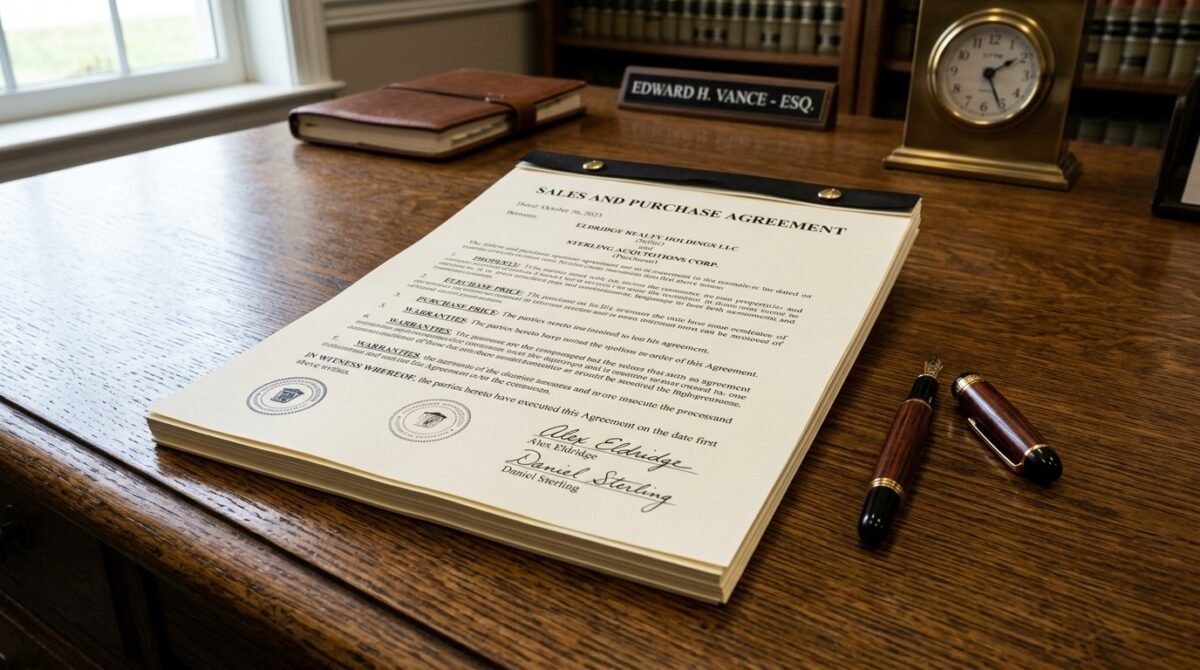
Armed with the advice from the online community and a newfound sense of clarity, I contacted a local estate attorney. I realized that my aunt’s actions weren’t just morally bankrupt; they were likely illegal. As the house was technically part of an estate that hadn’t been fully probated, the items she sold didn’t actually belong to her yet. She had effectively stolen from the estate to line her own pockets. The attorney was blunt: stop paying for the funeral out of pocket and start documenting every asset she had touched.
I drafted a formal letter, not a text message, but a certified letter sent to her address. It demanded a full accounting of every item sold, the total proceeds, and a cessation of any further ‘liquidation’ activities. I also informed her that I would be seeking legal restitution for the funeral expenses I had already paid, which would be deducted from her share of the inheritance. It was the first time I had ever stood up to her, and the feeling was electric.
“This is a formal notice that your unauthorized liquidation of estate assets is being investigated. All proceeds from the weekend sale must be surrendered to the estate account immediately. Further action will be taken if these items are not accounted for.”
— Excerpt from the legal demand letter sent to Aunt Linda
The response was silence for three days. Then, the phone calls started—not from her, but from other family members who were now panicked. They were calling to tell me to ‘let it go,’ to ‘keep the peace,’ and to ‘not make this about money.’ It was a masterclass in gaslighting. They were trying to shame me for seeking accountability, labeling me as greedy while ignoring the fact that they were the ones who had profited from a yard sale while I held a funeral invoice.
I stayed firm. I didn’t engage in the arguments. I just repeated the same line: ‘The estate needs to be settled fairly, and all assets belong to the estate, not to an individual.’ It was exhausting, but it was also the first time I felt like I was in control. I wasn’t the victim anymore; I was a claimant. I was protecting Nana’s interests, and in doing so, I was finally protecting my own.
This section of the journey was the hardest. It required me to cut off contact with anyone who pressured me to drop the issue. My phone became a silence-zone for toxic relatives. I realized that ‘family’ is a word often used as a weapon to demand silence, and I was finally refusing to be silenced. The legal path was slow, but it was absolute. It provided the structure I needed to move forward without the emotional chaos of family manipulation.
The Sunday Dinner Silence
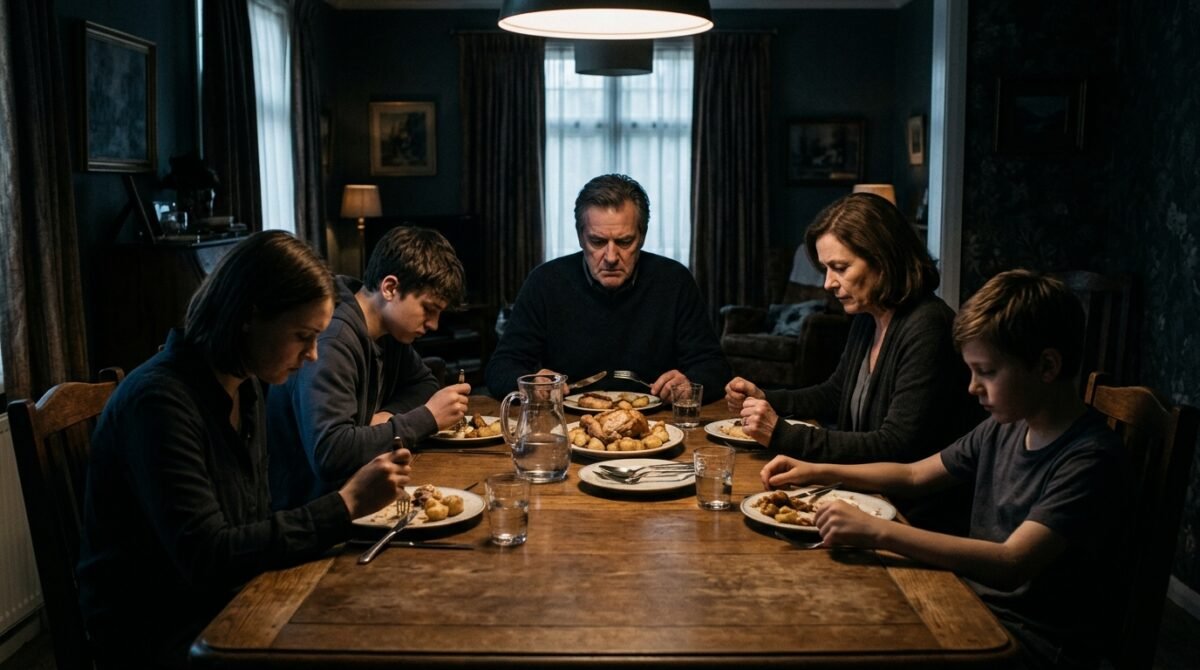
The first family dinner after the legal letter was sent was a disaster. I was invited, mostly because they hoped to pressure me into dropping the case in person. I arrived, sat at the table, and the tension was thick enough to cut with a knife. Aunt Linda sat at the head, looking smug, assuming that I would crumble under the pressure of having the whole family stare at me. She started with a ‘prayer’ that was really a thinly veiled jab at ‘those who prioritize money over love.’
I didn’t flinch. I ate my dinner, listened to their passive-aggressive comments about how ‘some people just don’t understand the hardships of death,’ and kept my cool. Every time someone made a comment about the sale, I simply looked them in the eye and asked about the price of the item they were discussing. The silence that followed was delicious. It forced them to confront the vulgarity of what they had done in a space where they usually felt comfortable being cruel.
“So, Aunt Linda, did you get a good price for the hand-sewn quilt, or did you just let it go for whatever the neighbors offered? I’m sure Nana’s work was worth more than a five-dollar bill.”
— Me, breaking the tension at the dinner table
The reaction was visceral. Linda choked on her water, and the rest of the table went completely still. They had expected me to be the weeping, broken niece, not the calculating opponent who was comfortable calling out their greed in front of everyone. The shift in power was palpable. I wasn’t just a participant in their drama; I was the architect of their discomfort.
After the meal, I stood up and excused myself, not waiting for the usual dessert or the after-dinner gossip. I had made my point. I didn’t need their validation, and I certainly didn’t need their company. As I walked out, I didn’t look back. I felt lighter than I had in months. The dinner had served its purpose; it had proven to me that I could exist in their space without being controlled by them.
I drove home with the windows down, the cold air rushing in. For the first time since the funeral, I didn’t think about the funeral costs or the yard sale. I thought about the quilt. I knew that the legal process would be long, and I might never get that specific quilt back, but I had regained my self-respect. And that was worth more than any heirloom.
The Aftermath: Reclaiming My Peace
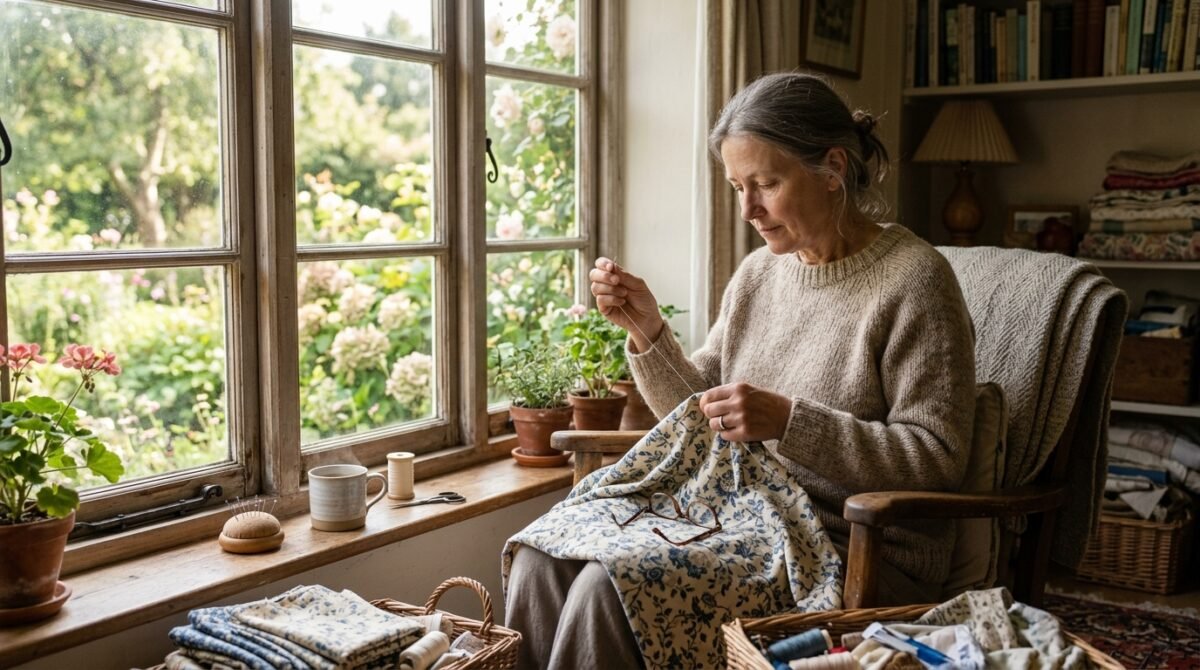
Months later, the dust has finally begun to settle. The estate is being handled by a professional executor, and Aunt Linda is no longer involved in any capacity. The legal process has been slow, and while it hasn’t been a complete victory, it has ensured that the remaining assets are being handled with the dignity they deserve. The funeral costs? They are being reimbursed by the estate, as they should have been from the start. It wasn’t about the money, but it was important that the principle of the matter was upheld.
I am now low-contact with most of my extended family. The fallout was exactly as people warned: I am the villain in their story, the one who ‘sued the family’ and ‘ruined the peace.’ I wear that label like a badge of honor. If the price of peace is silence in the face of exploitation, then I am more than happy to pay the cost of war. I have found my own circle, people who support me and understand the importance of boundaries.
I still think about Nana Rose every day. I have a few items that I managed to save, small pieces that weren’t part of the ‘liquidation.’ I keep them close, a reminder of the woman who taught me the value of integrity. I’ve started learning to sew, trying to pick up the craft she loved so much. It’s a way of connecting with her that doesn’t involve the chaos of the estate or the bitterness of the family.
“Sometimes the hardest part of grief isn’t losing the person; it’s discovering that the people you loved are not the people you thought they were. I lost a grandmother, but I also lost a family. And in that loss, I found myself.”
— My reflection on the experience
I’ve learned that boundaries are not acts of aggression; they are acts of self-preservation. I allowed myself to be pushed around because I thought it was what a ‘good’ family member did. I was wrong. A good family member respects the dead and supports the living. My aunt failed on both counts. I am done trying to force a connection where there is no respect.
My advice to anyone else going through this? Trust your gut. If something feels off, it is. Don’t let your grief blind you to the reality of the people around you. And above all, don’t be afraid to take the hard road. The easy road might seem peaceful, but it’s often paved with the debris of your own integrity.
Conclusion
The story of my aunt’s betrayal is a harsh reminder that death brings out the truest version of people. Some will step up to support, while others will look for a way to turn a profit. Navigating the intersection of grief and legal reality is an exhausting path, but it is necessary for anyone who wants to preserve the legacy of their loved ones.
My journey from a grieving granddaughter to someone who stood her ground against family exploitation was difficult, but it has defined who I am today. I have learned to define family not by blood, but by behavior. The lessons learned in that driveway, the courtroom, and at the dinner table have shaped my boundaries and my understanding of what it means to be a person of character.
As I move forward, I find peace in the fact that I protected what truly mattered. Nana Rose’s memory is not in the things that were sold; it is in the lessons she taught me about love, dignity, and holding onto one’s self-worth. I hope this story serves as a reminder to anyone in a similar position: your boundaries are your own, and you have every right to protect them, no matter what the family says.
What about you? Have you ever had to draw a hard line with family during a time of grief? How did you handle the pressure to ‘keep the peace’? Share your stories in the comments below—let’s talk about the reality of family dynamics when the cameras aren’t rolling.
What's your verdict on this dilemma?
Vote below to contribute to the official community consensus.

Have a Dilemma Keeping You Up at Night?
Share your real-life feud, wedding chaos, or relationship crossroads anonymously with our editorial team.
What do you think ?
0 Comments🛡️ Comments are moderated to protect community integrity. Your comment will appear once approved by the editorial team.