
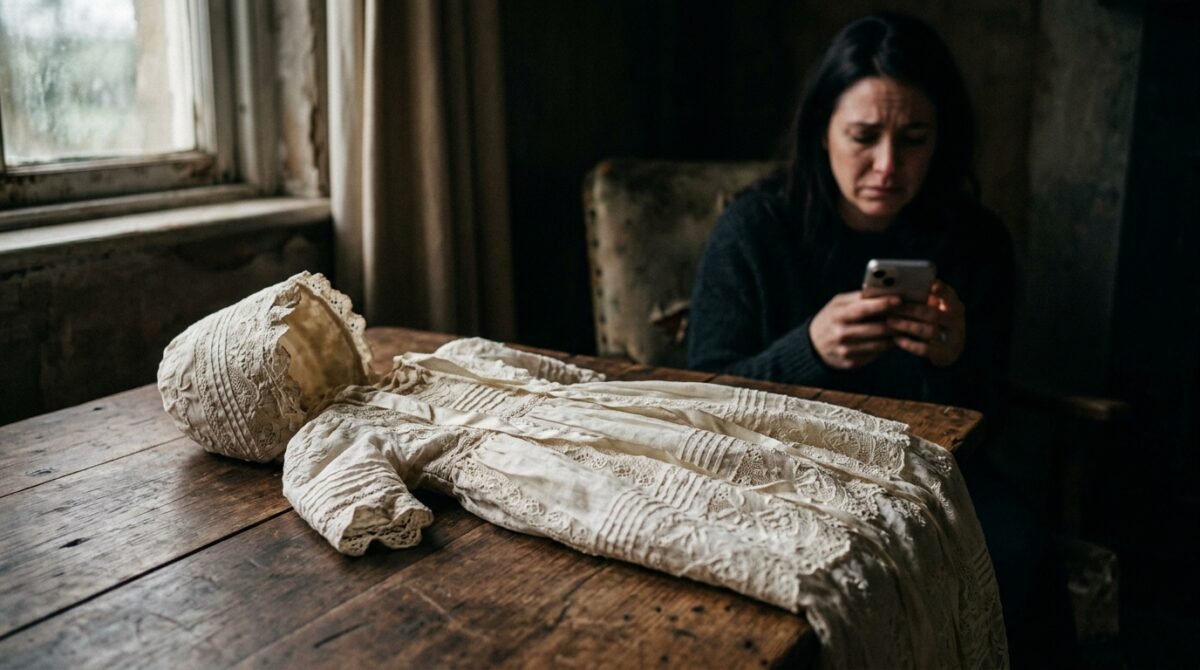
They say family is forever, but the definition of ‘forever’ often depends on how much you value your personal boundaries. For me, the violation wasn’t just about money; it was about the erasure of a legacy. My grandmother’s baptism gown—a masterpiece of lace and history that had been in our family for four generations—wasn’t just a piece of fabric. It was a promise. It was the garment my mother wore, the one I wore, and the one I meticulously preserved for my daughter’s upcoming christening.
My mother-in-law, Linda, had always been ‘helpful’ in a way that felt like a slow encroachment on my autonomy. She viewed my home as her staging area and my belongings as communal property. But I never suspected that she would weaponize her sense of entitlement against my daughter’s future. It wasn’t until I happened to be browsing online for vintage lace swatches for a craft project that the world tilted on its axis. There it was: an eBay listing featuring a grainy, poorly lit photo of a gown I would recognize in my sleep.
The price tag was an insult. The description was a lie. And the seller’s username? It was tied to an email address I knew all too well. When I confronted her, she didn’t apologize. She didn’t even express shame. Instead, she offered me a ‘better’ version—a cheap, mass-produced polyester imitation she had purchased from a discount retail site. That was the moment the bridge burned. This is the story of how I chose my daughter’s heritage over family politeness.
The Pixelated Evidence of a Betrayal

It was a Tuesday afternoon, the kind of mundane, rainy day that usually passes without incident. I was sitting on my sofa, laptop perched on my knees, idly scrolling through vintage sewing archives. My eyes were tired, but they locked onto a familiar scalloped hem in an eBay search result. My heart stopped. I clicked the listing, my fingers trembling so violently I nearly dropped my water glass. There it was: ‘Antique Christening Gown – Excellent Condition – Fast Shipping.’
I zoomed in on the photos. The specific thread-work, the faint yellowing on the left cuff where I had spilled a drop of tea years ago, the tiny pearl button that I had hand-stitched back on after it loosened. There was no doubt. It was mine. The item location was listed only twenty miles away. I felt a cold, sharp spike of adrenaline, a visceral reaction to the violation of my most intimate storage space.
I didn’t call her immediately. I couldn’t. I needed to be sure. I checked the seller’s profile, and while the name was generic, the ‘Frequently Asked Questions’ section for the seller’s account had an automated reply that linked to a contact email. The handle included the initials ‘L.M.S.’—Linda Marie Stevens. The realization was physically sickening, a sudden drop in my stomach that made me have to lean against the wall to catch my breath.
“I just couldn’t believe it. I kept staring at the screen, hoping it was a mistake, hoping there were two identical gowns in the world, but I knew the flaws in that lace. I knew every stitch.”
I realized then that the gown hadn’t just ‘gone missing’ during our last home renovation as she had claimed. It had been stolen, listed, and sold, all while I was busy looking for it in boxes in the attic. She had gaslit me for months, telling me I was ‘stressed’ and ‘forgetful’ whenever I brought up the missing bin. The betrayal wasn’t just the sale; it was the psychological game she had been playing with my memory.
The $40 Polyester ‘Replacement’
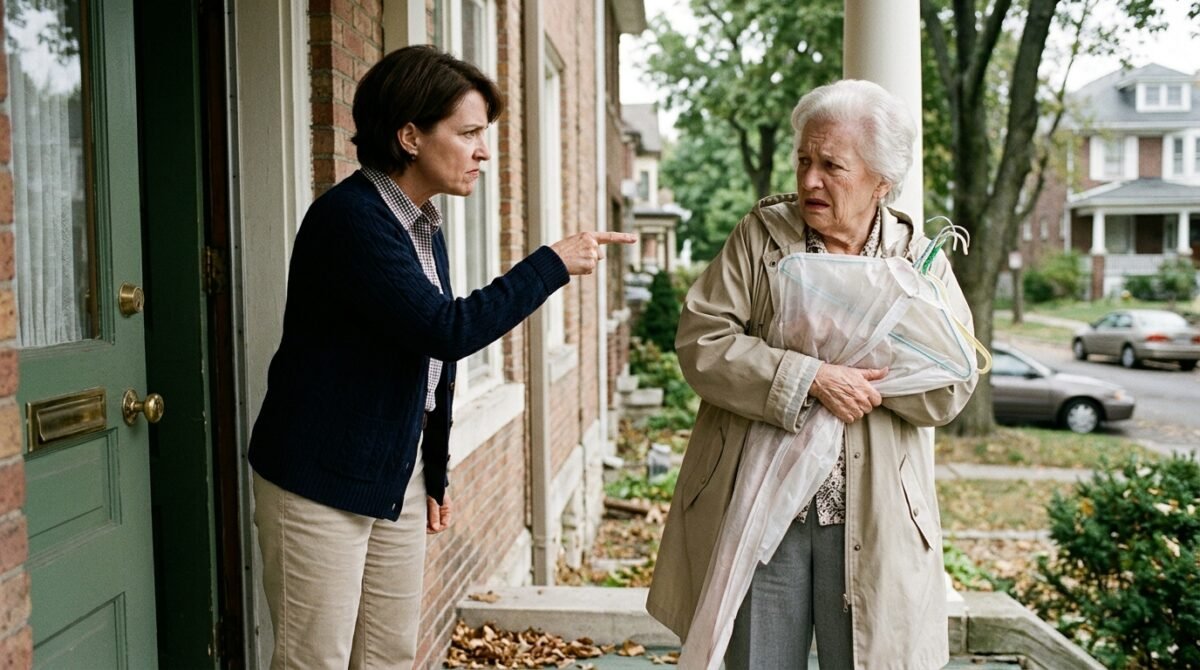
When I finally confronted Linda, she didn’t even try to hide it. She acted as if I were being petty for valuing a ‘dirty old rag’ over the ‘lovely, modern’ gown she had replaced it with. She had the audacity to bring the new gown to my house the very next day, wrapped in a plastic bag from a discount department store. It was made of stiff, synthetic polyester that felt like sandpaper to the touch.
She laid it out on my dining table, smoothing it with a smug grin. ‘See?’ she said, completely oblivious to the rage radiating off me. ‘This one is brand new, it’s white, not yellowed, and it’s actually clean. I thought you’d be happy I upgraded it for you. I even used the money from the old one to pay for it, so you didn’t have to spend a dime.’
The sheer audacity left me speechless for a full minute. I looked from the plastic gown to her smiling face, wondering if she actually possessed a moral compass or if it had been removed surgically. I told her that the value of the heirloom wasn’t its age or its color; it was the history. It was the fact that my grandmother had hand-embroidered the hem while watching over my mother.
“You sold a piece of my family’s soul for a plastic nightmare, Linda. And you think you did me a favor? Get out of my house.”
She tried to laugh it off, calling me ‘dramatic’ and ‘difficult.’ She told me that motherhood was ‘more than just clothes’ and that I needed to stop living in the past. But I wasn’t just talking about clothes; I was talking about the line she had crossed. She had turned my history into her spending money, and she thought I wouldn’t notice. I didn’t yell. I didn’t scream. I just pointed at the door, and for the first time in our relationship, she saw the true weight of my boundary.
The Group Chat Explosion
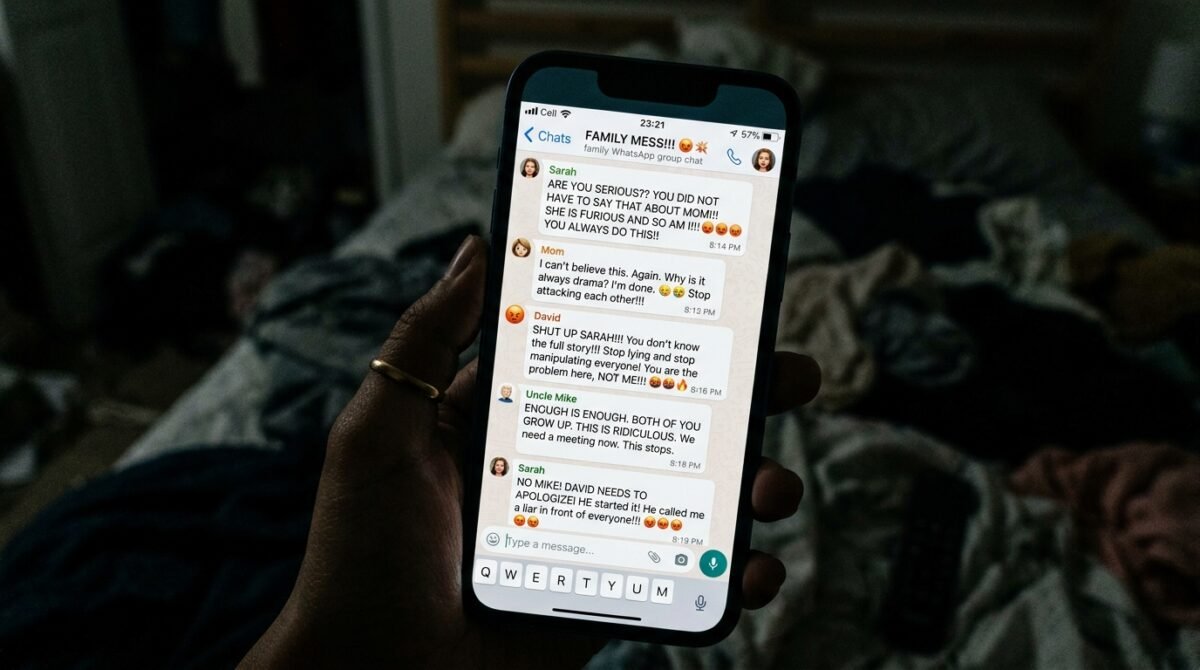
The family group chat was quiet for about an hour before it erupted. Linda had clearly sent out a version of the events that painted her as the benevolent, misunderstood grandmother-in-law who was being attacked by a ‘hormonal, ungrateful’ daughter-in-law. My phone buzzed incessantly, notifications piling up like falling dominoes. My husband, Mark, was at work, and he was being tagged in messages from his aunts and cousins.
Linda’s messages were manipulative masterpieces of victimhood. She kept harping on how she ‘only wanted to help’ and how she ‘couldn’t bear to see the baby in a stained, moth-eaten antique.’ She was clearly trying to rally the family against me before I could even explain what actually happened. The narrative she was spinning was that I was an elitist who hated her gifts.
“I just wanted to make sure the baby looked perfect for her big day. I don’t understand why she’s being so cruel over a piece of old fabric. Some people are just impossible to please.”
— Linda, in the Family Group Chat
I started screenshotting everything. I knew I needed to control the narrative before it spiraled. I didn’t reply to her directly in the chat. Instead, I sent a single message to the whole group, attaching the screenshot of the eBay listing and the username that matched Linda’s email. The silence that followed was deafening. The chat went completely dead for nearly two hours. I felt a grim sense of satisfaction knowing that the truth was finally out in the open.
The Church Ceremony Ultimatum
Mark finally came home, his face etched with exhaustion and frustration. He had seen the chat, and he had seen the proof. He was caught between his mother’s lifelong manipulation and his wife’s justified anger. He tried to suggest that maybe we could ‘just let it go’ for the sake of the church ceremony, but I drew a line in the sand that he couldn’t ignore. I told him that if Linda was present, I wouldn’t be.
The ceremony was supposed to be a sacred event, and the idea of her standing there, pretending she hadn’t sold my family’s heritage, made me physically ill. I told Mark that he could choose: his mother’s presence, or his wife and child’s comfort. It wasn’t an ultimatum I wanted to give, but it was one that I felt forced into by her total lack of remorse.
“Mark, she sold my grandmother’s legacy for grocery money. She lied to my face for months. If she’s at the church, I’m staying home with the baby. The choice is yours.”
We spent the entire night arguing. He felt that banning his mother would cause a ‘permanent rift’ in the family, while I felt that the rift was already there—she just hadn’t seen it yet. I stood my ground, citing not just the gown, but the pattern of disrespect that had culminated in this final, unforgivable act. He eventually conceded, though the tension in our house was thick enough to cut with a knife.
The Fallout With the Relatives

The news spread through the extended family like wildfire. Some of the relatives were horrified, siding with me completely, while others—mostly Linda’s sisters—thought I was being ‘far too extreme’ over a piece of clothing. My phone was blowing up with messages from people I hadn’t spoken to in years, all offering their unsolicited opinions on how I should handle my ‘in-law issues.’
It was exhausting. I felt like the villain in a soap opera I never auditioned for. My sister-in-law, who had always been neutral, finally reached out to tell me that Linda was ‘devastated’ and ‘crying daily.’ I wanted to feel bad, but I couldn’t. How do you feel sorry for someone who stole from you and then played the victim when caught? The irony was lost on them, but it was crystal clear to me.
“You have to remember, she’s a product of her generation. She probably thought she was doing something helpful, even if it was wrong. Can’t you just forgive her for the sake of peace?”
— Aunt Susan, via text
I told Aunt Susan exactly what I thought of the ‘generational’ argument. I told her that theft isn’t a generation, it’s a character flaw. I started blocking people who were pressuring me to ‘just let it go.’ It was a form of self-preservation that I had never needed before, but it felt necessary. The boundary wasn’t just for Linda; it was for anyone who thought it was okay to trample on my family’s history.
The Missing Heirloom’s Final Destination
I didn’t stop at banning her from the ceremony. I contacted the buyer on eBay. I explained the situation, told them the gown was stolen property, and offered to pay them the amount they spent plus extra for their trouble if they would return it to me. I was terrified they would refuse or that the gown had already been altered or damaged.
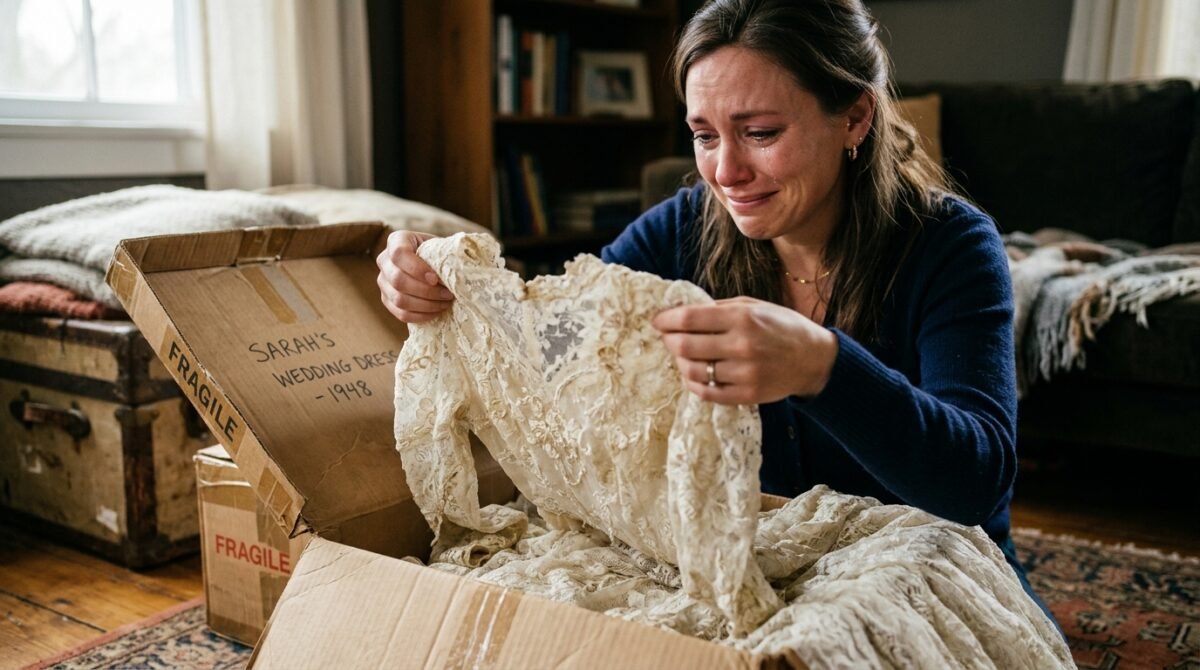
The buyer was a kind woman from two states over who collected vintage textiles. When she heard the story, she was absolutely appalled. She hadn’t even washed it yet. She agreed to send it back immediately, refusing my offer for extra money, saying she couldn’t keep something that had been stolen. I was so relieved I sobbed in the middle of the post office when the package finally arrived.
When I opened the box, the scent of lavender and old lace hit me, and I wept. It was home. It was safe. I knew then that I had done the right thing. I didn’t care about the family drama anymore; I had my history back. Linda had tried to erase it, but she failed. I felt a sense of power returning to me—a feeling that I wasn’t just a victim of her schemes, but the guardian of my own legacy.
Community Perspectives: The Reddit Verdict
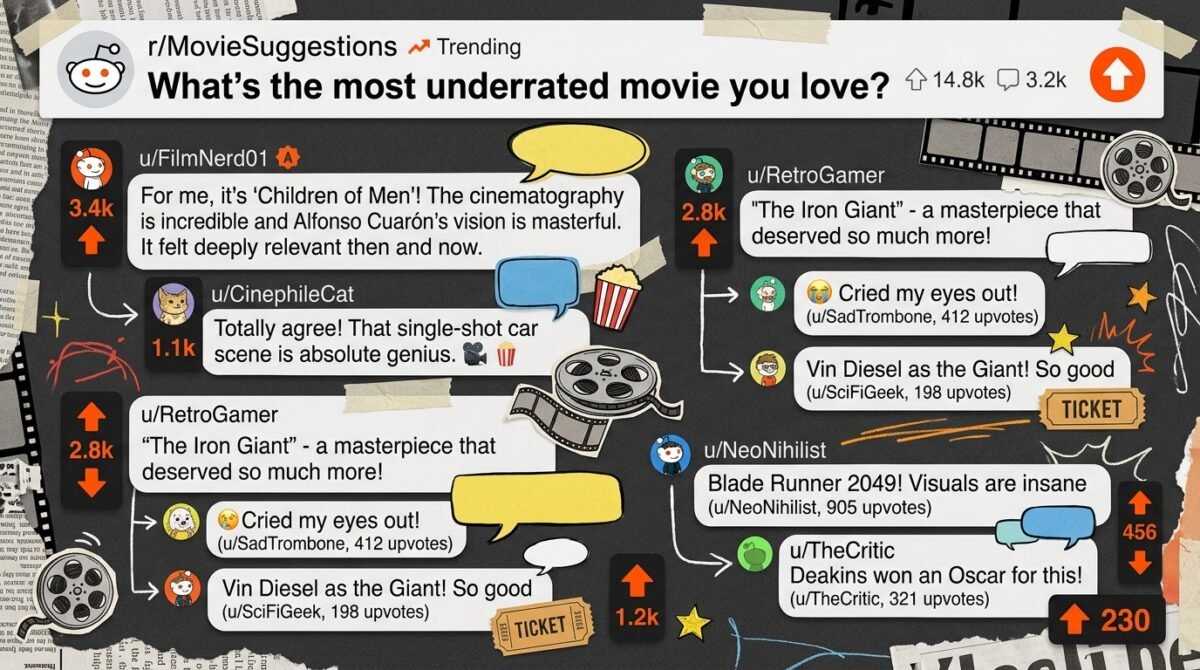
I decided to post my story on a popular forum to see if I was actually being the ‘crazy’ one. The response was immediate and overwhelming. Thousands of comments poured in, mostly in my defense. It was validating, but it also highlighted how common this kind of ‘in-law’ entitlement really is. People shared their own stories of stolen heirlooms and overbearing family members, creating a community of solidarity I hadn’t expected.
There were a few dissenters, of course, but the majority of the community was fiercely supportive. They saw the nuance that my family members couldn’t: this wasn’t about a dress; it was about the lack of respect for my autonomy and my child’s future. The ‘NTA’ (Not The Asshole) tags were everywhere, which helped settle the nagging feeling of guilt I’d been carrying around.
“This is not just about a dress. It’s about the fact that she stole from you, gaslit you about the item’s disappearance, and then tried to replace it with a cheap knockoff while claiming to be the victim. Cut her off completely.”
— u/VintageCollector (Top Comment, 32.1k upvotes)
Seeing thousands of strangers agree that I was right to protect my boundaries was the final push I needed to stay the course. The debate in the comments section was fascinating; people were analyzing the psychological profile of the mother-in-law, discussing the legal ramifications of the theft, and providing advice on how to handle future interactions. It turned into a masterclass on setting firm boundaries with toxic family.
The Day of the Ceremony

The day of the baptism arrived. It was a beautiful, clear morning. The church was filled with flowers, and my daughter looked absolutely stunning in the gown. The restoration had been worth every second of the stress. Linda wasn’t there. She had sent a long, rambling email that Mark refused to read, and we had decided as a couple that we wouldn’t be checking our messages for the duration of the day.
I felt a strange sense of peace. The tension was gone, replaced by the focus on the moment itself. I saw some of the relatives whispering, but I didn’t care. I felt proud of myself for standing up for what mattered. I had shown my daughter that we don’t allow people to treat us with disrespect, no matter their relation to us.
The ceremony went off without a hitch. I held my baby close, the lace of the gown soft against her skin, and I felt like I was holding a piece of my grandmother’s love. It was a victory, not just over a person, but over a pattern of behavior. I realized that the silence from Linda was the best gift she could have given me.
The Unanswered Letters
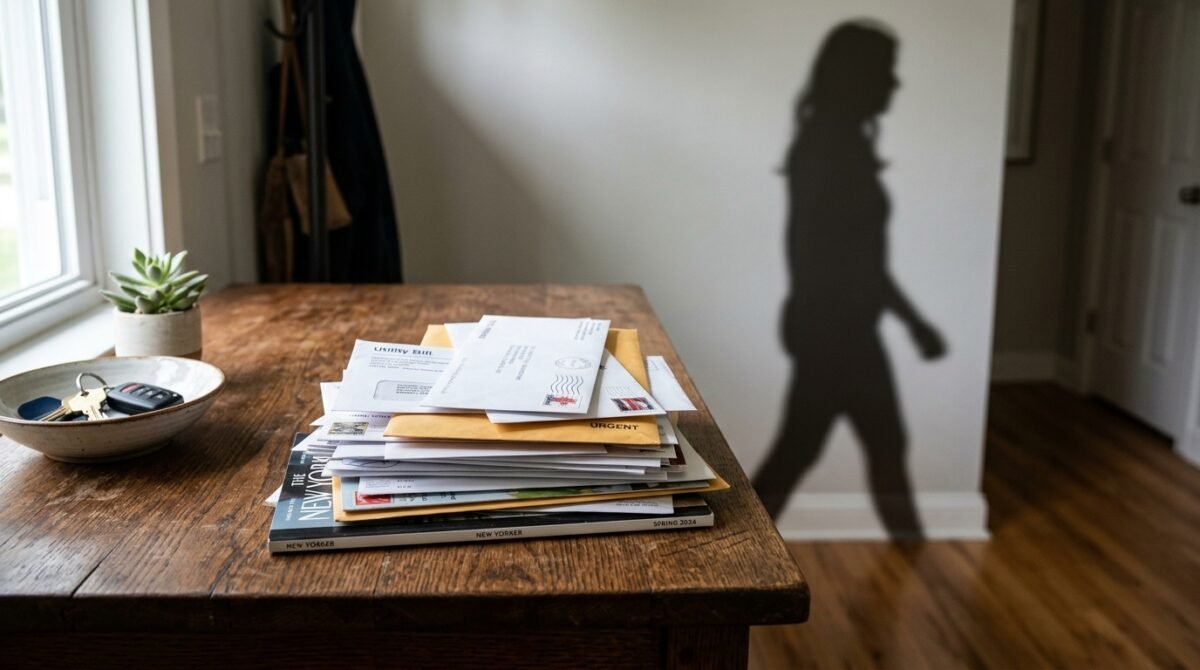
Weeks passed, and the situation didn’t change. Linda sent several letters to our home, all marked ‘Urgent’ or ‘Apology,’ but we didn’t open them. Mark had finally reached a place of acceptance, realizing that his mother’s actions were not his fault. We had started counseling, which helped us navigate the fallout and set even firmer rules for how we would handle her involvement in our future.
I felt like I was finally building the life I wanted, not the one that was dictated to me. It was a quiet existence, free from the drama, and I found that I didn’t miss her presence at all. I had initially worried that I would regret the ban, but the opposite happened. My mental health improved, and our marriage became stronger than it had ever been.
We had effectively cut the toxicity out of our lives. It was painful, yes, but it was necessary for our growth. We had learned that you can love people and still choose not to have them in your space when their actions are harmful. It was a hard-learned lesson, but one I’m glad we learned before our daughter started to understand the family dynamics.
Reflecting on the Boundaries Set

Looking back, the entire experience feels like a turning point. Before the gown incident, I was constantly trying to keep the peace, constantly adjusting my expectations to fit Linda’s demands. I was shrinking myself to make her comfortable. Now, I see that peace at the cost of your own dignity is not peace at all; it’s a form of imprisonment.
I’ve realized that people will only treat you as well as you allow them to. By setting this boundary, I taught everyone in my life, including my own family, what was acceptable and what was not. I feel more confident in my role as a mother and a partner. I am no longer waiting for approval from someone who doesn’t respect the things that define who I am.
I hope that if anyone is reading this and finds themselves in a similar situation, they know they aren’t alone. It’s okay to be ‘the bad guy’ if it means protecting your integrity. It’s okay to walk away from people who steal your joy and your history, even if you share blood or marriage certificates with them.
Conclusion
In the end, this wasn’t about a dress. It was about the fundamental right to own one’s history and the audacity of those who think they can strip it away. I stand by my decision to ban Linda from the ceremony. It was the only way to signal that I would not tolerate being treated as a placeholder in my own life.
Today, we are still low-contact. The dust has settled, and while the family dynamic is permanently altered, we are at peace. I have my heirloom, my daughter has her heritage, and we have our integrity. Sometimes, you have to burn the bridge to see where the light is really coming from.
I’m curious to hear from you—have you ever had to draw a hard line with family over a violation of boundaries? How did you handle the aftermath of the fallout? Let’s talk about it in the comments below.
What's your verdict on this dilemma?
Vote below to contribute to the official community consensus.

Have a Dilemma Keeping You Up at Night?
Share your real-life feud, wedding chaos, or relationship crossroads anonymously with our editorial team.
What do you think ?
0 Comments🛡️ Comments are moderated to protect community integrity. Your comment will appear once approved by the editorial team.