
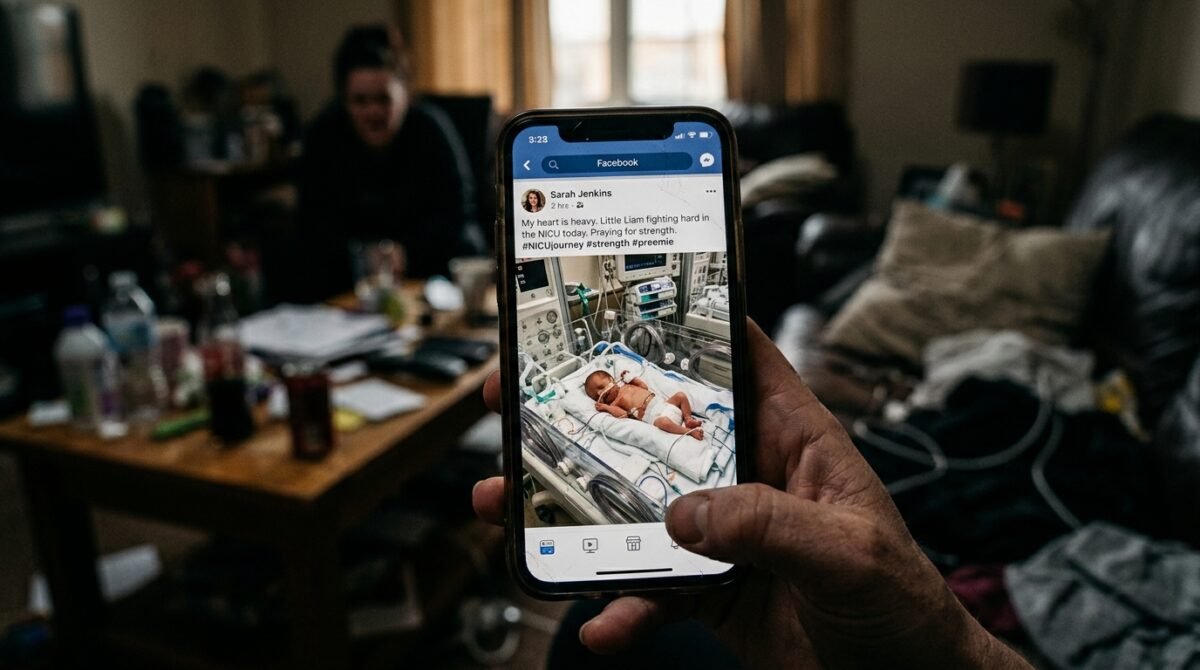
When our son, Leo, arrived at just twenty-seven weeks, our world didn’t just shrink; it became a sterile, high-stakes battlefield of beeping monitors, glass incubators, and the constant, crushing fear that the next hour might be his last. We lived in a state of suspended animation, moving between the NICU and our home, our nerves frayed to the point of breaking. Privacy became our primary shield. We weren’t just protecting a child; we were protecting a fragile life that was being fought for by an entire medical team.
My mother-in-law, Susan, has always been the type of person who treats other people’s lives as content for her social media feeds. She thrives on the sympathy, the ‘thoughts and prayers’ comments, and the center-stage attention that comes with being the grandmother of a child in crisis. Knowing this, and knowing her history of boundary stomping, my husband, Mark, and I took an extreme step. Before she was even allowed to see Leo through the glass, we sat her down and made her sign a formal Non-Disclosure Agreement. It felt cold, yes, but it was necessary.
The agreement was explicit: no photos, no status updates, and absolutely no mention of his specific medical condition on any public platform. She signed it with a pout, claiming we were being ‘dramatic’ and ‘cruel’ to a grandmother who just wanted to share her joy. We thought we had insulated ourselves. We thought the legal weight of the document would hold back the tide of her narcissism. We were wrong.
The betrayal didn’t come with a bang, but with a notification on my phone while I was sitting next to Leo’s incubator at 2:00 AM. A friend from college messaged me, asking how he was doing, and linked a post that had gone viral on Susan’s Facebook page. There he was—our tiny, vulnerable boy, hooked up to a ventilator, his medical chart clearly visible in the background, surrounded by captions about ‘suffering’ and ‘prayers needed.’ My blood turned to ice, and in that moment, the mother-in-law I knew ceased to exist.
The Legal Ultimatum at the Kitchen Table
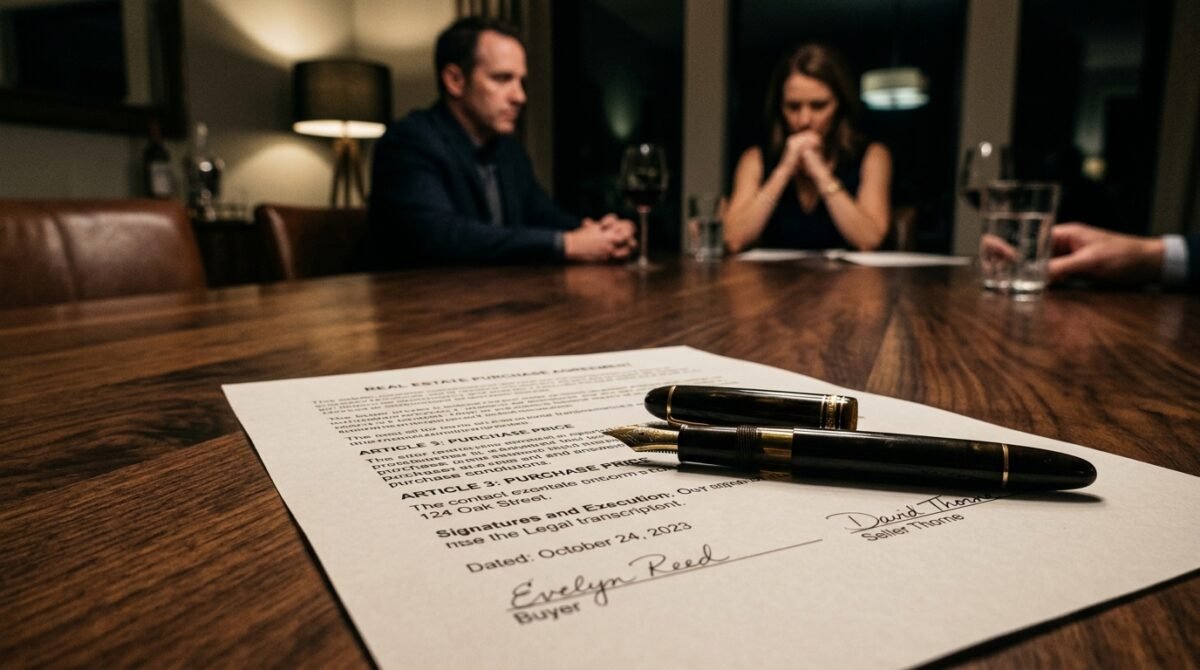
The decision to have Susan sign an NDA wasn’t something we arrived at lightly. It was born out of months of her interfering with our lives, but the NICU stay presented a different set of risks. We knew that if we didn’t set a hard boundary, she would treat our son’s health journey as her own personal reality show. We drafted the document with the help of a family friend who practices law, ensuring it covered everything from photo dissemination to the unauthorized sharing of medical status.
I remember the day we handed her the papers. We invited her over for coffee, the atmosphere thick with an unspoken tension. Mark sat next to me, his hand trembling as he pushed the folder across the mahogany table. Susan laughed at first, assuming it was a joke, but the smile faded as she read the legal jargon. She looked at us as if we had grown extra heads, her expression shifting from confusion to indignation.
“You are joking, aren’t you? A legal document? I am his grandmother, not some random stranger off the street. You are treating me like a liability in my own family.”
— Susan, Mother-in-law
Mark didn’t back down. He looked her directly in the eyes and explained the stakes—that Leo’s health was precarious and we couldn’t handle the stress of people constantly asking us for updates based on what she chose to broadcast. We made it clear: if she wanted to be involved, she played by our rules. If she didn’t sign, she didn’t see him, period. The silence that followed was heavy, filled only by the ticking of the kitchen clock.
She eventually signed, but she didn’t do it with grace. She shoved the pen toward us, her face flushed with anger. “Fine,” she snapped. “If this is what you need to feel important, I’ll sign it. But don’t come crying to me when you realize how lonely you’ve made yourselves.” We didn’t realize then that the signature meant nothing to her—it was just a piece of paper standing between her and her next dopamine hit of social media validation.
Looking back, I see now that she never intended to respect the terms. She saw the NDA as an obstacle to be overcome rather than a promise to be kept. She was already planning her workaround before the ink was even dry, and we were naive enough to believe that a signature could change the fundamental nature of a person who values likes over integrity.
The 2:00 AM Notification That Changed Everything
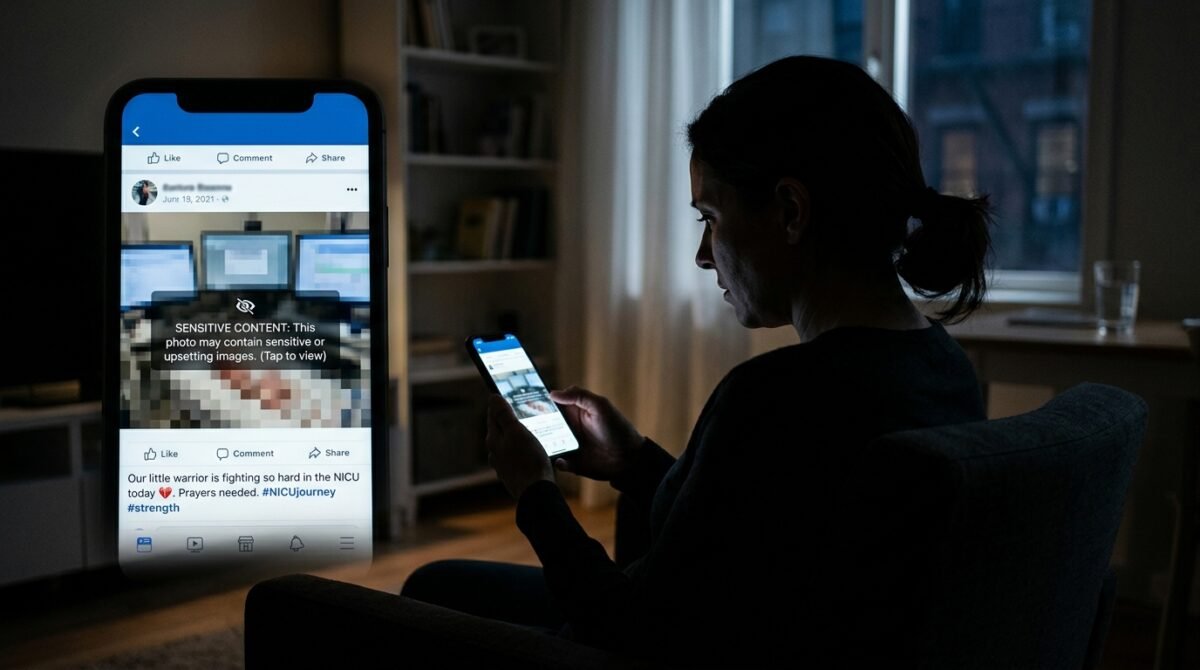
I was in the NICU, the low hum of life-support equipment providing the only soundtrack to my exhaustion. I hadn’t slept for more than three hours in two days. When my phone buzzed, I ignored it at first, assuming it was another well-meaning but draining message from a relative. But then it buzzed again. And again. When I finally checked, my heart dropped into my stomach.
It was a link to Facebook. Susan had posted a photo of Leo in his incubator. The photo was taken at an angle that clearly captured the digital monitor displaying his heart rate and oxygen saturation. She had captioned it: “My poor, brave grandson fighting for his life. Please share this post to spread the word about his struggle. We need a miracle!” It already had three hundred shares and nearly a thousand comments.
“I just saw this on Facebook, and I am so sorry! Is he doing okay? I didn’t know he was on a ventilator. Susan’s post says things are looking dire.”
— A concerned friend, via text message
I felt physically sick. The violation wasn’t just about the photo; it was about the fact that she had used our son’s most vulnerable moments to garner attention for herself. She had violated the privacy we had begged her to keep, and she had done it in a way that made us look like we were hiding something. I showed the screen to Mark, who had just walked in from the hospital cafeteria. The color drained from his face.
“She promised,” he whispered, his voice cracking. “She sat right in our kitchen and promised she understood.” The anger in his eyes was something I hadn’t seen before. It wasn’t the defensive anger of a man protecting his territory; it was the cold, sharp realization that his mother was capable of weaponizing his child’s suffering. We spent the next hour documenting everything—taking screenshots, saving the post, and recording the comments.
The comments were the worst part. People were offering advice, questioning why we hadn’t posted updates ourselves, and some were even questioning our medical choices based on the limited, skewed information Susan had provided. She was playing the role of the devoted, heartbroken grandmother while we were the distant, uncommunicative parents. The narrative was being rewritten, and she was the author.
The Confrontation and the Gaslighting
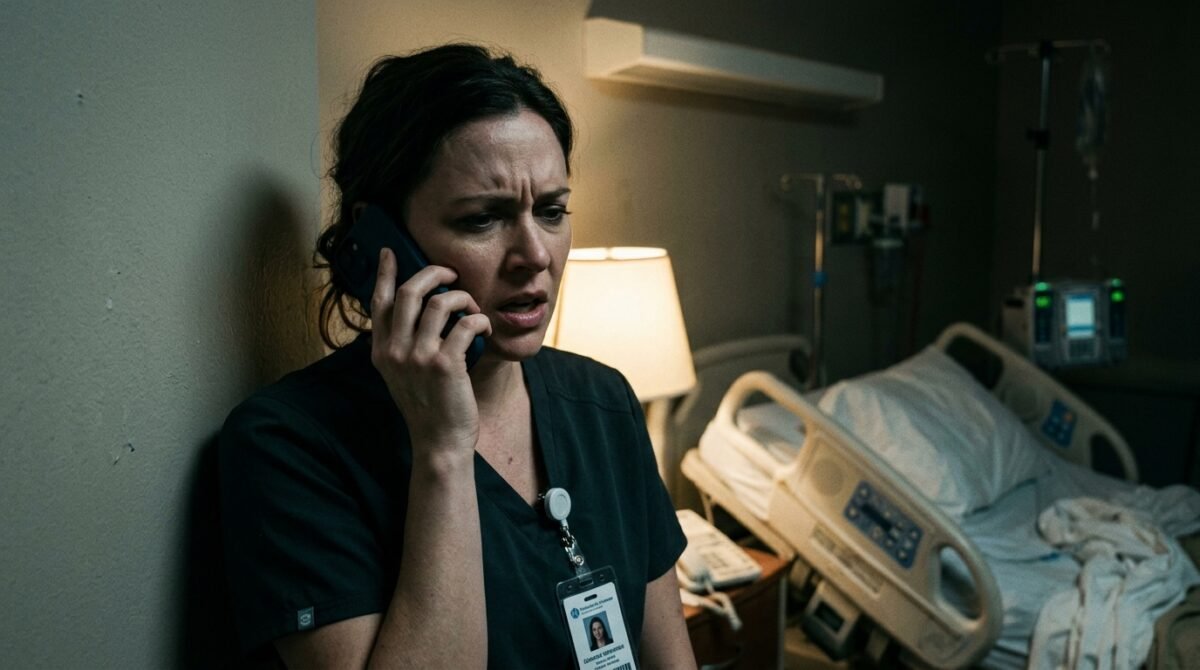
We didn’t wait until morning. We called her at 3:00 AM. When she finally answered, she sounded groggy, but the moment Mark demanded she take the post down, she snapped into a defensive, rehearsed mode. She didn’t apologize; she didn’t acknowledge the harm she had caused. Instead, she attacked us for being ‘unreasonable’ and ‘controlling’ at such a difficult time.
“I was just trying to get prayers for him! Everyone is so supportive, and you are being selfish by wanting to keep his health a secret. People have a right to know about the baby!”
— Susan, during the heated phone call
Mark was trembling, but he held his ground. He told her clearly that the post was a violation of the signed NDA and that we would be involving our legal counsel if it wasn’t removed immediately. Her response was a classic display of gaslighting. She claimed she had ‘forgotten’ about the paper, or that she thought it only applied to ‘private photos,’ not ‘public updates about his recovery.’ It was a blatant lie.
“You are hurting him, Mom,” Mark said, his voice finally hardening. “You are making his medical journey a public spectacle. You aren’t doing this for Leo; you are doing this for yourself.” She started to cry, the manipulative, crocodile tears that she had used to get her way for decades. She tried to pivot the conversation to how much she loved him, how much she was suffering, and how she was the only one in the family who truly cared about his well-being.
We hung up on her. It felt like the hardest thing we had ever done, but it also felt like the first time we had truly taken control. We knew she wouldn’t take the post down without a fight, so we contacted Facebook support, flagging the image as a privacy violation involving a minor. Within an hour, the post was gone, but the damage to our relationship with her was already irreversible. The trust was not just broken; it was obliterated.
The Fallout: Why the Sunday Dinner Table Went Silent
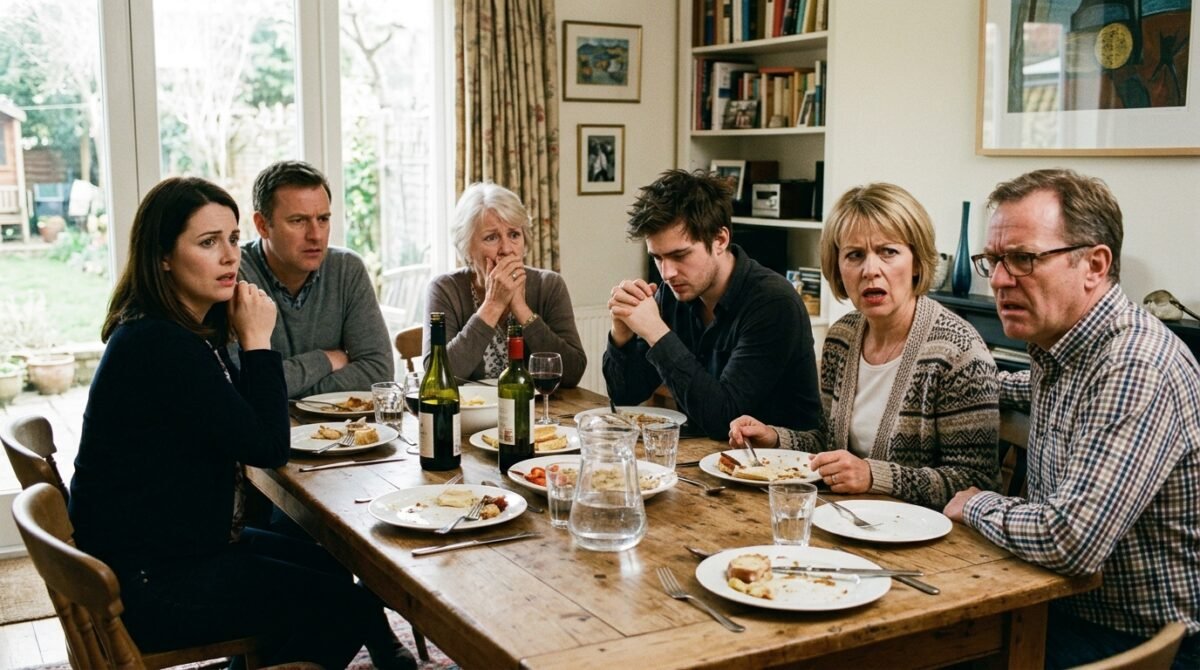
A week later, we were forced to have the ‘big talk’ with the rest of the extended family. Susan had already reached out to several relatives, painting us as ungrateful monsters who were keeping her away from her grandson. She had managed to stir up a significant amount of drama, and we were suddenly receiving messages from aunts and cousins we hadn’t spoken to in months, all questioning our ‘cruelty.’
We decided to invite them over for a controlled meeting. We laid everything out on the table. We showed them the NDA, we showed them the screenshots of the Facebook post, and we explained the medical reality of why Leo’s privacy was non-negotiable. The room went silent. A few of the relatives who had been most vocal in their support of Susan looked down at their plates, clearly embarrassed by the evidence we presented.
“I honestly didn’t know she shared his chart. I thought she was just sharing a photo of his feet. That’s completely different.”
— Aunt Sarah, reacting to the evidence
The shift in the room was palpable. The ‘victim’ narrative Susan had cultivated began to crumble under the weight of the facts. We didn’t ask for apologies; we just stated our boundary. Anyone who couldn’t respect our child’s privacy would be held to the same standard. We made it clear that visitation was a privilege, not a right, and that privilege had been revoked for Susan indefinitely.
The aftermath was a flurry of drama. Some family members sided with us, realizing that Susan had crossed a line that shouldn’t be crossed. Others remained neutral, trying to maintain the ‘peace’ by suggesting we just ‘let it go’ for the sake of the family. We refused. Letting it go would mean telling our son, when he was older, that we allowed someone to commodify his pain for a few Facebook likes.
We left the dinner feeling exhausted but resolute. We knew that this was just the beginning of a long, difficult struggle with our extended family, but we were ready for it. We had established our ground, and for the first time in our marriage, we weren’t worried about what Susan thought of us. We were only worried about Leo.
The Legal Notice and the Final Severance
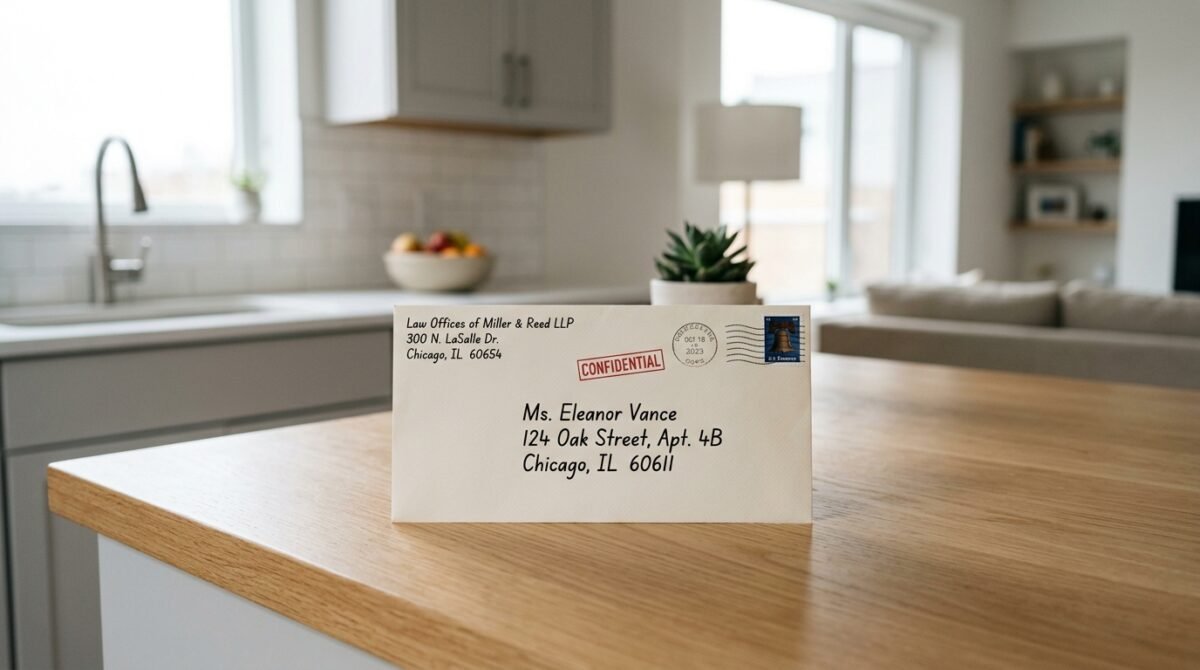
The final straw wasn’t just the photo; it was the continued attempts by Susan to contact the hospital staff. We found out that she had been calling the NICU desk, pretending to be a family member, trying to get updates on Leo’s progress after we had strictly forbidden her from being on the ‘authorized visitors’ list. The nurses were understandably annoyed and confused, which added an unnecessary layer of stress to our already strained situation.
We realized that a verbal boundary wasn’t enough. We contacted a lawyer and had a formal cease-and-desist letter drafted. It was expensive, and it felt like a cold, calculated move, but we were past the point of sentimentality. The letter outlined the NDA violation and the harassment of the medical staff, and it explicitly forbade her from making any further attempts to contact us or our son.
“This is the most disrespectful thing you have ever done to your own mother. You are making a huge mistake, and one day, you will regret treating me like a stranger.”
— Susan, in a final, frantic email
When the letter arrived at her house via certified mail, she tried to call us fifty times in a single day. We blocked her number, then we blocked her on every social media platform, and we instructed the hospital security to ensure she was not allowed on the floor. It was the ultimate, necessary break. We had to protect our peace to focus on our son’s recovery.
The silence that followed was the most beautiful thing I had ever experienced. For the first time in months, I wasn’t waiting for the next attack or the next wave of drama. I could focus on Leo, on the way his tiny hand would wrap around my finger, on the progress he was making every single day. We had sacrificed a relationship with a family member, but we had saved our sanity and our son’s dignity.
It wasn’t easy. There were nights I cried, mourning the relationship we *should* have had with a grandmother, but the reality was that she never wanted to be a grandmother; she wanted to be the main character in a tragedy. And we weren’t going to let our son be a prop in her play any longer. The legal notice was the final period on a sentence we had been trying to write for years.
Reddit Weighs In: The Community Verdict
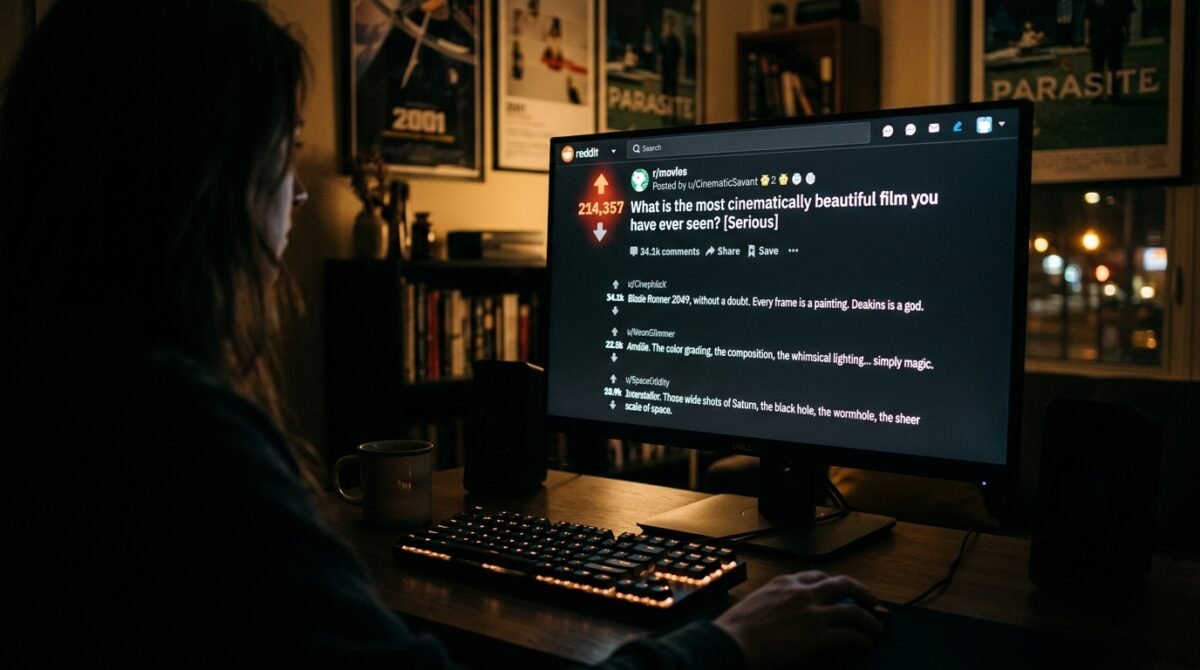
I posted our story to a popular sub-reddit, hoping to get some outside perspective on whether we had gone too far. I expected a mix of opinions, but the response was overwhelmingly supportive. The community was shocked not just by the photo, but by the sheer audacity of the mother-in-law to ignore a signed legal document. The post reached the front page within hours, and the comments were a mix of outrage and validation.
“NTA. Your child is not content for her social media feed. The fact that she signed an NDA and then flagrantly violated it shows exactly where her priorities lie. She doesn’t want a grandson; she wants an audience.”
— u/GrandmaDramaThrowaway (Top Comment, 45.2k upvotes)
Another user chimed in with a more practical perspective, warning us about the potential for further legal action. The community consensus was clear: when it comes to the safety and privacy of a vulnerable child, there is no such thing as being ‘too dramatic.’ The validation was helpful, especially since we had spent so many months doubting our own decisions due to the gaslighting we had endured.
“OP, you did exactly what any parent would do. If she’s willing to share his medical data for likes, she’s willing to cross any other boundary you set. NC (No Contact) is the only way to go. Don’t look back.”
— u/PrivacyProtector (12.4k upvotes)
Reading the comments helped me realize that we weren’t alone. There were thousands of others who had dealt with similar ‘narcissistic’ family members who viewed other people’s lives as grist for the mill. It turned our personal nightmare into a shared experience, and it made the isolation we felt feel a little less lonely. We learned that while we couldn’t change Susan, we could change our response to her.
The thread became a repository of advice, with people suggesting everything from changing our locks to setting up a ‘password system’ for the hospital staff. We took the advice to heart, implementing a strict set of protocols that ensured no unauthorized person could ever get close to our son again. The Reddit community didn’t just give us advice; they gave us the courage to stay the course.
Life After the Severance: Finding Peace

It has been six months since we went no contact with Susan. Leo is home now, thriving and healthy, and we have spent these months building a life that is entirely our own. Without the constant pressure of her demands and the fear of her interference, our home has become a sanctuary. We spend our weekends playing, reading, and simply enjoying the normalcy that we once thought was impossible.
We still get the occasional message from distant relatives asking if we’ve ‘forgiven’ her, but we’ve learned to just ignore them. We don’t owe anyone an explanation for why we are protecting our son. We have learned that the people who truly love us understand our boundaries without needing a reason, and those who don’t are not the people we want in our son’s life anyway.
My relationship with Mark has never been stronger. We went through the fire together, and we came out the other side as a team. We learned that we can handle the worst that life throws at us, and we can handle the people who try to make it even harder. We are no longer the people-pleasers we used to be; we are parents who know exactly what matters.
The silence isn’t heavy anymore; it’s peaceful. When we think of Susan, it’s with a sense of distance, not the intense, sharp pain of betrayal. We’ve accepted that she is who she is, and we’ve accepted that she has no place in our world. And that acceptance is the greatest gift we could have given our son.
The Financial and Emotional Cost of Boundaries

It’s important to talk about the cost of all this. It wasn’t just a emotional toll; it was a financial one. The legal fees, the time spent dealing with security and social media platforms, the cost of therapy for us to work through the trauma of the NICU and the betrayal—it all added up. But when we look at the alternative, we know it was the best investment we ever made.
| Category | The Investment | The Return |
|---|---|---|
| Legal Fees | $4,500 | Total Privacy & Safety |
| Therapy | $2,000 | Emotional Resilience |
| Time/Stress | Countless Hours | A Peaceful Home Life |
We have learned that boundaries are not free. They cost you relationships, they cost you money, and they often cost you the ‘peaceful’ reputation you once had with your extended family. But what you get in return is something that money can’t buy: the freedom to raise your child without having to look over your shoulder, waiting for the next shoe to drop.
We are still working through the trauma, and there are days when the memory of the NICU is still overwhelming, but we are doing it together. We are stronger than we were before, and we have a clearer understanding of what family actually means. It’s not about blood; it’s about respect, it’s about trust, and it’s about who shows up for you when you are at your absolute lowest.
If you are in a similar situation, know that you are not alone. It is easy to feel like you are the villain in your own story when you are the one setting the boundaries, especially when the person you are setting them against is playing the victim. But don’t let their narrative become your reality. Protect your own, and never apologize for putting your child’s well-being above someone else’s desire for attention.
Lessons Learned: When Love Is Not Enough

If I could go back and tell myself one thing before Leo was born, it would be this: trust your gut when it tells you someone is dangerous. We knew Susan was problematic, but we convinced ourselves that ‘family’ would eventually do the right thing when it really mattered. We were wrong. Love is not enough to override a personality type that thrives on chaos and attention.
We’ve learned that people don’t change just because of a major life event. If anything, a major event like a NICU stay only amplifies the traits they already have. For us, that meant the end of a relationship, but it also meant the beginning of a life where we are in control. We are not interested in ‘fixing’ anyone, and we are certainly not interested in sacrificing our child’s safety to keep the peace.
We also learned the importance of clear, written communication. We thought we were being overly formal with the NDA, but that piece of paper ended up being the single most important tool in our arsenal. It allowed us to move from ‘arguing’ to ‘enforcing,’ and that shift made all the difference in the world.
Finally, we learned that family is what you make it. We have found a support system of friends and colleagues who respect our boundaries, who don’t ask for photos, and who truly care about our son’s growth. That is the family we want for Leo. And we have no regrets about the ones we left behind.
The Unanswered Question: Is Forgiveness Possible?

People often ask us if we will ever forgive Susan. It’s an interesting question, and I think it misses the point. Forgiveness is not about her; it’s about us. I think we have reached a place where we don’t carry the anger anymore, and in that sense, we have moved past the hurt. But that doesn’t mean there is a place for her back in our lives.
Forgiveness is not a revolving door. You can forgive someone for being who they are while still recognizing that they are not safe to have around. For us, the safety of our child is the absolute priority, and that safety is incompatible with her presence. We have made our choice, and we stand by it.
We are not looking for a reconciliation. We are looking for a life where we can grow, where our son can flourish, and where we don’t have to defend our existence to someone who sees us as a prop. That is the life we have built, and it is a life we will protect with everything we have.
If this story has taught us anything, it’s that you have to choose yourself and your immediate family every single time. The rest of the world can fall into place, but your own foundation must be strong. We have built that foundation, and we are proud of it.
Conclusion
Our journey through the NICU was the hardest experience of our lives, but it also served as the crucible that forged our new family identity. By choosing to prioritize Leo’s privacy over familial comfort, we learned the true cost of boundaries and, more importantly, their immeasurable value. We are no longer the people who fear the fallout of saying ‘no’; we are the people who understand that saying ‘no’ is often the most loving thing you can do for your children.
The internet, for all its toxicity, provided us with a sense of community that we couldn’t find in our own family circle. It reminded us that our situation, while extreme, is far from unique. There are thousands of others out there fighting for their right to peace, and knowing that we aren’t alone has been a vital part of our healing process. We hope our story serves as a reminder that your children belong to you, not to your extended family’s digital audience.
We leave you with this: What would you do if a family member prioritized their social media presence over your child’s medical privacy? Would you have the courage to draw the line in the sand, or would you fold to the pressure of ‘keeping the peace’? Let us know your thoughts in the comments below—we’re curious to see how many of you have faced similar dilemmas and how you handled the fallout.
What's your verdict on this dilemma?
Vote below to contribute to the official community consensus.

Have a Dilemma Keeping You Up at Night?
Share your real-life feud, wedding chaos, or relationship crossroads anonymously with our editorial team.
What do you think ?
0 Comments🛡️ Comments are moderated to protect community integrity. Your comment will appear once approved by the editorial team.