

Thanksgiving has always been more than just a meal for me. It is a testament to survival, resilience, and the makeshift family I built out of the broken pieces of my childhood. When I was in the system, the holidays were the coldest nights of the year. Now, as an adult with a stable life and a home of my own, my table is never full enough. It belongs to anyone who needs a place to land.
My husband, David, always understood this. He grew up in a stable home, but he never looked down on my past. That was, until his mother, Eleanor, decided that her ‘bloodline’ was the only thing that mattered on Turkey Day. She had spent months planning a curated, performative dinner, and when she realized I had invited my foster siblings—people who are more brother and sister to me than any blood relative—the veneer of her southern hospitality shattered.
The ultimatum was delivered with the cold precision of a surgeon. She called me on a Tuesday afternoon, her voice dripping with that specific brand of icy condescension she reserved for people she considered ‘charity cases.’ She didn’t ask me to uninvite them; she demanded it, framing it as a matter of family purity. She told me, in no uncertain terms, that ‘strays’ didn’t belong at a table meant for the ‘elite’ of the family tree.
I sat in my office, gripping my phone until my knuckles turned white. I thought about my brother, Leo, who just finished his degree, and my sister, Sarah, who had fought harder than anyone I knew just to exist in this world. They weren’t just guests. They were my heart. And Eleanor, in her infinite, arrogant wisdom, had just signed her own eviction notice from our lives.
What happened next wasn’t just a reaction; it was a reclamation of my autonomy. I didn’t yell, I didn’t beg, and I didn’t try to explain the complexity of chosen family to someone whose heart was as narrow as a keyhole. I simply made a reservation. A big one. At the most expensive hotel in the city. And by the time Thanksgiving afternoon rolled around, Eleanor was left with a turkey, an empty dining room, and a realization that she had finally lost the one thing money couldn’t buy: access to us.
The Tuesday Afternoon Phone Call from Hell

The phone rang while I was in the middle of a conference call. I recognized the caller ID immediately—Eleanor. She never called unless she wanted something or felt the need to exert control. I excused myself, stepped into the breakroom, and answered, expecting a request for a specific wine or a demand for me to arrive early to help with the heavy lifting in the kitchen.
Instead, I was met with silence, followed by a sharp, rhythmic tapping of fingernails against a glass. She began by praising her own efforts, detailing the imported linens she had ordered and the organic, heirloom turkey she had sourced from a farm three hours away. It was a monologue designed to make me feel small, to remind me that I was lucky to be included in such a high-society production.
“Listen, dear. I’ve been reviewing the seating chart, and I’ve had a change of heart. We simply don’t have the space for your… associates. It’s a family event, and I’d prefer to keep it to blood relations only this year. You understand, don’t you? It’s about maintaining the tone of the evening.”
— Eleanor, my mother-in-law
I felt a cold shiver run down my spine. The ‘associates’ she was referring to were Leo and Sarah. They had been part of our Thanksgiving tradition for five years. They were the ones who helped us move into our first home; they were the ones who stood by us when we faced our own struggles. To hear them reduced to ‘associates’ was a slap in the face I wasn’t prepared for.
I asked her to clarify, knowing full well what she meant. She doubled down, her voice dropping into that condescending, patronizing register she used when she thought she was teaching me a life lesson. She spoke about ‘social decorum’ and ‘appropriate company’ as if my siblings were unkempt strays she’d found on the side of the road. It was dehumanizing, and in that moment, the bridge to her world didn’t just crack—it collapsed.
I didn’t argue. I didn’t try to explain that my siblings were more successful, kinder, and more genuine than any of the people on her guest list. I simply listened to the vitriol, letting her paint herself into a corner. When she finished her tirade, expecting me to stammer an apology, I gave her the only answer that felt right: a quiet, calm confirmation that I would ‘take it under consideration.’
The Secret Group Chat Revelation
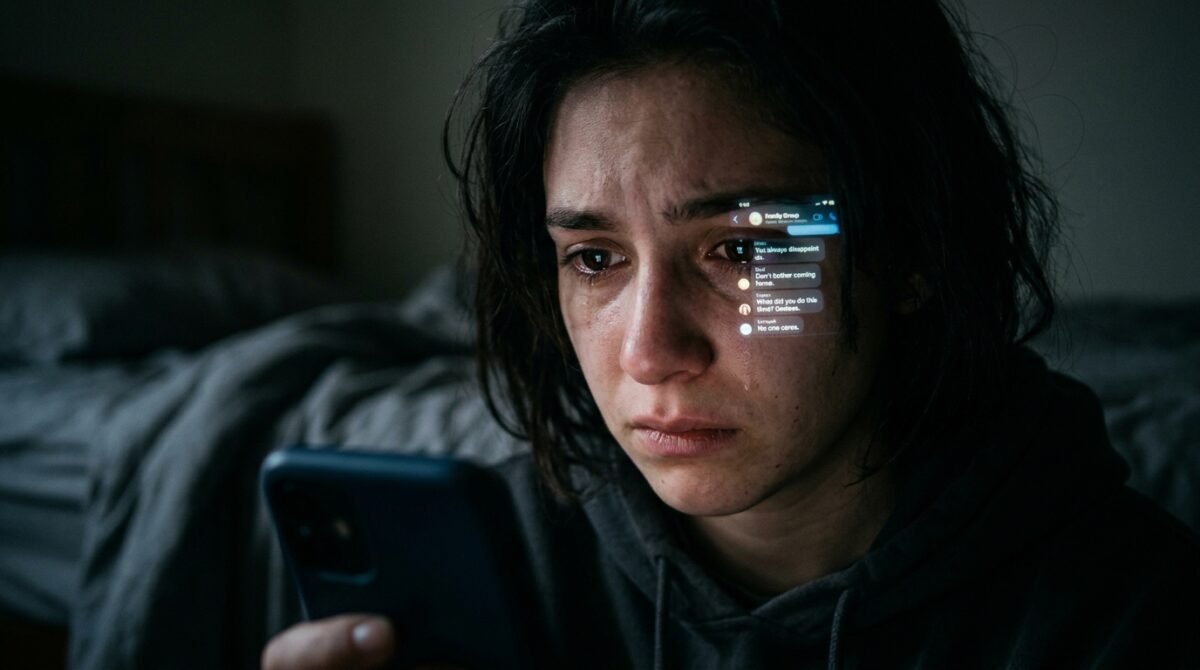
After the call, I felt a strange sense of clarity. But I needed to know if this was just Eleanor being Eleanor, or if there was a broader campaign against my siblings. I checked the family group chat, a digital cesspool I usually muted, and found that the seeds of exclusion had been planted weeks ago. David had been silent in the chat, likely terrified of his mother’s wrath, but the others were chiming in with horrifying ease.
“Mother is right, it’s going to be so nice to have a proper, dignified dinner this year without the awkwardness of the foster drama. I’ve heard they aren’t even really related to her. Why do we keep inviting them?”
— My sister-in-law, Clara, in the family group chat
Reading those words, the nausea hit me. My own family—or rather, my in-laws—were discussing my siblings like they were a disease that needed to be quarantined. It wasn’t just about space; it was about elitism. They wanted a holiday that was sanitized, a photo-op that didn’t include the ‘messiness’ of people who had been through the system.
I looked at the messages scrolling by. There were jokes about ‘charity cases’ and snide remarks about how ‘lucky’ I was to have married into their family. It was a level of cruelty I hadn’t realized existed in their hearts. David had been reading these messages, and he hadn’t said a word to defend me. That hurt more than the actual invite. He was choosing the path of least resistance, letting his mother and sister tear down the people I loved most.
I took screenshots of every single message. I didn’t do it out of malice, but out of necessity. I needed the truth to be documented. If they were going to play the game of social exclusion, I was going to make sure they knew that the cost of entry was higher than they thought. I spent the next hour drafting a response, but then deleted it. Words were useless now. Action was the only language they would understand.
I looked at the photos of us from last year’s Thanksgiving. Everyone was laughing, messy, and real. We were a family in every way that counted. And now, thanks to Eleanor’s need for control, that family was going to have a much better holiday than she ever could have imagined. I started looking up menus for the city’s finest hotel restaurant.
The Decision to Pivot

I called David later that evening. I didn’t bring up the group chat immediately. I wanted to see where he stood without the influence of the others. When I told him what his mother had said—about uninviting Leo and Sarah—he sighed, a long, weary sound that told me everything I needed to know. He didn’t defend her, but he didn’t exactly condemn her either.
“Look, honey, she’s just stressed. She wants everything perfect. Maybe we can just… go for an hour? Say hi, have a drink, and then leave? It’s just one meal. Can’t you just swallow your pride for a few hours for the sake of peace?”
— David, my husband
Swallow my pride? That was his request? I looked at him, really looked at him, and realized that for all the years we had been married, he had never truly understood the weight of the choices I made every day. He thought ‘peace’ was the absence of conflict, not the presence of justice. If I went to that house, I was saying that Eleanor’s judgment was valid.
I told him firmly that we would not be attending. I told him that I had already booked a table at the Grand Meridian for five. I told him that my siblings were coming, and that we were going to have the best meal of our lives. His face went pale. He knew his mother. He knew the fallout would be nuclear. But for the first time in our marriage, I didn’t care about the fallout.
The reservation was for 6:00 PM. I paid the deposit upfront. I wanted to make sure there was no backing out. David tried to argue, but I shut him down. I told him he could either be there with me, or he could be at his mother’s house alone. The choice was entirely his. He spent the rest of the night pacing, checking his phone, and looking at me like he was seeing a stranger.
The next morning, I sent a simple text to Eleanor. I didn’t make a scene. I didn’t argue. I just informed her that we would not be attending her dinner, and that we had made other arrangements. The response was immediate, and it was glorious in its pettiness. She didn’t ask why. She just demanded to know what we were doing, as if she had any right to audit my holiday plans.
The Five-Star Rebellion
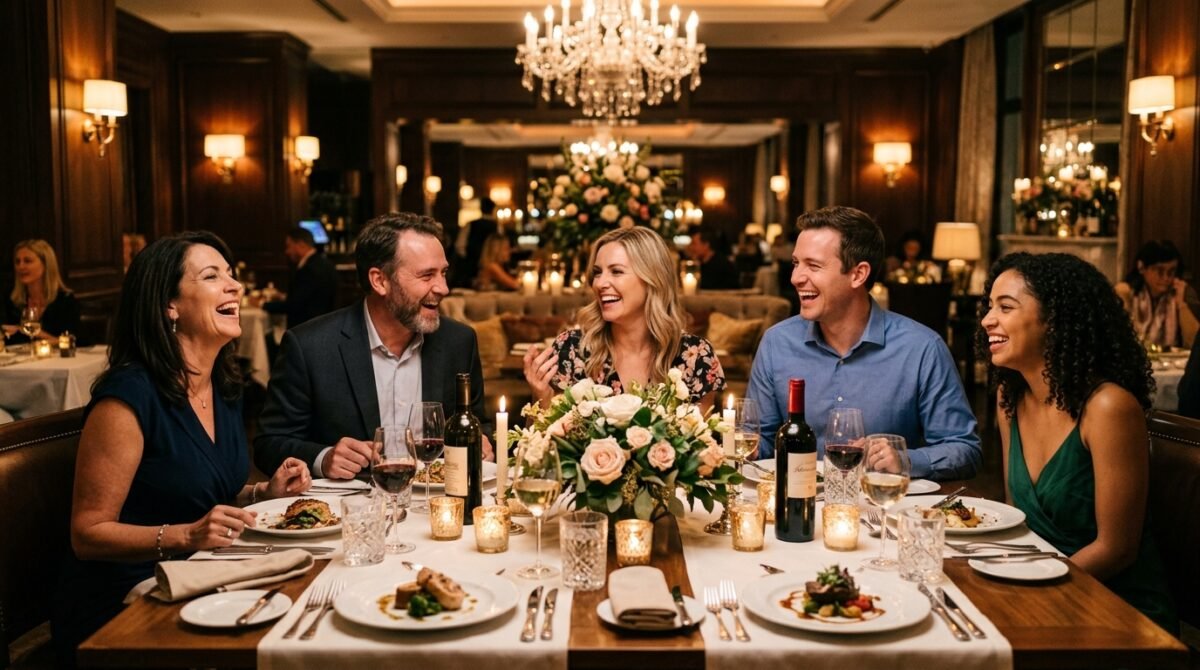
Thanksgiving Day arrived, and the atmosphere in our house was electric. Leo and Sarah arrived early, bringing with them a sense of joy that Eleanor could never replicate. We didn’t talk about the drama. We talked about Leo’s new job and Sarah’s upcoming trip. We opened a bottle of wine, we laughed, and we got dressed up. We weren’t going to look like ‘strays’; we were going to look like the happiest people on the planet.
When we arrived at the Grand Meridian, the staff treated us like royalty. We were shown to a private alcove, overlooking the city lights. The table was set with fine china and polished silver. I looked around at my siblings and my husband, who had eventually chosen to come with me. He looked uncomfortable at first, but seeing the genuine happiness in our group, his posture began to relax.
“I have to admit, this beats listening to Mother complain about the turkey being too dry for the third year in a row. You were right. This is exactly what we needed.”
— David, after our first round of drinks
We ordered the tasting menu. We ate things I couldn’t even pronounce, and we toasted to the ‘broken pieces’ that had built a life worth living. For three hours, the world didn’t exist. There was no Eleanor, no snide sister-in-law, and no toxic group chat. There was just the five of us, celebrating the fact that we had chosen each other.
As we ate, I checked my phone. Eleanor had called six times. She had sent three texts, each one more frantic than the last. She was demanding to know why we weren’t there, asking who was going to carve the bird, and eventually, threatening to write us out of the ‘family inheritance.’ I silenced the notifications and put the phone in my purse. It was the most liberating feeling I had ever experienced.
The bill at the end of the night was substantial, but worth every single penny. It wasn’t just a dinner; it was a statement. I paid the bill, left a generous tip, and walked out of that hotel feeling like a weight had been lifted from my shoulders. We weren’t just avoiding a toxic environment; we were creating our own definition of family, one that didn’t require permission or approval from anyone.
The Aftermath of the Silence
The next morning was quiet. I woke up knowing that the storm was coming. I expected the phone to start ringing the moment the sun came up, and I wasn’t disappointed. Eleanor’s first call came at 7:00 AM. I didn’t answer. I just blocked her. It was the easiest thing I had ever done. It wasn’t about being petty; it was about protecting my peace.
David, however, was in a tailspin. His phone was blowing up with messages from his sister, Clara, and his aunts, all demanding to know why he had ‘disrespected’ his mother by skipping the big dinner. He read some of them to me, his voice trembling with the pressure of it all. He was used to being the ‘golden child,’ and now, he was being cast as the betrayer.
“David, you need to apologize. You don’t know what you’ve done. She’s distraught. She’s told everyone you were kidnapped or that you were having a mental breakdown because of the ‘people’ you were with. It’s a mess.”
— A text from Clara, David’s sister
I told David that he needed to set his own boundaries. I wasn’t going to force him to cut off his family, but I was done being the target of their vitriol. If he wanted to maintain a relationship with them, that was his business, but I would not be a participant. He looked at me, and for the first time, he didn’t argue. He looked tired. He was finally seeing the manipulation for what it was.
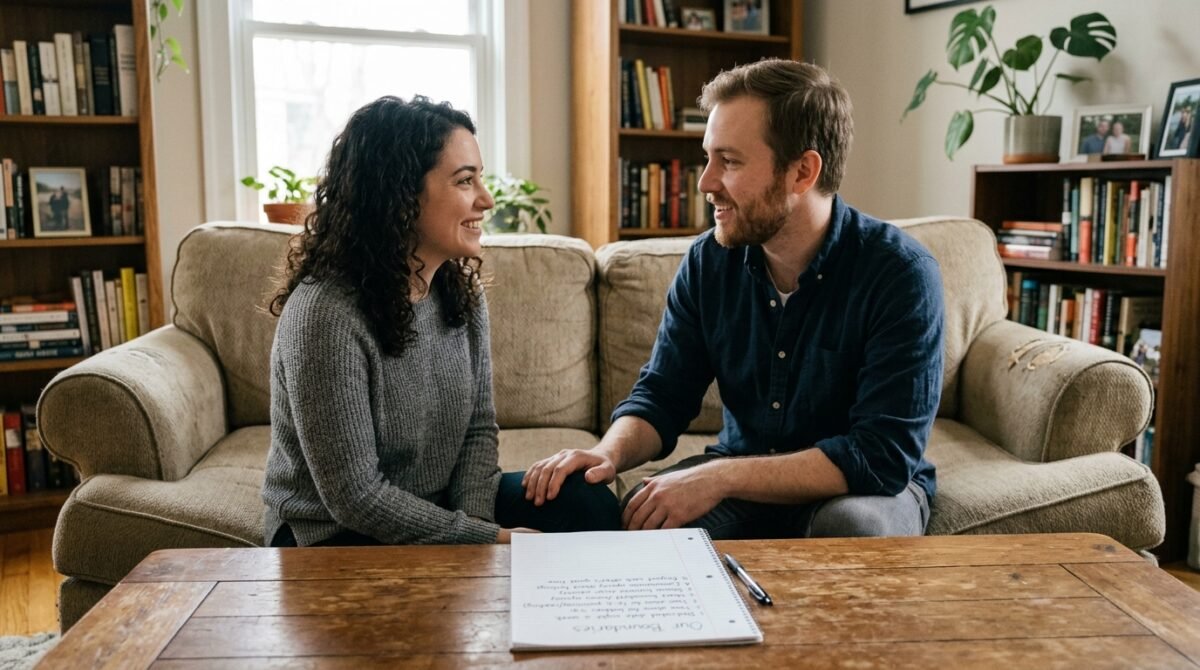
We spent the day together, just the two of us, talking about the future. We realized that our marriage had been a series of compromises, all in favor of his family. We had sacrificed our time, our money, and our peace of mind for people who didn’t even respect us. That was going to change. We started making a list of boundaries—non-negotiable ones.
No more unannounced visits. No more demands for our schedule. No more insults directed at the people we loved. If they couldn’t respect us, they didn’t get access to us. It was a radical shift, but it felt like the only way to save our sanity. And strangely, once we made that decision, the dread that had been hanging over our heads for months began to dissipate.
The Reddit Verdict: Community Reaction

I knew I couldn’t be the only one who had dealt with this, so I posted the story to a popular subreddit. I needed an outside perspective. I needed to know if I was crazy for feeling this way. The response was immediate and overwhelming. Thousands of people jumped into the thread, sharing their own stories of chosen family and toxic in-laws.
“OP, you are an absolute legend. The fact that you didn’t yell, didn’t fight, and just spent that money on your actual family? That is the ultimate power move. Eleanor was never going to respect you. You didn’t lose family; you lost a weight that was holding you back. NTA, 100%.”
— u/FamilyFirstWarrior (Top Comment, 32.5k upvotes)
Reading the comments was therapeutic. There were people who had been in the foster system who shared stories of their own ‘found families,’ and people who had been the ‘scapegoat’ in their own toxic families. The consensus was clear: I had done the right thing. It wasn’t about the dinner; it was about the lack of respect and the dehumanization of people who were important to me.
There were some dissenting voices, of course. Some people argued that I should have ‘taken the high road’ and just showed up to keep the peace. But those comments were quickly buried by the sheer volume of support. People recognized that the ‘high road’ is often just another name for being a doormat. I didn’t owe Eleanor anything, especially not at the expense of my own integrity.
I spent hours replying to comments, listening to advice, and finding comfort in the shared experiences of strangers. It was a reminder that I wasn’t alone in this. The internet, for all its toxicity, can sometimes be a place of incredible validation and community. It gave me the strength to stand by my decision, even when the pressure from my in-laws continued to mount.
The Fallout: Dealing with the Family Pressure

The weeks following Thanksgiving were a blur of cold-shoulder treatments and passive-aggressive emails. Eleanor tried to frame the whole thing as a misunderstanding, claiming she ‘never meant’ to uninvite my siblings, even though I had the text message as proof. She tried to gaslight me, telling me that I had ‘imagined the tone’ of her voice.
“I never said they couldn’t come. You’re being incredibly dramatic, and you’re hurting David by tearing the family apart over a simple seating preference. You need to apologize to everyone for this stunt.”
— An email from Eleanor, sent two weeks later
I didn’t respond to the email. I just sent it to David. He was the one who needed to see the gaslighting. He was finally starting to realize that his mother would never admit fault, never apologize, and never change. It was a painful realization for him, but a necessary one. He started to pull back, responding less to their messages and spending more time with me.
We had a few tense dinners with his siblings, where they tried to pressure us into ‘making things right.’ But we stood our ground. We weren’t going to apologize for choosing to spend our time with the people we loved. It was a hard lesson for them, but it was a necessary one. They were used to being the center of our world, and now they had to learn that they were just a part of it—and an optional part at that.
The stress was real, and there were days when I wanted to just give in and get it over with. But then I would look at my photos from that night at the hotel—the laughter, the real connection, the joy—and I would remember why I did it. It wasn’t about spite. It was about valuing my siblings enough to fight for them. And that, I realized, was worth any amount of family drama.
Redefining Tradition
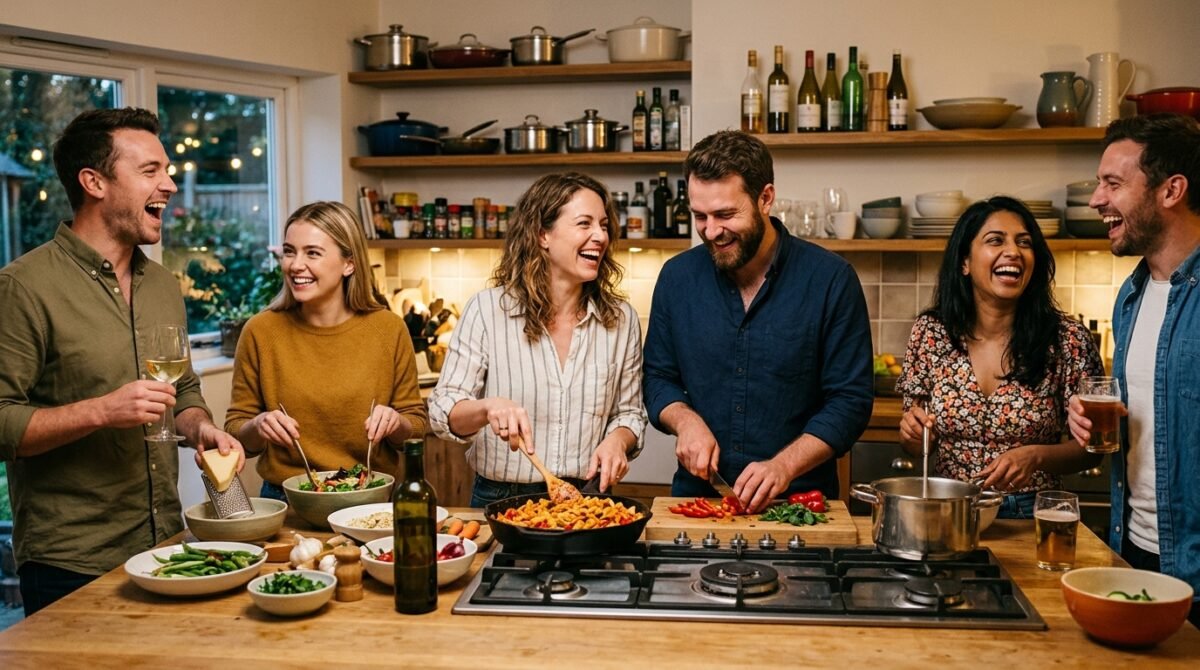
Now that the holidays are a distant memory, I’ve started to think about what we want our future to look like. We don’t want to be beholden to anyone else’s version of what a family should be. We’re building our own traditions now. We have movie nights, weekend hikes, and dinners that are open to everyone who needs a seat. It’s not ‘perfect’ by Eleanor’s standards, but it’s real.
My relationship with David has actually improved. We’re no longer walking on eggshells, trying to please a woman who will never be pleased. We’re partners, not just in our marriage but in our approach to life. We’ve learned that the biggest threat to our relationship wasn’t our differences, but our failure to prioritize each other over the expectations of others.
“I never realized how much weight I was carrying until I just… let go. You were right to stand up to them. I’m sorry it took me so long to see it.”
— David, during a quiet dinner at home
It was the best thing he could have said. It wasn’t an apology for the past, but a commitment to the future. We’re both in therapy now, working through the issues that led to this point. It’s not easy, but it’s honest. We’re building something that’s meant to last, something that’s built on respect and mutual support, not just obligation.
I’ve also reconnected with my foster siblings on a deeper level. We’ve all grown from this. We realized that we don’t need anyone’s permission to be a family. We have each other, and that’s enough. We’re planning a trip for next Thanksgiving—somewhere warm, somewhere far away, and definitely somewhere where no one can tell us who is and isn’t ‘real’ family.
Lessons in Boundaries
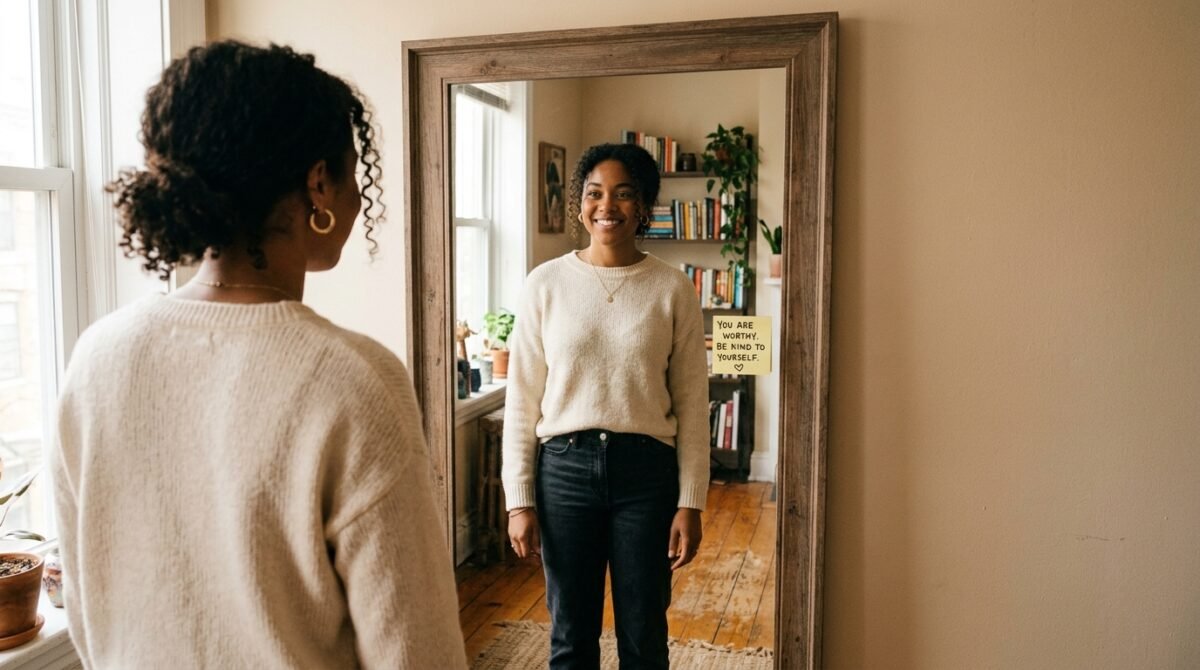
Looking back, the whole incident feels like a turning point. It was a trial by fire, a moment that forced me to define what I was willing to tolerate and what I was not. I learned that boundaries aren’t just about saying ‘no’; they’re about saying ‘yes’ to your own values, even when it’s uncomfortable.
Eleanor is still out there, probably planning her next ‘perfect’ event, wondering why her son doesn’t answer her calls as quickly as he used to. She’ll never understand, and that’s okay. My job isn’t to change her; it’s to build a life that I can be proud of, one that reflects the kindness and inclusion that she so clearly lacks.
“Boundaries are the distance at which I can love you and me simultaneously. If I can’t be myself and be around you, then the distance isn’t right.”
— A quote I kept on my mirror to remind me of my resolve
I hope that anyone reading this understands that you don’t have to sacrifice your dignity for the sake of ‘family.’ If your family expects you to abandon the people you love because they don’t fit into a certain box, then they aren’t the kind of family you need in your life. You are the architect of your own happiness, and you have the right to choose who gets to be a part of it.
It’s a hard lesson, and it comes with a price. There will be people who don’t understand, people who judge you, and people who will call you ‘difficult.’ But the freedom that comes on the other side? It’s worth more than any traditional dinner, any inheritance, or any social status. It’s worth everything.
Moving Forward with Intent
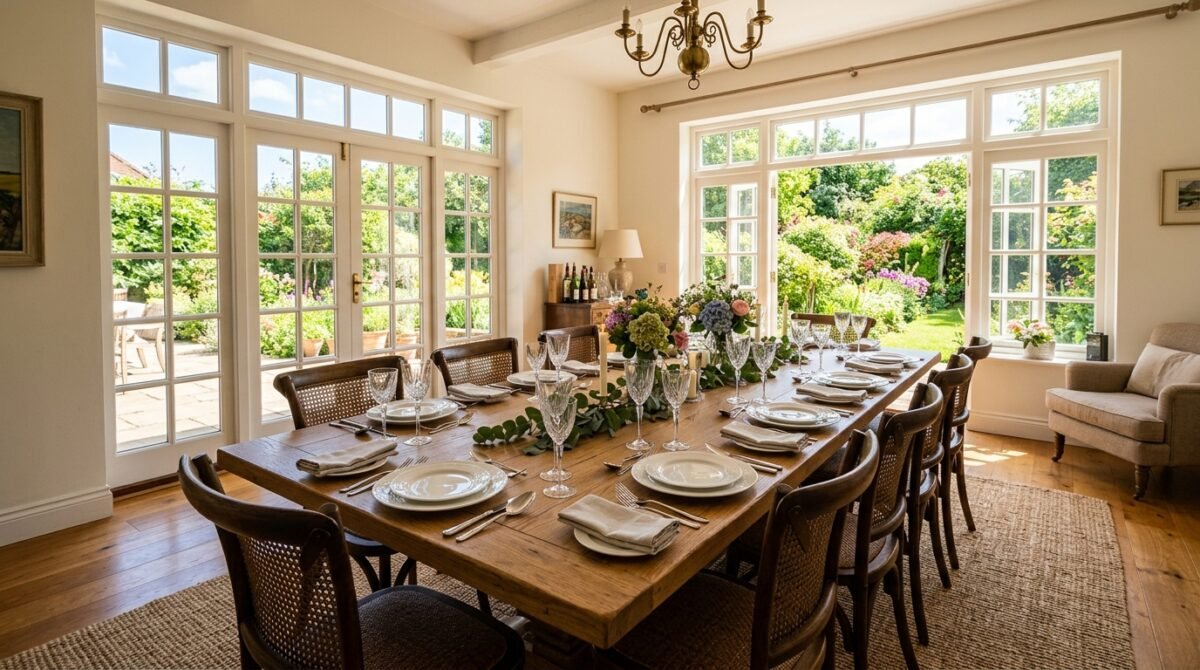
Today, my life is filled with the people who make it worth living. We’re moving forward with intent, making choices that align with our values. We’re not looking back, and we’re not waiting for approval. We’ve realized that we are stronger together, and that our chosen family is the only one we need.
I’ve stopped checking for updates from my in-laws. I’ve stopped worrying about what they think. And you know what? Life has never been better. The stress is gone, the anxiety is fading, and for the first time in a long time, I’m truly at peace with the life I’ve built.
“The most important family you will ever have is the one you choose for yourself. Never trade that for a seat at a table that doesn’t want you there.”
— My final takeaway from the experience
I hope this story inspires someone to stand up for their own boundaries. It’s not easy, and it’s not always pretty, but it’s the most important thing you can do for yourself. You are worthy of love, you are worthy of respect, and you are worthy of a family that sees you for who you truly are—not just a pawn in their own game of control.
So here is to the future, to the messiness of real life, and to the people who make it worth it. May your tables always be full of people who love you, and may you never be afraid to walk away from anyone who tries to tell you otherwise.
Conclusion
The moral of this story isn’t about revenge; it’s about the radical act of self-respect. When Eleanor tried to curate a ‘perfect’ holiday by excluding those who mattered most to me, she unwittingly gave me the best gift of all: the freedom to stop trying to please someone who was never going to be satisfied. I learned that my foster siblings aren’t ‘charity cases’—they are my family, my support system, and my heart. Choosing them over an expensive, soul-crushing dinner wasn’t just a win for the holiday; it was a win for my life.
We have all faced the dilemma of choosing between ‘blood’ and ‘chosen’ family, or between keeping the peace and maintaining our integrity. It’s a heavy cross to bear, but remember this: the people who truly love you will never ask you to compromise your values or hurt the people you love. If they do, they aren’t looking for a family member; they’re looking for a puppet.
I want to hear from you. Have you ever had to draw a line in the sand with your own family during the holidays? How did you handle the pressure to ‘just go along with it’? Let’s keep the conversation going in the comments below. Your stories might be the exact validation someone else needs to reclaim their own peace this year.
What's your verdict on this dilemma?
Vote below to contribute to the official community consensus.

Have a Dilemma Keeping You Up at Night?
Share your real-life feud, wedding chaos, or relationship crossroads anonymously with our editorial team.
What do you think ?
0 Comments🛡️ Comments are moderated to protect community integrity. Your comment will appear once approved by the editorial team.